
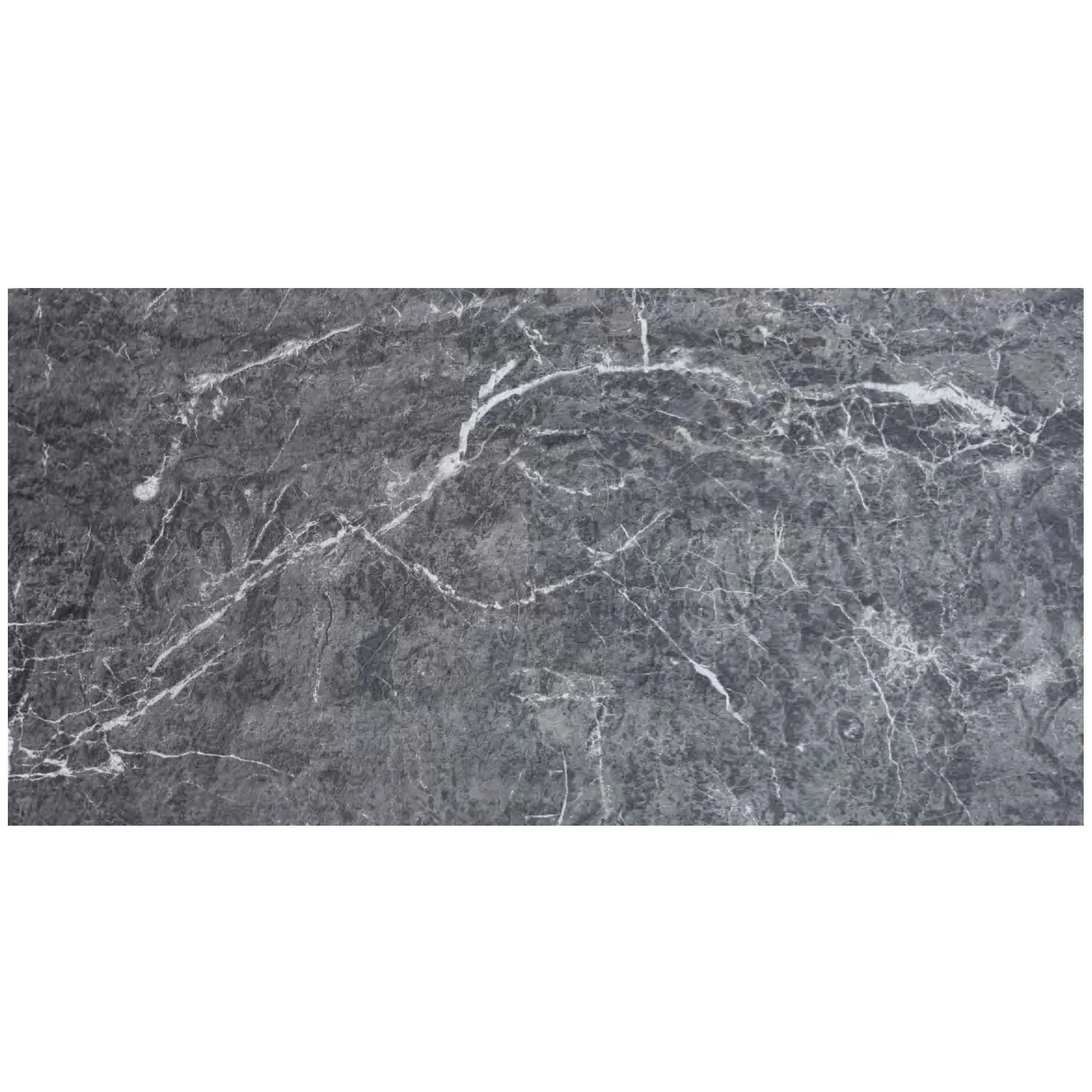
There's something almost primal about our attraction to black stone. It's the way it absorbs light, then releases it in subtle, smoky hues—the depth of a starless night, the quiet confidence of a well-tailored tuxedo. For decades, one name has reigned supreme in the world of luxury black granite: Granite Nero Margiua. With its inky base swirled with threads of gold and silver, it's the material of choice for designers aiming to make a statement—whether in a penthouse lobby, a high-end kitchen, or a boutique hotel spa. But for all its beauty, this natural stone has long carried a hidden weight, both literal and figurative. Enter MCM modified cementitious material—a quiet revolution that's not just mimicking Nero Margiua's allure, but redefining what "luxury" means in modern design.
Let's start with the obvious: Granite Nero Margiua is stunning. Quarried from select sites in Italy and Brazil, each slab is a one-of-a-kind masterpiece. The dark background, shot through with mineral deposits that catch the light like scattered stardust, creates a visual drama that's hard to replicate. Walk into a room clad in Nero Margiua, and you immediately feel its presence—it's bold without being brash, elegant without feeling cold. No wonder architects like to call it "the little black dress of stones."
But here's the catch: that beauty comes with a price, and not just the monetary kind. Traditional Nero Margiua slabs are thick—often 20mm or more—and heavy. A single square meter can weigh upwards of 50kg, which isn't just a logistical headache; it's a structural one. Installing it on walls? You'll need reinforced framing. Using it on high-rise exteriors? Prepare for added load-bearing costs. And forget about curved surfaces—natural granite is rigid, so those sweeping, organic designs you see in magazines? They're usually faked with paint or cheaper imitations, not real Nero Margiua.
Then there's maintenance. Despite its reputation for durability, natural granite is porous. Spill a glass of red wine, and if you don't wipe it up immediately, you might end up with a permanent stain. Seal it? Sure, but that means re-sealing every 1-2 years, adding to the long-term cost. And let's talk sustainability. Quarrying natural stone is resource-intensive: heavy machinery, water usage, and the unavoidable waste of "offcuts" that don't make the grade. For a material so often associated with luxury, it's surprisingly at odds with the eco-conscious values of today's design world.
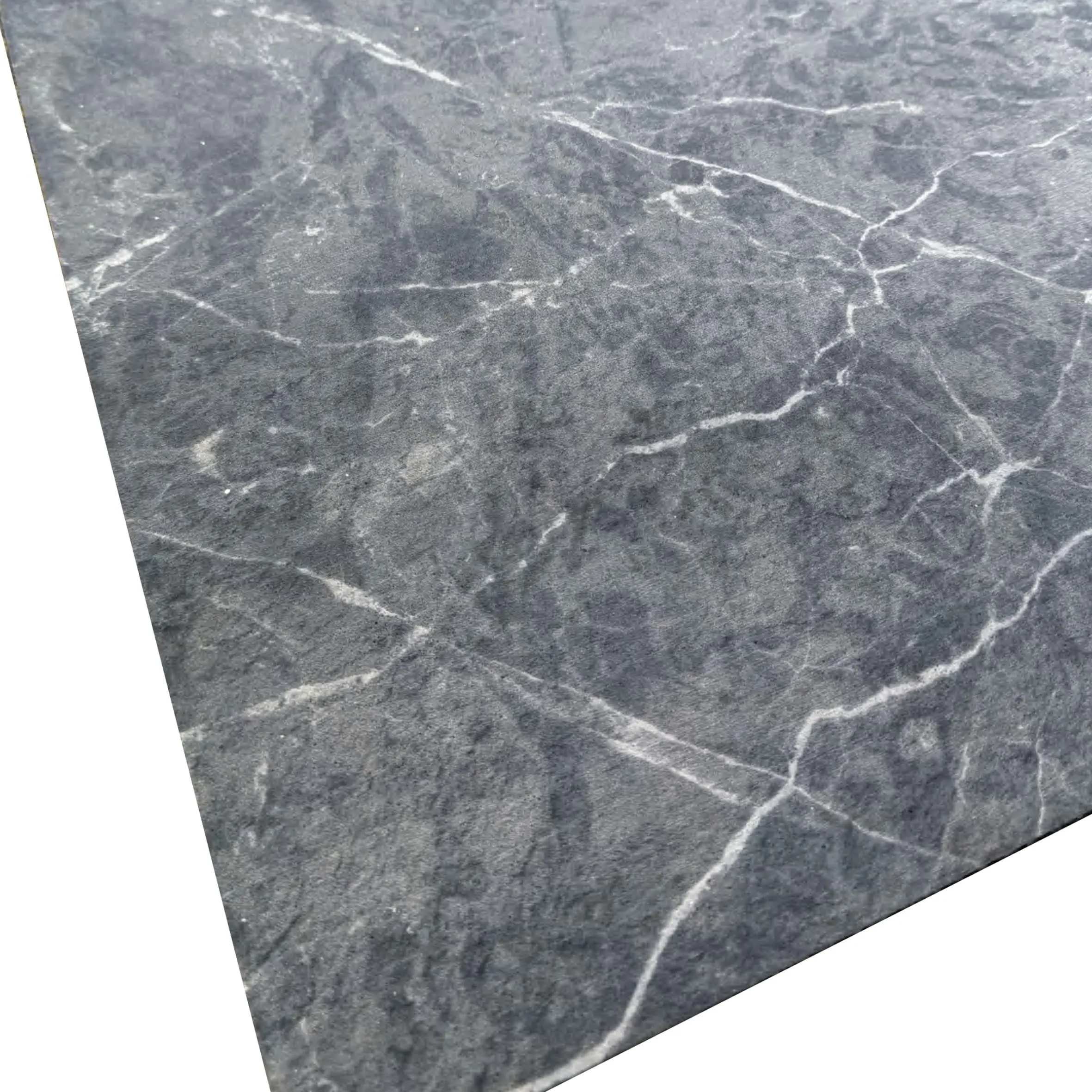
So, what if there was a way to keep the soul of Nero Margiua—the depth, the texture, the way it interacts with light—without the bulk, the hassle, or the environmental footprint? That's exactly what MCM (Modified Cementitious Material) set out to do. At its core, MCM is a composite material: a blend of natural mineral aggregates, polymers, and reinforcing fibers, engineered to be thin, flexible, and incredibly strong. Think of it as stone, reimagined. Not as a rigid slab hacked from the earth, but as a lightweight, adaptable skin that can mimic the look and feel of natural stone—including Nero Margiua—with pinpoint accuracy.
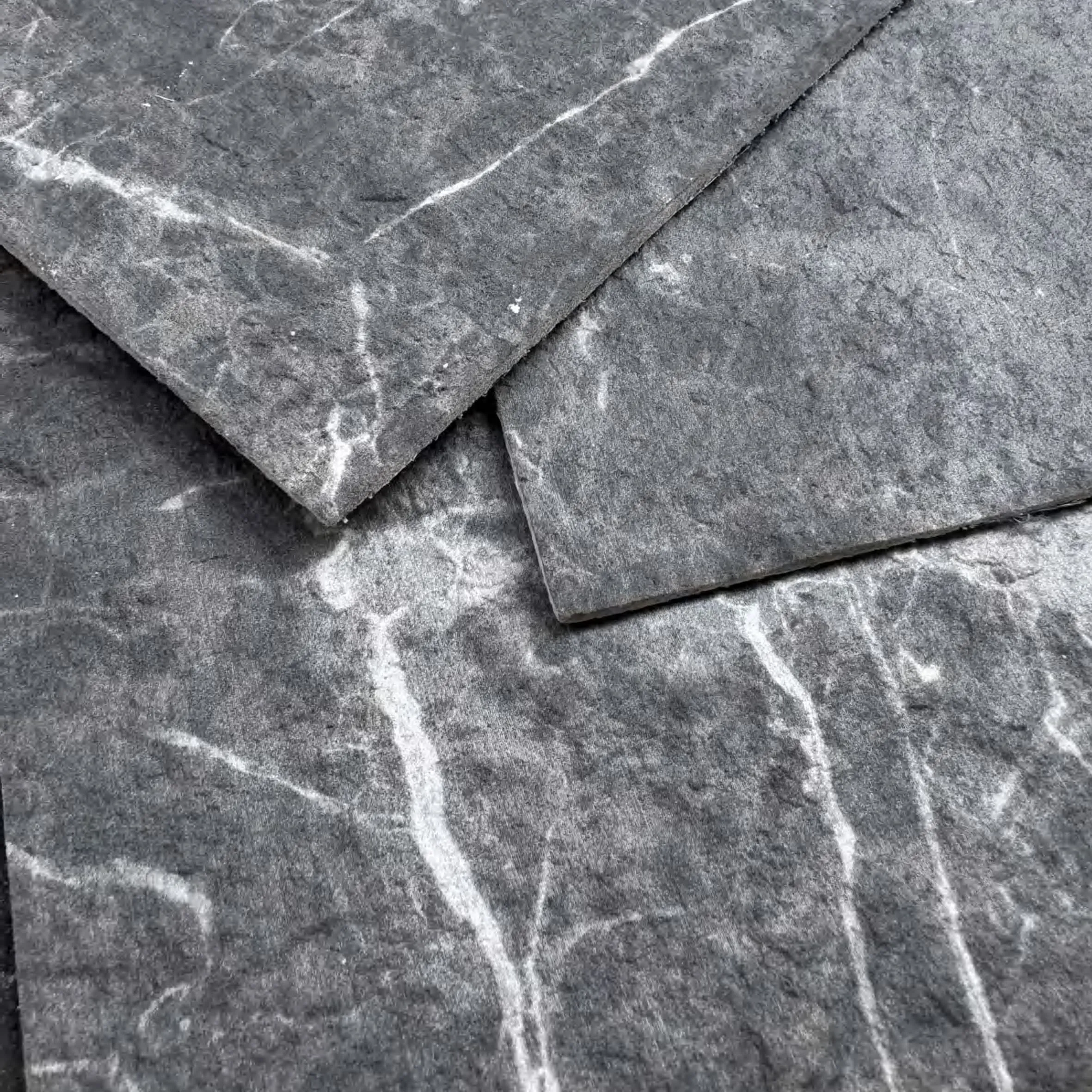
The magic lies in the manufacturing process. MCM starts with capturing the essence of Nero Margiua: its unique veining, the subtle variations in color, even the tiny pits and fissures that give natural stone its character. Using advanced 3D scanning and molding techniques, these details are reproduced onto a thin (often just 3-5mm thick) MCM sheet. The result? A material that looks so much like the real thing, you'd swear you're running your hand over a quarried slab—until you lift it. A square meter of MCM Nero Margiua weighs just 8-12kg, a fraction of traditional granite's heft. That's a game-changer.
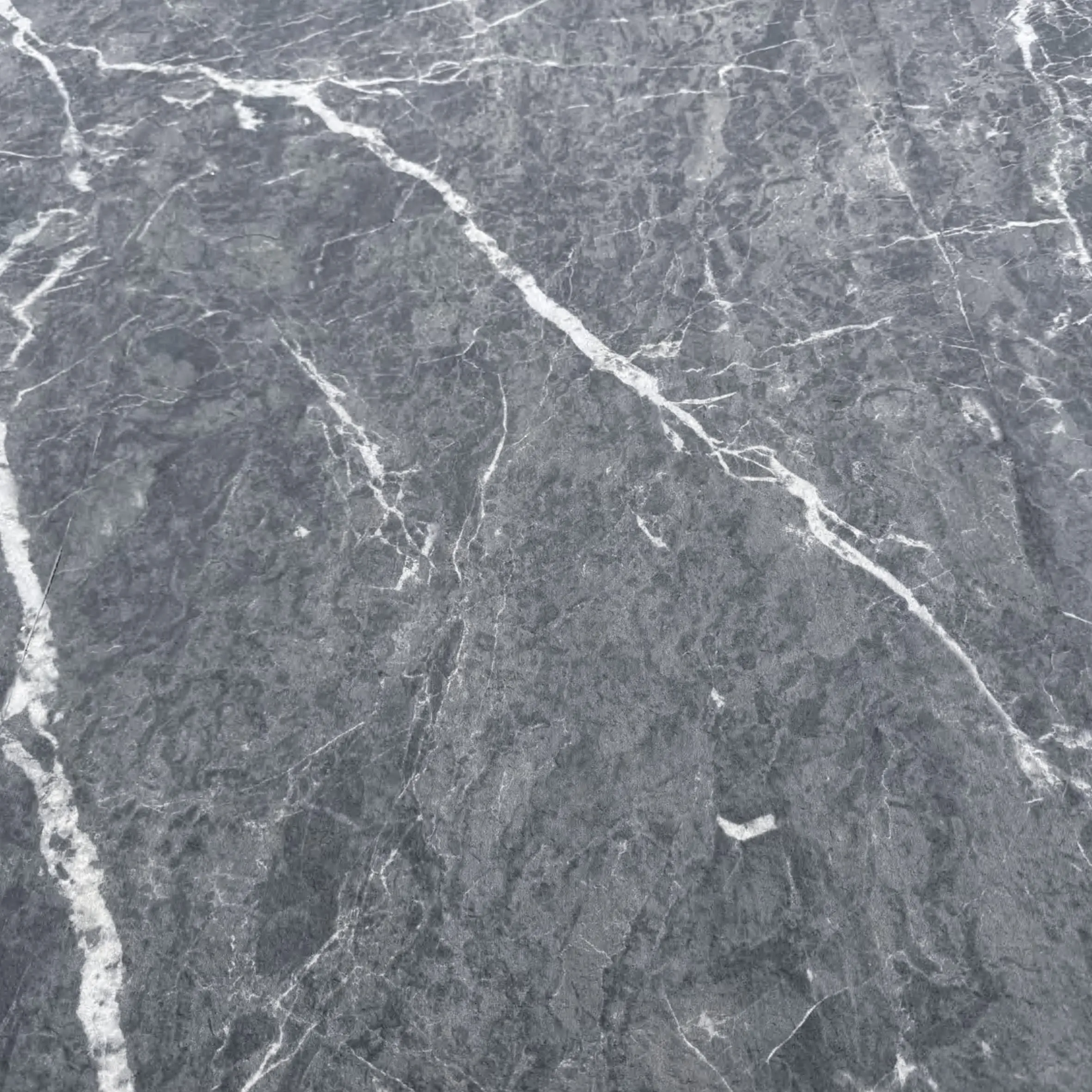
Let's dive into the specifics. MCM doesn't just copy Nero Margiua—it elevates it. Two products in particular stand out: MCM flexible stone and the MCM big slab board series . Together, they're rewriting the rules of how we use black stone in design.
MCM flexible stone is exactly what it sounds like: a thin, bendable sheet that can conform to curved surfaces, columns, or even ceiling details. Imagine wrapping a spiral staircase in Nero Margiua's inky elegance, or adding a curved accent wall in a bedroom—details that would be nearly impossible with traditional granite. The flexibility also makes installation a breeze. Unlike heavy slabs that require cranes and specialized labor, MCM flexible stone can be cut on-site with standard tools, glued directly to walls or substrates, and even trimmed to fit awkward corners. No more stressing over precise measurements or costly mistakes.
Then there's the MCM big slab board series. Traditional Nero Margiua slabs are limited by quarry size—usually maxing out around 3m x 1.5m. MCM big slabs, though? They can reach up to 6m x 3m, creating seamless, joint-free surfaces that amplify Nero Margiua's sense of grandeur. Walk into a lobby clad in a single MCM big slab, and there's no breaking the illusion—just an uninterrupted expanse of deep black, swirled with gold, that feels both intimate and monumental. It's the kind of design detail that turns a space from "nice" to "unforgettable."
Of course, aesthetics are only half the story. What really makes MCM a game-changer is how it solves the practical pain points of traditional Nero Margiua. Let's break it down with a side-by-side comparison:
| Attribute | Traditional Granite Nero Margiua | MCM Nero Margiua (Flexible Stone/Big Slab) |
|---|---|---|
| Thickness | 20-30mm | 3-5mm |
| Weight (per sq m) | 45-55kg | 8-12kg |
| Installation | Requires heavy machinery, reinforced structures, specialized labor | Can be cut on-site, glued directly, installed with basic tools |
| Water Absorption | Porous (requires sealing every 1-2 years) | Non-porous (resistant to stains, no sealing needed) |
| Design Flexibility | Limited to flat, straight surfaces; small slab sizes | Curved surfaces, big slabs (up to 6m x 3m), custom cuts |
| Sustainability | High quarrying impact, significant waste from offcuts | Low carbon footprint, minimal waste, recycled materials used |
Take sustainability, for example. MCM production uses far less water and energy than traditional quarrying, and because it's a composite, it can incorporate recycled materials like crushed stone waste. Plus, since MCM sheets are lightweight, transportation emissions are drastically reduced. For designers and homeowners alike, that's a win-win: luxury without the guilt.
Durability is another highlight. MCM is engineered to withstand the wear and tear of daily life. It's scratch-resistant, fade-resistant (even in direct sunlight), and impervious to water and stains. Spill coffee on an MCM Nero Margiua countertop? Wipe it up with a cloth—no stain, no stress. That makes it ideal for high-traffic areas like kitchens, bathrooms, or commercial spaces, where traditional granite might show signs of wear over time.
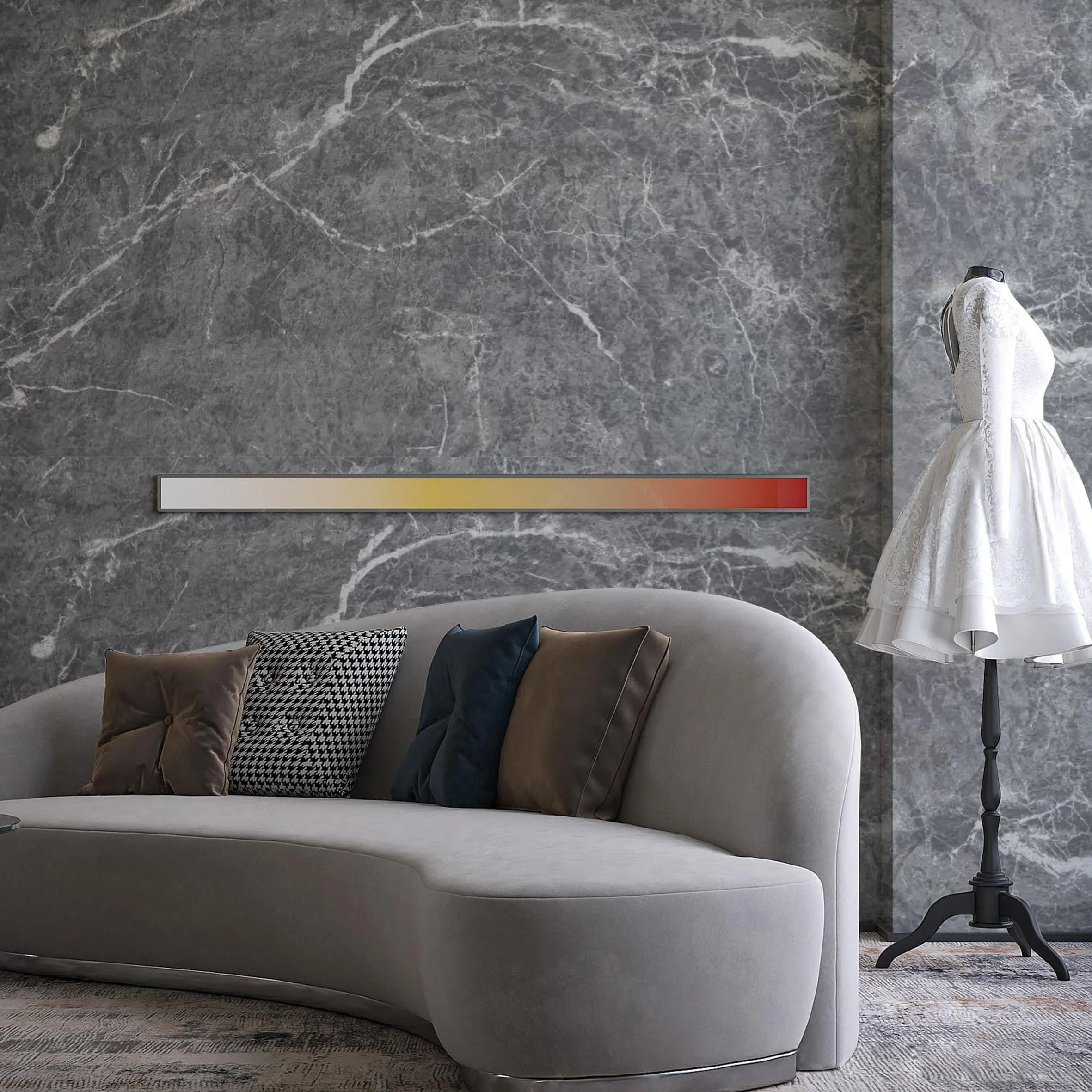
Let's talk about the fun part: actually using MCM Nero Margiua in design. The material's versatility opens up a world of creativity, whether you're going for opulent luxury or understated modernity.
In residential spaces, MCM flexible stone shines in unexpected places. Imagine a home office with a curved accent wall in Nero Margiua, paired with warm wood tones and soft lighting—the contrast of black and natural wood creates a space that feels both focused and inviting. Or a bathroom where the shower walls are clad in MCM big slabs, turning a utilitarian space into a spa-like retreat. Even small touches, like a kitchen backsplash or a fireplace surround, can become focal points when wrapped in MCM's realistic Nero Margiua texture.
For commercial projects, the MCM big slab board series is a star. Hotels are using it in lobbies to make a bold first impression, while restaurants are incorporating it into bar fronts or feature walls to add a touch of sophistication. Retail spaces, too, are getting in on the trend—imagine a high-end boutique with Nero Margiua MCM walls that make clothing displays pop, or a tech store where the sleek black surfaces complement the latest gadgets. The material's ability to blend with other MCM offerings, like fair-faced concrete or polish concrete , also adds layers of texture. Pair Nero Margiua MCM with fair-faced concrete floors, and you get a raw, industrial-chic vibe that's both modern and timeless.
And let's not forget exteriors. Traditional granite is heavy and porous, making it less than ideal for outdoor use (think freeze-thaw damage or staining from rain). MCM Nero Margiua, though, is weather-resistant and lightweight, making it perfect for facade cladding, outdoor kitchens, or even pool surrounds. Imagine a home with a Nero Margiua MCM exterior, its black surface glowing softly under outdoor lights—a striking contrast to green landscaping, and a far cry from the cookie-cutter brick or siding of neighboring houses.
At the end of the day, MCM isn't just redefining Granite Nero Margiua aesthetics—it's redefining what we expect from luxury materials. For too long, "luxury" in stone meant choosing between beauty and practicality, between tradition and innovation. MCM erases that line. It says you can have the depth and drama of Nero Margiua, the flexibility to design the spaces you've only dreamed of, and the peace of mind that comes with sustainability and durability. It's luxury that works harder, smarter, and more thoughtfully.
So, whether you're an architect pushing the boundaries of what's possible, a designer crafting spaces that tell a story, or a homeowner wanting to bring a touch of elegance to everyday life, MCM Nero Margiua is more than a material—it's a tool for creativity. It's proof that innovation doesn't have to sacrifice soul, and that the future of design lies in materials that honor the past while embracing the future.
Granite Nero Margiua will always hold a special place in design history. But with MCM, it's no longer a material trapped by its own weight. It's free—to curve, to flow, to adapt, and to inspire. And that, perhaps, is the most beautiful transformation of all.
Recommend Products












