

The world of construction is constantly evolving, but one persistent challenge remains: the staggering amount of waste it generates. From demolition debris to off-cuts of new materials, construction waste is a global issue, contributing significantly to landfill burden, resource depletion, and carbon emissions. It's a problem that demands innovative solutions, and at COLORIA GROUP, we're not just observing the issue; we're actively pioneering change. As a dedicated one-stop solution provider in architectural materials, we are committed to transforming the building landscape with products that don't just look good, but do good.
Our flagship offering, the MCM (Modified Cementitious Material) Semicircle Board, stands at the forefront of this revolution. It's more than just a decorative material; it's a testament to sustainable design and engineering. This article will delve into the critical problem of construction waste, explore the ingenious nature of MCM technology, and highlight how our MCM Semicircle Board specifically champions eco-friendly practices, offering architects, builders, and homeowners a path towards truly sustainable and beautiful environments.
Before we dive into solutions, let's truly grasp the scale of the problem. Construction and demolition (C&D) waste accounts for an enormous percentage of total waste generation worldwide. We're talking billions of tons annually – a figure that dwarfs many other waste streams. This isn't just about old buildings being torn down; it's also about inefficiencies in new construction, where materials are often over-ordered, mishandled, or simply don't fit, leading to vast amounts of scrap.
The implications are far-reaching:
Traditional construction materials often exacerbate this problem. Ceramic tiles break easily during transport and installation. Natural stone requires extensive cutting, leaving behind significant offcuts. Even paint containers contribute to plastic waste. There's a clear need for materials that are not only durable and aesthetically pleasing but also inherently designed with waste reduction in mind.
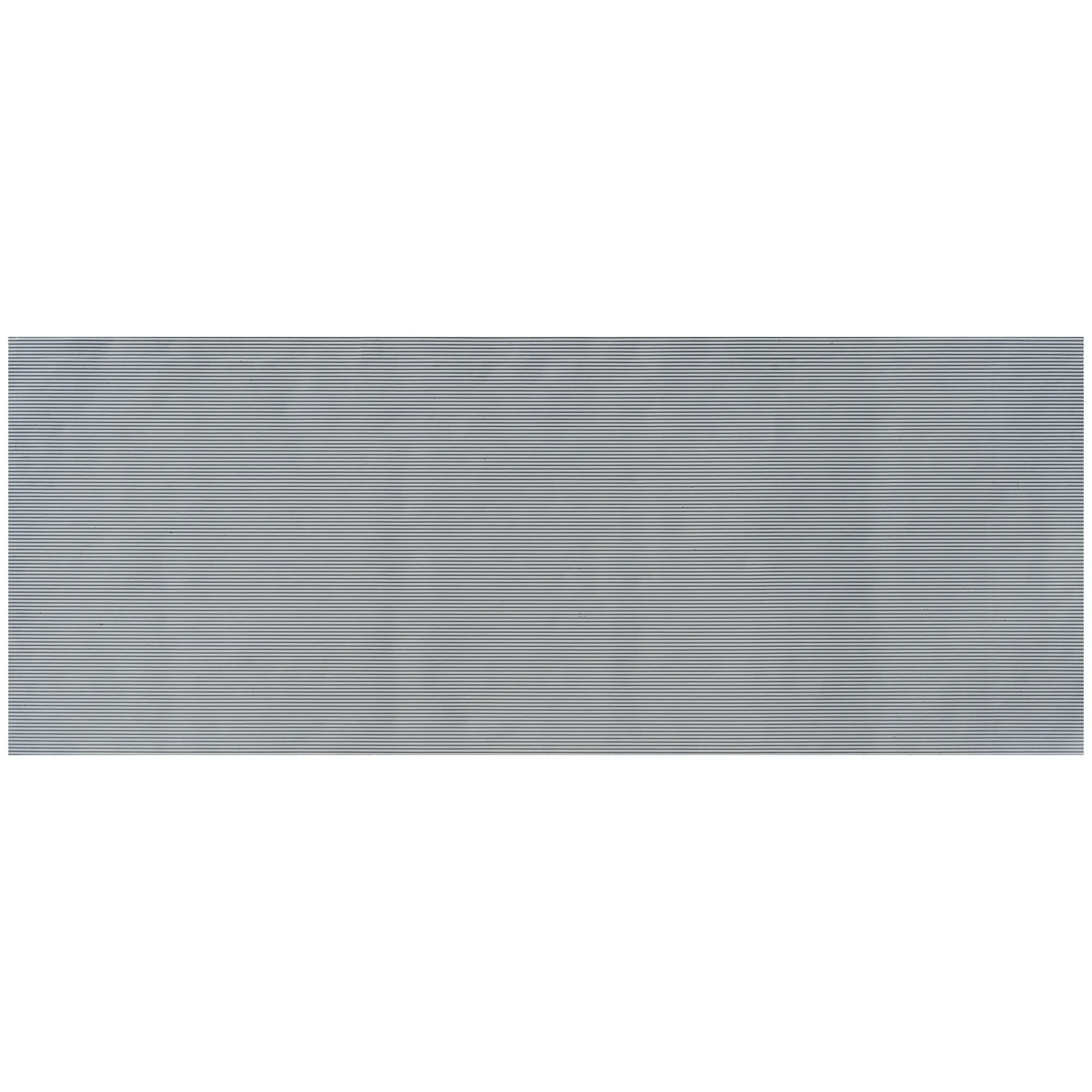
Enter MCM , or Modified Cementitious Material. This isn't just another building material; it's a paradigm shift. At its core, MCM is an innovative composite made from natural minerals, such as clay, sand, and other recycled inorganic materials, which are modified and compounded. The magic happens during its low-temperature firing and molding process. Unlike traditional ceramics that require extreme heat, MCM production is significantly less energy-intensive, drastically cutting down on its carbon footprint.
What makes MCM so special? It's all about its unique combination of properties:
COLORIA GROUP has harnessed this technology across multiple product lines, from our MCM Big Slab Board Series for expansive surfaces to our MCM 3D Printing Series for intricate designs. Each series, while unique, shares the core benefits of MCM, paving the way for more responsible construction.
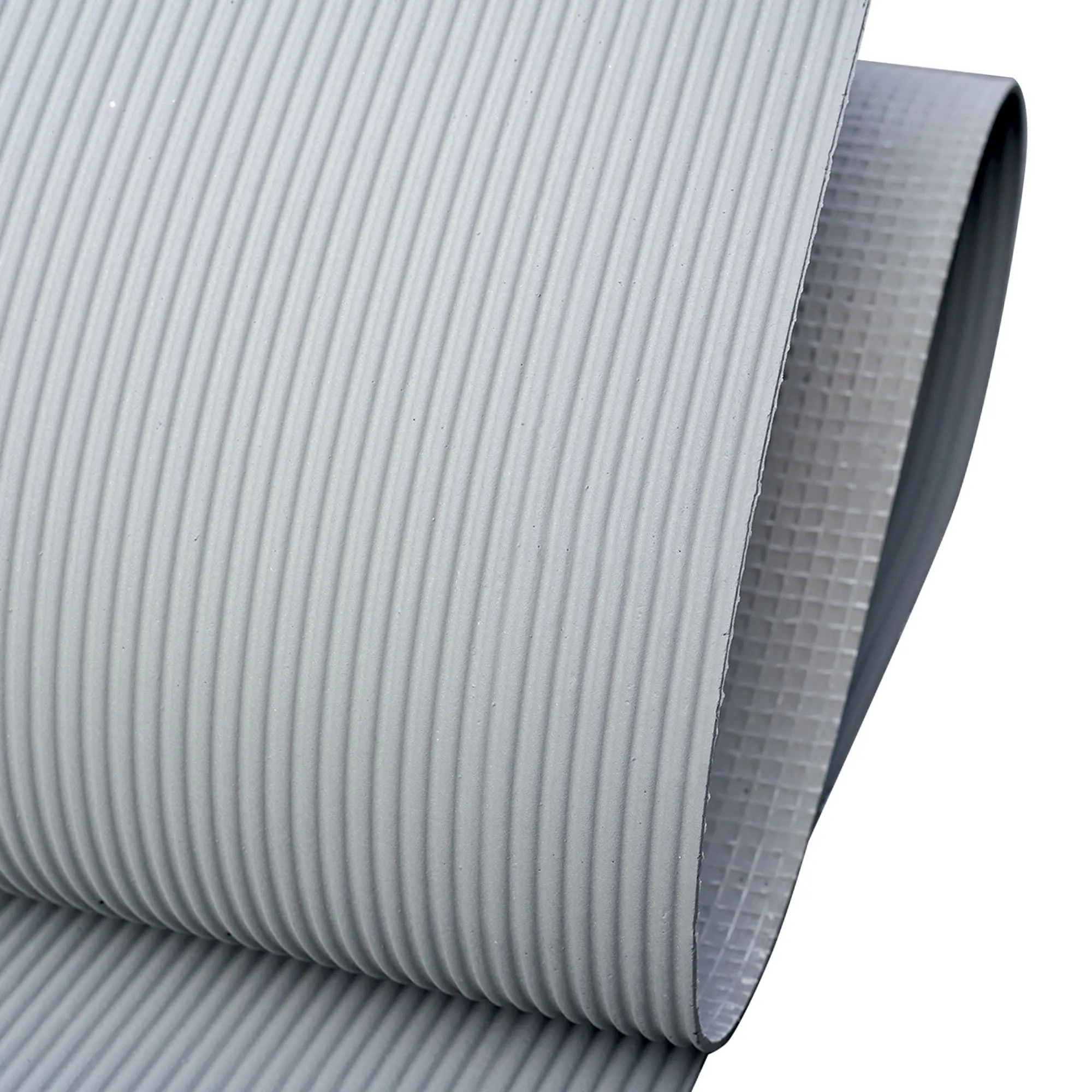
Now, let's specifically shine a light on the MCM Semicircle Board. This particular product exemplifies our commitment to minimizing construction waste through thoughtful design and application. The "semicircle" aspect isn't just for aesthetics; it's a strategic design choice that enhances both functionality and sustainability.
One of the primary ways MCM Semicircle Board reduces waste is through its inherent design for precision and minimal off-cuts. Traditional rectangular tiles or panels often require intricate cuts to fit corners, curves, or specific design patterns, leading to a pile of unusable scraps. The semicircular shape, however, offers unique advantages:
The best way to reduce waste is to prevent it from ever being created. MCM Semicircle Boards are engineered for exceptional durability, meaning they last longer and require less frequent replacement or repair.
The lightweight property of MCM extends its eco-friendly benefits beyond just the material itself.
A truly sustainable material considers its entire lifecycle. MCM Semicircle Boards are designed with the principles of a circular economy in mind.
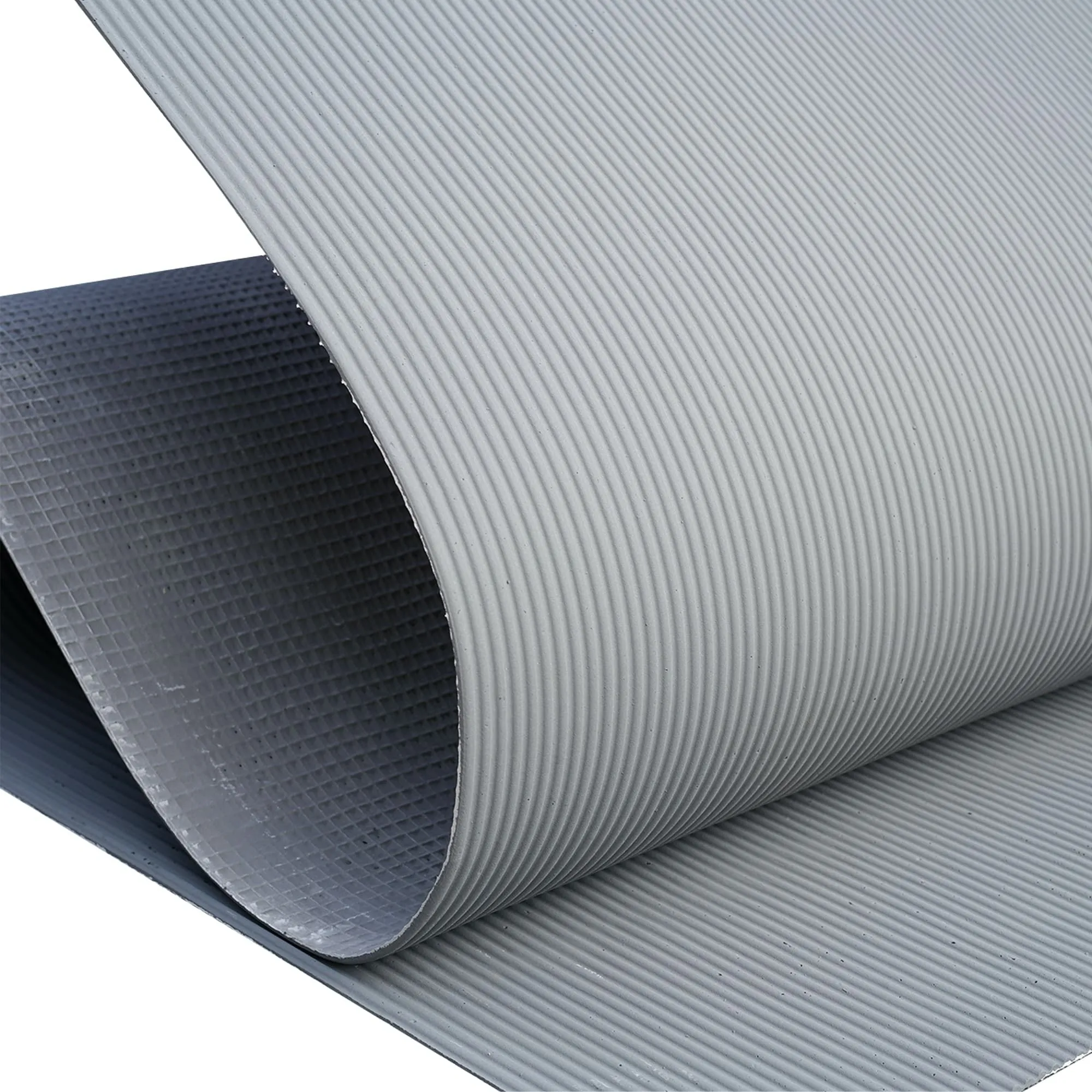
While waste reduction is a primary focus, the MCM Semicircle Board's environmental credentials extend much further, solidifying its position as an truly eco-friendly choice for any project.
From manufacturing to installation and beyond, MCM significantly lowers the carbon footprint of a building. The low-temperature curing process compared to the high-temperature kilns for ceramic tiles means a considerable reduction in energy consumption and associated greenhouse gas emissions. When combined with reduced transportation weight and the need for fewer structural materials, the overall CO2 savings are substantial.
COLORIA GROUP prioritizes responsible sourcing. The natural minerals used in MCM are abundant and often sourced locally, minimizing the environmental impact of extraction and transportation. Furthermore, the absence of volatile organic compounds (VOCs) and other harmful chemicals makes MCM a healthy choice for indoor air quality, contributing to a truly green building.
The breathable nature of MCM helps regulate humidity and temperature within a building, potentially reducing the need for excessive heating or cooling. This improves energy efficiency throughout the building's operational life, further contributing to environmental savings and lower utility bills for occupants.
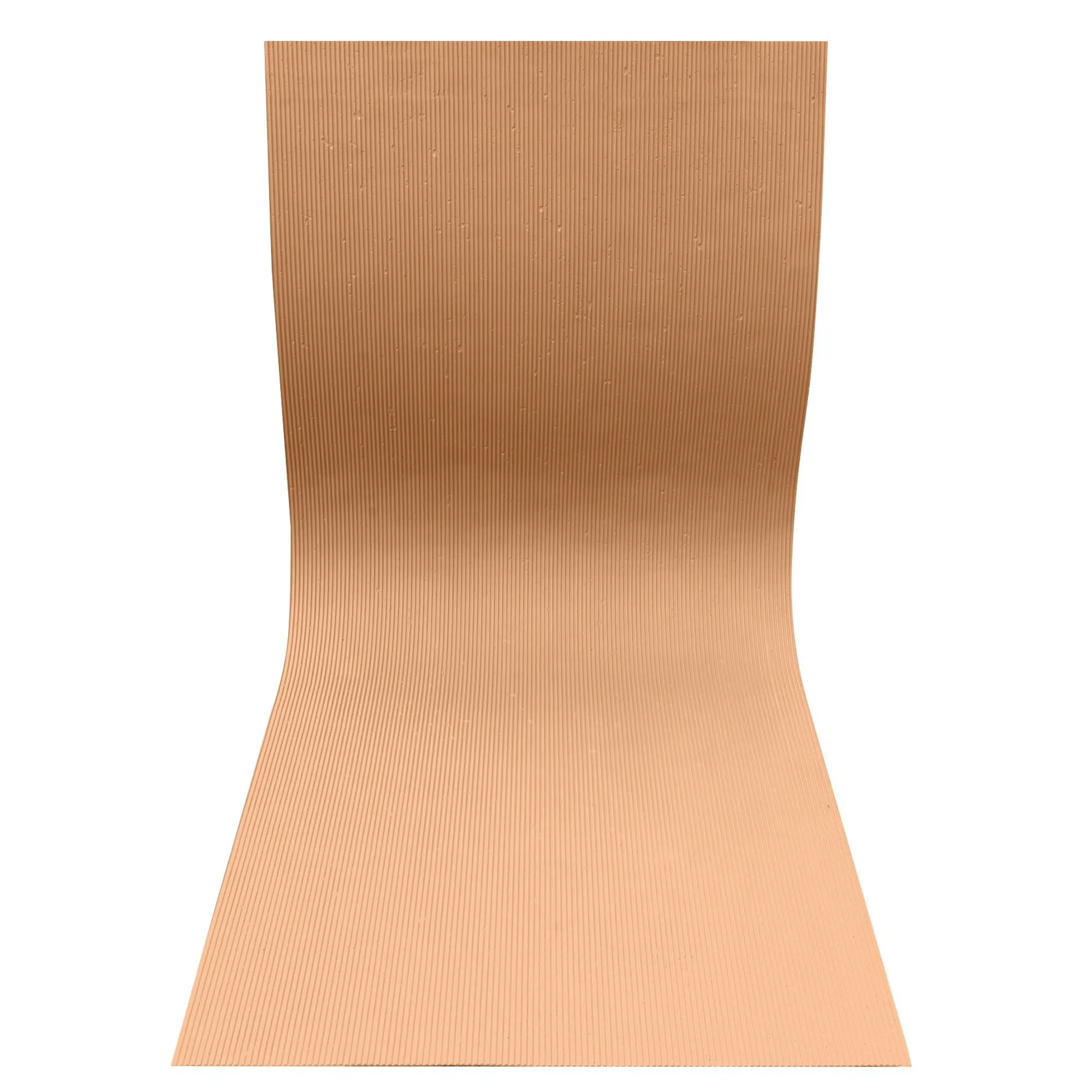
One of the most powerful tools in waste reduction is intelligent design and customization . At COLORIA GROUP, we understand that every project is unique, and a one-size-fits-all approach often leads to waste. Our capability to offer bespoke MCM Semicircle Boards is crucial here.
Imagine a complex architectural facade with flowing curves. Instead of ordering standard flat panels and cutting them into curved sections on-site (generating massive amounts of scrap), we can manufacture MCM Semicircle Boards with precise curvatures and dimensions tailored to the project's exact specifications. This isn't just about aesthetics; it's about engineering efficiency.
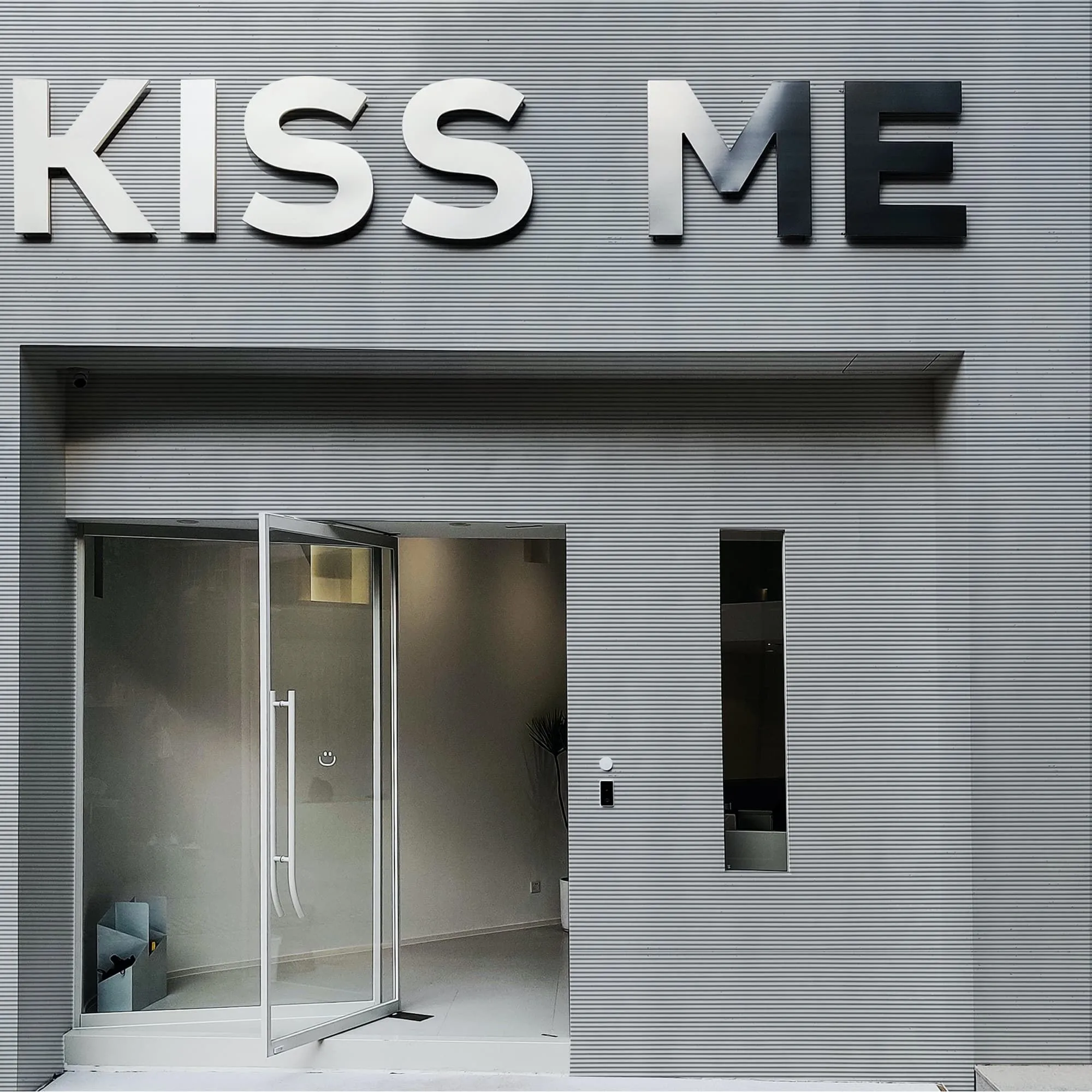
To truly appreciate the impact of MCM Semicircle Boards, let's look at a comparative overview of how they stack up against traditional materials in terms of waste generation and management.
| Aspect | MCM Semicircle Board | Traditional Materials (e.g., Ceramic Tile, Natural Stone) |
|---|---|---|
| Manufacturing Waste | Low-temperature process, efficient use of natural minerals, less energy waste. By-products can often be recycled back into production. | High-temperature firing for ceramics (energy waste), significant offcuts from quarrying and cutting natural stone. High water usage. |
| Transportation Waste | Lightweight and flexible, allowing for more efficient packing and fewer transit damages. Reduced fuel consumption. | Heavy and brittle (ceramics), or extremely heavy (stone), leading to more fuel consumption, higher breakage rates during transport. |
| On-Site Installation Waste | Precision-engineered, flexible, and can be customized to project specifications, minimizing cutting and fitting waste. Minimal breakage. | Significant cutting required for fitting corners and curves, leading to high percentages of offcuts and broken pieces. Dust and debris are common. |
| Post-Installation & Lifespan Waste | Exceptional durability, weather resistance, and low maintenance reduce the need for frequent repairs or replacements. Long lifespan. | Prone to cracking (ceramics), chipping (stone), or weathering (some paints), leading to premature replacement and more waste over time. |
| End-of-Life Waste | Largely recyclable back into new materials, contributing to a circular economy. Non-toxic. | Often end up in landfills, contributing to C&D waste. Some materials are difficult or uneconomical to recycle. |
| Energy & Resource Efficiency | Low energy manufacturing, reduced material demand due to customization and longevity, breathability enhances building energy performance. | High energy manufacturing (ceramics), extensive resource extraction (stone), often contributes to higher building operational energy through thermal bridges or poor insulation properties. |
At COLORIA GROUP, our commitment to sustainability isn't just about one product; it's embedded in our entire business philosophy. As a one-stop solution provider , we aim to simplify the process for our clients while maximizing environmental benefits. We don't just sell materials; we offer a comprehensive approach that includes expert advice, tailored solutions, and logistical support, ensuring that our products are integrated into projects effectively and sustainably.
Our global reach, including our agency in Saudi Arabia, allows us to bring these advanced eco-friendly solutions to diverse markets, addressing local needs with global innovation. We believe that true progress in construction comes from offering high-quality, high-performance materials that also carry a positive environmental impact.
The MCM Semicircle Board is a shining example of this vision. It embodies the future of architectural design – beautiful, functional, durable, and profoundly sustainable. It challenges the status quo that assumes high-quality aesthetics must come at a high environmental cost.
The problem of construction waste is monumental, but it is not insurmountable. With innovative materials like the MCM Semicircle Board from COLORIA GROUP, we have a tangible, effective way to drastically reduce our environmental footprint. By leveraging advanced material science, embracing customization , and prioritizing eco-friendly practices at every stage, we are not just building structures; we are building a more sustainable future.
Choosing the MCM Semicircle Board means choosing a material that is designed for minimal waste, maximum longevity, and undeniable aesthetic appeal. It means investing in a solution that respects our planet's resources, reduces pollution, and ultimately contributes to healthier communities and environments. As a leading one-stop solution provider for architectural materials, COLORIA GROUP is proud to offer products that empower our clients to build smarter, greener, and more beautifully. Let's build a world where construction waste is a relic of the past, and sustainable innovation leads the way.
Explore the future of sustainable construction with COLORIA GROUP's MCM materials. Let's build better, together.
Recommend Products











