
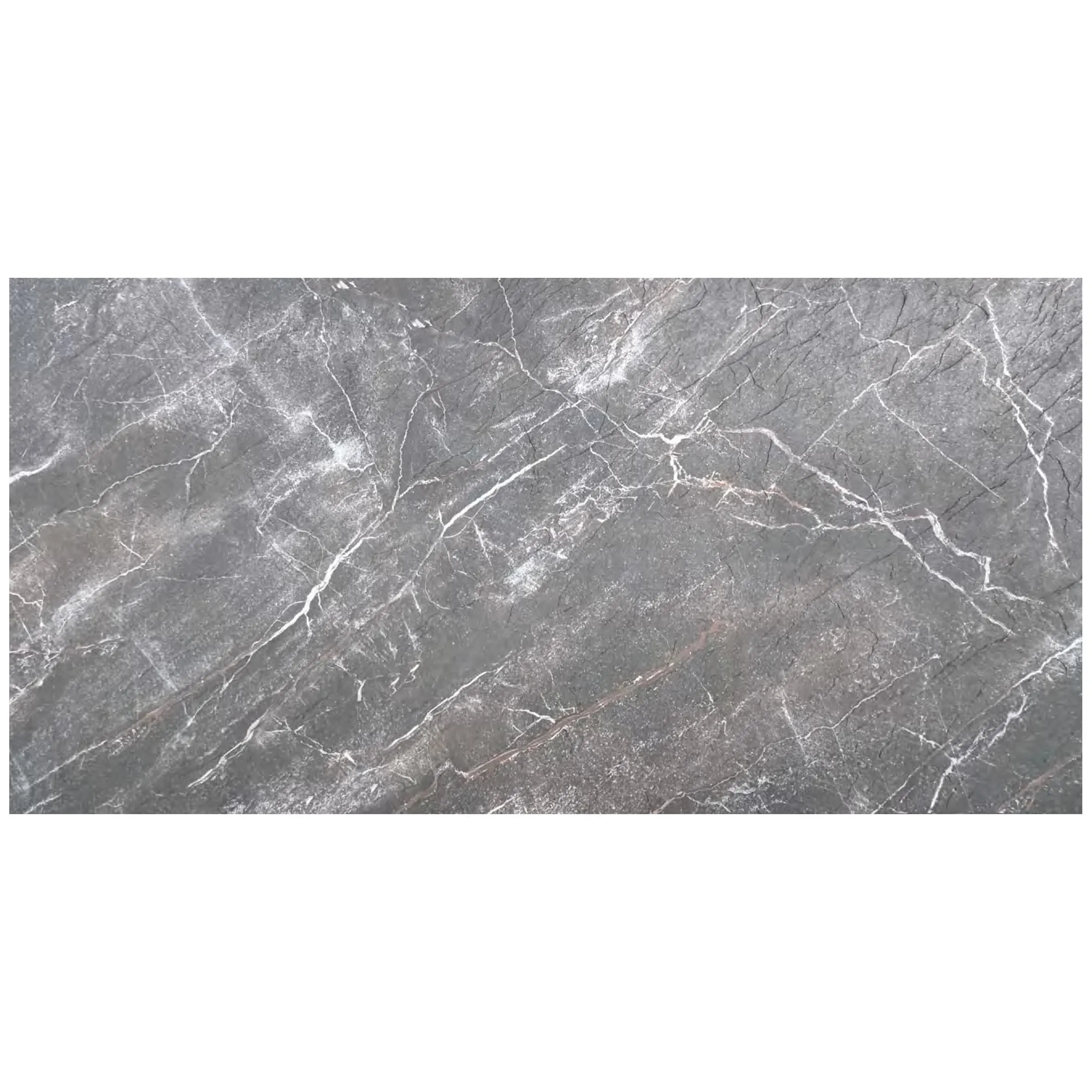
Bridging the gap between nature's artistry and modern design possibilities
There's a quiet magic in Slate Portoro that stops you in your tracks. Imagine running your hand over a surface that feels both ancient and alive—deep, moody blacks swirled with veins of gold so vivid they seem to glow from within. It's not just stone; it's a story written in mineral deposits over millennia, a canvas where earth's slow, deliberate artistry plays out in every ridge and hue. For architects and designers, Slate Portoro has long been the gold standard of elegance—think grand lobbies with floors that mirror the night sky, fireplaces that become the heart of a room, or accent walls that turn a simple space into something unforgettable.
But here's the thing about natural Slate Portoro: its beauty comes with a price. Literally. Quarrying large slabs is labor-intensive, and each piece is unique—so unique that matching colors or patterns for a project can feel like hunting for a needle in a haystack. Then there's the weight: a single slab of natural stone can weigh hundreds of pounds, making installation a logistical nightmare, especially for high-rise buildings or renovation projects where structural limits are tight. And let's not forget maintenance—natural stone is porous, prone to staining, and needs regular sealing to keep that golden sheen from dulling over time. For all its allure, Slate Portoro has often been a luxury reserved for the few who could afford its demands.
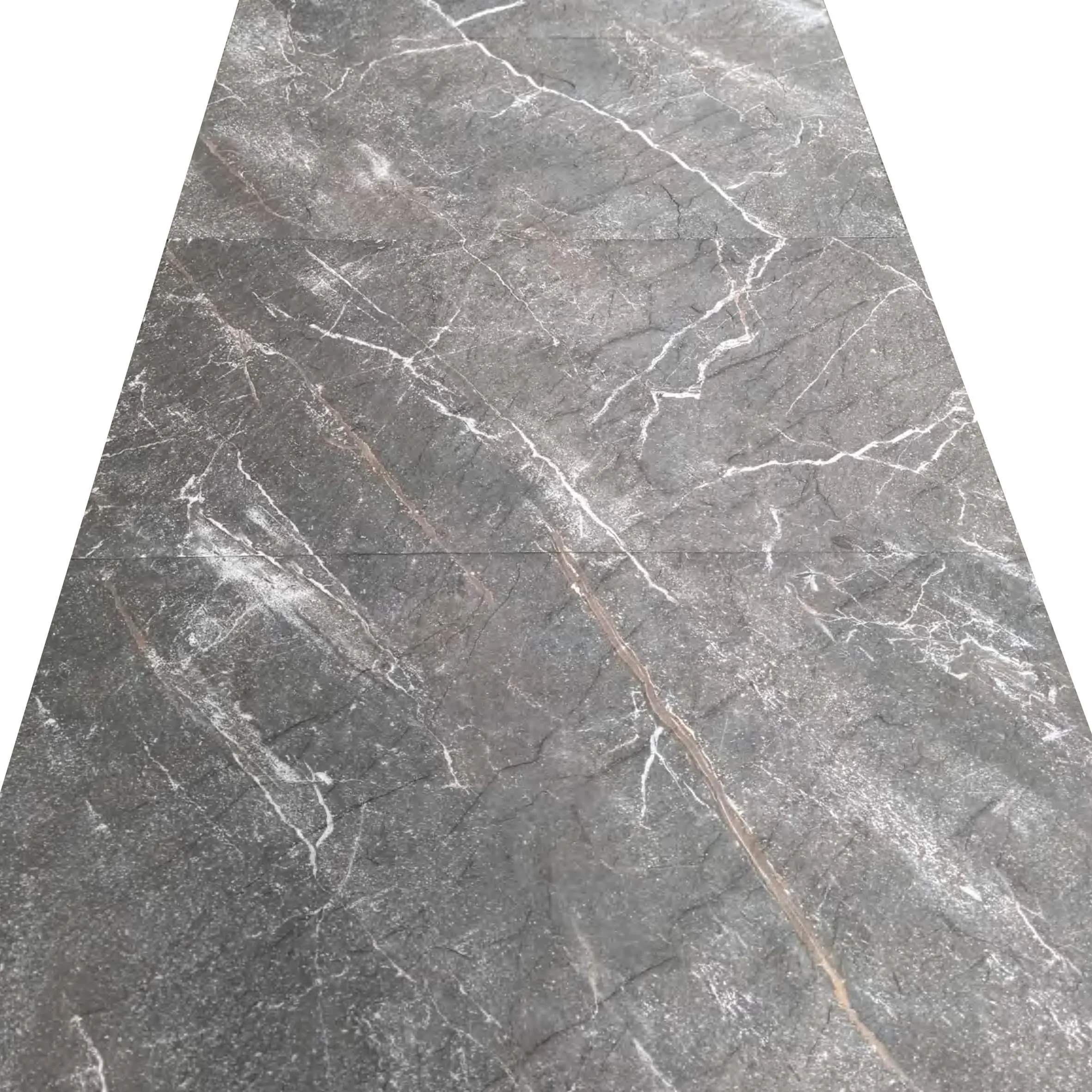
Designers have long dreamed of a way to capture Slate Portoro's essence without the headaches. Early imitations—vinyl stickers, painted concrete, even low-quality laminates—fell flat. They felt plastic, two-dimensional, like a cheap poster of a masterpiece. The depth was gone, the texture nonexistent. Run your hand over them, and you'd feel nothing but smooth, lifeless uniformity. It was clear: to do Slate Portoro justice, you needed more than a surface-level copy. You needed to replicate its soul—the way light dances in its crevices, the subtle variations in color that make each slab one-of-a-kind, the tactile richness that invites touch.
Enter MCM technology. Short for Modified Composite Material, MCM isn't just a new material—it's a revolution in how we interact with natural textures. And when it comes to Slate Portoro, MCM doesn't just mimic the look; it preserves the feel, the depth, and the character that make the stone so beloved. How? By combining cutting-edge engineering with a deep respect for nature's handiwork. Let's dive into how MCM technology is changing the game, starting with the MCM Project Board Series—a line of products designed to bring the world's most stunning stones into everyday spaces.
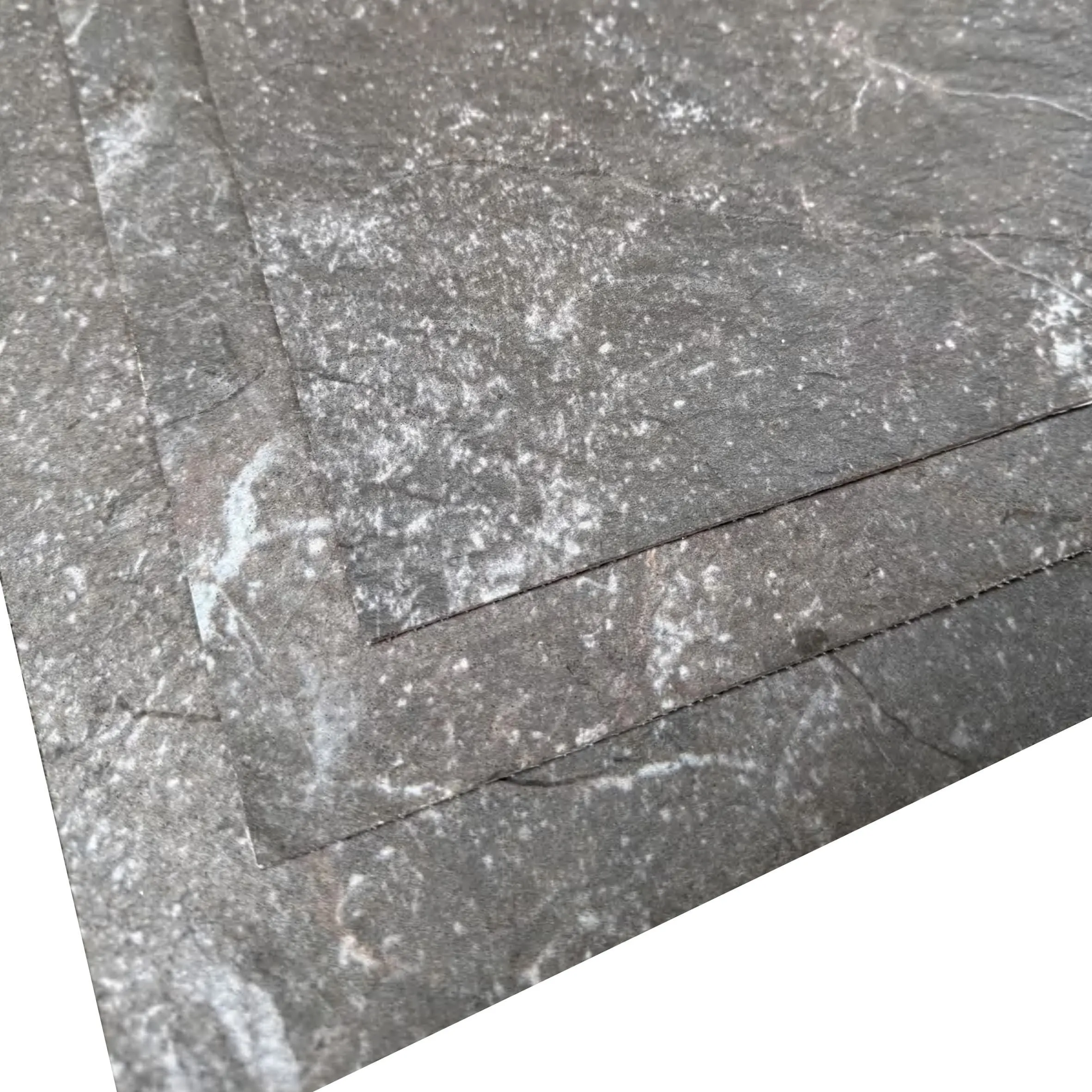
At its core, MCM is about balance. It takes the durability and flexibility of modern composites and marries them with the organic beauty of natural materials. The result? A material that's light enough to install anywhere, tough enough to stand up to the elements, and stunning enough to make you do a double-take. But what really sets MCM apart—especially in capturing Slate Portoro's depth—is its commitment to precision. This is where the MCM 3D Printing Series comes into play.
Picture this: a team of engineers and designers carefully selecting a prime slab of natural Slate Portoro. They don't just look at it—they study it. They run high-resolution scanners over every inch, capturing not just the color but the topography of the stone: the slight rise of a golden vein, the microscopic pits that give it texture, the way light catches on its surface. This data is fed into a 3D modeling program, where every nuance is digitized. Then, using advanced 3D printing techniques, the MCM team recreates that exact topography on a flexible, lightweight substrate. But it doesn't stop there. The surface is then treated with MCM Flexible Stone—a proprietary blend that mimics the mineral composition of natural stone, ensuring that the color runs deep, not just on the surface, and that the texture feels authentically rocky, not plastic.
The result? A panel that looks and feels like Slate Portoro, but with none of the drawbacks. Run your hand over it, and you'll feel the same subtle ridges and valleys as the natural stone. Step back, and the interplay of black and gold is just as dynamic, with none of the uniformity that plagues cheap imitations. It's not just a copy—it's a preservation of Slate Portoro's most captivating qualities, made accessible to more people, in more spaces, than ever before.
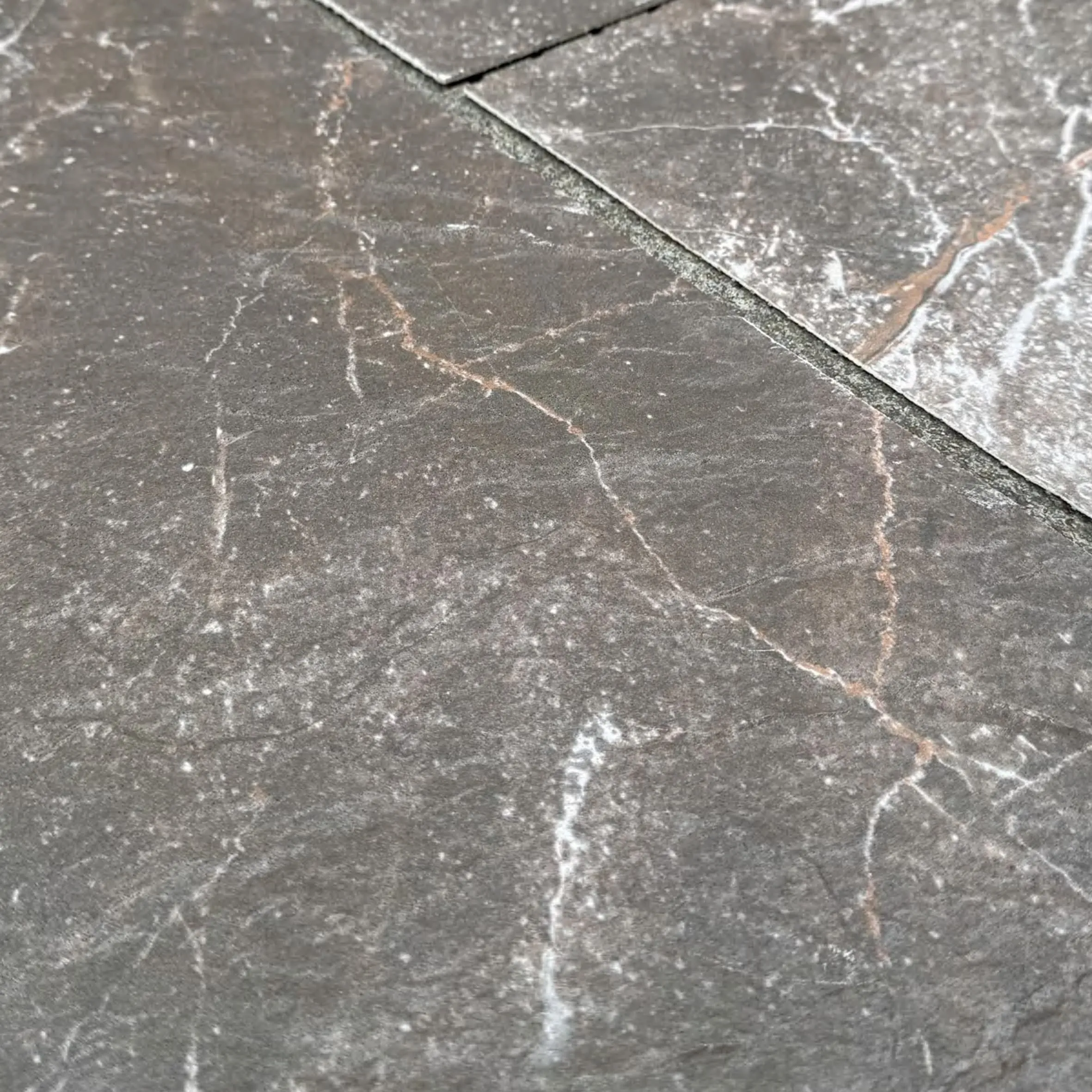
Depth is what makes Slate Portoro feel alive. Natural stone isn't flat; it's a landscape of color and texture, with layers that catch light differently throughout the day. Morning light might make the gold veins pop like liquid sunshine, while evening shadows could deepen the black background into something almost velvety. MCM technology doesn't just replicate this—it enhances it, using a few key innovations:
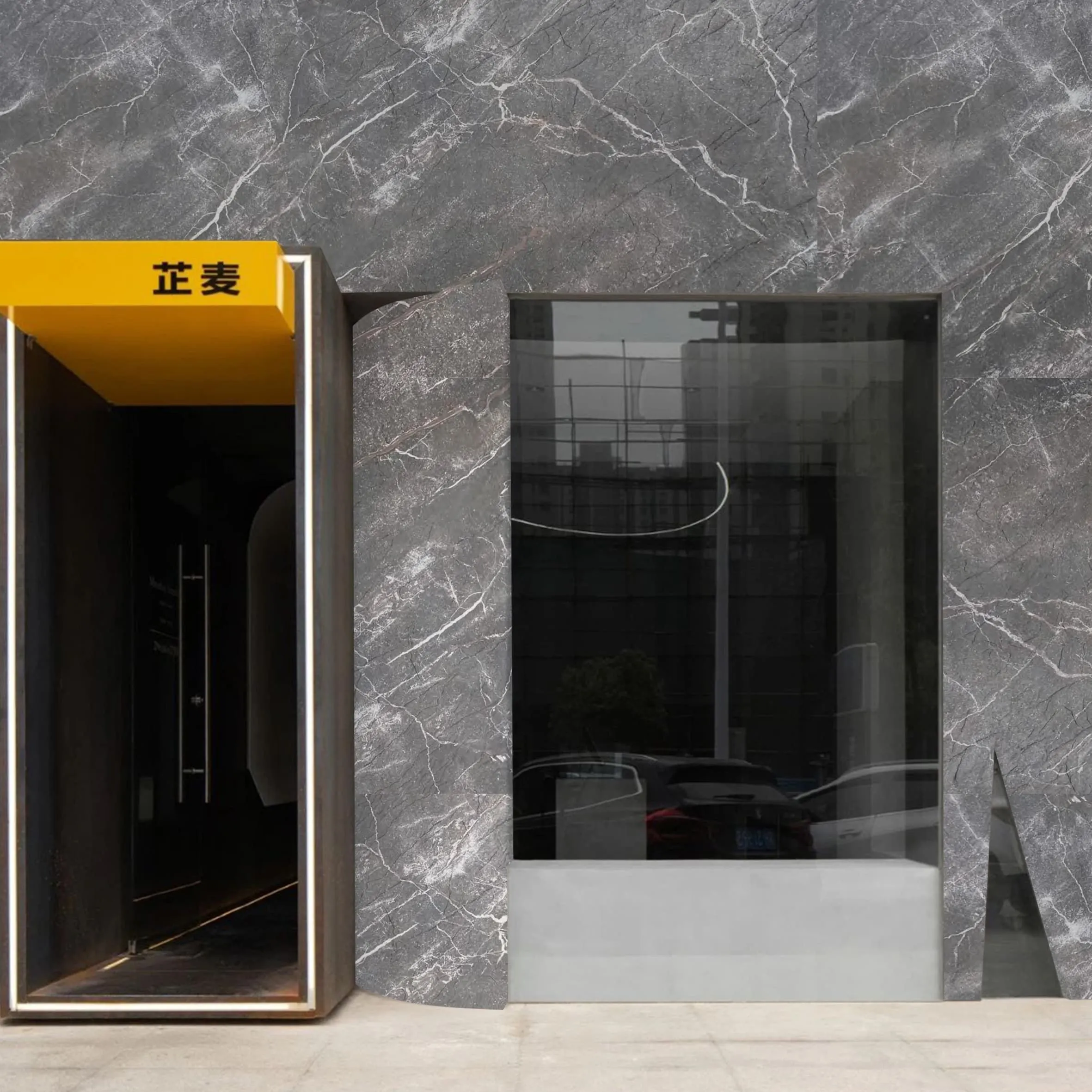
Let's be honest: as much as we love beauty, design is also about practicality. And MCM Slate Portoro delivers on that front, too. Let's break it down with a quick comparison:
| Feature | Natural Slate Portoro | MCM Slate Portoro (Project Board Series) |
|---|---|---|
| Weight | Heavy (80-100 lbs per sq ft) | Lightweight (5-7 lbs per sq ft) |
| Installation | Requires specialized labor; structural support needed | Easy to cut and install; can be mounted on most surfaces with basic tools |
| Durability | Porous; prone to staining and chipping | Water-resistant; scratch and impact-resistant; no sealing required |
| Cost | High (quarrying + transportation + installation) | Affordable (30-50% less than natural stone) |
| Sustainability | Quarrying can disrupt ecosystems; limited supply | Low environmental impact; made from recycled materials; reduces demand for natural stone quarrying |
Take weight, for example. A typical natural Slate Portoro slab can weigh as much as a small refrigerator, making it impossible to install on upper floors of older buildings or in spaces with weight restrictions. MCM panels, on the other hand, are so light that a single person can carry them—no crane needed. This opens up a world of possibilities: imagine a penthouse balcony wrapped in Slate Portoro panels, or a home office with a feature wall that doesn't require reinforcing the floor.
Then there's durability. Natural Slate Portoro needs to be sealed every year or two to prevent stains from coffee spills, wine, or even rain. MCM Slate Portoro? Wipe it with a damp cloth, and it's good as new. It's water-resistant, so it works in bathrooms, kitchens, and even outdoor spaces without warping or fading. And because it's made from flexible materials, it can handle temperature changes better than natural stone, which can crack in extreme heat or cold.
So, where can you actually use MCM Slate Portoro? The answer is: just about anywhere. Let's explore a few scenarios where this material truly shines.
Residential Spaces: Imagine walking into a modern living room where one wall is clad in MCM Slate Portoro. The panels rise from the floor to the ceiling, their black and gold veins echoing the warm wood of the floors and the soft glow of a nearby lamp. A floating shelf holds a few cherished books, and the whole space feels both sophisticated and cozy. In the kitchen, MCM Slate Portoro backsplashes add a touch of luxury without the worry of oil stains or water damage. Even outdoor patios benefit—imagine grilling under the stars with a bar top made of MCM Slate Portoro, impervious to rain and UV rays, still looking stunning years later.
Commercial Design: Retail stores use MCM Slate Portoro to create high-end shopping experiences. A boutique clothing store might line its walls with the panels, turning dressing rooms into little sanctuaries of elegance. Restaurants use it for bar fronts or accent walls, creating an atmosphere that feels upscale but approachable. Office lobbies, too—imagine walking into a corporate building and being greeted by a wall of MCM Slate Portoro, its depth and texture making the space feel less sterile, more human.
Historic Renovations: One of the most exciting applications is in historic buildings. Many older structures can't support the weight of natural stone, but MCM Slate Portoro allows designers to restore or replicate the original elegance without compromising structural integrity. A 1920s apartment building, for example, could have its lobby walls updated with MCM Slate Portoro panels that match the style of the era, breathing new life into the space while honoring its past.
At the end of the day, design is about people. It's about creating spaces that make us feel something—calm, inspired, connected. Slate Portoro, in all its natural glory, has always had that power. But for too long, it was a power limited to a select few. MCM technology changes that. It takes a material that once felt unattainable and makes it accessible, allowing more people to bring a piece of earth's beauty into their homes, offices, and communities.
Think about the designer who, thanks to MCM, can now offer Slate Portoro to a client on a budget. Or the homeowner who always dreamed of a stone accent wall but couldn't afford the installation costs. Or the architect working on a sustainable building project, choosing MCM over natural stone to reduce the carbon footprint of quarrying and transportation. These are the stories that make MCM Slate Portoro more than just a product—it's a tool for creating spaces that matter.
Slate Portoro has always been a masterpiece of nature. Its depth, its color, its ability to transform a space—these are qualities that transcend trends. MCM technology doesn't replace that masterpiece; it reimagines it. By combining the precision of the MCM 3D Printing Series with the flexibility of MCM Flexible Stone, and packaging it in the user-friendly MCM Project Board Series, we're not just creating a material—we're preserving a legacy. A legacy of beauty, of depth, of the quiet wonder that comes from standing in front of something that feels both ancient and new.
So, the next time you walk into a space and find yourself drawn to a wall that seems to glow with golden veins against a black backdrop, take a closer look. It might just be MCM Slate Portoro—proof that technology, when guided by respect for nature, can create something truly extraordinary. And in that moment, you'll realize: depth isn't just about what you see. It's about what you feel. And MCM Slate Portoro? It makes you feel alive.
Recommend Products












