
Bridging the gap between architectural vision and material possibility
Architecture has always been a dance between form and function—where the dream of sweeping curves, soft arcs, and organic lines meets the reality of building materials. For decades, curved walls have been the darlings of designers, evoking movement, warmth, and a sense of flow that rigid straight lines simply can't match. Yet for too long, bringing these visions to life meant compromising: choosing heavy, brittle stones that fought against the very curves they were meant to create, or settling for synthetic alternatives that lacked the depth and texture of natural materials. Enter MCM technology—a quiet revolution that's turning "impossible" curves into everyday realities, especially when paired with one of architecture's most beloved materials: the boulder slab.
Boulder slabs, with their rugged, earthy charm and bold, natural patterns, have long been a staple in high-end design. Quarried from solid rock, they carry the weight of the earth itself—both literally and aesthetically. But that weight is also their Achilles' heel, especially when curves enter the equation. Traditional boulder slabs are dense, heavy, and unforgivingly rigid. To shape them into a curve, you'd either need to carve them into fragile, thin slices (risking cracks and breakage) or stack them in small, disjointed pieces that disrupted the slab's natural flow. Installers would wrestle with their heft, requiring heavy machinery and extra structural support. And once up, those walls often felt more like fortresses than flowing spaces—stiff, unyielding, and at odds with the organic vision that inspired them.
Designers faced a tough choice: sacrifice the beauty of boulder slabs for flexible but less authentic materials, or limit their curves to shallow bends that barely hinted at their original vision. It was a compromise that left both architects and clients wanting—until MCM technology stepped in.
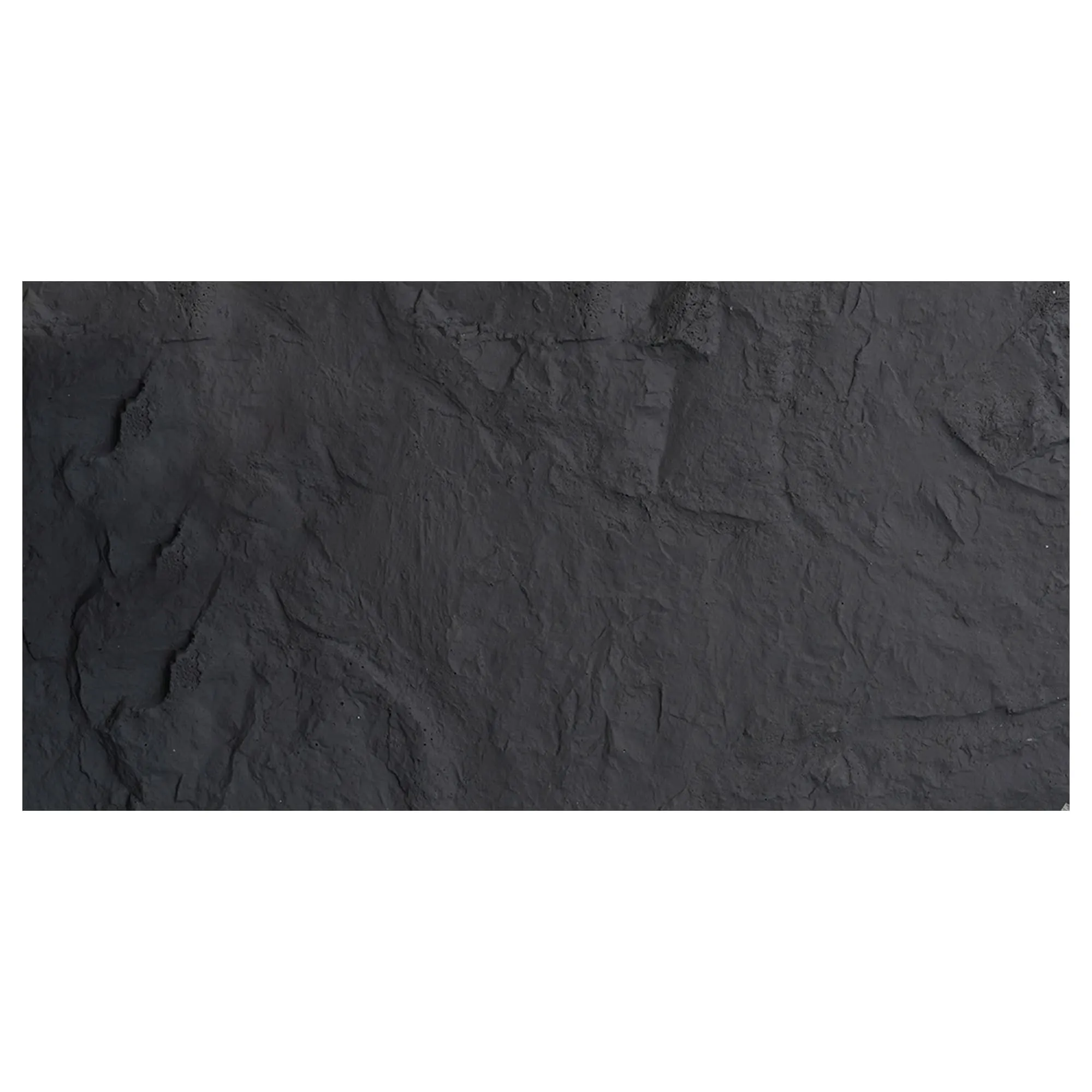
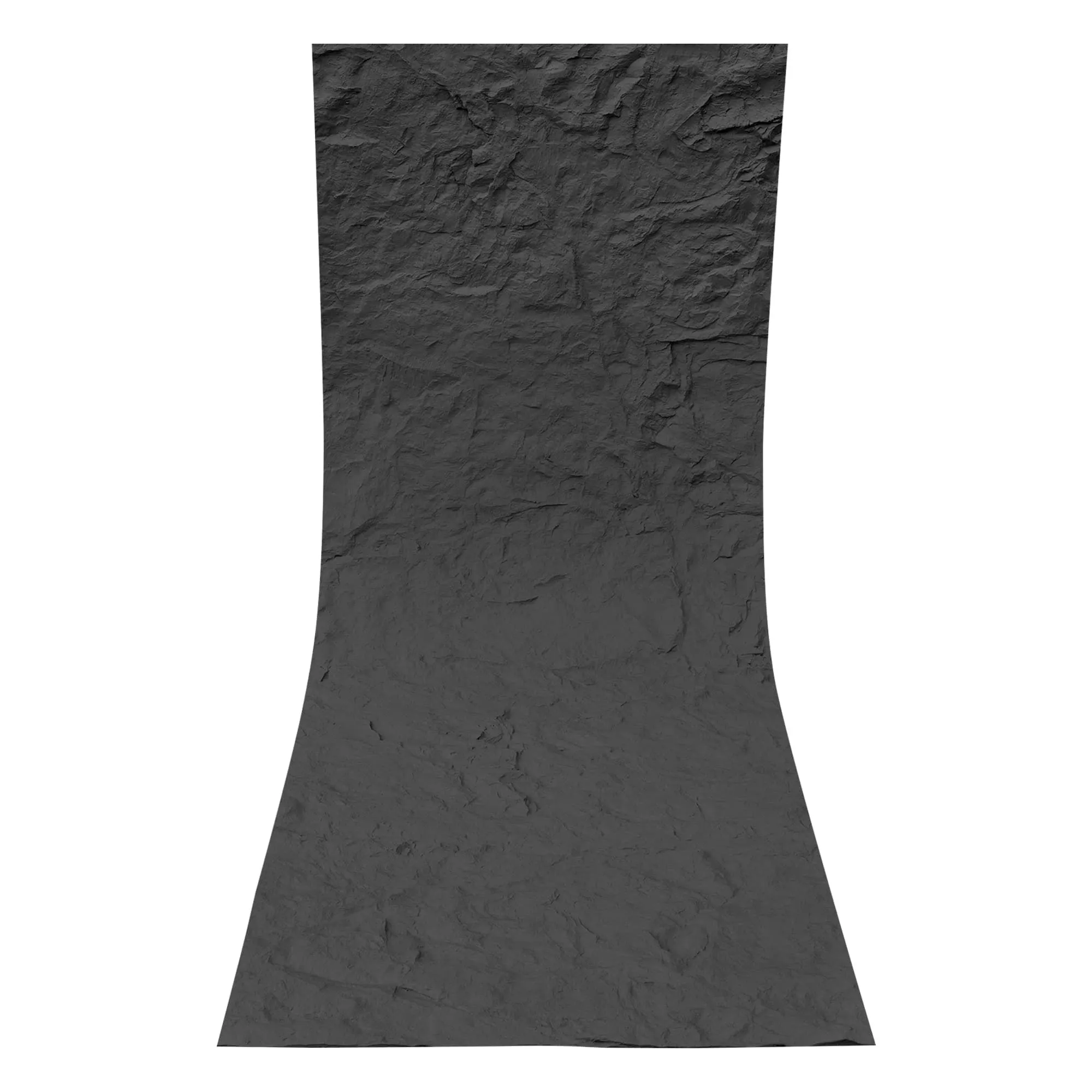
Short for Modified Composite Material, MCM isn't just a new product—it's a rethink of how we approach building materials. At its core, MCM technology takes the best of natural elements (like the stone aggregates in boulder slabs) and wraps them in a lightweight, ultra-strong matrix that bends without breaking. Think of it as giving stone a "second skin"—one that preserves its natural texture, color, and character while adding a level of flexibility that traditional quarried stone could never match. And when it comes to boulder slabs, this technology isn't just improving them; it's redefining what they can do.
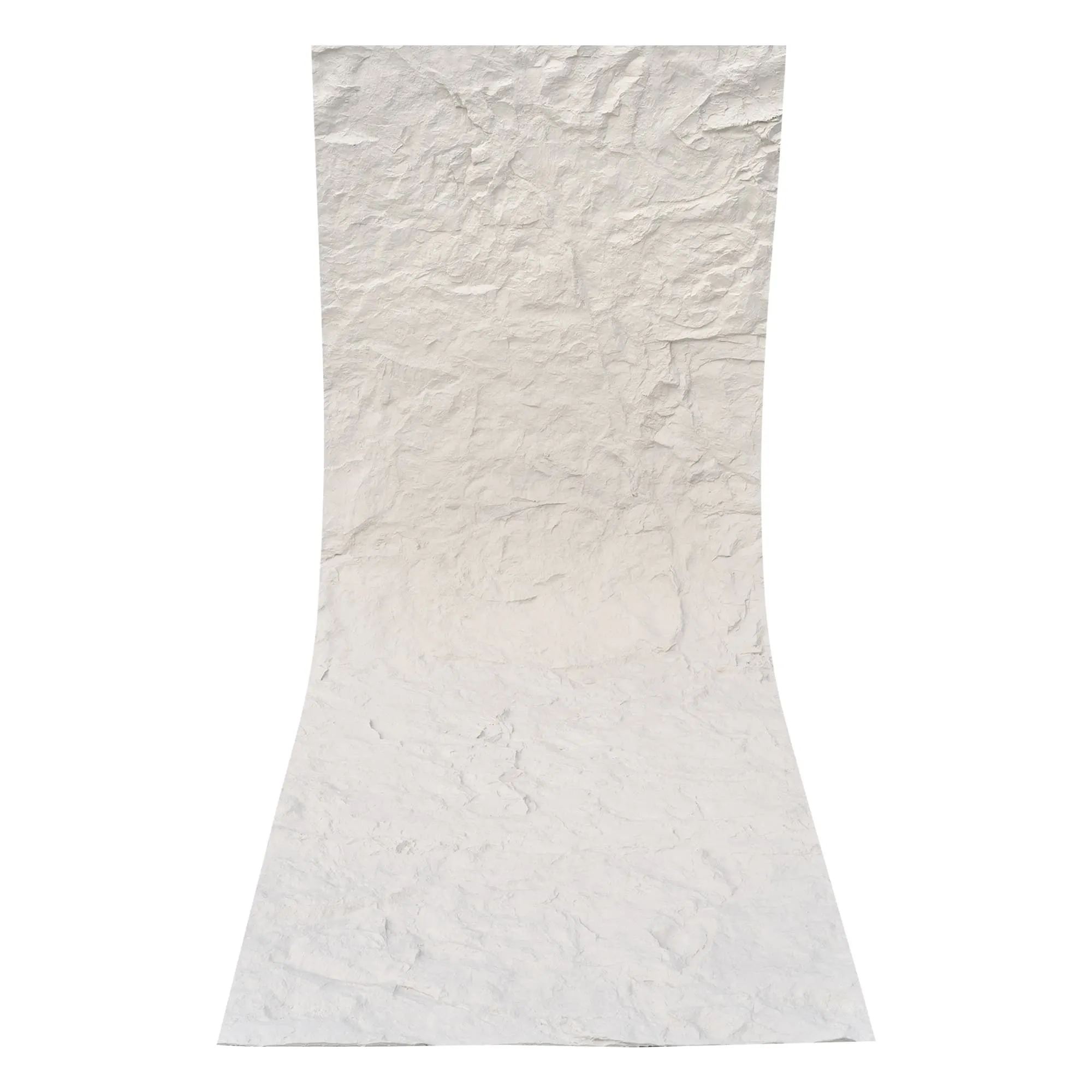
So, what makes MCM-treated boulder slabs different? Let's break it down—not in technical jargon, but in the ways that matter to the architect sketching late at night, the installer hauling materials up a scaffolding, or the homeowner who wants their living room to feel like a hug rather than a box.
Traditional boulder slabs can weigh upwards of 50 pounds per square foot—enough to require reinforced framing, specialized lifting equipment, and a army of installers. MCM technology slashes that weight by up to 70%, thanks to its microcellular structure. Imagine holding a slab that looks and feels like it was chiseled from a mountain, but weighs about as much as a thick wooden door. Suddenly, installing a curved wall isn't a logistical nightmare; it's a manageable project. Contractors can carry slabs by hand, maneuver them into tight arcs, and secure them without overloading the building's structure. For designers, that means more freedom to dream big—curves that rise two stories high, spiral gently around staircases, or wrap around outdoor patios without worrying about the foundation groaning under the load.
Flexibility isn't just about being "bendy"—it's about resilience. MCM flexible stone achieves this by combining natural stone particles with a polymer reinforcement layer, creating a material that can flex up to 30 degrees without cracking. Picture a sheet of boulder slab that can curve around a 6-foot radius as easily as a piece of thick fabric. Traditional slabs would snap under that pressure, but MCM-treated ones? They bounce back, retaining their structural integrity and visual appeal. This isn't just about curves, either. It's about durability in real-world conditions: a wall that can withstand minor shifts in the building's foundation, vibrations from nearby traffic, or even the occasional accidental bump without chipping or breaking. For homeowners and business owners, that translates to walls that look as good in 20 years as they did on day one.
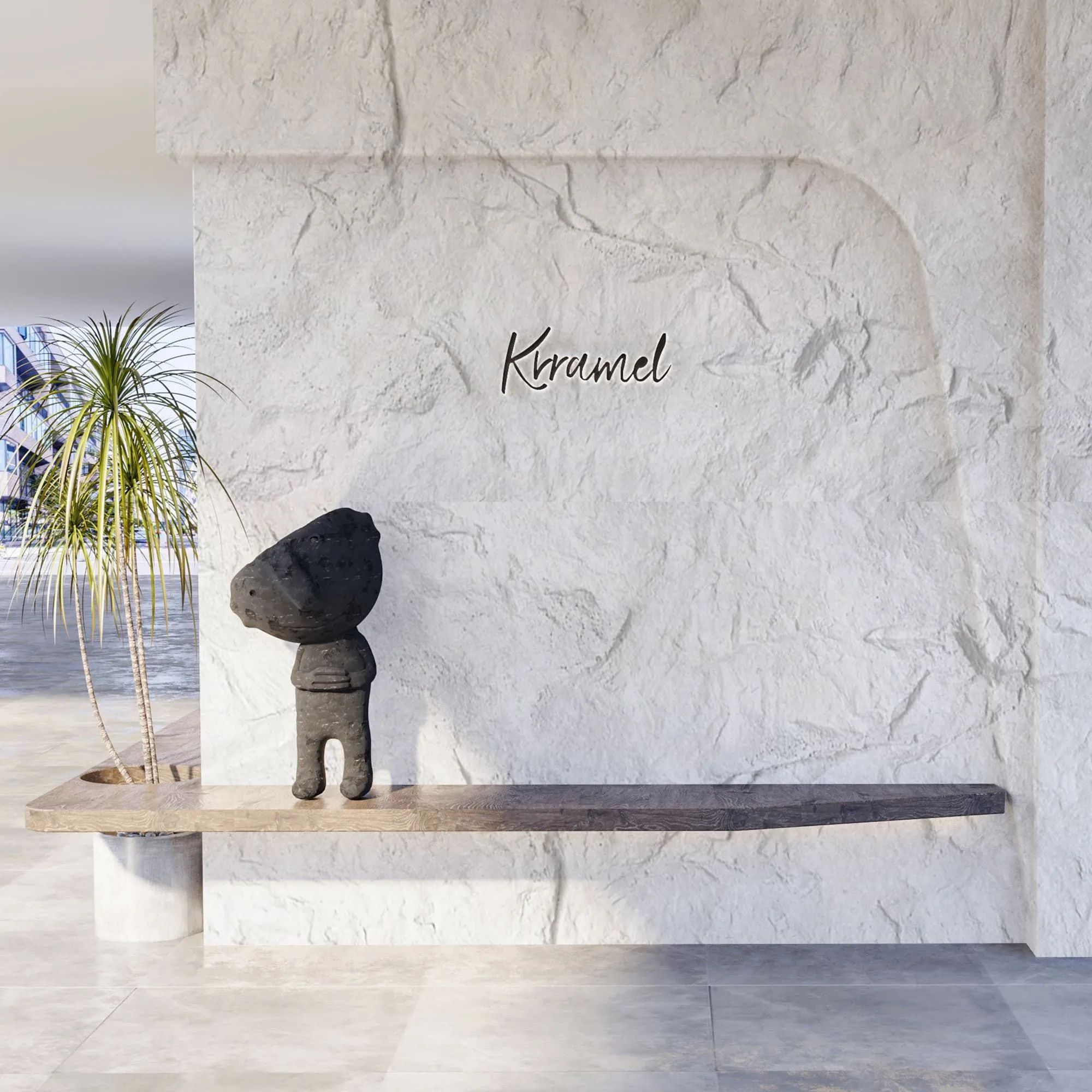
Here's the magic trick: MCM doesn't just make boulder slabs flexible—it preserves their soul. Too often, "flexible" materials mean sacrificing texture for function—think smooth, plastic-like surfaces that look great in a catalog but feel flat in person. MCM technology? It's designed to let the boulder slab's natural beauty shine. The process starts with real stone aggregates, ground into a fine powder and blended with mineral pigments to match the slab's original hue. Then, it's pressed into molds that capture every ridge, groove, and veining detail of the original stone. The result? A material that looks like it was pulled straight from the quarry—complete with the subtle color variations, tiny fossil imprints, and rough-hewn edges that make natural stone so captivating. Run your hand over an MCM boulder slab wall, and you'll feel the same grit and warmth as you would with traditional stone. It's flexibility without the fake-out.
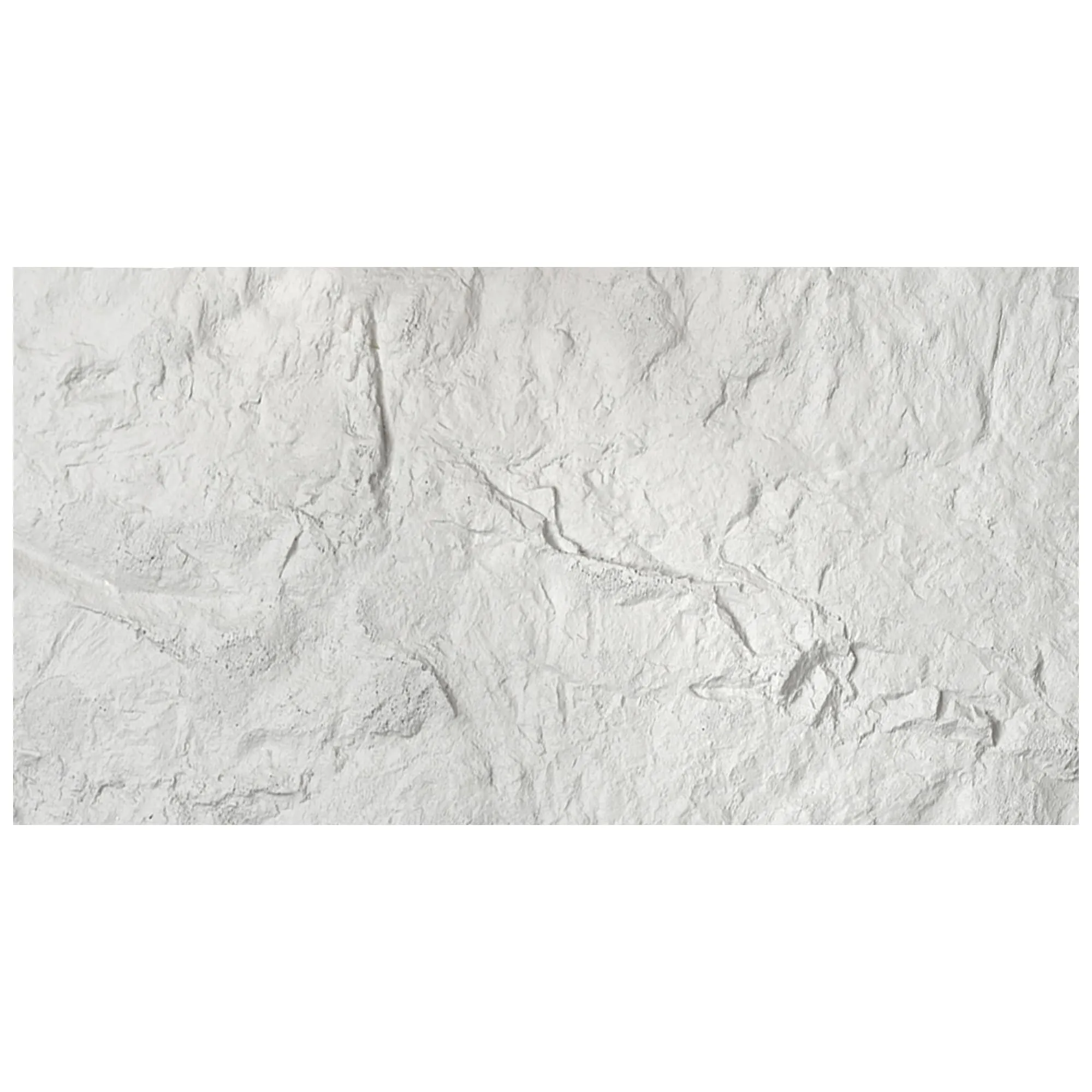
Talk is cheap; projects are proof. Across the globe, architects are already using MCM boulder slabs to redefine what curved walls can be. Take the Serene Living Community in Portland, Oregon, where a 12-foot-tall curved wall wraps around the lobby, clad in vintage gold boulder slabs treated with MCM. The design team wanted the space to feel like a "canyon with a heartbeat"—warm, sheltering, and alive with texture. Before MCM, that vision would have required custom-carving 200+ traditional slabs, a process that would have blown the budget and timeline. With MCM, installers bent the slabs into a gentle S-curve in days, not weeks, and the result is a wall that guests can't help but touch—its curves inviting, its texture grounding.
Or consider the Coastal Breeze Café in Miami, where outdoor seating is enclosed by a sweeping, wave-like wall made of vintage silver boulder slabs. The client wanted the wall to mimic the ocean's movement, but worried about saltwater corrosion and the weight of traditional stone in a hurricane-prone area. MCM solved both: the lightweight slabs withstood 120-mph wind tests, and their non-porous surface resists salt damage. Today, the wall doesn't just block the sun—it becomes part of the café's identity, a silent storyteller of the sea.
| Feature | Traditional Boulder Slabs | MCM-Treated Boulder Slabs |
|---|---|---|
| Weight (per sq. ft.) | 40–60 lbs | 12–18 lbs |
| Maximum Bend Radius | 20+ feet (brittle, high breakage risk) | 6–8 feet (flexible, no cracking) |
| Installation Time | 3–4 hours per 10 sq. ft. (requires heavy machinery) | 1–2 hours per 10 sq. ft. (installs by hand) |
| Durability | Prone to chipping, staining, and water damage | Resistant to cracks, stains, and UV rays |
| Design Versatility | Limited to shallow curves or flat surfaces | Compatible with tight arcs, spirals, and complex shapes |
While curved walls are where MCM boulder slabs truly shine, their benefits ripple outward, touching nearly every aspect of the building process. For contractors, it means faster installs and fewer callbacks. For building owners, it means lower maintenance costs and higher resale value. For the planet, it means less waste—MCM production uses 30% less energy than traditional stone quarrying, and its lightweight nature reduces fuel consumption during transportation. And for designers? It means finally being able to say "yes" to the ideas that used to live only in the margins of their sketchbooks.
As more architects experience the freedom of MCM flexible stone, it's easy to see a future where curved walls aren't just a "luxury"—they're the norm. Imagine neighborhoods where homes flow into one another, their walls curving gently to welcome sunlight and breeze. Picture hotels where lobbies feel like organic caves, lined with the warmth of boulder slabs that bend and rise like something out of a dream. This isn't just about better materials; it's about better spaces—spaces that feel human, that respond to our need for beauty and connection, and that prove that in architecture, as in life, the best things happen when we're willing to bend.
In the end, MCM technology isn't just improving boulder slab flexibility. It's redefining what's possible when we stop seeing materials as limitations and start seeing them as collaborators. Curved walls, once the stubbornly unattainable stars of architectural renderings, are now within reach—thanks to a technology that respects the past (the timeless beauty of boulder slabs) while embracing the future (the flexibility to shape them into something new). And that, perhaps, is the greatest curve of all: the arc from "can't" to "can," from vision to reality, and from buildings that simply stand to spaces that truly live .
Recommend Products












