
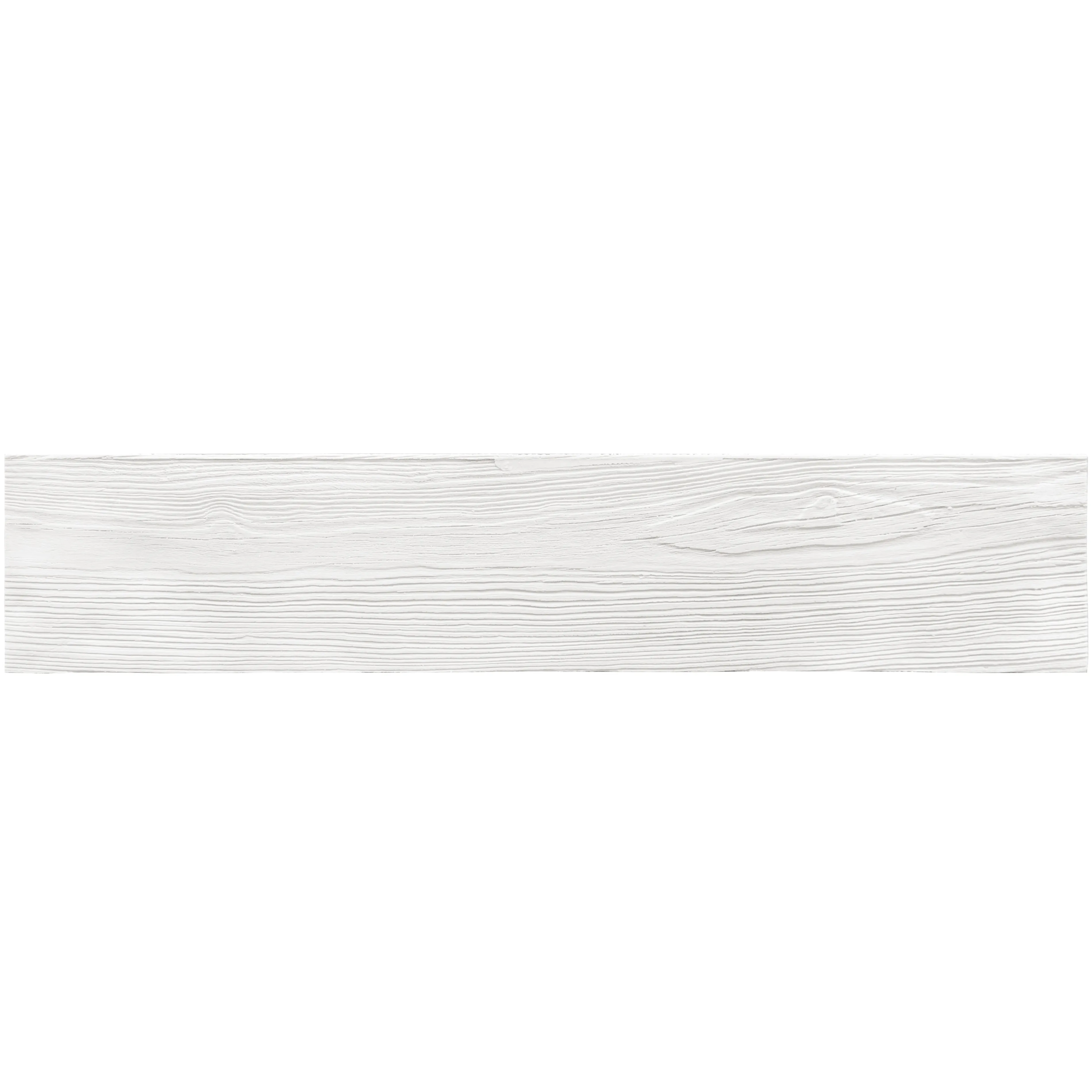
Blending sustainability, durability, and warmth in the next generation of green construction
Walk into a modern net-zero home today, and you might notice something different about the walls. They feel solid yet warm, with a texture that echoes natural wood but carries none of the guilt of deforestation. Run a hand along the surface, and you'll pick up on subtle grains—no two panels identical—yet there's a consistency that speaks to careful engineering. This is the magic of MCM White Wood Panels: a material born from the urgent need to build better, not just bigger, in a world grappling with climate change.
Net-zero buildings—structures that produce as much energy as they consume over a year—aren't just a trend; they're a necessity. By 2050, the United Nations estimates that buildings will account for 50% of global carbon emissions if we don't rethink how we construct them. The challenge? Creating spaces that are energy-efficient, low in embodied carbon, and still feel like home. Enter MCM (Modified Composite Material) solutions, a family of products designed to bridge sustainability and functionality. And at the heart of this family is the unassuming yet revolutionary MCM White Wood Panel.
To understand why MCM White Wood Panels matter, let's start with the problem they're solving. Traditional building materials often come with hidden environmental costs. Solid wood panels, for example, require logging old-growth forests, contributing to deforestation and releasing stored carbon. Vinyl sidings leach toxic chemicals during production and disposal. Even concrete—long a staple of modern construction—has a massive carbon footprint, with cement production alone responsible for 8% of global CO₂ emissions.
Then there's energy efficiency. A home wrapped in thin, poorly insulated materials might look sleek, but it will guzzle energy to stay warm in winter or cool in summer. Net-zero isn't just about solar panels on the roof; it's about building "passive" structures that need minimal energy to begin with. That's where material science comes in—and MCM products, with their unique composition, are changing the game.
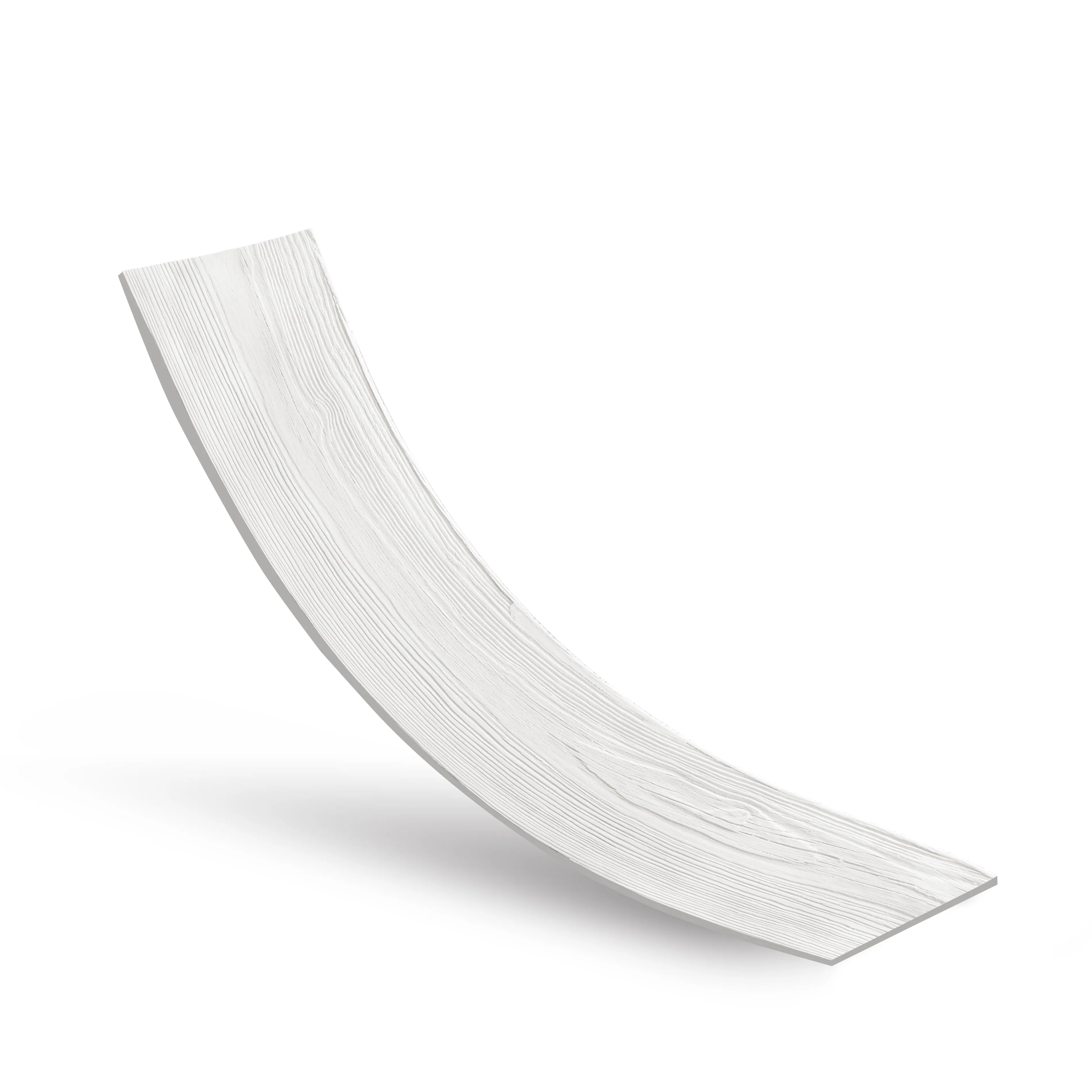
Before diving into White Wood Panels, it's worth exploring the broader MCM family, starting with MCM flexible stone. Unlike rigid natural stone, which is heavy, hard to transport, and prone to cracking, MCM flexible stone is a lightweight composite made by bonding natural stone particles (like crushed travertine or slate) with a polymer resin. The result? A thin, bendable material that retains the look and texture of real stone but uses 70% less raw material. For builders, this means lower transportation emissions, easier installation, and less waste on-site.
"We used MCM flexible stone on a community center project last year, and the difference was night and day," says Maria Gonzalez, a sustainable architect based in Portland. "Instead of shipping 10 truckloads of natural limestone, we got away with 3. The crew could carry panels by hand, and there was barely any dust or scraps left behind. Clients love that it looks authentic, but I love that we cut the project's carbon footprint by a third."
This ethos of "less is more" runs through all MCM materials, including the star of our story: White Wood Panels.
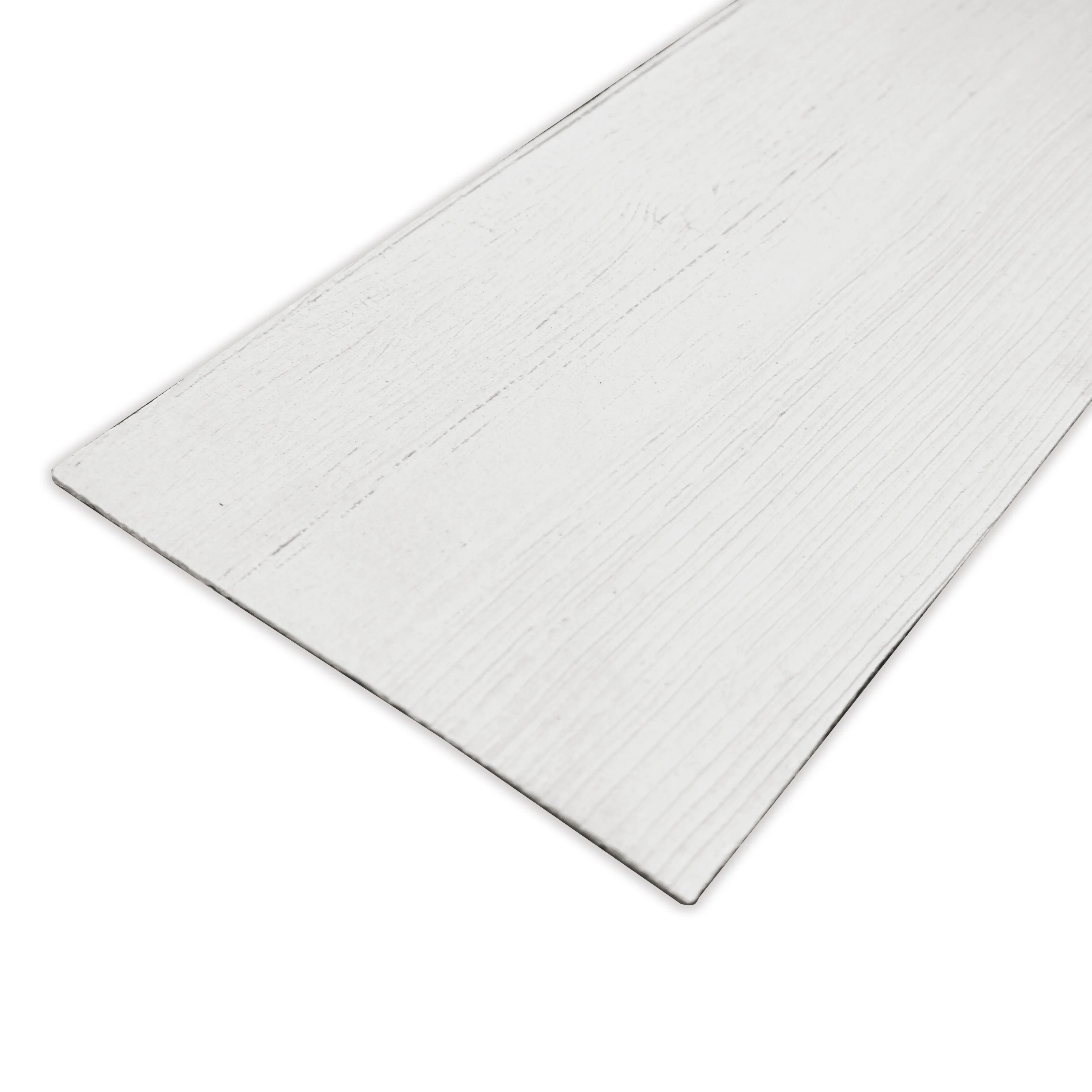
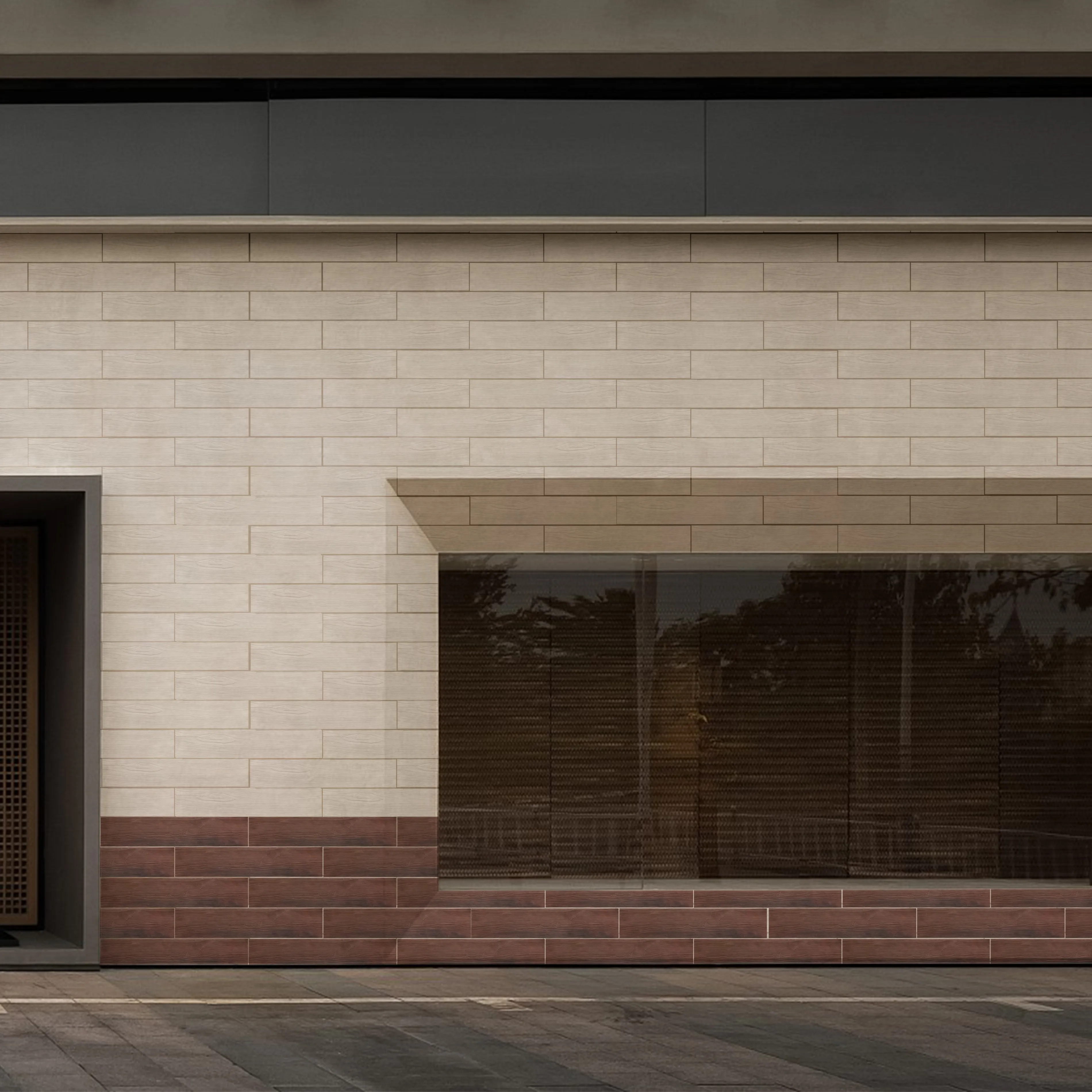
At first glance, MCM White Wood Panels look like premium white oak or ash—smooth, with a soft grain that catches the light. But touch them, and you'll realize they're denser, more durable, and surprisingly light. That's because they're crafted from a blend of recycled wood fibers (from post-consumer furniture waste and construction scraps), bamboo pulp, and a low-VOC (volatile organic compound) binder. No trees are cut down for these panels; instead, they give new life to material that would otherwise end up in landfills.
Let's break down their net-zero superpowers:
Embodied carbon—the total CO₂ emitted to produce, transport, and install a material— is the hidden villain of construction. Traditional solid wood panels have an embodied carbon footprint of about 150 kg CO₂e per square meter (depending on the species and origin). MCM White Wood Panels? Just 45 kg CO₂e. That's a 70% reduction, thanks to recycled content and a low-energy manufacturing process that uses solar-powered factories.
"We calculate embodied carbon for every project," says James Chen, a sustainability consultant for commercial builders in Chicago. "When a client sees that switching to MCM White Wood Panels can cut their wall system's carbon by two-thirds, it's an easy sell. It's not just good for the planet—it's good for their LEED certification and bottom line."
Passive design relies on materials that act as insulators, and MCM White Wood Panels deliver here, too. Their core is engineered with a honeycomb structure that traps air, creating a thermal barrier. Tests show they have a thermal resistance (R-value) of 3.2 per inch, outperforming traditional plywood (R-1.2) and even some fiberglass insulations. For a 2,000-square-foot home, this translates to 20-30% lower heating and cooling costs—critical for hitting net-zero energy targets.
Lisa and Tom, a couple who built a net-zero home in Colorado, rave about the difference: "Our old house had drafty wood siding, and we'd freeze in winter even with the heat cranked. Now, with MCM White Wood Panels on the exterior and rammed earth board on the interior, the temperature stays steady. Last January, our furnace ran twice a week instead of twice a day. We're actually generating more solar energy than we use—and the panels still look brand-new after three Colorado winters."
Sustainability isn't just about low carbon—it's about longevity. A material that needs to be replaced every 10 years is no better than a disposable plastic bottle. MCM White Wood Panels are built to last. They're resistant to moisture (no warping in humid climates), pests (termites and carpenter ants ignore them), and UV rays (no fading in harsh sunlight). The result? A lifespan of 50+ years, compared to 15-20 years for traditional wood siding.
"I've seen MCM panels on a beach house in Florida that's been through three hurricanes," says Chen. "The windows were shattered, the roof needed repairs, but the panels? They just needed a quick power wash. That's the kind of durability that makes net-zero feasible. If you're designing a building to be carbon-neutral over its lifetime, you can't have materials that wear out."
Net-zero buildings shouldn't look like science experiments—and MCM White Wood Panels ensure they don't. Their soft whitewashed finish pairs seamlessly with other sustainable materials, from fair-faced concrete (with its raw, industrial charm) to rammed earth board (warm, earthy, and tactile). In a recent project in Arizona, a builder combined White Wood Panels with gobi panel (a desert-inspired MCM stone) to create a home that blends into the landscape, reducing heat absorption and enhancing curb appeal.
"Clients often worry that 'sustainable' means 'sterile,'" Gonzalez laughs. "But with MCM, you can mix textures—warm wood, cool concrete, earthy rammed earth—and create something that feels alive. A family in Phoenix told me their kids love the White Wood walls in the playroom because they're 'like a big, soft treehouse.' That's the emotional connection we want—buildings that feel good to live in, not just good for the planet."
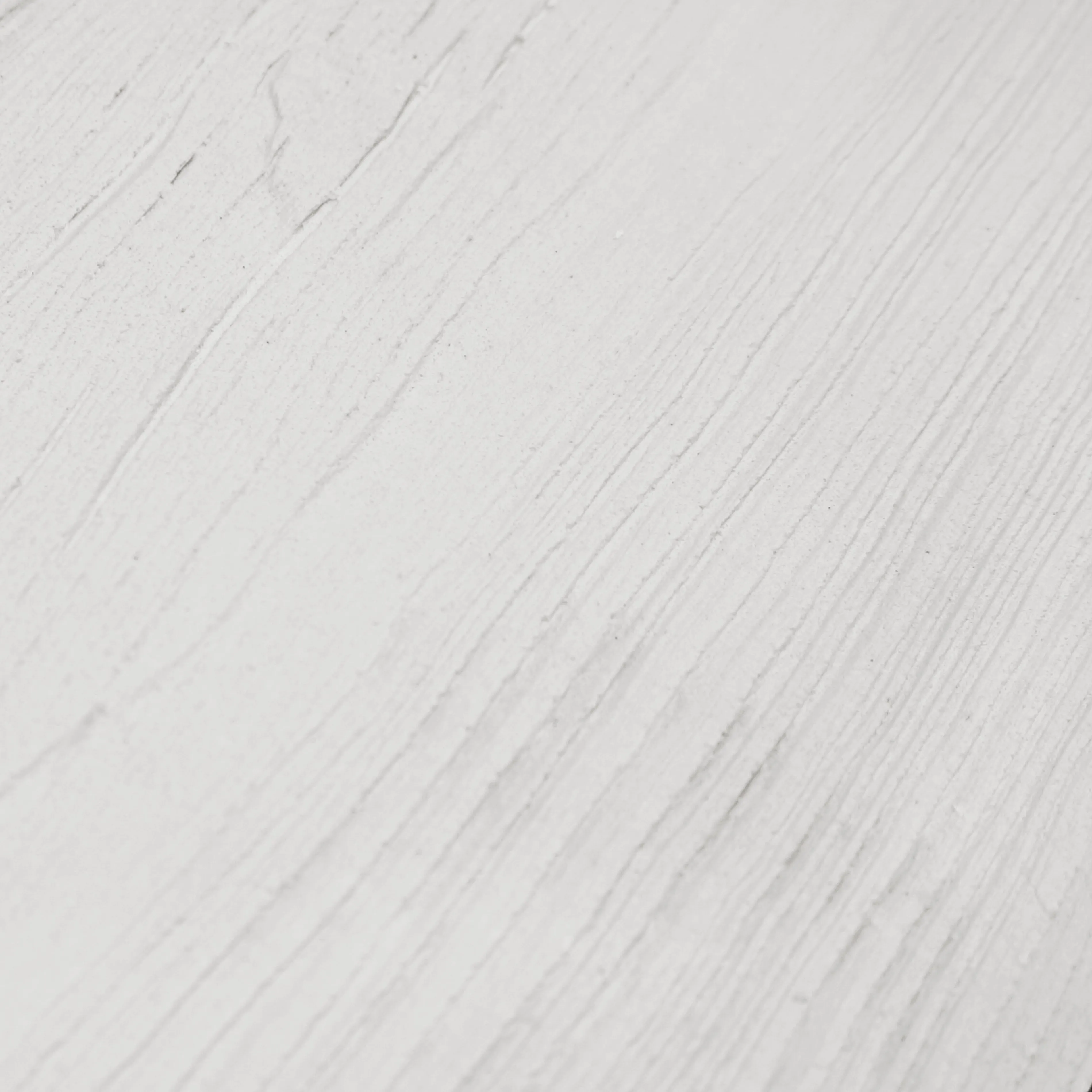
To put MCM White Wood Panels' impact into perspective, let's compare them to two common alternatives: traditional solid wood panels and fair-faced concrete (a popular low-maintenance option).
| Feature | MCM White Wood Panels | Traditional Solid Wood Panels | Fair-Faced Concrete |
|---|---|---|---|
| Embodied Carbon (kg CO₂e/m²) | 45 | 150 | 220 |
| Thermal Resistance (R-value per inch) | 3.2 | 1.2 | 0.8 |
| Expected Lifespan | 50+ years | 15-20 years | 60+ years |
| Recycled Content | 60% (recycled wood + bamboo) | 0% | 5-10% (recycled aggregates) |
| Installation Waste | Less than 5% | 15-20% | 10-15% |
The numbers speak for themselves. While fair-faced concrete lasts longer, its high embodied carbon and poor insulation make it a less ideal choice for net-zero. Traditional wood, meanwhile, can't compete on sustainability or durability. MCM White Wood Panels strike that rare balance: kind to the planet, kind to your energy bill, and kind to your senses.
White Wood Panels are just one piece of the MCM puzzle. Innovations like wood concrete board (a blend of wood fibers and recycled concrete) and rammed earth board (which mimics the look of traditional rammed earth but with 50% less material) are expanding the toolkit for sustainable builders. Even classic materials like travertine (beige) are getting the MCM treatment, with lightweight, flexible versions that reduce quarrying and transportation impacts.
"The next frontier is circularity," says Chen. "Right now, MCM panels are recyclable at the end of their life, but we're working on making them 'upcyclable'—ground down and turned into new panels without losing quality. Imagine a building from 2050 being deconstructed, and its walls becoming part of a new home in 2070. That's the dream."
Net-zero construction isn't about sacrifice. It's about reimagining what buildings can be: efficient, resilient, and deeply human. MCM White Wood Panels embody this vision—proof that sustainability can feel warm, not clinical; durable, not disposable; and beautiful, not bland.
Whether you're a homeowner building your first eco-friendly house, an architect designing a community hub, or a developer aiming to meet strict green building standards, these panels offer a path forward. They remind us that every choice—from the walls we build to the materials we choose—shapes the world we leave behind. And with MCM, that world looks a little brighter, a little warmer, and a lot more sustainable.
So the next time you walk into a building and feel that subtle, comforting warmth—whether it's a school, a café, or a home—take a closer look. It might just be MCM White Wood Panels, quietly working to turn net-zero from a goal into a reality.
Recommend Products












