
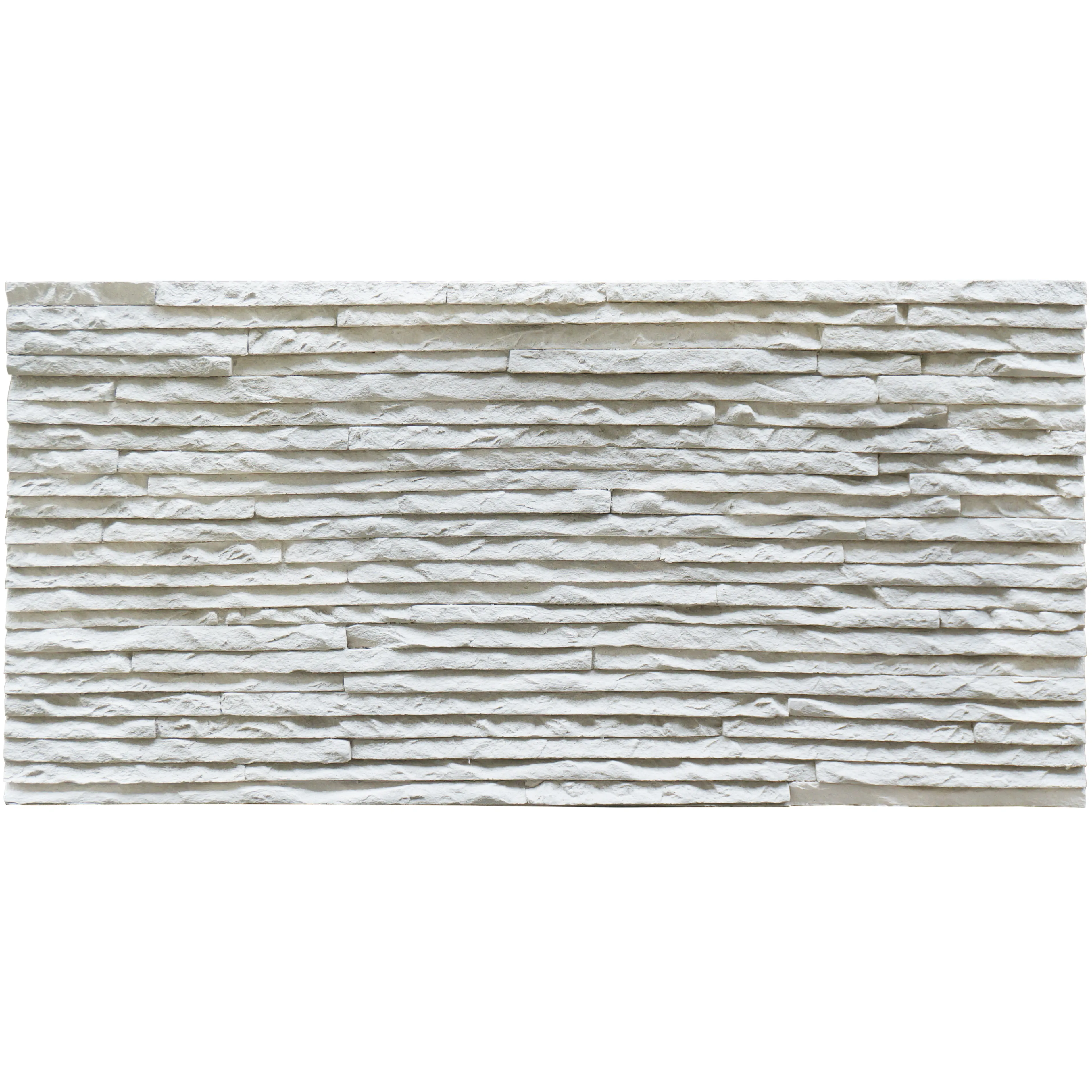
There's a quiet comfort in stepping inside a home or office where the temperature feels just right—no sudden chills in winter, no stifling heat in summer. That comfort, often taken for granted, starts with one critical element: insulation. The materials we choose for our buildings don't just shape their looks; they shape how we experience every moment spent inside. Today, we're diving into a material that's been turning heads in architecture and construction circles for its ability to marry beauty with brawn: Muretto Stone (Beige) . More than just a pretty face, this stone has a secret superpower: it's a champion of thermal performance. Let's explore how it works, why it matters, and how it stacks up against other popular building materials.
Before we zoom in on Muretto Stone (Beige), let's talk about why insulation deserves our attention. Think of insulation as a building's "blanket"—it keeps heat in when it's cold outside and out when it's hot. But its impact goes deeper than just comfort. Poor insulation forces HVAC systems to work overtime, hiking up energy bills and increasing carbon footprints. In fact, the U.S. Department of Energy estimates that 25-30% of residential heating and cooling energy is lost through walls and roofs. For commercial buildings, that number can be even higher.
Then there's the issue of moisture. Trapped moisture from poor ventilation or inadequate insulation leads to mold, rot, and structural damage—costly problems that erode a building's lifespan. And let's not forget aesthetics: the right cladding or wall material should enhance a space's design, not just hide behind it. Muretto Stone (Beige) checks all these boxes, but first, let's get to know it better.
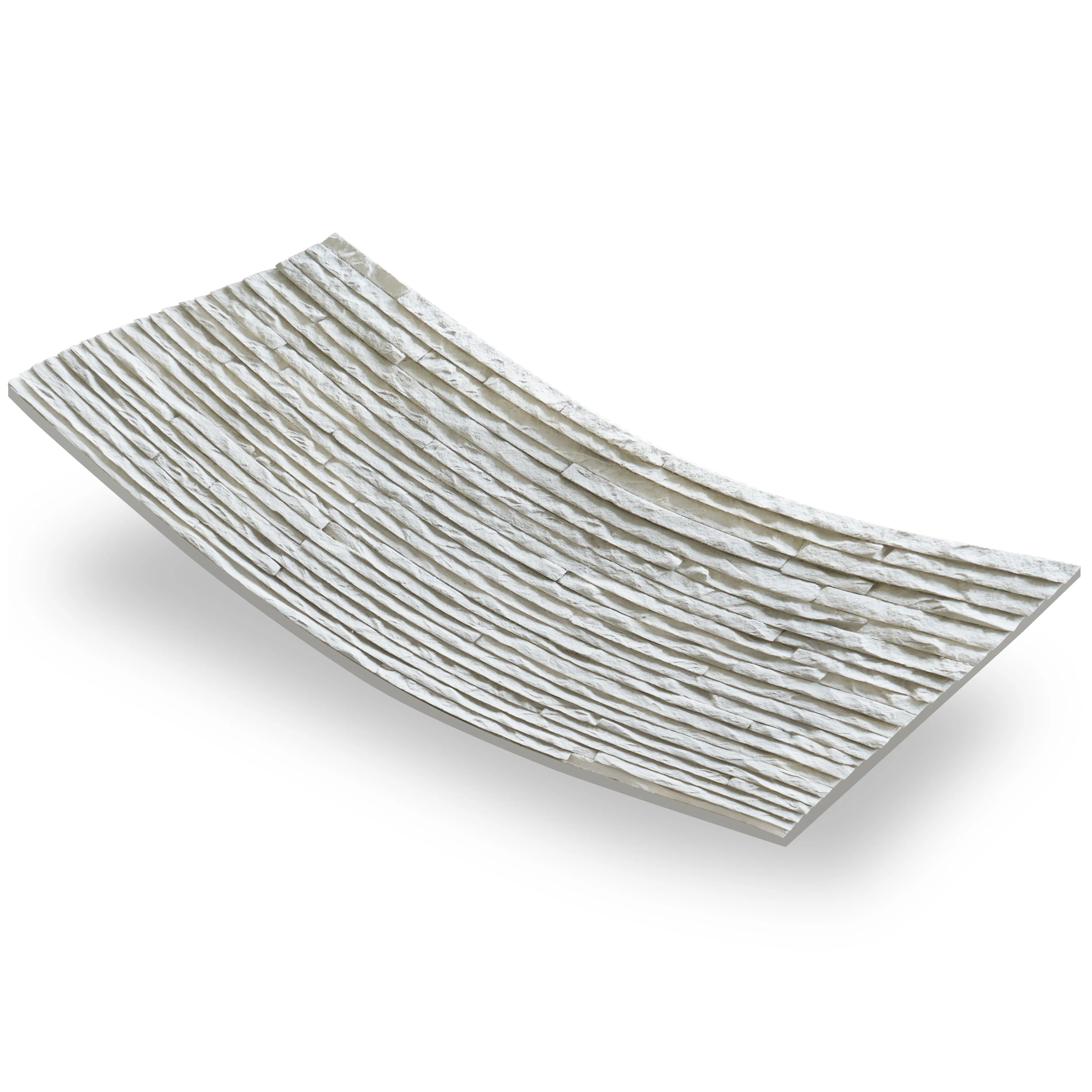
Muretto Stone isn't just a single product—it's a family. Part of MCM's renowned lineup, it includes variations like Muretto Stone (light grey) , Muretto Stone (dark grey) , and our star today, Muretto Stone (beige) . What unites them is a commitment to balancing natural beauty with modern performance. Muretto Stone (Beige), in particular, draws inspiration from the warm, earthy tones of Mediterranean villages, where sun-baked stone walls have kept homes cool for centuries. But MCM has reimagined this classic material for the 21st century.
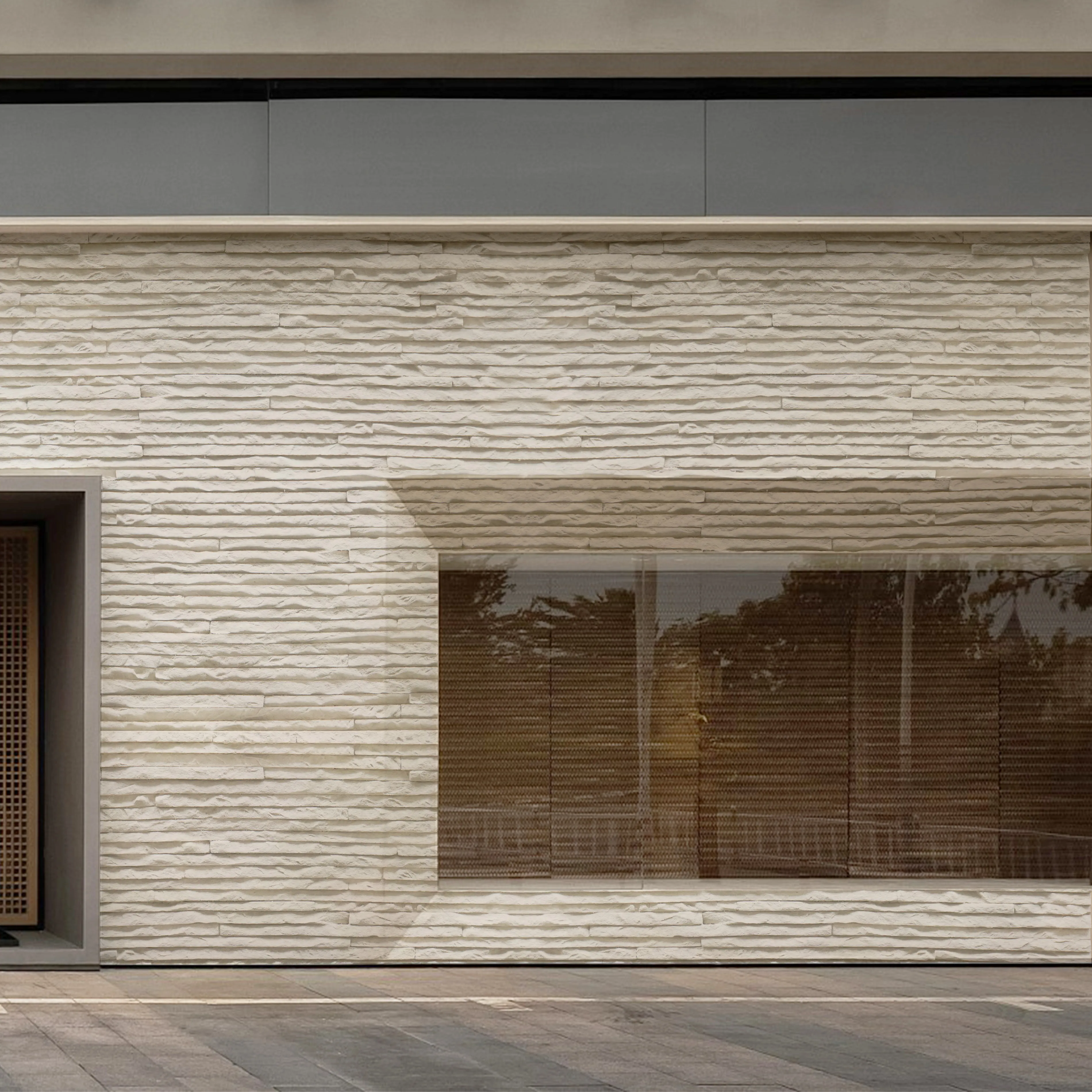
At its core, Muretto Stone (Beige) is crafted from a blend of natural stone aggregates, mineral binders, and advanced polymers. This unique composition gives it two key advantages: the texture and depth of natural stone, and the flexibility and durability of engineered materials. Unlike heavy, brittle traditional stone, Muretto Stone (Beige) is lightweight—making installation easier and reducing stress on building structures. Its surface, with subtle variations in tone and a matte finish, adds warmth to both modern and rustic designs, from cozy cottages to sleek urban lofts.
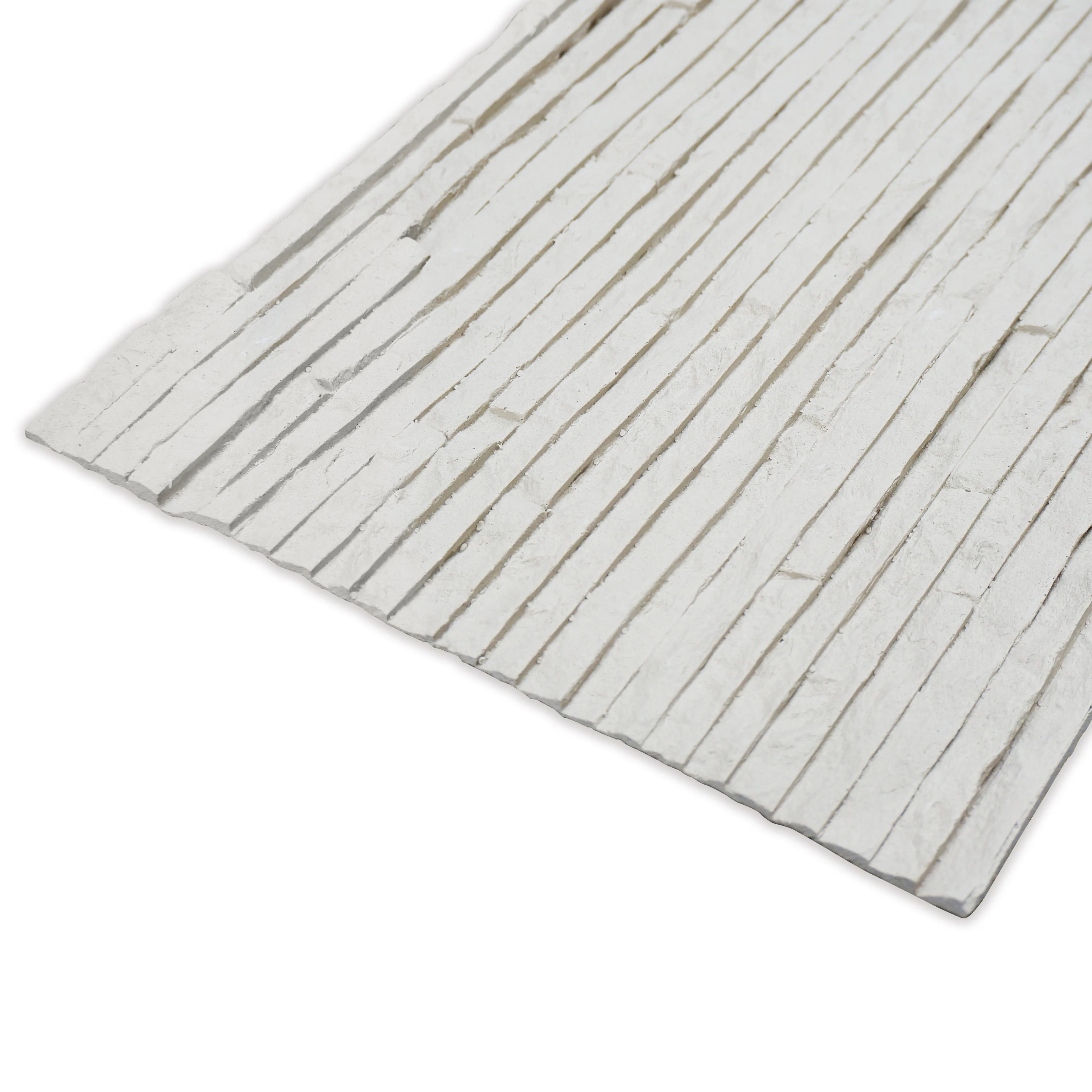
So, what makes Muretto Stone (Beige) a standout for insulation? Let's break it down into three key thermal properties: thermal conductivity, thermal mass, and breathability.
Thermal conductivity (measured in W/m·K) is a material's ability to transfer heat. The lower the number, the better the insulation. Muretto Stone (Beige) boasts a thermal conductivity of around 0.3-0.5 W/m·K, which is significantly lower than solid natural stone (which can range from 1.0-3.0 W/m·K) and even some common cladding materials like fair-faced concrete (typically 1.2-1.7 W/m·K). Why the difference? The engineered composition of Muretto Stone (Beige) includes tiny air pockets within its structure, acting as mini-insulators that slow heat transfer. Imagine a winter coat filled with down—those pockets of air trap warmth, and Muretto Stone (Beige) does the same for your walls.
Thermal mass is a material's ability to absorb, store, and release heat over time. Think of it as a building's "battery" for temperature control. Muretto Stone (Beige) has moderate thermal mass, meaning it absorbs heat during the day (when the sun hits exterior walls) and releases it slowly as temperatures drop at night. This natural cycle helps stabilize indoor temperatures, reducing peaks and valleys that strain HVAC systems. In hot climates, this means cooler interiors during the day; in cold climates, warmer evenings. It's like having a silent partner that works 24/7 to keep your space comfortable.
Unlike synthetic cladding materials that trap moisture, Muretto Stone (Beige) is breathable. Its porous structure allows water vapor to escape, preventing mold and mildew growth. This is crucial for maintaining healthy indoor air quality and preserving the integrity of wall assemblies. Traditional stone is also breathable, but Muretto Stone (Beige) takes it a step further with its polymer additives, which reduce water absorption while retaining vapor permeability. It's the best of both worlds: protection from the elements and a dry, healthy interior.
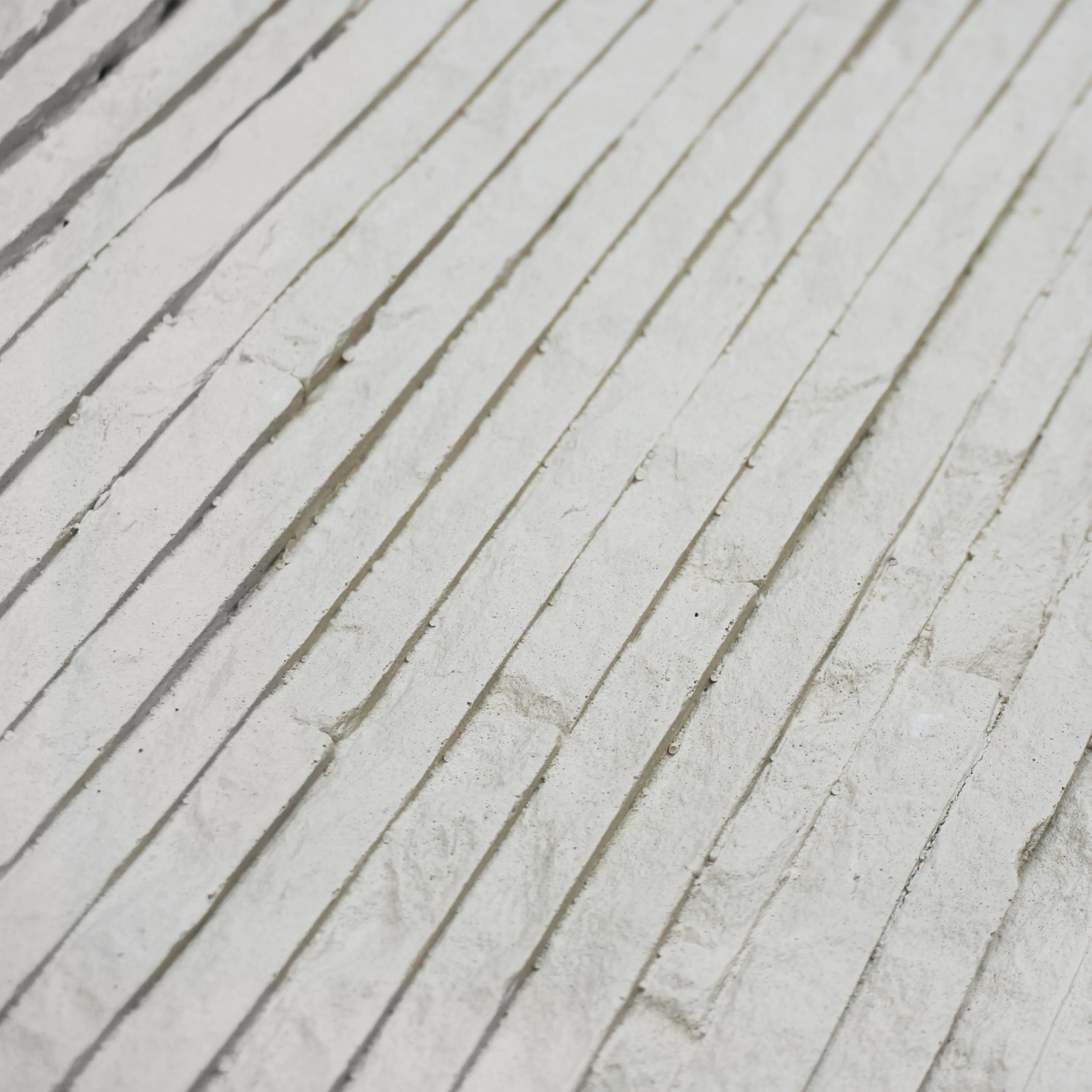
To truly appreciate Muretto Stone (Beige)'s thermal performance, let's see how it stacks up against other popular building materials. Below is a comparison table focusing on key thermal properties:
| Material | Thermal Conductivity (W/m·K) | Thermal Mass | Breathability | Aesthetic Notes |
|---|---|---|---|---|
| Muretto Stone (Beige) | 0.3-0.5 | Moderate | High | Warm beige, matte finish, subtle texture |
| Muretto Stone (light grey) | 0.3-0.5 | Moderate | High | Soft grey, modern, versatile |
| Muretto Stone (dark grey) | 0.3-0.5 | Moderate | High | Deep grey, bold, industrial chic |
| Fair-faced Concrete | 1.2-1.7 | High | Low | Raw, minimalist, but prone to heat transfer |
| Flexible Stone | 0.4-0.6 | Low | Moderate | Lightweight, customizable, but less thermal mass |
| Travertine (Beige) | 0.8-1.2 | High | High | Natural veining, classic, but heavier and costlier |
As the table shows, Muretto Stone (Beige) holds its own against competitors. Its thermal conductivity is on par with flexible stone but offers better thermal mass, meaning it stabilizes temperatures more effectively. Compared to fair-faced concrete , it's significantly better at slowing heat transfer, and unlike concrete, it won't trap moisture. Even against natural travertine (beige) , Muretto Stone (Beige) shines—same breathability and aesthetic appeal, but with lower conductivity and a lighter weight that saves on installation and structural costs.
Let's take a hypothetical example to illustrate Muretto Stone (Beige)'s performance. Imagine two identical homes in Phoenix, Arizona—one clad in fair-faced concrete, the other in Muretto Stone (Beige). On a 105°F summer day, the concrete-clad home's interior walls might reach 90°F by midday, forcing the AC to run constantly. The Muretto Stone (Beige) home, with its lower thermal conductivity, keeps wall temperatures closer to 78°F, reducing AC usage by an estimated 15-20%. Over a year, that translates to hundreds of dollars in savings and a smaller carbon footprint.
In a cold climate like Minneapolis, the tables turn. On a -10°F winter night, Muretto Stone (Beige)'s thermal mass absorbs daytime heat from sunlight and releases it slowly, keeping interior temps stable. The concrete home, while also having thermal mass, loses heat faster through its higher conductivity, leading to colder walls and more frequent furnace cycles. It's a testament to Muretto Stone (Beige)'s adaptability across climates.
Thermal performance is a star feature, but Muretto Stone (Beige) brings more to the table:
Thanks to its polymer-reinforced composition, Muretto Stone (Beige) resists cracks, fading, and weathering. Unlike natural stone, which can chip or erode over time, it holds up to rain, snow, UV rays, and temperature fluctuations. This durability means less maintenance—no need for frequent sealing or repainting—and a longer lifespan for your building envelope.
Muretto Stone (Beige) isn't just for exteriors. Its warm, neutral tone makes it a popular choice for interior accent walls, fireplaces, and backsplashes. Pair it with wood grain board for a rustic kitchen or with sleek polish concrete floors for a modern industrial look. The possibilities are endless, and its consistency in color and texture ensures a cohesive design across large spaces.
MCM prioritizes eco-friendly manufacturing, and Muretto Stone (Beige) is no exception. Its production uses recycled stone aggregates, reducing waste, and its lightweight nature cuts down on transportation emissions. Because it reduces energy use over a building's lifetime, it also contributes to LEED and other green building certifications—a win for both the planet and property values.
To maximize Muretto Stone (Beige)'s insulation benefits, proper installation is key. Here are a few best practices:
Building insulation doesn't have to be a trade-off between function and beauty. Muretto Stone (Beige) proves that a material can keep you comfortable, save you money, and elevate your space's design—all at once. Its low thermal conductivity, balanced thermal mass, and breathability make it a top choice for energy-efficient buildings, while its warm, earthy aesthetic adds character that synthetic materials can't match.
Whether you're building a new home, renovating a commercial space, or simply looking to upgrade your cladding, Muretto Stone (Beige) deserves a spot on your shortlist. It's more than a building material—it's an investment in comfort, sustainability, and timeless design. After all, the best buildings are those that work with nature, not against it. And with Muretto Stone (Beige), you're not just building walls—you're creating spaces that feel like home.
Recommend Products












