
A closer look at the unsung hero of sustainable construction
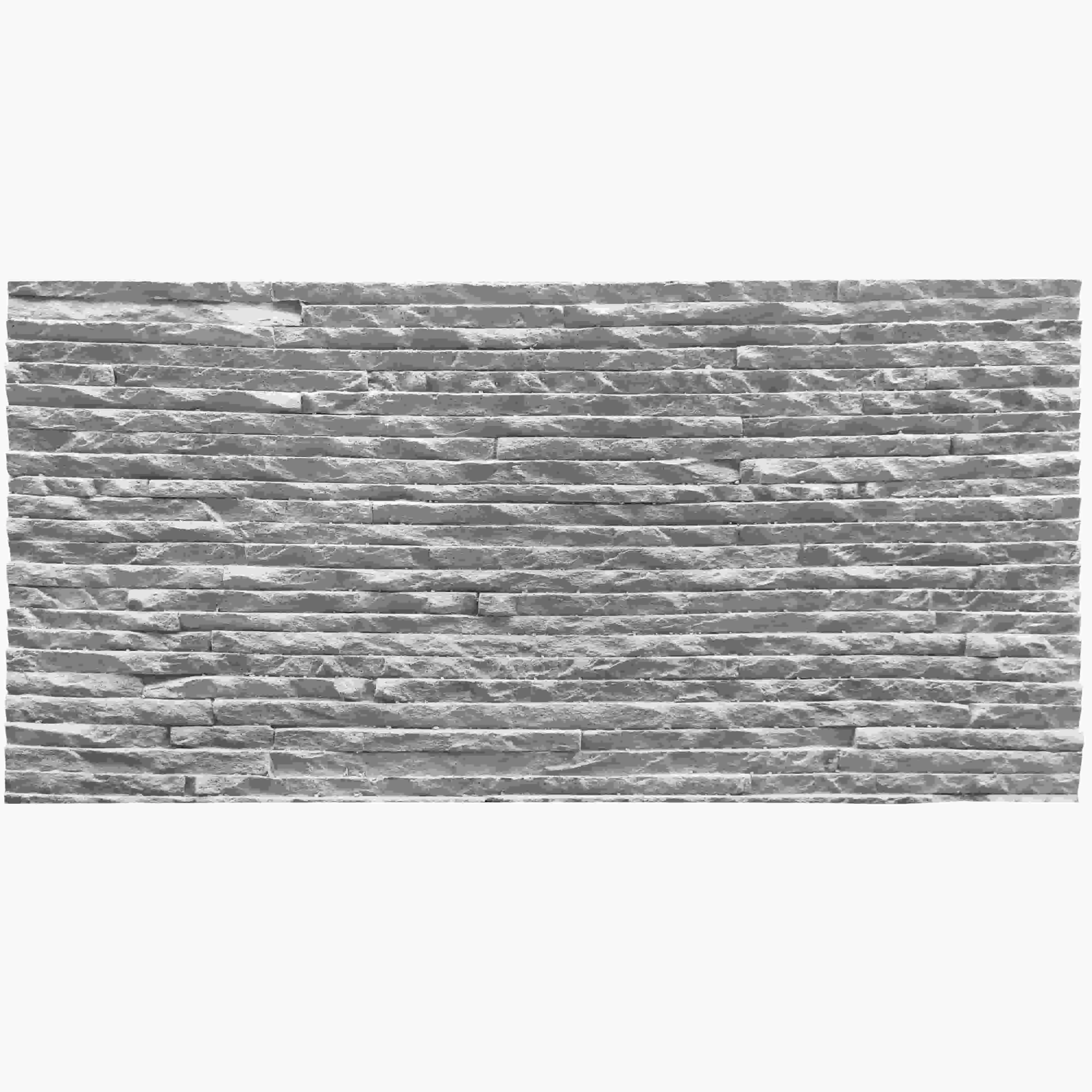
In a world where every kilowatt-hour counts, the materials we choose for our buildings have never mattered more. From soaring skyscrapers to cozy family homes, the quest for energy efficiency drives decisions that impact not just monthly utility bills, but the health of our planet. Enter Muretto Stone (light grey) —a material that's quietly revolutionizing how we think about building exteriors and interiors. It's not just about aesthetics (though it certainly delivers there); it's about creating spaces that work with the environment, not against it. Let's dive into how this unassuming stone is becoming a cornerstone of energy-smart design.
Before we jump into its energy-saving superpowers, let's get to know Muretto Stone. Part of the broader Muretto Stone family—which includes variations like Muretto Stone (dark grey) and Muretto Stone (beige) —this material is a blend of natural minerals and modern engineering. Think of it as nature's resilience meets human ingenuity: quarried stone particles are mixed with binders and treated to enhance durability, resulting in panels that are both lightweight and tough. Unlike raw stone, which can be heavy and prone to cracking, Muretto Stone is designed for easy installation and long-term performance. And while its siblings come in warmer (beige) or deeper (dark grey) hues, the light grey variant stands out for one key reason: its ability to interact with light and heat in ways that keep buildings balanced.
But make no mistake—this isn't just another pretty face. Muretto Stone (light grey) is engineered with a specific mission: to make buildings more efficient. And it does that through three core properties: thermal insulation, solar reflectivity, and durability. Let's unpack each one.
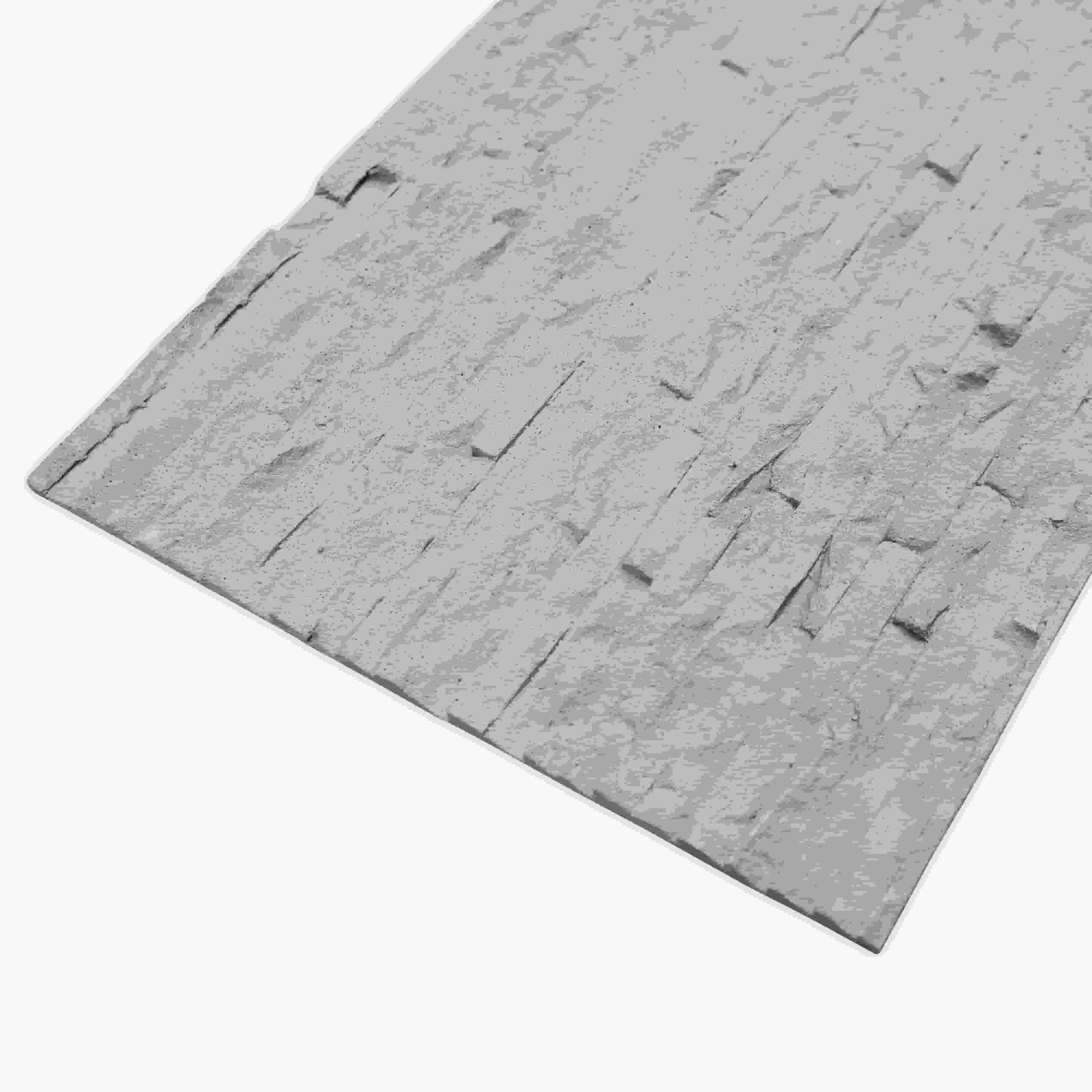
Ever walked into a room with stone walls and noticed how it stays cool in summer and warm in winter? That's thermal mass at work—but Muretto Stone (light grey) takes it a step further. Its secret lies in its micro-structure: tiny air pockets within the material act like a buffer, slowing down the transfer of heat. In technical terms, it has a low thermal conductivity (we'll get to numbers later), meaning less heat flows through it from the outside to the inside (or vice versa).
Picture this: On a sweltering summer day, the sun beats down on your home's exterior. If you're using a material that conducts heat easily—say, traditional brick or even fair-faced concrete —that heat seeps indoors, forcing your AC to work overtime. But with Muretto Stone (light grey), the heat has a harder time (penetrating). The air pockets in the stone trap the warmth, keeping it at the surface instead of letting it radiate into your living room. The result? Your AC runs less, and your energy bill shrinks.
The same logic applies in winter. When the temperature drops, the stone holds onto the heat generated inside your home, acting like a blanket that prevents it from escaping. No more cranking up the heater to compensate for drafty walls—Muretto Stone (light grey) keeps the warmth where it belongs: with you.
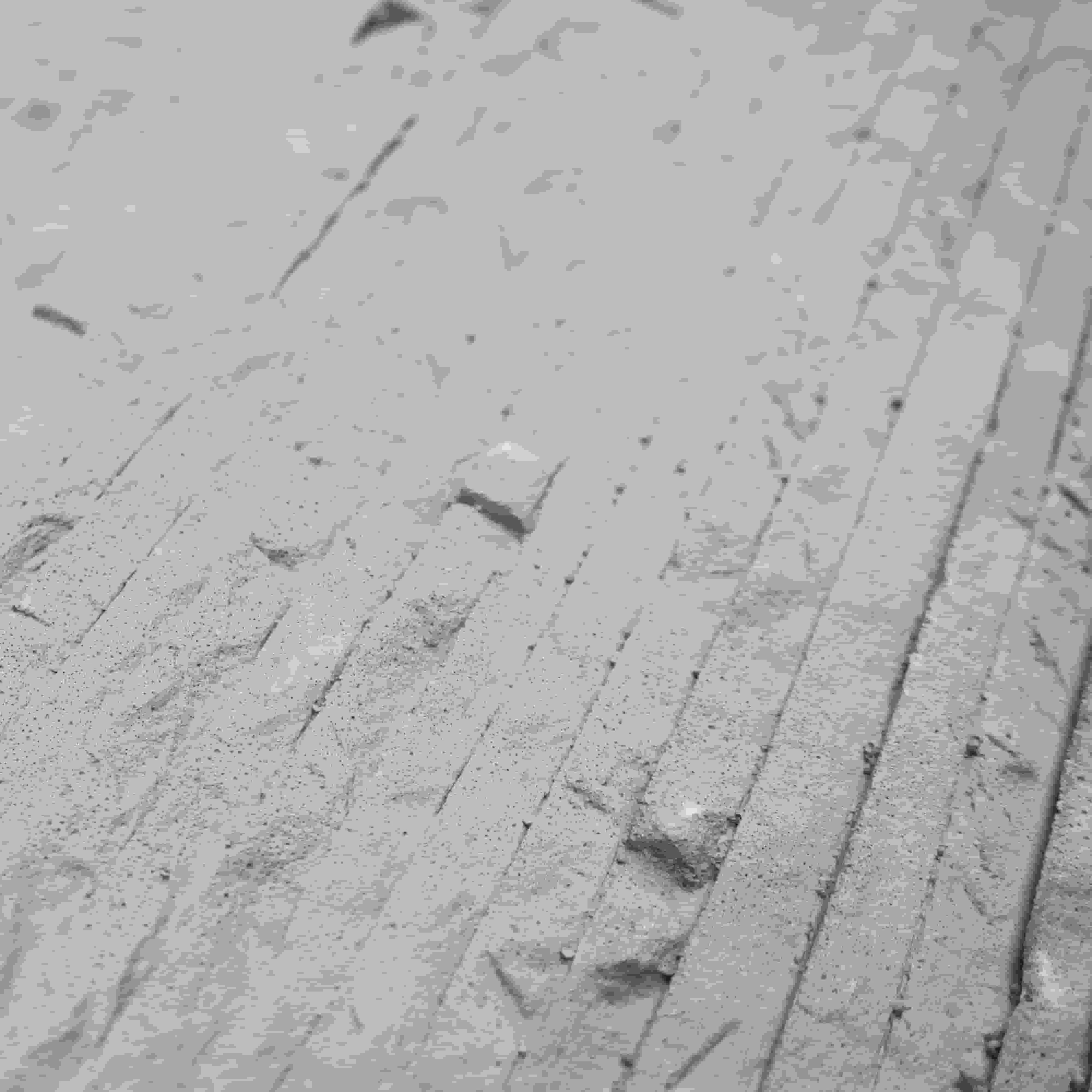
Color matters—especially when it comes to building exteriors. Dark colors absorb sunlight, turning buildings into giant heat sponges. Light colors? They reflect it. And Muretto Stone (light grey) is a master of reflection. Its pale hue bounces back a significant portion of the sun's rays, reducing the amount of heat that gets absorbed into the building's structure.
To put this in perspective: A study by the U.S. Department of Energy found that light-colored roofs can reduce a building's cooling load by up to 20%. Now imagine applying that logic to your entire exterior. Muretto Stone (light grey) doesn't just cover walls—it covers them in a material that actively repels heat. Compare that to a building clad in Muretto Stone (dark grey) : while the dark variant might be striking, it soaks up sunlight, turning the exterior into a heat source that radiates into the interior. In hot climates, that difference can translate to hundreds of dollars in annual energy savings.
But it's not just about summer. In winter, when the sun is lower and weaker, the light grey color still works its magic. It reflects less of the sun's gentle warmth (since the angle is different), allowing just enough heat to pass through to help naturally warm interiors. It's a balancing act that traditional materials often fail to achieve—Muretto Stone (light grey) does it effortlessly.
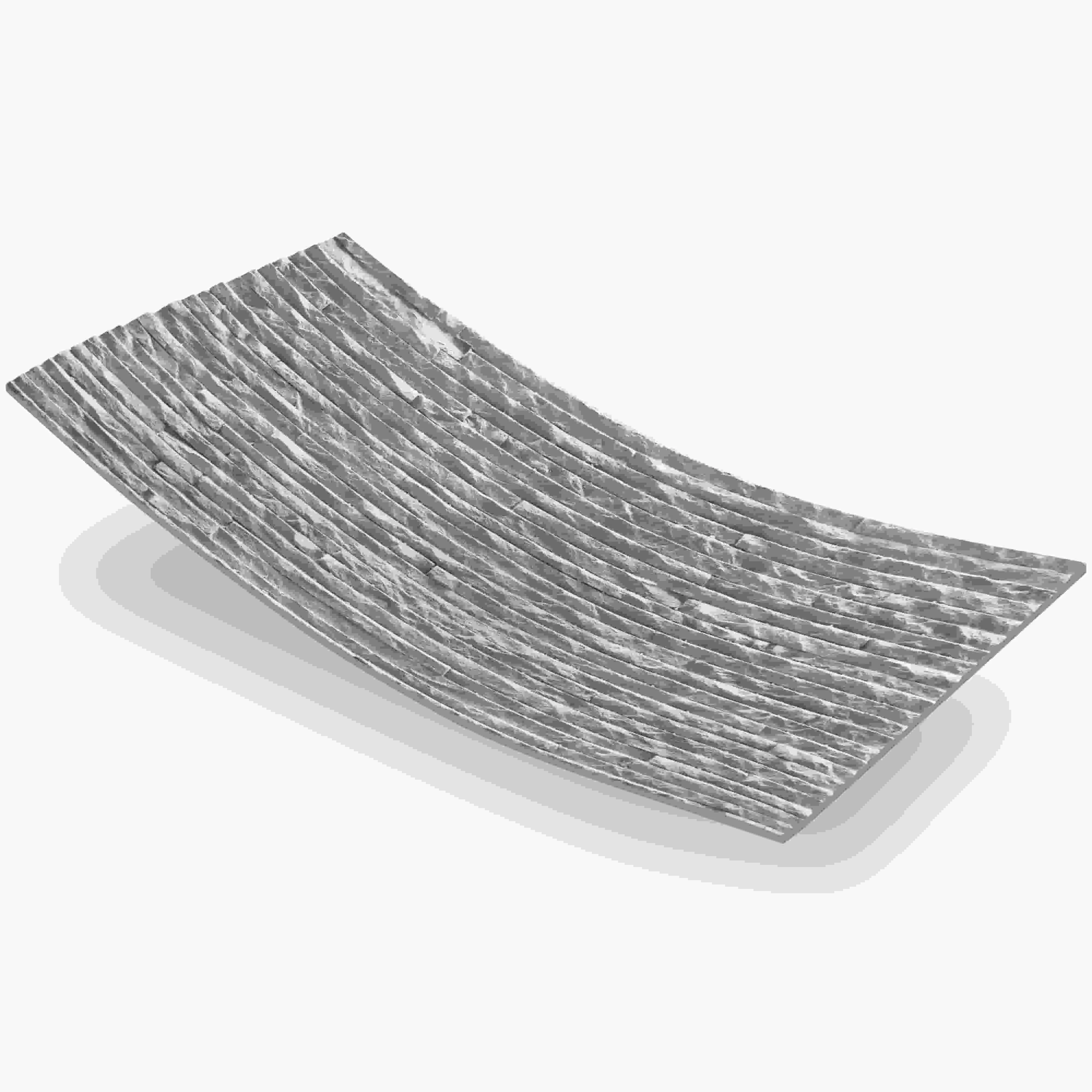
Energy efficiency isn't just about how a material performs day-to-day—it's about how long it performs. Every time you replace a worn-out building material, you're not just spending money on new products; you're contributing to the energy used in manufacturing, transporting, and installing those replacements. Muretto Stone (light grey) shines here, too.
Thanks to its engineered composition, it's resistant to the elements: rain, wind, UV rays, and even freeze-thaw cycles won't crack or fade it easily. Unlike lime stone (beige) , which can etch over time when exposed to acid rain, or fair-faced concrete , which may develop hairline cracks after years of thermal expansion, Muretto Stone (light grey) holds its own. Most manufacturers back it with a 50-year warranty—and in real-world use, it often lasts longer.
What does that mean for energy efficiency? Simple: fewer replacements mean less energy consumed in production. Let's say a traditional stone veneer lasts 20 years, while Muretto Stone (light grey) lasts 60. Over six decades, you'd replace the traditional veneer three times, each requiring mining, processing, and transportation—all energy-intensive steps. Muretto Stone? Just one installation. That's a huge win for both your wallet and the planet.
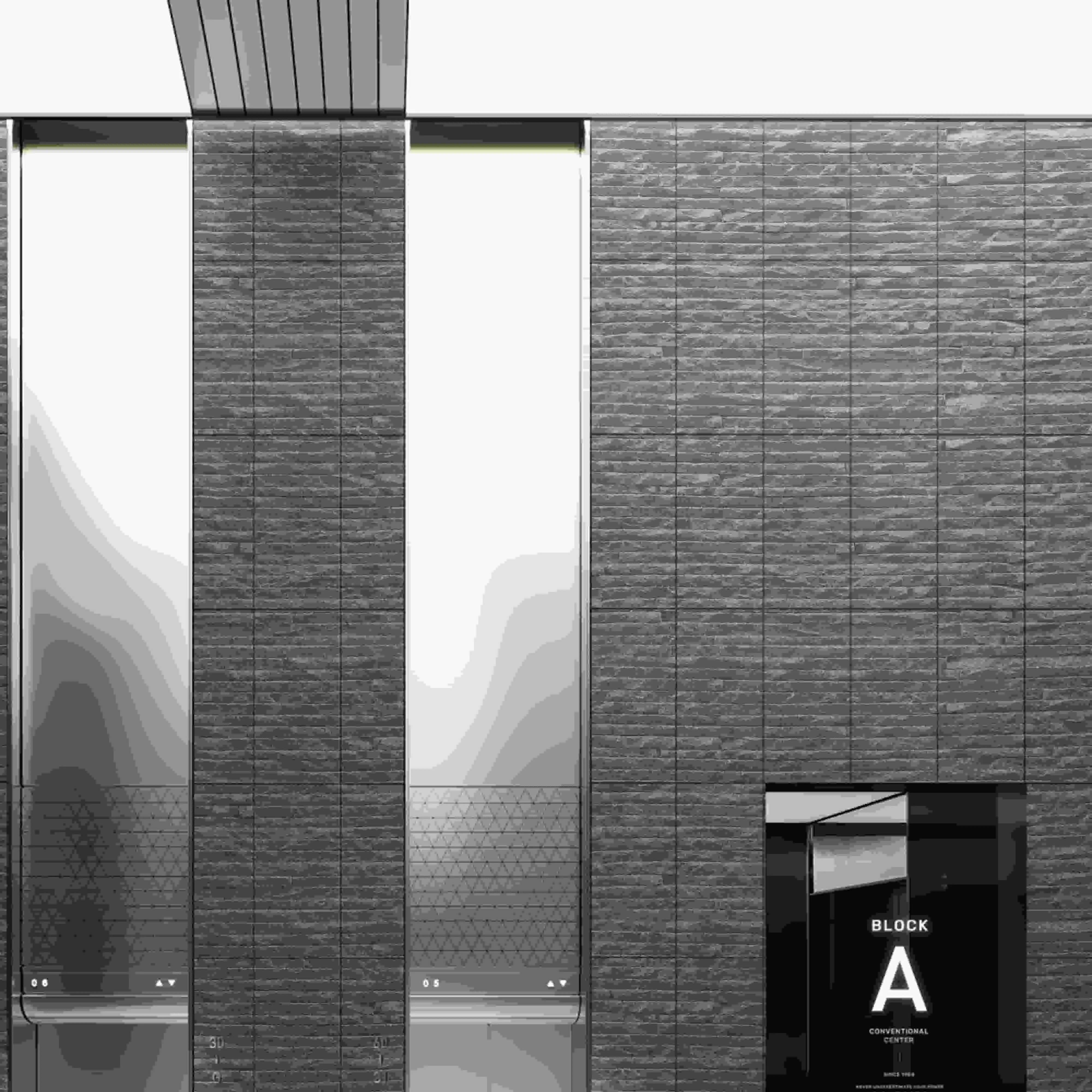
Numbers tell a story, so let's put Muretto Stone (light grey) side by side with other common building materials. The table below compares key metrics for energy efficiency: thermal conductivity (how well heat moves through the material), solar reflectance index (SRI, a measure of how much sunlight it reflects), and lifespan.
| Material | Thermal Conductivity (W/m·K)* | Solar Reflectance Index (SRI)** | Lifespan (Years) |
|---|---|---|---|
| Muretto Stone (light grey) | 0.18 | 75 | 50+ |
| Muretto Stone (dark grey) | 0.18 | 35 | 50+ |
| Muretto Stone (beige) | 0.18 | 60 | 50+ |
| Fair-faced concrete | 1.20 | 30 | 30–40 |
| Lime stone (beige) | 0.80 | 55 | 20–30 |
*Lower values mean better insulation. **Higher values mean more sunlight reflected. Data based on industry standards and manufacturer testing.
The takeaway? Muretto Stone (light grey) outperforms fair-faced concrete and lime stone (beige) in thermal insulation and reflectivity, and matches or exceeds them in lifespan. Even compared to its Muretto siblings, the light grey variant's high SRI makes it the clear choice for energy efficiency.
Enough theory—let's talk about real buildings. Take the Riverview Residences in Phoenix, Arizona, a 12-story apartment complex finished in 2023. The developers chose Muretto Stone (light grey) for the exterior cladding, citing energy efficiency as a top priority. "Phoenix summers are brutal—temperatures regularly hit 110°F," says Maria Gonzalez, the project architect. "We needed a material that could keep units cool without overworking the AC. In the first year, residents reported their average monthly energy bills dropped by 22% compared to their previous homes. That's not just a number—that's real money back in their pockets."
Then there's the Green Horizon Office Park in Portland, Oregon, which used a mix of Muretto Stone (light grey) and fair-faced concrete for its campus buildings. "We wanted a modern look with a low environmental footprint," explains James Chen, sustainability director. "The Muretto Stone panels on the south-facing walls reflect sunlight, while the concrete provides structural support. Together, they've reduced our cooling costs by 18% and heating costs by 12%—and the buildings look stunning."
Even in colder climates, Muretto Stone (light grey) shines. The Alpine Lodge in Boulder, Colorado, swapped its old wooden siding for Muretto Stone (light grey) in 2022. "Wood needs constant maintenance, and it's not great at retaining heat," says lodge manager Erik Larsen. "Now, our guests notice the difference—rooms stay warmer in winter, and we've cut our propane usage by 15%. Plus, we don't have to repaint every few years. It's a win-win."
Energy efficiency in buildings isn't a trend—it's a necessity. As we strive to reduce our carbon footprints and create more comfortable living and working spaces, the materials we choose play a starring role. Muretto Stone (light grey) isn't just another option on the shelf; it's a solution that marries form and function. Its thermal insulation keeps temperatures stable, its solar reflectivity fights off excess heat, and its durability ensures it will keep doing so for decades.
Whether you're building a home, an office, or a community center, consider this: every decision you make about materials ripples outward—affecting energy use, costs, and the planet. Muretto Stone (light grey) is more than a cladding material; it's a commitment to smarter, more sustainable building. And in a world where we all need to do our part, that's a choice worth making.
So the next time you walk past a building and think, "That looks cool"—pause. Maybe it's not just cool to the eye. Maybe it's cool by design, thanks to materials like Muretto Stone (light grey). The future of building is here, and it's lighter, brighter, and more efficient than ever.
Recommend Products












