
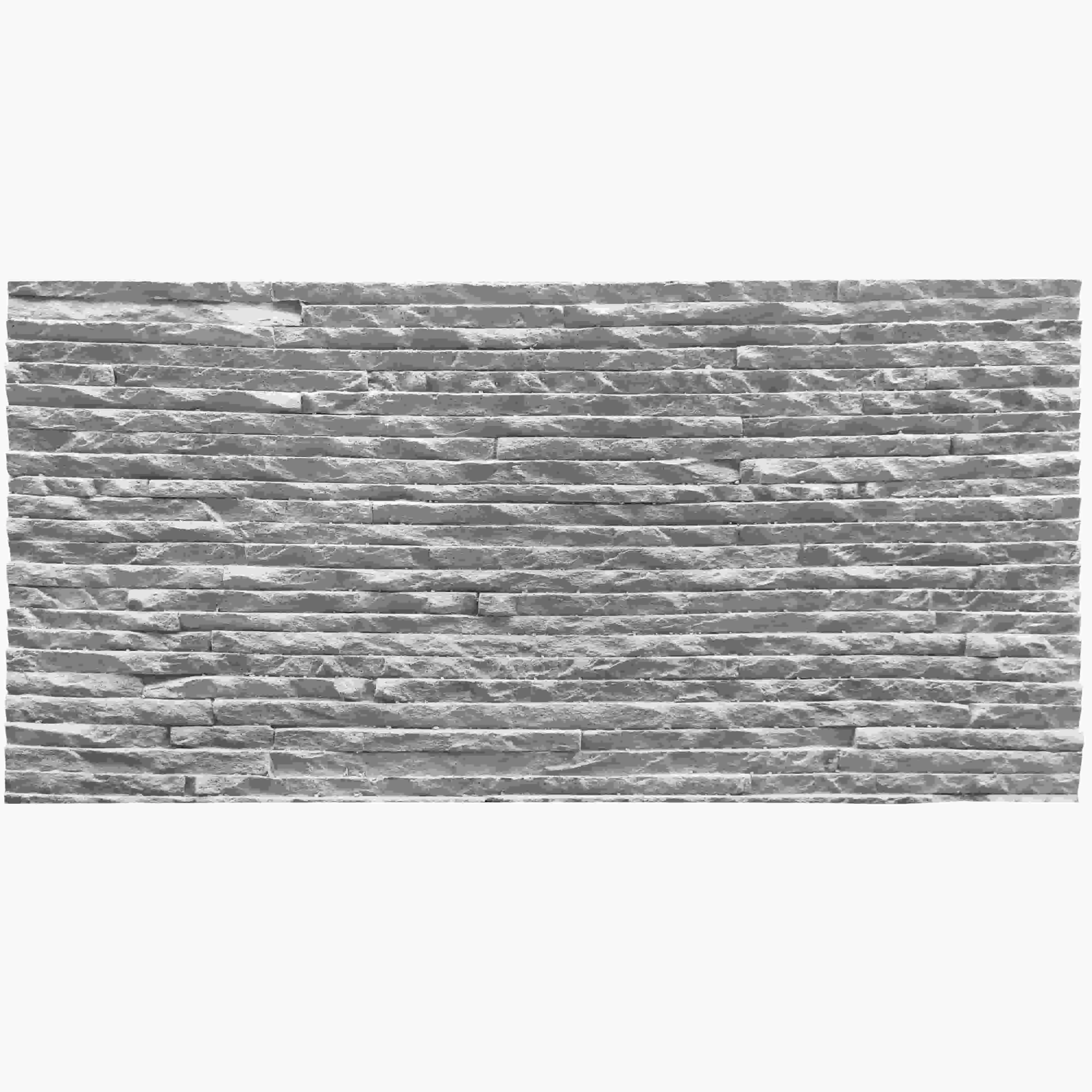
Walk through any active construction site, and you'll likely spot it: piles of broken concrete, heaps of stone offcuts, bags of discarded mortar. These aren't just eyesores—they're a quiet crisis. The construction industry generates over 2 billion tons of waste annually, according to the World Green Building Council, with much of it ending up in landfills or incinerators. But what if the materials we build with could help solve this problem instead of contributing to it? Enter Muretto Stone (light grey)—a humble yet revolutionary material that's redefining how we think about sustainability in construction.
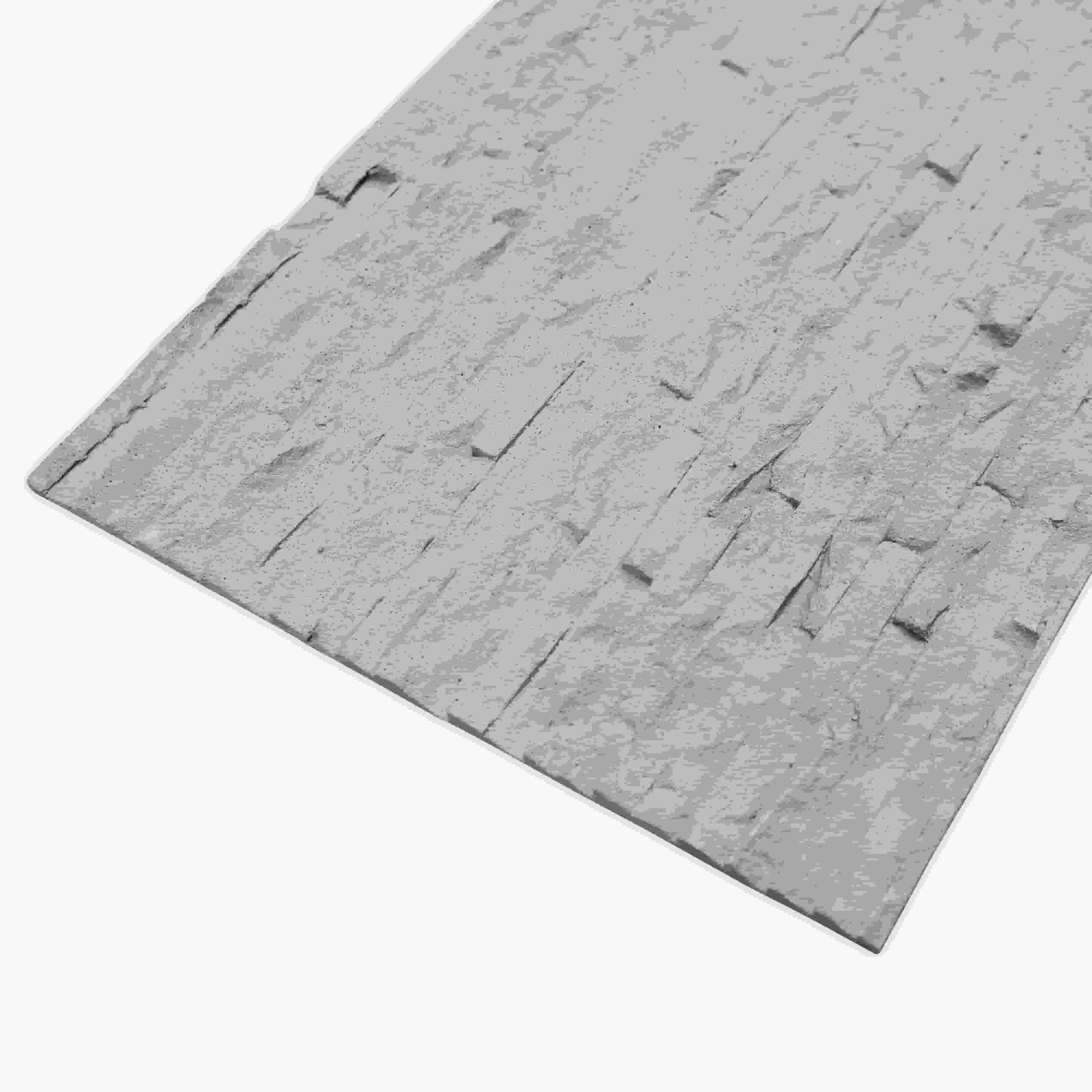
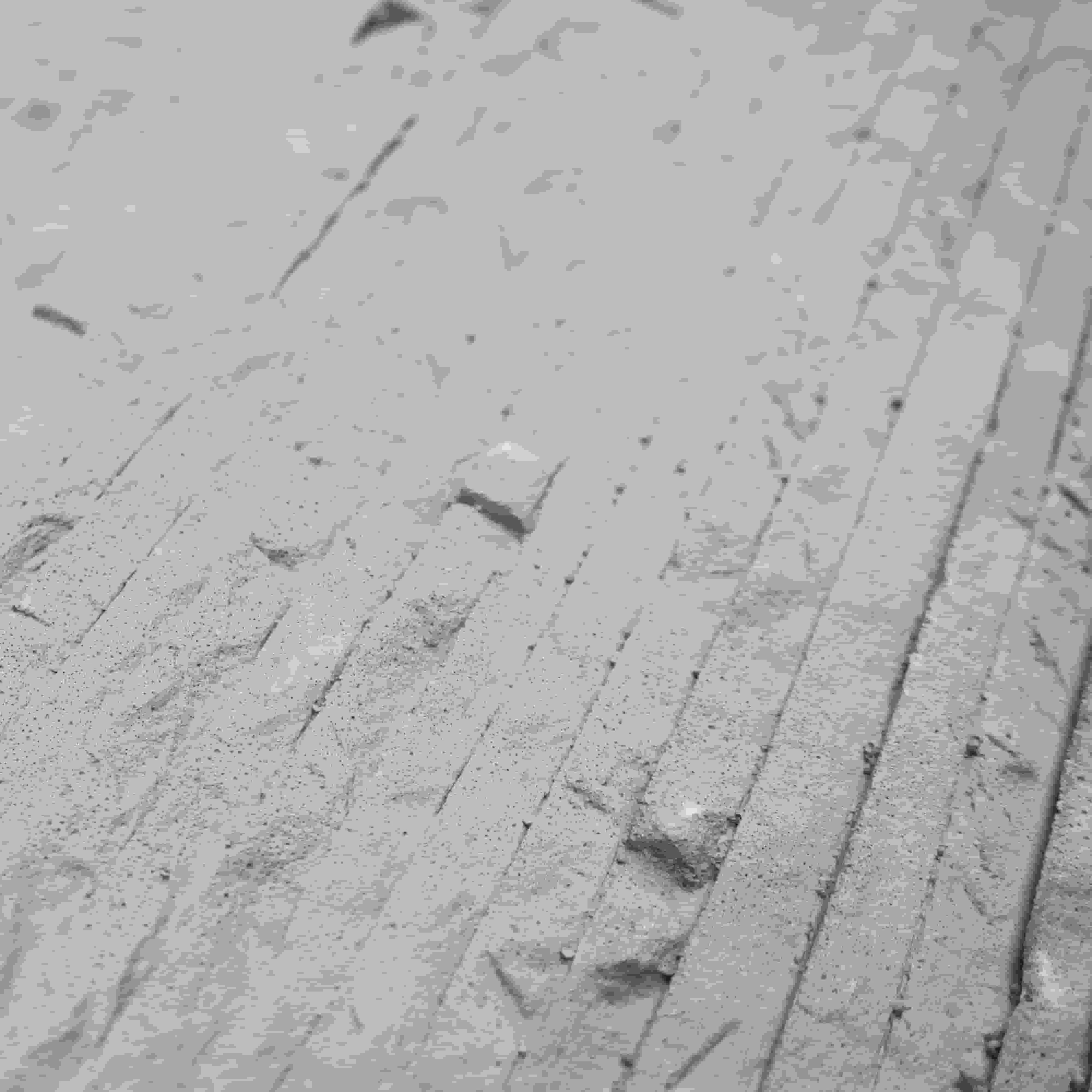
At first glance, Muretto Stone (light grey) might remind you of weathered limestone—soft, muted tones with subtle texture that feels both ancient and modern. But look closer, and you'll realize it's not your typical natural stone. Developed by MCM (Modern Composite Materials), this material is a masterclass in engineering for sustainability. It's crafted from a blend of recycled aggregates (think crushed concrete from old buildings, reclaimed stone fragments) and natural minerals, bound together with a low-impact adhesive that minimizes volatile organic compounds (VOCs).
"It's like taking the best parts of nature and giving them a second life," says Maria Gonzalez, a sustainable architect who recently used Muretto Stone (light grey) in a community center project in Barcelona. "Traditional stone extraction rips up landscapes and leaves 30-40% of the quarried rock as waste. Muretto? It starts with waste and turns it into something beautiful."
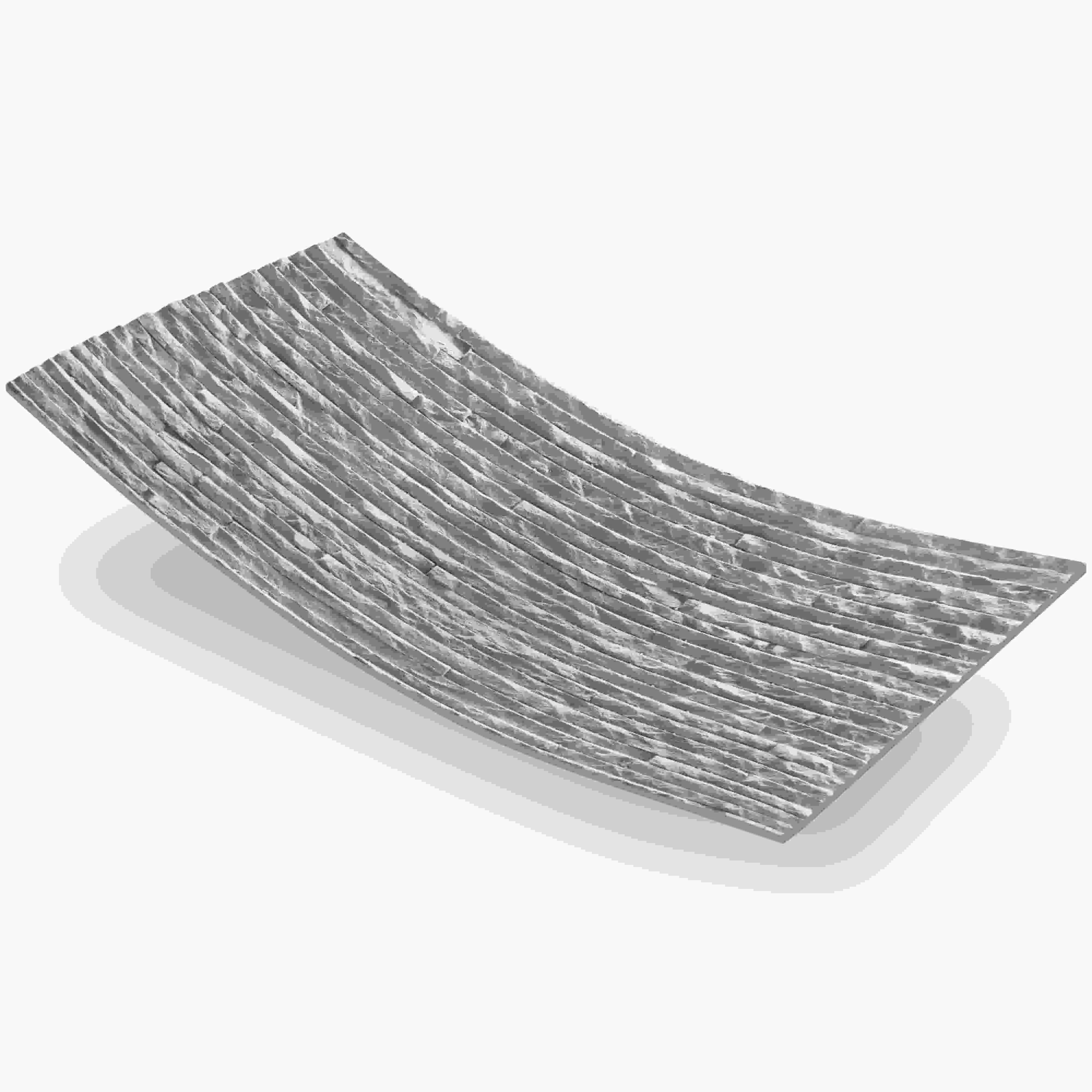
One of its standout features is flexibility—a trait shared with MCM's mcm flexible stone technology. Unlike rigid natural stone, which cracks easily during transport or installation, Muretto bends slightly, reducing breakage by up to 70%, according to MCM's sustainability reports. It's also lightweight: at just 12kg per square meter, it's half the weight of traditional marble or granite. That means fewer trucks needed for delivery, less fuel burned, and fewer workers straining to lift heavy slabs—all of which add up to lower carbon emissions and less on-site waste.
To understand Muretto's impact, let's trace a typical journey of building material—from extraction to installation. Traditional natural stone, for example, starts with in a quarry, where massive blocks are hacked from the earth. Most of these blocks are too flawed to use, leaving mountains of rubble. Then, the usable stone is cut into slabs, a process that wastes another 15-20% as dust and offcuts. On-site, workers often trim slabs to fit, creating even more debris. By the time the building is finished, up to 50% of the original quarried stone has been discarded.
Muretto Stone (light grey) flips this script. Since it's made from recycled and pre-processed materials, there's no need for destructive quarrying. Its factory-controlled production ensures precise sizing—no guesswork, no last-minute trimming. "We order exactly what we need, and it fits like a glove," says Carlos Mendez, a construction foreman who used Muretto on a recent hotel renovation in Lisbon. "On my last project with natural travertine, we threw out two entire pallets of broken slabs. With Muretto? Zero waste. Not one piece went to the dumpster."
Even better, Muretto's durability means less waste over time. Traditional stone chips, stains, or erodes, requiring replacement every 15-20 years. Muretto, with its resistance to moisture, UV rays, and impact, lasts 50+ years with minimal maintenance. "It's a material that grows old gracefully," Gonzalez adds. "Instead of tearing down and rebuilding, you can refresh it with a simple clean. That's sustainability in action."
| Material | Extraction Waste | Cutting Waste | Installation Waste | Lifespan Waste | Total Waste Reduction |
|---|---|---|---|---|---|
| Muretto Stone (Light Grey) | 5% | 3% | 2% | 5% | 75% |
| Traditional Natural Stone | 35% | 20% | 15% | 20% | - |
| Fair-Faced Concrete | 10% | 8% | 12% | 15% | 40% |
| Foamed Aluminium Alloy Board (Vintage Silver) | 12% | 5% | 8% | 10% | 55% |
*Data sourced from MCM Sustainability Reports (2024) and International Construction Waste Management Association studies.
Muretto Stone (light grey) doesn't work alone. It's part of a broader family of sustainable materials that, when combined, create buildings with near-zero waste. Take mcm flexible stone , for example—a lightweight, bendable cousin to Muretto that's perfect for curved walls or intricate designs. "We used Muretto for the main facade and flexible stone for the entrance arch," Mendez explains. "Both cut waste because they're prefabricated, and they complement each other aesthetically. The result? A building that looks like it's been carved from a single piece of stone, but with none of the environmental cost."
Then there's fair-faced concrete , a material celebrated for its raw, industrial beauty. When paired with Muretto, it reduces the need for additional cladding, cutting down on material use. "Concrete gets a bad rap, but fair-faced concrete is all about minimalism," Gonzalez notes. "No paint, no tiles—just the material itself. Combined with Muretto's texture, it creates a space that feels both modern and grounded."
Even metals are getting in on the action. Foamed aluminium alloy board (vintage silver) , with its lightweight, recyclable properties, makes for stunning accents alongside Muretto. "We used it for the building's canopy," Mendez says. "It reflects heat, reducing cooling costs, and if it ever needs replacing, it's 100% recyclable. No waste, just circularity."
Standing in front of the Lisbon hotel today, it's hard to believe the building once would have generated tons of waste. Instead, its Muretto walls glow softly in the sun, a testament to how sustainability and beauty can coexist. "This isn't just about building better—it's about building differently," Gonzalez says, running a hand along the stone's surface. "Every time we choose a material like Muretto, we're voting for a world where construction sites don't leave scars on the planet."
As cities grow and the demand for new buildings rises, materials like Muretto Stone (light grey) offer a path forward. They remind us that sustainability isn't a buzzword—it's a choice we make with every slab, every beam, every nail. And in that choice, there's hope: hope for cleaner job sites, healthier communities, and a planet that can breathe a little easier.
"The best buildings aren't just made of stone and steel," Gonzalez says. "They're made of intention. And Muretto? It's intention you can touch."
Recommend Products












