
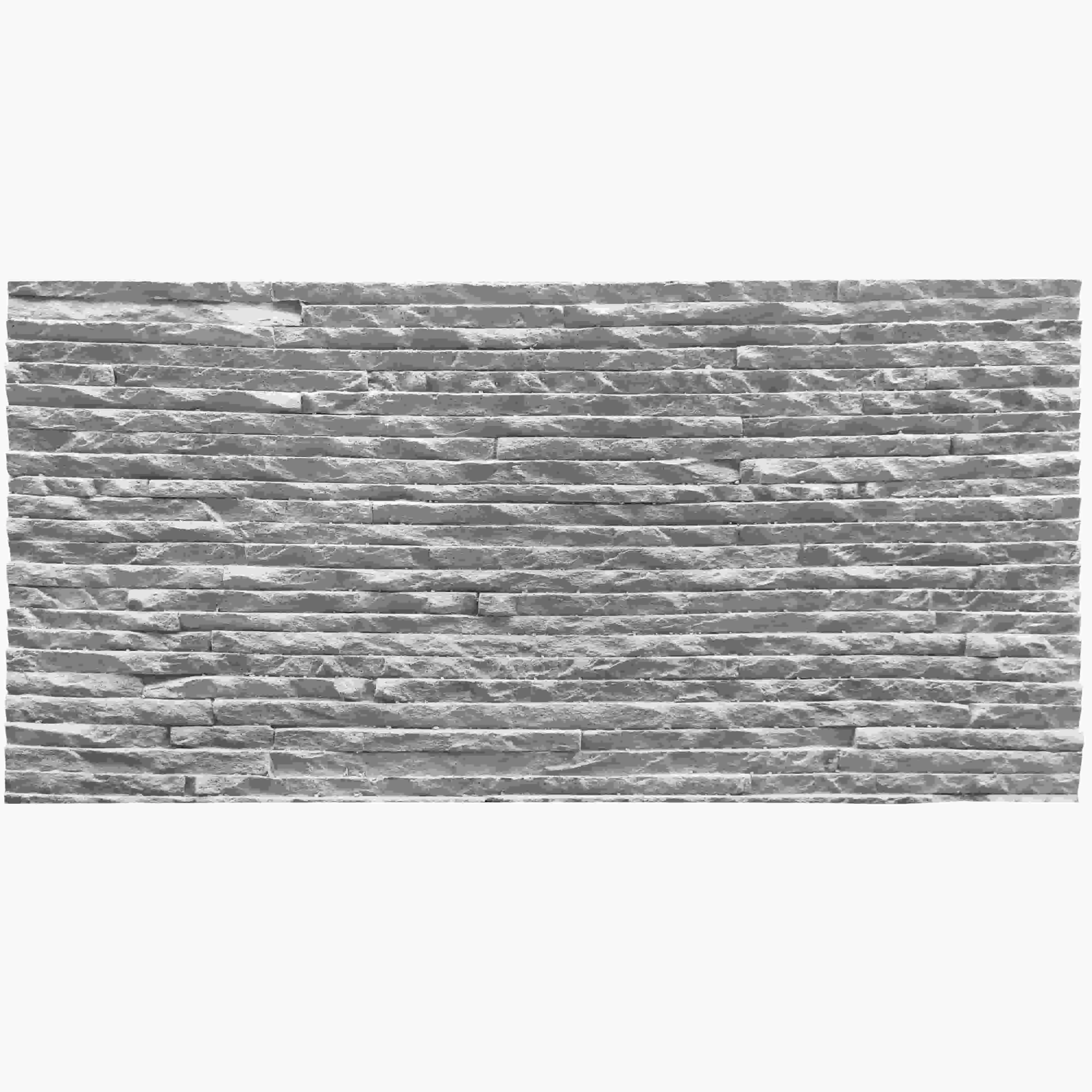
In the heart of Riyadh, where summer days regularly climb above 45°C (113°F) and desert nights can plummet to 15°C (59°F) in a matter of hours, building exteriors face a relentless battle. The sun's scorching UV rays beat down mercilessly, while sandstorms hurl abrasive particles at high speeds, and sudden temperature swings strain materials to their limits. For architects, developers, and homeowners, choosing an exterior cladding that can endure this harsh environment isn't just a matter of aesthetics—it's about longevity, performance, and reducing long-term maintenance costs. Enter Muretto Stone (Light Grey), a modified composite material that has been turning heads in Saudi Arabia's construction scene. But what makes this material so resilient, and how has it proven itself in one of the world's toughest climates? Let's dive into the testing, technology, and real-world stories that set Muretto Stone apart.
Saudi Arabia's climate is unforgiving. In cities like Jeddah, Dammam, and Riyadh, temperatures can soar past 50°C (122°F) in July, while humidity levels in coastal areas add another layer of stress. Inland, the desert climate brings extreme diurnal temperature variations—swings of 30°C or more in a single day. Add to that intense UV radiation (responsible for 80% of material fading worldwide), frequent sandstorms (with winds up to 60 km/h), and occasional flash rains that test water resistance, and it's clear: traditional building materials often fall short.
Take natural limestone, for example. While beautiful, its porous structure absorbs moisture, leading to cracking when water freezes (a rare but possible occurrence in high-altitude regions like Taif). Traditional concrete, too, struggles with thermal expansion and contraction, developing hairline cracks that grow over time. Even fair-faced concrete, prized for its industrial aesthetic, can fade and erode under prolonged UV exposure and sand abrasion. For years, the industry has sought a material that combines the beauty of natural stone with the durability needed to thrive in such conditions. That's where Muretto Stone comes in.
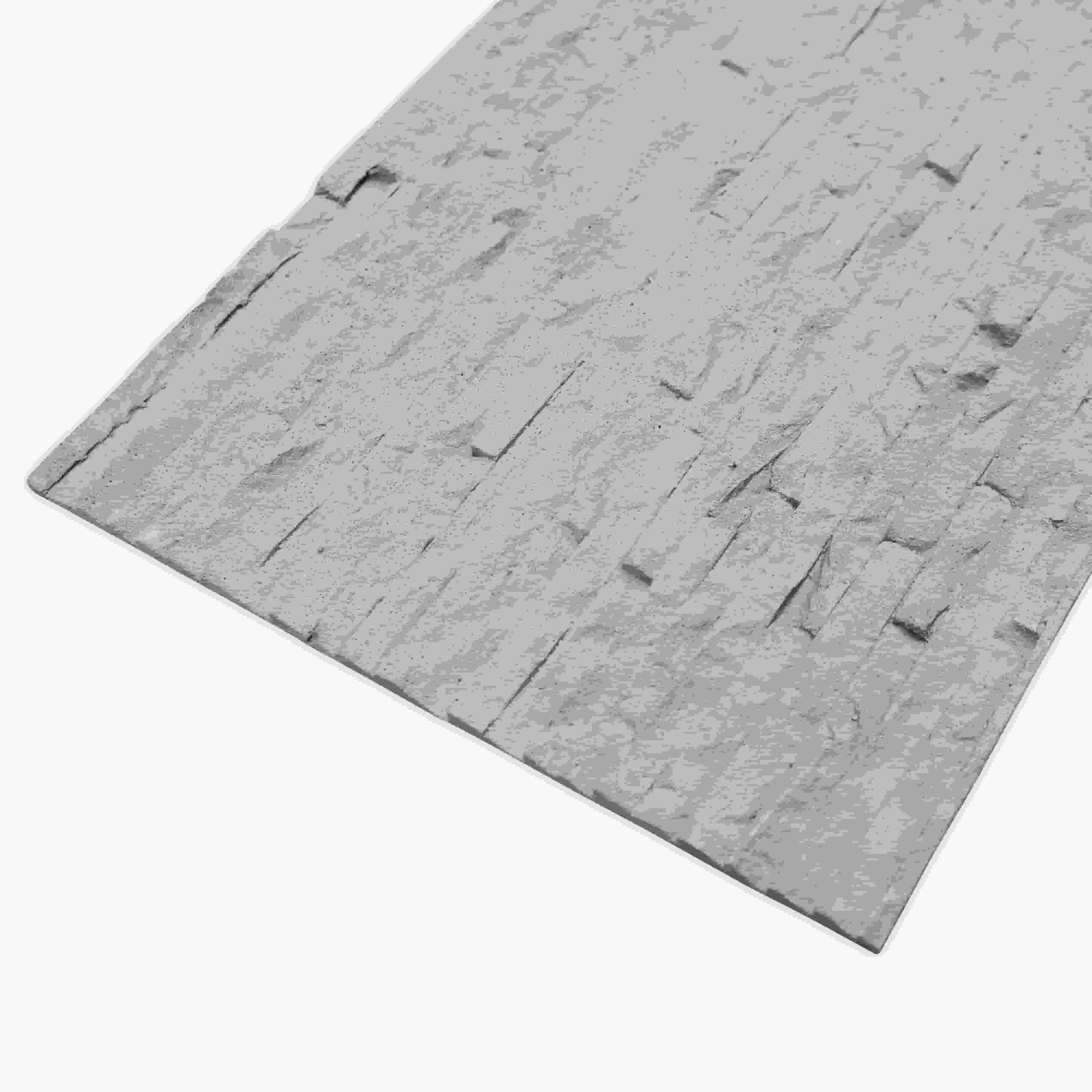
Muretto Stone isn't your average cladding material. Part of a broader family that includes Muretto Stone (dark grey) and Muretto Stone (beige), it's a modified composite panel designed to mimic the look and texture of natural stone while leveraging modern engineering for enhanced performance. At its core, Muretto Stone is crafted from a blend of natural stone aggregates (like crushed travertine or limestone) and high-performance polymers, bound together through a proprietary manufacturing process. This combination gives it three key advantages: the aesthetic appeal of natural stone, the flexibility to withstand temperature fluctuations, and the strength to resist physical damage.
The light grey variant, in particular, has become a favorite in Saudi Arabia for a practical reason: its color reflects sunlight rather than absorbing it. This not only helps keep building interiors cooler (reducing air conditioning costs by up to 20%, according to some studies) but also minimizes heat-induced expansion, a common cause of material fatigue. But aesthetics aside, the real question is: does it walk the walk when tested against the Saudi climate?
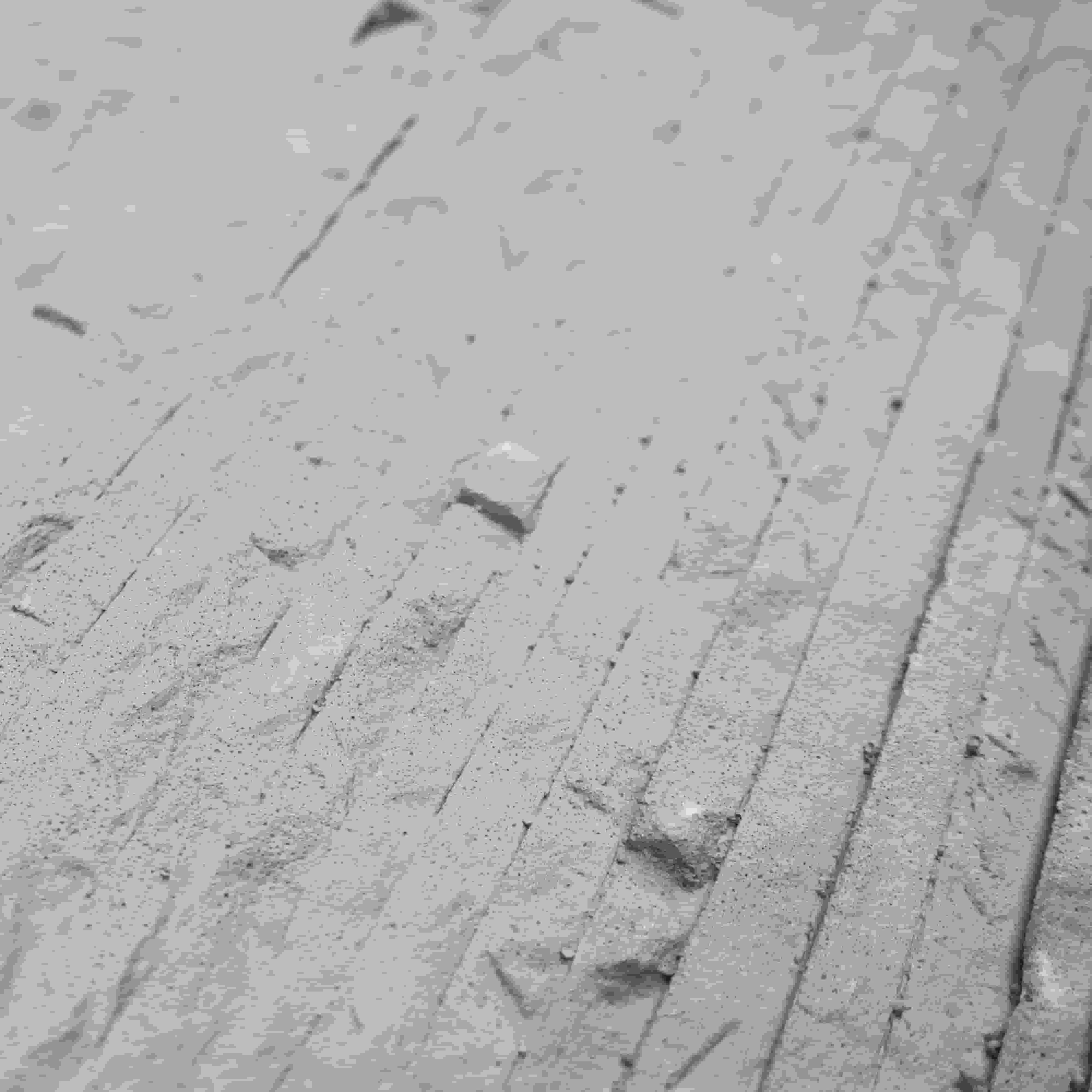
Before any material hits the Saudi market, it undergoes rigorous testing—both in controlled labs and real-world settings. Muretto Stone (Light Grey) was no exception. Over 18 months, it was subjected to a battery of tests designed to simulate the harshest conditions Saudi Arabia can throw at it. Here's how it performed:
One of the most punishing aspects of the Saudi climate is the rapid temperature swing between day and night. To test this, Muretto Stone (Light Grey) panels were placed in a thermal cycling chamber, where they were exposed to 1,000 cycles of extreme temperature changes: from 50°C (122°F) to -10°C (14°F) and back, repeated daily. This is far more extreme than the typical Saudi range, but it's a common industry standard to ensure long-term durability.
The result? After 1,000 cycles, the panels showed no signs of cracking, delamination, or warping. Microscopic inspections revealed zero structural damage, and the material retained its original flexibility. In contrast, a sample of natural travertine (vintage gold) tested alongside it developed visible cracks after just 300 cycles, while a piece of traditional limestone (beige) delaminated entirely by cycle 500. "Thermal shock is the silent killer of building exteriors," explains Dr. Amal Al-Mansoori, a materials scientist at King Saud University who oversaw part of the testing. "Muretto Stone's polymer matrix acts like a buffer, allowing it to expand and contract without fracturing—something natural stone simply can't do."
Saudi Arabia's proximity to the equator means UV radiation is intense—so intense that even dark-colored materials can fade by 30-40% within five years. For Muretto Stone (Light Grey), color retention was a top priority. To test this, panels were exposed to accelerated UV aging in a weatherometer, which bombards them with UV-B rays (the most damaging wavelength) for 2,000 hours—equivalent to roughly 10 years of Saudi sunlight.
The results were impressive: the light grey color faded by just 3%, well below the industry standard of 10% for acceptable performance. In comparison, a sample of painted wood concrete board (light grey) faded by 25%, and a natural red travertine tile lost 18% of its color intensity. "The secret is in the pigments," says Dr. Al-Mansoori. "Muretto Stone uses UV-stable pigments embedded directly into the composite matrix, not just applied as a surface coat. That means even if the top layer weathers slightly, the color remains consistent."
Sandstorms are a fact of life in Saudi Arabia, and the abrasive silica particles in desert sand can wear down even the toughest materials. To test Muretto Stone's resistance, researchers used a sandblasting chamber to simulate a severe sandstorm, firing silica sand at the panels at 50 km/h for 100 hours. The goal: measure mass loss and surface degradation.
After the test, Muretto Stone (Light Grey) showed minimal damage: just 0.2% mass loss and no visible pitting or erosion. By comparison, a piece of foamed aluminium alloy board (vintage silver) lost 1.5% of its mass and developed a pitted surface, while a traditional marble veil white tile chipped and cracked. "Sand erosion isn't just about looking worn—it can compromise the material's structural integrity over time," notes Dr. Al-Mansoori. "Muretto's dense composite structure resists abrasion, keeping both its appearance and performance intact."
While Saudi Arabia is dry, occasional flash rains and high humidity (in coastal areas) test a material's ability to repel water. Muretto Stone (Light Grey) was submerged in water for 72 hours, then tested for water absorption. It absorbed just 0.5% of its weight in water—well below the 3% threshold for natural stone. When dried, there was no swelling, warping, or discoloration. This is critical, as water absorption can lead to mold growth, staining, and freeze-thaw damage in colder regions.
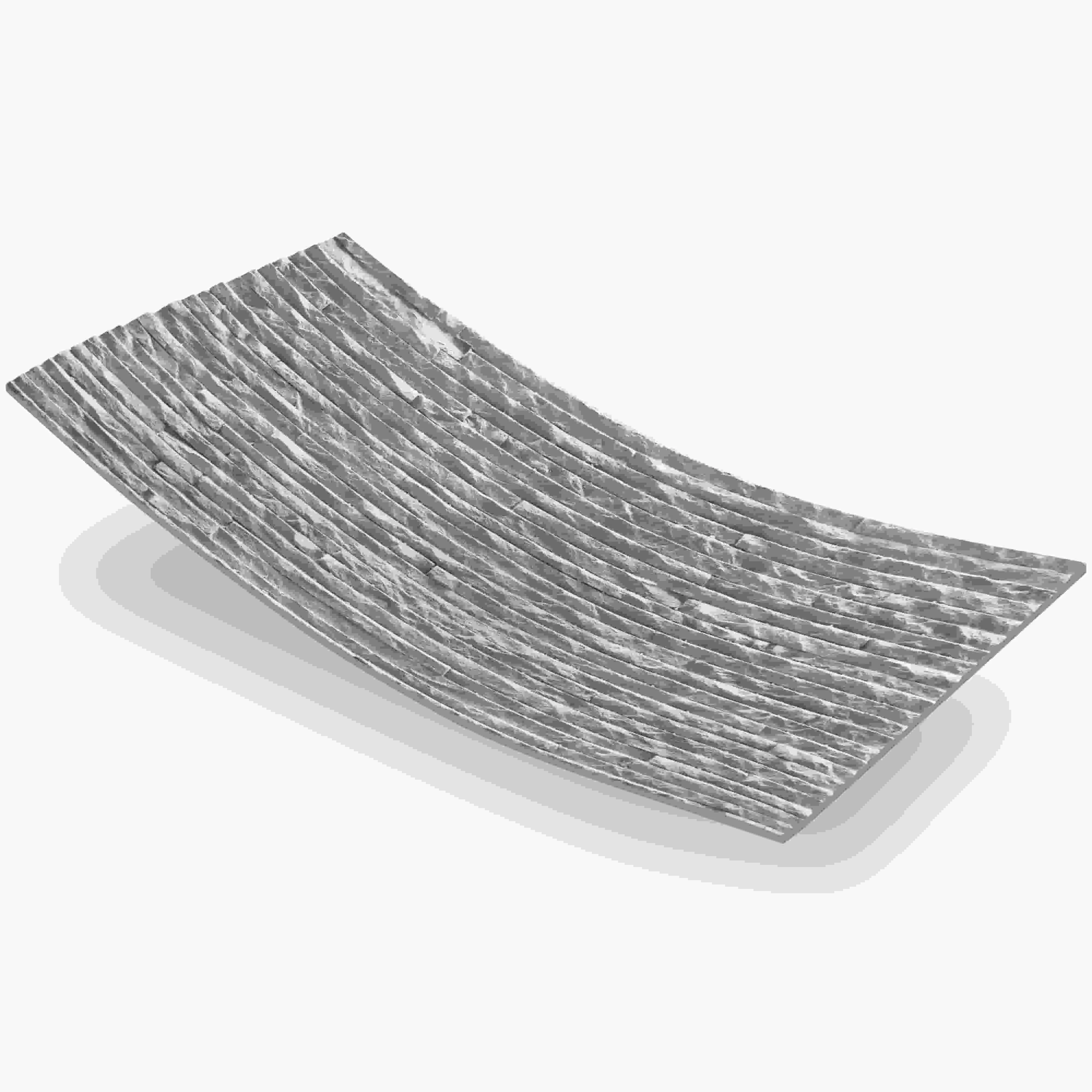
Lab tests are one thing—real-world performance is another. Over the past three years, Muretto Stone (Light Grey) has been used in dozens of Saudi projects, from commercial towers in Riyadh to luxury villas in Jeddah. Let's look at two standout examples:
Completed in 2023, the Riyadh Tech Hub is a sleek commercial building housing startups and tech firms. Its exterior features over 10,000 square meters of Muretto Stone (Light Grey) cladding. Project architect Omar Khalid recalls initial skepticism from the client: "They wanted a modern look but were worried about maintenance costs. Natural stone was too expensive, and concrete would fade. We suggested Muretto Stone, and they agreed to a trial section."
A year later, the results speak for themselves. "The cladding still looks brand new," Khalid says. "We've had two major sandstorms and a summer with temperatures hitting 52°C, and there's no sign of fading or damage. The building's energy bills are also 15% lower than similar structures in the area—we attribute that to the light grey stone reflecting heat."
On the coast of the Arabian Gulf, Al Khobar's waterfront villas face a unique challenge: high humidity, salt spray, and intense UV rays. Developer Sarah Al-Zahrani chose Muretto Stone (Light Grey) for the villa exteriors, pairing it with Muretto Stone (beige) for accents. "Our clients want homes that look elegant but don't require constant upkeep," she explains. "Natural limestone here needs sealing every two years, and even then, it stains. Muretto Stone? We installed it three years ago, and we've done zero maintenance. The color hasn't faded, and the salt air hasn't affected it."
Resident Ahmed Hassan, who lives in one of the villas, adds: "In summer, the stone feels cool to the touch, even when the sun is blazing. Our neighbors with concrete exteriors complain about their walls radiating heat into the house—we don't have that problem. It was a bit more expensive upfront, but it's paid for itself in lower AC bills and no repair costs."
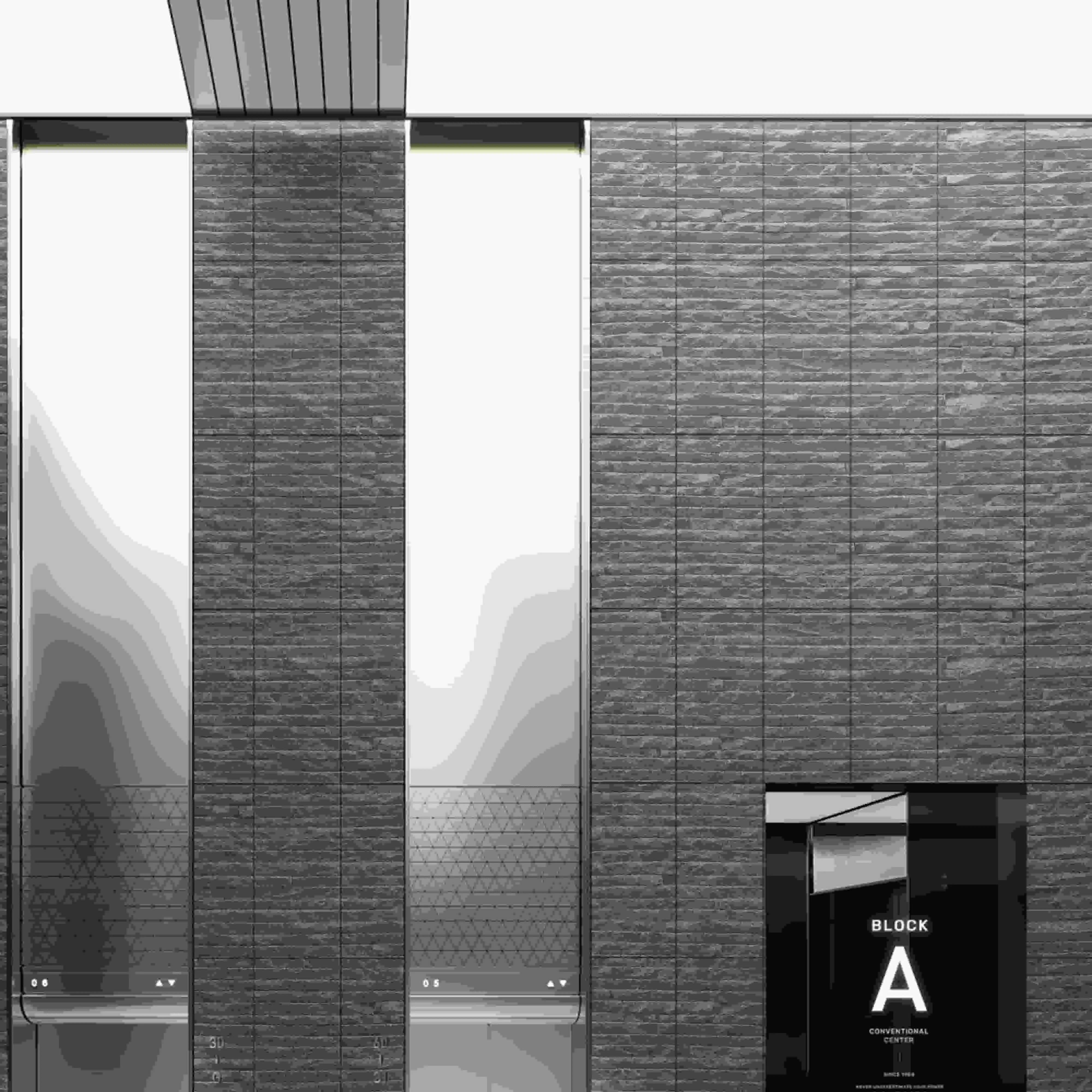
To truly understand Muretto Stone's, let's compare it to other popular cladding materials used in Saudi Arabia:
| Material | Thermal Shock Resistance | UV Color Retention (10 Years) | Sand Erosion Resistance | Water Absorption | Installation Cost (per m²) |
|---|---|---|---|---|---|
| Muretto Stone (Light Grey) | Excellent (1,000 cycles, no damage) | 97% | High (0.2% mass loss) | 0.5% | ~SAR 250 |
| Natural Limestone (Beige) | Poor (300 cycles, cracking) | 75% | Low (2.3% mass loss) | 3.2% | ~SAR 350 |
| Fair-Faced Concrete | Moderate (500 cycles, hairline cracks) | 80% | Moderate (1.1% mass loss) | 1.8% | ~SAR 200 |
| Foamed Aluminium Alloy Board (Vintage Silver) | Good (800 cycles, minor warping) | 85% | Low (1.5% mass loss) | 0.3% | ~SAR 400 |
As the table shows, Muretto Stone (Light Grey) outperforms natural limestone and fair-faced concrete in nearly every category, while costing significantly less than foamed aluminium. Its balance of durability, aesthetics, and affordability has made it a go-to choice for architects and developers.
Saudi Arabia's Vision 2030 emphasizes sustainable development, and green building materials are a key part of that vision. Muretto Stone aligns with this goal in more ways than one. Its lightweight panels reduce transportation emissions (since more can be shipped per load), and its thermal efficiency lowers energy consumption. Additionally, its long lifespan (estimated at 50+ years) means less frequent replacement, reducing waste.
Looking ahead, Muretto Stone's manufacturers are expanding their range, with new variants like gradient color rammed earth board and relic rammed earth board gaining traction. But for now, Muretto Stone (Light Grey) remains the workhorse—proven, reliable, and ready to face whatever the Saudi climate brings.
In the end, Muretto Stone (Light Grey) isn't just a building material—it's a solution to a problem as old as construction itself: how to create structures that are both beautiful and built to last. In Saudi Arabia, where the climate is as harsh as the landscape is stunning, that balance is everything. Through rigorous testing, real-world success stories, and a design that prioritizes both form and function, Muretto Stone has proven it can withstand the extreme temperatures, UV rays, and sandstorms of the Saudi desert.
For architects, developers, and homeowners, the message is clear: when it comes to cladding in Saudi Arabia, you don't have to choose between beauty and durability. Muretto Stone (Light Grey) delivers both—and then some. As Dr. Al-Mansoori puts it: "In a country where the environment tests every material to its limit, Muretto Stone doesn't just survive. It thrives."
Recommend Products












