
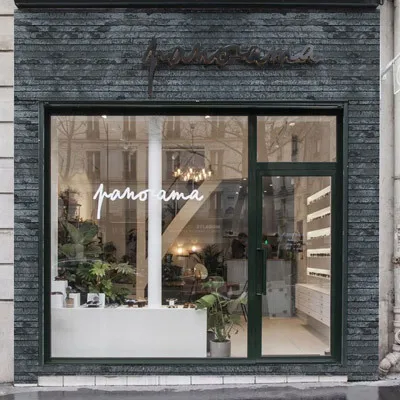
Blending Sustainability, Aesthetics, and Innovation in Modern Construction
In an era where climate consciousness shapes every industry, construction has undergone a quiet revolution. Today's architects, developers, and builders aren't just creating structures—they're crafting legacies of responsibility. At the heart of this movement lies LEED (Leadership in Energy and Environmental Design), a certification program that sets the gold standard for green building. But here's the truth: achieving LEED certification often feels like walking a tightrope. How do you balance eco-friendliness with the timeless beauty clients crave? How do you cut carbon footprints without cutting corners on design? Enter Muretto stone —a material that doesn't just meet LEED criteria; it redefines what's possible when sustainability and aesthetics walk hand in hand.
LEED isn't just a label. It's a promise: that a building was designed to minimize environmental impact, enhance occupant health, and reduce long-term resource consumption. From energy efficiency to indoor air quality, every credit earned brings a project closer to that promise. But for years, one barrier persisted: finding materials that checked all the LEED boxes without sacrificing the warmth, texture, or character of natural stone. Traditional options often came with heavy carbon footprints, high maintenance costs, or limited design flexibility. That's where Muretto stone—and innovative lines like MCM's flexible stone cladding panels —step in, offering a new chapter in sustainable construction.
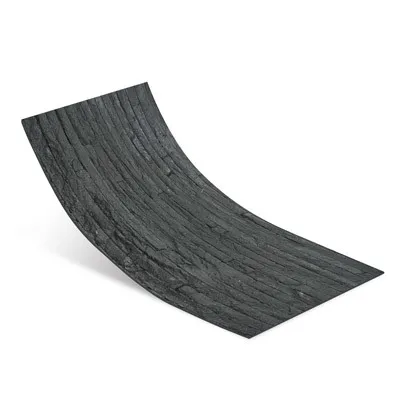
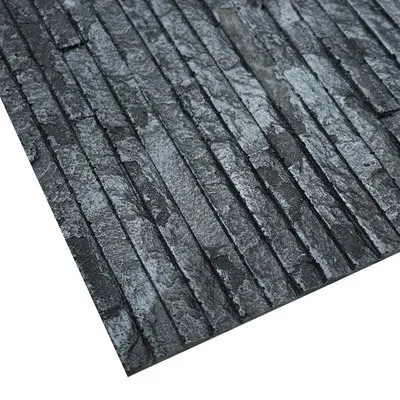
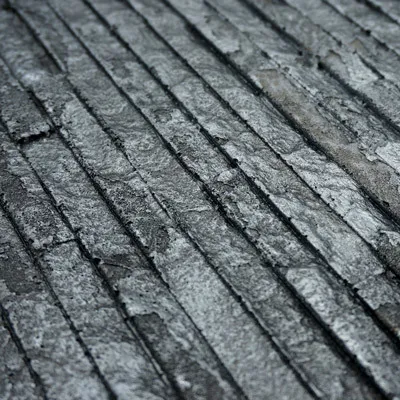
Let's start with the basics: What is Muretto stone? Picture a wall that feels both rugged and refined—subtle textures that echo ancient masonry, yet a lightness that hints at modern engineering. Muretto stone, available in soft hues like light grey, deep dark grey, and warm beige, is a product of MCM's commitment to reimagining natural materials. Unlike traditional stone, which often requires extensive quarrying and processing, Muretto stone is crafted using advanced manufacturing techniques that prioritize resource efficiency. Think recycled aggregates, low-energy production, and a focus on reducing waste—all without losing the organic, earthy charm that makes stone so beloved.
But Muretto stone isn't alone in MCM's eco-conscious lineup. It's part of a family of materials designed to work together, from the versatility of flexible stone cladding panels (which conform to curved surfaces with ease, reducing installation waste) to complementary options like lime stone(beige) —a warm, neutral choice that pairs beautifully with Muretto's tones for cohesive, sustainable design. Together, these materials form a toolkit for builders who refuse to choose between the planet and beauty.
What truly sets Muretto stone apart, though, is its ability to tell a story. When you run a hand over its surface, you're not just touching a wall—you're touching a material that embodies progress. It's stone for the future: one that honors the past's craftsmanship while embracing the future's responsibility.
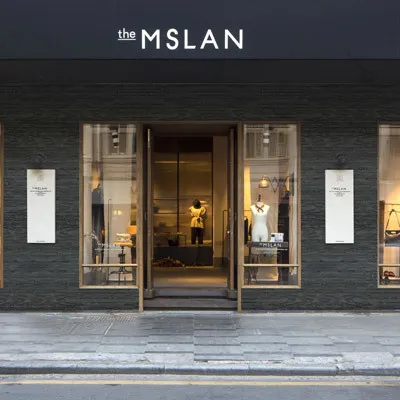
To understand how Muretto stone supports LEED-certified projects, let's dive into the criteria that matter most. LEED v4, the latest version of the certification, focuses on six key areas. Here's how Muretto stone shines in each:
LEED rewards projects that use materials with recycled content, minimize waste, and prioritize regional sourcing—and Muretto stone delivers on all fronts. Its manufacturing process incorporates post-industrial recycled materials, earning points under MR Credit 4: Recycled Content. What's more, Muretto stone is lightweight compared to traditional stone, which means lower transportation emissions (a win for MR Credit 5: Regional Materials if sourced locally). And because it's durable—resistant to chipping, fading, and wear—it reduces the need for frequent replacements, cutting down on lifecycle waste. Compare that to traditional marble or granite, which often require heavy extraction and generate significant quarry waste, and the difference is clear.
| Criteria | Muretto Stone | Traditional Natural Stone |
|---|---|---|
| Recycled Content | Up to 30% post-industrial recycled materials | Typically 0-5% |
| Weight (per sq. ft) | 2-3 lbs | 8-12 lbs |
| Installation Waste | 5-8% (due to precision cutting) | 15-20% (fragility leads to breakage) |
| Expected Lifespan | 50+ years with minimal maintenance | 30-40 years (prone to weathering) |
LEED's Energy and Atmosphere category is all about reducing a building's carbon footprint—and Muretto stone plays a surprising role here. Thanks to its thermal mass properties, Muretto stone helps regulate indoor temperatures by absorbing and releasing heat slowly. In summer, this means less reliance on air conditioning; in winter, it helps retain warmth, reducing heating costs. Pair Muretto with MCM's flexible stone cladding panels on exterior walls, and you've got a one-two punch: a lightweight, insulating layer that further lowers HVAC demands. The result? Points toward EA Credit 1: Optimize Energy Performance, and long-term savings for building owners.
LEED doesn't just care about the planet—it cares about the people inside the building. Indoor Environmental Quality (IEQ) credits focus on air quality, lighting, and acoustic comfort, all of which impact health and productivity. Muretto stone excels here, too. Unlike some synthetic materials that off-gas volatile organic compounds (VOCs), Muretto stone is low-emitting, contributing to IEQ Credit 4: Low-Emitting Materials. Its matte finish also reduces glare, enhancing natural light diffusion and supporting IEQ Credit 8: Daylight. Imagine an office where employees aren't squinting at screens or breathing in harsh chemicals—just clean air and soft, natural light. That's the Muretto difference.
LEED rewards creativity, and Muretto stone is nothing if not innovative. Its compatibility with MCM's 3D printing series opens doors for custom designs that were once impossible with traditional stone. Imagine a LEED Gold hotel lobby with a 3D-printed Muretto stone feature wall—intricate patterns that tell a local story, all made with minimal waste. Or a retail space using flexible stone cladding panels to create dynamic, curved surfaces that draw customers in, all while earning points for Innovation in Design. Muretto stone doesn't just fit into LEED projects; it helps them stand out.
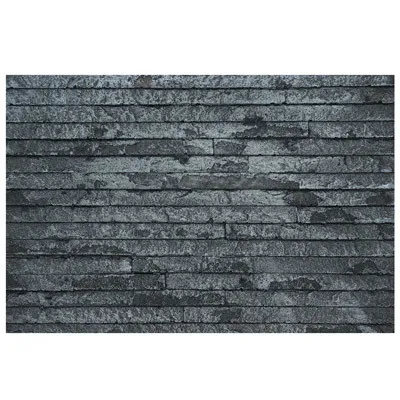
Let's ground this in reality with a hypothetical (but representative) example: the GreenPointe Office Tower, a 12-story commercial building in Portland, Oregon, aiming for LEED Platinum certification. The design team wanted a material that would anchor the interior lobby and exterior facade, reflecting the Pacific Northwest's natural beauty while meeting strict sustainability goals. After evaluating options, they chose Muretto stone (light grey) for interior walls and flexible stone cladding panels (complemented by lime stone(beige) accents) for the exterior.
The results? The lightweight nature of Muretto stone and flexible panels reduced the building's structural load, cutting steel usage by 15% and lowering transportation emissions by 20%. The thermal properties of Muretto stone contributed to a 25% reduction in HVAC energy use, earning critical EA credits. Indoors, low VOC emissions from the stone helped GreenPointe achieve IEQ Credit 4, while the natural texture and light reflection boosted occupant satisfaction scores. And because Muretto stone required minimal maintenance, the building's lifecycle costs dropped by an estimated 30% over 20 years. In the end, GreenPointe earned LEED Platinum—and its lobby, with Muretto stone walls that blend modernity and warmth, became a showcase for how sustainability can be stunning.
LEED certification is a milestone, but sustainable building is a journey. Muretto stone excels here, too, by offering long-term value that extends far beyond the certificate. Its durability means fewer repairs and replacements, saving money and resources over time. Its timeless aesthetic ensures buildings won't feel dated, reducing the need for costly renovations. And as green building becomes the norm, properties using materials like Muretto stone are likely to command higher resale values and tenant retention rates. In short, Muretto stone isn't just an investment in LEED credits—it's an investment in the building's future.
Skeptics might ask, "Isn't sustainable material more expensive upfront?" It's true: Muretto stone and flexible stone cladding panels may have a slightly higher initial cost than low-grade traditional stone. But when you factor in lower transportation costs, reduced installation time (flexible panels cut labor hours by up to 40%), and long-term energy savings, the ROI becomes clear. GreenPointe's team calculated that the premium for Muretto stone paid for itself in just 3.5 years—before factoring in LEED tax incentives.
As LEED continues to evolve—with a growing focus on carbon neutrality and resilience—materials like Muretto stone will only become more vital. They represent a shift from "less bad" to "actively good" in construction: materials that don't just minimize harm, but actively contribute to a healthier planet. Muretto stone, alongside green building materials like MCM's flexible stone cladding panels and lime stone(beige), is proof that sustainability and beauty aren't opposing forces—they're partners.
So, what does this mean for the future? It means more LEED-certified buildings that don't look "sustainable"—they look timeless. It means architects can design with boldness, knowing their materials align with their values. It means occupants can feel proud of the spaces they inhabit, knowing every wall, every panel, is part of a larger story of responsibility.
In the end, Muretto stone isn't just a material for LEED projects. It's a reminder that the best buildings don't just stand on the earth—they stand for something. And in a world that needs more of both beauty and responsibility, that's a powerful thing.
Recommend Products












