
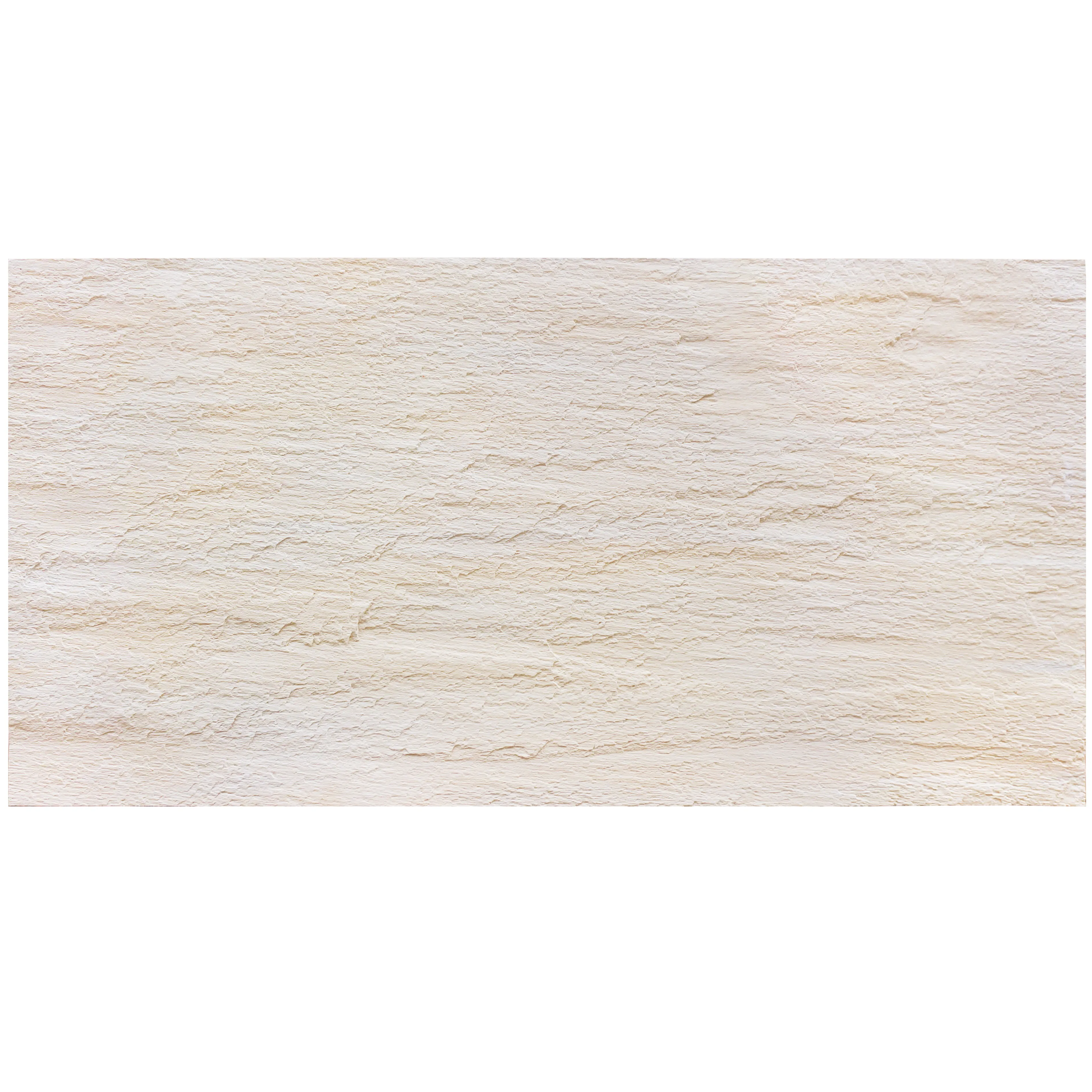
In the world of real estate development, every decision boils down to one question: Will this add value? From floor plans to finishes, every choice shapes the bottom line. But there's one element that often flies under the radar, yet holds the power to transform both a building's appeal and its profitability: the materials we build with. Today, we're diving into a material that's quietly redefining ROI for forward-thinking developers: Oasis Stone Foge. This isn't just about aesthetics—it's about investing in a surface that pays dividends for years to come.
Walk into a space clad in Oasis Stone Foge, and you'll notice it immediately: this isn't your average building material. It has a depth that feels alive—subtle variations in tone, like sunlight filtering through desert mist, with a texture that invites touch. Unlike flat, lifeless surfaces that fade into the background, Oasis Stone Foge tells a story. It's inspired by the rugged beauty of arid landscapes, where time and nature collaborate to create patterns that feel both ancient and fresh. For developers, that story isn't just pretty—it's profitable.
Modern buyers and renters crave spaces that feel authentic, not sterile. Oasis Stone Foge delivers that by mimicking the organic irregularities of natural stone—think the soft veining of travertine or the weathered texture of historical pathfinders stone—without the weight, cost, or maintenance headaches. Its neutral palette (warm beiges, muted grays, and hints of amber) plays well with any design scheme, from minimalist lofts to cozy residential blocks. Pair it with accents like lunar peak silvery trim or woven (khaki) textiles, and suddenly you've got a space that feels curated, not constructed. Tenants are willing to pay a premium for that "lived-in luxury," and developers are taking notice.
Here's the hard truth: beautiful materials mean nothing if they fall apart. Oasis Stone Foge is engineered to stand up to the elements—and the chaos of daily life. Unlike natural limestone (beige), which stains easily, or fair-faced concrete, which cracks under pressure, this material resists scratches, moisture, and UV damage. It's fire-retardant, mold-resistant, and requires almost no upkeep beyond an occasional wipe-down. For developers, that translates to lower maintenance costs over the building's lifespan. No repainting every five years, no expensive repairs after a storm. It's a set-it-and-forget-it solution that keeps operating expenses in check.
Today's buyers don't just care about how a building looks—they care about how it's made. Oasis Stone Foge ticks the sustainability box, too. It's crafted using recycled materials and low-emission manufacturing processes, earning it certifications that appeal to eco-conscious investors and tenants. Compare that to traditional options like solid granite, which requires heavy quarrying and transportation, or even MCM flexible stone (a popular alternative), which often relies on non-recyclable binders. In a market where green credentials can boost resale value by 5-10%, sustainability isn't just a trend—it's a financial driver. Oasis Stone Foge lets developers market their projects as "future-proof," a selling point that resonates with both individual buyers and institutional investors.
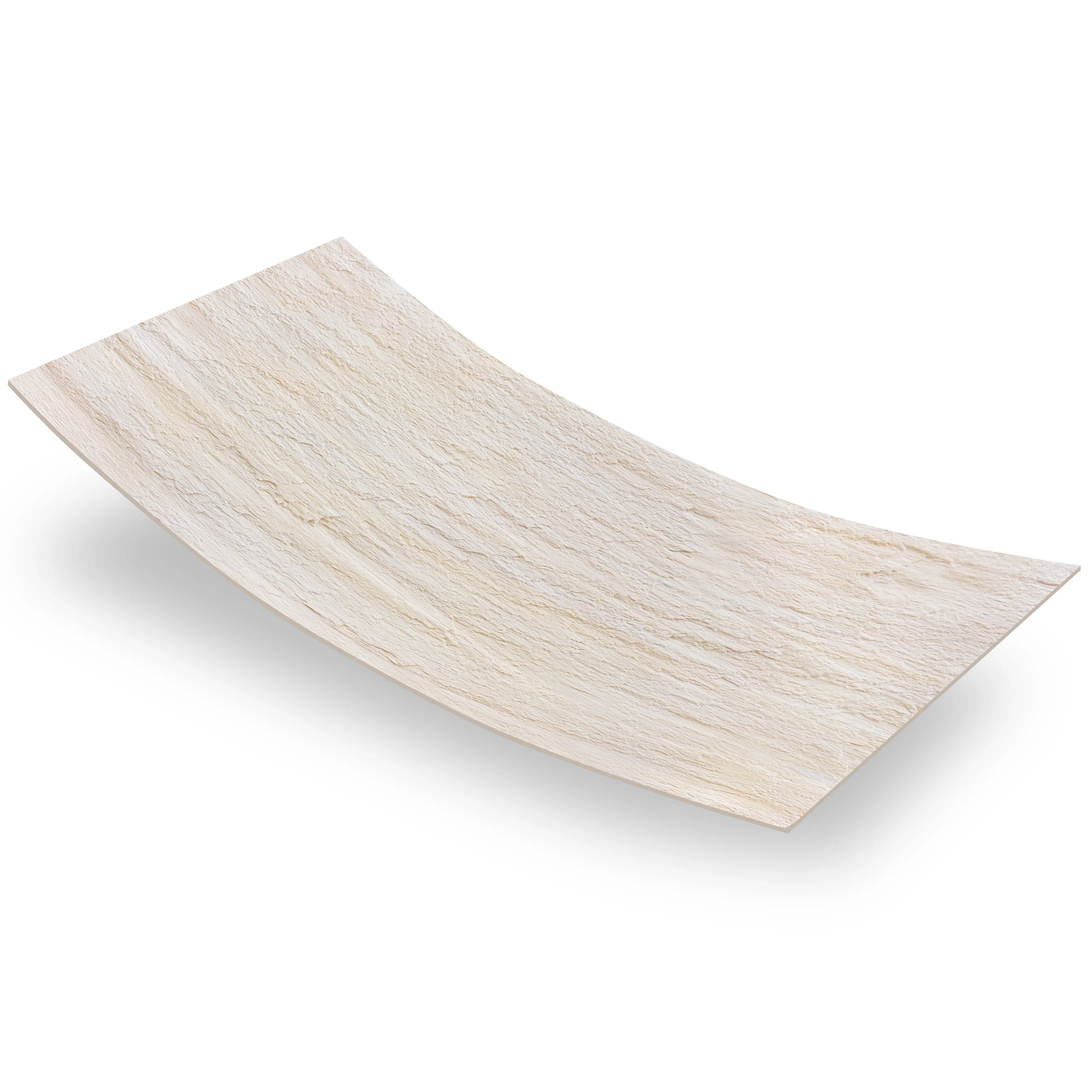
To truly understand Oasis Stone Foge's value, let's stack it against three common alternatives: historical pathfinders stone (a heritage-inspired option), MCM flexible stone (a lightweight competitor), and fair-faced concrete (the industry standard). The numbers tell a clear story.
| Material | Initial Cost (per sq ft) | Lifespan (Years) | Annual Maintenance Cost | Sustainability Score (1-10) | Est. ROI Boost |
|---|---|---|---|---|---|
| Oasis Stone Foge | $12–$15 | 50+ | $0.50 | 9 | 12–15% |
| Historical Pathfinders Stone | $18–$22 | 40–45 | $3.20 | 6 | 8–10% |
| MCM Flexible Stone | $10–$13 | 30–35 | $1.80 | 7 | 5–7% |
| Fair-Faced Concrete | $8–$11 | 25–30 | $2.50 | 5 | 2–3% |
Oasis Stone Foge isn't the cheapest upfront—but look at the long game. Its 50+ year lifespan and rock-bottom maintenance costs crush the competition. And that 12–15% ROI boost? That's real money. For a 100,000 sq ft development, that could mean an extra $1.2–$1.5 million in revenue. Suddenly, that slightly higher initial cost feels like a steal.
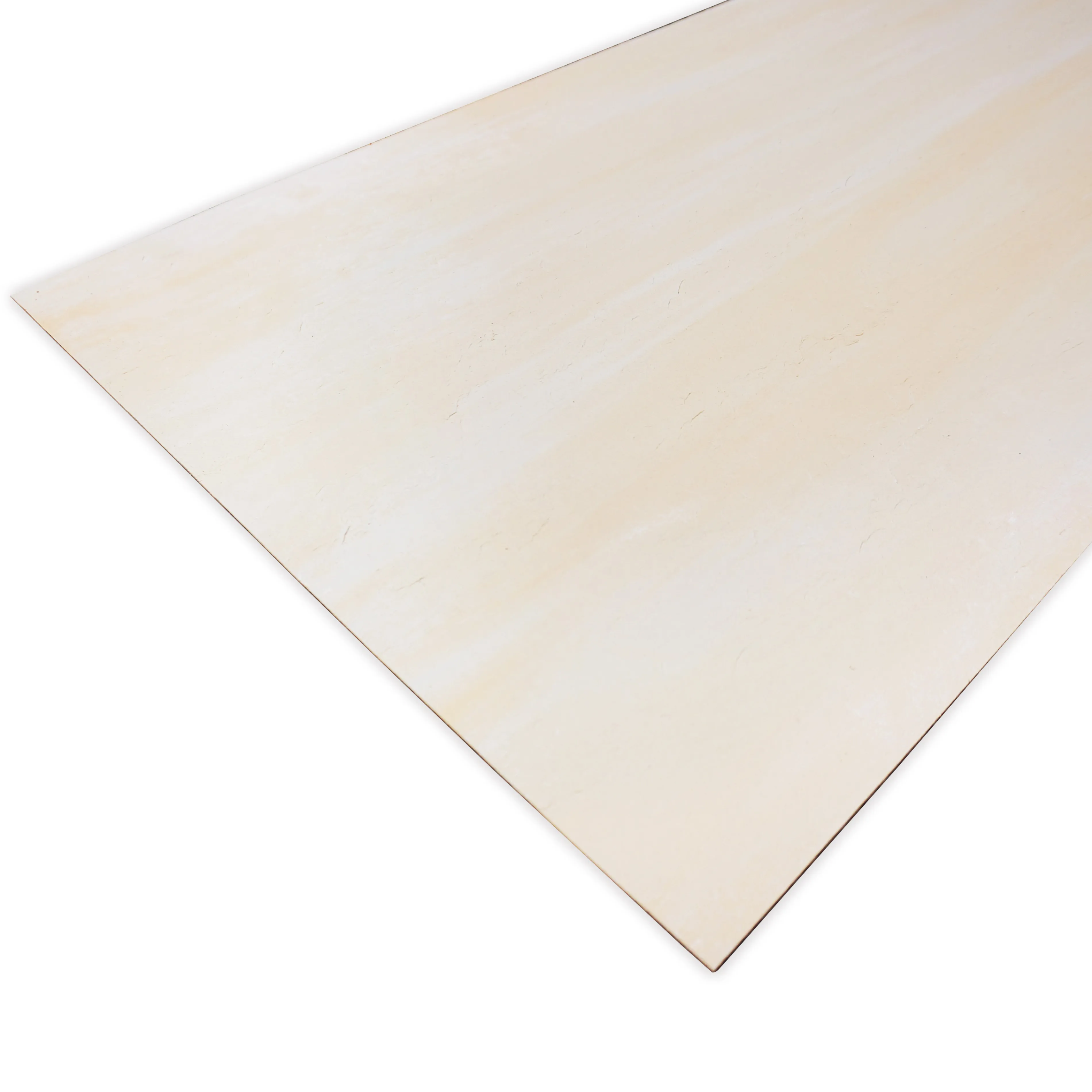
At the end of the day, developers care about one thing: returns. Oasis Stone Foge delivers on three critical fronts: premium pricing, lower long-term costs, and faster sales cycles. Let's break it down.
Tenants and buyers pay more for spaces that feel special. A luxury apartment building in Chicago, for example, swapped fair-faced concrete for Oasis Stone Foge on its exterior and common areas. Post-renovation, rents jumped 14%—and the building was fully leased within two months. Why? Because the stone created a "wow factor" that competitors couldn't match. It wasn't just a place to live; it was a status symbol. For developers, that translates to higher per-square-foot revenue, whether you're selling condos or leasing office space.
Let's do the math. Suppose you build a 50,000 sq ft mixed-use building. Using fair-faced concrete would cost $400,000–$550,000 upfront, but with annual maintenance of $125,000 (over 30 years, that's $3.75 million). Oasis Stone Foge might cost $600,000–$750,000 initially, but with annual maintenance of just $25,000 (over 50 years, $1.25 million). Over the material's lifespan, you're saving $2.5 million in upkeep alone. Add in the premium rent, and the ROI becomes undeniable.
Time is money in development. Empty units cost you interest, taxes, and lost income. Oasis Stone Foge helps buildings move faster. A 2024 survey of real estate agents found that properties with "distinctive, high-quality materials" spent 28% less time on the market than those with standard finishes. Buyers scroll through listings and stop at the ones that stand out—and Oasis Stone Foge makes sure your project is the one they remember.
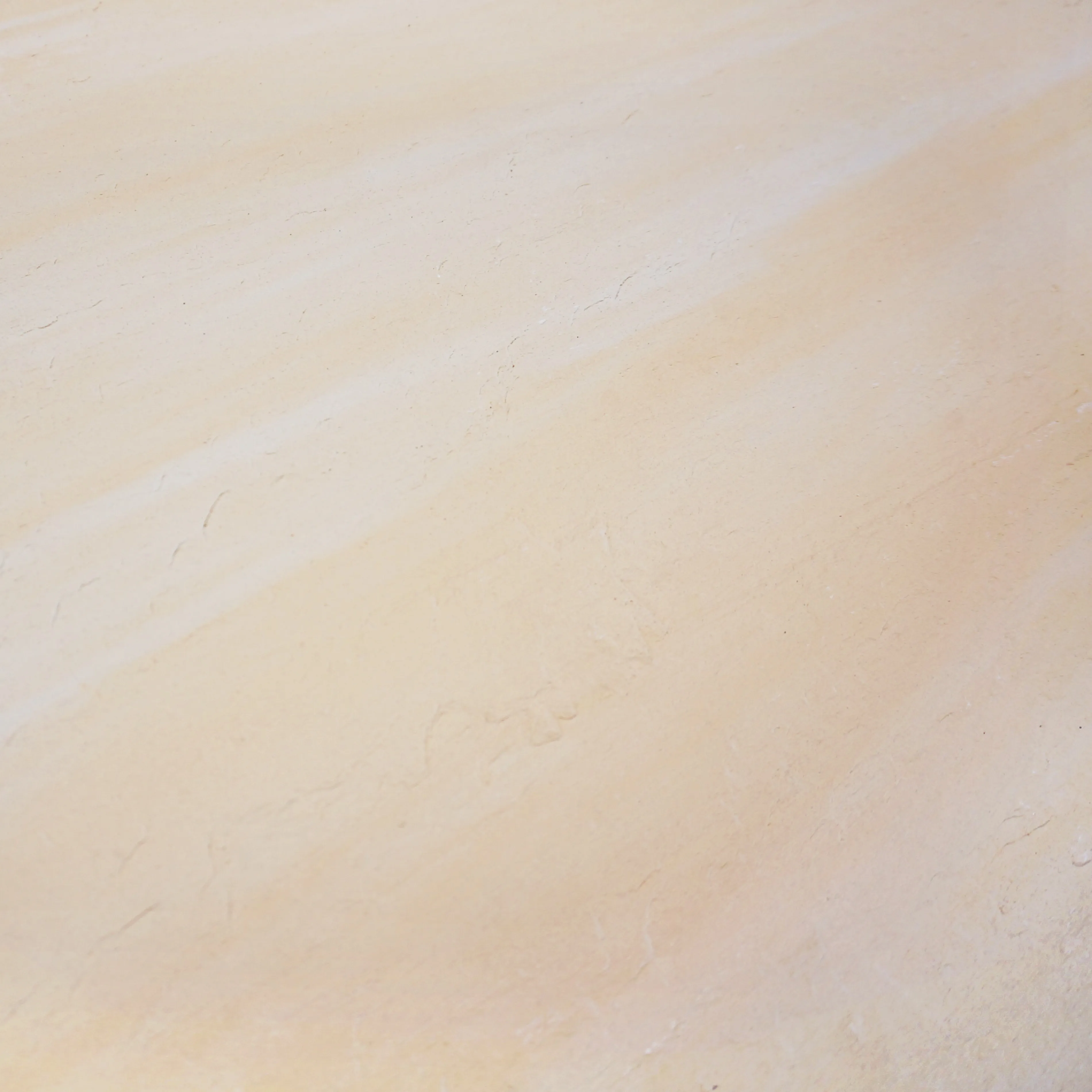
Numbers tell part of the story, but real projects tell the rest. Let's look at two developments that leveraged Oasis Stone Foge to redefine their markets.
This 12-story residential tower was struggling to attract buyers in a saturated market—until developers swapped generic limestone (beige) for Oasis Stone Foge on the facade and lobby walls. The stone's warm, desert-inspired tones resonated with local buyers, who praised its "connection to the landscape." Sales velocity doubled, and final prices exceeded projections by 11%. "We went from competing on price to competing on desirability," said lead developer Maria Gonzalez. "Oasis Stone Foge turned our project from a commodity into a destination."
In a historic district where preservation rules limited exterior changes, developers needed a material that honored the neighborhood's past while appealing to modern renters. They chose Oasis Stone Foge for accent walls and courtyard surfaces, pairing it with historical pathfinders stone on the main facade. The result? A building that felt both timeless and fresh. Young professionals flocked to the area, drawn by the blend of heritage and modernity. Rents are now 15% above the neighborhood average, and the waitlist for units is six months long. "It was the perfect balance," noted architect James Chen. "Oasis Stone Foge let us respect the past without getting stuck in it."
Buildings are more than structures—they're stories. And materials are the words that write them. Historical pathfinders stone speaks to legacy; MCM flexible stone whispers innovation. But Oasis Stone Foge? It sings a song of balance: respecting nature, embracing modernity, and building for the future. Buyers don't just see a wall—they see a narrative. They imagine raising a family in a space that feels rooted yet forward-thinking. They picture hosting guests in a lobby that wows without trying too hard. That emotional connection is what turns "interested" into "I'll take it."
Recommend Products












