
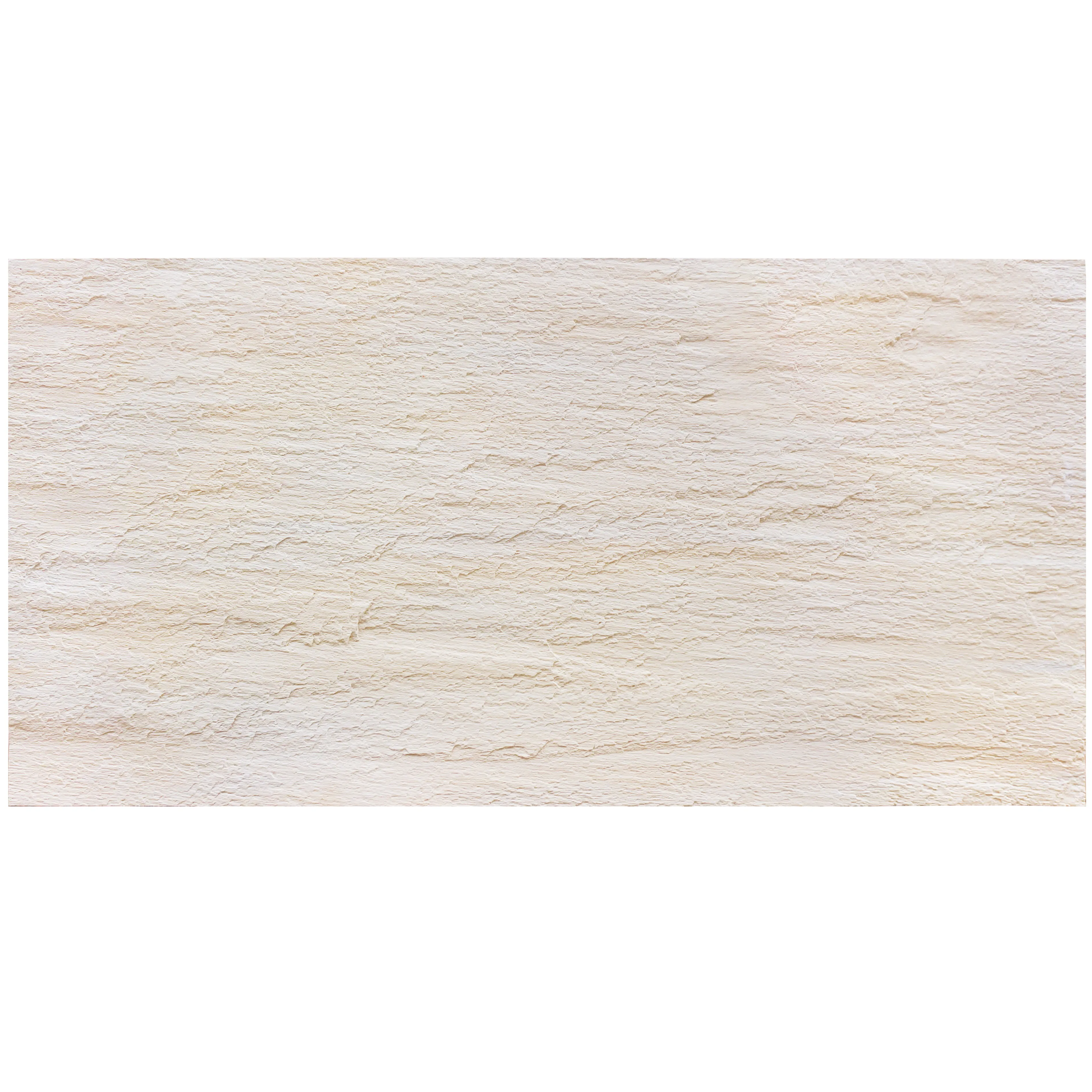
Let's start with a simple truth: the buildings we live and work in shape our planet's future. From the energy they use to the materials they're made of, every choice leaves a footprint. These days, more and more architects, builders, and homeowners are aiming for "net-zero" buildings—structures that produce as much energy as they consume, or even less. But here's the thing: you can't reach net-zero without rethinking the very bones of a building. That's where materials like Oasis Stone Foge come in. Far more than just a pretty facade, it's a quiet game-changer in the world of green building materials, and today, we're diving into how it (and its MCM siblings) are making net-zero dreams a reality.
First, let's get on the same page. A net-zero building isn't just "eco-friendly"—it's a structure designed to balance its energy "checkbook." Over a year, it produces at least as much renewable energy as it uses for heating, cooling, lighting, and power. Think solar panels on the roof, sure, but also smarter insulation, energy-efficient windows, and yes—materials that work with the environment, not against it. The goal? Slash carbon emissions, lower utility bills, and create spaces that feel good to be in. And here's the kicker: the materials used in construction (called "embodied carbon") often make up a huge chunk of a building's total footprint. So picking the right ones? That's half the battle.
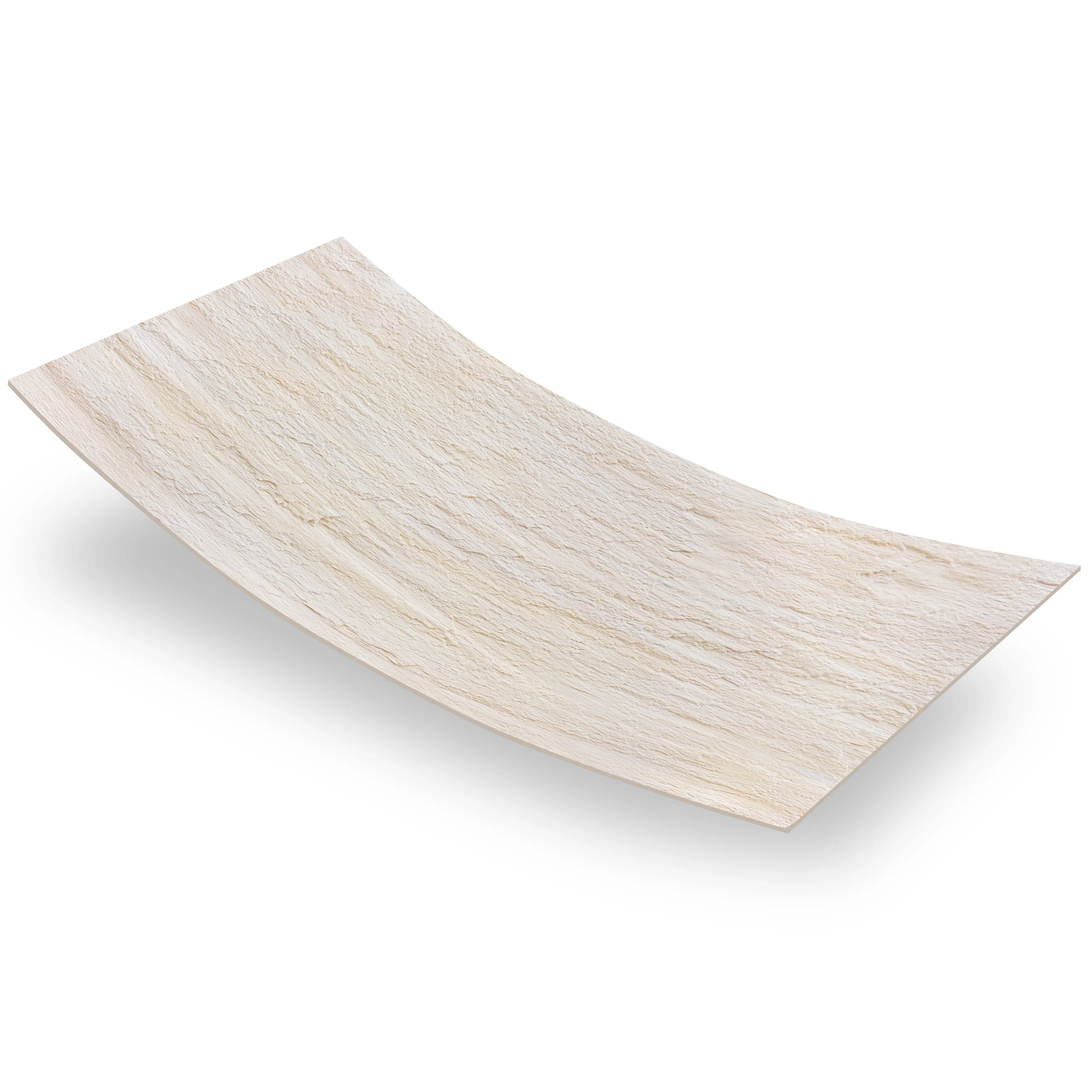
If you're not familiar with Oasis Stone Foge, let's fix that. Part of MCM's (Modified Composite Material) family of innovative cladding solutions, it's a engineered stone that marries the timeless look of natural rock with 21st-century sustainability. Imagine the warmth of sandstone or the texture of travertine, but crafted to be lighter, stronger, and gentler on the planet. How? Let's break it down:
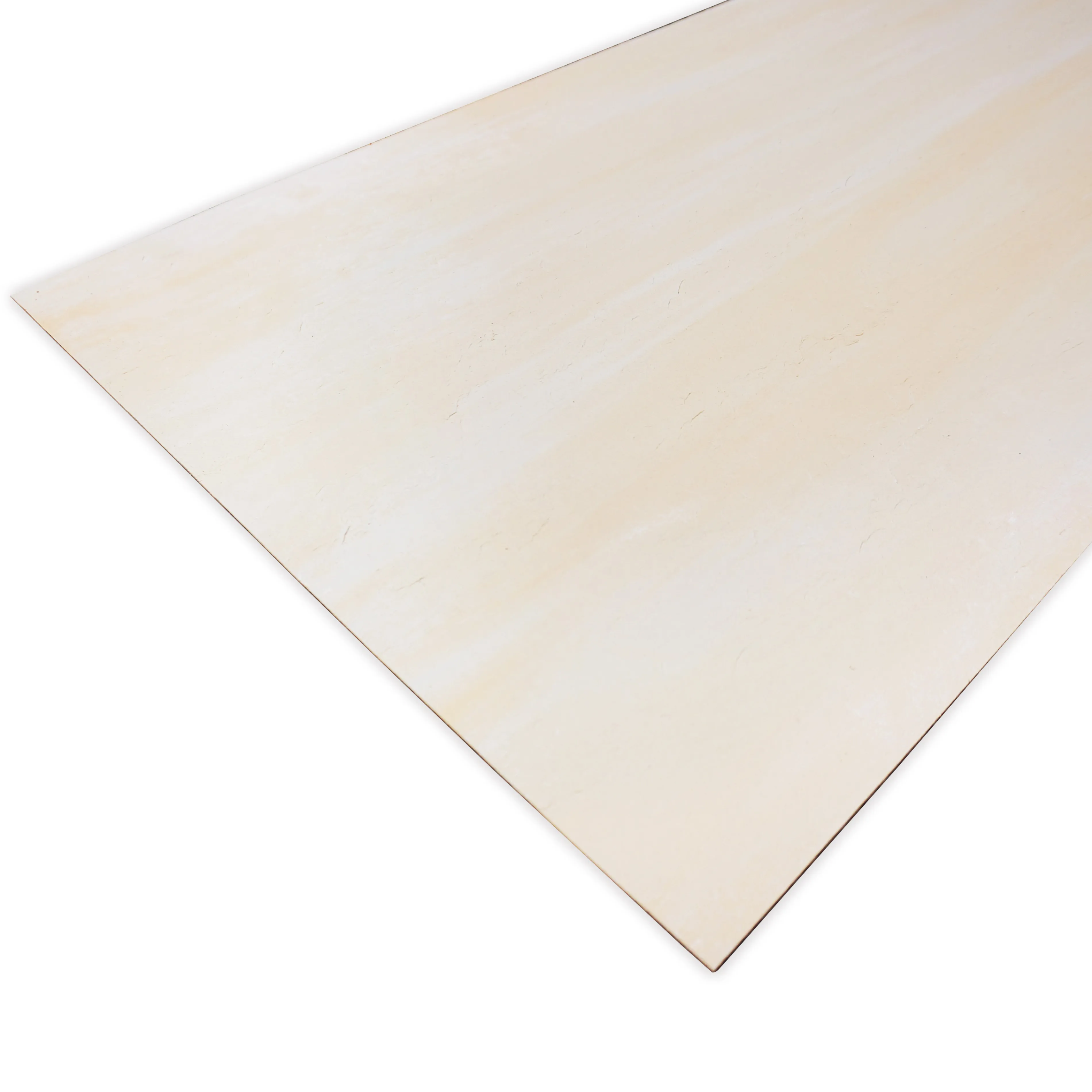
Okay, so it's sustainable to make—but how does that translate to a building actually hitting net-zero? Let's connect the dots:
Ever walked into a stone building on a cold day and felt like you stepped into a refrigerator? Traditional stone is a poor insulator, meaning buildings lose heat fast in winter and gain it quickly in summer. Oasis Stone Foge, though? Its unique composite structure acts like a thermal buffer. Pair it with mcm flexible stone (another MCM star—lightweight, bendable, and just as eco-friendly) for interior walls, and you've got a building envelope that keeps temperatures stable. Less need for heating or AC? That's less energy used. Simple as that.
Remember that "embodied carbon" term? It's the total emissions from making and moving a material. Oasis Stone Foge crushes traditional stone here. For example, importing marble from Italy to a U.S. construction site racks up emissions from trucks, ships, and planes. Oasis Stone Foge, on the other hand, is often made with local materials and lighter weight, so it requires fewer trucks to transport. One study from the Green Building Council found that switching to low-embodied-carbon materials like this can reduce a building's total carbon footprint by up to 25% before it even opens its doors.
Net-zero buildings aren't one-trick ponies—they're teams. Oasis Stone Foge shines when paired with other MCM innovations. Take foamed aluminium alloy board (vintage silver) , for example. Lightweight and highly reflective, it's perfect for sunshades or facade accents. When used alongside Oasis Stone Foge, it bounces sunlight away from the building in summer, reducing cooling needs. Or fair-faced concrete —a raw, unpolished finish that skips energy-heavy sealants. Together, these materials create a cohesive, high-performance system that's as kind to the planet as it is to the eye.
Here's a sad reality: many building materials wear out fast. Cracked stone, faded cladding, warped panels—they all mean replacements, which mean more materials, more energy, and more emissions. Oasis Stone Foge? It's built tough. Rain, wind, even harsh UV rays barely faze it. Builders in coastal areas (where saltwater eats away at traditional stone) swear by it. Less replacement over time? That's a direct line to lower long-term carbon emissions.

Let's ground this in something tangible. Meet the Evergreen Community Center in Boulder, Colorado. When the city decided to rebuild the 1970s-era facility as a net-zero hub, they turned to MCM materials. The exterior? Clad in Oasis Stone Foge, chosen for its thermal performance and low embodied carbon. The sunshades? Foamed aluminium alloy board (vintage silver) , which keeps the interior cool in summer. Inside, mcm flexible stone lines the walls, adding texture without adding weight. The result? The center uses 55% less energy than the old building, and its solar panels now generate more power than it needs. Local kids play in the community garden outside, and seniors attend yoga classes in rooms that stay comfortable year-round—no drafty corners, no sky-high utility bills. That's net-zero in action, and Oasis Stone Foge was right there in the mix.
| Feature | Oasis Stone Foge | Traditional Natural Stone | Net-Zero Benefit |
|---|---|---|---|
| Embodied Carbon | 30-40% lower (due to recycled materials & local sourcing) | High (mining + long transport) | Reduces upfront carbon footprint |
| Thermal Insulation | Excellent (thermal buffer properties) | Poor (conducts heat/cold) | Lowers heating/cooling energy use |
| Durability | Resistant to weathering, mold, and scratches | Prone to cracking, erosion over time | Less frequent replacement = less waste |
| Installation Weight | Lightweight (easier to install with less energy) | Heavy (requires more labor/equipment) | Reduces construction energy use |
At the end of the day, net-zero buildings aren't just about technology—they're about intention. They're about choosing materials that respect the planet while still creating spaces we love to be in. Oasis Stone Foge, with its low environmental impact, thermal smarts, and durability, is a big part of that equation. And when paired with other MCM innovations like mcm flexible stone and foamed aluminium alloy boards , it's clear: the future of building is green, and it's here.
So the next time you walk past a building with a stone-like exterior, take a closer look. Maybe it's not just stone—it's a step toward a net-zero world. And isn't that a future worth building?
Recommend Products












