
Cities are living, breathing entities. They hum with the energy of commuters rushing to work, children laughing in parks, and the quiet rhythm of families returning home at dusk. But beneath that vitality lies a growing challenge: how to build urban spaces that meet our needs today without compromising the planet's ability to meet tomorrow's. Sustainability isn't just a trend—it's the foundation of cities that will thrive for generations. And at the heart of that foundation? The materials we choose to build with.
Walk down any city block, and you'll see a patchwork of materials: concrete that soaks up the sun, stone facades that tell stories of the past, metal panels that glint in the sky. Each choice leaves a footprint—on the environment, on our wallets, and on the way we experience our daily lives. That's why materials like Oasis stone foge are more than just building supplies; they're bridges between the urban world we want and the sustainable future we need.
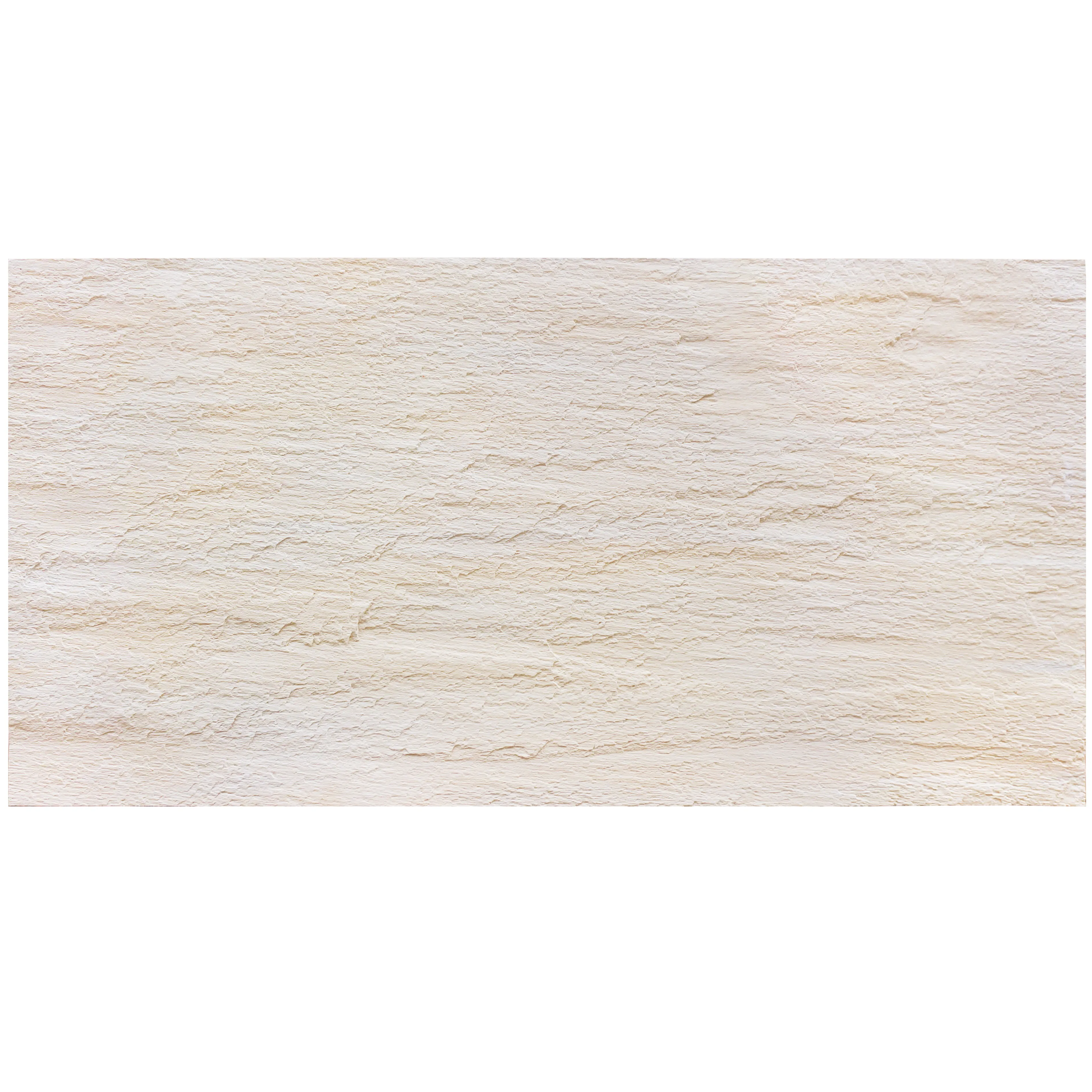
Let's start with the basics. Oasis stone foge isn't your average construction material. It's part of a new generation of building solutions designed to blend the best of nature and innovation. Picture a stone that feels like it was pulled from a windswept desert landscape—textured, warm, with subtle variations that catch the light—but with a modern twist: it's lightweight, durable, and surprisingly eco-friendly. That's the essence of Oasis stone foge.
Unlike traditional stone, which often requires extensive quarrying and transportation (both resource-heavy processes), Oasis stone foge is crafted with a focus on reducing environmental impact. While the exact production details vary by manufacturer, many versions prioritize recycled or locally sourced raw materials, cutting down on carbon emissions from long-haul shipping. And here's a small but meaningful detail: its natural texture means less need for chemical sealants or coatings, which can leach harmful substances into the air over time.
Think about the last time you touched a rough-hewn stone wall. There's a tactile quality to it that smooth concrete or plastic can't replicate. Oasis stone foge brings that same organic feel to urban spaces, turning buildings into places that feel grounded, connected to the earth. In a world where so much of our environment is synthetic, that connection matters more than we realize.
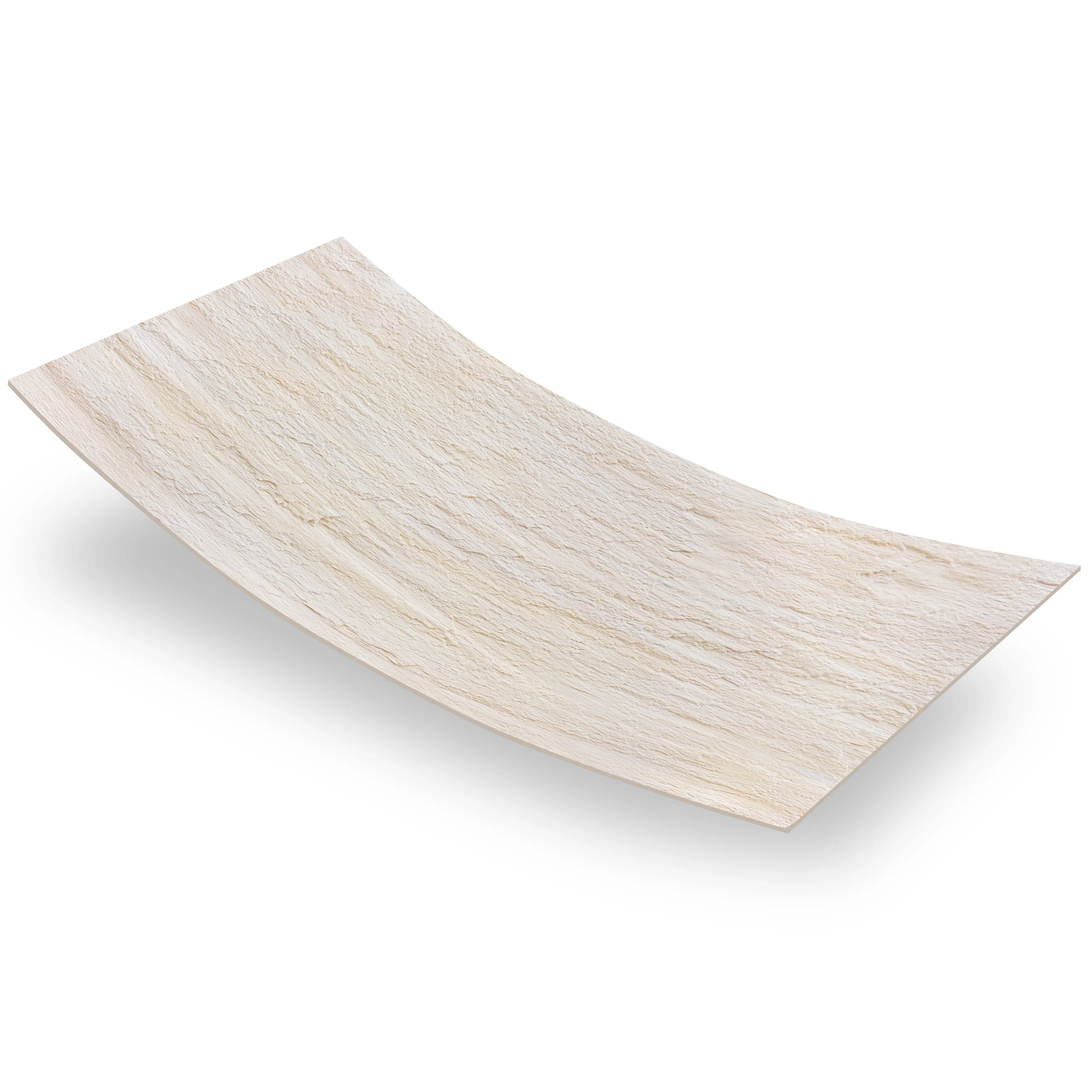
Sustainability isn't just about "going green" in the moment—it's about longevity. A building material that needs to be replaced every 10 years isn't sustainable, no matter how eco-friendly it claims to be. That's where Oasis stone foge shines: its durability is a game-changer for urban development.
Let's compare it to a few common alternatives. Take travertine (beige) , a classic natural stone beloved for its warm, porous texture. While beautiful, travertine is prone to staining and can wear down quickly in high-traffic areas, requiring regular maintenance and eventual replacement. Fair-faced concrete , another staple, is strong but can crack over time, especially in regions with extreme temperature fluctuations, leading to costly repairs.
Oasis stone foge, by contrast, is engineered to withstand the harsh realities of city life. Its composition resists water absorption, making it less likely to crack in freezing weather. It stands up to heavy foot traffic without showing signs of wear, and its color fades minimally under UV exposure. In short, it's a material that's built to last—decades, not just years.
Imagine a once-neglected urban plaza along a river, lined with crumbling concrete benches and peeling paint. Now, picture it renovated with Oasis stone foge: new seating walls that feel like they've been there for centuries, a pedestrian walkway that stays cool even on hot summer days, and planter boxes that blend seamlessly with the natural riverbank. Five years later, the plaza still looks fresh—no cracks, no fading, no need for expensive overhauls. Local residents still gather there for weekend markets; kids still chase pigeons across its surface. That's durability in action: a space that serves the community year after year, without draining resources for constant repairs.
When materials last longer, we reduce waste. Fewer demolition projects mean less debris in landfills, and fewer manufacturing cycles mean lower energy consumption overall. It's a simple equation, but one that's often overlooked in the rush to adopt "sustainable" trends. Oasis stone foge doesn't just check the "eco-friendly" box—it lives in it, long-term.
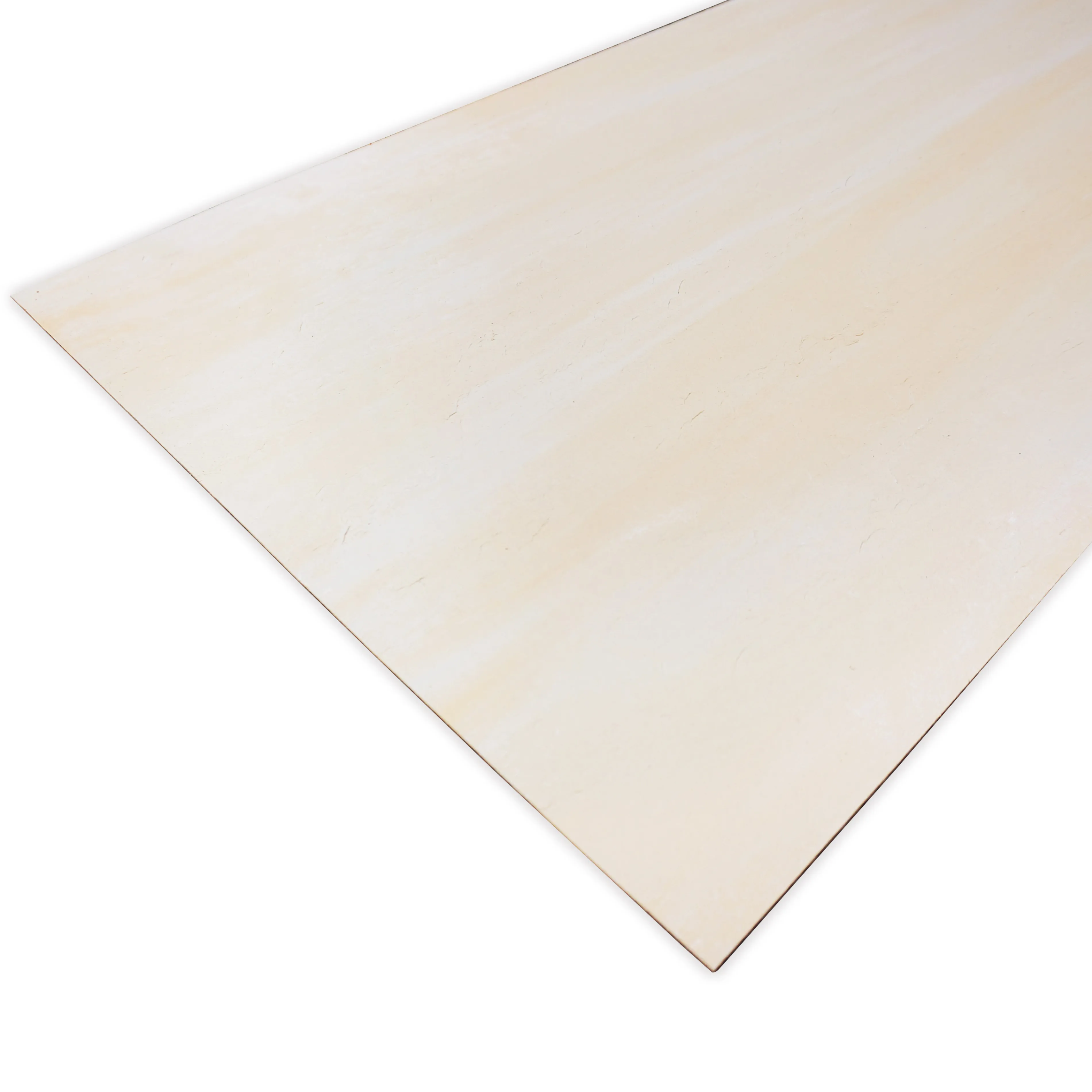
Cities are heat islands. All that concrete, steel, and glass absorbs sunlight during the day and releases it at night, driving up temperatures and increasing the need for air conditioning. In fact, buildings account for nearly 40% of global energy consumption, with heating and cooling making up a huge chunk of that. Oasis stone foge offers a surprisingly simple solution: natural thermal insulation.
Its porous, textured surface acts as a barrier to heat transfer. In the summer, it reflects more sunlight than smooth materials like glass or polished concrete, keeping building interiors cooler and reducing reliance on AC. In the winter, it traps warmth inside, lowering heating costs. This isn't just good for the planet—it's good for people's wallets, too. Imagine a low-income apartment building clad in Oasis stone foge; lower utility bills could mean more money for groceries, healthcare, or education for families already stretched thin.
Compare this to foamed aluminium alloy board (vintage silver) , a sleek, modern material often used for facades. While lightweight and durable, aluminium conducts heat easily, turning buildings into giant radiators on hot days. It's a trade-off between aesthetics and energy efficiency that Oasis stone foge avoids, offering the best of both worlds: natural beauty and practical performance.
And let's not forget about indoor comfort. Have you ever walked into a room with concrete walls on a winter day? It feels like the cold is seeping into your bones. Oasis stone foge's thermal properties help maintain a steady, comfortable temperature year-round, making living and working spaces more pleasant. When buildings feel better to be in, people spend more time in them—fostering community, productivity, and a sense of belonging.

Sustainability shouldn't mean sacrificing beauty. A city filled with gray, utilitarian buildings might be efficient, but it's not somewhere people want to live. Oasis stone foge understands this, offering a versatility that lets designers create spaces that are both sustainable and soulful.
Its natural color palette—soft beiges, warm grays, and earthy browns—complements a range of architectural styles, from modern minimalist to classic revival. Whether paired with wood grain board for a rustic feel or linear travertine (claybank) for a more contemporary look, it adds depth and character without overwhelming the design. And because each panel has subtle variations (no two pieces are exactly alike), buildings clad in Oasis stone foge feel unique, not mass-produced.
Consider public spaces, which are the heart of any city. A library with an Oasis stone foge facade feels inviting, like a place to linger and explore. A community center wrapped in its texture becomes a gathering spot, where the material itself seems to say, "Stay a while." Even something as simple as a bus shelter made with Oasis stone foge feels less like a utilitarian structure and more like a small, thoughtful gift to the neighborhood.
This versatility matters because aesthetics shape how we interact with our environment. When cities are beautiful, we take pride in them. We litter less, we participate more in community events, we feel a stronger connection to our neighbors. Oasis stone foge doesn't just build sustainable buildings—it builds sustainable communities.
Oasis stone foge is part of a larger movement toward green building materials —though the term itself isn't on the keyword list, the spirit is embodied in options like rammed earth board (matcha green) , wood concrete board (light grey) , and yes, Oasis stone foge. These materials share a common goal: to reduce the built environment's impact on the planet while enhancing quality of life.
In a world grappling with climate change, urban resilience is key. Cities need to withstand extreme weather, resource shortages, and shifting population demands. Materials like Oasis stone foge contribute to that resilience by: reducing carbon footprints, lowering energy demand, minimizing waste, and creating adaptable spaces that can evolve with community needs.
Here's a thought experiment: Two cities, identical in size and population. One builds with traditional materials—concrete, steel, and synthetic composites. The other prioritizes materials like Oasis stone foge, foamed aluminium alloy boards (for their lightweight, recyclable properties), and locally sourced wood. Which city will fare better in 50 years? The second, almost certainly. Its buildings will require less energy to maintain, generate less waste, and offer a higher quality of life to its residents. That's the power of intentional material choice.
And let's not overlook the human element. Sustainable cities are happy cities. When people live in spaces that are healthy (low chemical exposure), comfortable (stable temperatures), and beautiful (natural textures), they're more likely to thrive. Oasis stone foge doesn't just support the planet—it supports the people on it.
Cities are more than just collections of buildings—they're stories. Stories of innovation, community, and hope. The materials we choose to write those stories with matter. Oasis stone foge isn't a magic bullet, but it is a powerful tool in the quest for sustainable urban development. It's durable enough to last generations, efficient enough to reduce our environmental footprint, and beautiful enough to make cities feel like home.
As we look to the future, let's build with intention. Let's choose materials that don't just serve us today, but honor the planet and the people who will call these cities home tomorrow. Oasis stone foge is a step in that direction—a small choice with big implications. And in the end, isn't that what sustainability is all about? Small, thoughtful choices that add up to a world where cities don't just survive—they thrive.
So the next time you walk down a city street, take a moment to look at the buildings around you. What stories are their materials telling? And how might those stories change if we built with materials like Oasis stone foge? The answer, I think, is a future worth building toward.
Recommend Products












