
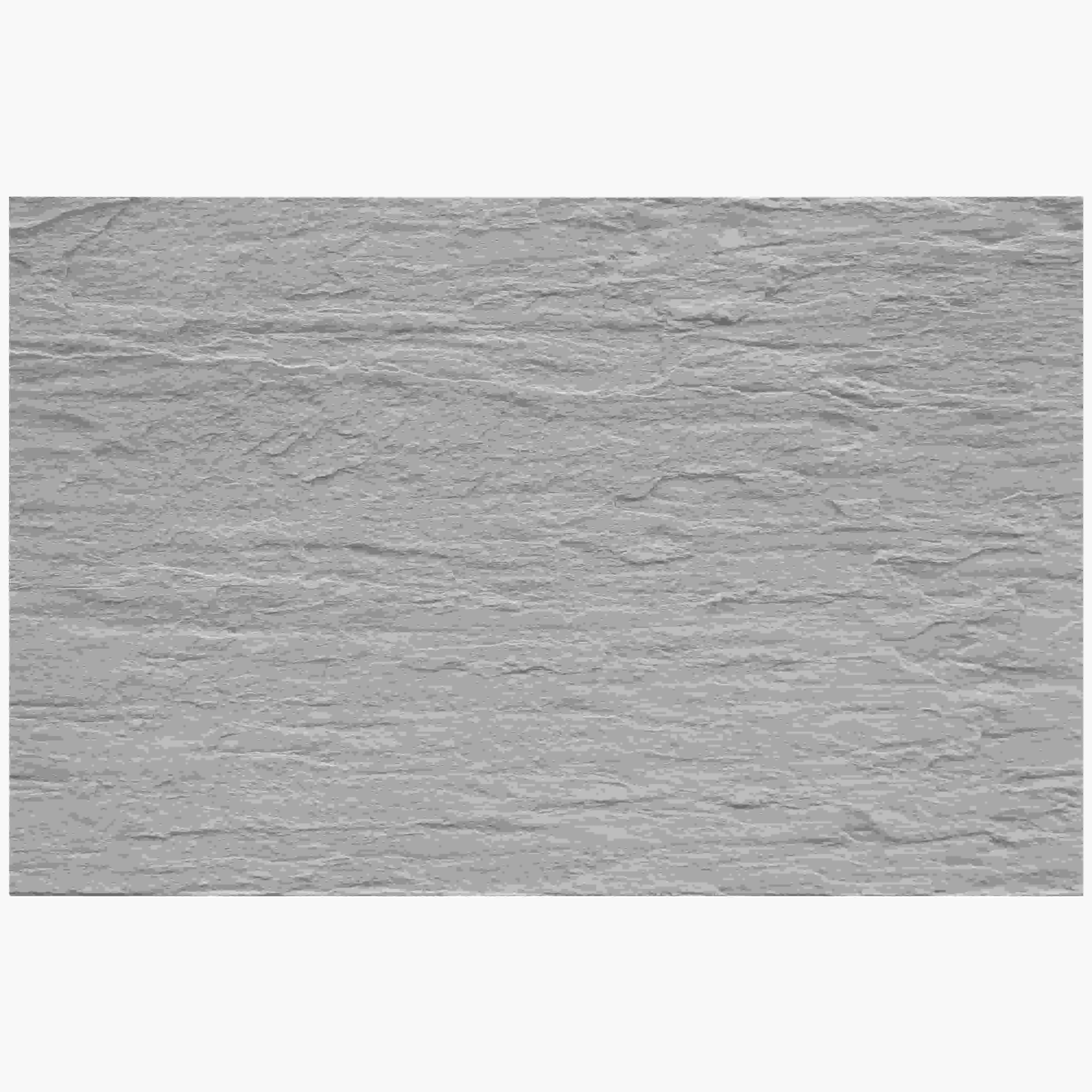
In an era where every kilowatt-hour counts—for both our wallets and the planet—building energy efficiency has shifted from a "nice-to-have" to a non-negotiable. From skyrocketing utility bills to the urgent need to reduce carbon footprints, the pressure is on architects, builders, and homeowners alike to choose materials that don't just look good, but work hard to keep energy consumption in check. Enter Oasis Stone Regular: a modern building material that's quietly revolutionizing how we think about insulation, thermal performance, and sustainable design. That's the kind of comfort and efficiency Oasis Stone Regular brings to modern construction, transforming entire buildings, from residential homes to commercial complexes.
At first glance, Oasis Stone Regular might blend in with other natural-looking cladding materials. But scratch the surface, and you'll find a modified composite material designed with one goal in mind: balancing performance and aesthetics. Unlike traditional stone, which can be heavy, porous, or inconsistent in thermal properties, Oasis Stone Regular is engineered to be lightweight, flexible, and—most importantly—exceptionally good at regulating temperature. Think of it as a building's "thermal blanket," but one that also adds texture, depth, and character to walls, facades, and interiors.
Oasis Stone Regular is part of the broader MCM flexible stone family, which combines natural minerals with advanced polymers to create a material that's both strong and adaptable. Its secret lies in its micro-porous structure: tiny air pockets trapped within the stone act as insulators, slowing down the transfer of heat between the outside and inside of a building. This isn't just about keeping warm in winter—those same air pockets prevent heat from seeping in during summer, reducing the need for constant air conditioning. It's a two-way street, and Oasis Stone Regular is the traffic cop keeping thermal energy in check.
Let's talk numbers—because when it comes to energy efficiency, data matters. Traditional building materials like fair-faced concrete or even some types of granite have high thermal conductivity, meaning they readily absorb and transfer heat. For example, fair-faced concrete typically has a thermal conductivity of around 1.5–2.0 W/m·K, which is great for structural strength but not so much for keeping interiors comfortable. Oasis Stone Regular, by contrast, boasts a thermal conductivity as low as 0.15 W/m·K—less than a tenth of concrete's. That's a huge difference, and it translates directly to lower energy bills.
To put that in perspective: a building clad in Oasis Stone Regular can reduce heat loss in winter by up to 40% compared to one using standard concrete. In summer, its reflective properties (thanks to its natural color variations and matte finish) bounce back a significant portion of solar radiation, keeping interiors up to 8–10°F cooler than buildings with dark, heat-absorbing materials like slate portoro or red travertine. Over a year, that adds up to savings on both heating and cooling costs—savings that compound for commercial buildings with large square footage, where HVAC systems are often the biggest energy drain.

Oasis Stone Regular isn't the only player in the energy-efficient building materials market. Let's compare it to some other popular options, from sleek foamed aluminium alloy boards to the timeless appeal of lunar peak silvery stone:
| Material | Thermal Conductivity (W/m·K) | Insulation Rating | Durability | Aesthetic Appeal |
|---|---|---|---|---|
| Oasis Stone Regular | 0.15–0.20 | Excellent (R-5+) | High (resistant to weathering, cracking) | Natural, textured, earthy tones; versatile for traditional/modern designs |
| Foamed Aluminium Alloy Board (Vintage Silver) | 0.30–0.40 | Good (R-3–4) | Very High (corrosion-resistant, lightweight) | Sleek, metallic, industrial-chic; modern aesthetic |
| Fair-Faced Concrete | 1.50–2.00 | Poor (R-0.5–1) | Very High (long-lasting, low maintenance) | Minimalist, raw, industrial; limited color options |
| Lunar Peak Silvery | 0.80–1.00 | Moderate (R-2–3) | High (resistant to fading, scratch-resistant) | Shimmery, silvery finish; futuristic, elegant look |
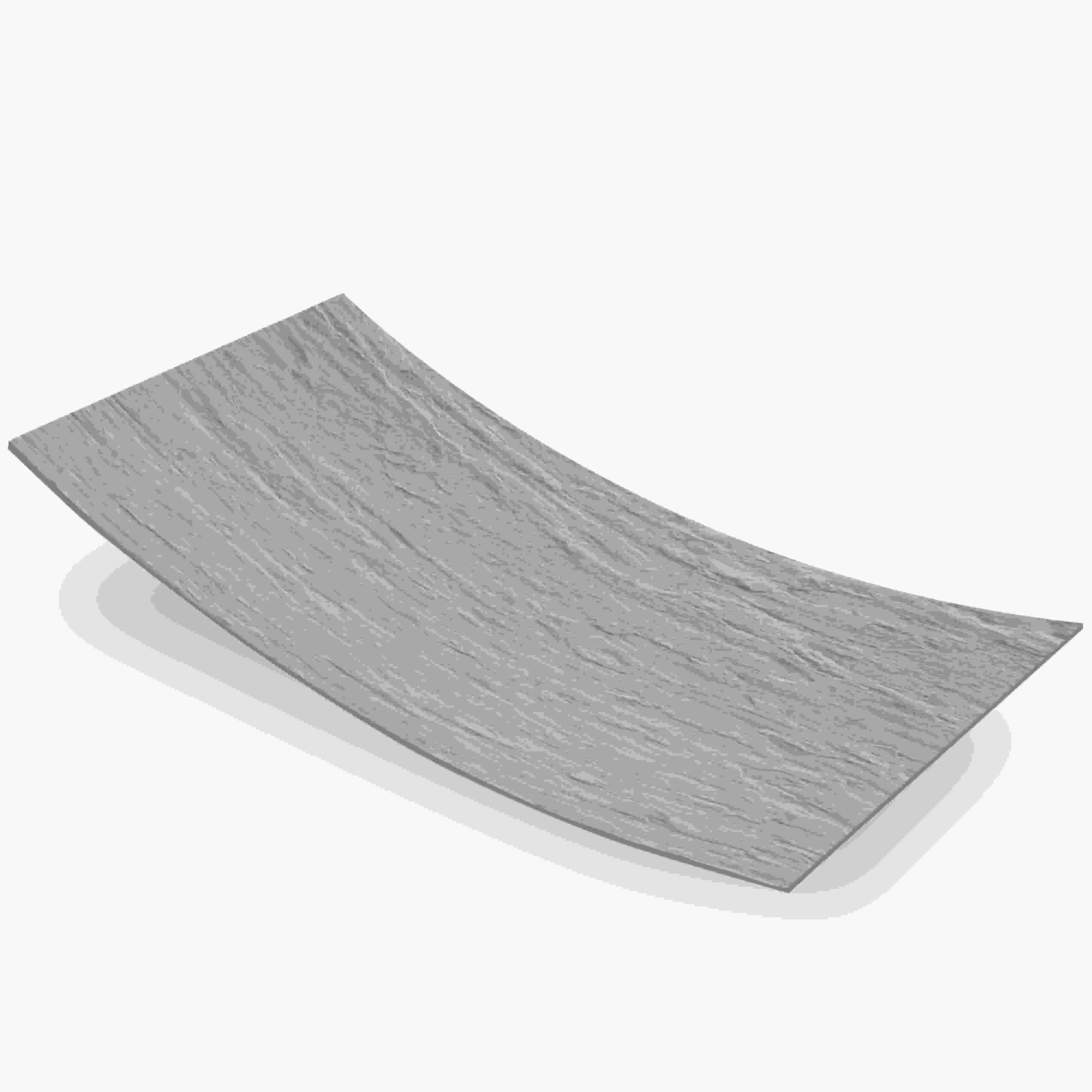
In a suburban eco-village outside Portland, Oregon, developers used Oasis Stone Regular for exterior cladding, paired with MCM flexible stone for interiors. The result? Homes that require 75% less energy for heating and cooling than standard builds, with utility bills averaging just $50–$70 per month. Homeowners report consistent indoor temperatures year-round, with no cold spots near windows or exterior walls.
A mid-rise office building in Austin, Texas, used Oasis Stone Regular on the west-facing facade (most exposed to afternoon sun) and foamed aluminium alloy board (vintage silver) on the east side. HVAC costs dropped by 35% in the first year, and the building earned LEED Gold certification. Employees noted west-facing offices stayed cool and bright, boosting productivity.

As the world grapples with climate change and rising energy costs, building materials that prioritize efficiency without compromise are crucial. Oasis Stone Regular isn't just a trend—it's a glimpse into the future of construction, where sustainability, performance, and design coexist. It simplifies the design process for builders, provides peace of mind for homeowners, and contributes to a more sustainable built environment.
Oasis Stone Regular addresses the core challenges of modern construction: balancing efficiency, durability, and aesthetics. Its ability to insulate, regulate temperature, resist moisture, and enhance design makes it a standout choice. For anyone serious about sustainable building, it's more than just stone—it's a partner in creating smarter, greener, and more efficient spaces.
Recommend Products












