
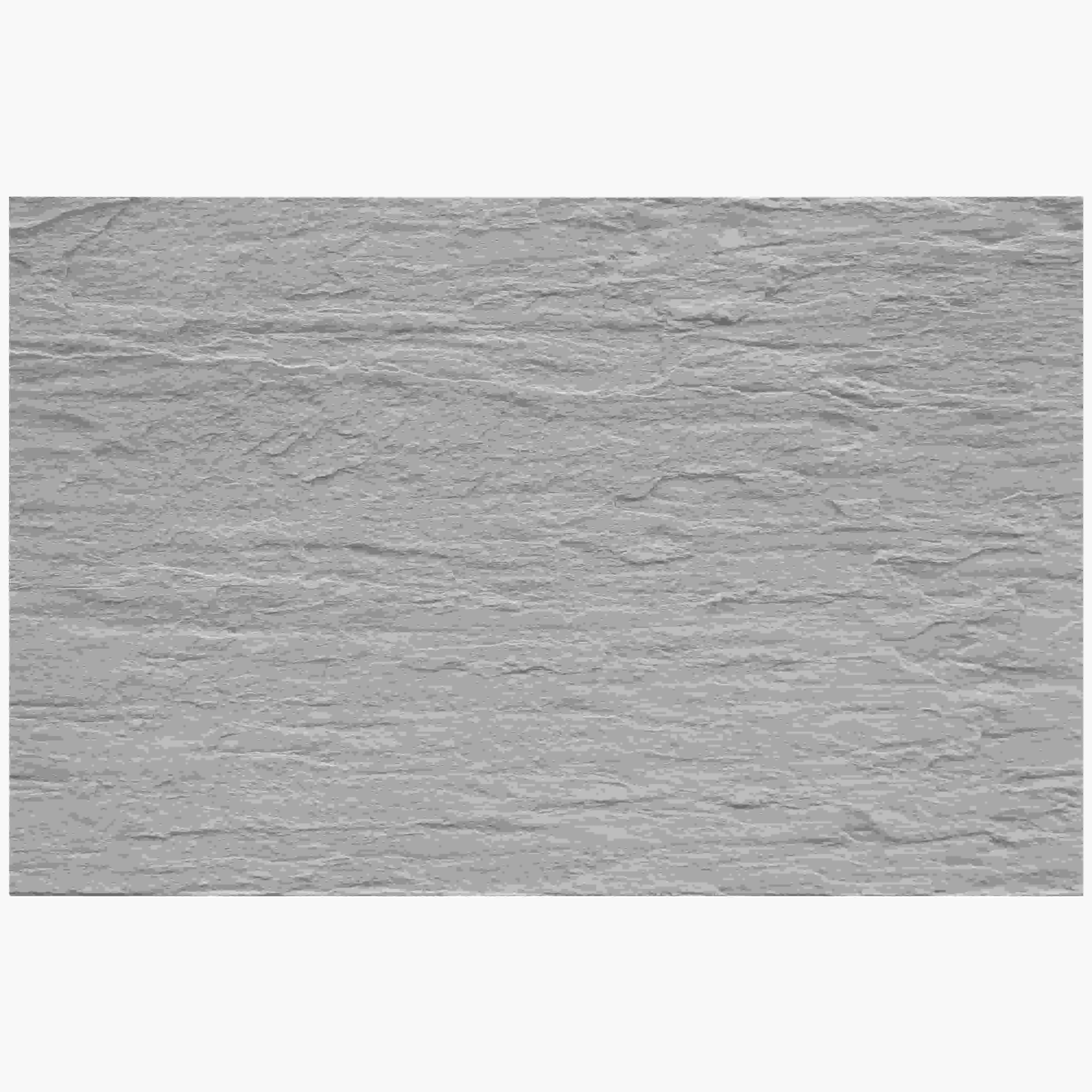
Walk onto any construction site, and you'll likely see piles of discarded materials: broken chunks of concrete, offcuts of natural stone, half-used bags of mortar, and scraps of metal. These aren't just eyesores—they're a global crisis. The construction industry generates over 1.8 billion tons of waste annually, according to the United Nations Environment Programme, accounting for nearly a third of all waste produced worldwide. Much of this waste ends up in landfills, leaching chemicals into soil and water, or incinerated, releasing carbon into the atmosphere. But what if there was a building material that didn't just reduce this waste, but reimagined how we build to minimize it from the start? Enter Oasis Stone Regular—a material that's quietly revolutionizing sustainable construction. In this article, we'll explore how this innovative product is cutting down on waste, why it matters, and how it stacks up against traditional alternatives like fair-faced concrete and natural stone.
To understand why Oasis Stone Regular is a game-changer, let's first look at the "waste problem" in construction. Traditional materials, while reliable, are notoriously inefficient. Take natural stone, for example: quarries extract massive blocks of granite or marble, but only 30-50% of that stone ends up as usable material. The rest? Crushed rock, dust, and irregular chunks that are either dumped or used for low-value purposes like fill. On construction sites, masons then cut these stones to fit specific dimensions, generating even more waste—think of all those small, unusable pieces that end up in dumpsters after a day of tiling or cladding.
Concrete, another staple, isn't much better. Mixing concrete on-site often leads to over-ordering: no one wants to run out mid-project, so contractors typically order 10-15% more than needed. That excess concrete hardens in the truck or on the ground, becoming waste. Even pre-mixed concrete panels, while more controlled, can crack during transport or installation, rendering them useless. And then there's fair-faced concrete—a popular choice for its raw, industrial look. While it avoids the need for cladding, its production still involves significant energy use and waste from formwork (the temporary molds used to shape it), which is often single-use and ends up in landfills.
Wood, metal, and brick all have similar issues: offcuts, breakage, and over-ordering. The result? A construction industry that's not just resource-heavy, but waste-heavy. And with global construction activity projected to grow by 35% by 2030, according to McKinsey, this problem is only getting bigger. We need materials that are designed with waste reduction in mind—and that's where Oasis Stone Regular comes in.

Oasis Stone Regular is part of a new generation of building materials known as Modified Composite Materials (MCM), which blend natural minerals with high-performance polymers to create products that are strong, flexible, and sustainable. If you're familiar with MCM flexible stone, you'll recognize the family resemblance—both prioritize durability and versatility, but Oasis Stone Regular stands out for its focus on large-scale, regular-panel applications, making it ideal for facades, flooring, and interior cladding in commercial and residential projects.
So, what's in it? The exact formula is proprietary, but manufacturers share that it starts with a base of natural stone aggregates—think crushed travertine, limestone, or marble—mixed with a polymer resin binder. This combination gives it the look and feel of natural stone but with added benefits: it's lighter (about 70% lighter than traditional stone), more flexible (resistant to cracking from building movement), and easier to manufacture with precision. Unlike natural stone, which is extracted in irregular blocks, Oasis Stone Regular is produced in controlled factory settings, where computer-aided design (CAD) ensures each panel is cut to exact specifications. No more guessing; no more excess.
One of the key features of Oasis Stone Regular is its prefabricated nature. Instead of shipping raw blocks to a site and cutting them there, panels are made in factories, then delivered ready to install. This shift from on-site to off-site production is critical for waste reduction—and it's just the first way Oasis Stone Regular minimizes waste.

Traditional stone production is a messy business. Quarrying involves blasting or cutting large blocks, which are then transported to factories to be sliced into slabs. But even with modern saws, this process generates a lot of waste: dust, small fragments, and slabs that crack or are too thin to use. Oasis Stone Regular, by contrast, is manufactured in a controlled environment where every step is optimized for efficiency. The natural aggregates are crushed to a uniform size, and the resin binder is mixed in exact proportions, so there's no excess material. Computer-controlled cutting machines then shape the panels to precise dimensions—down to the millimeter—with minimal offcuts. In fact, manufacturers report that production waste for Oasis Stone Regular is less than 5%, compared to 30-50% for natural stone. That's a massive reduction before the material even leaves the factory.
On a typical construction site, installing traditional stone or concrete cladding involves a lot of on-site cutting. Measurements are taken, slabs are marked, and then workers use saws to trim them to fit—inevitably creating scraps. Oasis Stone Regular eliminates most of this. Since panels are prefabricated to the project's exact specifications (thanks to CAD and BIM—Building Information Modeling—software), they arrive on-site ready to install. There's no need for last-minute trimming, no piles of stone dust, and no half-cut slabs that can't be reused. This not only reduces waste but also speeds up installation, saving contractors time and labor costs. As one project manager in Dubai put it: "With Oasis Stone Regular, we went from spending 2 days cutting and fitting 100 square meters of cladding to just 6 hours of straightforward installation. The difference in waste? Night and day."
Heavy materials like natural stone or concrete slabs are prone to breakage during transport. A single cracked slab means wasted material, fuel (from transporting it), and time. Oasis Stone Regular's lightweight composition—about 12-15 kg per square meter, compared to 40-50 kg for natural stone—reduces this risk dramatically. Lighter panels are easier to handle, less likely to crack when loaded onto trucks or lifted by cranes, and require fewer trips to transport (since more panels can fit on a single truck). This not only cuts down on breakage-related waste but also reduces carbon emissions from transportation—a double win for sustainability.
Waste isn't just about the materials used in construction—it's also about how long those materials last. A facade that needs to be replaced every 10 years generates far more waste than one that lasts 50. Oasis Stone Regular is built to last. Its polymer binder makes it resistant to moisture, UV rays, and temperature fluctuations—common enemies of traditional stone, which can crack, fade, or erode over time. In accelerated aging tests, manufacturers have found that Oasis Stone Regular retains its structural integrity and appearance for over 50 years, compared to 20-30 years for many natural stones and 25-30 years for fair-faced concrete. This longevity means fewer replacements, less demolition waste, and lower demand for new materials over a building's lifetime.
Oasis Stone Regular isn't just a standalone material—it's designed to work with prefabricated MCM panel systems, which take waste reduction to the next level. These systems integrate panels with mounting hardware, insulation, and weatherproofing into a single, pre-assembled unit. This "plug-and-play" approach minimizes on-site labor and waste, as there's no need to source and install separate components. For example, a prefabricated facade panel might include Oasis Stone Regular cladding, a layer of foam insulation, and a metal backing—all factory-assembled to exact dimensions. When installed, it fits perfectly with adjacent panels, leaving no gaps and requiring no additional sealing or trimming. This system approach has been shown to reduce on-site waste by up to 40% compared to traditional cladding methods, according to a study by the International MCM Association.
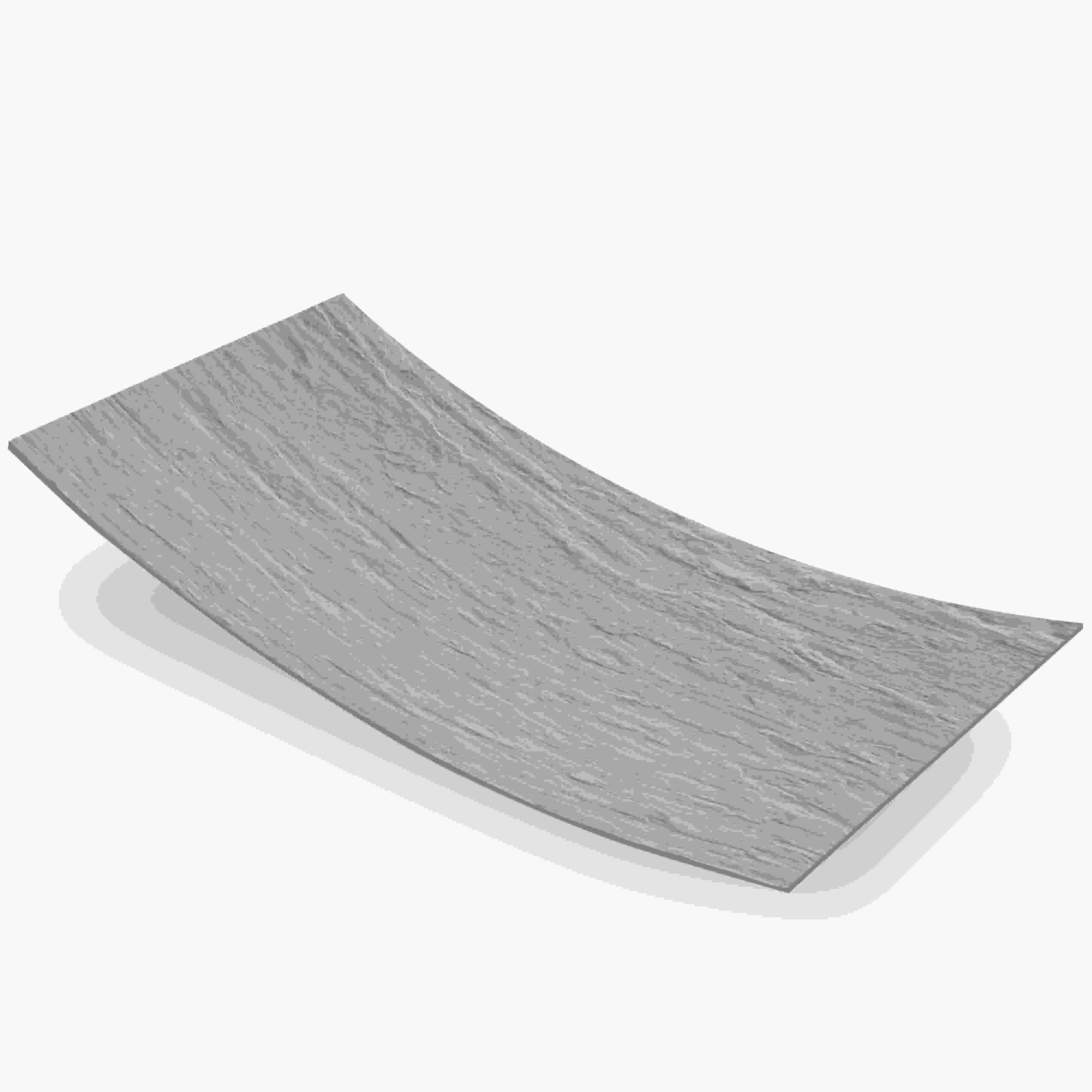
To really see the waste-reduction benefits, let's compare Oasis Stone Regular to three common alternatives: fair-faced concrete, traditional natural stone, and even MCM flexible stone (its close cousin). The table below breaks down key metrics related to waste and sustainability:
| Material | Production Waste | Installation Waste | Estimated Lifespan | Weight (kg/m²) | Sustainability Features |
|---|---|---|---|---|---|
| Oasis Stone Regular | <5% | 2-3% | 50+ years | 12-15 | Recyclable aggregates, low-energy production, prefabricated |
| Fair-Faced Concrete | 10-15% | 5-8% (formwork waste) | 30-40 years | 220-240 | Can use recycled aggregates, but high embodied carbon |
| Traditional Natural Stone | 30-50% | 15-20% (on-site cutting) | 20-30 years (if well-maintained) | 40-50 | Natural material, but high quarrying waste |
| MCM Flexible Stone | 5-8% | 3-5% | 40+ years | 8-10 | Flexible, lightweight, but better for curved surfaces than large panels |
As the table shows, Oasis Stone Regular outperforms traditional materials in nearly every category. Its production waste is a fraction of natural stone's, and its installation waste is minimal thanks to prefabrication. While MCM flexible stone has similar waste levels, Oasis Stone Regular's focus on regular panels makes it more efficient for large, flat surfaces like building facades—where waste from misalignment or cutting is often highest. And compared to fair-faced concrete, it's far lighter (reducing transport and handling waste) and longer-lasting (reducing replacement waste).
But numbers only tell part of the story. Let's look at a real-world example: the Al-Mansoori Tower in Abu Dhabi, which used Oasis Stone Regular for its 20,000 m² facade. According to the project's sustainability report, the switch from traditional limestone cladding to Oasis Stone Regular reduced waste by 68%: production waste dropped from 40% (limestone) to 4% (Oasis Stone Regular), installation waste from 18% to 2%, and transport-related breakage from 5% to less than 1%. The total waste saved? Over 1,200 tons—enough to fill 40 standard dumpsters. And because the panels were prefabricated, the project was completed 3 weeks ahead of schedule, cutting labor costs by 15%.

While waste reduction is a key benefit, Oasis Stone Regular's environmental impact goes further. Let's start with energy use: traditional stone quarrying and processing are energy-intensive, involving heavy machinery and high-temperature kilns. Oasis Stone Regular's production, by contrast, uses low-temperature curing and efficient mixing processes, cutting energy use by up to 30% compared to natural stone production, according to manufacturer data. Its lightweight design also reduces transportation emissions: a truck can carry 3-4 times more Oasis Stone Regular panels than traditional stone slabs, meaning fewer trips and lower fuel consumption.
Then there's water use. Quarrying and concrete production are notoriously water-heavy, but Oasis Stone Regular's manufacturing process recycles up to 90% of the water used in mixing and cleaning. Some manufacturers even use rainwater harvesting systems to further reduce reliance on municipal water supplies. And because it's resistant to moisture and mold, buildings clad in Oasis Stone Regular require less maintenance over time—meaning fewer chemicals (like sealants or cleaners) that can harm the environment.
Perhaps most importantly, Oasis Stone Regular supports the circular economy. At the end of its lifespan, the panels can be recycled: the polymer binder can be separated from the natural aggregates, which are then reused in new MCM products or as construction fill. This closes the loop, reducing the need for virgin materials and keeping waste out of landfills. While not all construction materials are recyclable, Oasis Stone Regular's composite design makes it easier to break down and repurpose—something that's increasingly important as cities and countries adopt stricter waste management regulations.
Of course, no material is perfect, and Oasis Stone Regular faces some challenges. One of the biggest is upfront cost: while it saves money over time through reduced waste and maintenance, its initial price tag is often 10-15% higher than traditional stone or concrete. This can be a barrier for budget-conscious projects, especially in regions where construction costs are tightly controlled. However, as demand grows and production scales, prices are expected to come down—much like solar panels or LED lights, which became more affordable as adoption increased.
Another challenge is familiarity. Many contractors and architects have been using traditional materials for decades and may be hesitant to switch to a newer product. Education is key here: manufacturers and industry groups are working to showcase case studies, like the Al-Mansoori Tower, to demonstrate real-world benefits. Certifications from organizations like LEED (Leadership in Energy and Environmental Design) and BREEAM (Building Research Establishment Environmental Assessment Method) are also helping, as these green building standards reward waste reduction and sustainability—making Oasis Stone Regular an attractive choice for projects aiming for high certification levels.
Looking ahead, the future for Oasis Stone Regular and MCM materials is bright. As governments around the world tighten environmental regulations—like the EU's Circular Economy Action Plan, which aims to cut construction waste by 50% by 2030—demand for low-waste materials will soar. Manufacturers are also innovating: new formulations are being developed to increase recyclability, reduce polymer use, and incorporate even more recycled aggregates. Some are even experimenting with carbon-capturing binders, which could turn Oasis Stone Regular into a material that actively reduces greenhouse gases, not just avoids emissions.
Construction waste isn't just a byproduct of building—it's a choice. Every time we select a material, we're choosing how much resource we'll consume, how much waste we'll generate, and what kind of impact we'll leave on the planet. Oasis Stone Regular represents a better choice: one that prioritizes efficiency, durability, and sustainability without sacrificing performance or aesthetics.
From its precision manufacturing to its prefabricated systems, from its lightweight design to its long lifespan, every aspect of Oasis Stone Regular is engineered to minimize waste. And while it's not the only solution—we still need better design practices, more efficient construction methods, and stricter waste regulations—it's a critical piece of the puzzle. As more projects adopt materials like Oasis Stone Regular, we'll move closer to a construction industry that builds with the planet, not against it.
So, the next time you walk past a building with a sleek, modern facade, take a closer look. It might just be clad in Oasis Stone Regular—and if it is, you can appreciate it not just for its beauty, but for the waste it didn't generate, the resources it saved, and the greener future it's helping to build.
Recommend Products












