
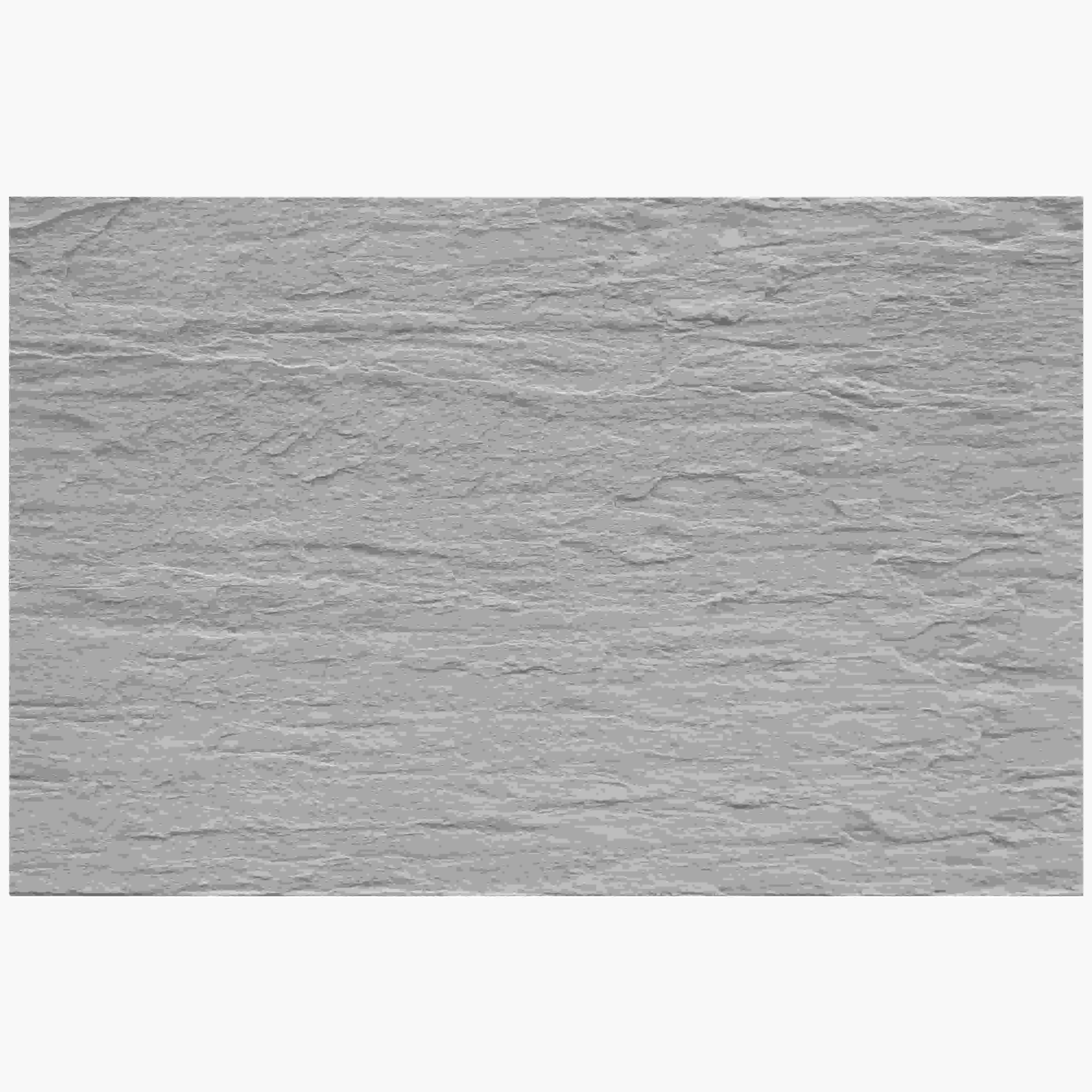
In an era where the construction industry grapples with its environmental footprint—responsible for 39% of global carbon emissions and 50% of resource extraction—circular economy principles have emerged as a beacon of hope. Unlike the traditional linear "take-make-waste" model, circular economy prioritizes reducing resource consumption, reusing materials, and recycling waste, creating a closed-loop system that minimizes environmental harm. Yet, for all its promise, adopting circular practices in construction has long been hindered by the limitations of traditional building materials: natural stone quarries deplete finite resources, concrete production emits massive CO2, and many materials end up in landfills after a single use. Enter Oasis Stone Regular —a innovative cladding solution from the MCM (Modified Composite Material) product line that isn't just redefining aesthetic possibilities in architecture, but actively embodying circular economy values. Let's explore how this material is turning sustainable construction from a buzzword into a tangible reality.
Before diving into its circular credentials, it's important to understand what makes Oasis Stone Regular unique. Part of the broader MCM flexible stone family—a range celebrated for blending durability with lightweight versatility—Oasis Stone Regular stands out for its earthy, textured finish that mimics natural stone, minus the environmental toll. Designed for both interior and exterior cladding, it's engineered to withstand harsh weather, resist wear, and maintain its aesthetic appeal for decades. But what truly sets it apart is its commitment to circularity, woven into every stage of its lifecycle: from raw material selection to manufacturing, from installation to end-of-life disposal.
Circular economy starts with reducing reliance on virgin resources, and Oasis Stone Regular excels here. Traditional natural stone cladding, such as marble or granite, requires extensive quarrying—disrupting ecosystems, consuming vast amounts of water, and generating significant waste (up to 30% of extracted stone is discarded as offcuts). In contrast, Oasis Stone Regular is crafted using a blend of recycled minerals, industrial by-products, and MCM technology, which binds these materials into a strong, flexible panel. This formulation drastically cuts the need for virgin stone extraction. For instance, up to 40% of its composition can include recycled aggregates from construction and demolition waste, giving new life to materials that would otherwise clutter landfills.
But it's not just about recycling waste—it's about smart material choice. Unlike heavy stone slabs that require energy-intensive transportation, Oasis Stone Regular is lightweight (typically 3-5 kg/m², compared to 20-30 kg/m² for natural stone). This reduces the carbon footprint of shipping: a single truck can carry 10 times more Oasis Stone Regular panels than traditional stone, slashing fuel consumption and emissions during transportation. For large-scale projects, this translates to hundreds of tons of CO2 saved over the material's journey from factory to site.

The manufacturing process of a material often reveals its true sustainability credentials, and Oasis Stone Regular's production is a masterclass in circular thinking. Leveraging technologies from the MCM 3D printing series , the panels are precision-engineered to minimize waste. Traditional stone cutting is notoriously inefficient; manual or even CNC cutting often results in irregular shapes and excess offcuts. 3D printing, however, allows for computer-controlled layering of materials, ensuring that every gram of the MCM blend is used intentionally. This precision reduces production waste by up to 85% compared to traditional stone processing, where offcuts can account for 25-30% of the total material used.
Energy efficiency is another cornerstone of the manufacturing process. Unlike firing bricks or curing concrete—processes that require high temperatures and emit significant CO2—Oasis Stone Regular's bonding agents cure at ambient temperatures, slashing energy use. Many production facilities also run on renewable energy, further lowering the carbon footprint. For example, a factory in Spain producing Oasis Stone Regular reports that its 3D printing lines use 60% less energy than conventional stone cladding manufacturing, and 90% of the water used in production is recycled and reused.
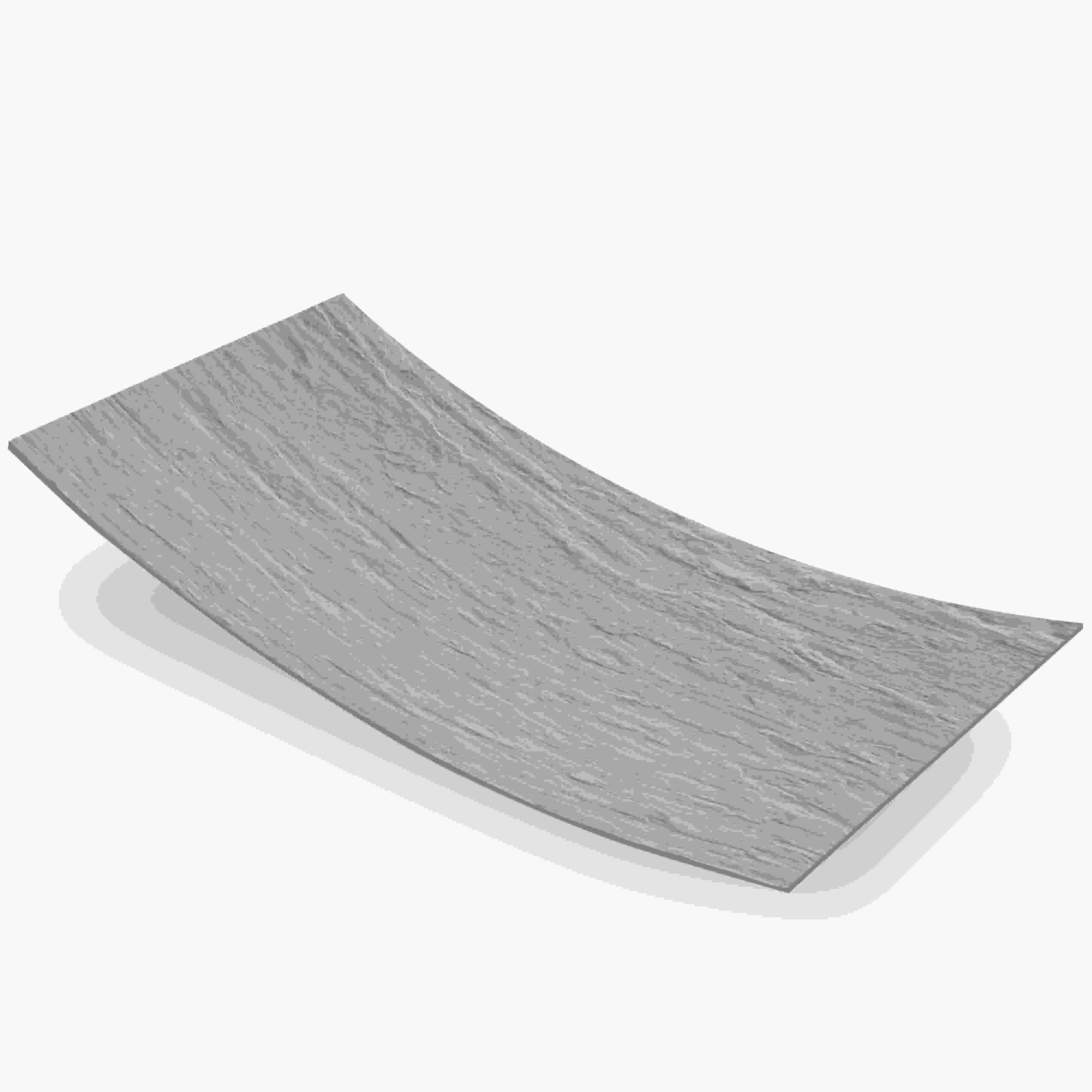
A key tenet of circular economy is "make it last." The longer a material performs, the fewer resources are needed to replace it. Oasis Stone Regular is built for longevity. Its MCM flexible stone core resists cracking, fading, and weathering, even in extreme climates—from the freezing temperatures of northern Europe to the scorching heat of the Middle East. Independent testing shows that the panels maintain their structural integrity and appearance for 50+ years, compared to 20-30 years for traditional painted cladding or even natural stone, which can degrade due to water absorption or chemical erosion.
This durability directly reduces the need for frequent replacements. Consider a commercial building facade: with traditional materials, a full cladding replacement might be needed every 25 years, requiring new materials, demolition waste, and transportation emissions. With Oasis Stone Regular, that timeline stretches to over 50 years, halving the resource consumption and waste generated over the building's lifecycle. In renovation projects, its lightweight nature also minimizes the need for structural reinforcement, further reducing material use and construction waste.
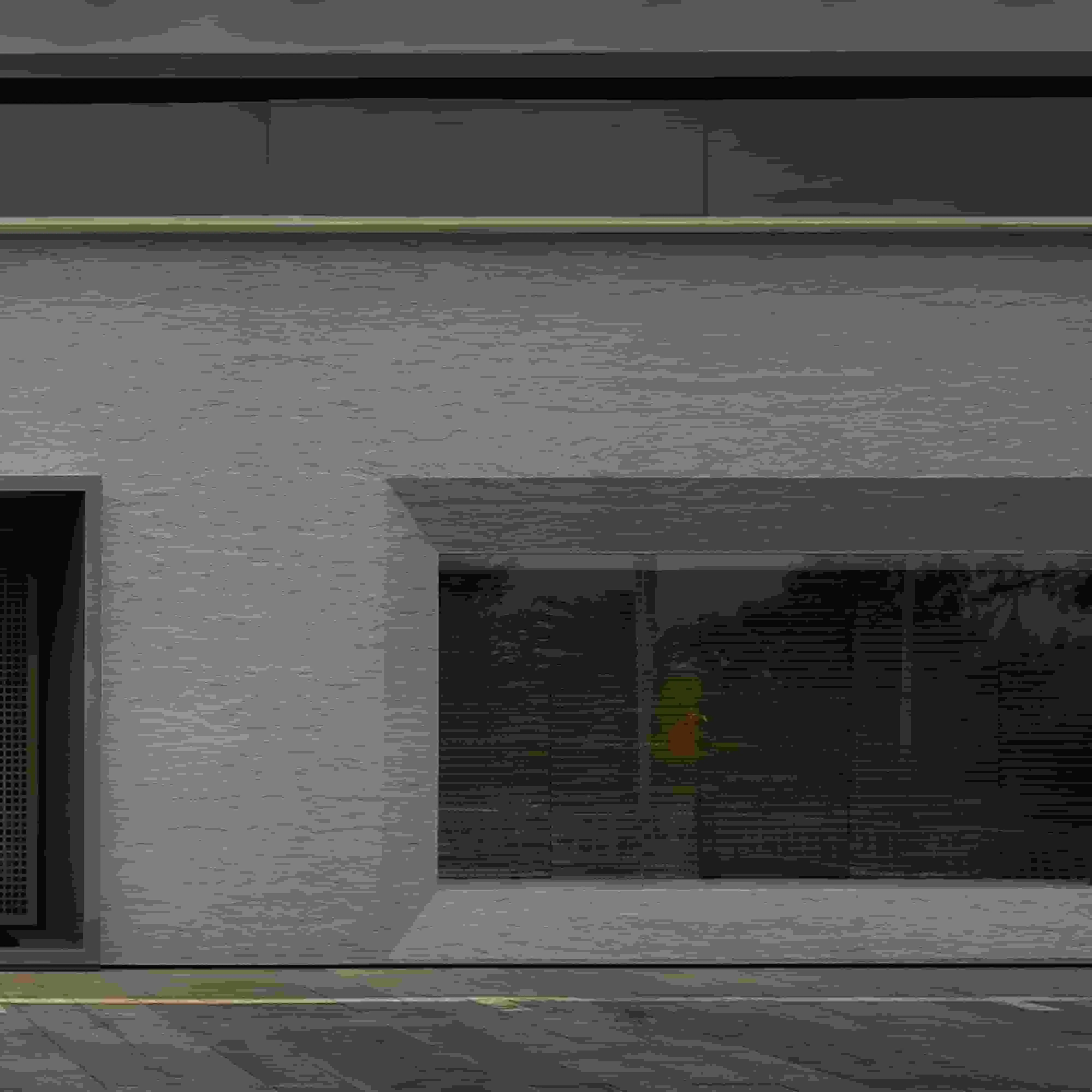
Even the most durable materials eventually reach the end of their primary use, but circular economy demands that this isn't the end of their story. Oasis Stone Regular excels here, too, thanks to its modular design and recyclable composition. When a building is renovated or demolished, the panels can be easily removed without damaging the underlying structure—a stark contrast to traditional stone cladding, which often requires destructive removal that renders both the stone and substrate unusable.
Once removed, Oasis Stone Regular panels have two sustainable paths: reuse or recycling. In reuse scenarios, panels in good condition can be cleaned and reinstalled in other projects—ideal for heritage renovations or low-budget sustainable builds. For panels that are too worn, the MCM blend can be crushed and repurposed as aggregate in new MCM products, such as fair-faced concrete or foamed aluminium alloy board (vintage silver) . This closed-loop recycling ensures that the materials never enter landfills, keeping resources in circulation indefinitely.
To truly grasp the circular benefits, let's compare Oasis Stone Regular with two common cladding materials: natural travertine (a popular choice for its aesthetic) and conventional concrete panels. The table below highlights key circular economy metrics:
| Metric | Natural Travertine | Conventional Concrete Panels | Oasis Stone Regular |
|---|---|---|---|
| Virgin Resource Use | High (100% virgin stone) | High (virgin aggregates, cement) | Low (40% recycled content) |
| Manufacturing Waste | 25-30% (offcuts, quarry waste) | 10-15% (mold waste, over-pouring) | ≤5% (3D printing precision) |
| Lifespan (Years) | 20-30 (prone to weathering) | 25-35 (cracks, spalling) | 50+ (resistant to wear/weather) |
| End-of-Life Disposal | Landfill (90% of waste) | Landfill (limited recycling) | 100% recyclable/reusable |
| Carbon Footprint (kg CO2/m²)* | 18-22 | 12-15 | 4-6 |
*Estimates based on cradle-to-gate lifecycle assessments, including extraction, manufacturing, and transportation.
The theoretical benefits of Oasis Stone Regular are impressive, but real-world projects bring them to life. Take the "Green Horizon Tower" in Dubai, a 40-story commercial building completed in 2023. The architects chose Oasis Stone Regular for the facade, prioritizing sustainability without compromising on the luxurious aesthetic desired by the developers. By using Oasis Stone Regular instead of natural travertine (starry blue), the project saved approximately 1,200 tons of virgin stone extraction and reduced manufacturing waste by 85 tons. The lightweight panels also cut transportation emissions by 60% compared to traditional stone, and the building's lifecycle carbon footprint was reduced by an estimated 35% over a 50-year period.
Another example is the renovation of a 1960s apartment complex in Barcelona, where heritage preservation rules required maintaining the original aesthetic while upgrading to sustainable materials. Oasis Stone Regular's ability to mimic the look of the original historical pathfinders stone made it the perfect choice. The panels were installed over the existing structure, eliminating the need for demolition waste. Post-renovation, the building's energy efficiency improved (thanks to the panel's insulating properties), and the cladding is expected to last 60+ years—meaning no replacement will be needed until the 2080s, drastically reducing long-term resource use.
Oasis Stone Regular isn't an isolated product—it's part of a broader MCM ecosystem designed for circularity. For instance, when combined with other MCM products like lunar peak silvery (a metallic-finish cladding) or wood grain board (a sustainable wood alternative), it creates cohesive, fully circular building envelopes. Architects can mix and match these products, knowing that all are designed for durability, recyclability, and resource efficiency.
Looking ahead, the MCM series is exploring even more circular innovations, such as integrating blockchain technology to track material origins and recycling pathways, ensuring full transparency in the circular loop. There are also plans to use carbon capture technology in manufacturing, turning CO2 emissions into a component of new MCM blends. For Oasis Stone Regular specifically, ongoing research is focused on increasing recycled content to 60% and developing self-healing properties to extend lifespan further—pushing the boundaries of what's possible for circular construction materials.
Circular economy in construction isn't just about choosing "green" materials—it's about reimagining every stage of a material's lifecycle to honor the planet's finite resources. Oasis Stone Regular does exactly that, proving that sustainability and aesthetics can coexist. By reducing virgin resource use, minimizing manufacturing waste, extending lifespan, and enabling full recyclability, it sets a new standard for what cladding materials can achieve.
As the construction industry continues its shift toward circularity, products like Oasis Stone Regular will play a pivotal role. They show that we don't have to sacrifice beauty or performance for sustainability—and that every building, every renovation, and every panel can be a step toward a world where resources are cherished, waste is eliminated, and construction contributes to a thriving planet. So the next time you walk past a building with a stunning, earthy facade, take a closer look—it might just be Oasis Stone Regular, quietly building a circular future, one panel at a time.
Recommend Products












