
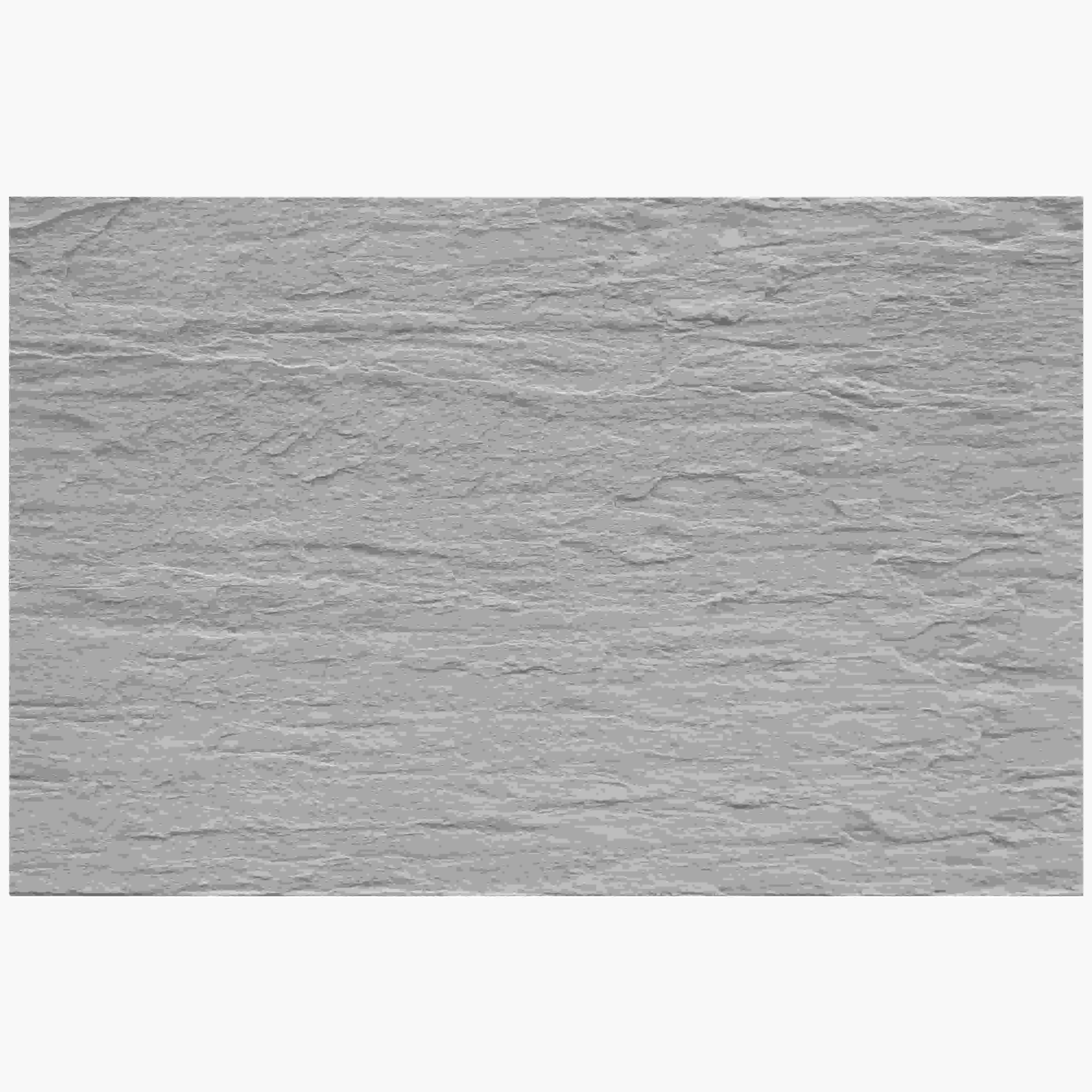
In an era where climate change looms large and sustainability has shifted from a buzzword to a critical necessity, the construction industry stands at a crossroads. For decades, traditional building practices have relied on resource-heavy materials, energy-intensive manufacturing, and designs that prioritize aesthetics over environmental impact. But today, a new wave of innovation is emerging—one that marries functionality, beauty, and planet-consciousness. At the forefront of this movement is a range of cutting-edge building materials, including Oasis Stone Regular , MCM flexible stone , and travertine (starry green) , which are redefining what it means to build "green." These materials aren't just eco-friendly; they're proof that sustainability and stunning design can go hand in hand. Let's explore how Oasis Stone Regular, in particular, is leading the charge, and how its companions—like foamed aluminium alloy board (vintage silver) and fair-faced concrete —are supporting a more sustainable future for construction.
Before diving into Oasis Stone Regular, it's worth understanding why the choice of building materials is so critical to green building. The construction sector is responsible for nearly 40% of global carbon emissions, with a significant portion stemming from material extraction, manufacturing, and transportation. Traditional options like natural stone, brick, and concrete often require extensive mining, high-temperature processing, and heavy transportation—all of which leave a large carbon footprint. Moreover, these materials are often heavy, leading to higher energy use in construction and maintenance, and their short lifespans mean frequent replacements, generating even more waste.
Green building initiatives, such as LEED (Leadership in Energy and Environmental Design) or BREEAM (Building Research Establishment Environmental Assessment Method), aim to mitigate this by prioritizing materials that are resource-efficient, low-emission, durable, and recyclable. This is where products like Oasis Stone Regular shine. Developed as part of the broader MCM project board series , Oasis Stone Regular is engineered to address these challenges head-on—without sacrificing the visual appeal that architects and designers crave.
Oasis Stone Regular isn't just another building material; it's a testament to how innovation can transform sustainability. Let's break down its key features and how they support green building goals:

Oasis Stone Regular doesn't work alone. It's part of a broader ecosystem of MCM products, each designed to support specific green building needs. Let's take a closer look at a few standout companions and how they contribute:
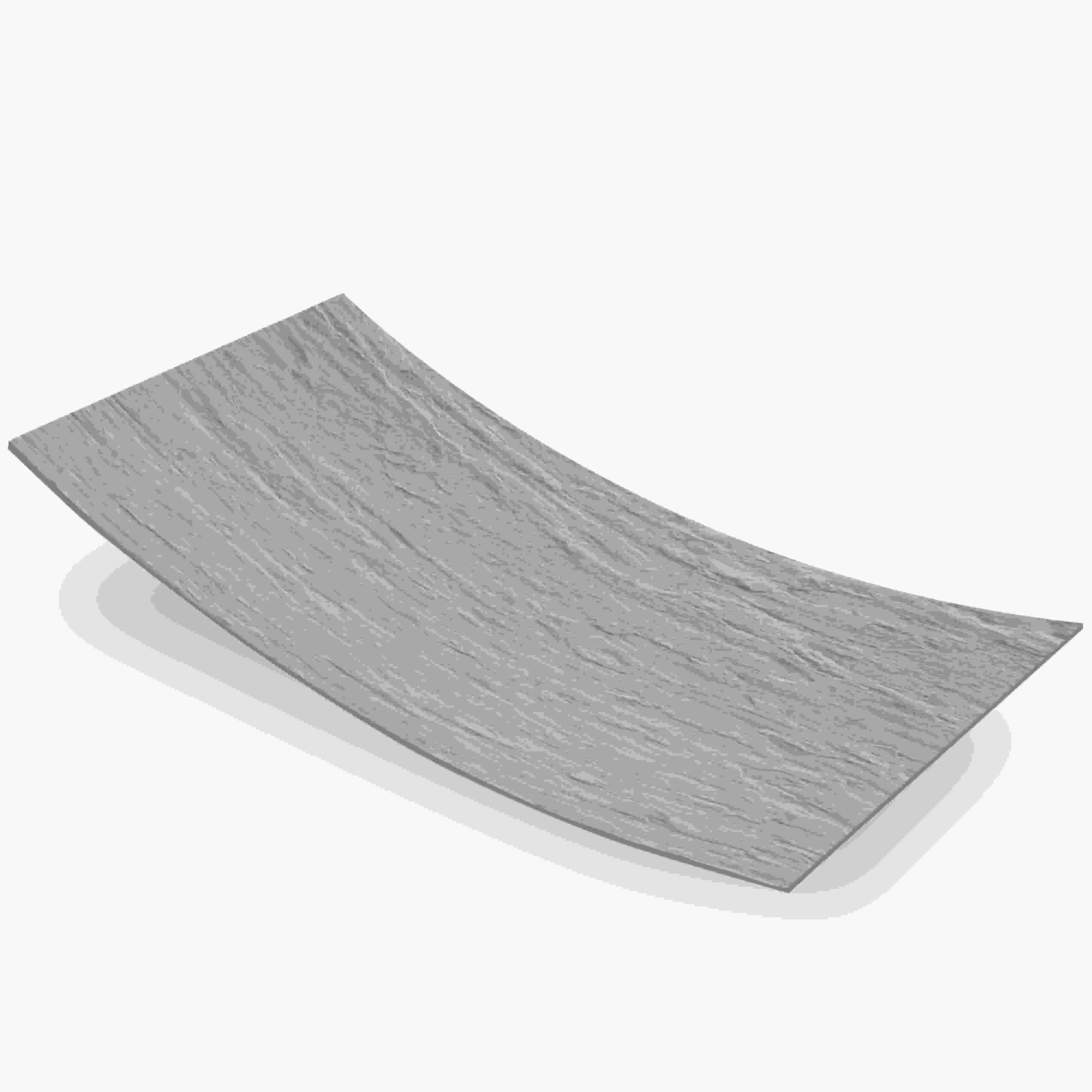
The MCM flexible stone series is a game-changer for architects seeking both sustainability and creativity. As the name suggests, these panels are flexible, allowing them to be curved or shaped to fit unique designs—think undulating facades or custom arches. This flexibility reduces material waste during installation, as panels can be cut to precise measurements without breaking (a common issue with brittle natural stone). Additionally, MCM flexible stone is made with recycled stone powder and eco-friendly resins, further lowering its environmental footprint. For example, a recent cultural center in Barcelona used MCM flexible stone in a wave-like design, cutting installation waste by 40% compared to traditional stone cladding.
Natural travertine is beloved for its unique veining and warmth, but quarrying it can deplete natural resources and disrupt habitats. Travertine (starry green) offers a solution: it mimics the look of natural travertine but is crafted from recycled stone aggregates and non-toxic pigments. The "starry" effect—tiny, shimmering flecks embedded in the panel—adds visual interest without the environmental cost of mining. A boutique hotel in Costa Rica recently replaced natural travertine with the starry green variant, saving over 500 tons of quarried stone and earning LEED Gold certification in the process.
For projects prioritizing recyclability and energy efficiency, foamed aluminium alloy board (vintage silver) is a standout. Aluminium is 100% recyclable, and the "foamed" process creates a lightweight, rigid panel with excellent thermal insulation. The vintage silver finish also reflects sunlight, reducing heat absorption and lowering cooling needs in warm climates. A corporate headquarters in Dubai used these panels on its south-facing facade, cutting air conditioning use by 25% during summer months. At the end of the building's life, the panels can be melted down and reused, closing the loop on resource use.
Fair-faced concrete (also known as "exposed concrete") is celebrated for its raw, industrial aesthetic—but it's also surprisingly sustainable. Unlike traditional concrete, which often requires painting or cladding to look finished, fair-faced concrete is left exposed, eliminating the need for additional materials (and their associated emissions). Its manufacturing process uses locally sourced aggregates where possible, reducing transportation emissions, and its thermal mass helps regulate indoor temperatures, reducing energy use. A community center in Berlin used fair-faced concrete walls paired with Oasis Stone Regular accents, creating a space that's both visually striking and 30% more energy-efficient than code requirements.
To truly grasp the impact of these materials, let's compare them to traditional options. The table below highlights key environmental and performance metrics:
| Material | Carbon Footprint (kg CO₂/m²) | Recyclability | Weight (kg/m²) | Expected Lifespan |
|---|---|---|---|---|
| Natural Travertine | 28–35 | Low (quarry waste not recyclable) | 45–60 | 20–30 years |
| Clay Brick | 15–20 | Low (recycled only as aggregate) | 30–40 | 30–40 years |
| Oasis Stone Regular | 8–12 | High (recyclable polymers and minerals) | 8–12 | 50+ years |
| MCM Flexible Stone | 7–10 | High (recyclable resins and stone powder) | 6–9 | 50+ years |
| Foamed Aluminium Alloy (Vintage Silver) | 10–14 | 100% Recyclable | 5–7 | 60+ years |
The data is clear: materials like Oasis Stone Regular and MCM flexible stone have significantly lower carbon footprints, are lighter (reducing transportation and structural load), and last longer than traditional options. When scaled across a building's lifecycle, these differences add up to massive environmental benefits.
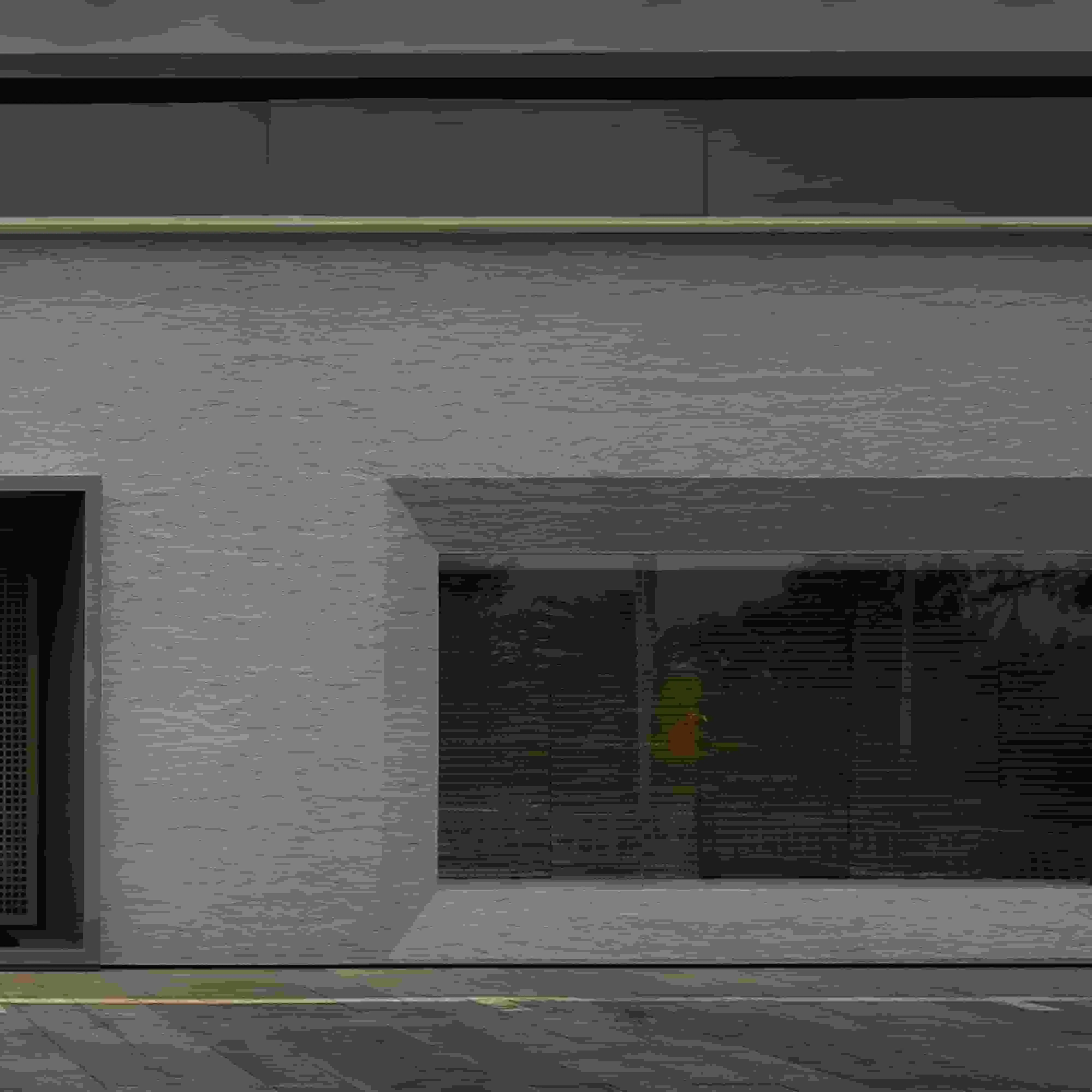
Theory is one thing, but real-world applications prove the value of these materials. Take the "EcoVista Tower" in Singapore, a 20-story residential building that used Oasis Stone Regular for its exterior cladding, paired with travertine (starry green) accents and foamed aluminium alloy sunshades. The result? The building achieved LEED Platinum certification, with a 40% reduction in carbon emissions compared to similar structures. Residents report lower energy bills, and the developers noted that the MCM materials were easier and faster to install, reducing construction time by 15% (and thus, on-site emissions from machinery).
Another example is the "Desert Horizon" community center in Arizona, which used gobi panel (a desert-inspired MCM variant) and fair-faced concrete to blend into the arid landscape. The gobi panels' textured surface reflects sunlight, while the concrete's thermal mass stores heat during the day and releases it at night, reducing heating needs. The center now serves as a model for sustainable design in hot climates, drawing visitors from around the world to learn about MCM materials.
As the demand for green buildings grows, materials like Oasis Stone Regular will only become more critical. Innovations in MCM technology are already pushing boundaries—think self-cleaning panels that reduce maintenance, or panels embedded with solar cells to generate electricity. The MCM 3D printing series , for instance, allows for on-site printing of custom panels, cutting transportation needs even further. Meanwhile, colors and finishes like travertine (starry blue) or lunar peak silvery are expanding design possibilities, ensuring that sustainable buildings don't have to look "eco-friendly"—they can be bold, luxurious, and uniquely expressive.
But perhaps the most exciting aspect is the potential for these materials to democratize green building. Historically, sustainable design was seen as a luxury, reserved for high-budget projects. But MCM materials like Oasis Stone Regular are cost-competitive with traditional options, making them accessible to developers, homeowners, and communities of all sizes. This accessibility is key to scaling green building practices globally and meeting climate goals.
Oasis Stone Regular and its MCM counterparts are more than just building materials—they're tools for change. By prioritizing sustainability in every aspect of their design—from manufacturing to performance to recyclability—they're proving that the construction industry can be a force for good. Whether it's reducing carbon emissions, conserving resources, or creating beautiful, energy-efficient spaces, these materials are setting a new standard for what "building green" means.
As architects, developers, and homeowners continue to embrace these innovations, we're not just building structures—we're building a future where our built environment works with the planet, not against it. And with options like travertine (starry green) , foamed aluminium alloy board (vintage silver) , and of course, Oasis Stone Regular, that future is looking brighter (and more stylish) than ever.
Recommend Products












