At first glance,
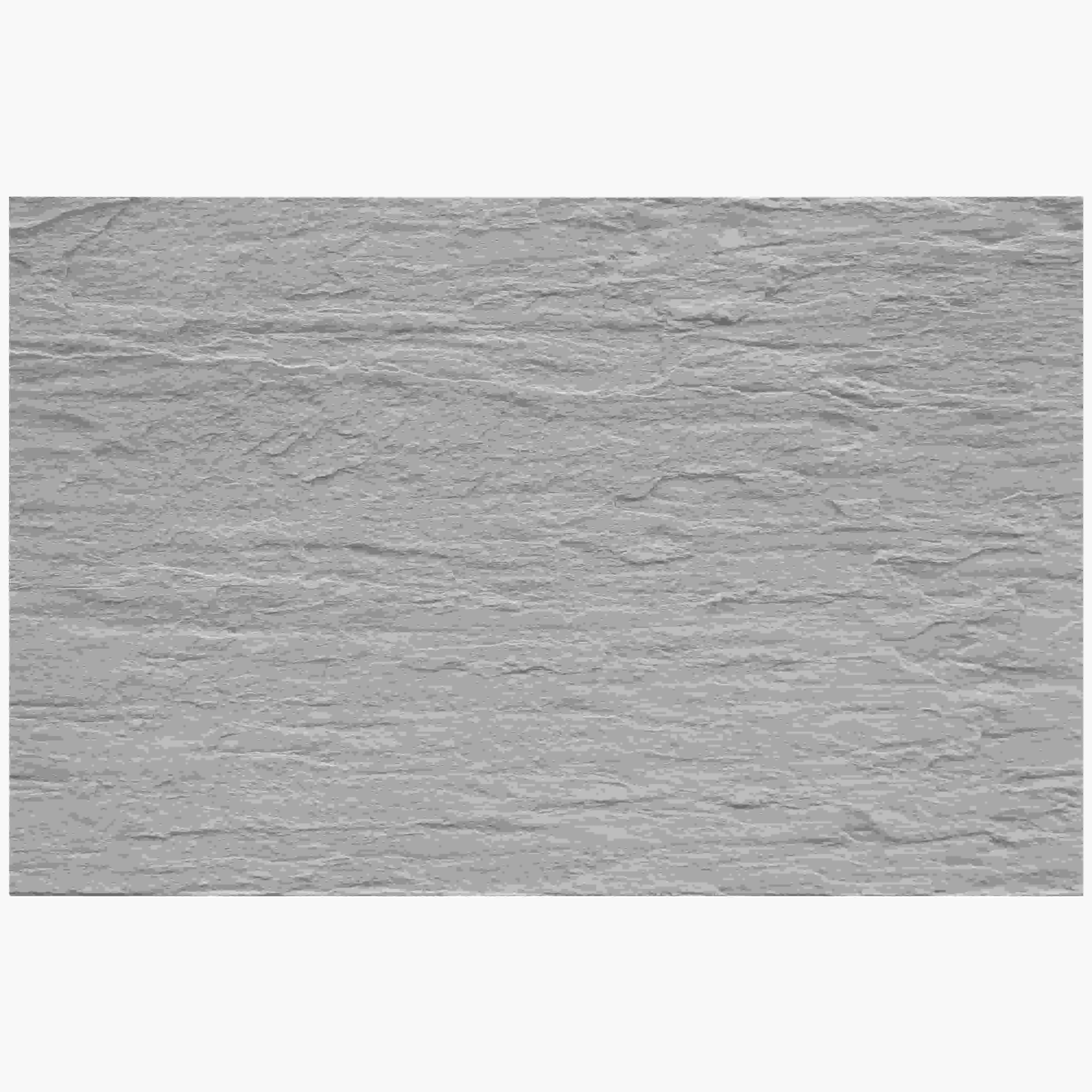
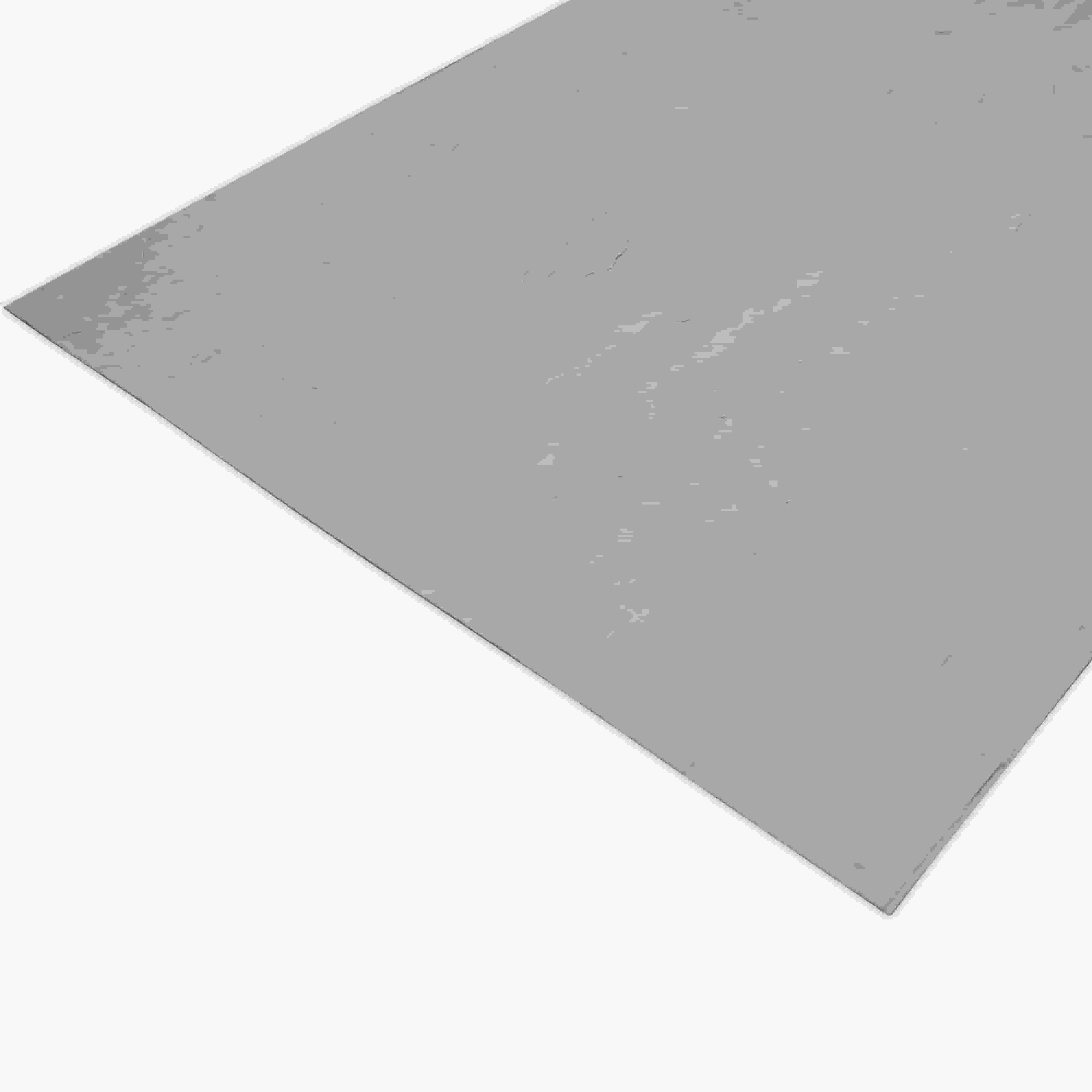
Oasis Stone Regular looks like a high-quality natural stone—think the warm, earthy tones of
travertine or the subtle texture of
muretto stone. But scratch the surface (metaphorically, of course; you'd need a diamond-tipped tool to scratch it), and you'll find a material that's anything but ordinary. It's part of the
MCM flexible stone family, a category of
modified composite material panels that blend natural minerals with advanced polymers to create something stronger, lighter, and more adaptable than traditional stone or concrete.
"Traditional building materials are like rigid soldiers," explains Dr. Elena Marquez, a materials scientist who specializes in extreme climate construction. "They stand firm until they can't—and then they break.
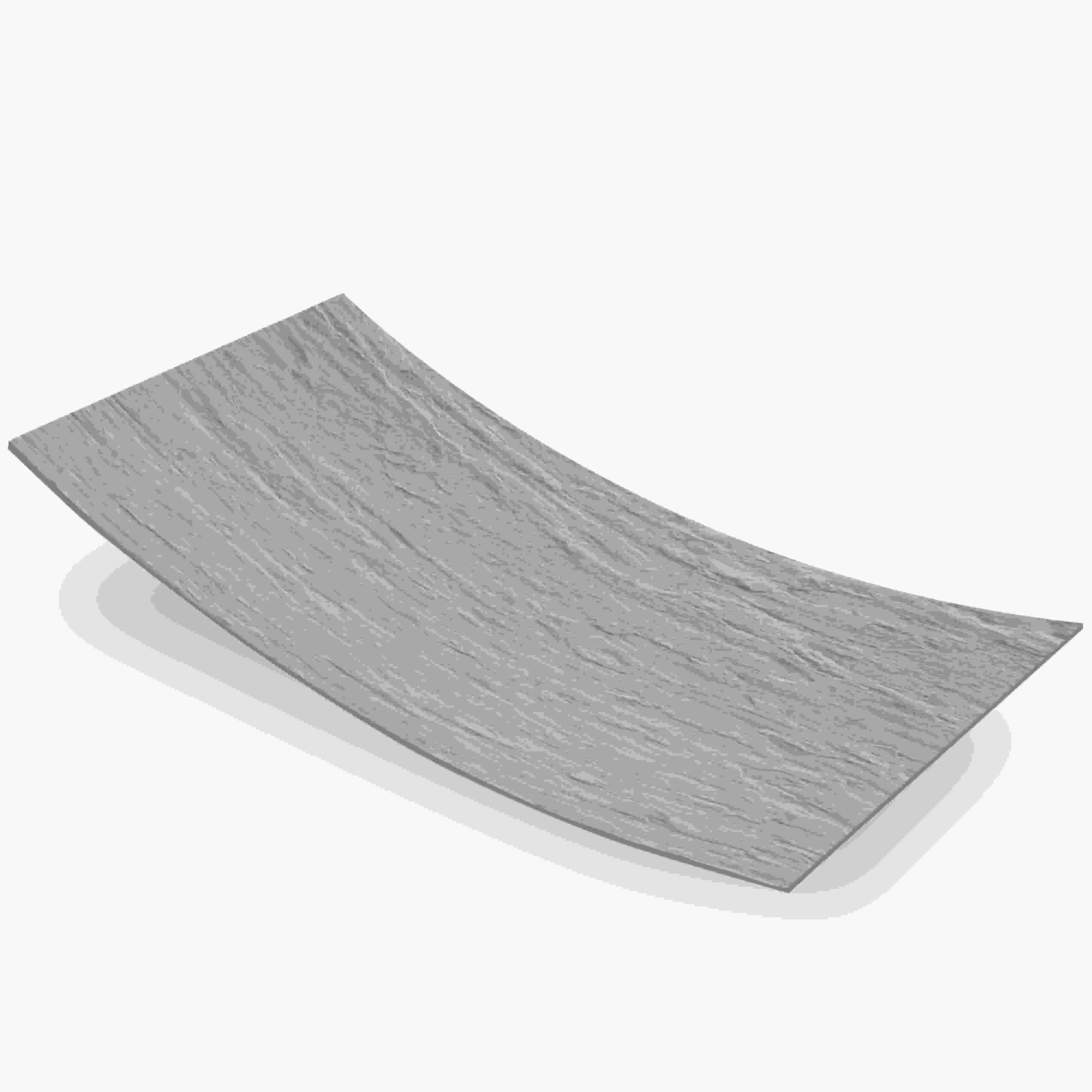
Oasis Stone Regular is more like a martial artist. It bends with the temperature, absorbs the stress, and returns to its original shape. That flexibility is key to surviving thermal shock."
So, what's in this "martial artist" of materials? The core is a mix of natural stone aggregates (think crushed
travertine, dolomite, and even hints of the shimmering
starmoon stone) bound together by a proprietary polymer resin. This resin isn't just glue—it's a thermally stable compound engineered to expand and contract at a rate that matches the stone aggregates, preventing the internal stress that causes cracking. On top of that, the material is reinforced with microfibers, adding tensile strength without adding weight. The result? A panel that's 30% lighter than natural stone, 50% more flexible than
fair-faced concrete, and virtually immune to the thermal fatigue that plagues traditional cladding.
To understand why this matters, let's talk about thermal expansion. All materials expand when heated and contract when cooled—the question is, by how much? If a material expands too much in the heat, it can bow or push against adjacent panels, causing bulges or cracks. If it contracts too much in the cold, it can pull away from its fasteners, leaving gaps that let in moisture (which then freezes and expands, making cracks worse).
Oasis Stone Regular's thermal expansion coefficient is a minuscule 0.02 mm per meter per °C. For context, that's half the expansion rate of
fair-faced concrete (0.04 mm/m/°C) and a third of
lunar peak silvery, a popular metallic cladding (0.06 mm/m/°C). When you're dealing with a 40°C temperature swing, that difference adds up to centimeters of movement over a building's facade—movement that
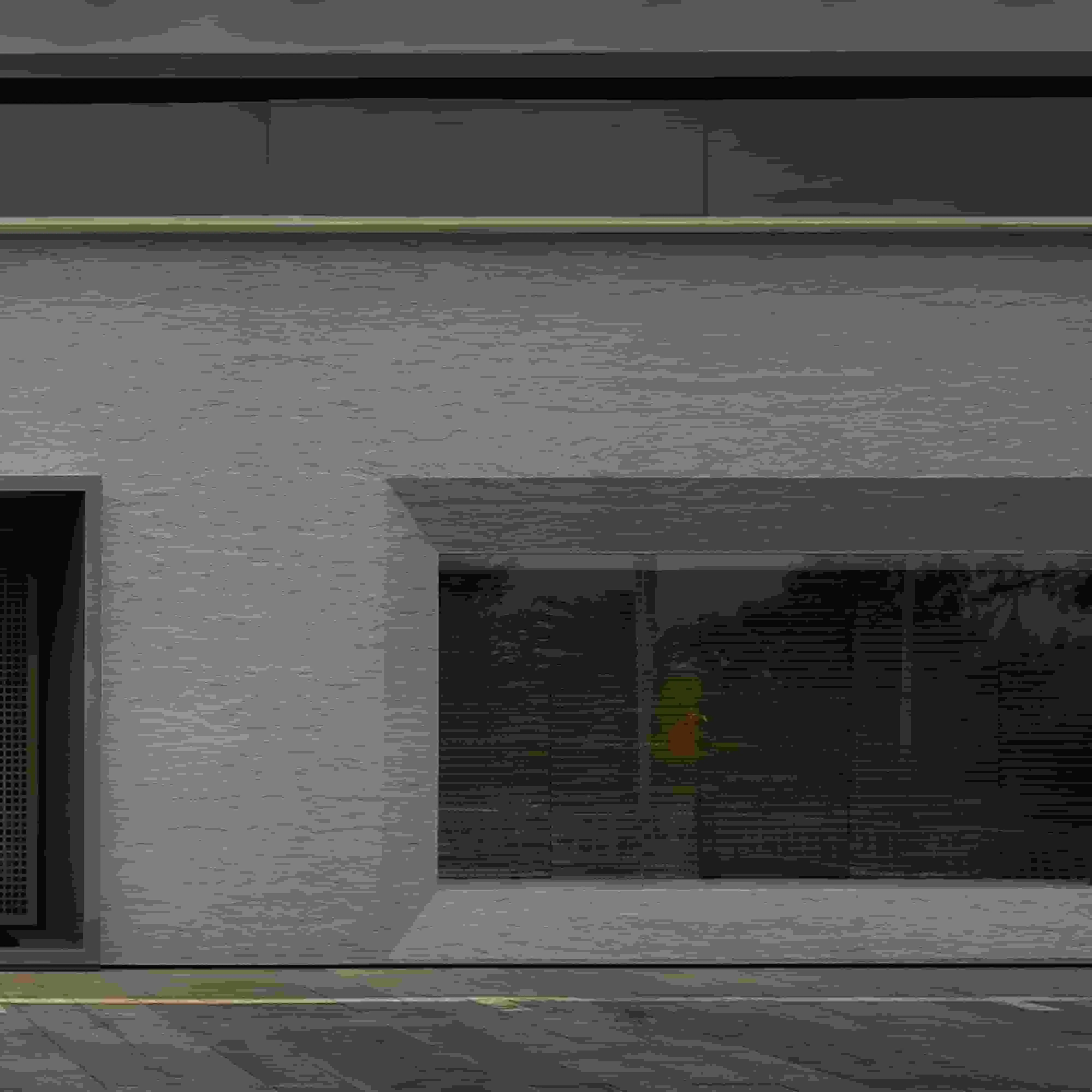
Oasis Stone Regular handles gracefully, while others snap.