
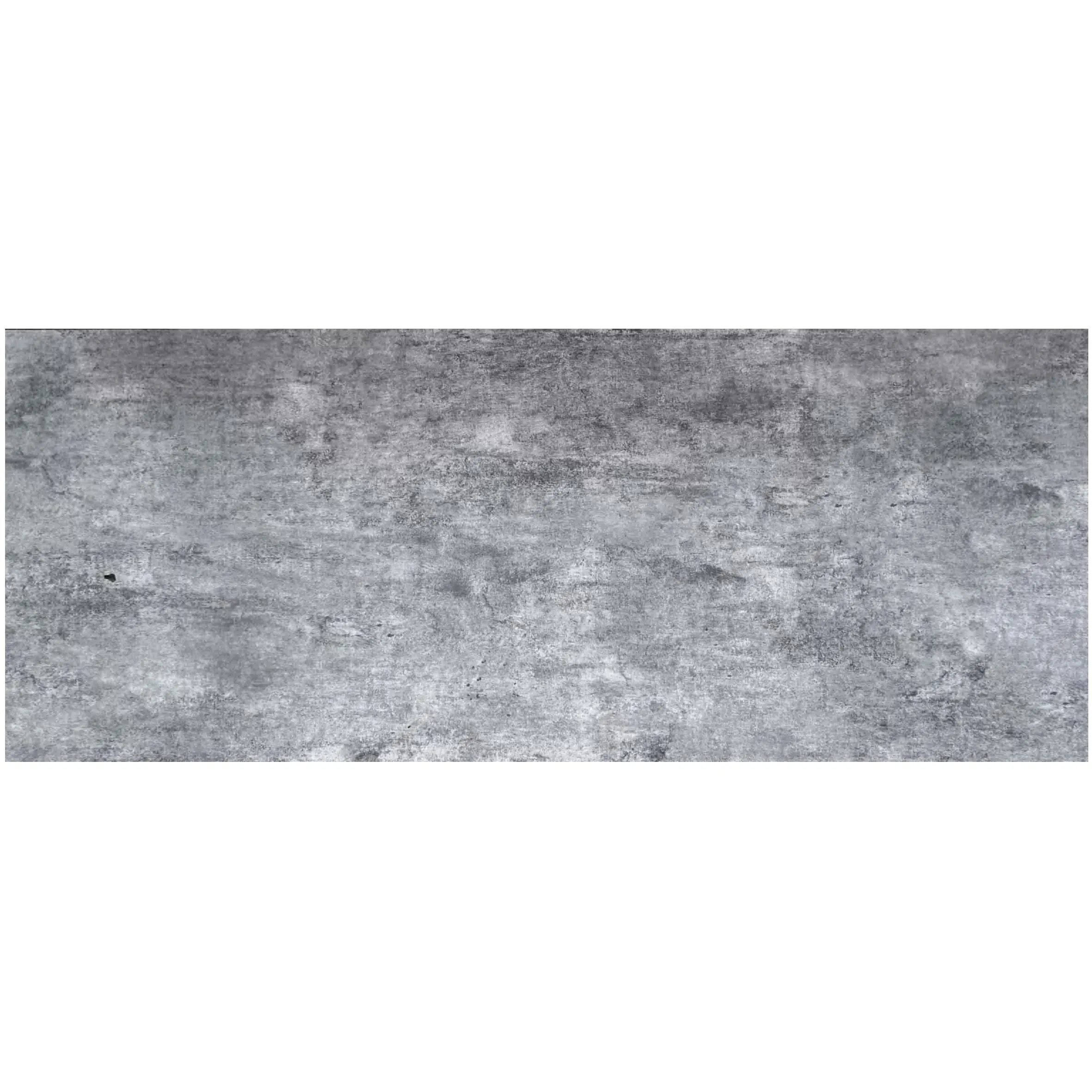
Walk into a thoughtfully designed commercial space, and you'll notice something immediately— feeling . It's in the way light filters through windows, the hum of conversation, and most importantly, the materials beneath your feet and around your walls. Commercial aesthetics have evolved far beyond "function first"; today, they're about crafting environments that tell stories, spark connections, and leave lasting impressions. Among the materials redefining this narrative, polish concrete stands out as a quiet revolutionary—raw yet refined, industrial yet inviting. But when paired with COLORIA's MCM Project Board Series, it transforms from a simple surface into a dynamic tool for design, offering endless possibilities to architects, designers, and visionaries ready to reimagine commercial spaces.
Polish concrete isn't new, but its role in commercial design has shifted dramatically. Once dismissed as utilitarian—think warehouse floors or parking garages—it's now celebrated for its versatility. What makes it special? It's a material that wears its character proudly. Each slab carries unique imperfections: tiny air bubbles frozen in time, subtle variations in color, the soft sheen that deepens as light changes. Unlike overly processed stones or synthetic laminates, polish concrete feels alive —like it has a history. This authenticity resonates in commercial spaces, where customers and employees crave environments that feel less "staged" and more "human."
But polish concrete's appeal isn't just aesthetic. It's practical, too. It's durable enough to withstand heavy foot traffic in retail stores, resistant to stains in bustling cafés, and easy to maintain in high-traffic offices. Yet, its true magic lies in its chameleon-like ability to adapt. With the right sealers and finishes, it can mimic the smoothness of marble, the warmth of terracotta, or the ruggedness of industrial chic. It's a blank canvas—and COLORIA's MCM Project Board Series is the palette that brings it to life.
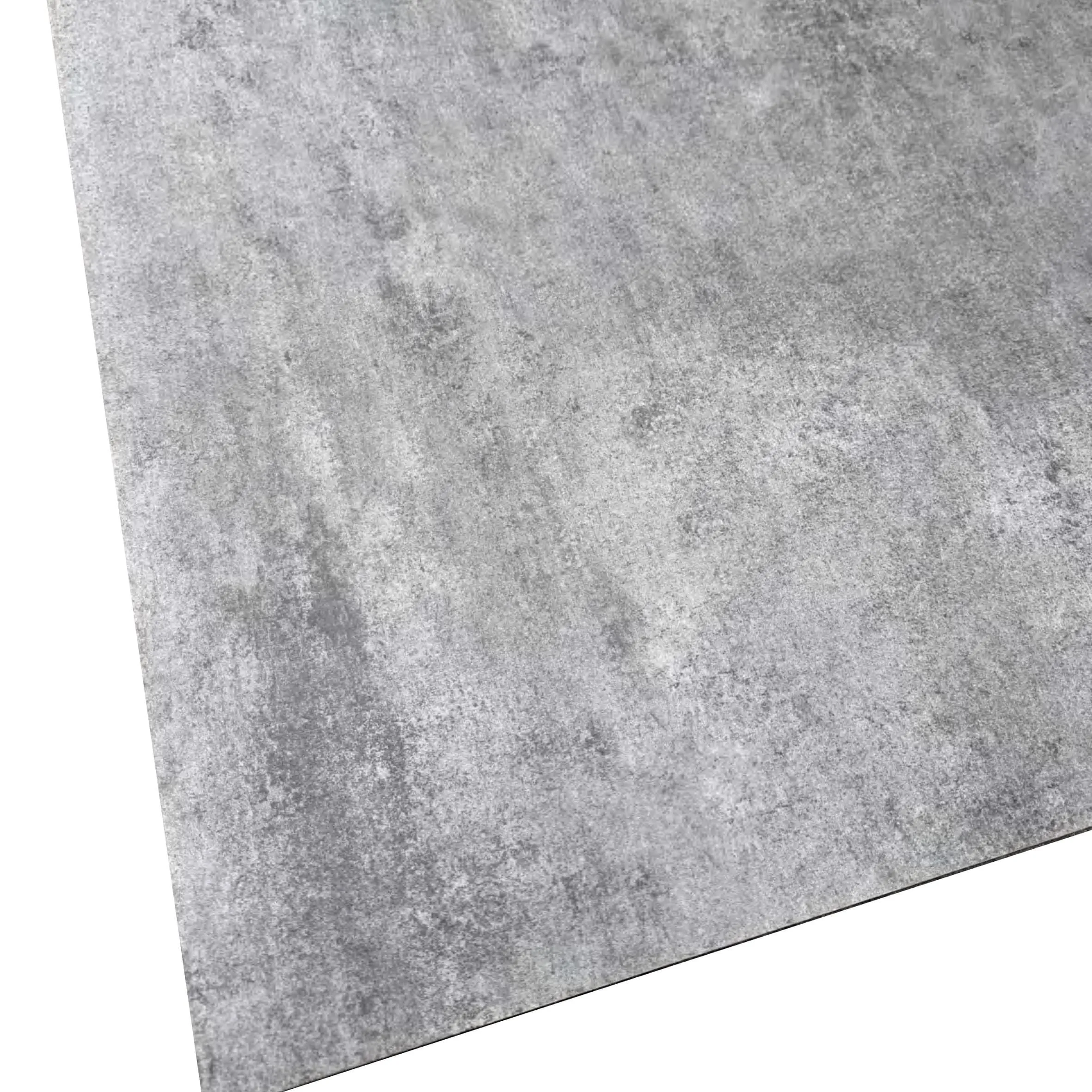
COLORIA's MCM Project Board Series isn't just a collection of building materials—it's a response to the modern designer's need for flexibility, sustainability, and soul. MCM, or Modified Composite Material, blends cutting-edge technology with natural inspiration, resulting in panels that are lightweight, durable, and visually striking. What sets the series apart is its ability to complement polish concrete, filling in gaps where raw concrete might feel too cold or monochromatic. From the earthy texture of Epoch Stone to the clean lines of Fair-Faced Concrete, each board in the series is designed to work in harmony with polish concrete, creating layered, multidimensional spaces.
Let's break down why this partnership works. Polish concrete provides a neutral, grounding base—think of it as the "quiet protagonist" of a room. The MCM Project Board Series then steps in as the "supporting cast," adding texture, color, and narrative depth. Want to evoke a sense of timelessness? Pair polish concrete floors with Epoch Stone walls, which mimic the weathered elegance of ancient rock. Craving a modern industrial vibe? Fair-Faced Concrete panels, with their exposed aggregate and matte finish, complement polish concrete's sheen, creating a cohesive, edgy look. For spaces that nod to heritage, Century Stone adds warmth, with its rich, variegated tones that echo the patina of aged masonry.
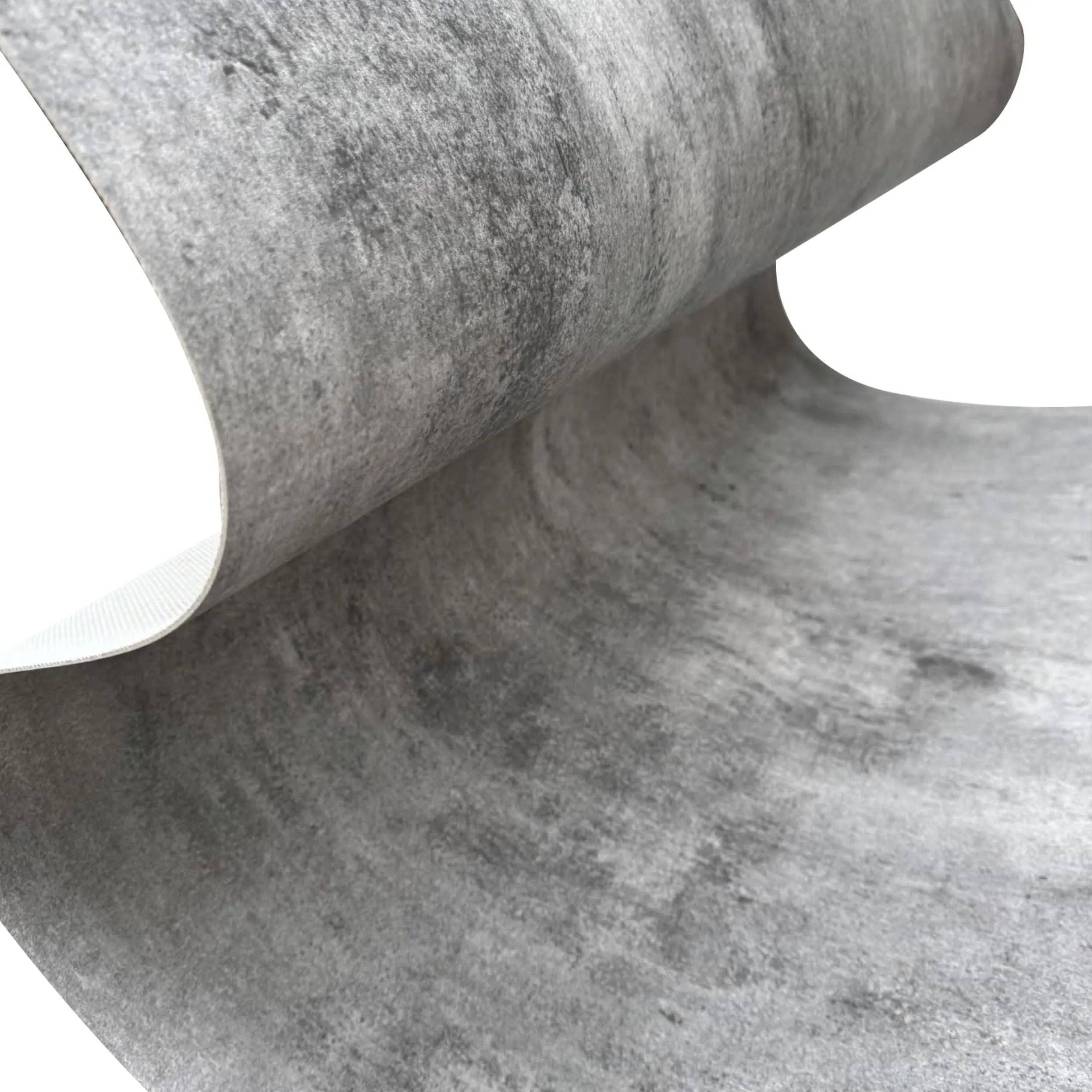
The beauty of combining polish concrete with COLORIA's MCM Project Board Series lies in their shared versatility. These materials don't box designers into a single aesthetic—they adapt, whether the goal is to create a cozy neighborhood café, a sleek tech startup office, or a luxury retail boutique. Let's explore how they transform different commercial settings:
Retail is all about experience. Shoppers don't just buy products—they buy into a brand's identity. Polish concrete floors set a modern, uncluttered stage, allowing merchandise to take center stage. Pair this with MCM's Travertine (Starry Green) panels on accent walls, and suddenly the space feels organic and vibrant. The Starry Green's subtle shimmer (reminiscent of sunlight on water) adds a touch of whimsy, while the polish concrete keeps the focus on the products. For high-end brands, Century Stone walls bring a sense of luxury; their smooth, polished surface complements the concrete's matte finish, creating a balance of opulence and understatement.
Cafés thrive on atmosphere—cozy enough for a morning coffee, lively enough for a weekend brunch. Polish concrete floors here work wonders: they're easy to clean (spilled lattes, anyone?), and their neutral tone lets wooden tables, potted plants, and colorful art pop. To avoid feeling too sterile, designers can layer in COLORIA's Wood Grain Board for accent walls. The Wood Grain Board's realistic texture adds warmth, while its durability ensures it stands up to humidity and daily wear. For a bolder statement, Epoch Stone walls introduce earthy, natural patterns, evoking a rustic-chic vibe that makes customers feel like they're dining in a sunlit barn, not a downtown storefront.
Modern offices are ditching the "gray cubicle" stereotype for spaces that fuel creativity. Polish concrete floors here strike a balance between professionalism and personality—they're sleek enough for client meetings but not so formal that they stifle collaboration. Pair them with Fair-Faced Concrete panels on conference room walls for an industrial edge, or Lunar Peak Silvery boards for a touch of metallic modernity. The Lunar Peak series, with its silvery, almost iridescent finish, reflects light and opens up small spaces, making even compact offices feel airy and dynamic.
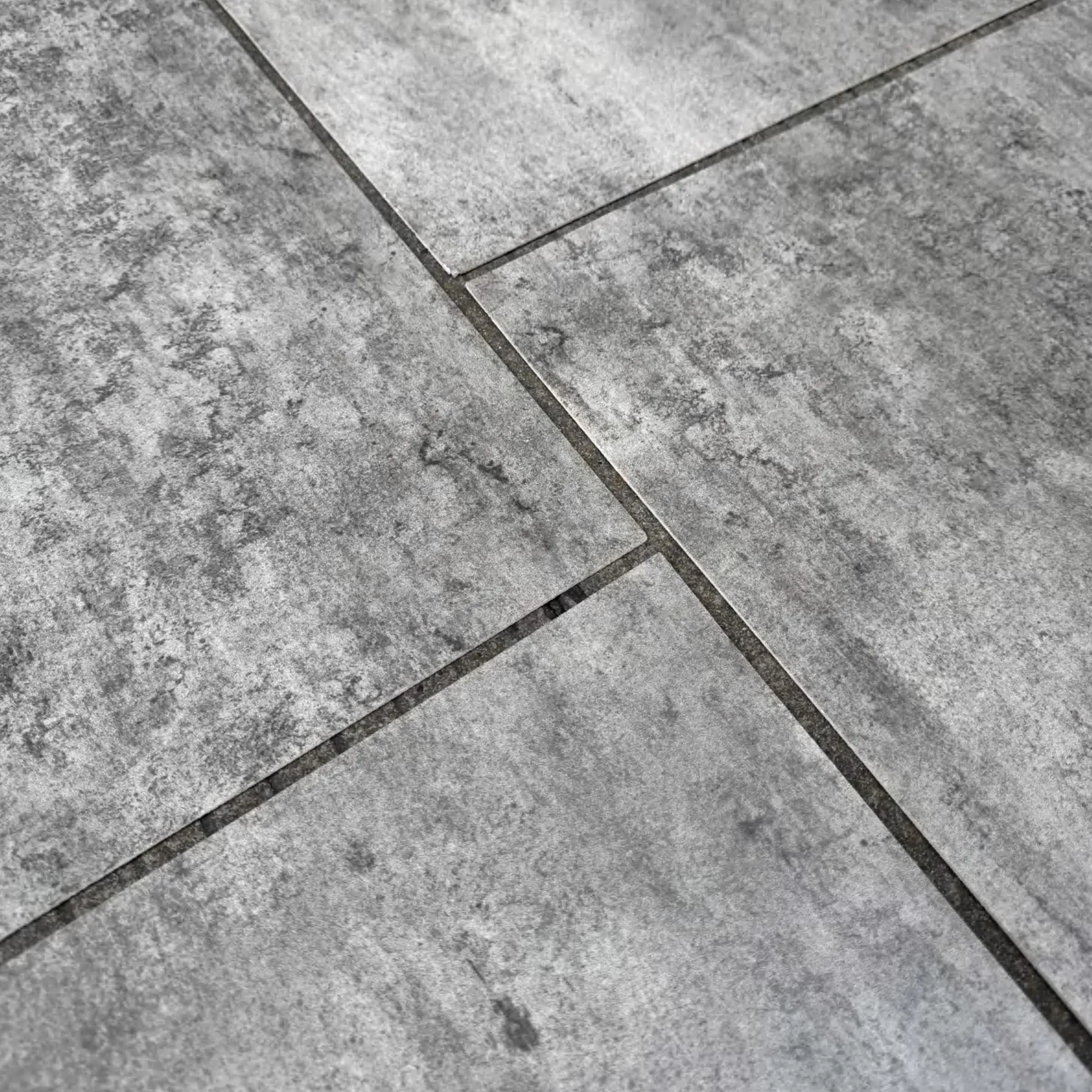
Today's clients don't just care about how a space looks—they care about how it's made. Both polish concrete and COLORIA's MCM Project Board Series excel here. Polish concrete is inherently sustainable: it uses existing concrete slabs (reducing waste), requires minimal maintenance (no need for harsh chemicals), and has a long lifespan (decades, with proper care). COLORIA takes this further with the MCM Project Board Series, which prioritizes eco-friendly materials and manufacturing. Many boards, like the Foamed Aluminium Alloy Board (Vintage Silver) or Epoch Stone, are made with recycled content, and all are low-VOC, ensuring indoor air quality is never compromised. For businesses aiming for LEED certification or green building standards, this combination is a win-win—beauty and responsibility, hand in hand.
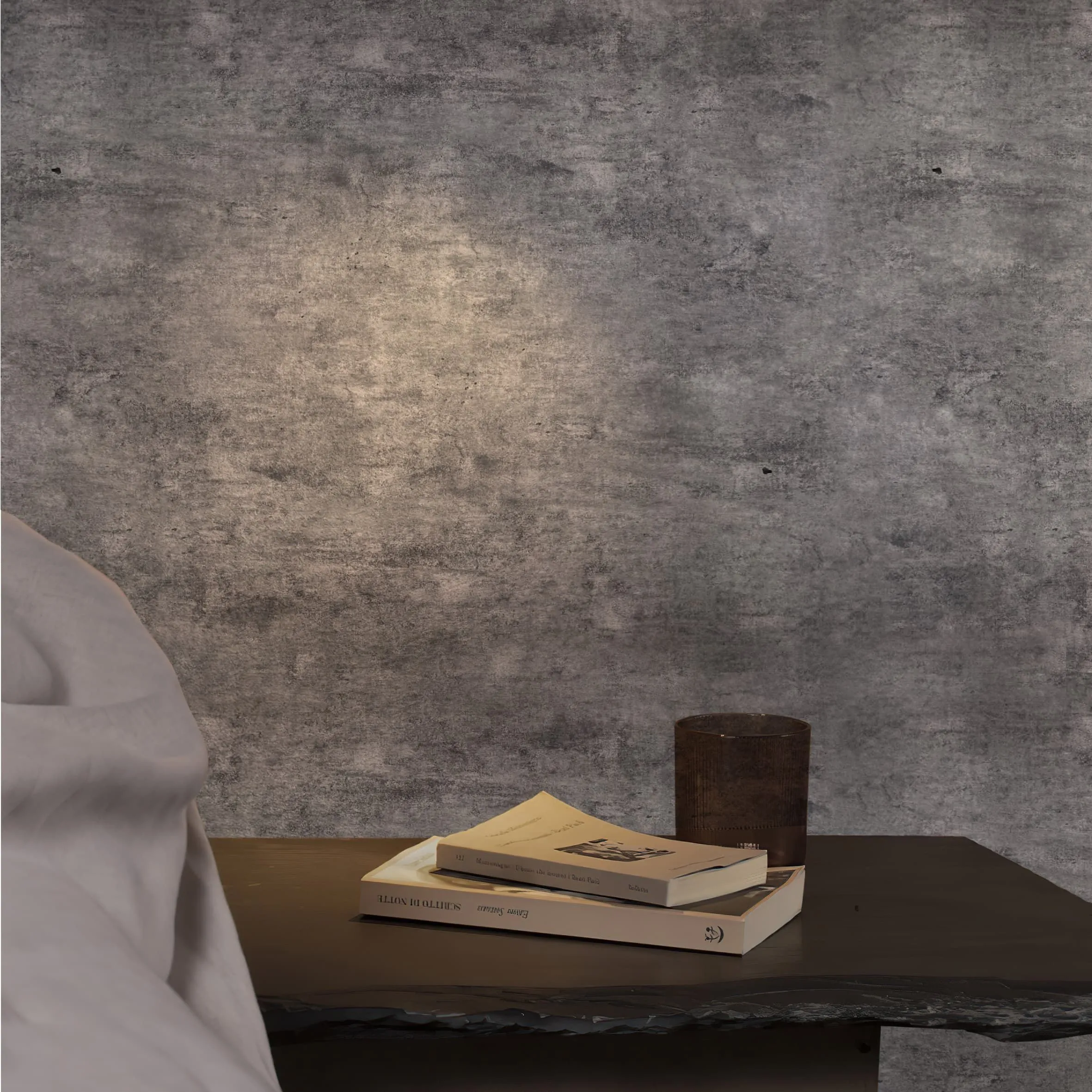
To truly grasp the synergy between polish concrete and COLORIA's MCM Project Board Series, let's dive into some standout materials from the series, and how they complement polish concrete in commercial design:
| Material Name | Aesthetic Vibe | Best Paired With Polish Concrete For… | Key Benefit |
|---|---|---|---|
| Fair-Faced Concrete | Raw, industrial, minimalist | Tech offices, art galleries | Matches concrete's texture; adds depth without overwhelming |
| Epoch Stone | Timeless, weathered, earthy | Heritage-inspired cafés, boutique hotels | Evokes history; softens concrete's modern edge |
| Century Stone | Luxurious, polished, rich | High-end retail, corporate lobbies | Elevates concrete to "opulent" with subtle veining and sheen |
| Travertine (Starry Green) | Vibrant, organic, playful | Family-friendly restaurants, creative studios | Adds color and texture; creates focal points |
| Wood Grain Board | Warm, rustic, inviting | Cafés, co-working spaces | Balances concrete's coolness with natural warmth |
A small, family-owned café in downtown Portland wanted to stand out in a crowded market. Their vision? A space that felt "cozy yet modern," inspired by the Pacific Northwest's forests and starry nights. The designer paired polish concrete floors (sealed with a matte finish to mimic wet stone) with COLORIA's Travertine (Starry Green) panels on the back wall. The Starry Green's subtle glitter and organic texture evoked starlight filtering through trees, while the concrete floors kept the space grounded. Wood Grain Board accents on the bar and ceiling added warmth, and the result? A café that's now a local favorite, with customers raving about its "magical, earthy vibe."
As commercial spaces continue to evolve—becoming more hybrid (office-retail, café-workspace), more community-focused, and more eco-conscious—the demand for materials that can keep up will only grow. Polish concrete and COLORIA's MCM Project Board Series are perfectly positioned to lead this charge. They're not just "trendy"; they're timeless . Polish concrete's adaptability ensures it will never feel dated, while MCM's commitment to innovation (think 3D printing, custom color matching, and sustainable advancements) means designers will always have new tools to push boundaries.
Imagine a future where a hotel lobby uses polish concrete floors with Lunar Peak Golden panels, evoking a sunset over mountains. Or a co-working space with Epoch Stone walls and polish concrete desks, blending history and modernity. These aren't just dreams—they're possibilities made real by the partnership between polish concrete and COLORIA's MCM Project Board Series.
In the end, commercial aesthetics are about connection. They're about creating spaces where people want to stay, explore, and return. Polish concrete, with its raw authenticity, and COLORIA's MCM Project Board Series, with its innovative spirit, don't just build spaces—they build experiences. They remind us that materials aren't just surfaces; they're storytellers. And in a world that craves meaning, that's the most powerful design tool of all.
Recommend Products












