
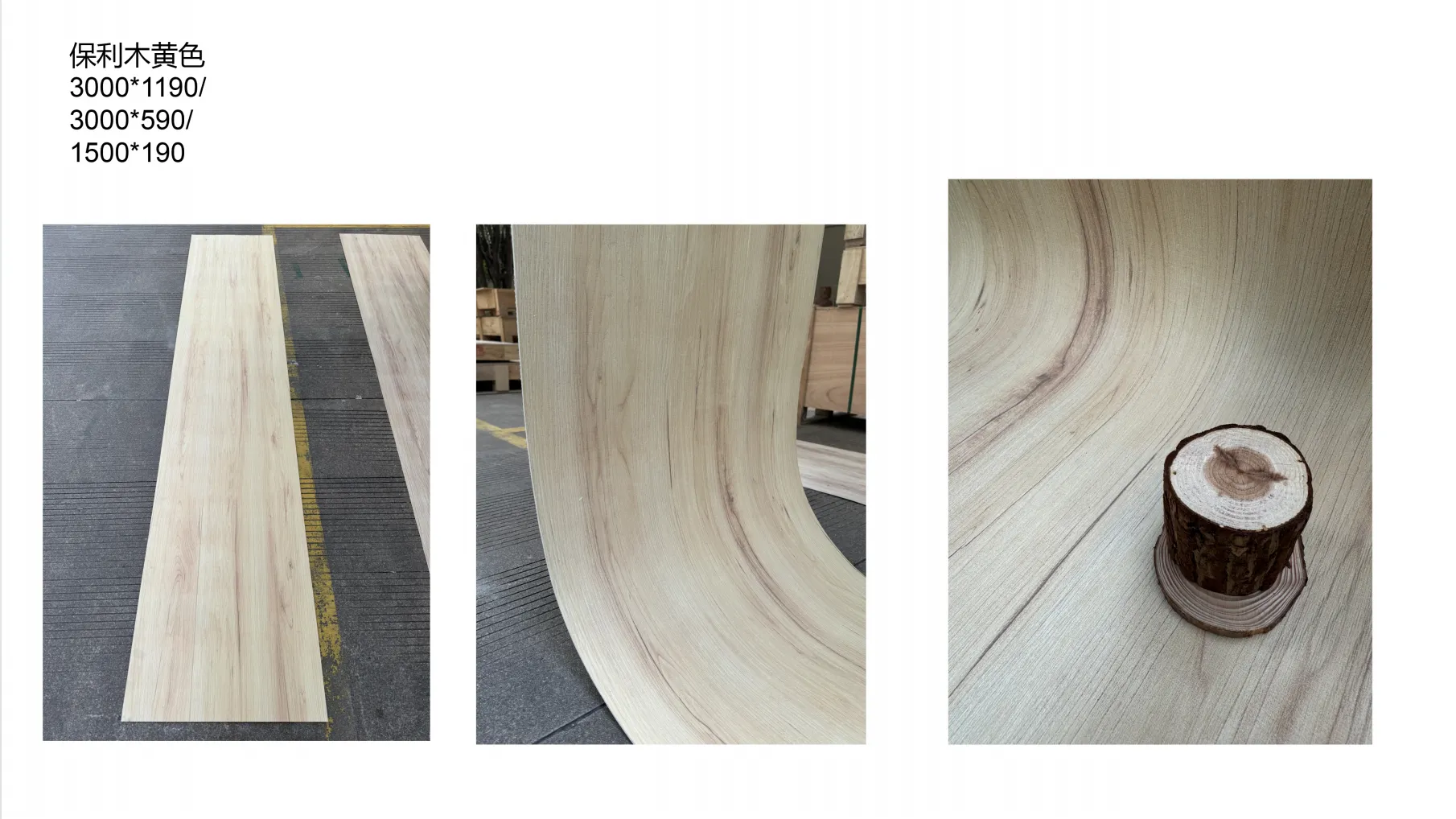
Walk into any construction site or architectural office today, and you'll hear the same buzzword: sustainability. Builders, designers, and homeowners alike are waking up to a critical truth—our choice of building materials shapes not just the look of our spaces, but the health of our planet. Traditional options like solid wood or vinyl have long dominated the market, but they come with hidden costs: deforestation, toxic chemicals, and short lifespans that lead to frequent replacements. Enter poly wood board, a material that's quietly revolutionizing sustainable construction. Let's dive into why this composite powerhouse is becoming the go-to choice for anyone serious about building greener.
First things first: poly wood board (often shorthanded as "polywood") isn't your average building material. Think of it as a clever blend of recycling and innovation. Most poly wood boards are made by mixing recycled plastic—yes, the milk jugs, detergent bottles, and plastic bags that would otherwise clutter landfills—with wood fibers (typically sawdust or wood scraps from furniture factories that would otherwise burn or rot). This combo is heated, pressed, and formed into boards that look and feel remarkably like natural wood, but with a sustainability twist that traditional timber can't match.
What makes this process so eco-friendly? For starters, it diverts tons of waste from landfills. According to industry data, a single 10-foot poly wood board can contain up to 300 recycled plastic bottles. Multiply that by the thousands of boards used in a typical project, and you're talking about a serious reduction in plastic pollution. Plus, since it uses wood fibers from waste streams, it doesn't require cutting down new trees—good news for our forests, which play a vital role in absorbing carbon dioxide.
Sustainability isn't just a marketing term for poly wood board; it's baked into its DNA. Let's break down the environmental wins:
Natural wood has a beauty that's hard to beat, but sourcing it often means clear-cutting forests. The numbers are staggering: the construction industry accounts for about 10% of global deforestation. Poly wood board, by contrast, uses wood fibers from waste, so no new trees are harmed. For context, a 200-square-foot deck made with poly wood instead of natural wood saves roughly 20 mature trees. That's a forest's worth of impact, one deck at a time.
Manufacturing traditional wood products—from logging to transporting to treating—emits a lot of carbon. Poly wood, on the other hand, requires less energy to produce because it repurposes existing materials. Studies show that poly wood board has a carbon footprint up to 50% lower than solid wood and 30% lower than vinyl. Over its lifespan, it continues to outperform: since it doesn't need painting, staining, or sealing (more on that later), it avoids the carbon emissions from manufacturing those chemical treatments.
Unlike some composites that end up in landfills at the end of their life, poly wood board is often recyclable. When a poly wood deck or fence finally reaches the end of its lifespan (spoiler: that's decades from now), it can be ground up and reused to make new boards. It's a circular system that keeps materials in play, not in the trash.
Here's a dirty secret about "green" materials: some are so fragile that they need frequent replacements, undoing their environmental benefits. Not poly wood board. This stuff is built to last—and that longevity is a sustainability superpower.
Think about natural wood: left outdoors, it rots, warps, or gets eaten by termites. Vinyl, while resistant to rot, can crack in extreme heat or cold. Poly wood? It laughs off the elements. It's moisture-resistant, so no mold or mildew. It's pest-proof—termites and carpenter ants won't touch it. It doesn't fade in sunlight (thanks to UV-stabilizing additives) and won't warp in rain or snow. Most manufacturers back their poly wood products with 25- to 30-year warranties, but many users report them lasting even longer. Compare that to natural wood decks, which need replacing every 10-15 years, and the sustainability math becomes clear: fewer replacements mean less waste, less energy, and fewer resources spent over time.
Maintenance is another win. Traditional wood decks require annual sanding, staining, or sealing—all of which involve toxic chemicals and time. Poly wood? A quick hose-down with soap and water once a year is usually enough. No sanding, no staining, no harsh cleaners. That's not just convenient for homeowners; it's better for the planet, too. Fewer chemicals mean less runoff into soil and waterways, and less energy spent on upkeep.
One of the reasons poly wood board is taking off is its versatility. It's not just for outdoor decks (though it excels there). Architects and designers are using it indoors for flooring, wall panels, and furniture. Outdoor, it's perfect for patios, fences, pergolas, and even playground equipment. Want a rustic look? There are poly wood boards with the grain of oak or cedar. Prefer modern minimalism? Sleek, smooth finishes in neutral tones work, too. It's customizable in color, texture, and size, making it easy to fit into any design vision.
Take, for example, a restaurant owner looking to build an outdoor seating area. They want something that can handle rain, sun, and heavy foot traffic without looking worn in a year. Natural wood would require monthly maintenance; vinyl might crack in summer heat. Poly wood board? It stays looking fresh, resists stains from food and drinks, and holds up to daily use. Plus, it adds that warm, inviting vibe that customers love—no one has to know it's not real wood.
Curious how poly wood board compares to other "sustainable" options? Let's break it down with a side-by-side look at key sustainability metrics:
| Material | Recycled Content | Typical Lifespan | Maintenance Needs | Carbon Footprint (per ton) | Best For |
|---|---|---|---|---|---|
| Poly Wood Board | 85-95% | 25-30+ years | Low (hose + soap annually) | 0.3 tons CO2e | Decks, fences, indoor flooring, furniture |
| Natural Wood | 0% | 10-15 years (outdoor) | High (stain/seal yearly; sanding) | 1.2 tons CO2e | Indoor trim, small accent pieces |
| Vinyl | 10-15% | 15-20 years | Medium (clean with chemicals; prone to cracking) | 0.8 tons CO2e | Low-moisture indoor use |
| MCM Flexible Stone | 30% | 20-25 years | Medium (seal every 3-5 years) | 0.6 tons CO2e | Exterior cladding, accent walls |
| Foamed Aluminium Alloy Board (Vintage Silver) | 50% | 30-40 years | Low (resistant to corrosion) | 0.5 tons CO2e | Exterior facades, decorative panels |
As the table shows, poly wood board leads in recycled content, lifespan, and low maintenance, while keeping its carbon footprint impressively low. It's not the only sustainable option—MCM flexible stone and foamed aluminium alloy board (vintage silver) are great for specific uses like cladding—but for versatility and everyday applications, poly wood board often comes out on top.
In Seattle, Washington, the Evergreen Residences is a 50-unit apartment complex that set out to be a model of sustainability. When choosing decking for rooftop terraces and ground-floor patios, the developers had a choice: natural cedar (beautiful but high-maintenance) or poly wood board. They went with poly wood, and three years later, project manager Maria Gonzalez couldn't be happier. "Seattle's rain is brutal on wood decks—we'd replace them every 12 years, minimum," she says. "With poly wood, the decks still look new, and we've saved over $15,000 in maintenance costs. Plus, our residents love that we're keeping plastic out of landfills. It's a win-win."
Austin, Texas, is known for its eco-conscious businesses, and GreenWave Café is no exception. Owner Jake Miller wanted an outdoor seating area that matched his café's "zero-waste" mission. "We considered reclaimed wood, but it's expensive and hard to source consistently," he explains. "Poly wood board gave us the warm, natural look we wanted, but it's tough enough for Texas heat and rain. We've had the tables and benches for two years, and they still look brand new. Customers ask about the material all the time—it's become a conversation starter about sustainability."
Poly wood board isn't resting on its laurels. Manufacturers are constantly innovating to make it even greener. Some are experimenting with adding plant-based fibers (like bamboo or hemp) to reduce plastic content further. Others are developing new textures that mimic rare woods like teak or mahogany, allowing designers to achieve luxury looks without depleting endangered species.
There's also exciting potential for combining poly wood with other sustainable materials. For example, wood concrete board—a blend of wood fibers and concrete—offers structural strength, making it ideal for walls and floors. Imagine a building where poly wood handles the decking and furniture, while wood concrete board forms the walls: strong, sustainable, and visually cohesive. It's the kind of synergy that will define the next generation of green construction.
Industry trends are also pointing toward increased adoption. As governments tighten regulations on plastic waste and carbon emissions, builders are under pressure to choose low-impact materials. Poly wood board, with its recycled content and long lifespan, checks both boxes. It's no surprise that market research predicts the global poly wood board market will grow by over 10% annually through 2030.
At the end of the day, sustainability isn't about perfection—it's about progress. Poly wood board isn't a magic bullet, but it's a powerful tool in the fight against waste, deforestation, and carbon emissions. It's durable enough to last decades, versatile enough to fit any design, and green enough to make a real difference. Whether you're building a backyard deck, a commercial complex, or a tiny home, choosing poly wood board is a choice to build smarter, not just stronger.
So the next time you're planning a project, ask yourself: What kind of legacy do I want my building materials to leave? With poly wood board, the answer is clear: one that's kind to the planet, easy on your wallet, and beautiful for years to come. Here's to building a future where sustainability isn't an afterthought—it's the standard.
Recommend Products












