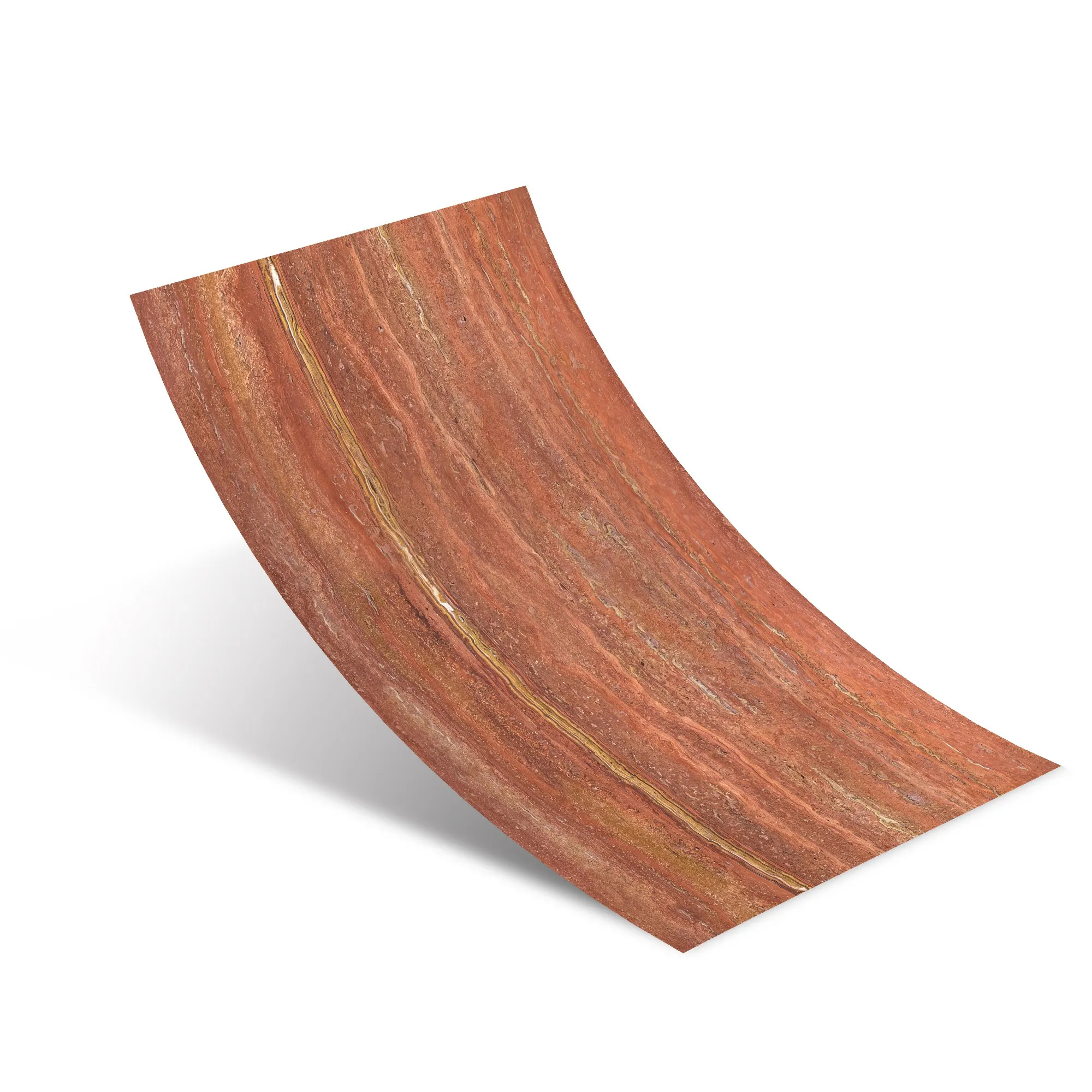
Not all
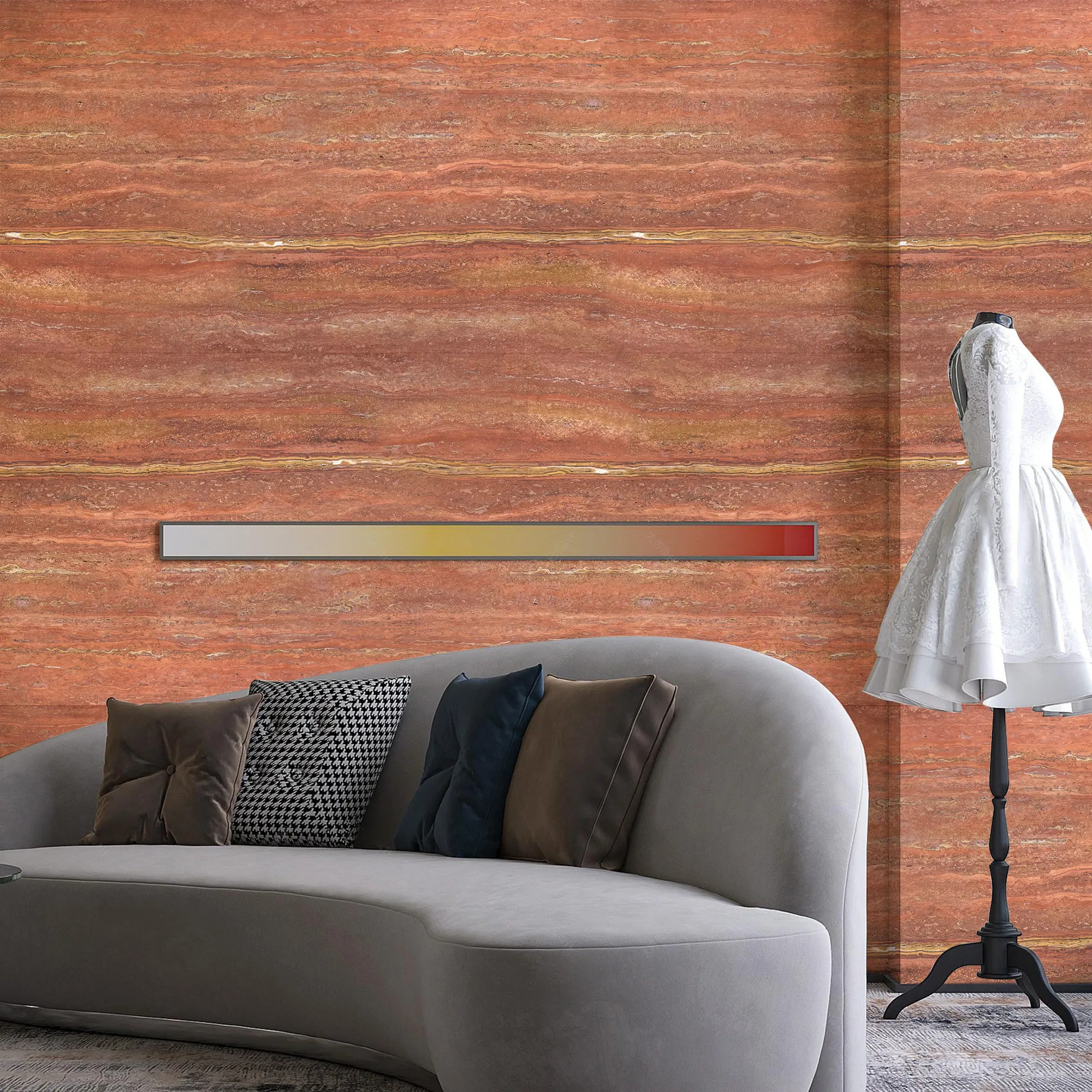
red travertine is created equal. Take
travertine (starry red)
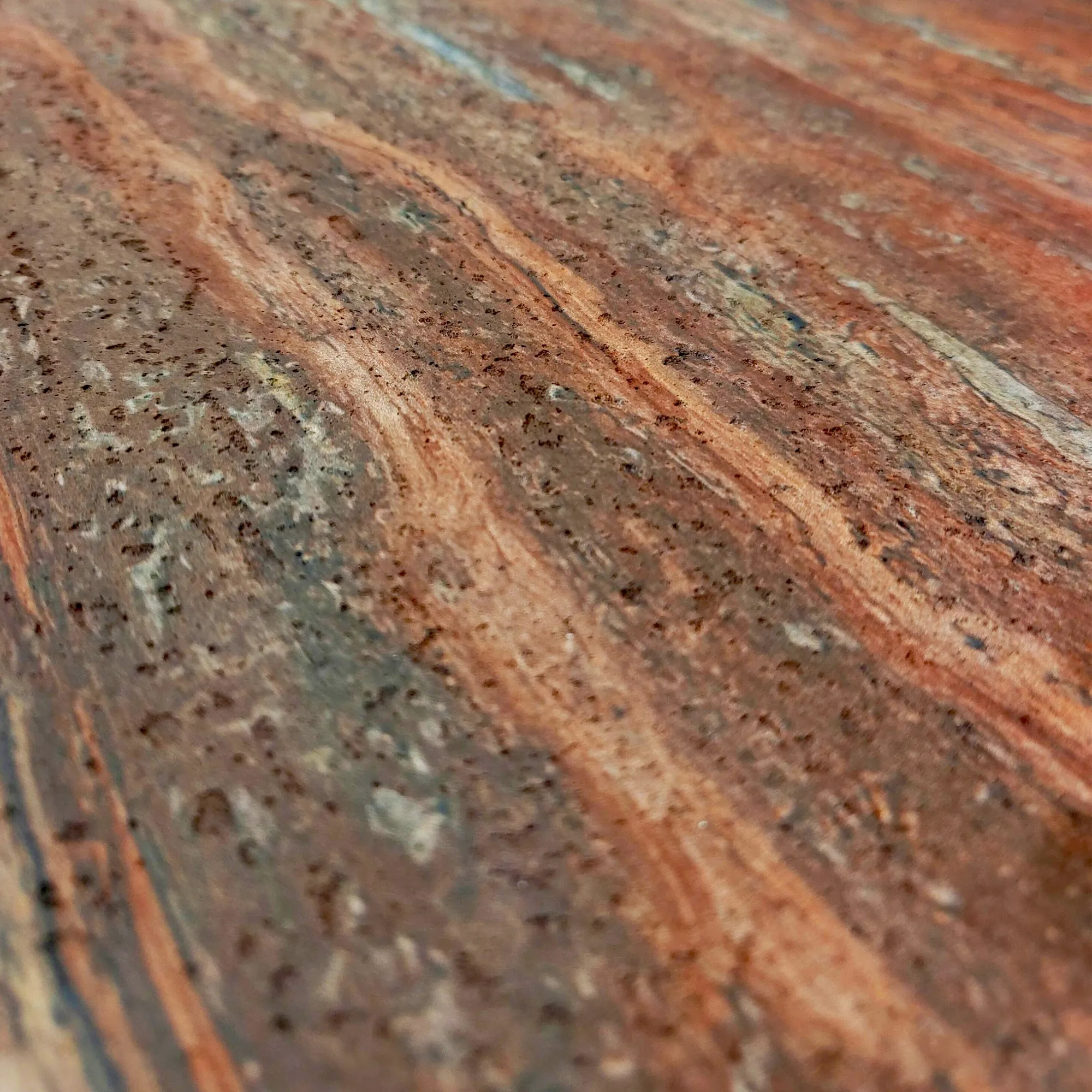
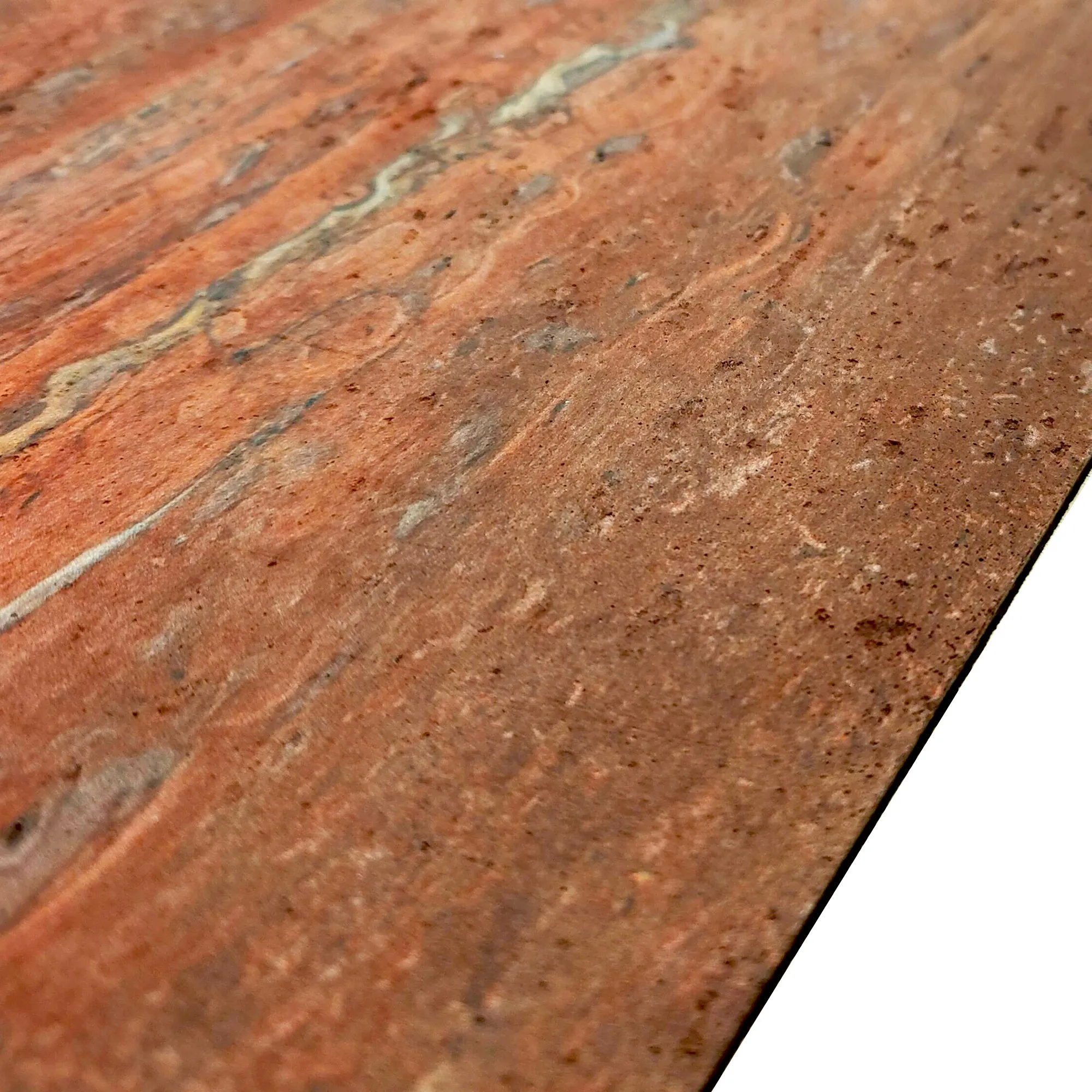
, a rare variety that sparkles in the light, as if someone scattered stardust across its surface. The "starry" effect comes from tiny mineral crystals—often pyrite (fool's gold) or hematite—that grew within the
travertine as it formed. These crystals, just fractions of a millimeter wide, catch light and reflect it back, turning a simple stone into something magical.
How do these crystals form? It starts with pockets of water trapped within the
travertine layers. As the stone hardens, these pockets become isolated, and the minerals dissolved in the water start to crystallize, growing outward like tiny geometric flowers. In starry
red travertine, iron-rich hematite crystals are the stars, their metallic red luster complementing the stone's base color. Compare this to
travertine (starry orange)
, where iron oxides might be in a different chemical state (like goethite), or
travertine (starry blue)
, where copper sulfate crystals create a cooler, more ethereal shimmer.
These variations aren't just beautiful—they're scientific clues. A geologist can study a piece of starry
red travertine and tell you about the temperature of the water when it formed (warmer water often leads to larger crystals), the presence of other minerals in the area, and even how long the stone took to harden. Each "star" is a data point, making the stone both a work of art and a geological record.