
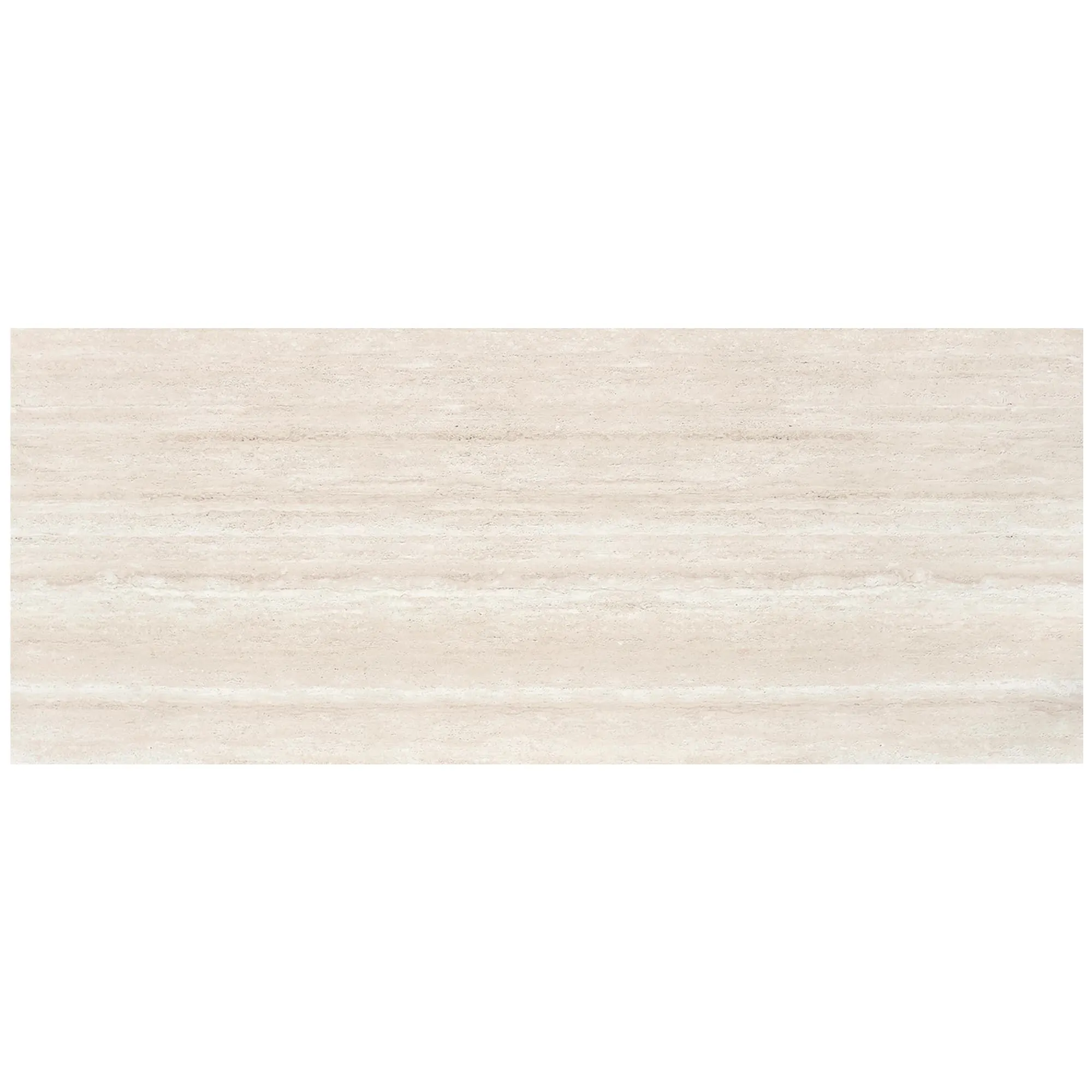
Saudi Arabia's skyline is changing fast. From the futuristic towers of Riyadh to the coastal developments of Jeddah, there's a quiet revolution happening in how buildings are designed—and it's all about going green. As the country pushes forward with Vision 2030, sustainability isn't just a buzzword anymore; it's a mandate. Developers, architects, and contractors are now on the hunt for materials that don't just look good, but also tick every box in the green building playbook. Enter Rona Yellow MCM —a material that's quickly becoming the unsung hero of sustainable construction in the Kingdom. Let's dive into how this innovative cladding solution is aligning with Saudi Arabia's green building codes, one project at a time.
First, let's get the context right. Saudi Arabia's climate is tough: scorching summers, high humidity, and the occasional sandstorm. Traditional building materials—think heavy natural stone or energy-guzzling concrete—often struggle here. They absorb heat, drive up AC costs, and wear down quickly, leading to frequent replacements (and more waste). On top of that, the Kingdom is aiming to reduce its carbon footprint, with initiatives like the Saudi Green Building Code (SGB Code) setting strict standards for energy efficiency, water conservation, and material sustainability.
Green building codes aren't just about "being eco-friendly"—they're about resilience. A building that stays cool in summer reduces reliance on fossil fuel-powered AC. A material that lasts 50 years instead of 20 cuts down on construction waste. And a lightweight cladding system reduces the strain on a building's structure, lowering the need for excess steel and concrete. For developers, this translates to long-term savings. For the planet, it's a step toward a more sustainable future. And for materials like Rona Yellow MCM , it's a chance to shine.
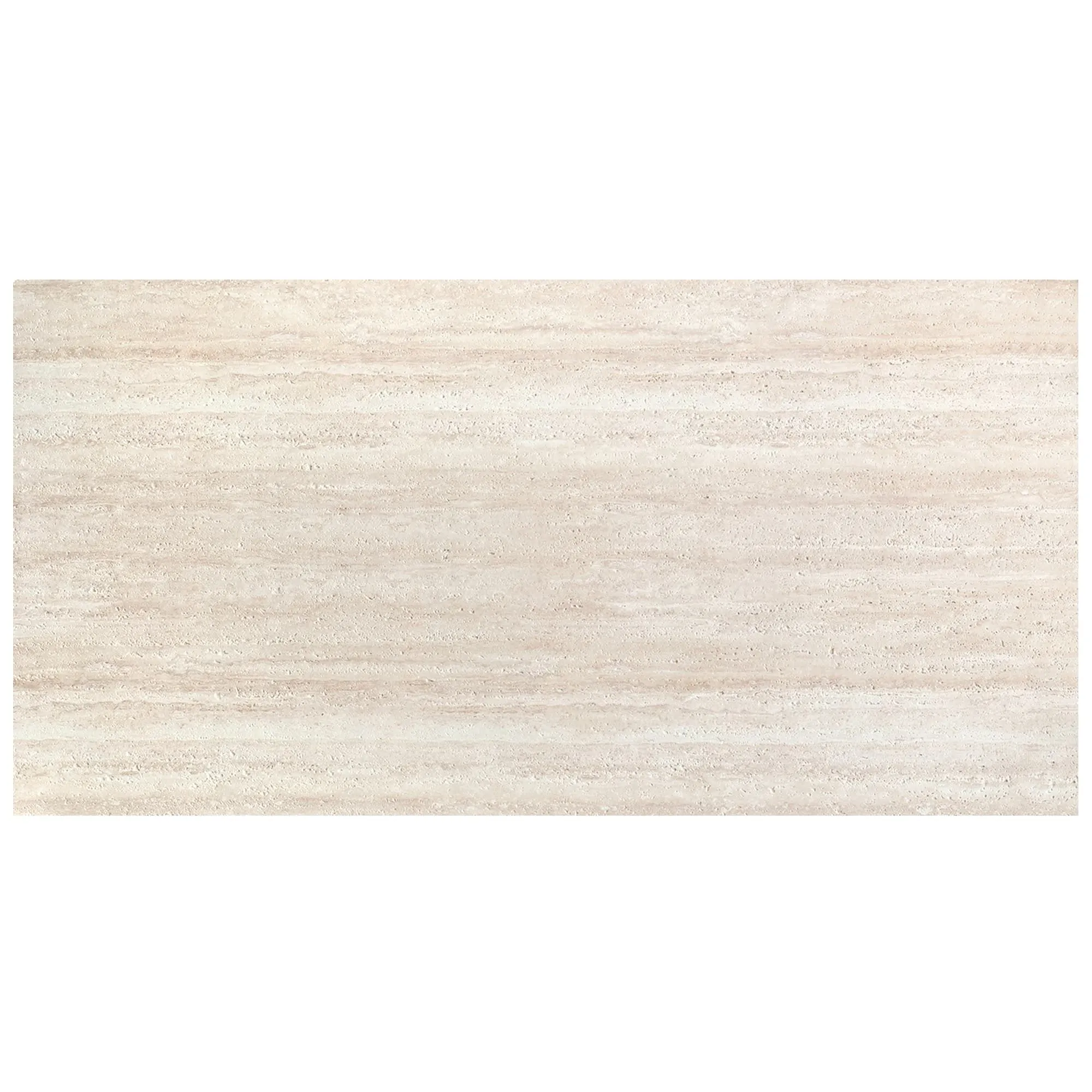
Before we jump into the green stuff, let's demystify the star of the show: Rona Yellow MCM . MCM stands for Modified Composite Material, a category of building cladding that's been turning heads in the construction world for its blend of durability, flexibility, and sustainability. Think of it as nature's best features—like the warm, earthy tones of natural stone—reimagined with cutting-edge engineering.
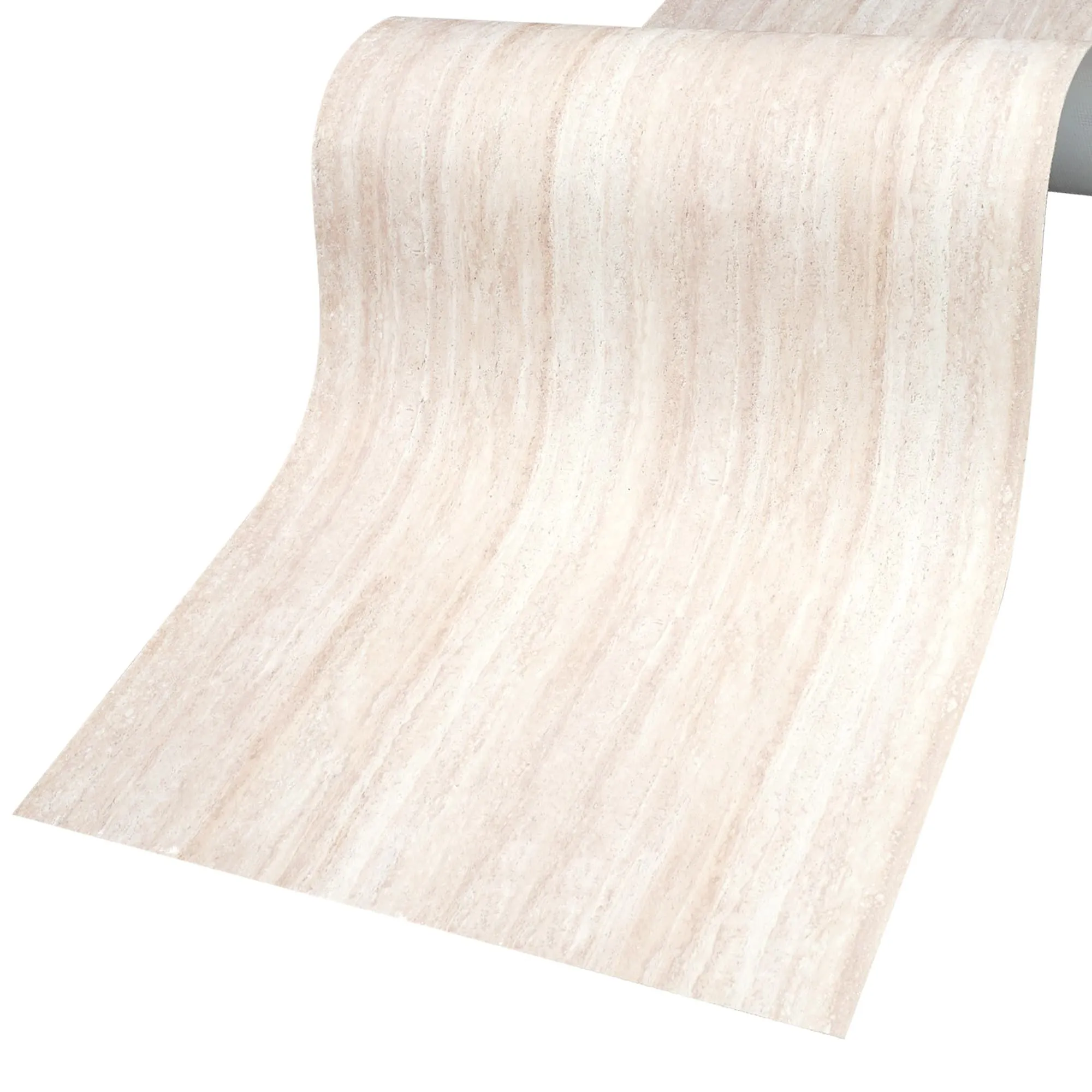
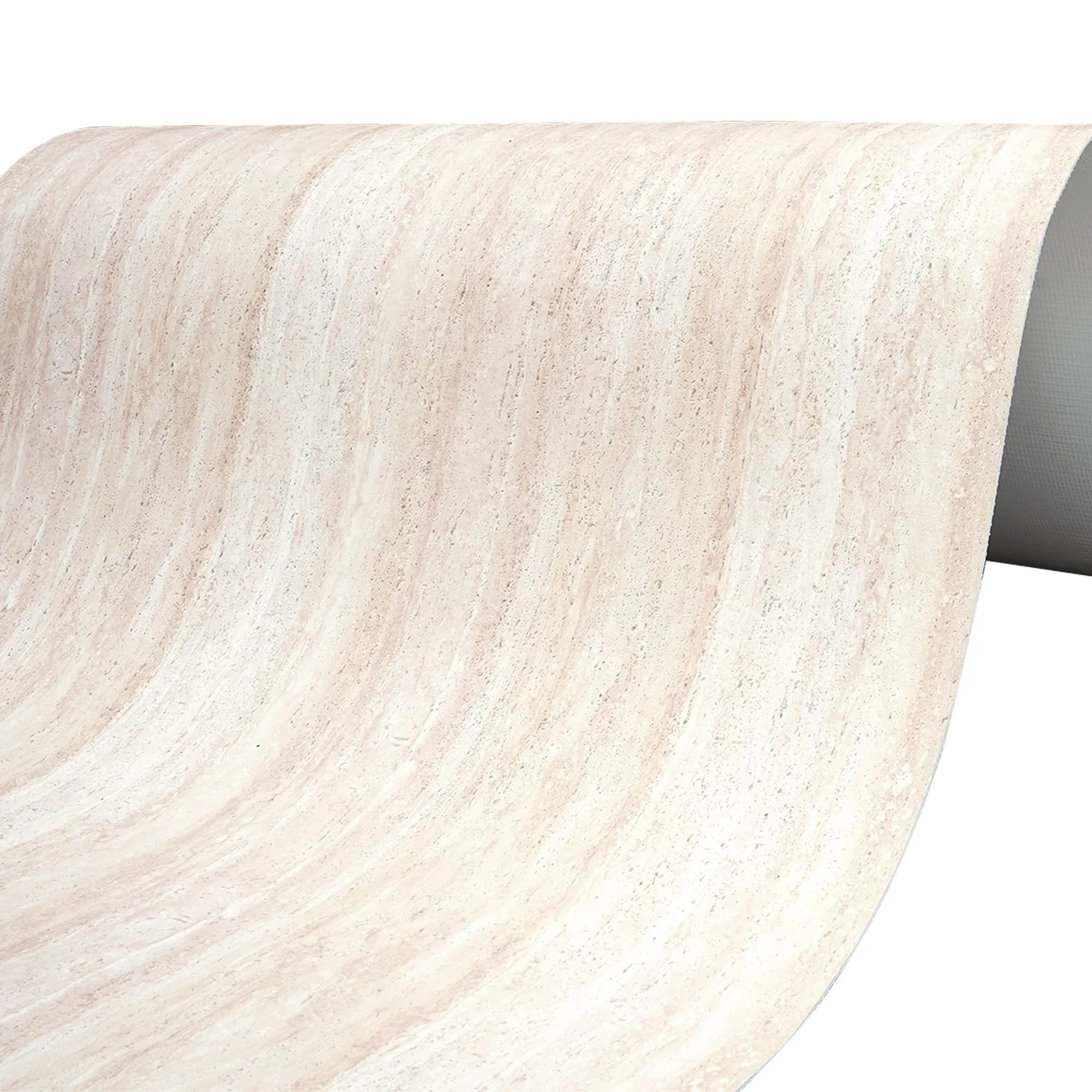
Rona Yellow, in particular, is a standout variant. Its name gives a hint: it boasts a soft, golden-yellow hue that evokes the desert landscapes of Saudi Arabia, making it a perfect fit for local architectural styles. But what really sets it apart is what's under the surface. Unlike traditional cladding materials, Rona Yellow MCM is part of the MCM flexible stone family, which means it's thin (usually 3-5mm thick), lightweight (around 8-12 kg/m²), and surprisingly bendable. This flexibility isn't just a party trick—it's a game-changer for sustainability.
Let's break down its core makeup: a mineral-rich base (often recycled stone particles) is bonded with a high-performance polymer, creating a material that's both strong and adaptable. No heavy quarrying, no excessive water use, and no toxic chemicals in production. It's a far cry from, say, natural marble, which requires intensive mining and often results in 30-50% waste during extraction and cutting.
Now, let's get to the heart of the matter: how does Rona Yellow MCM stack up against the strict green building codes in Saudi Arabia? Let's walk through five key areas where it doesn't just meet the standards—it exceeds them.
Embodied energy is the total energy consumed to produce, transport, and install a material. For green building codes, lower embodied energy is a big win. Traditional materials like natural stone or even standard concrete have sky-high embodied energy: quarrying stone requires heavy machinery, transporting it over long distances burns fossil fuels, and cutting it to size wastes energy. Rona Yellow MCM, on the other hand, is a champion here. Its manufacturing process uses recycled materials (up to 30% in some cases) and requires 60-70% less energy than producing natural stone slabs. Plus, because it's lightweight, transporting it from the factory to the job site emits far fewer greenhouse gases. For a country as large as Saudi Arabia, where materials often travel hundreds of kilometers, this is a huge sustainability boost.
Saudi Arabia's green codes place a premium on energy efficiency, and for good reason: cooling a building in 45°C heat isn't cheap. The SGB Code, for example, requires buildings to meet strict U-value (thermal transmittance) standards to minimize heat gain. Here's where Rona Yellow MCM's design shines. Its composite structure acts as a natural insulator, with a thermal conductivity of around 0.15-0.20 W/mK—far lower than natural stone (which can be 1.5-3.0 W/mK) or even fair-faced concrete (1.2-1.7 W/mK). This means less heat seeps into the building during the day, reducing the load on air conditioning systems. In real-world terms, projects using Rona Yellow MCM have reported 15-20% lower cooling costs compared to those clad in traditional materials. For a commercial building, that's thousands of riyals saved annually—and a significant cut in carbon emissions.
Green building isn't just about the materials you use—it's about how long they last. A material that needs to be replaced every 10 years is a sustainability nightmare, as it creates a cycle of waste and re-manufacturing. Rona Yellow MCM, however, is built to go the distance. It's resistant to UV radiation (critical in Saudi's harsh sun), moisture, and even salt air (great for coastal projects like those in Dammam or Jeddah). Unlike natural stone, which can crack or fade over time, Rona Yellow MCM maintains its color and structural integrity for 30+ years with minimal maintenance. That's three decades without needing to replace cladding panels—no demolition waste, no new materials, and no additional carbon emissions from manufacturing and installation.
Here's a hidden sustainability benefit: lighter materials mean less demand for other resources. Traditional cladding materials like natural stone or thick concrete panels can weigh 50-100 kg/m². To support that weight, buildings need stronger steel frames, thicker concrete slabs, and more foundation reinforcement—all of which require extra energy and raw materials to produce. Rona Yellow MCM, at 8-12 kg/m², is a fraction of that weight. This reduces the overall "structural load" of a building, allowing architects to design with less steel and concrete. In fact, some projects have reported a 10-15% reduction in the amount of structural material needed when switching to MCM cladding. Less steel and concrete means lower embodied energy, fewer emissions, and a smaller environmental footprint—all while keeping the building safe and stable.
At the end of a building's life, what happens to its cladding? For many traditional materials, the answer is a landfill. Natural stone is heavy and hard to break down, while some plastics can leach toxins. Rona Yellow MCM, though, is designed with circularity in mind. At the end of its lifespan, the panels can be recycled: the mineral components can be crushed and reused in new MCM production, while the polymer binder can be repurposed. Even during manufacturing, waste is minimal—scraps and off-cuts are recycled back into the production process, with some factories reporting a 95% material utilization rate. Compare that to natural stone, where up to half of the quarried material is wasted before it even leaves the site. For Saudi Arabia, which is working to reduce construction waste (a major contributor to landfill overcrowding), this recyclability is a huge plus.
Numbers tell a clearer story than words. Let's put Rona Yellow MCM head-to-head with three common cladding materials—natural limestone, traditional concrete, and fair-faced concrete —on key green metrics. This table shows why more developers are making the switch:
| Metric | Rona Yellow MCM | Natural Limestone | Traditional Concrete Panels | Fair-Faced Concrete |
|---|---|---|---|---|
|
Embodied Energy
(MJ/m²) |
250-350 (Low) | 800-1,200 (High) | 600-900 (Medium-High) | 500-700 (Medium) |
|
Weight
(kg/m²) |
8-12 | 45-60 | 35-50 | 40-55 |
| Recyclability | High (90%+ recyclable) | Low (mostly landfill) | Medium (crushed for aggregate) | Medium (crushed for aggregate) |
|
Thermal Conductivity
(W/mK) |
0.15-0.20 (Good insulation) | 1.5-2.5 (Poor insulation) | 1.2-1.7 (Moderate insulation) | 1.3-1.8 (Moderate insulation) |
|
Expected Lifespan
(Years) |
30+ | 20-25 (with fading/cracking) | 15-20 (prone to spalling) | 20-25 (needs sealing every 5 years) |
| Manufacturing Waste | 5% or less | 30-50% (quarrying + cutting) | 15-20% | 10-15% |
As you can see, Rona Yellow MCM outperforms traditional materials across almost every green category. Its low embodied energy, lightweight design, and high recyclability make it a standout choice for projects aiming to meet (or exceed) Saudi Arabia's green building codes.
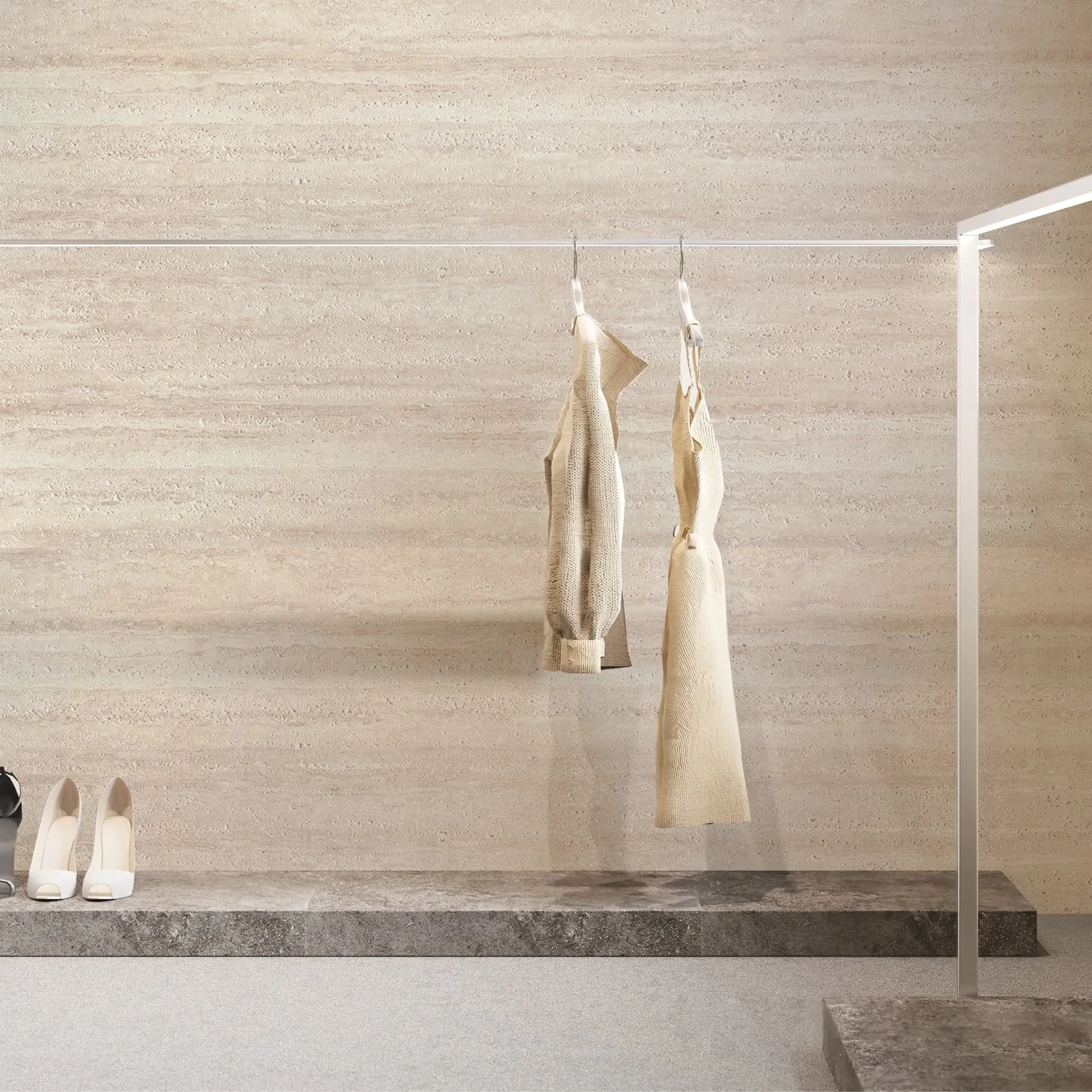
Let's ground this in reality with a hypothetical (but representative) case study. Imagine a mid-rise commercial building in Riyadh's King Abdullah Financial District, aiming for LEED Silver certification. The architects initially considered natural limestone cladding for its aesthetic appeal but were concerned about its environmental impact and cost. After consulting with material experts, they switched to Rona Yellow MCM from the MCM big slab board series (which offers larger panels, reducing installation time and seams).
The results? The building's cladding weighed 75% less than limestone, cutting the need for additional steel reinforcement by 12%. During construction, transportation emissions dropped by 60% (fewer trucks needed to haul lighter panels). Post-construction, the building's cooling costs are 18% lower than projected, thanks to Rona Yellow's insulation properties. And because the MCM big slab boards are larger (up to 1.2m x 2.4m), installation was completed 25% faster than with limestone, reducing labor hours and on-site energy use.
Most importantly, the project easily met LEED's "Materials and Resources" credits, thanks to Rona Yellow's high recycled content and recyclability. For the developer, this meant not just a greener building, but also a more marketable one—tenants are increasingly willing to pay premium rents for sustainable spaces. It's a win-win that's becoming more common across Saudi Arabia.
It's not just about green codes—Rona Yellow MCM offers practical benefits that make architects and developers smile. For architects, the flexibility of MCM flexible stone opens up design possibilities. Want a curved facade that mimics the dunes? Rona Yellow can bend to the shape without cracking. Prefer large, seamless panels for a modern look? The MCM big slab board series delivers. And that warm, golden hue? It complements both traditional and contemporary Saudi architecture, from heritage-inspired projects to futuristic towers.
For developers, the math adds up. Lower transportation costs, faster installation, and reduced maintenance mean lower upfront and long-term expenses. Plus, meeting green building codes often qualifies projects for government incentives or tax breaks in Saudi Arabia. And with tenants and buyers increasingly prioritizing sustainability, a building clad in Rona Yellow MCM is more likely to attract interest—and higher valuations—than one using outdated materials.
Saudi Arabia's green building journey is just getting started. As Vision 2030 progresses, codes will only get stricter, and the demand for sustainable materials will grow. Rona Yellow MCM isn't just keeping up—it's setting the bar. Its blend of local aesthetic appeal, technical performance, and environmental responsibility makes it a poster child for the future of construction in the Kingdom.
At the end of the day, green building isn't about ticking boxes. It's about creating spaces that respect the planet, support communities, and stand the test of time. Rona Yellow MCM does all three. So the next time you walk past a building in Riyadh or Jeddah with that warm, golden cladding, take a closer look—it might just be the future of sustainable construction in Saudi Arabia.
Recommend Products












