

Let's face it: our world is loud. The persistent hum of traffic, the chatter from the next-door apartment, the echo in a bustling café—noise is an ever-present part of modern life. We've become so accustomed to it that we often don't realize its subtle but significant impact on our stress levels, concentration, and overall well-being. What if the key to a quieter, more serene indoor environment wasn't about adding bulky soundproofing panels, but was intrinsically built into the very walls that surround us? What if elegance and acoustic comfort could be one and the same?
This isn't a futuristic fantasy. It's a reality made possible by innovations in material science. Today, we're diving deep into how a specific architectural finish—Rust Square Line Stone—does more than just create stunning visual appeal. We'll explore how this and other products from COLORIA, crafted from their revolutionary Modified Cementitious Material (MCM), are changing the way architects and designers think about sound. It's a journey into the world of architectural acoustics, where your walls stop being passive reflectors of sound and start becoming active contributors to a peaceful, quieter interior.
Before we can appreciate the solution, we must fully grasp the problem. Noise pollution isn't just a minor annoyance; it's a genuine environmental stressor with documented consequences. In our homes, it can disrupt sleep, hinder relaxation, and create tension. In the workplace, constant background noise is a notorious productivity killer, making it difficult to focus, communicate effectively, and think creatively. In commercial spaces like restaurants and hotels, poor acoustics can ruin the customer experience.
Think about the materials that define modern architecture: vast panes of glass, polished concrete floors, minimalist plasterboard walls, and sleek metal fixtures. While visually appealing, these materials share a common, acoustically undesirable trait: they are hard and non-porous. When sound waves hit these surfaces, they have nowhere to go but to bounce right back into the room.
This phenomenon is called sound reflection, and it leads to two primary acoustic problems:
Traditional building methods often inadvertently create these acoustically hostile environments. While we've focused on thermal insulation and structural integrity, acoustic comfort has frequently been an afterthought, addressed (if at all) with costly and often aesthetically compromising retrofits like acoustic foam panels or heavy drapes. But the paradigm is shifting. The future lies in integrating acoustic performance directly into the primary **building materials**.
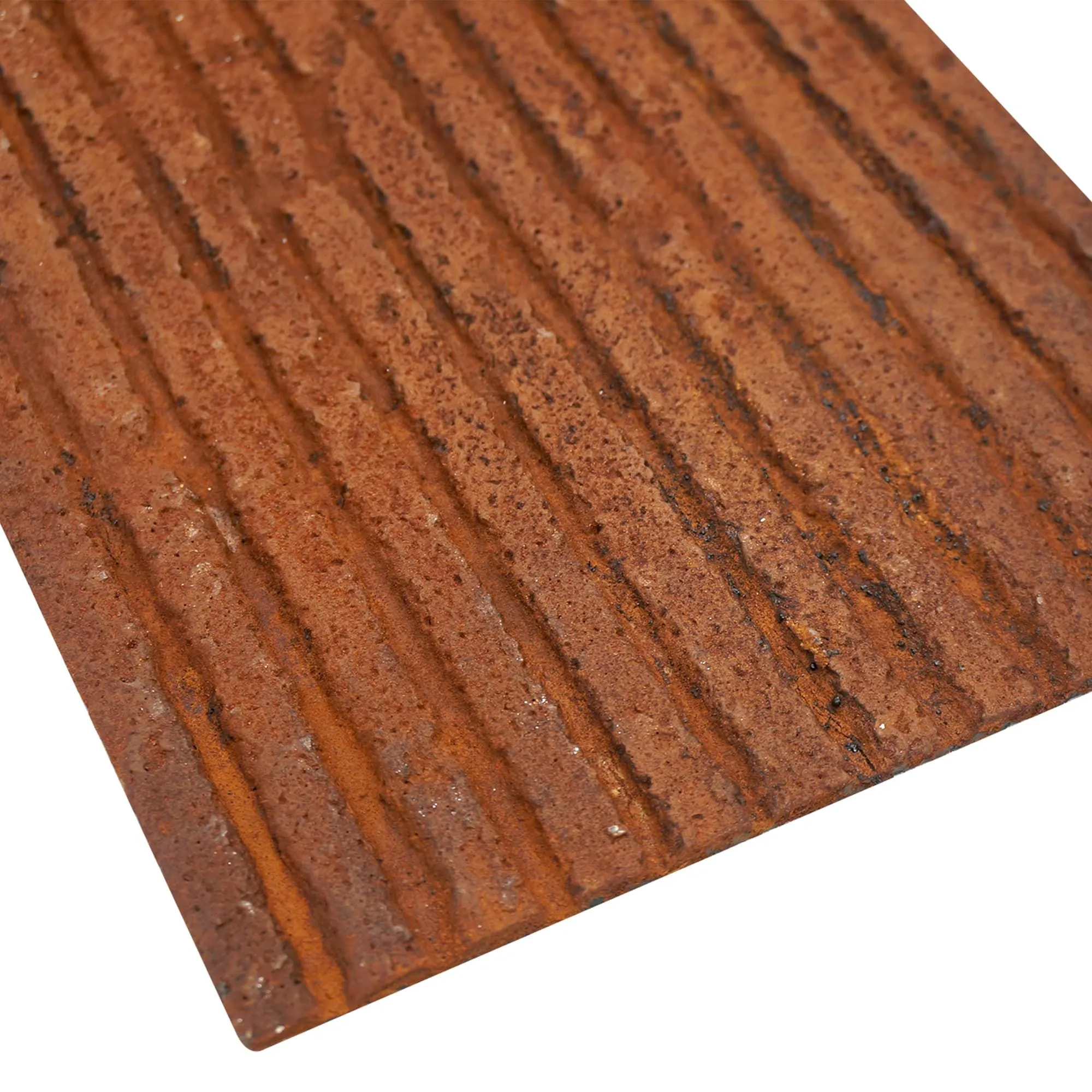
To understand how COLORIA's materials work their magic, we need a quick primer on the science of sound in a room. Don't worry, there's no complex physics test at the end! It boils down to controlling how sound behaves when it interacts with the surfaces of a space. The main goals are to manage absorption, diffusion, and transmission.
This is the most crucial concept for our discussion. Sound absorption is the process by which a material takes in sound energy instead of reflecting it. Think of it like a sponge soaking up water. Porous materials are excellent sound absorbers. When sound waves enter the intricate network of pores and channels within the material, the sound energy is converted into a minuscule amount of heat through friction. The sound doesn't "disappear," but its energy is effectively dissipated, preventing it from bouncing back into the room. This directly reduces reverberation and overall noise levels. The effectiveness of a material's absorption is measured by its Noise Reduction Coefficient (NRC), a value between 0 (perfectly reflective) and 1 (perfectly absorptive).
While absorption is about removing sound energy, diffusion is about spreading it out. Instead of a hard, flat reflection (like a mirror), a good diffuser scatters the sound energy in many different directions. This helps to prevent harsh echoes and creates a more natural, pleasant-sounding environment without making the room sound "dead" or overly muffled. Irregular, textured surfaces are natural sound diffusers.
This refers to sound passing through a structure, like a wall or floor, into an adjacent space. To block transmission, you typically need mass and density. However, clever material combinations and layered construction techniques can also significantly improve a wall's ability to block sound without adding excessive weight.
The ideal acoustic environment achieves a delicate balance of these three elements. You want enough absorption to control reverberation and make speech clear, enough diffusion to create a sense of spaciousness, and enough transmission blocking to ensure privacy and peace.
"Great design is not just about how it looks, but how it makes you feel. Acoustic comfort is a fundamental, yet often overlooked, part of that feeling."
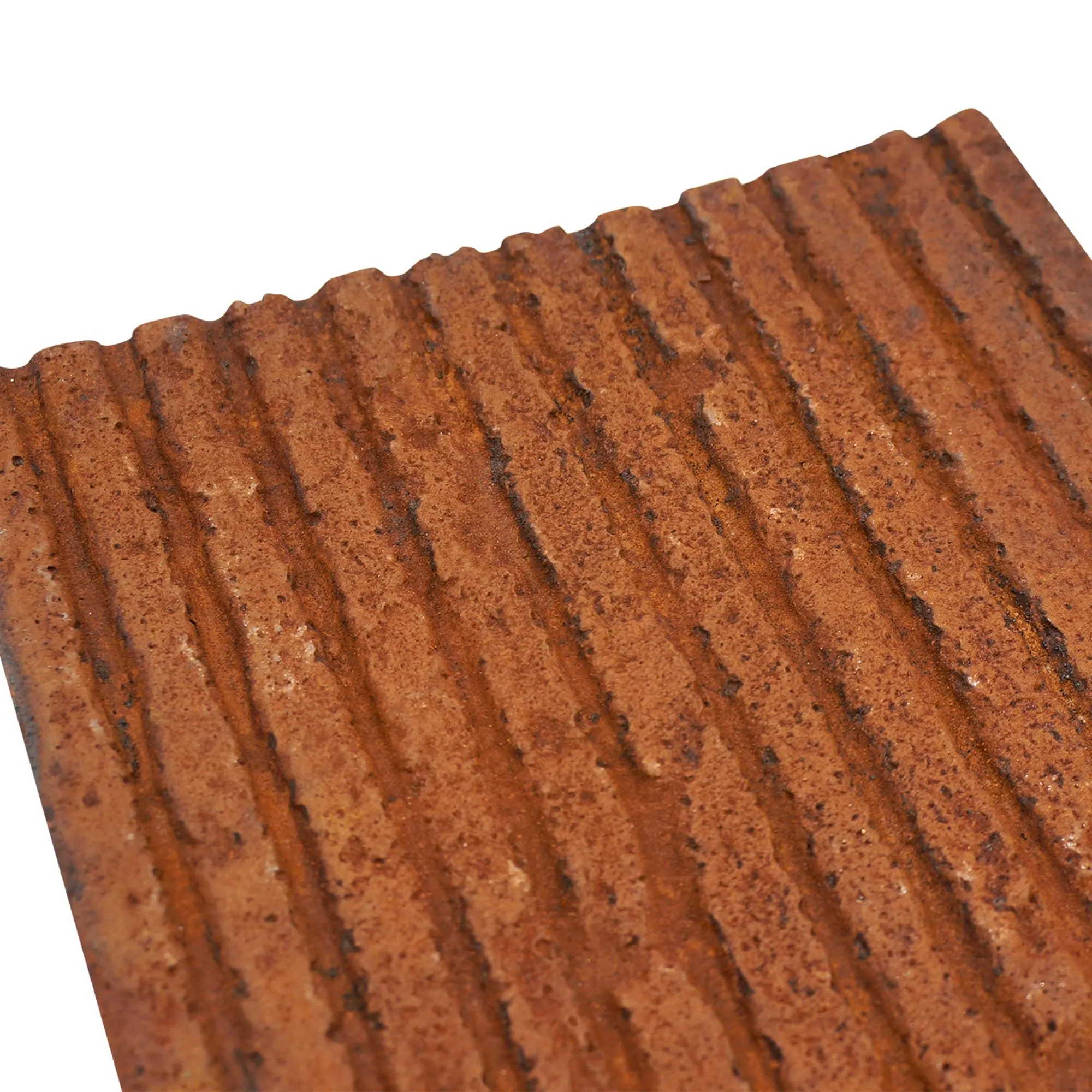
This is where COLORIA GROUP steps into the spotlight. As a dedicated **one-stop solution provider** in the architectural materials space, COLORIA has championed a groundbreaking material: MCM, or Modified Cementitious Material. This isn't your standard cement. MCM is an innovative, eco-friendly composite material made primarily from a proprietary blend of natural clays, mineral powders, and other trace elements. Through a specialized low-temperature curing process, these raw materials are transformed into a material that is simultaneously lightweight, thin, flexible, and incredibly durable.
The magic of MCM lies in its unique microstructure. Unlike dense, non-porous materials like ceramic tile or conventional stone, MCM possesses a natural, inherent micro-porosity. It's this network of microscopic pores that gives it its remarkable acoustic properties, turning a decorative wall finish into a high-performance acoustic tool.
COLORIA has mastered the art of shaping this material into a vast array of finishes and formats, from the authentic stone textures of their **MCM Flexible Stone** series to the large, seamless panels of the MCM Big Slab Board Series. This versatility allows designers to achieve their aesthetic vision without compromising on the crucial, yet often invisible, element of acoustic comfort.
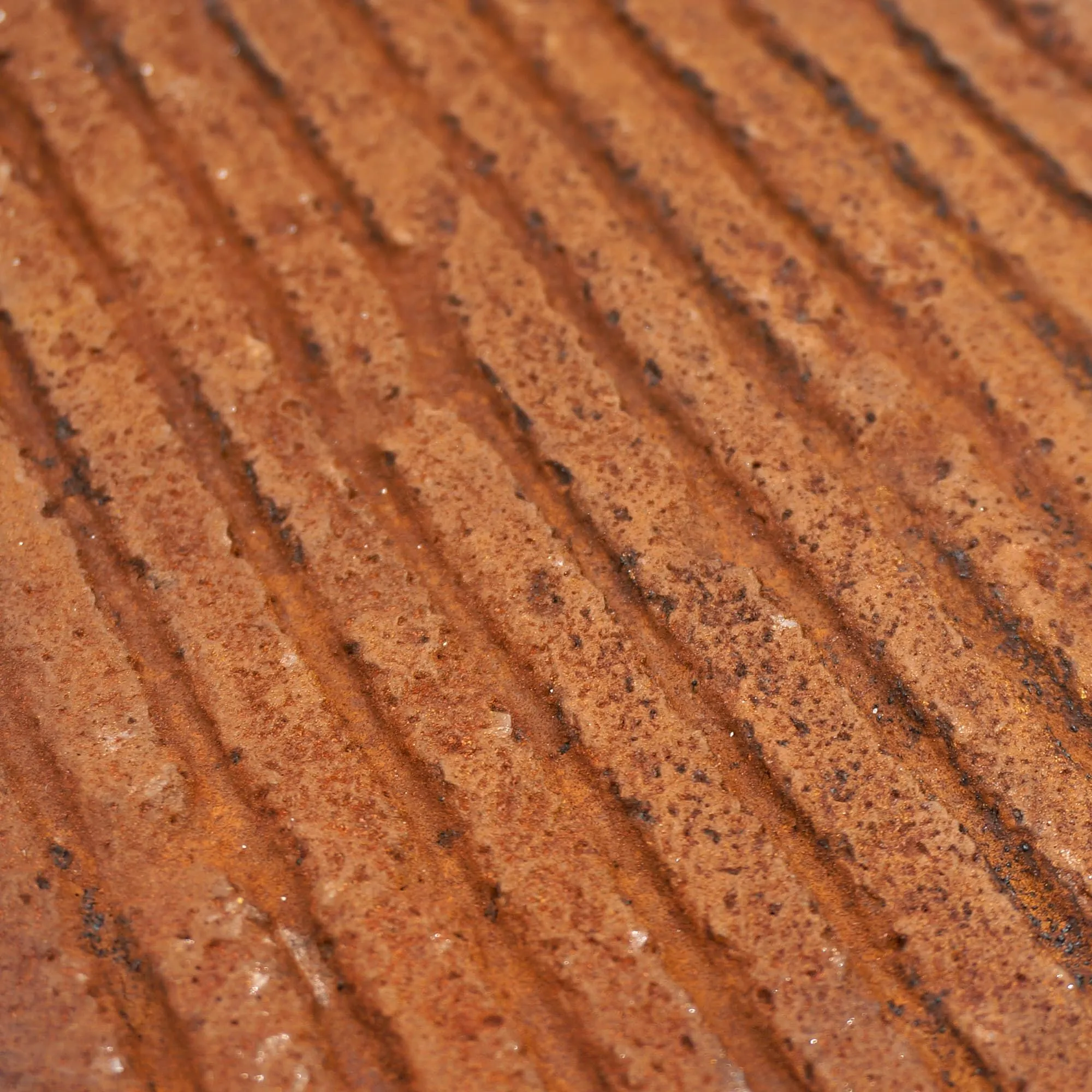
Now, let's zoom in on the star of our show: the Rust Square Line Stone finish. This particular design exemplifies how COLORIA marries stunning aesthetics with advanced acoustic functionality. It works on two synergistic levels: surface diffusion and material absorption.
The "Rust Square Line Stone" isn't a flat, printed image. It is a tactile, three-dimensional surface. The linear grooves, the subtle variations in height, and the granular texture that mimics weathered stone all work together to create an effective sound-diffusing surface. When a sound wave hits this textured facade, it doesn't reflect back in a single, coherent direction. Instead, the wave is broken up and scattered randomly throughout the room. This process dramatically reduces the potential for flutter echo and harsh reflections, making the acoustic environment feel softer, more natural, and more comfortable. It's a passive, built-in feature that immediately elevates the acoustic quality of any space.
This is the deeper, more powerful acoustic benefit. While the surface texture diffuses the sound, the very substance of the MCM material absorbs it. As sound waves penetrate the surface, they travel into the millions of microscopic pores within the material. The air molecules within these tiny channels are forced to oscillate, creating friction against the channel walls. This friction effectively converts the sound energy into an imperceptible amount of thermal energy.
The result? A significant portion of the sound energy is removed from the room with every reflection. This directly lowers the reverberation time (RT60), which is the single most important factor in speech clarity. In a room treated with COLORIA's MCM products, conversations become clearer, background noise fades faster, and the overall ambiance becomes more calm and focused. This is not a marginal effect; it is a measurable improvement in the acoustic performance of the room. For large-scale applications where consistency and performance are key, the **MCM Project Board Series** provides this same inherent acoustic benefit in a format optimized for efficiency and scale.
To put this in perspective, let's compare the typical acoustic performance of COLORIA's MCM with common interior wall finishes. The Noise Reduction Coefficient (NRC) is a standard rating for how well a material absorbs sound.
| Material | Typical NRC (Approximate) | Primary Acoustic Behavior | Aesthetic/Practical Notes |
|---|---|---|---|
| COLORIA MCM (e.g., Rust Square Line Stone) | 0.30 - 0.55 | High Absorption & Diffusion | Highly versatile, lightweight, durable, eco-friendly. |
| Painted Plasterboard/Drywall | 0.05 | Highly Reflective | Standard wall finish, no acoustic benefit. |
| Glass | 0.03 | Extremely Reflective | Creates harsh reflections and flutter echo. |
| Polished Concrete | 0.02 | Extremely Reflective | Contributes to a "boomy" or cavernous sound. |
| Standard Acoustic Panel | 0.75 - 0.95 | Purely Absorptive | Highly effective but limited in aesthetics and often an add-on. |
As the table clearly shows, standard building materials are acoustically poor performers. While dedicated acoustic panels are highly effective, they often come with aesthetic limitations and shout "this is a sound-treated room." COLORIA's MCM carves out a unique and powerful niche: it offers significant acoustic improvement that is visually seamless and integrated into the primary design . It provides a level of absorption and diffusion far superior to any standard finish, bridging the gap between pure function and pure aesthetics.
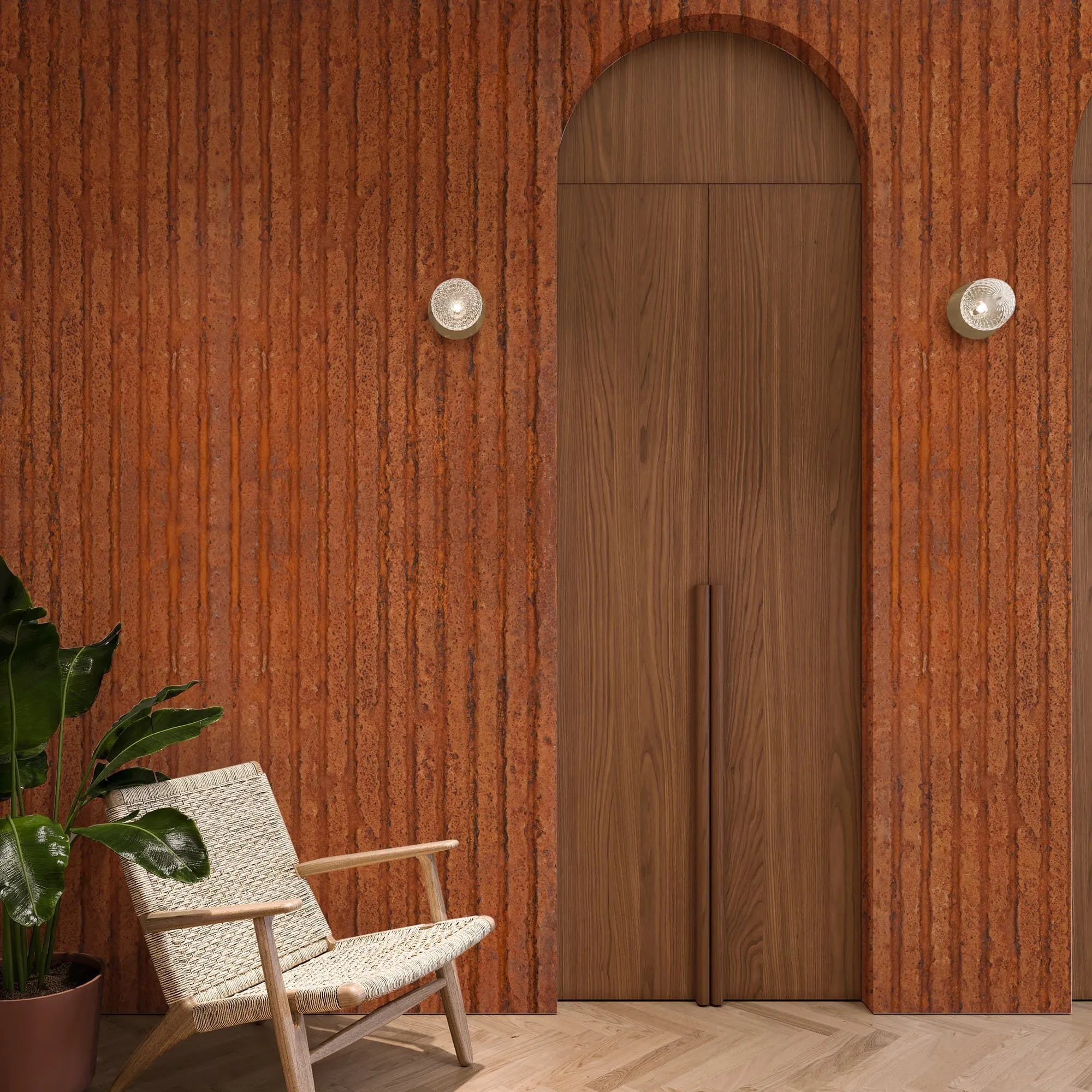
While the acoustic benefits are a game-changer, they are just one facet of what makes COLORIA's MCM an exceptional choice for modern construction. Its advantages span aesthetics, sustainability, durability, and practicality, making it a truly holistic material solution.
The technology behind MCM allows it to replicate the look and feel of an incredible range of natural materials with stunning fidelity. The Rust Square Line Stone is just the beginning. The product family includes:
In an era where sustainability is paramount, MCM stands out as a genuinely eco-friendly choice. Its green credentials are woven into its entire lifecycle:
Despite its light weight and flexibility, MCM is remarkably tough. It boasts a Class A fire rating, making it one of the safest materials for interior and exterior finishes. It is waterproof, freeze-thaw resistant, and its colors are integrated throughout the material, not just on the surface, ensuring excellent fade resistance. It doesn't chip or crack like tile and is easy to clean with just soap and water, making it a practical and long-lasting investment.
The combination of acoustic performance, aesthetic versatility, and practical benefits makes COLORIA's MCM suitable for a vast range of applications, transforming how we experience different environments.
Imagine a high-end restaurant where the beautiful, stone-clad walls subtly absorb the clatter of cutlery and background chatter, allowing for intimate conversations at a normal volume. Picture a modern open-plan office where feature walls finished in Rust Square Line Stone not only look incredible but also help to mitigate the noise and distraction, fostering better concentration and collaboration.
Think of a home theater or listening room where the walls themselves are part of the acoustic treatment, providing a balanced sound that is both immersive and clear without needing a forest of foam panels. Consider a serene hotel lobby or a quiet hospital corridor where the wall finishes contribute actively to a calming, stress-reducing atmosphere.
From residential bedrooms to bustling commercial hubs, COLORIA's MCM provides a powerful tool for designers to intentionally craft the sensory experience of a space. It allows acoustic design to move from a technical, remedial task to an integrated, artistic one.
The search for quiet in a noisy world is leading to a revolution in architectural design, one where the well-being of the occupant is placed at the center of the creative process. Acoustic comfort is no longer a luxury but a fundamental component of a well-designed space.
COLORIA, through its innovative development of Modified Cementitious Material, has provided the tools for this revolution. Products like the Rust Square Line Stone are more than just a wall covering; they are a sophisticated system that delivers stunning beauty and tangible acoustic relief in a single, elegant package. By cleverly engineering the very substance of their materials to diffuse and absorb sound, COLORIA has turned every wall into an opportunity for a better-sounding, better-feeling environment.
The next time you walk into a beautifully designed room that just feels... right—calm, clear, and comfortable—take a moment to consider the walls. They may be doing more work than you ever imagined. With materials like COLORIA's MCM, the future of architecture doesn't just look good; it sounds incredible too.
Recommend Products











