

In the vast and ever-evolving world of architecture and construction, the quest for sustainability has moved from a niche concern to a central pillar of innovation. As urbanization accelerates and global awareness of environmental impacts intensifies, the industry faces an unprecedented challenge: how to build durable, beautiful structures without depleting natural resources or generating excessive waste. This is where forward-thinking companies like COLORIA GROUP step in, offering revolutionary solutions that not only meet aesthetic and functional demands but also champion ecological responsibility. Our focus today is on how advanced materials, exemplified by COLORIA's rust square line stone products made from their MCM (Modified Cementitious Material) , are fundamentally reshaping the dialogue around construction waste reduction.
For decades, traditional construction practices have been synonymous with significant waste generation. From quarrying natural stone to the disposal of off-cuts, the environmental footprint has been substantial. The extraction of raw materials often leads to landscape degradation, habitat loss, and considerable energy consumption. Furthermore, the transportation of heavy materials over long distances adds to carbon emissions. Once on site, the process of cutting, shaping, and installing conventional stone inevitably produces a large volume of debris, much of which ends up in landfills. This linear "take-make-dispose" model is no longer sustainable, neither ecologically nor economically. The imperative to transition to more circular and resource-efficient building methods has never been clearer.
The global construction industry is one of the largest consumers of raw materials and producers of waste. Estimates suggest that construction and demolition waste accounts for a significant portion of total solid waste generated annually worldwide. This waste includes everything from concrete and masonry to wood, metals, plastics, and various finishing materials. Beyond the sheer volume, the energy embedded in these discarded materials represents a colossal loss. Recycling efforts, while growing, often struggle to keep pace with the massive influx, and the quality of recycled aggregates can sometimes be a concern for structural applications. This situation underscores a critical need for materials that are inherently more sustainable, both in their production and in their application, ultimately minimizing waste from conception to installation.
Developers, architects, and builders are increasingly under pressure from regulatory bodies, clients, and their own corporate social responsibility mandates to adopt greener practices. This extends beyond energy efficiency in buildings to the very materials they are constructed from. The ideal material would offer a combination of durability, aesthetic appeal, ease of installation, and a minimal environmental impact throughout its lifecycle. This is precisely the gap that innovations like MCM are designed to fill, providing a tangible pathway toward a more sustainable built environment. The journey begins with challenging conventional wisdom and embracing materials that redefine performance and responsibility.
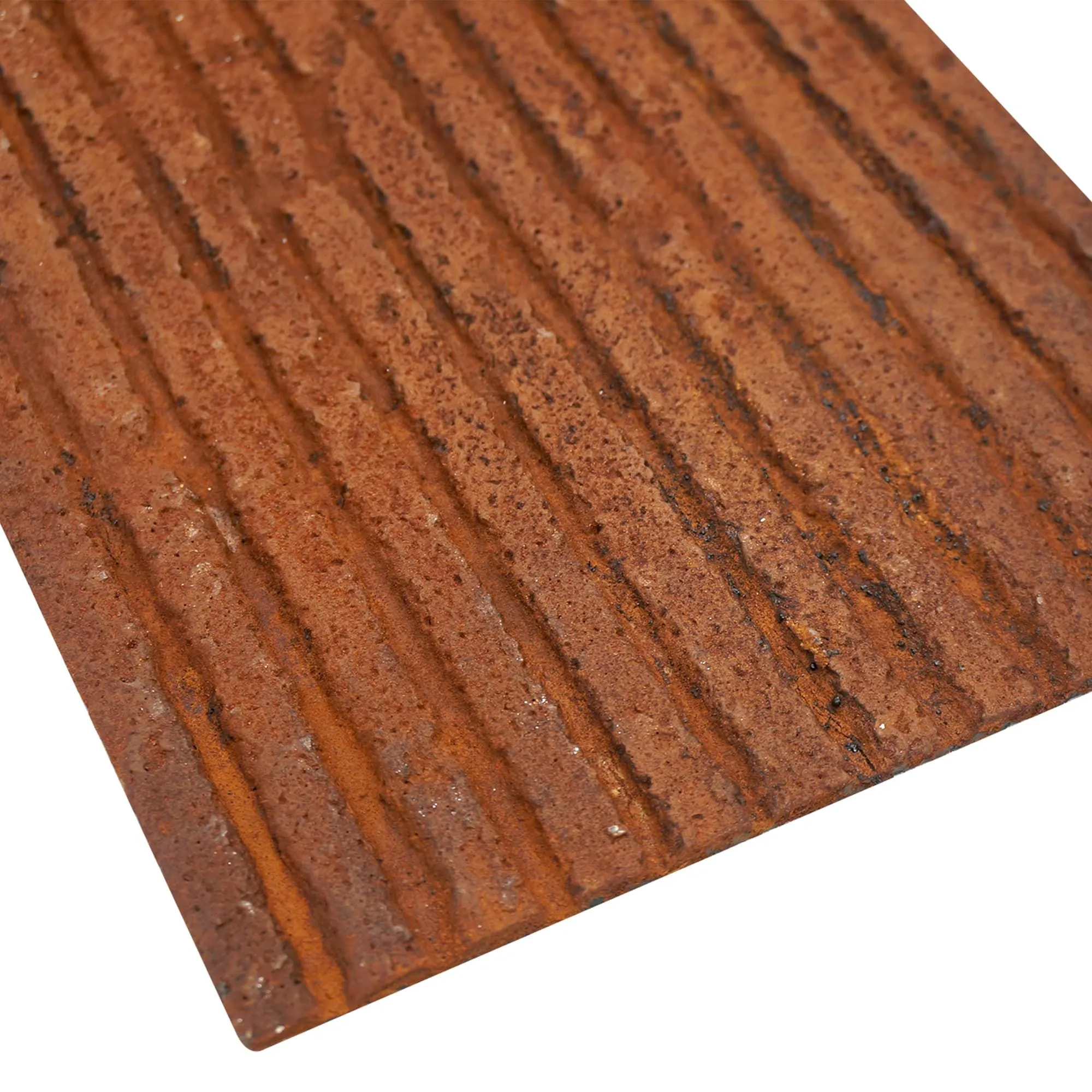
At the heart of COLORIA GROUP's sustainable offerings is their proprietary MCM (Modified Cementitious Material) technology. This isn't just another building material; it's a completely different approach to creating surfaces that mimic natural stone, wood, brick, and other textures with remarkable fidelity, but with vastly superior environmental credentials. MCM is essentially a blend of inorganic minerals, cementitious binders, and other additives, processed under specific conditions to create a material that is incredibly versatile, durable, and most importantly, eco-conscious. The rust square line stone, a popular texture from their collection, exemplifies the aesthetic potential of MCM, offering a rugged, natural look without the inherent downsides of traditional stone.
What makes MCM truly revolutionary is its composition and manufacturing process. Unlike heavy, thick traditional stone, MCM products are typically thin, lightweight, and flexible. This directly translates into several environmental advantages. Less raw material is required for production, and the manufacturing process often consumes less energy compared to the high-temperature firing required for ceramics or the extensive quarrying and cutting of natural stone. The reduction in weight also has a cascade effect, lowering transportation costs and fuel consumption, thereby cutting down on greenhouse gas emissions from logistics.
The development of MCM was not an accident; it was a deliberate response to the environmental challenges posed by traditional building materials. Scientists and engineers recognized the need for a material that could offer the aesthetic richness of natural elements without their environmental baggage. The innovation lies in the careful selection and combination of readily available mineral powders, which are then modified and formed using proprietary techniques. This allows for a significant reduction in the reliance on virgin natural resources, a cornerstone of sustainable material development.
Furthermore, the production process for MCM is often designed to be low-energy and low-emission. Unlike some traditional materials that require immense heat, MCM can be cured at much lower temperatures, significantly reducing the energy footprint of its manufacturing. This commitment to efficiency throughout the production lifecycle is what truly sets MCM apart as a green and environmentally friendly material. COLORIA GROUP has invested heavily in research and development to perfect these processes, ensuring that their MCM products not only look great but also contribute positively to global sustainability goals.
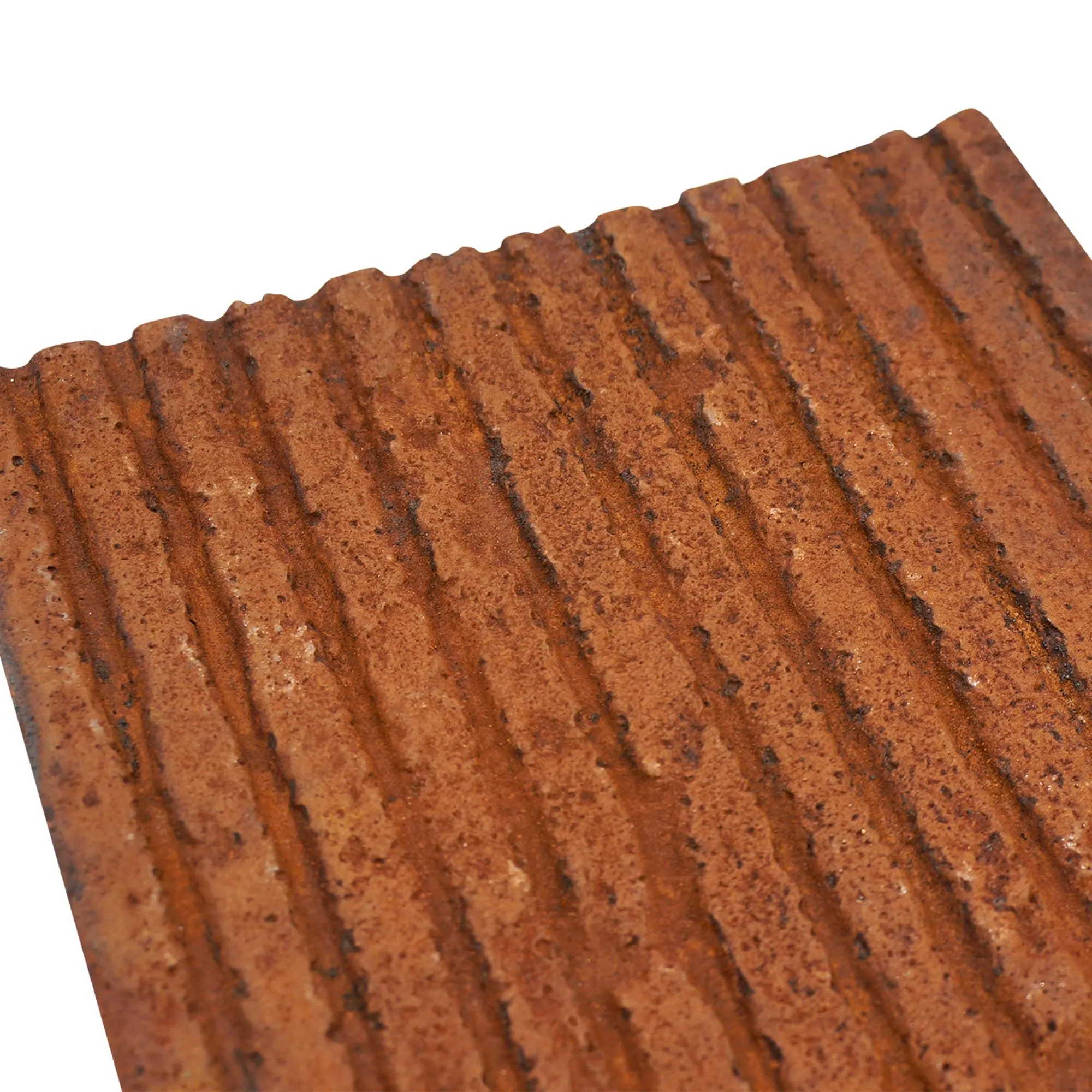
Now, let's drill down into the core question: how does COLORIA's MCM, particularly in finishes like rust square line stone, directly help reduce construction waste? The answer lies in several key attributes and applications of the material.
Traditional stone veneers, even when cut thin, still require significant blocks of stone to be quarried. The process of squaring, cutting, and shaping these blocks generates substantial off-cuts and dust. MCM, by contrast, is manufactured as a thin, often flexible sheet or panel. This means less raw material is needed per square meter of finished product. The production process is also highly efficient, minimizing scrap material during manufacturing itself.
A significant portion of construction waste is tied to logistics. Heavy materials require robust packaging, larger vehicles, and more fuel. MCM products are dramatically lighter than their natural stone counterparts. A typical MCM panel might weigh a fraction of a natural stone slab of similar dimensions. This reduction in weight means:
All these factors collectively contribute to a smaller environmental footprint even before installation begins, demonstrating a holistic approach to waste reduction that extends beyond just the material itself.
This is perhaps one of the most direct impacts. Traditional stone installation often involves cutting large, heavy slabs to fit specific dimensions on-site. This generates dust, small off-cuts, and sometimes larger pieces that are difficult to reuse. MCM, especially products from the MCM Big Slab Board Series and MCM Project Board Series , can often be cut with standard tools, much like wood or even with specialized cutters, leading to cleaner cuts and significantly less waste. The flexibility of certain MCM products, such as MCM Flexible Stone , further reduces breakage during handling and installation, cutting down on damaged material that would otherwise be discarded.
Moreover, because MCM can be manufactured in precise dimensions and with specific textures, the need for extensive on-site fabrication is diminished. This precision engineering reduces the likelihood of errors and subsequent material wastage. The lightweight nature also means less heavy-duty equipment is required for installation, further streamlining the process and reducing potential for accidental damage.
Waste isn't just about material discarded during construction; it's also about materials that fail prematurely and need replacement. COLORIA's MCM products are engineered for exceptional durability. They are resistant to weathering, UV radiation, impact, and fading, ensuring a long service life. By investing in high-quality, long-lasting materials like MCM, buildings require less frequent renovation and material replacement, thus avoiding future waste streams. This "built to last" philosophy is a critical component of waste reduction strategy, as it extends the lifecycle of materials in situ.
While specific recycling pathways for MCM are still evolving, its composition of inorganic minerals suggests potential for future downcycling or incorporation into other materials. Crucially, its lightweight and durable nature means that in certain renovation scenarios, MCM panels might be more easily salvaged and reused compared to brittle, heavy natural stone or ceramic tiles. This inherent adaptability supports a more circular economy model, where materials retain value beyond their initial application.
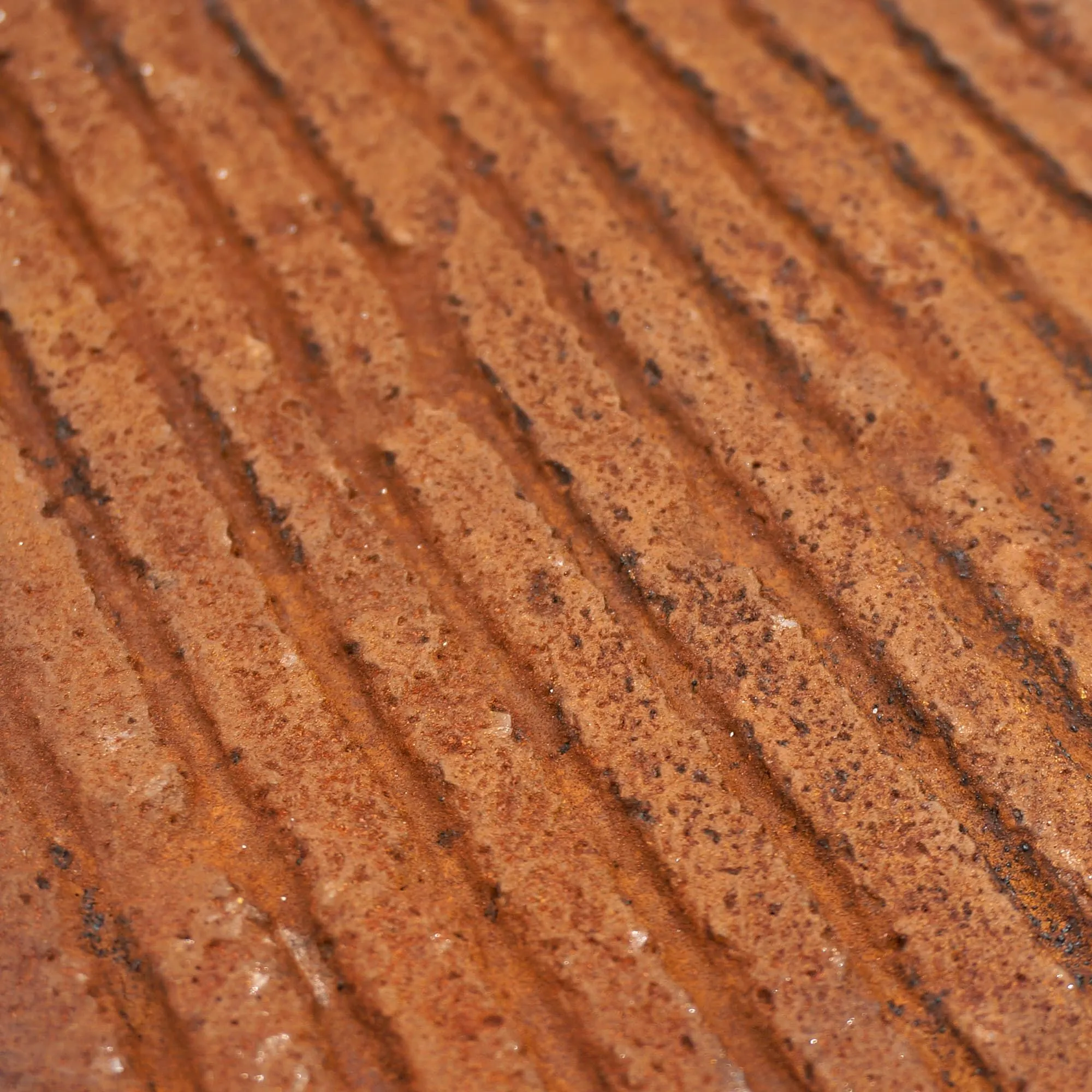
The benefits of COLORIA's MCM technology extend far beyond just waste reduction. As a one-stop solution provider in architectural materials, COLORIA GROUP recognizes that true sustainability encompasses a broader spectrum of environmental and practical advantages.
MCM materials can contribute to improved building energy efficiency. Their low thermal conductivity can enhance the insulating properties of building envelopes, reducing the need for excessive heating or cooling. This directly translates into lower operational energy consumption over the building's lifespan, contributing to significant reductions in carbon emissions over many years. When applied to exterior walls, MCM finishes can help regulate indoor temperatures more effectively, creating more comfortable and energy-efficient living and working spaces. This thermal advantage is often overlooked but forms a critical part of a building's overall environmental performance.
By reducing reliance on quarried natural stone, MCM helps conserve finite natural resources. The extensive quarrying of stone can lead to irreversible environmental damage, including soil erosion, water pollution, and habitat destruction. MCM, made from abundant mineral powders, offers a viable alternative that significantly lessens the ecological burden on fragile ecosystems. This preservation of natural landscapes and biodiversity is a core benefit of adopting advanced materials like MCM.
The lightweight nature of MCM products also has significant implications for worker health and safety. Lifting and maneuvering heavy stone slabs poses a substantial risk of injury. With MCM, installation becomes less strenuous, reducing the risk of musculoskeletal disorders and other workplace accidents. Furthermore, the reduced dust generation during cutting, particularly compared to traditional materials, improves air quality on job sites, safeguarding the respiratory health of workers. This human element of sustainability is often forgotten but is paramount to responsible construction practices.
One of the most exciting aspects of MCM technology is its incredible design versatility. While we're highlighting rust square line stone today, MCM can replicate virtually any texture, color, and pattern imaginable. This allows architects and designers unparalleled freedom to realize their creative visions without being constrained by the limitations or cost of natural materials. The ability for customization means that unique aesthetic requirements can be met with precision, preventing the need for costly and wasteful adjustments later in the project. This is particularly evident in their MCM 3D Printing Series , which opens up entirely new frontiers for complex, bespoke architectural features with minimal material waste.
The ability to precisely tailor MCM products to project specifications means less cutting and fitting on site, directly contributing to waste reduction. Whether it's a specific panel size for a facade or a complex geometric pattern for an interior feature, MCM's adaptability minimizes the generation of scrap materials that would arise from trying to adapt standard-sized natural materials to unique designs. This precision manufacturing is a cornerstone of efficient, waste-conscious construction.
| Feature | Traditional Stone Materials | COLORIA MCM Materials (e.g., Rust Square Line Stone) |
|---|---|---|
| Raw Material Sourcing | Extensive quarrying, finite resources. | Abundant mineral powders, significantly less resource-intensive. |
| Manufacturing Energy | High energy for quarrying, cutting, polishing. | Low-temperature curing, reduced energy footprint. |
| Weight | Heavy, requires robust structural support. | Lightweight, reduces structural load and transport impact. |
| Transportation Emissions | High due to weight and bulk. | Significantly lower due to reduced weight and volume. |
| On-site Waste Generation | High: off-cuts, dust, breakage during cutting/fitting. | Low: precision manufacturing, easier cutting, reduced breakage. |
| Installation Complexity | Requires specialized tools, heavy lifting. | Easier handling, standard tools, quicker installation. |
| Durability/Longevity | Excellent, but susceptible to natural defects. | Excellent, engineered for resistance to weathering, UV, impact. |
| Design Flexibility | Limited by natural patterns, high cost for complex shapes. | High customization potential, wide range of textures/colors. |
| Environmental Impact | Higher (resource depletion, emissions, waste). | Lower (resource conservation, reduced emissions, less waste). |
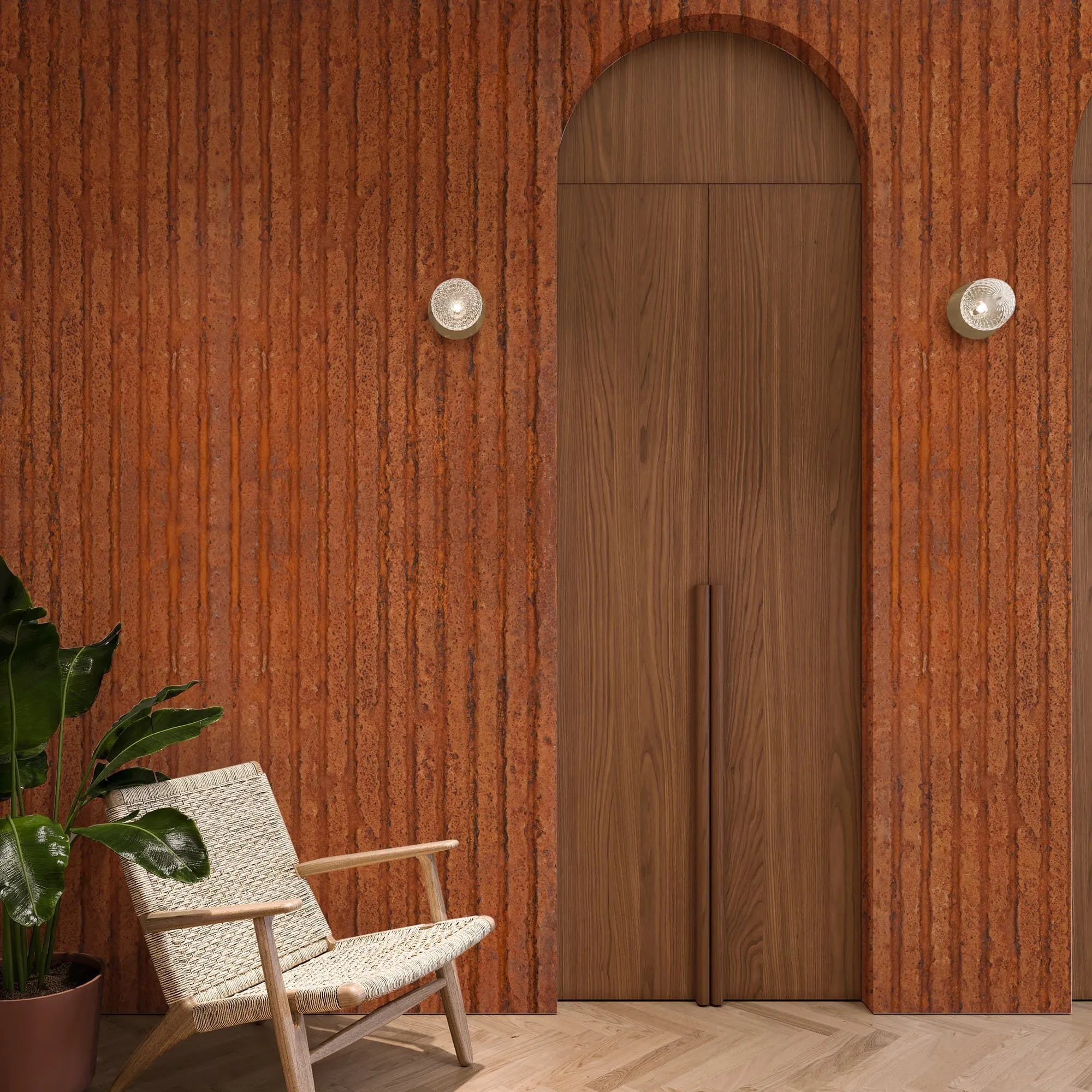
COLORIA GROUP isn't just selling materials; they are offering a comprehensive partnership to their clients. As a dedicated one-stop solution provider in the architectural materials domain, they go beyond simply supplying products. With decades of industry experience, the company understands the intricate needs of both residential and commercial projects, providing high-quality internal and external decorative materials alongside a suite of complementary services. This integrated approach ensures that clients receive not only superior materials but also expert guidance from project inception to completion.
Their global reach, particularly with a strong agency presence in Saudi Arabia, underscores their commitment to serving diverse markets and understanding regional architectural nuances. This international perspective allows them to adapt their offerings and expertise to different climates, cultural preferences, and regulatory environments, making them a truly versatile partner for construction and design professionals worldwide. Whether it's a monumental commercial facade or a bespoke residential interior, COLORIA GROUP brings a wealth of knowledge and a tailored approach to every endeavor.
While MCM is a cornerstone, COLORIA GROUP's expertise covers a broad range of architectural solutions. Their core product series include:
Each series is developed with the twin goals of aesthetic excellence and environmental responsibility, ensuring that COLORIA GROUP remains at the forefront of sustainable building innovation. The versatility of these products ensures that architects and designers have a wide palette of options to choose from, all backed by the same commitment to quality and sustainability. This extensive portfolio means that from the foundational structural elements to the finishing touches, COLORIA GROUP can equip projects with materials that are both beautiful and beneficial for the planet.
The theoretical advantages of MCM translate into very real, measurable impacts on construction sites and ultimately, on the planet. Consider a large-scale commercial project, such as a high-rise office building or a shopping mall. Traditionally, cladding such a structure with natural stone would involve enormous logistical challenges, massive material consumption, and significant waste generation. Each slab of natural stone would need to be carefully cut and installed, with any miscalculation or breakage leading to costly discard.
With COLORIA's MCM rust square line stone, the scenario changes dramatically. The lightweight panels arrive on site, often pre-cut to specifications or easily cut with simple tools. Their flexibility means less risk of breakage during handling. The installation process is faster and cleaner, leading to less debris and fewer trips to the landfill. The project not only achieves a stunning aesthetic that mimics natural stone but also boasts a significantly reduced environmental footprint. This is the practical manifestation of COLORIA GROUP's commitment to sustainability – turning innovative materials into tangible eco-benefits.
Across various projects, from residential villas to large commercial complexes, COLORIA's MCM materials are proving their worth. Architects and developers are increasingly specifying MCM not just for its beauty and performance, but explicitly for its sustainable attributes. They recognize that choosing MCM is not just a design decision but a statement of environmental responsibility. As regulations become stricter and client demand for green buildings intensifies, materials like MCM will become the standard, not the exception.
The future of construction is undeniably green. It's a future where every material choice is scrutinized for its impact, and every process is optimized for efficiency and minimal waste. COLORIA GROUP, with its pioneering MCM technology and a holistic approach as a one-stop solution provider, is perfectly positioned to lead this transformation. They are demonstrating that it is possible to achieve architectural grandeur and structural integrity while simultaneously respecting our planet. The rust square line stone, with its timeless appeal and sustainable core, is just one example of how beauty and responsibility can coalesce in modern building practices.
The challenge of construction waste is immense, but so is the human capacity for innovation. COLORIA GROUP, through its unwavering commitment to research, development, and sustainable practices, offers a compelling answer. Their MCM (Modified Cementitious Material) , whether in the form of a rustic square line stone, a sleek large slab, or a flexible veneer, represents more than just a material; it embodies a philosophy. It's a philosophy that prioritizes environmental stewardship without compromising on design, quality, or performance.
By choosing COLORIA's MCM products, architects, developers, and builders are not just selecting a finish; they are making a conscious decision to reduce construction waste, conserve natural resources, lower carbon emissions, and contribute to a healthier planet. They are embracing customization and innovation to create buildings that are not only beautiful and functional for generations but also environmentally sound from their very foundation.
In an era where every choice matters, COLORIA GROUP stands as a beacon of sustainable innovation, proving that elegance and ecological responsibility can, and indeed must, go hand in hand. The journey towards a zero-waste construction industry is long, but with pioneers like COLORIA GROUP leading the way with materials like their remarkable MCM, we are building a more sustainable tomorrow, one beautiful, waste-reducing panel at a time. The rustic charm of the square line stone, therefore, becomes a symbol not just of aesthetic appeal, but of a profound commitment to a greener future.
COLORIA GROUP's dedication to providing high-quality internal and external decorative materials is matched only by their commitment to a green and environmentally friendly approach. Their extensive product range and global expertise ensure that innovative, sustainable solutions are accessible for projects worldwide, solidifying their position as a leader in advanced architectural materials.
Recommend Products











