
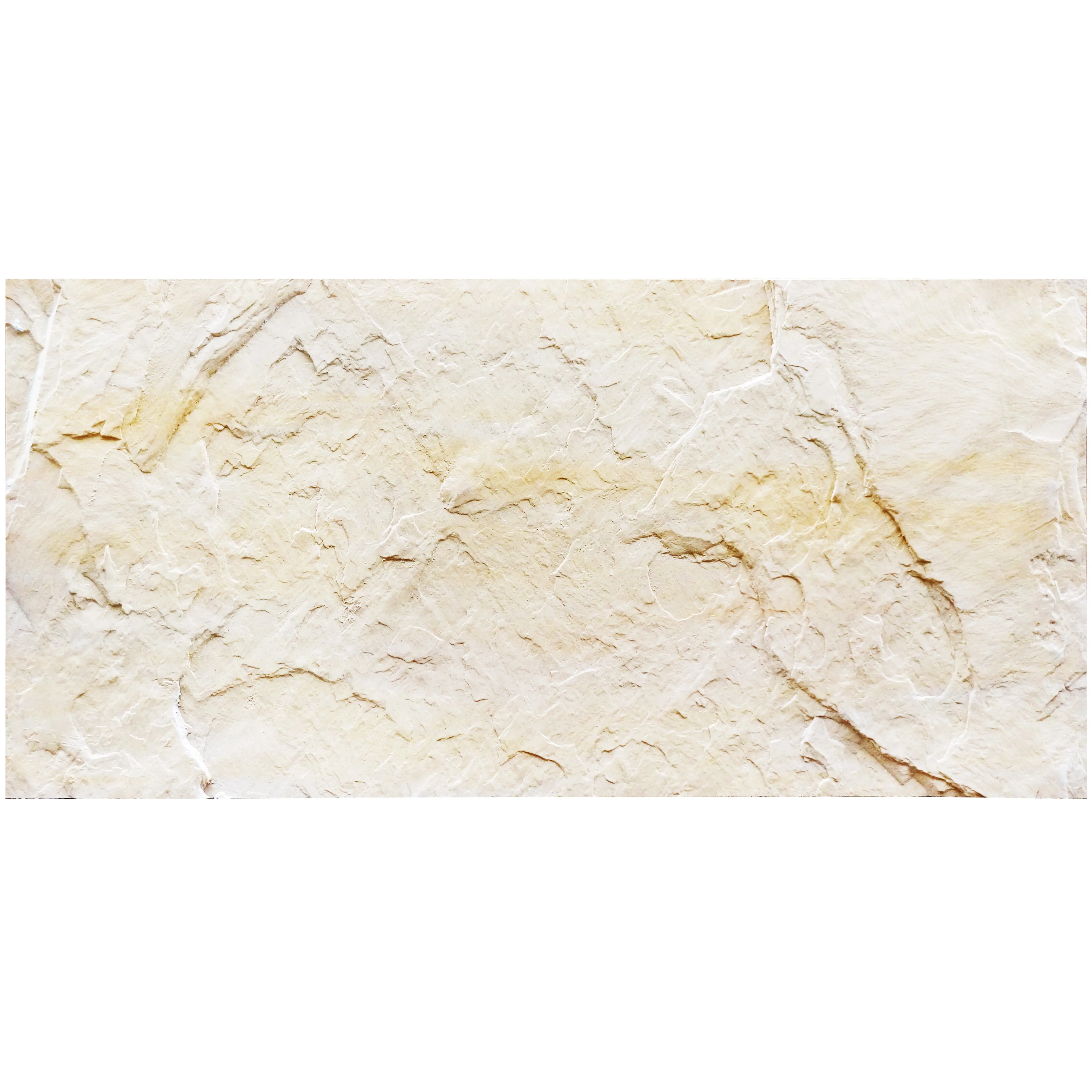
A closer look at the stone reshaping resilient architecture in the desert
Step outside in Riyadh at noon in July, and the air hits you like an open oven. The sun blazes so fiercely that even asphalt seems to melt, and buildings—once symbols of modernity—stand as silent victims: their exteriors cracked, their paint peeling, their facades radiating heat like a campfire. In the GCC, where summer temperatures soar past 50°C (122°F) and winter nights can dip below 10°C (50°F), buildings don't just house people; they wage a daily war against the elements. And for decades, the weapons of choice—traditional stones, concrete, and cladding—have often fallen short.
Architects and builders here know the drill all too well. Marble, once a status symbol, absorbs heat like a sponge, turning lobbies into saunas. Concrete, while durable, expands and contracts wildly with temperature swings, leading to unsightly cracks that demand constant repair. Even newer materials, like some imported travertines, fade under the relentless UV rays, losing their luster within a few years. The result? Buildings that look tired before their time, with maintenance costs that eat into budgets faster than a sandstorms a desert road.
But what if there was a material that didn't just survive the GCC's extremes—it thrived? A stone that laughed off 50°C days and 10°C nights, that kept buildings cool when the sun raged, and that looked just as good on year 10 as it did on day one? Enter Slate Sunnye—a material that's not just changing facades, but rewriting the rules of desert architecture.
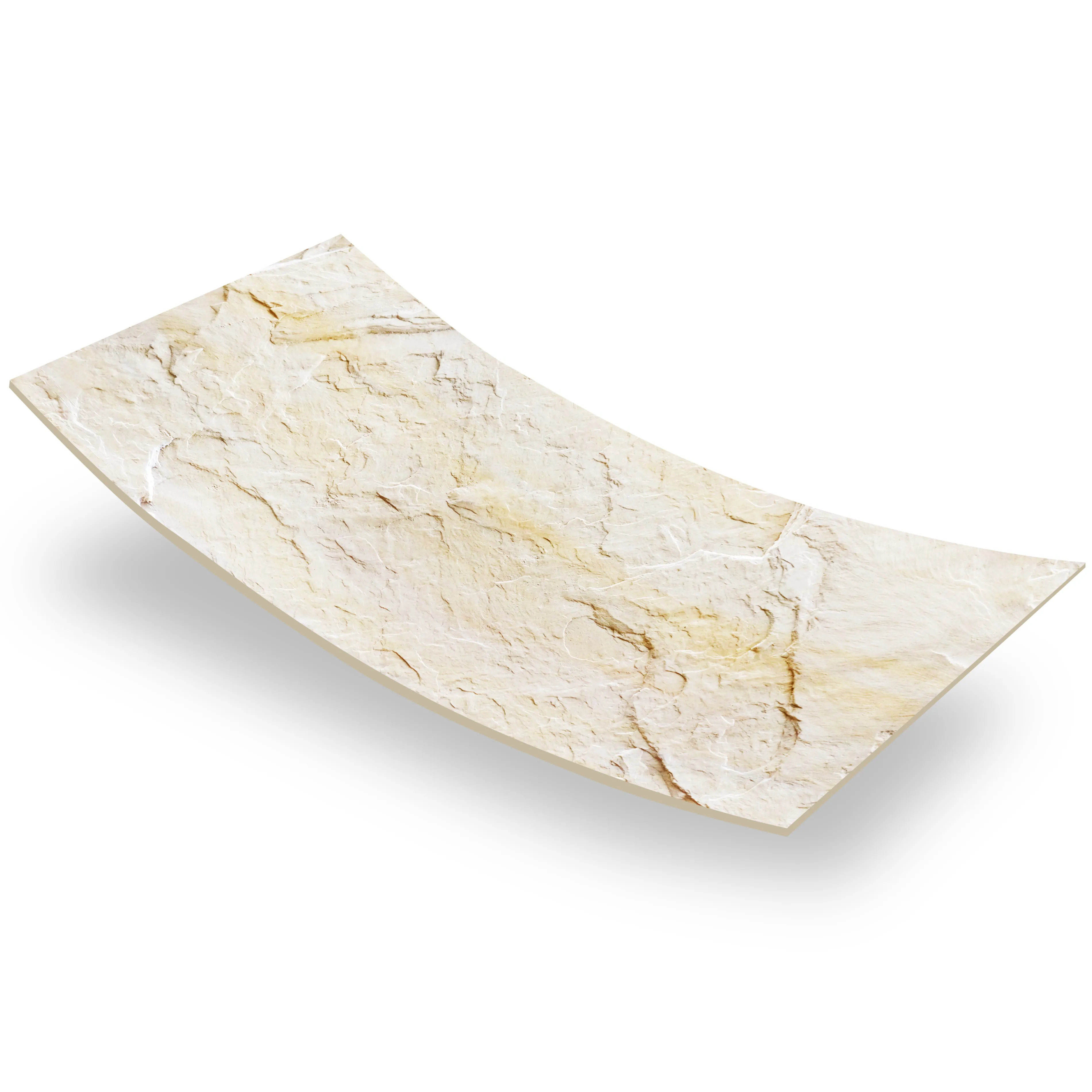
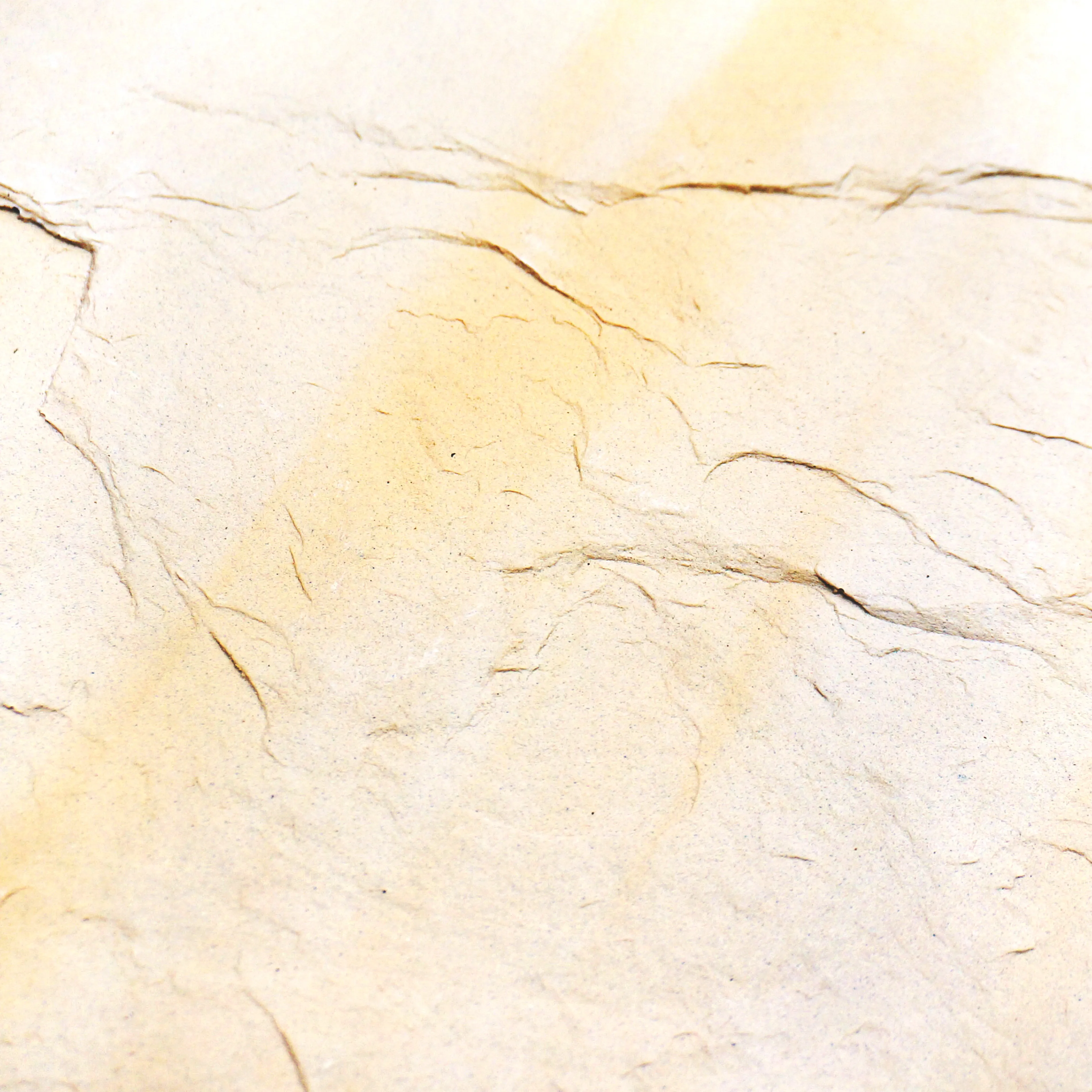
At first glance, Slate Sunnye might seem like just another pretty face in the world of natural stone. Its surface shimmers with a soft, silvery-gray hue, like moonlight reflecting off desert sand, and its texture—smooth yet subtly grained—invites the touch. But scratch beneath that elegant exterior, and you'll find a material engineered with one mission: to outlast the GCC's harshest conditions.
Developed by a team of material scientists and architects who spent years studying desert climates, Slate Sunnye isn't mined from just any quarry. It's sourced from select deposits in Turkey and Italy, where the stone's natural composition—rich in quartz and feldspar—gives it an inherent resistance to heat. But what truly sets it apart is the proprietary treatment it undergoes before reaching GCC construction sites: a thermal stabilization process that reduces its expansion coefficient to a fraction of traditional slate, making it nearly impervious to the region's temperature rollercoaster.
"We didn't just want a stone that could handle heat," says Dr. Amina Al-Mansoori, a materials engineer who consulted on Slate Sunnye's development. "We wanted one that could handle the swings . In Dubai, you might have a 45°C day followed by a 15°C night. Most materials would warp or crack under that stress. Slate Sunnye? It barely notices."
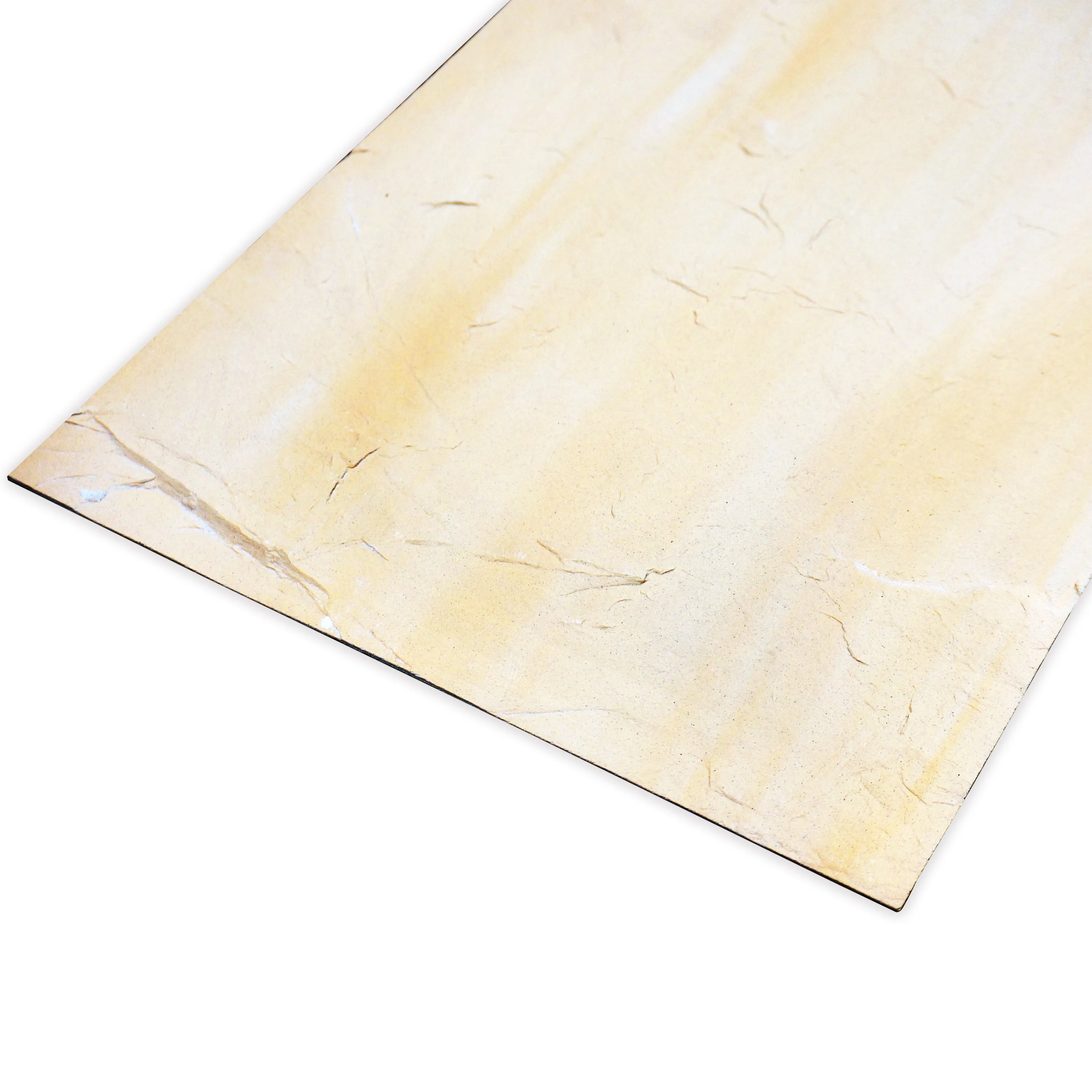
To understand why Slate Sunnye is a game-changer, let's get a little geeky—without the jargon. Imagine two stones sitting in the GCC sun: one traditional limestone, one Slate Sunnye. By midday, the limestone's surface temperature might hit 70°C (158°F), radiating heat into the building and forcing AC units to work overtime. Slate Sunnye, though? Its surface stays closer to 40°C (104°F), thanks to a natural ability to reflect rather than absorb solar radiation. How? Its microcrystalline structure scatters sunlight, bouncing much of it back into the atmosphere instead of trapping it as heat.
But the real magic is in its thermal stability. All materials expand when heated and contract when cooled—physics 101. The problem for GCC buildings is the rate of that expansion and contraction. Traditional slate, for example, expands by about 0.01% per °C change. That might sound small, but over a 40°C swing (say, from 10°C at night to 50°C during the day), a 10-meter slab would expand by 4 millimeters—enough to crack mortar or warp adjacent panels. Slate Sunnye, thanks to its stabilization treatment, expands by just 0.003% per °C. For that same 10-meter slab, that's a mere 1.2 millimeters of movement—so minimal, it's absorbed by the building's structural joints without a whisper of stress.
Add to that its resistance to UV radiation (no fading, even after years of direct sunlight) and its low water absorption rate (critical in the rare but intense GCC rainstorms), and you've got a material that checks every box for desert resilience. But don't just take the scientists' word for it—let's look at how it performs when the rubber meets the (scorching) road.
When Sheikh Khalid Al-Mansoori decided to build his family home in north Riyadh, he had one non-negotiable: it had to stand strong against the city's brutal summers. "My previous house, clad in imported marble, needed repainting every two years, and the AC bills were astronomical," he recalls. "I wanted something that looked timeless but didn't cost a fortune to maintain."
His architect recommended Slate Sunnye, and three years later, Sheikh Khalid is a convert. "Last summer, we had a week where temperatures hit 52°C," he says. "I walked outside, touched the walls, and they were warm—but not burning hot, like the marble used to be. Inside, the AC ran 30% less than in the old house. And the best part? The stone still looks exactly like it did on day one. No cracks, no fading, just that same beautiful silver-gray."
It's not just residential buildings benefiting from Slate Sunnye. The Azure Tower, a 22-story office complex in Dubai Marina, opted for the stone in 2020, using it for both exterior cladding and interior feature walls. "We needed a material that could handle the marina's salt air, the sun, and the constant temperature changes—all while matching the tower's modern, sleek aesthetic," says project architect Lina Hassan.
Today, facility manager Ahmed Faraj calls Slate Sunnye "the best decision we made." "In the first year, we tracked energy use compared to a neighboring tower with concrete cladding," he explains. "Azure used 22% less electricity for cooling. And when we did our annual facade inspection last month, we found zero cracks or chips—unheard of for a building in this climate."
These stories aren't outliers. From boutique hotels in Doha to commercial plazas in Abu Dhabi, Slate Sunnye is quietly becoming the material of choice for GCC builders who refuse to compromise on durability or design. But how does it stack up against other popular options in the region?
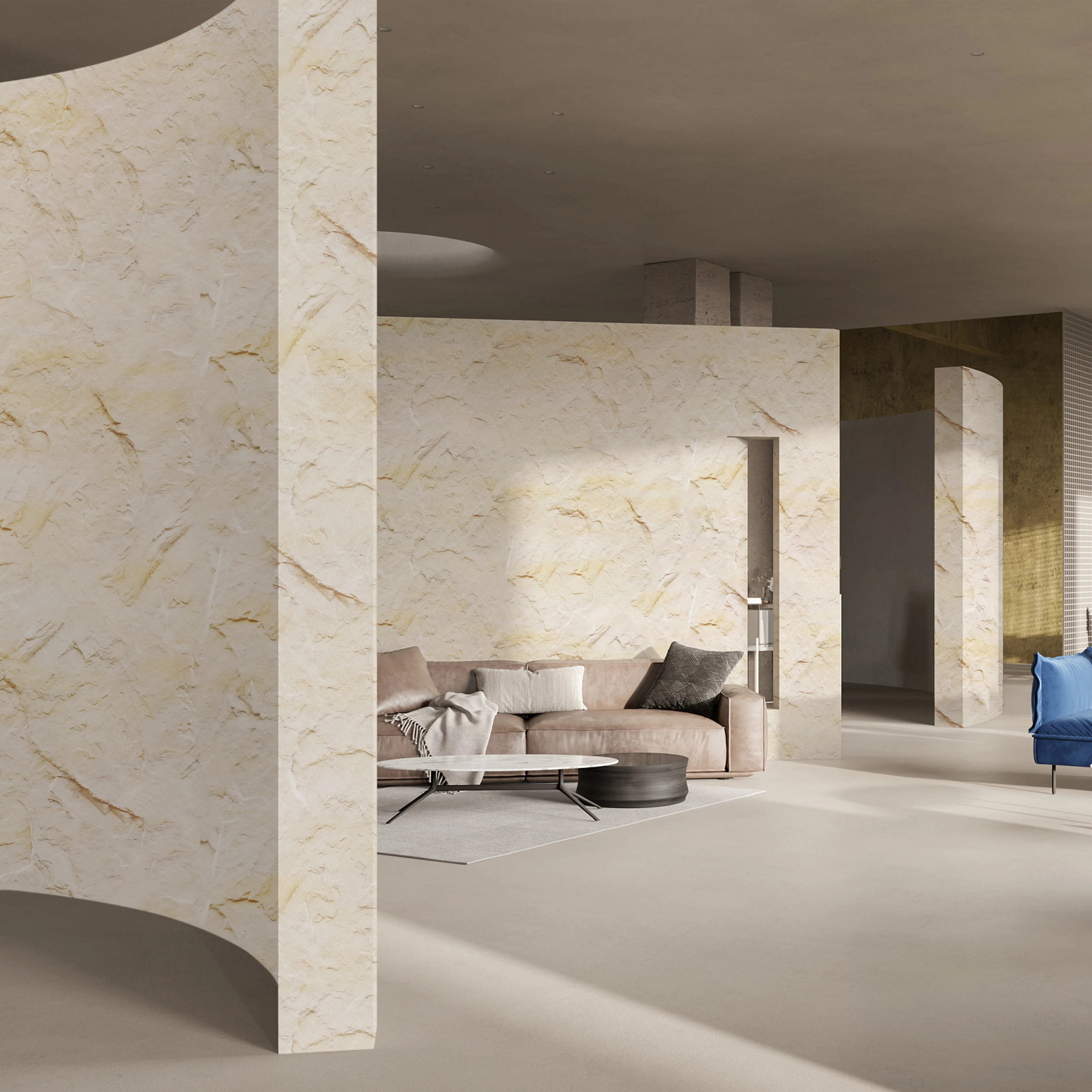
To truly appreciate Slate Sunnye's edge, let's put it side by side with two other materials commonly used in GCC construction: Gobi Panel (a lightweight composite) and Fair-faced concrete (a minimalist favorite). The results might surprise you.
| Feature | Slate Sunnye | Gobi Panel | Fair-faced Concrete |
|---|---|---|---|
| Thermal Resistance (Max Temp) | Up to 60°C (140°F) | Up to 45°C (113°F) | Up to 50°C (122°F) |
| Expansion/Contraction Rate | 0.003% per °C | 0.008% per °C | 0.012% per °C |
| UV Fading Resistance | Excellent (10+ years no fading) | Moderate (5-7 years before fading) | Poor (3-4 years before discoloration) |
| Maintenance Cost (Annual, per sqm) | ~AED 5 | ~AED 15 (due to panel replacement) | ~AED 20 (due to crack repairs) |
| Aesthetic Longevity | 15+ years with minimal aging | 8-10 years before needing replacement | 5-7 years before requiring resurfacing |
The numbers speak for themselves. While Gobi Panel and Fair-faced concrete have their merits—Gobi Panel is lightweight, Fair-faced concrete offers a raw, industrial look—neither can match Slate Sunnye's combination of thermal resilience, low maintenance, and timeless appeal. It's a difference that becomes even more pronounced over time, as the costs of repairing and replacing less durable materials add up.
In the GCC, architecture isn't just about function—it's about making a statement. From Dubai's Burj Khalifa to Abu Dhabi's Sheikh Zayed Grand Mosque, buildings here are works of art, and their facades are the canvas. Slate Sunnye understands this, which is why it doesn't just excel in durability—it plays well with design, too.
Unlike some industrial materials that limit creativity (looking at you, plain concrete), Slate Sunnye comes in a range of finishes to suit any aesthetic. Want a modern, sleek look? Opt for the "Polished" finish, where the stone's surface is buffed to a mirror-like shine, reflecting the desert sky. Prefer something more rustic? The "Honed" finish offers a soft, matte texture that pairs beautifully with traditional Arabic architecture. And for projects that demand a pop of color, it can be paired with complementary materials like Travertine (starry blue)—a stone with subtle, star-like flecks of blue and gray—to create striking accents that stand out without clashing.
Take the recent renovation of the historic Al-Bastakiya district in Dubai, where Slate Sunnye was used to restore 19th-century courtyard homes. "We needed a material that respected the area's heritage but could handle modern temperatures," says lead architect Fatima Rashid. "Slate Sunnye's silvery-gray tone blended seamlessly with the original coral stone, and its durability meant we wouldn't have to redo the work in a decade. The result? Homes that feel both old and new, with walls that stay cool even when the sun beats down on the courtyards."
It's this blend of form and function that has made Slate Sunnye a favorite among architects who refuse to choose between beauty and resilience. After all, in a region where buildings are meant to inspire, why settle for anything less?
In a world increasingly focused on sustainability, Slate Sunnye has another trick up its sleeve: it's kind to the planet, too. Let's start with energy efficiency. By reflecting heat and reducing the need for air conditioning, buildings clad in Slate Sunnye use less electricity—a big win in the GCC, where power grids rely heavily on fossil fuels. The Azure Tower, for example, estimates it has cut its carbon footprint by 18% since switching to Slate Sunnye, simply by lowering AC usage.
Then there's the stone's lifecycle. Unlike synthetic cladding materials, which often end up in landfills after 10-15 years, Slate Sunnye is natural and fully recyclable. Even better, its long lifespan—up to 50 years with proper care—means fewer replacements, reducing the environmental impact of mining and manufacturing new materials.
"Sustainability in the GCC isn't just about water conservation," says environmental engineer Dr. Karim El-Hassan. "It's about building in a way that doesn't drain resources. Slate Sunnye does that by lasting longer, using less energy, and leaving a smaller footprint. It's a material that thinks about the next generation, not just the next construction deadline."
As the GCC continues to grow—with new cities like NEOM rising from the desert and existing metropolises expanding—demand for resilient, beautiful building materials will only increase. And Slate Sunnye is poised to lead the charge. Architects are already experimenting with bold new uses: curved facades in Doha, vertical gardens in Abu Dhabi, even sculptural installations that double as shade structures—all made possible by Slate Sunnye's strength and versatility.
"The future of GCC architecture isn't about fighting the desert—it's about working with it," says Lina Hassan, the Dubai Marina architect. "Slate Sunnye doesn't just resist the heat; it embraces the environment, turning the sun's intensity into an asset. It's the kind of material that lets us dream bigger, build smarter, and create spaces that feel at home in this extraordinary landscape."
So the next time you walk through a GCC city and spot a building that looks impossibly cool (literally) in the summer sun, take a closer look. Chances are, you're looking at Slate Sunnye—a stone that's not just building facades, but a more resilient, beautiful future for desert architecture.
In the GCC, where the climate is unforgiving and expectations are high, building materials can't afford to be ordinary. They need to be tough, smart, and a little bit magical. Slate Sunnye checks all those boxes and more. It's a material born from the desert's challenges, engineered to thrive where others falter, and designed to turn buildings into lasting testaments to human ingenuity.
So whether you're building a family home, a commercial tower, or a cultural landmark, remember: the right material isn't just about today's trends. It's about tomorrow's resilience. And in the GCC, tomorrow belongs to Slate Sunnye.
Recommend Products












