
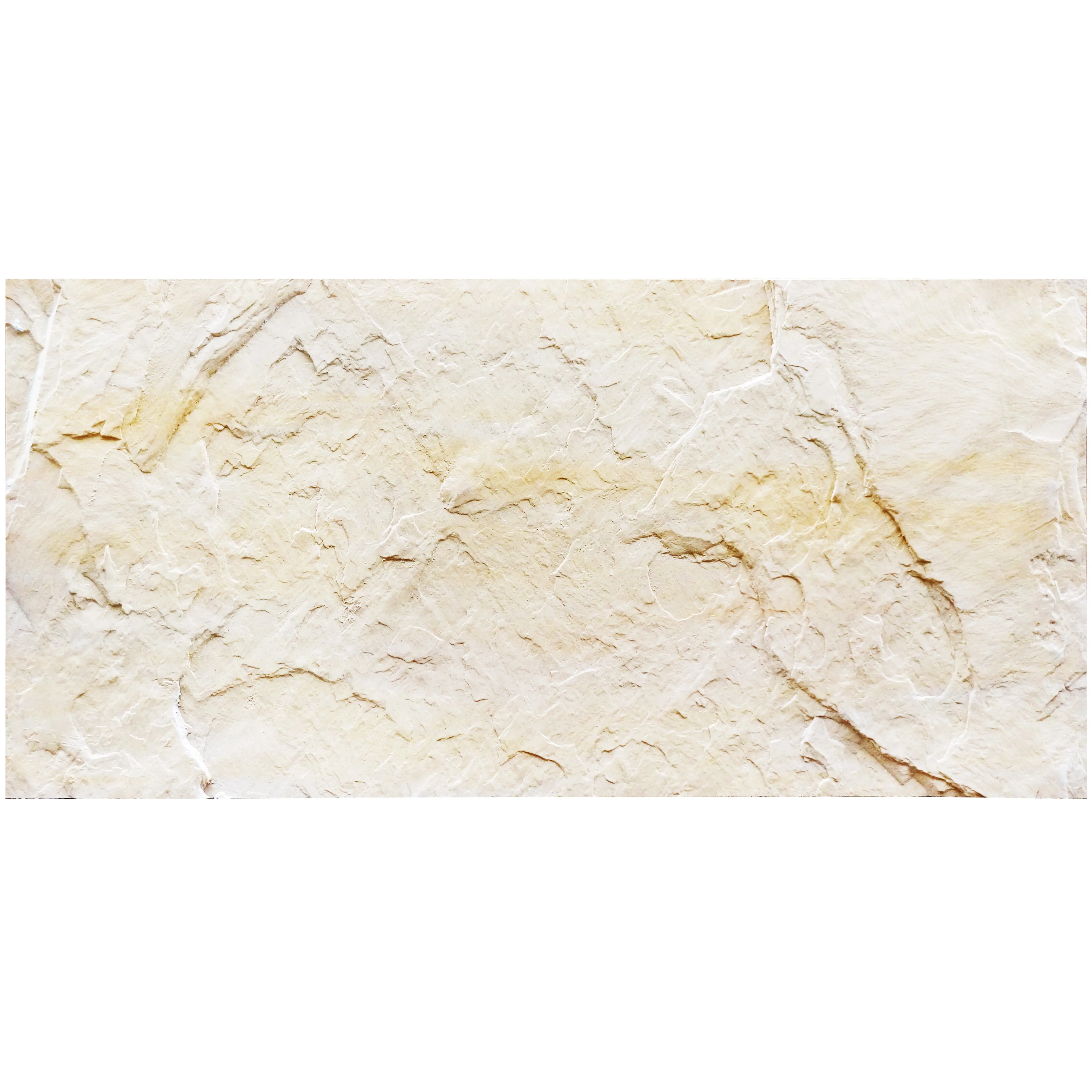
Walk through Riyadh's bustling streets or Jeddah's coastal boulevards, and you'll notice a quiet revolution unfolding across the kingdom's skyline. Buildings that once blended into the backdrop with plain concrete or monotonous stone facades are now stepping into the spotlight—adorned with textures that shift with the sun, colors that echo the desert's hues, and designs that balance tradition with cutting-edge modernity. At the heart of this transformation? A material that's redefining what exterior walls can be: Slate Sunnye. More than just a building product, it's a bridge between Saudi Arabia's rich architectural heritage and the demands of contemporary design. Let's dive into how Slate Sunnye is not just changing walls, but reshaping the future of Saudi exterior decoration.
Saudi Arabia's architecture has always been a dialogue between function and beauty. From the mud-brick structures of old Diriyah, built to withstand scorching summers, to the glass-and-steel skyscrapers of Riyadh, the kingdom's buildings have evolved to meet the needs of a growing population and a vision for modernity. But when it comes to exterior walls, designers and builders have long faced a tough balancing act.
First, there's the climate. With temperatures soaring above 45°C in summer, sandstorms that grind against surfaces, and coastal humidity in cities like Jeddah, exterior materials must be tough. Traditional options like natural stone—while beautiful—are heavy, expensive, and prone to cracking under thermal stress. Concrete, the workhorse of construction, is durable but rigid, limiting creative expression. Even newer materials often fall short: either too bland to make a statement, too fragile to withstand Saudi conditions, or too heavy to be practical for large-scale projects.
Then there's the shift in aesthetics. Today's Saudi clients—whether developers, businesses, or homeowners—want more than just "functional." They crave uniqueness. Exterior walls are no longer afterthoughts; they're canvases that reflect brand identity, cultural pride, or personal style. Think of the sleek, futuristic facades of Riyadh's financial district, the warm, earthy textures of luxury resorts in Al Ula, or the vibrant, art-inspired walls of Jeddah's creative districts. The demand is clear: materials that can do it all—stand up to the elements, reduce maintenance headaches, and deliver head-turning design.
Enter Slate Sunnye. Born from the innovative MCM (Modified Composite Material) family—known for products like MCM flexible stone and MCM big slab board series—Slate Sunnye was designed to address these very challenges. It's not just a material; it's a solution that marries durability with design freedom, making it a game-changer for Saudi exterior decoration.
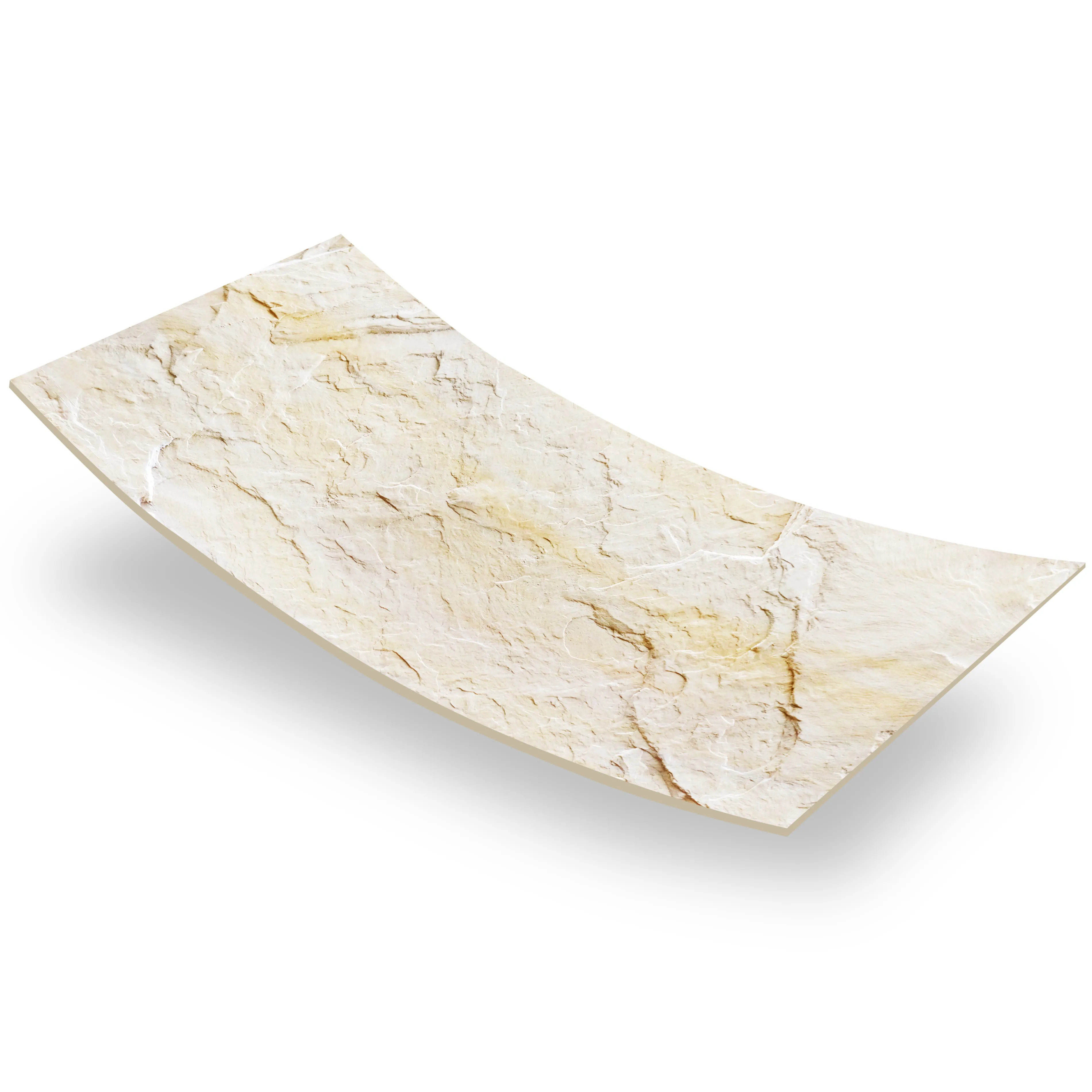
Let's start with the basics: Slate Sunnye is a cutting-edge exterior cladding material that belongs to the MCM product line, a category celebrated for reimagining traditional building materials through advanced technology. At its core, Slate Sunnye combines natural minerals (like quartz and) with high-performance polymers, creating a composite that's both lightweight and incredibly strong. Think of it as nature and science shaking hands—taking the best of natural stone's beauty and enhancing it with the resilience of modern engineering.
But what sets Slate Sunnye apart from other MCM products? It's all in the details. Unlike some cladding materials that prioritize either durability or design, Slate Sunnye refuses to compromise. Its surface mimics the intricate textures of natural slate—with subtle veining, matte finishes, and depth that catches light in ways flat, uniform materials can't. Yet, unlike natural slate (which is heavy, brittle, and hard to customize), Slate Sunnye is flexible, lightweight, and available in a range of colors and finishes that can be tailored to any project's vision.
Picture this: a commercial building in Riyadh using Slate Sunnye in soft, desert-inspired beige, with accents of Lunar Peak Golden—a warm, metallic hue that shimmers like sunlight on sand. Or a coastal home in Dammam wrapped in Slate Sunnye's cool, gray tones, paired with travertine in starry blue for a nod to the Red Sea. The possibilities are as diverse as Saudi Arabia's landscape itself.
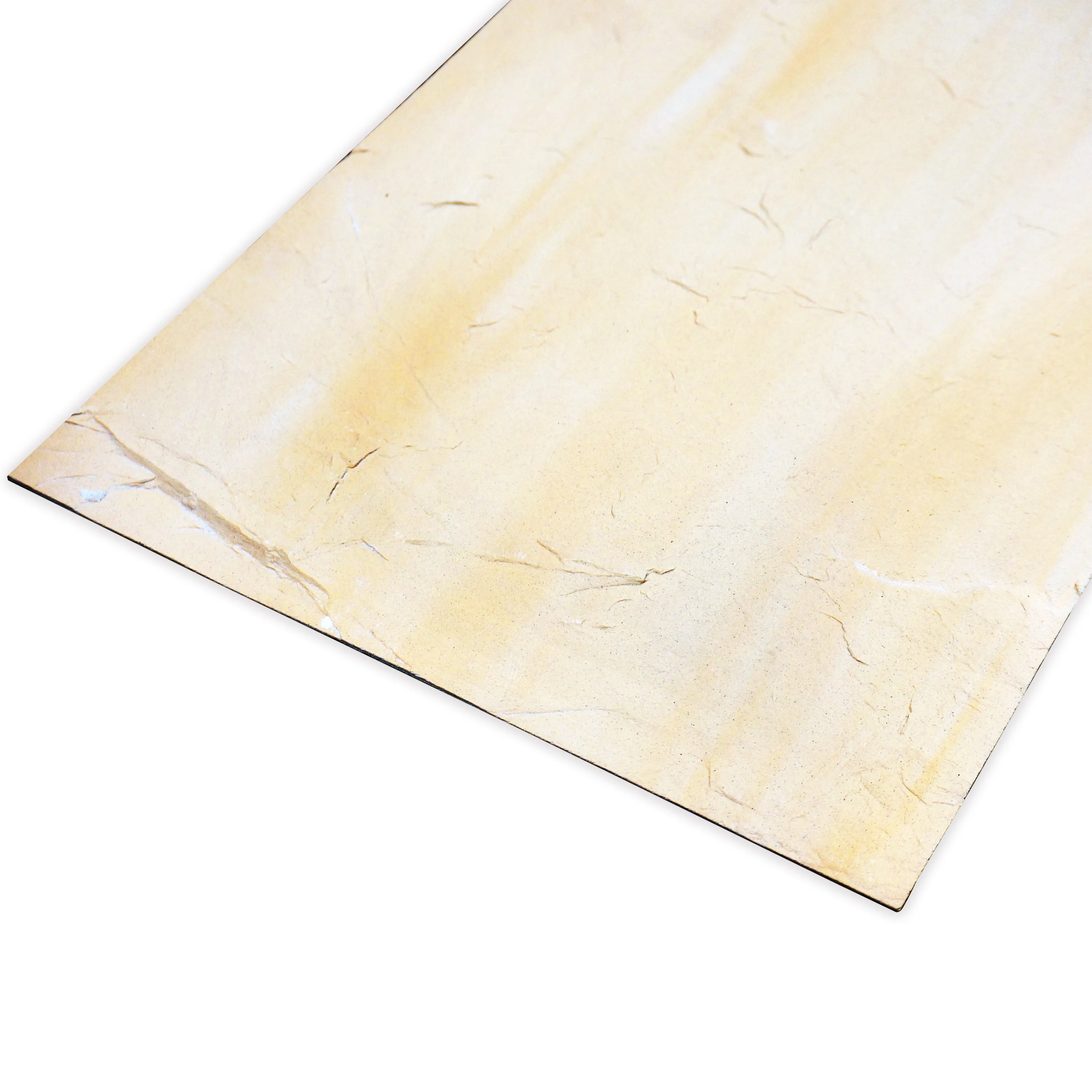
To understand why Slate Sunnye is transforming Saudi exteriors, let's break down its most impressive features—each addressing a specific pain point in traditional cladding:
One of the biggest headaches with traditional stone cladding is weight. Natural stone can weigh 25-30 kg per square meter, putting strain on a building's structure and driving up installation costs. Slate Sunnye, by contrast, weighs just 8-12 kg/m²—less than half the weight of natural stone—while boasting a flexural strength of 30 MPa (that's engineering speak for "it can bend without breaking"). This lightweight nature makes installation faster (saving labor costs) and safer, while reducing the load on buildings—a critical advantage for high-rises or older structures.
Saudi Arabia's climate is no joke: blistering heat, UV radiation, sandstorms, and occasional humidity. Slate Sunnye is engineered to thrive here. Its polymer matrix resists UV degradation, so colors won't fade even after years in direct sunlight. It's also highly resistant to impact—perfect for withstanding sand particles whipped up by desert winds. And unlike porous natural stones (which absorb moisture and develop mold in humid coastal areas), Slate Sunnye is non-porous, making it easy to clean and maintain. In short, it's a material that looks good year after year, with minimal upkeep.
Traditional cladding materials often box designers in. Concrete is rigid, natural stone is hard to cut into complex shapes, and many composites lack texture. Slate Sunnye? It's a designer's dream. Thanks to its flexibility, it can be curved, bent, or cut into custom shapes—think undulating facades, geometric patterns, or even 3D art installations on building exteriors. It's available in large formats (up to 1200x2400mm) as part of the MCM big slab board series, reducing the number of seams for a sleek, continuous look. And with a palette inspired by Saudi's landscapes—from desert beiges to starry night blues (like the popular travertine starry blue)—it's easy to match any design vision, whether traditional or ultra-modern.
Sustainability is no longer a "nice-to-have" in construction—it's a priority. Slate Sunnye checks this box, too. Its production process uses recycled materials and consumes less energy than mining and processing natural stone. Plus, its lightweight design reduces transportation emissions, and its durability means less frequent replacement (cutting down on waste). When it comes to cost, Slate Sunnye offers long-term savings: lower installation labor costs, minimal maintenance (no need for regular sealing or repairs), and energy efficiency (its insulating properties help regulate building temperatures, reducing AC costs in summer).
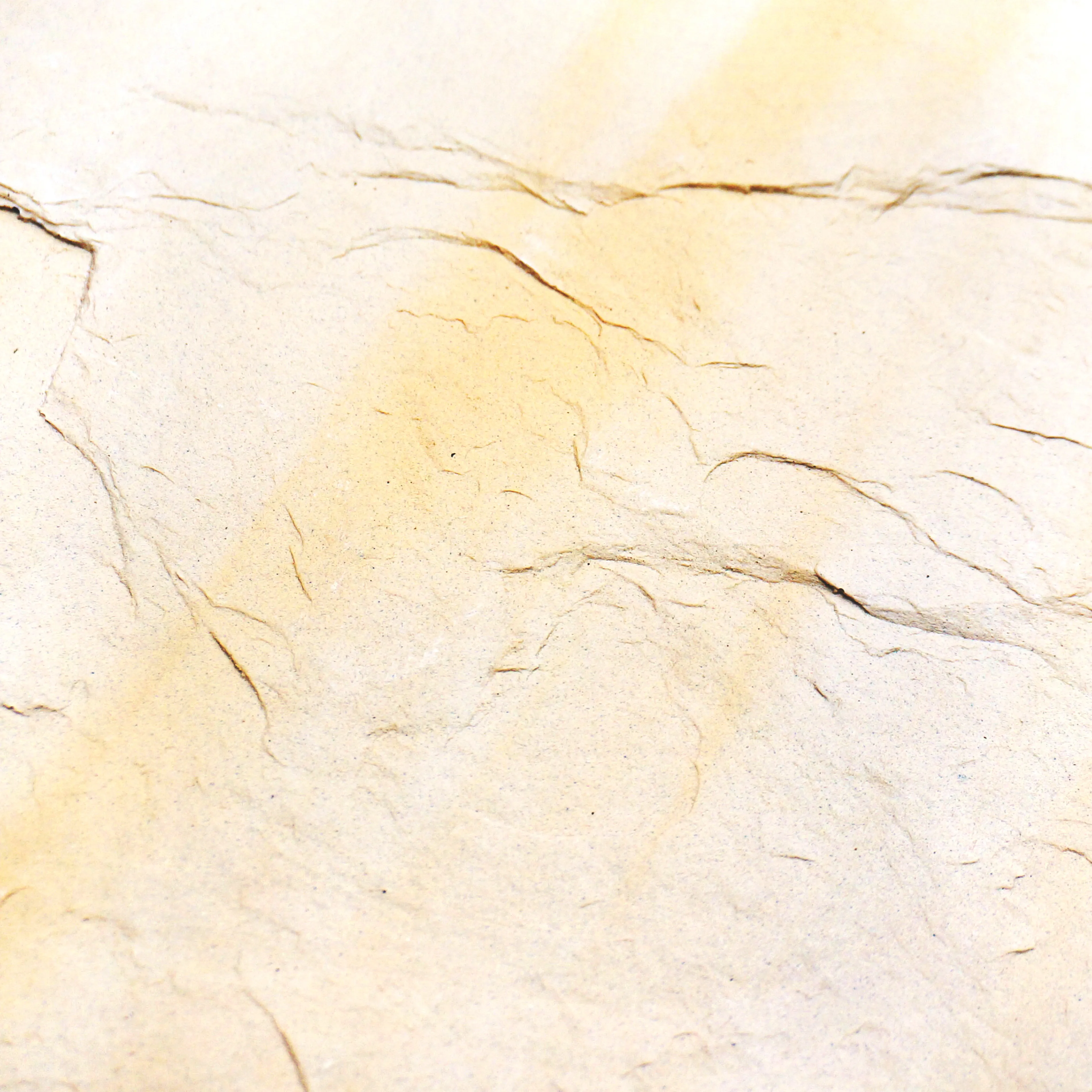
To truly see the revolution, let's compare Slate Sunnye to the traditional materials it's replacing. The table below breaks down how it performs against two common options: traditional concrete cladding and natural limestone.
| Feature | Slate Sunnye | Traditional Concrete Cladding | Natural Limestone |
|---|---|---|---|
| Durability (Resistance to Heat, Sand, Moisture) | Excellent (5/5) | Fair (3/5) - Prone to cracking in heat; fades over time | Good (4/5) - Susceptible to staining and erosion in humid areas |
| Weight (kg/m²) | 8-12 kg/m² | 20-25 kg/m² | 25-30 kg/m² |
| Installation Time | Fast (30% quicker than traditional materials) | Slow (requires curing time; heavy lifting) | Slow (requires skilled labor for cutting/shaping) |
| Design Flexibility | High (curvable, custom shapes, large formats) | Low (rigid, limited texture options) | Moderate (can be carved but is brittle) |
| Long-Term Cost (Installation + Maintenance + Energy Savings) | Moderate initial cost; low long-term costs | Low initial cost; high maintenance and energy costs | High initial cost; high maintenance (sealing, repairs) |
| Eco-Friendliness | High (recycled materials, low energy production) | Low (high carbon footprint; non-recyclable) | Moderate (natural but energy-intensive to mine/transport) |
The difference is clear: Slate Sunnye outperforms traditional materials in nearly every category that matters to Saudi builders and designers. It's not just a better option—it's a smarter one.
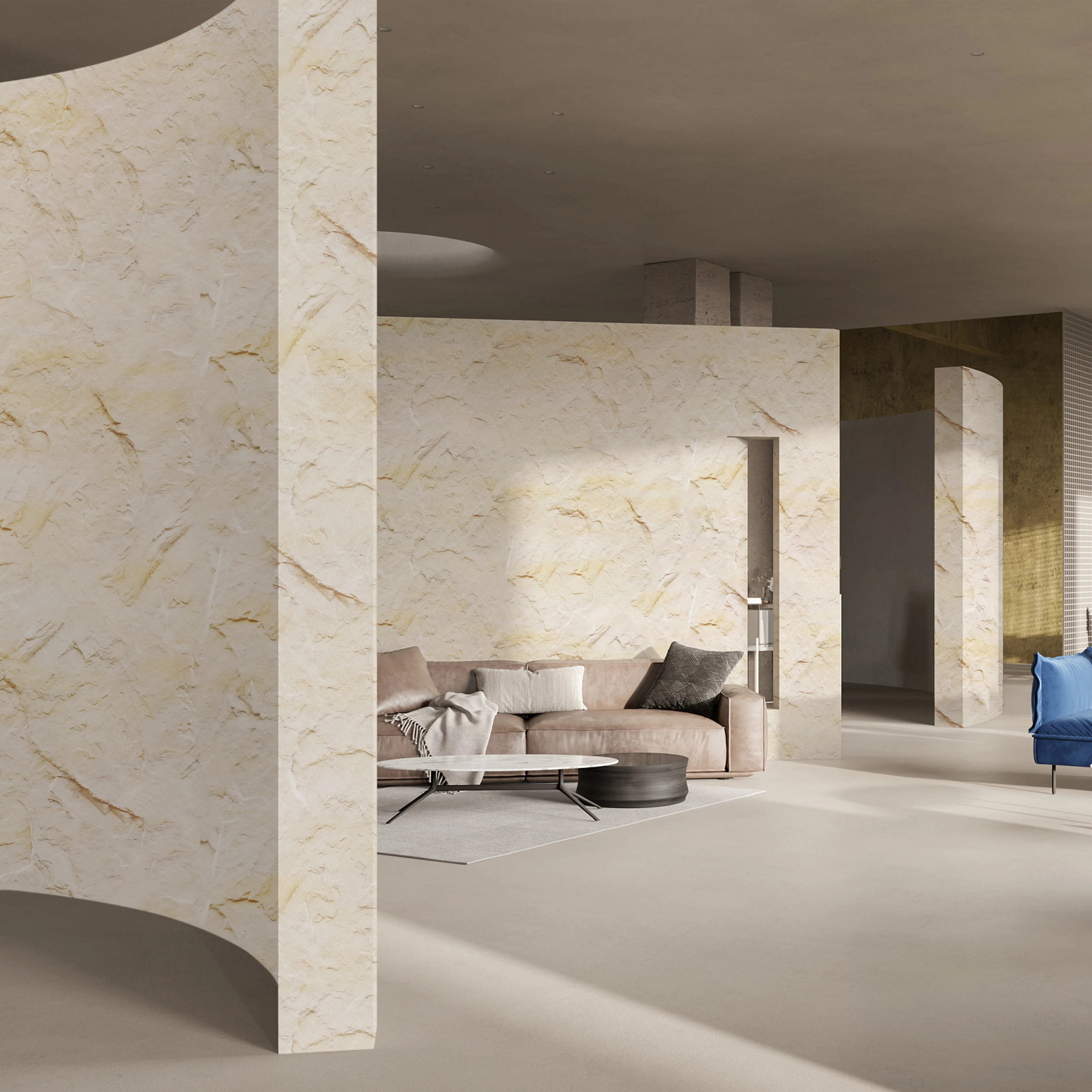
Numbers and features tell part of the story, but real-world examples show the revolution in motion. Let's look at two recent projects in Saudi Arabia where Slate Sunnye transformed exterior design.
Located in Jeddah's waterfront district, the Azure Tower is a 25-story mixed-use building housing offices, retail, and luxury apartments. The client's vision? A modern, iconic facade that would stand out along the Red Sea skyline while withstanding the coastal humidity and salt air. Traditional materials like natural stone were ruled out early—too heavy for the building's structure and too porous to resist moisture.
The solution? Slate Sunnye in a custom "ocean mist" gray, paired with accents of travertine starry blue (a nod to the sea). The large-format MCM big slab boards (1200x2400mm) created a seamless, wave-like effect on the tower's exterior, while the material's non-porous surface prevented mold and salt damage. Installation was completed 30% faster than projected, saving the developer both time and labor costs. Today, the Azure Tower is a local landmark, with tenants praising its cool, energy-efficient interiors (thanks to Slate Sunnye's insulating properties) and visitors admiring its shimmering, sea-inspired facade.
Nestled in the desert landscapes of Al Ula, Al Sarab Resort is a luxury retreat that blends modern comfort with traditional Saudi design. The client wanted exterior walls that would harmonize with the surrounding sandstone cliffs—warm, earthy, and textured—while requiring minimal maintenance in the harsh desert climate (temperatures up to 50°C, sandstorms, and intense UV rays).
Slate Sunnye was the perfect fit. The design team chose a custom "desert sand" finish, with Lunar Peak Golden trim to mimic the golden hour light over the cliffs. The material's flexibility allowed for curved, organic shapes that echoed the natural rock formations, while its UV resistance ensured the colors wouldn't fade. Even after two years of sandstorms and extreme heat, the walls look as vibrant as day one. "Slate Sunnye let us create a resort that feels like it belongs in the desert, not just built on it," said the project's lead architect. "It's durable enough to handle Al Ula's climate, but beautiful enough to make guests feel they're staying in a work of art."
Saudi Arabia's construction market is flooded with options, including other MCM products like flexible stone and big slab boards. So why is Slate Sunnye emerging as the top choice? It's the combination of three factors: texture, versatility, and Saudi-specific customization.
Unlike some MCM flexible stone products that prioritize flexibility over texture, Slate Sunnye offers both. Its surface has the depth and realism of natural stone, with none of the brittleness. Compared to the MCM big slab board series, Slate Sunnye adds an extra layer of design versatility—think custom colors inspired by Saudi's unique landscapes, from the starry skies of the Empty Quarter (hence the popularity of travertine starry hues) to the golden dunes of Rub' al Khali.
Another key differentiator is its adaptability to local needs. The team behind Slate Sunnye worked closely with Saudi architects and builders to test the material in local conditions, tweaking its formula to resist sand abrasion and extreme heat. The result? A product that doesn't just "work" in Saudi Arabia—it thrives here.
Slate Sunnye isn't just changing walls—it's changing how Saudi Arabia builds. In a market where durability, design, and sustainability are non-negotiable, it's a material that checks every box. It's lightweight enough to make construction easier, durable enough to stand up to the harshest climates, and beautiful enough to turn buildings into landmarks.
As Saudi Arabia continues to grow—with mega-projects like NEOM, Qiddiya, and the Riyadh Metro transforming cities—the demand for innovative, future-proof building materials will only rise. Slate Sunnye, with its blend of tradition and technology, is poised to lead this charge. It's more than a cladding material; it's a statement: that Saudi architecture can be both rooted in heritage and boldly forward-thinking.
So the next time you walk through a Saudi city and pause to admire a building's striking exterior—its texture catching the light, its colors telling a story—chances are, you're looking at Slate Sunnye. And that, in itself, is the revolution.
Recommend Products












