In an era where climate change and resource depletion dominate global conversations, the construction industry stands at a crossroads. Buildings account for nearly 40% of global energy consumption and 30% of greenhouse gas emissions, according to the U.S. Green Building Council (USGBC). This statistic isn't just a number—it's a call to action. Enter green building certification systems like LEED (Leadership in Energy and Environmental Design), which have become the gold standard for recognizing projects that prioritize sustainability. But achieving LEED credits isn't just about checking boxes; it's about choosing materials that align with a vision of resilience, efficiency, and harmony with the planet.
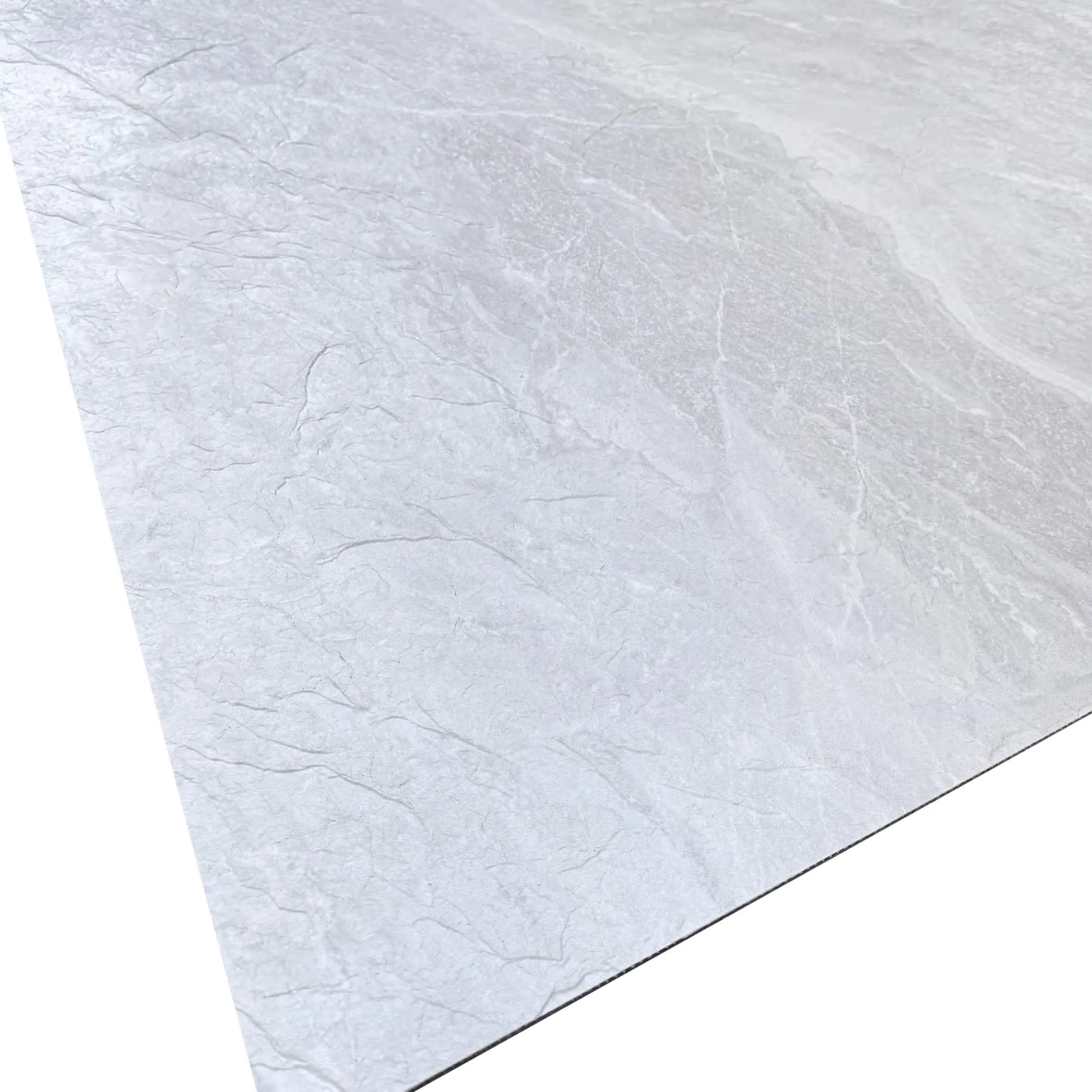
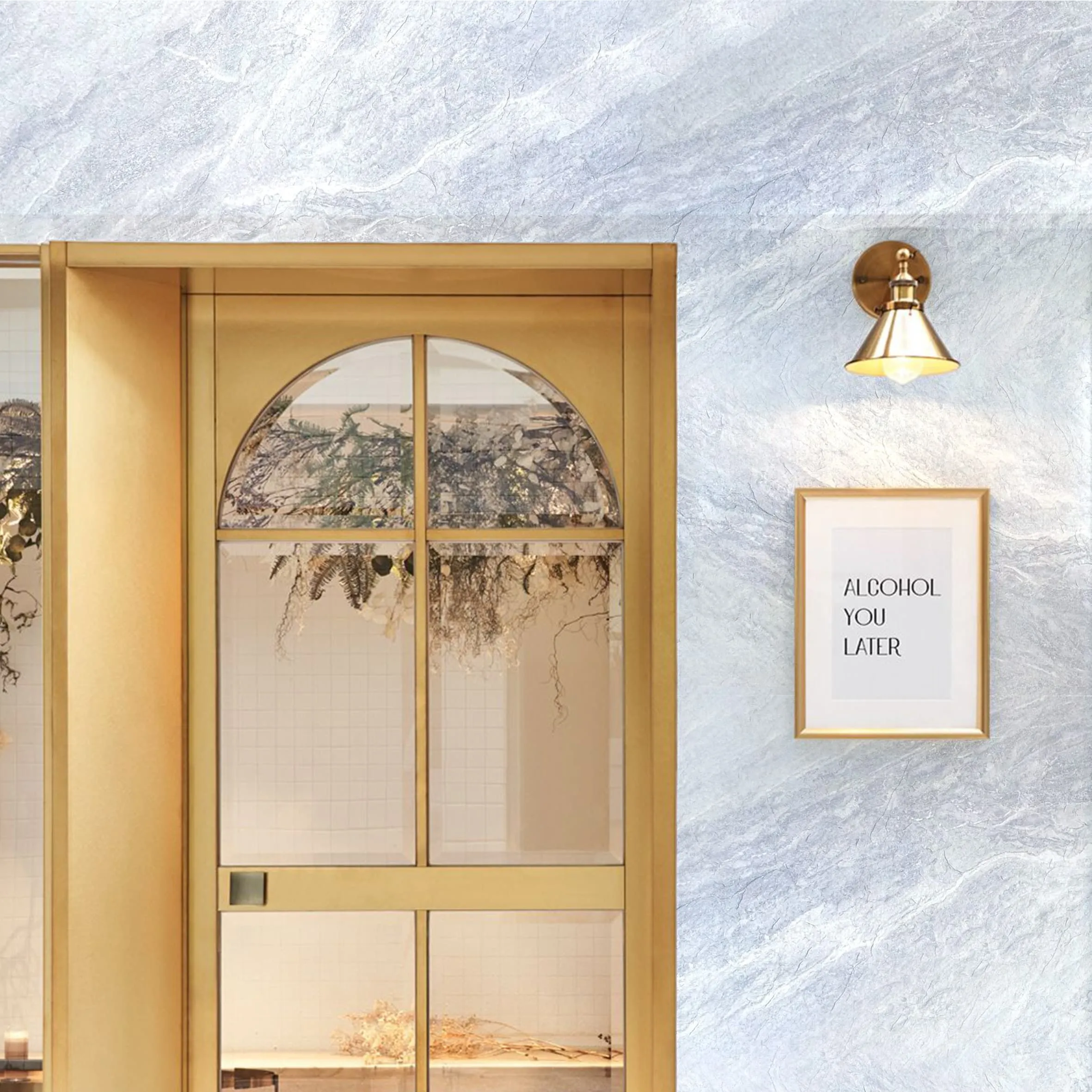
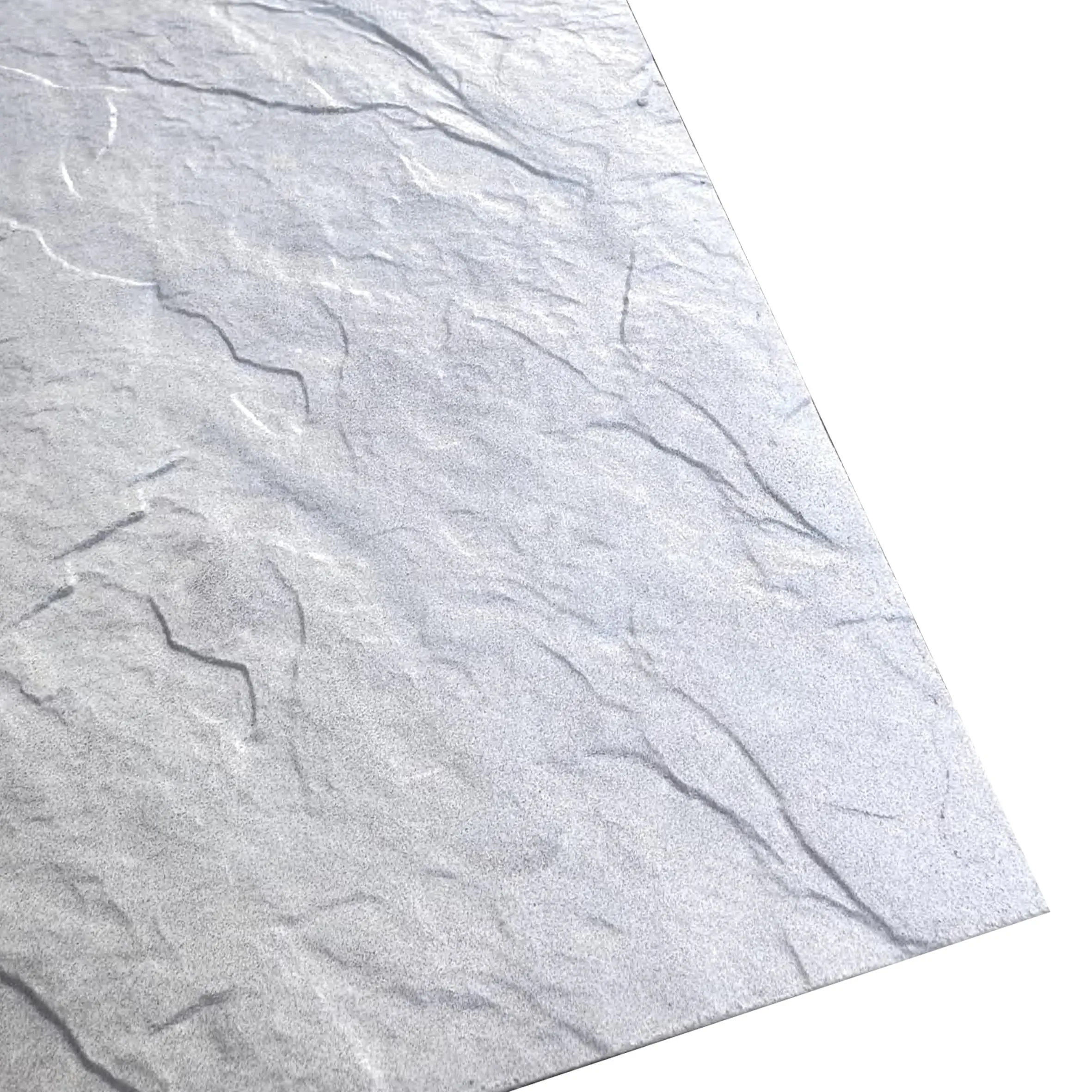
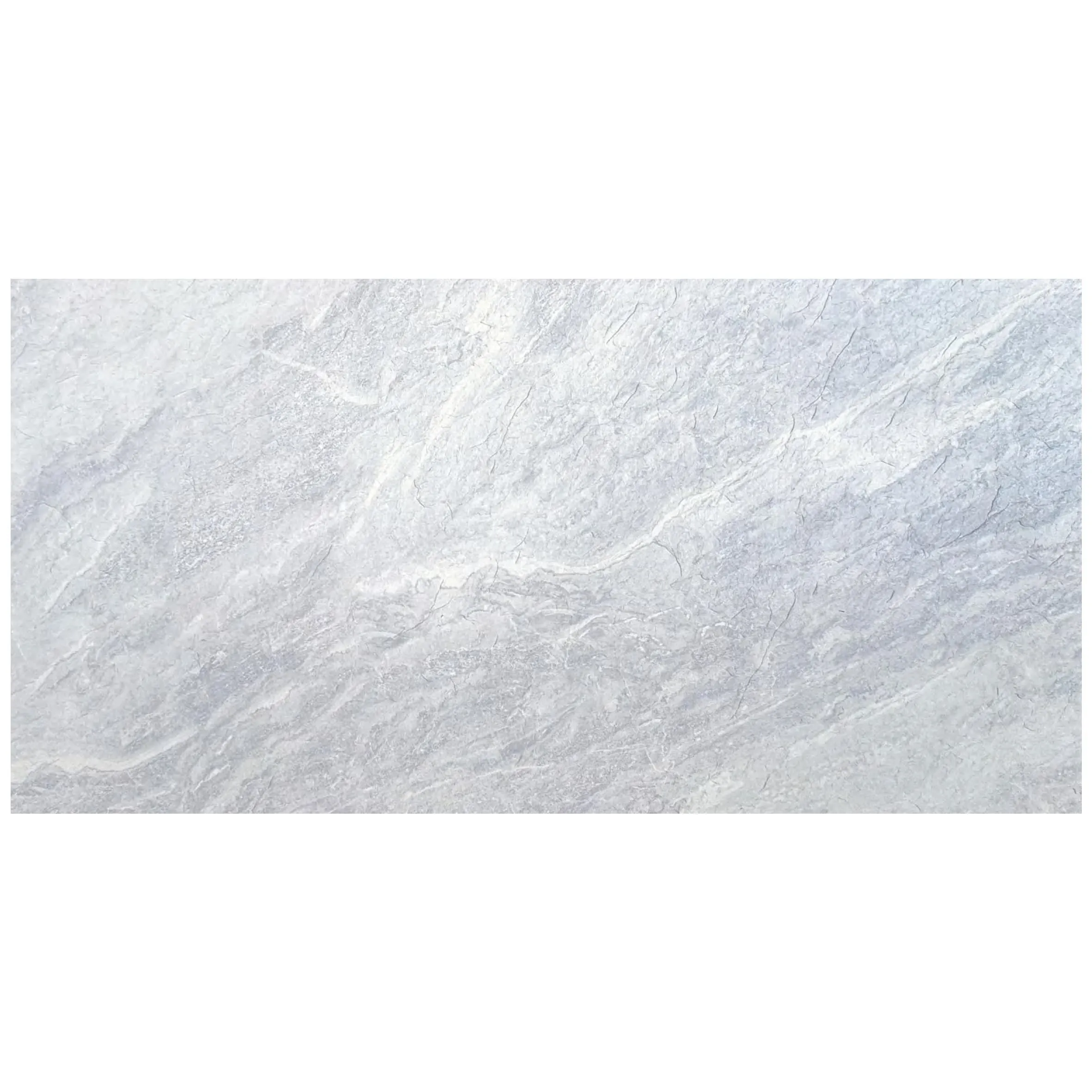
Among the innovative materials reshaping the industry is Slate Veil White MCM (Modified Composite Material), a product that marries the timeless beauty of natural stone with the practical benefits of modern engineering. But how exactly does this material contribute to LEED credits? In this article, we'll dive into the world of LEED certification, explore the unique properties of Slate Veil White MCM, and uncover how it—and complementary materials like Lunar Peak Silvery and Foamed Aluminium Alloy Board (Vintage Silver) —can help projects earn coveted LEED points, one sustainable choice at a time.