

Have you ever walked into a room on a scorching summer day and felt an immediate sense of cool relief? Or stepped inside from the biting winter cold into a space that feels instantly warm and cozy? That feeling of comfort isn't just a happy accident; it's the result of effective thermal insulation. In the world of construction and architecture, creating buildings that are energy-efficient and comfortable is a top priority. It's not just about feeling good—it's about saving money on energy bills and building a more sustainable future. This quest for better insulation has led architects and builders to explore a wide range of materials, from the traditional to the cutting-edge.
One material that often comes up in discussions about traditional, effective insulation is star gravel. While perhaps not as well-known as fiberglass or foam, its role in creating thermally resistant structures is significant. But as technology evolves, so do our building materials. Today, the conversation is shifting. While we acknowledge the contributions of materials like star gravel, we must also ask: what comes next? This article will explore the principles of thermal insulation, delve into how materials like star gravel contribute, and then introduce a new generation of solutions from COLORIA GROUP that are redefining what's possible in building performance and design.
Before we can compare different materials, it's crucial to understand what thermal insulation actually does. At its core, insulation is about slowing down the transfer of heat. Heat naturally moves from warmer areas to cooler areas, and this happens through three primary mechanisms:
Effective thermal insulation works by tackling one or more of these heat transfer methods. A good insulating material will have a high thermal resistance, often measured as an "R-value." The higher the R-value, the better the material is at resisting heat flow. A complete building "envelope"—the combination of walls, roof, windows, and foundation—is designed to create a continuous barrier with a high collective R-value, keeping the conditioned indoor air separate from the unconditioned outdoor environment. This reduces the workload on heating and cooling systems, leading to significant energy savings and a much smaller carbon footprint.
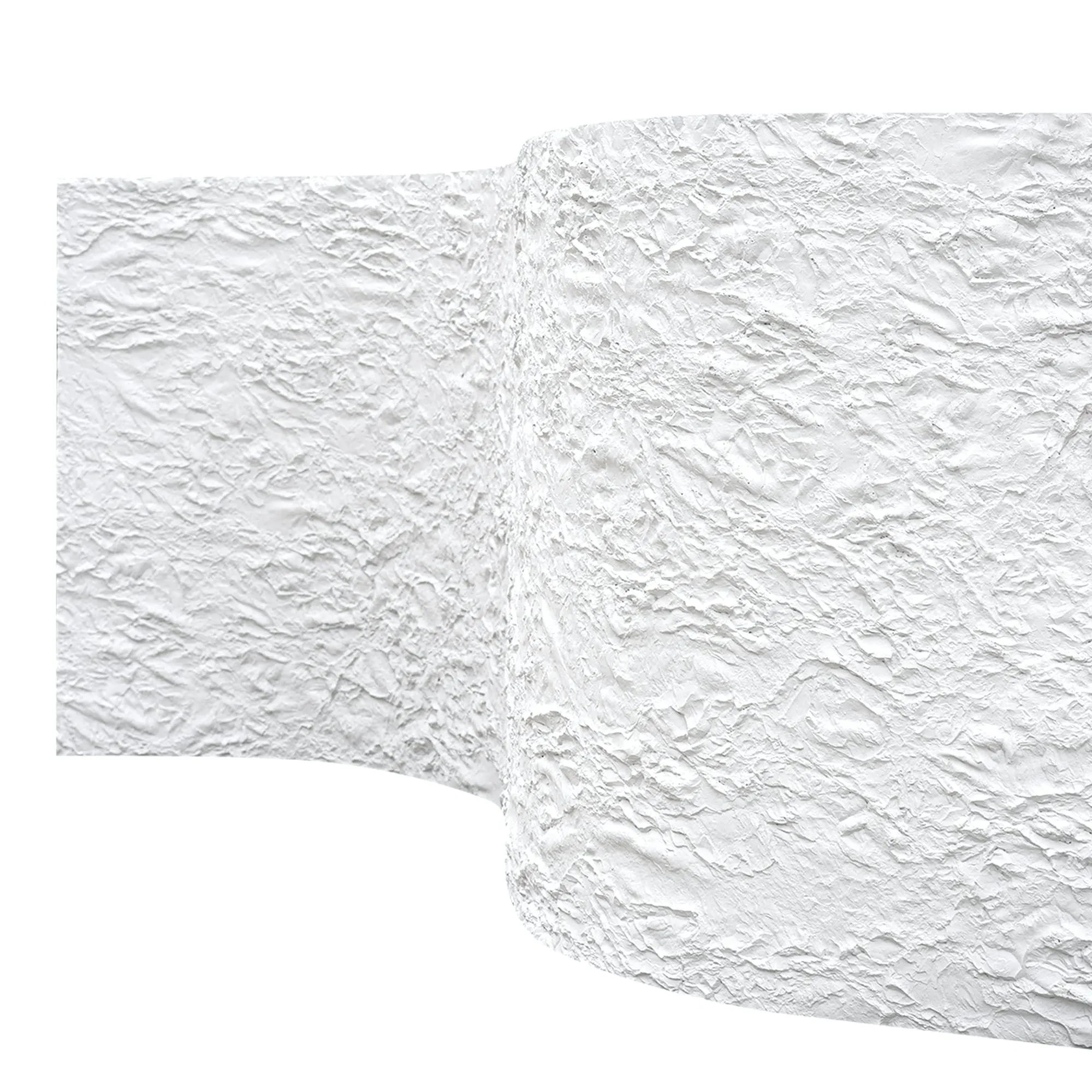
In the vast catalog of building materials, aggregates play a surprisingly important role in thermal performance. This is where "star gravel" enters the picture. The term isn't a standardized industry name but is often used colloquially to refer to lightweight expanded aggregates, such as expanded shale, clay, or slate. These materials are created by heating the raw mineral to very high temperatures (over 1100°C or 2000°F). This process causes the material to expand and create a porous, lightweight structure filled with tiny, non-interconnected air bubbles.
It's these trapped air bubbles that give star gravel its insulating properties. Air is a poor conductor of heat, so by incorporating these lightweight aggregates into building components, the overall thermal conductivity of the component is reduced.
You typically won't find star gravel being poured into wall cavities like loose-fill insulation. Instead, its primary application is as an aggregate in the production of lightweight concrete blocks or precast concrete panels.
The use of star gravel in concrete products has been a reliable method for enhancing thermal insulation for decades. It's durable, fire-resistant, and provides both structural and insulating properties in a single product. However, it's not without its limitations.
The primary drawback is that while it improves the insulation of concrete, the overall R-value is still modest compared to dedicated insulation products like foam boards. To achieve high levels of insulation, walls made from lightweight blocks still need to be very thick or require additional layers of insulation, increasing both cost and the building's footprint. Furthermore, from an aesthetic perspective, concrete blocks are limited. They are heavy, rigid, and offer a brutalist, industrial look that requires additional finishing—like stucco, siding, or cladding—to achieve a desired architectural style. This adds more steps, more materials, and more labor to a project.
This is the critical juncture where innovation becomes necessary. The construction world needs materials that don't force a compromise between thermal performance, structural integrity, and design freedom. We need solutions that are lightweight, versatile, easy to install, and beautiful, all while providing superior protection against the elements.
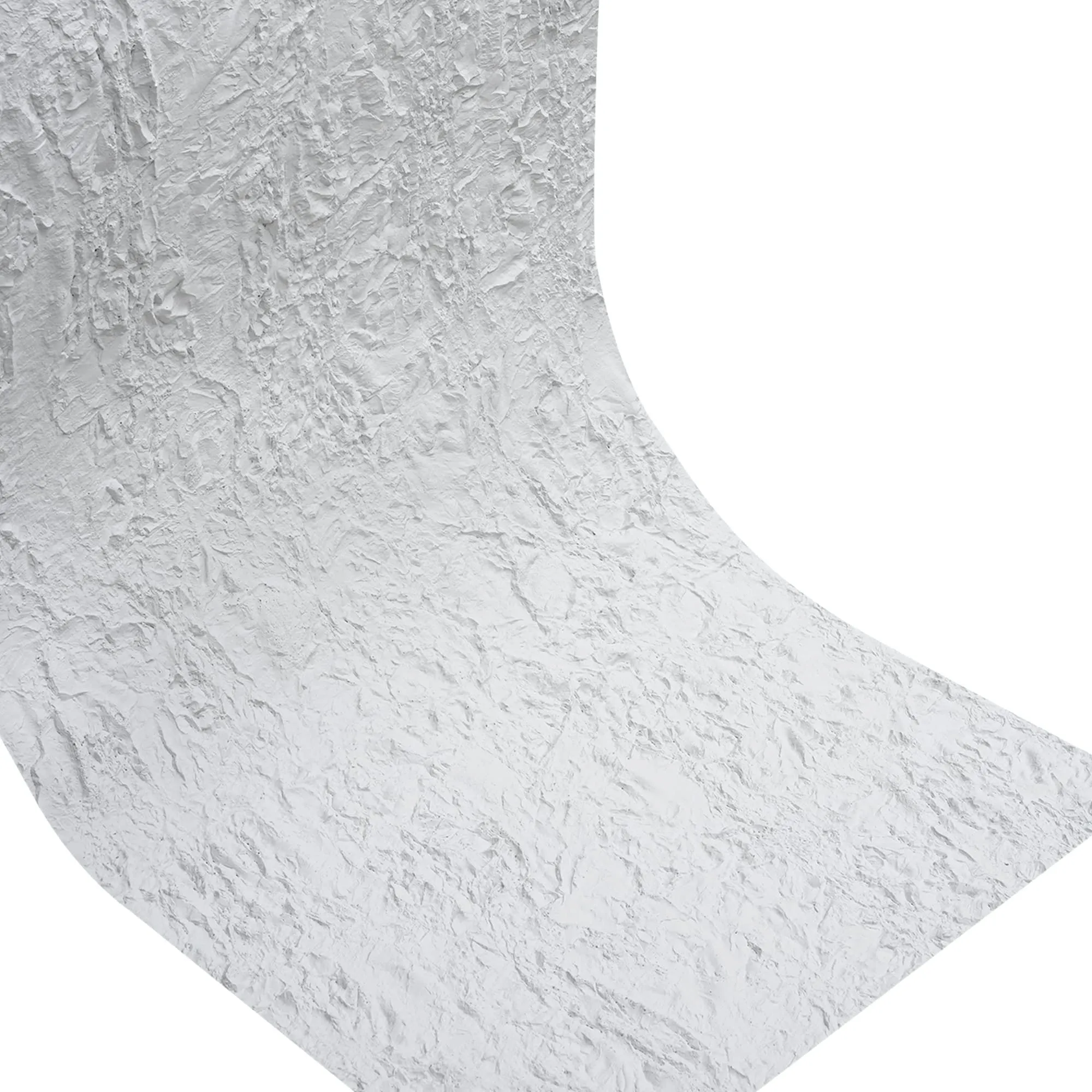
This is where COLORIA GROUP steps in as a pioneer. We believe that modern challenges require modern solutions. Instead of incrementally improving traditional, heavy materials, we've focused on a revolutionary material category: Modified Cementitious Material, or MCM. MCM is a game-changing technology that provides a comprehensive solution for building exteriors and interiors, offering unparalleled benefits in performance, aesthetics, and sustainability.
MCM is an eco-friendly material made from a base of modified clay and cementitious powders. Through a unique, low-temperature firing process, these raw materials are transformed into a material that is incredibly versatile. It can be thin, lightweight, and even flexible, yet it retains immense strength and durability. Unlike traditional cement and ceramic products that require high-temperature kilns and massive energy consumption, our MCM process is green, producing minimal waste and emissions.
But how does this relate to thermal insulation? While MCM itself is not a primary insulator like foam, its application as a cladding material plays a vital role in the overall thermal performance of a building's envelope in several sophisticated ways. It acts as the first line of defense—the skin of the building—and enhances the effectiveness of the entire wall assembly.
At COLORIA GROUP, we've developed a diverse portfolio of MCM products, each tailored to specific architectural needs while contributing to a thermally efficient building envelope. Let's explore some of our flagship series.
Imagine the timeless beauty of natural slate, travertine, or granite, but without the immense weight, cost, and installation difficulty. That is the magic of our MCM Flexible Stone series. This product is a marvel of material science. It is thin (only 2-4mm), lightweight (a fraction of the weight of real stone), and, as the name suggests, flexible. It can be bent to wrap around curved walls, columns, and arches, something utterly impossible with traditional stone veneers.
From a thermal insulation perspective, the flexibility of MCM Flexible Stone is a huge advantage. It creates a continuous, seamless cladding layer with minimal joints. Joints are thermal bridges—weak spots where heat can easily transfer. By minimizing them, especially around complex architectural shapes, our product helps to create a more airtight and thermally consistent building envelope. When used as part of a rainscreen system or an External Thermal Insulation Composite System (ETICS), it acts as a durable, weatherproof outer layer that protects the primary insulation behind it, ensuring the system performs at its peak for decades.
For modern architecture that demands clean lines and monolithic surfaces, our MCM Big Slab Board Series is the ultimate solution. These large-format panels provide a sleek, sophisticated facade that is both visually stunning and highly functional. The large size of the boards means far fewer seams on a building's exterior compared to smaller tiles or bricks.
Like its flexible counterpart, the reduction in joints provided by the MCM Big Slab Board Series is a significant contributor to thermal efficiency. Fewer seams mean fewer pathways for air and moisture infiltration, reducing convective heat loss and protecting the underlying wall structure. These boards are lightweight, which reduces the structural load on the building and allows for the use of more efficient, lighter framing systems. This holistic approach to building design, enabled by lightweight materials, can lead to more space for insulation within the wall cavity, further boosting the building's overall R-value.
Every construction project has unique requirements, from budget constraints to specific performance targets and aesthetic goals. Our MCM Project Board Series is designed to be the ultimate customizable solution. This series offers an extensive range of textures, colors, and finishes—from wood grain to fair-faced concrete to woven fabric—allowing architects to realize any design vision.
The thermal benefit of the MCM Project Board Series lies in its adaptability. It can be integrated into virtually any type of wall assembly, whether it's a ventilated facade designed for hot climates like those in Saudi Arabia or a heavily insulated wall for colder regions. By providing a durable, long-lasting, and low-maintenance exterior finish, it ensures that the insulation system it protects remains effective over the building's entire lifespan. It prevents weather-related degradation of the insulation and structure, which is a key factor in maintaining long-term thermal performance.
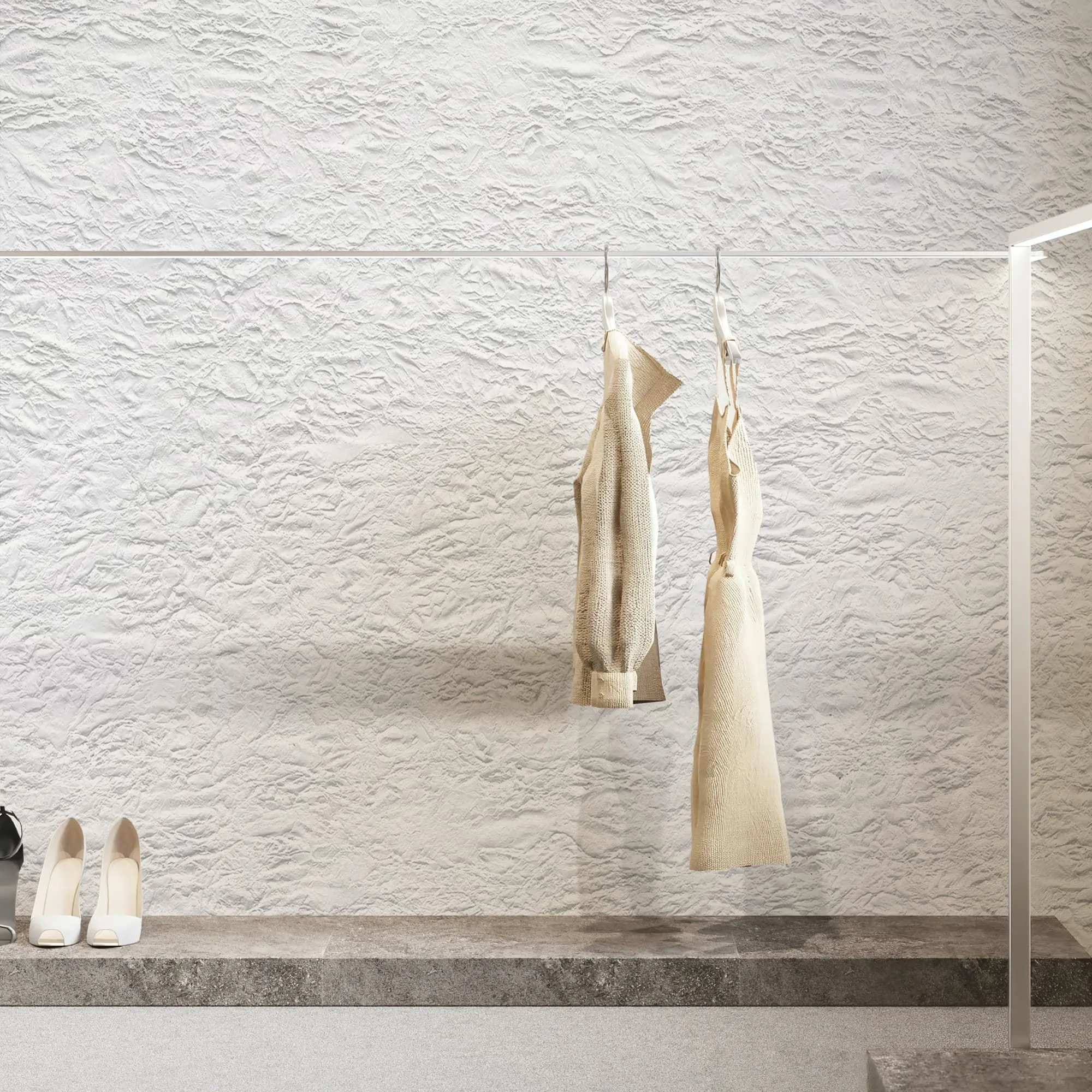
To truly appreciate the leap forward that MCM represents, let's compare it directly to a traditional solution like lightweight concrete made with star gravel.
| Feature | Traditional Solution (e.g., Star Gravel Lightweight Concrete) | COLORIA GROUP MCM Solutions (e.g., MCM Flexible Stone) |
|---|---|---|
| Thermal Performance | Provides moderate insulation. Requires significant thickness or additional insulation layers for high R-values. Acts as a thermal mass. | Enhances the overall thermal system by creating a seamless, weatherproof skin that protects primary insulation and reduces thermal bridging. |
| Weight | Heavy. Requires substantial structural support, increasing foundation and framing costs. | Extremely lightweight (approx. 4-6 kg/m²). Reduces dead load on the structure, allowing for lighter, more efficient building designs. |
| Thickness | Thick. Concrete blocks can be 200-300mm wide, reducing usable interior space. | Very thin (2-5mm). Maximizes usable interior space and creates a sleek profile. |
| Flexibility & Form | Rigid and brittle. Limited to flat surfaces and sharp angles. Cannot conform to curves. | Highly flexible. Can be easily wrapped around curved walls, columns, and complex architectural features. |
| Installation | Labor-intensive, slow, and requires heavy machinery (for precast panels). Generates significant on-site waste. | Fast and easy. Can be cut with a utility knife and applied with a simple adhesive. Drastically reduces labor time and waste. |
| Aesthetics & Variety | Limited. Typically a rough, grey finish that requires additional cladding or rendering for aesthetic appeal. | Virtually limitless. Can replicate stone, wood, brick, leather, and more with stunning realism. Huge range of colors and textures. |
| Environmental Impact | Concrete production is energy-intensive and a major source of CO2 emissions. Mining for aggregates has an environmental cost. | Low-energy, low-temperature production process. Made from natural components. Lightweight nature reduces transportation emissions. |
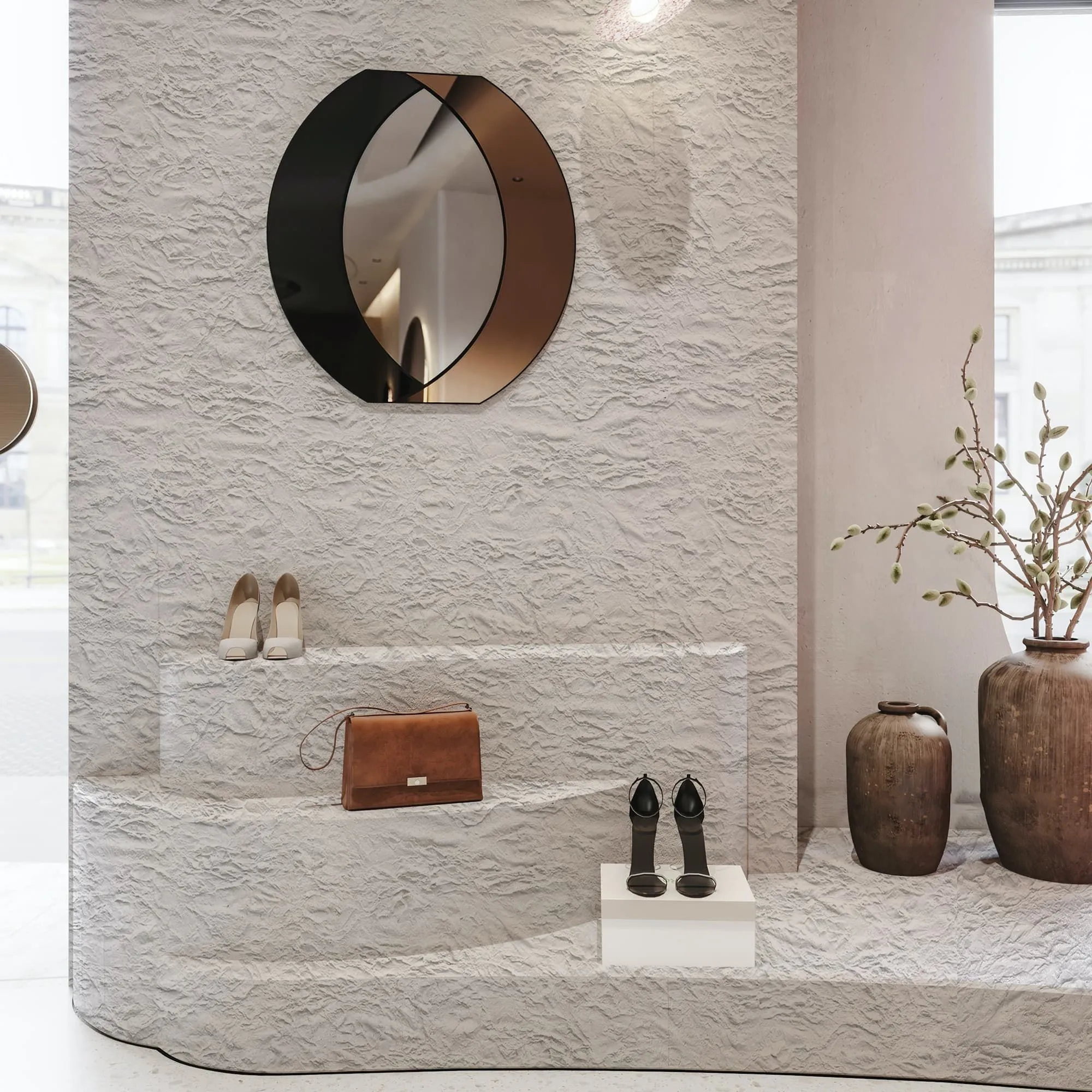
Theory is one thing, but performance in the real world is what truly matters. Let's consider two distinct scenarios.
In a place like Riyadh, the primary thermal challenge is blocking intense solar heat gain. An architect is designing a tower with a dynamic, curving facade. Using traditional precast concrete would be a structural and logistical nightmare. This is where COLORIA GROUP's solutions shine. The architect specifies a ventilated rainscreen system. The inner wall is insulated with high-R-value mineral wool. For the outer cladding, they choose our MCM Flexible Stone in a light-colored travertine finish. The lightweight panels are easily affixed to the mounting system, and their flexibility allows them to follow the building's curves perfectly, creating a flawless skin. The light color reflects a significant amount of solar radiation, and the ventilated air gap behind the panels allows heat to dissipate through convection before it ever reaches the building's main structure. The result is a drastically lower cooling load, huge energy savings, and a stunning architectural statement that would have been impossible with traditional materials.
Here, the goal is to keep heat in and prevent cold from penetrating the building. The developer wants a high-end look with a mix of wood and stone finishes but needs to meet stringent energy codes. The solution is an ETICS (External Thermal Insulation Composite System) with a thick layer of EPS foam insulation applied to the exterior sheathing. To finish the system, they use a combination of our MCM products. The MCM Project Board Series with a realistic wood grain finish is used for large accent walls, while the MCM Big Slab Board Series in a dark slate finish provides a powerful, modern look for the main facades. The MCM cladding provides a durable, waterproof, and airtight finish that protects the insulation from the elements, ensuring its R-value isn't compromised by moisture. The building stays warm and comfortable, with minimal heating costs, all while looking like it was built from expensive, heavy, natural materials.
The journey to create more energy-efficient buildings is ongoing. Traditional materials like star gravel have played their part, helping us understand the importance of incorporating thermal resistance into the very structure of our buildings. They laid the groundwork. But today, the demands of architecture call for more. We need materials that do not ask us to choose between performance, beauty, and sustainability.
COLORIA GROUP's MCM product family represents this new paradigm. By functioning as a high-performance skin for the building envelope, our MCM Flexible Stone , MCM Big Slab Board Series , and MCM Project Board Series enhance the overall thermal efficiency of any wall system. They are lightweight, durable, endlessly customizable, and eco-friendly. They empower architects and builders to create structures that are not only comfortable and energy-efficient but also architecturally inspiring. The conversation is no longer just about R-values; it's about holistic, intelligent solutions. And that is the future we are committed to building.
Recommend Products











