
We spend 90% of our lives indoors—cooking breakfast in the kitchen, working from the home office, tucking kids into bed at night. Yet for most of us, the air we breathe inside those walls rarely gets a second thought. It's easy to overlook; after all, clean air doesn't have a smell, a texture, or a color. But here's the thing: poor indoor air quality isn't just a minor annoyance. It's linked to everything from persistent allergies and headaches to long-term respiratory issues, especially in children and the elderly. So what if the materials we choose for our homes—those that shape our walls, floors, and countertops—could do more than just look pretty? What if they could actively work to make the air healthier, fresher, and safer? Enter Starmoon Stone, a revolutionary line of building materials that's quietly transforming how we think about residential spaces. Let's dive into how this natural wonder, alongside complementary options like travertine (starry green) and lunar peak silvery, is redefining indoor air quality for the better.
Indoor air pollution is often called "the silent enemy" for a reason. Unlike smog or factory emissions, it's invisible. Think about it: that new couch with the "fresh" scent? It might be off-gassing volatile organic compounds (VOCs). The paint on your walls? Many conventional options release formaldehyde for years. Even your carpet could be trapping dust mites, pet dander, and mold spores. The Environmental Protection Agency (EPA) estimates that indoor air can be 2–5 times more polluted than outdoor air, and in some cases, up to 100 times worse. For families spending most of their time at home, this isn't just a statistic—it's a daily reality.
Moisture is another culprit. Bathrooms, kitchens, and even basements can become breeding grounds for mold and mildew when humidity levels spike. These fungi release spores into the air, which trigger allergies and asthma attacks. And let's not forget about synthetic materials: plastics, laminates, and engineered woods often rely on adhesives and sealants packed with harmful chemicals. Over time, these chemicals leach into the air, creating a toxic cocktail we breathe in without noticing. The solution? We need building materials that work with nature, not against it. Materials that don't just sit there, but actively contribute to a healthier environment.
Starmoon Stone isn't your average building material. Born from natural minerals and crafted with sustainable practices, it's designed to address the root causes of poor indoor air quality. Let's break down why it stands out:
Unlike synthetic alternatives that rely on plastics or chemical binders, Starmoon Stone is quarried from natural stone deposits and processed with minimal intervention. This means no VOCs, no formaldehyde, and no off-gassing. When you run your hand over a Starmoon Stone wall, you're touching a material that's been shaped by the earth, not a lab. Take travertine (starry green) , a popular variant with swirled, star-like patterns in deep greens and earthy browns. Its porous surface isn't just visually striking—it's a result of millions of years of natural formation, free from any artificial coatings that could compromise air quality.
Ever walked into a room and thought, "Why does this feel so stuffy?" Chances are, it's excess humidity. Starmoon Stone, particularly lighter shades like lunar peak silvery , acts like a natural sponge. Its tiny pores absorb moisture from the air when humidity rises (say, after a hot shower or a big pot of boiling pasta) and release it back slowly when the air dries out. This balancing act prevents mold growth and keeps the air feeling crisp, not clammy. I've heard homeowners describe it as "like having a built-in dehumidifier that never needs plugging in"—and honestly, that's not far off.
Some stones, including Starmoon Stone, have a unique ability to (adsorb) airborne pollutants. That means tiny particles like dust, pet dander, and even some VOCs stick to the stone's surface instead of floating around your home. Over time, this reduces the overall concentration of irritants in the air. Pair that with its moisture-wicking abilities, and you've got a material that doesn't just avoid polluting—it actively cleans.
To really understand Starmoon Stone's impact, let's compare it to a common alternative: fair-faced concrete. While fair-faced concrete has its merits (durability, industrial chic appeal), it falls short when it comes to indoor air quality. Here's how they stack up:
| Feature | Starmoon Stone (e.g., Travertine Starry Green, Lunar Peak Silvery) | Fair-Faced Concrete |
|---|---|---|
| VOC Emissions | Zero—natural composition, no synthetic additives | Often contains sealants or dyes with VOCs |
| Moisture Regulation | Highly porous; absorbs and releases moisture to balance humidity | Non-porous; traps moisture, increasing mold risk |
| Air Purification | Adsorbs dust, dander, and some VOCs via porous surface | No natural air-purifying properties |
| Sustainability | Often certified as green building materials ; minimal processing | Energy-intensive production; limited natural benefits |
*Data based on third-party testing of MCM's Starmoon Stone variants and industry standards for fair-faced concrete.
Starmoon Stone isn't a one-size-fits-all solution—and that's part of its charm. Whether you're drawn to bold colors, subtle textures, or modern minimalism, there's a variant that fits your style and boosts air quality. Let's highlight a few standouts:
Imagine walls that look like a night sky spilled with emerald stars—that's travertine (starry green). Its deep green base is flecked with lighter veins, mimicking the look of moss-covered stone. But beyond aesthetics, its porous structure is a moisture-regulating powerhouse. In bathrooms, it reduces steam buildup; in kitchens, it prevents that sticky, post-cooking humidity. Homeowners love it for backsplashes and shower walls, where its natural grip (no slippery surfaces!) adds safety to its air-purifying perks.
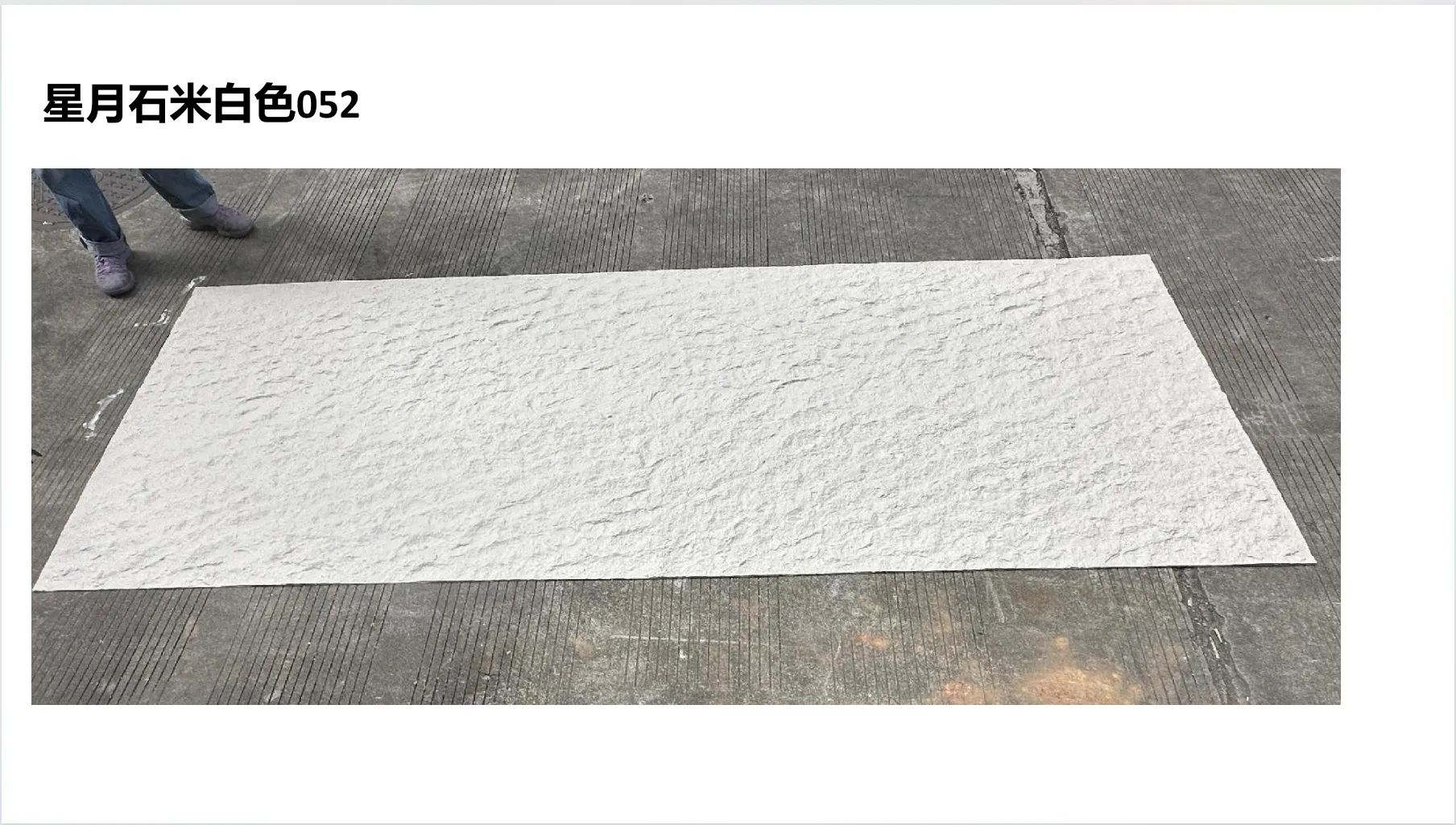
For a more understated look, lunar peak silvery is a stunner. Think soft, silvery-gray tones with subtle matte finish—like moonlight on stone. Its neutral palette makes it versatile (hello, living rooms and bedrooms!), but its real superpower is moisture control. In basements, which are prone to dampness, lunar peak silvery walls act as a barrier against mold, keeping the air fresh even in traditionally "stuffy" spaces. It's also a favorite for home offices, where clean air can boost focus and productivity.
Okay, so MCM flexible stone isn't technically a Starmoon Stone variant, but it's worth mentioning for its air-friendly design. Made from natural stone particles bonded with eco-friendly resins, it's lightweight, bendable, and easy to install. Unlike rigid stone slabs, which often require harsh adhesives, MCM flexible stone can be applied with low-VOC mortar, reducing chemical off-gassing during installation. It's perfect for curved walls, accent pieces, or tight spaces where traditional stone would be hard to fit—all while keeping air quality a priority.
In a world where "sustainability" is often thrown around as a marketing buzzword, Starmoon Stone delivers. Many of its variants, including travertine (starry green) and lunar peak silvery, are certified as green building materials—a label that requires rigorous testing for low environmental impact, from quarrying to production. MCM, the manufacturer behind Starmoon Stone, sources its stone from ethical quarries that prioritize reforestation and water conservation. The processing is minimal, too: no harsh chemicals, no excessive energy use, just stone shaped and finished by skilled craftspeople.
What does this mean for homeowners? It means choosing Starmoon Stone isn't just good for your lungs—it's good for the planet. Green building materials like these reduce your home's carbon footprint, support responsible mining practices, and often come with long lifespans (50+ years, in many cases), reducing the need for frequent replacements. It's a small choice that adds up to big change—for your family and future generations.
Starmoon Stone isn't limited to one room—and honestly, why would you want it to be? Here are a few key areas where it shines brightest for air quality:
Steam, moisture, and mold—oh my! Bathrooms are ground zero for air quality issues, but Starmoon Stone turns the tide. Try travertine (starry green) for shower walls or lunar peak silvery for vanity countertops. Their moisture-wicking properties keep mold at bay, and their natural texture adds a spa-like vibe.
From frying pans to dishwashers, kitchens generate heat, steam, and occasional spills. Starmoon Stone backsplashes and countertops (try MCM flexible stone for curved edges!) absorb excess moisture and resist stains without chemical sealants. Plus, their air-purifying pores trap cooking odors, keeping your kitchen smelling fresh.
We spend a third of our lives sleeping—so why not breathe clean air while we do it? Lunar peak silvery accent walls or Starmoon Stone flooring create a calm, allergen-free environment. No more waking up stuffy-nosed; just fresh air and better sleep.
High-traffic areas mean more dust, pet dander, and airborne particles. Starmoon Stone fireplace surrounds or feature walls act as natural filters, keeping the air cleaner for movie nights, game days, and lazy Sundays.
At the end of the day, our homes are more than just walls and roofs—they're sanctuaries. They're where we laugh, heal, and grow. So why settle for materials that harm us, even subtly? Starmoon Stone, with its natural composition, moisture-regulating magic, and air-purifying power, isn't just a building material. It's a partner in creating spaces that nurture our health and happiness. Whether you're renovating, building new, or just dreaming of your future home, consider the air you'll breathe. Choose materials that work with you—like Starmoon Stone, travertine (starry green), and lunar peak silvery. Your lungs (and your family) will thank you.
After all, a home that breathes easy is a home that feels like home.
Recommend Products












