

Let's start with a scenario many in construction know all too well: It's Tuesday morning, and you're standing on a job site, staring at a stack of natural stone slabs that were supposed to be installed by Friday. The crew is grumbling—each slab weighs 80kg, and moving them from the truck to the facade has already taken twice as long as planned. The client is texting again, asking why the budget for transportation has spiked. And worst of all, you just noticed a crack in one of the slabs, meaning a rush order and another week of delays. Sound familiar? For years, construction teams have traded time, money, and sanity for the beauty of natural materials. But what if there was a way to keep the aesthetics—even elevate them—while slashing both time and costs? Enter Starry Red Travertine MCM, a material that's quietly revolutionizing how we build.
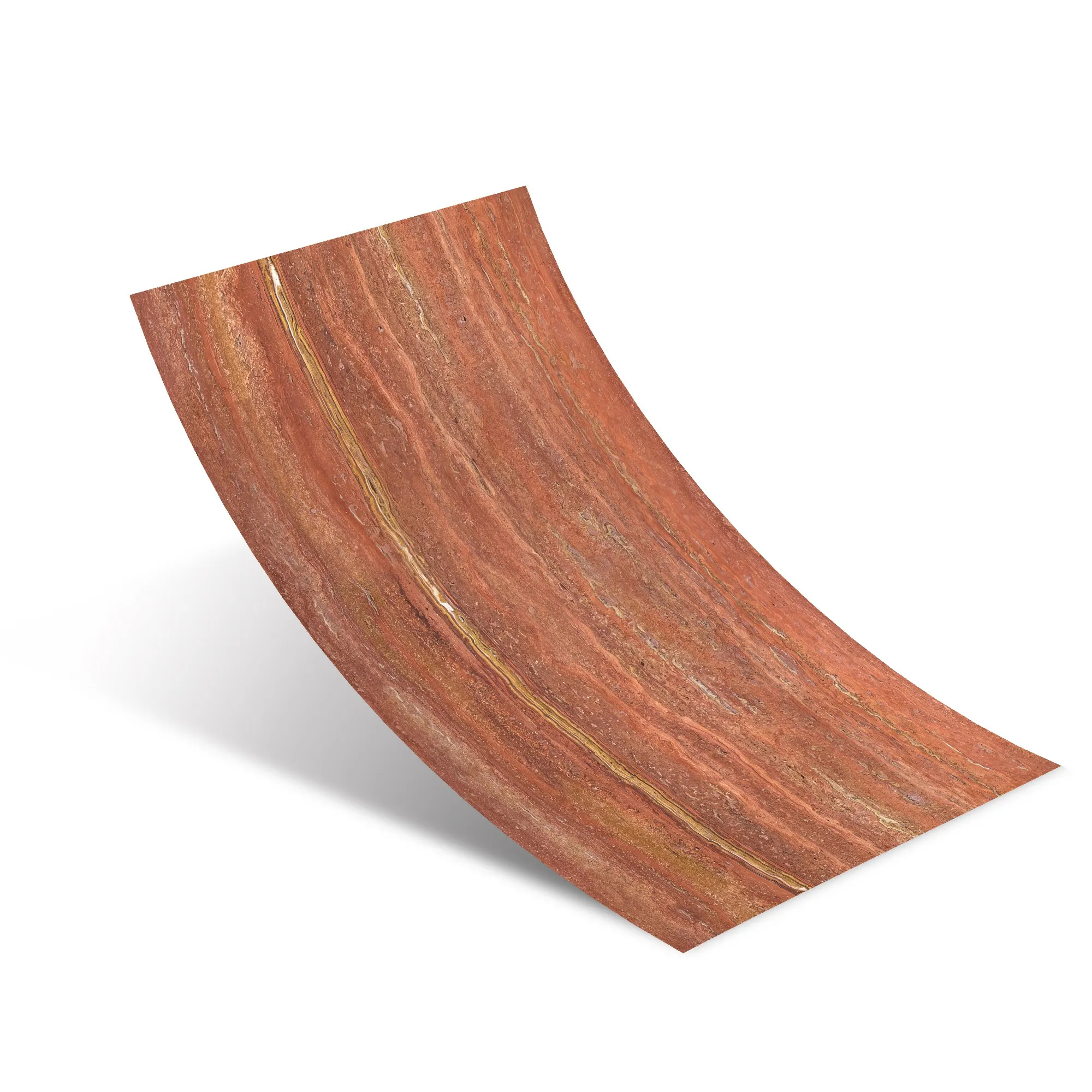
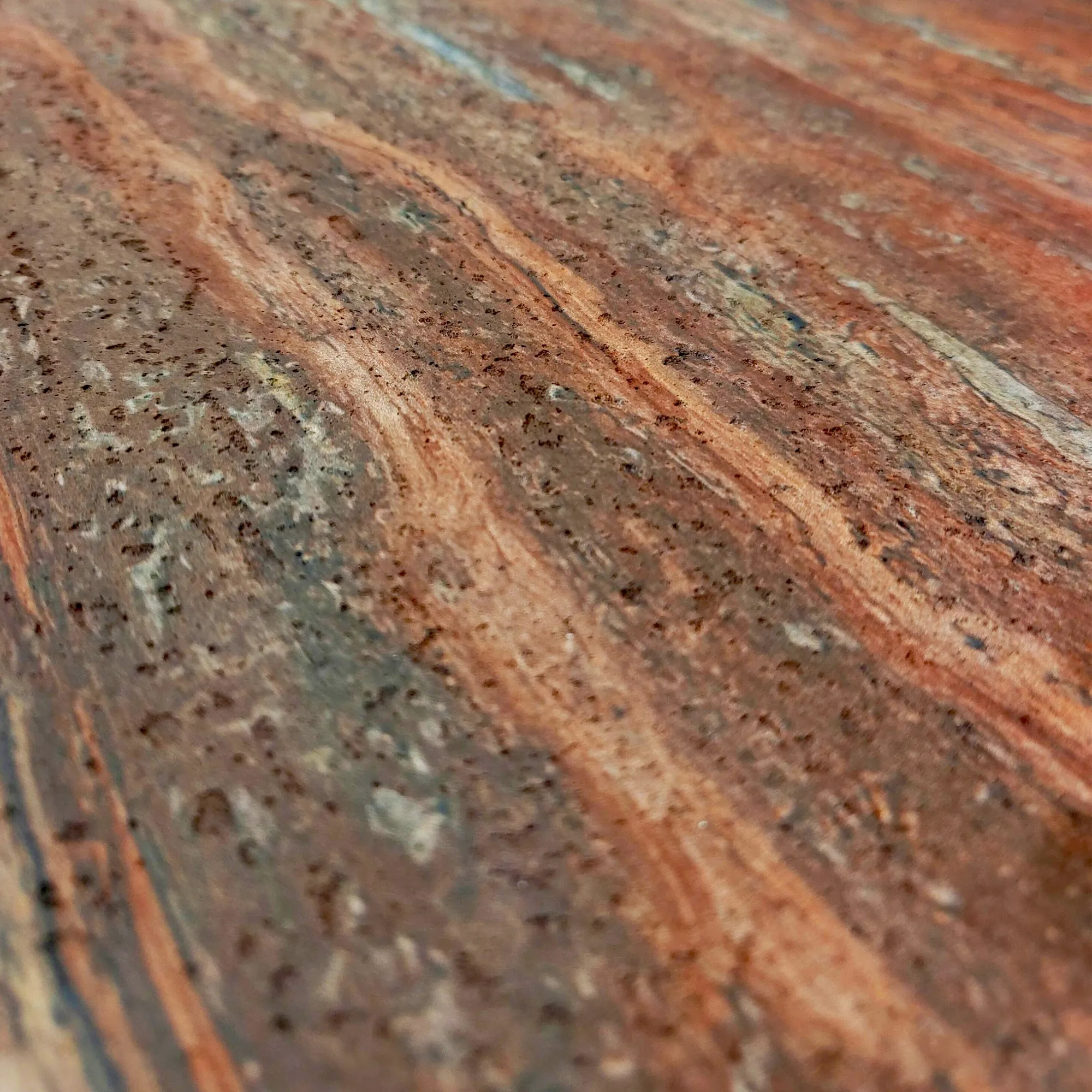
First, let's demystify the acronym: MCM stands for Modified Composite Material, a blend of natural minerals, polymers, and fiberglass that's been engineered to be lightweight, flexible, and hyper-durable. Think of it as nature's best qualities—like the unique veining of travertine or the texture of stone—reimagined with modern science. Starry Red Travertine MCM, in particular, is a showstopper: its surface shimmers with tiny, iridescent flecks that mimic a starry night sky, set against a rich, deep red base. But here's the kicker: unlike its natural stone cousin, this material isn't just about looks. It's a workhorse designed to solve the two biggest headaches in construction: time and money.
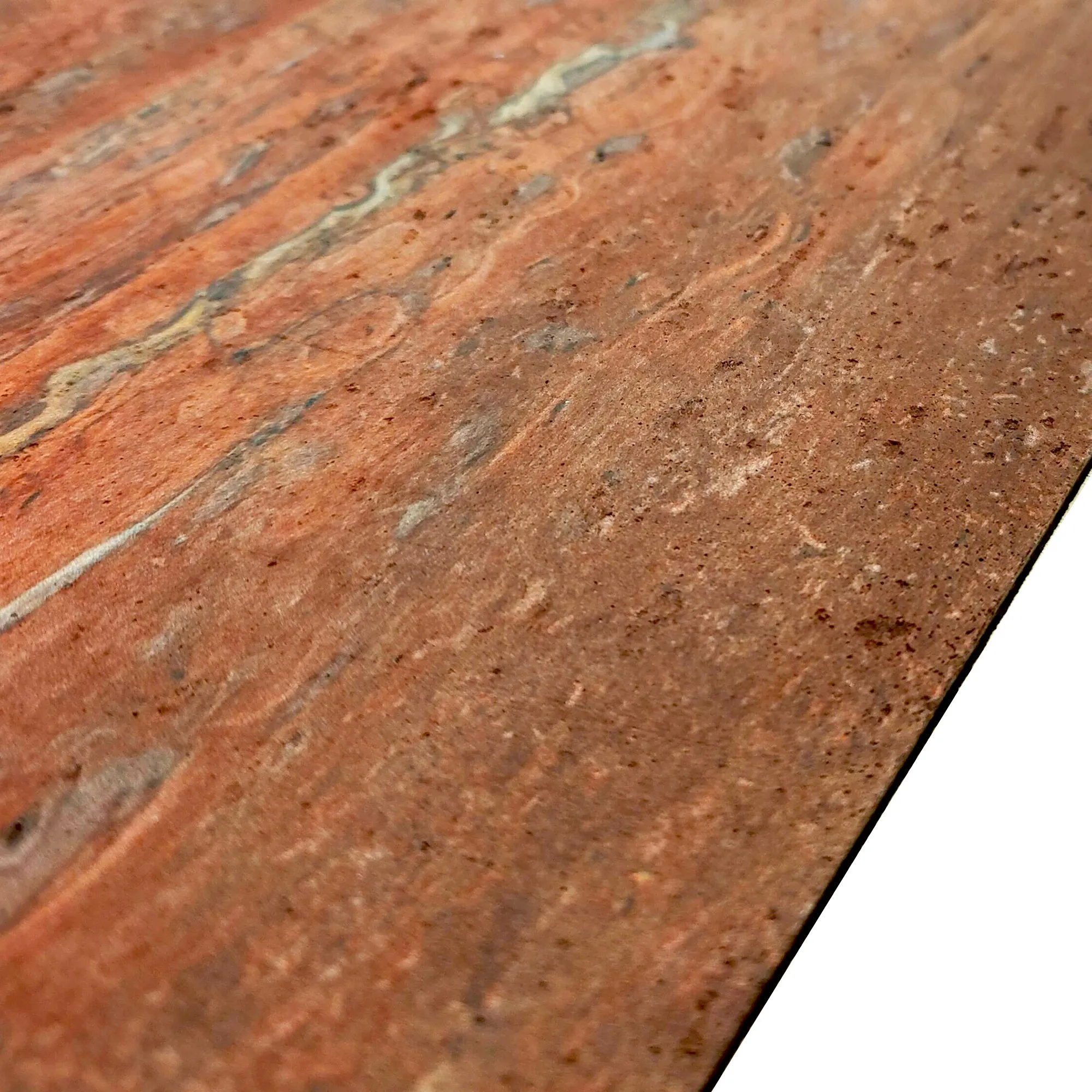
To understand why, let's break down what makes MCM different. Traditional natural stone—say, a slab of travertine or even fair-faced concrete—is heavy, brittle, and often inconsistent. MCM, by contrast, is flexible (hence the term "MCM flexible stone"), meaning it can bend slightly without cracking, making it ideal for curved surfaces or uneven walls. It's also lightweight : a 1m² slab of Starry Red Travertine MCM weighs just 8-10kg, compared to 50-80kg for natural travertine. And because it's manufactured in controlled environments, every slab is uniform in color, thickness, and strength—no more surprises like cracks or discoloration mid-project.
Time is money, as the saying goes, and in construction, wasted time can sink a project. Let's walk through how Starry Red Travertine MCM speeds things up at every stage, from delivery to the final nail (or, in this case, adhesive).
Imagine your delivery truck pulling up to the job site. Instead of offloading 20kg slabs one by one with a forklift, your crew can carry 4-5 Starry Red Travertine MCM slabs at a time by hand. No need for cranes, no waiting for heavy machinery, no risk of back injuries or damaged equipment. On a recent hotel project in Dubai, the contractor reported that unloading 500m² of MCM took just 2 hours—compared to a full day for the same area of natural travertine. "We used to need two guys per slab; now one guy can handle three," said the site foreman. "That alone cut our unloading time by 70%."
Ever tried installing natural stone on a large wall? You're constantly cutting slabs to fit, aligning edges, and filling gaps—all of which adds hours (if not days) to the timeline. Starry Red Travertine MCM, however, is part of the MCM big slab board series , which includes slabs up to 3m in length. That means fewer joints, less cutting, and a smoother installation process. On a recent retail mall facade project, the team used 2.4m x 1.2m MCM big slabs, reducing the number of seams by 60% compared to using standard 60cm x 60cm natural stone tiles. The result? What would've taken 10 days with natural stone took just 4 days with MCM. "We went from installing 20m² a day to 50m²," the lead installer noted. "It was like switching from a bicycle to a motorcycle."
Curved walls, domed ceilings, or even outdoor fire pits—traditional stone struggles with these. Natural travertine is rigid; try bending it, and it cracks. MCM flexible stone, though, bends up to 30 degrees without damage, making it perfect for custom designs. On a boutique hotel project in Bali, the architect wanted a curved lobby wall clad in a mix of Starry Red Travertine MCM and Lunar Peak Golden (another stunning MCM variant with a warm, metallic sheen). With natural stone, this would've required expensive custom cutting and weeks of trial and error. With MCM? The crew simply rolled the flexible slabs into place and adhered them with a standard construction adhesive. "We saved 12 days on that wall alone," the project manager recalled. "And the client couldn't believe how seamless the curve looked—you'd never guess it wasn't solid stone."
Time savings are great, but let's talk numbers. How exactly does Starry Red Travertine MCM trim costs? Let's break it down step by step, from factory to finish.
Heavy materials mean heavy trucks, and heavy trucks mean higher fuel costs, more wear and tear, and even stricter permit requirements. A standard 20ft container can carry about 200m² of Starry Red Travertine MCM (thanks to its 8-10kg/m² weight). To carry the same area in natural travertine? You'd need 3-4 containers. On a 500km delivery route, that's a difference of $1,200-$1,800 in fuel costs alone. And because MCM is less prone to damage, there's no need for expensive custom packaging or insurance add-ons. One logistics manager put it bluntly: "With natural stone, we'd cross our fingers every time we hit a pothole. With MCM? We just drive."
Labor is often the biggest line item in a construction budget, and installation is where MCM shines. Let's say you're installing 100m² of wall cladding. With natural travertine, you'd need a crew of 4-5 people working 8-hour days for 3-4 days (that's 120-160 labor hours). With Starry Red Travertine MCM? A crew of 2-3 people can finish the same area in 1-2 days (20-48 labor hours). Why? Because the slabs are light enough to carry without machinery, the flexible stone cuts easily with standard tools, and the big slab boards mean fewer pieces to align. At an average labor cost of $30/hour, that's a savings of $2,160-$4,200 for just 100m². Multiply that by a 1,000m² project, and you're looking at $21,600-$42,000 in labor savings alone.
Natural stone is unpredictable. You order 100 slabs, but 5 are cracked, 3 have uneven thickness, and 2 don't match the color sample. That's 10% waste—easily. MCM, on the other hand, is manufactured to exact specifications, so what you order is what you get. Plus, because it cuts cleanly and uniformly, there's minimal offcut waste. On a 500m² project, natural stone might generate 50m² of waste (costing $2,500-$5,000 in lost material). MCM? Maybe 2-3m², tops. That's another $2,000-$4,700 back in your pocket.
Cost savings don't stop at installation. Over time, natural stone needs sealing, cleaning, and occasional repairs—especially in high-traffic areas or harsh climates. Starry Red Travertine MCM, though, is resistant to water, UV rays, and scratches. It doesn't absorb stains, so a quick wipe with soap and water is all it takes to clean. A study by the Construction Materials Institute found that over a 10-year period, maintenance costs for MCM cladding are 60-70% lower than for natural stone. For a commercial building with 2,000m² of cladding, that's $15,000-$20,000 in saved maintenance costs over a decade.
Still skeptical? Let's put it all together with a side-by-side comparison. We'll stack Starry Red Travertine MCM against two common alternatives: natural travertine and fair-faced concrete (a popular budget option).
| Material | Weight (kg/m²) | Installation Time (days/100m²) | Cost per m² (Material + Labor) | 10-Year Maintenance Cost (per m²) |
|---|---|---|---|---|
| Starry Red Travertine MCM | 8-10 | 1-2 | $80-$100 | $5-$8 |
| Natural Travertine | 50-80 | 3-4 | $150-$200 | $20-$30 |
| Fair-Faced Concrete | 20-25 | 2-3 | $60-$80 | $15-$25 |
The takeaway? Starry Red Travertine MCM beats natural travertine hands down on cost and time, and while fair-faced concrete is cheaper upfront, MCM pulls ahead in maintenance savings and aesthetic versatility. And remember: this doesn't even include transportation costs, which are significantly lower for MCM.
Let's ground this in a real project. In 2024, the Azure Sky Hotel in Oman set out to build a 12-story facade that would stand out in the city's skyline. The architect wanted a mix of warm reds, golds, and silvers—something that would glow at sunset. The original plan called for natural red travertine, fair-faced concrete, and foamed aluminium alloy board (vintage silver) for accents. But after crunching the numbers, the project manager, Ahmed Al-Mansoori, had a better idea: swap the natural travertine for Starry Red Travertine MCM and add Lunar Peak Golden MCM to complement the foamed aluminium.
The results? The 3,500m² facade was installed in 45 days, compared to the projected 65 days with natural stone—a 30% time savings. Transportation costs dropped by $12,000 (thanks to fewer trucks), and labor costs fell by $45,000 (faster installation). Even better, the client was thrilled with the look: "The starry red panels catch the light in a way natural stone never could," said the hotel's owner. "Guests keep asking where we found 'that magical stone.'"
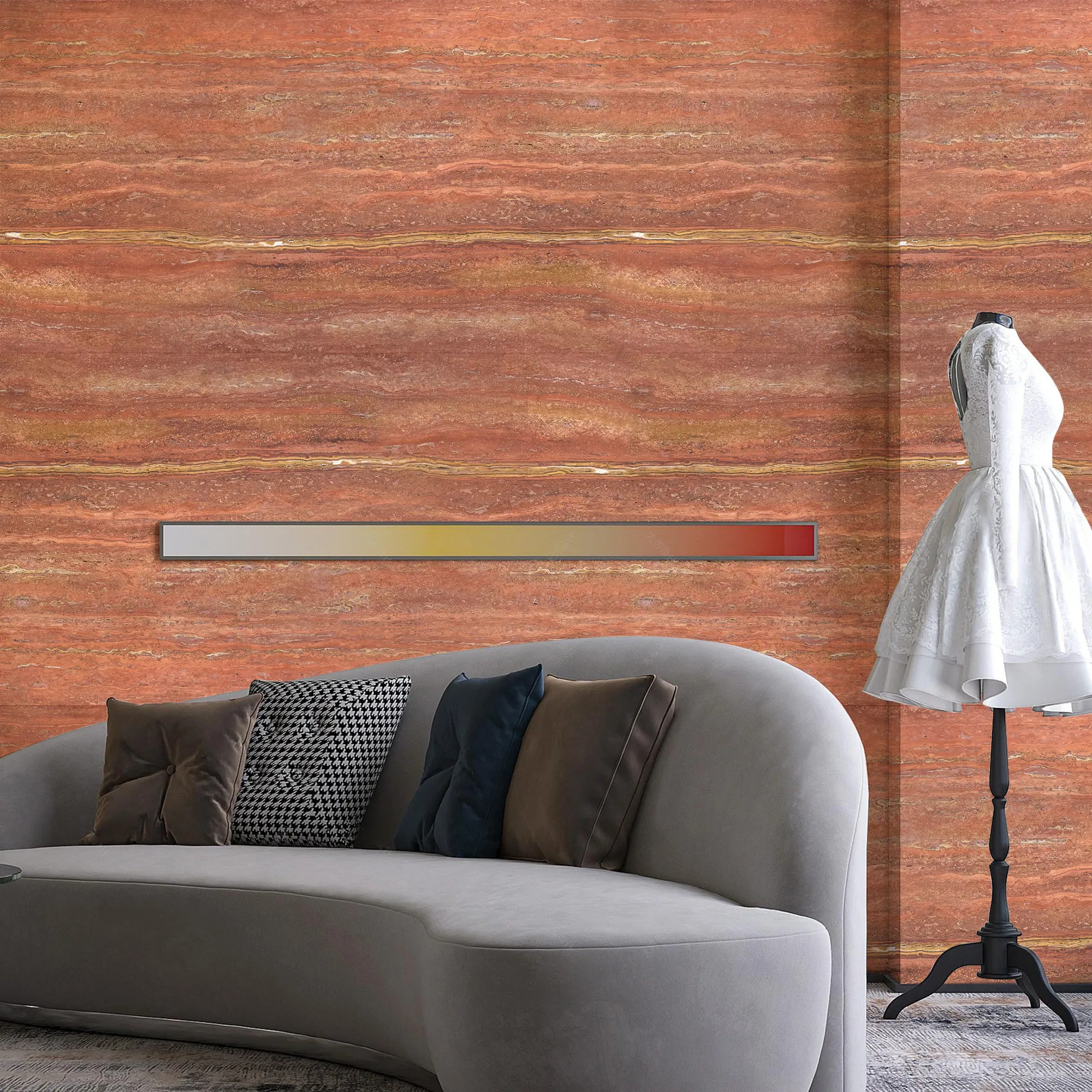
Here's the thing: Starry Red Travertine MCM doesn't just save time and money. It opens doors for designers and architects. Because it's lightweight and flexible, it can be used in places traditional stone can't—think interior accent walls, ceiling panels, or even furniture. The starry red pattern adds a touch of luxury that fair-faced concrete or plain metal can't match. And because MCM is available in a range of styles—from the earthy texture of Lunar Peak Golden to the sleek shine of foamed aluminium alloy board (vintage silver)—it's easy to mix and match for a custom look.
Take the recent renovation of a historic theater in Rome. The design team wanted to preserve the building's classical architecture but add a modern twist. They used Starry Red Travertine MCM for the lobby walls, paired with MCM big slab boards in a neutral tone for the ceiling. The result? A space that feels both timeless and contemporary, without the weight or cost of natural stone. "We could never have done that with traditional materials," said the lead architect. "The MCM let us be bold without breaking the budget."
At the end of the day, construction isn't just about putting up walls—it's about delivering value. Value to the client, who wants a beautiful, functional space on time and on budget. Value to the crew, who deserve tools and materials that make their jobs safer and easier. And value to the planet, since less waste and lower transportation emissions mean a smaller footprint.
Starry Red Travertine MCM checks all those boxes. It's a material that proves you don't have to choose between beauty and practicality, between speed and savings. So the next time you're staring at a stack of heavy stone slabs, wondering how you'll meet the deadline, remember: there's a better way. It's red, it's starry, and it's ready to change the game.
As Ahmed Al-Mansoori, the Azure Sky Hotel project manager, put it: "We didn't just build a facade. We built a solution. And that's the real magic of MCM."
Recommend Products











