

In a world where the phrase "build better, not just bigger" has moved from a catchy slogan to a critical mandate, sustainable construction has become more than a trend—it's a responsibility. Every beam, every tile, every surface we choose shapes not just the skyline, but the health of our planet. Yet for architects, designers, and homeowners alike, there's often a silent tug-of-war: how do we prioritize eco-friendliness without sacrificing the beauty, character, and functionality that make spaces feel like home? Enter mcm flexible stone products, and in particular, the striking travertine (starry red) —a material that doesn't just check the sustainability box, but wraps it in a cloak of timeless elegance.
Let's start with the basics: sustainable construction isn't just about using "green" materials. It's about reducing carbon footprints, minimizing waste, extending lifespans, and creating spaces that require less energy to maintain. Traditional building materials often fall short here. Natural stone, for example, is undeniably beautiful, but quarrying it extracts massive amounts of resources, and transporting heavy slabs adds to emissions. Paint and synthetic finishes might offer vibrant colors, but many release harmful VOCs and degrade quickly, requiring frequent replacement. Even concrete—once hailed as a durable staple—can have a high carbon cost in production and lacks the warmth that makes a space feel inviting.
This is where Modified Composite Material (MCM) steps in. MCM products, like the mcm big slab board series , are engineered to blend the best of nature and technology. They're lightweight, durable, and designed with sustainability in mind—from production to installation to long-term use. And among these, travertine (starry red) stands out as a prime example of how sustainability and beauty can coexist, even thrive.
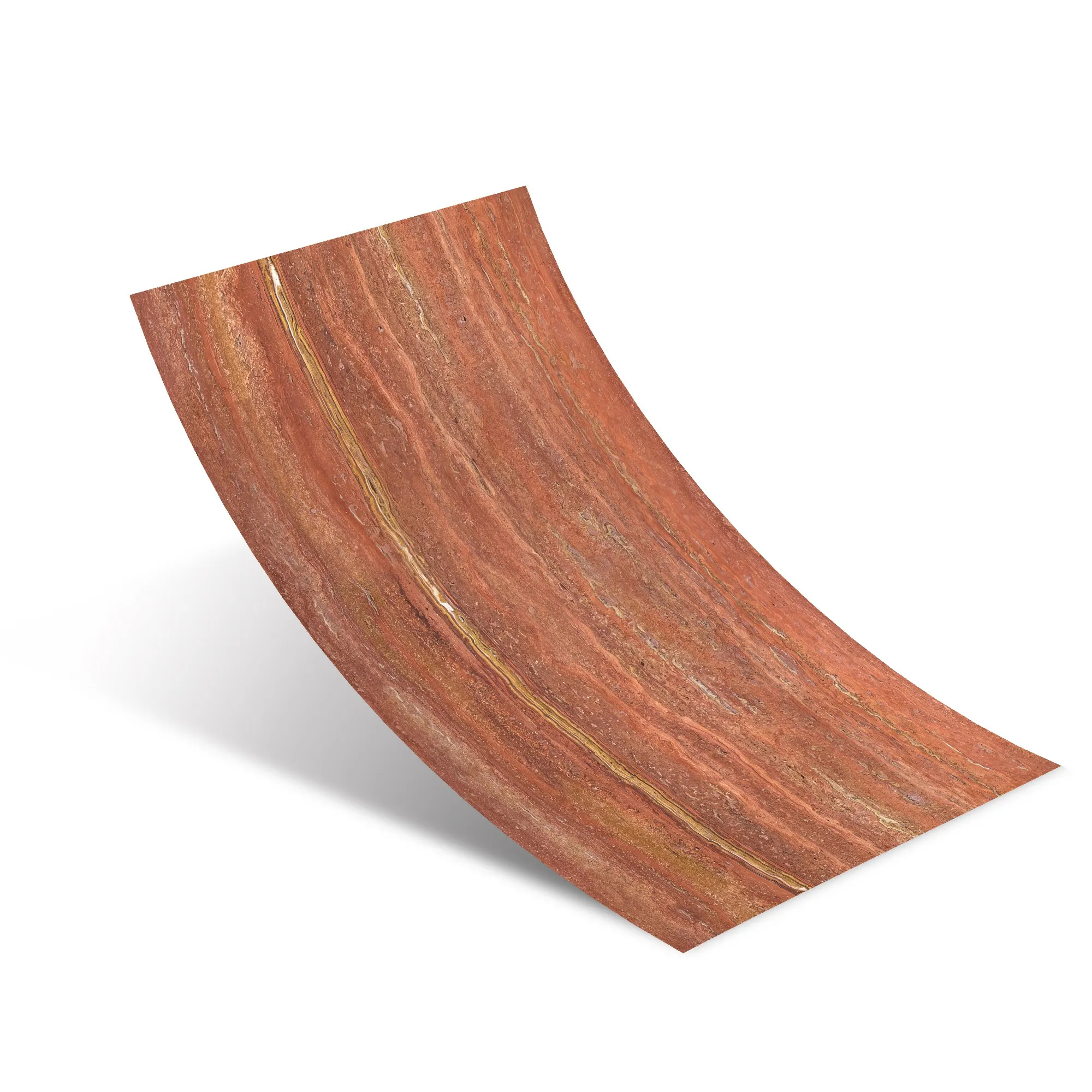
At its core, MCM is a composite material made by bonding natural stone aggregates (like marble, granite, or travertine) with a lightweight, flexible backing. The result? A thin, strong material that retains the look and texture of natural stone but with a fraction of the weight and a host of eco-friendly benefits. Think of it as nature's beauty, reimagined for the planet's needs.
Take mcm flexible stone , for instance. Unlike traditional stone slabs that can weigh 20-30 kg per square meter, MCM flexible stone clocks in at just 3-5 kg/m². That lighter weight means lower transportation emissions—trucks can carry more material in fewer trips. It also reduces the structural load on buildings, allowing for slimmer foundations and less concrete use (another win for carbon reduction). And because MCM is flexible, it's easier to install, cutting down on labor time and waste from breakage during fitting.
But the real magic? MCM products are often made using recycled or reclaimed aggregates, diverting waste from landfills. Many, including travertine (starry red) , also skip the heavy chemical treatments that plague some traditional materials, making them safer for indoor air quality and easier to recycle at the end of their lifespan.
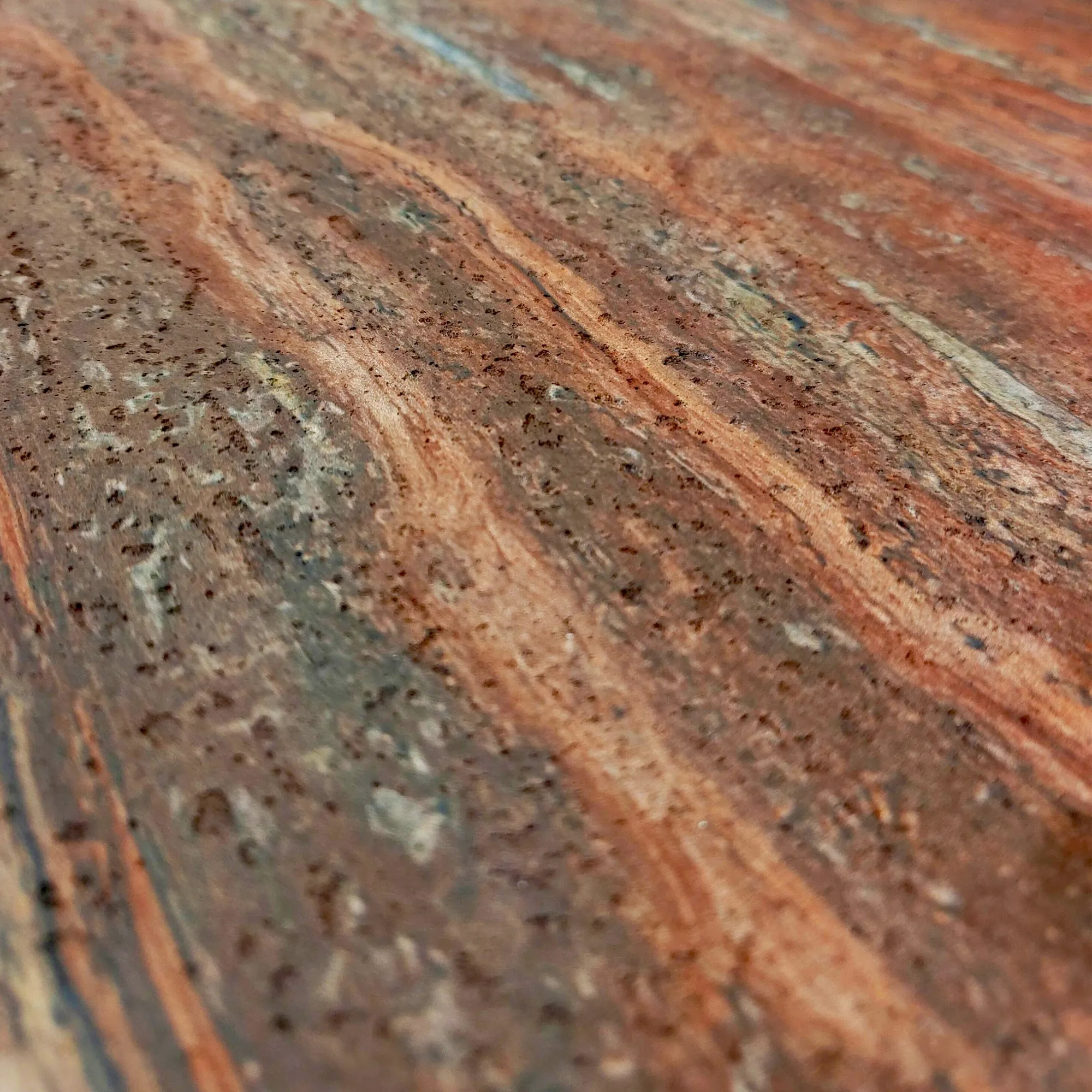
Now, let's zoom in on the star of the show: travertine (starry red) . Travertine itself is a natural stone formed from mineral-rich hot springs, known for its porous texture and earthy tones. But "starry red" takes this a step further. Imagine a deep, warm red base—reminiscent of a desert sunset—dotted with tiny, shimmering flecks that catch the light like scattered stars. It's not just a material; it's a story. And that story is as much about sustainability as it is about aesthetics.
Traditional travertine quarrying involves heavy machinery, large-scale excavation, and significant water use. By contrast, MCM travertine (starry red) uses travertine dust and small aggregates—byproducts of natural stone processing that would otherwise end up in landfills. This "upcycling" of waste reduces the need for new quarrying, conserving natural resources and cutting down on the energy used in extraction.
Production of MCM also tends to be more energy-efficient. Unlike firing bricks or curing concrete, which require high temperatures, MCM bonding processes use lower heat and often rely on water-based adhesives, reducing emissions. Many manufacturers also prioritize renewable energy in their facilities, further shrinking the carbon footprint of each panel.
One of the most underrated sustainability wins is durability. A material that lasts longer needs to be replaced less often, which means less waste, fewer resources used in manufacturing replacements, and lower transportation emissions over time. travertine (starry red) MCM is built to stand the test of time. Its flexible backing resists cracking from temperature changes or structural movement—common issues with rigid natural stone. It's also resistant to stains, scratches, and UV damage, so it won't fade or degrade in harsh sunlight. In short, it ages like fine wine, developing a subtle patina that adds character rather than showing signs of wear.
Compare that to painted drywall, which might need repainting every 3-5 years, or even traditional travertine slabs, which can chip or etch if not sealed regularly. Over a 50-year lifespan, the environmental impact of replacing those materials multiple times adds up. With MCM, you install once and enjoy for decades—no hidden costs to the planet.
We touched on this earlier, but it's worth emphasizing: the lightweight nature of MCM travertine (starry red) isn't just a convenience for installers—it's a sustainability game-changer. Heavier materials require stronger support structures, which often mean more steel, more concrete, and more energy to produce those supports. MCM's thin profile (usually 3-6mm thick) cuts down on the need for excess structural material, trimming the building's overall carbon footprint from the ground up.
Installation is also more efficient. Traditional stone slabs need cranes, heavy lifting equipment, and teams of workers to maneuver. MCM panels can be carried by hand, cut on-site with basic tools, and installed with minimal adhesive. This reduces labor hours and the fuel used by heavy machinery, making the construction process itself greener.
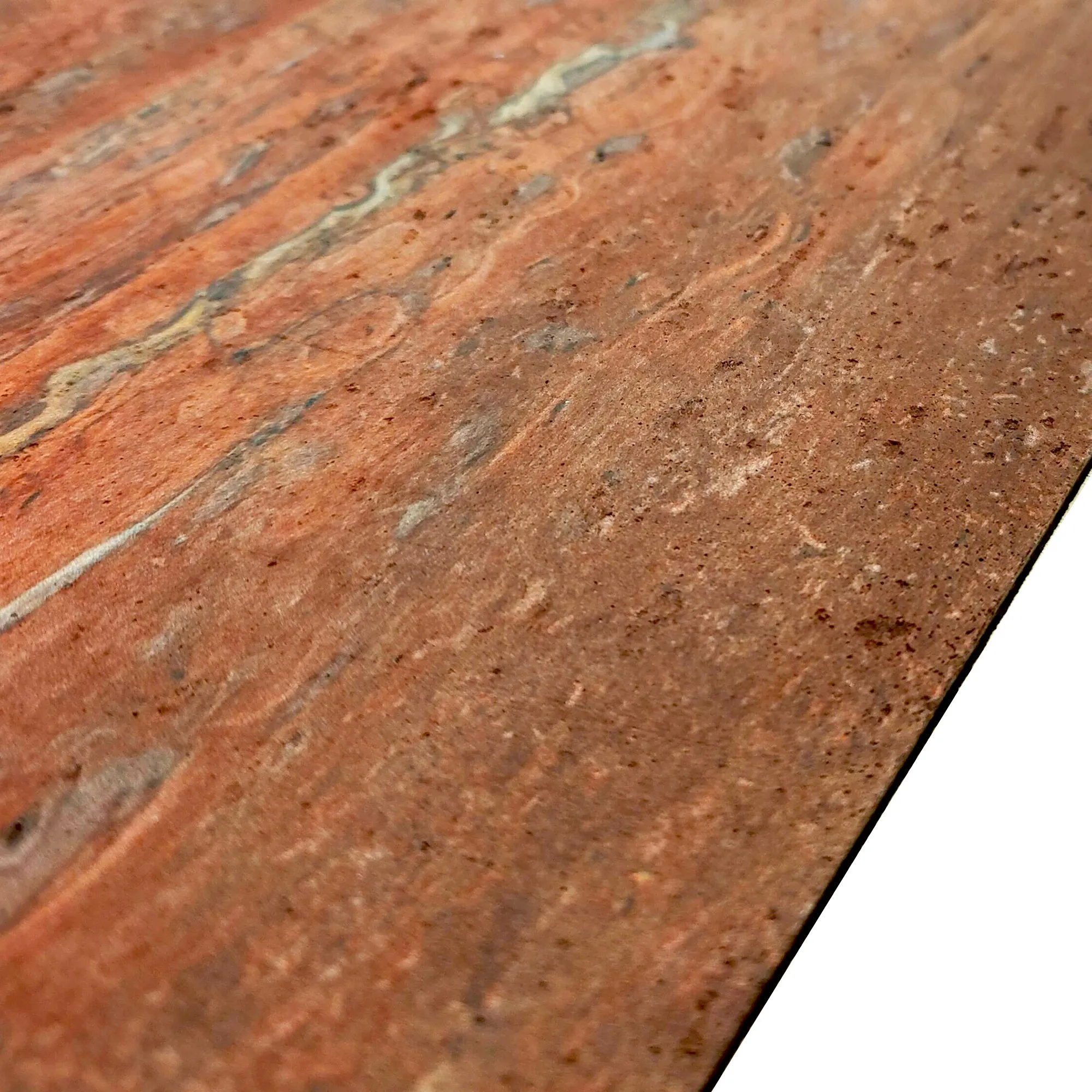
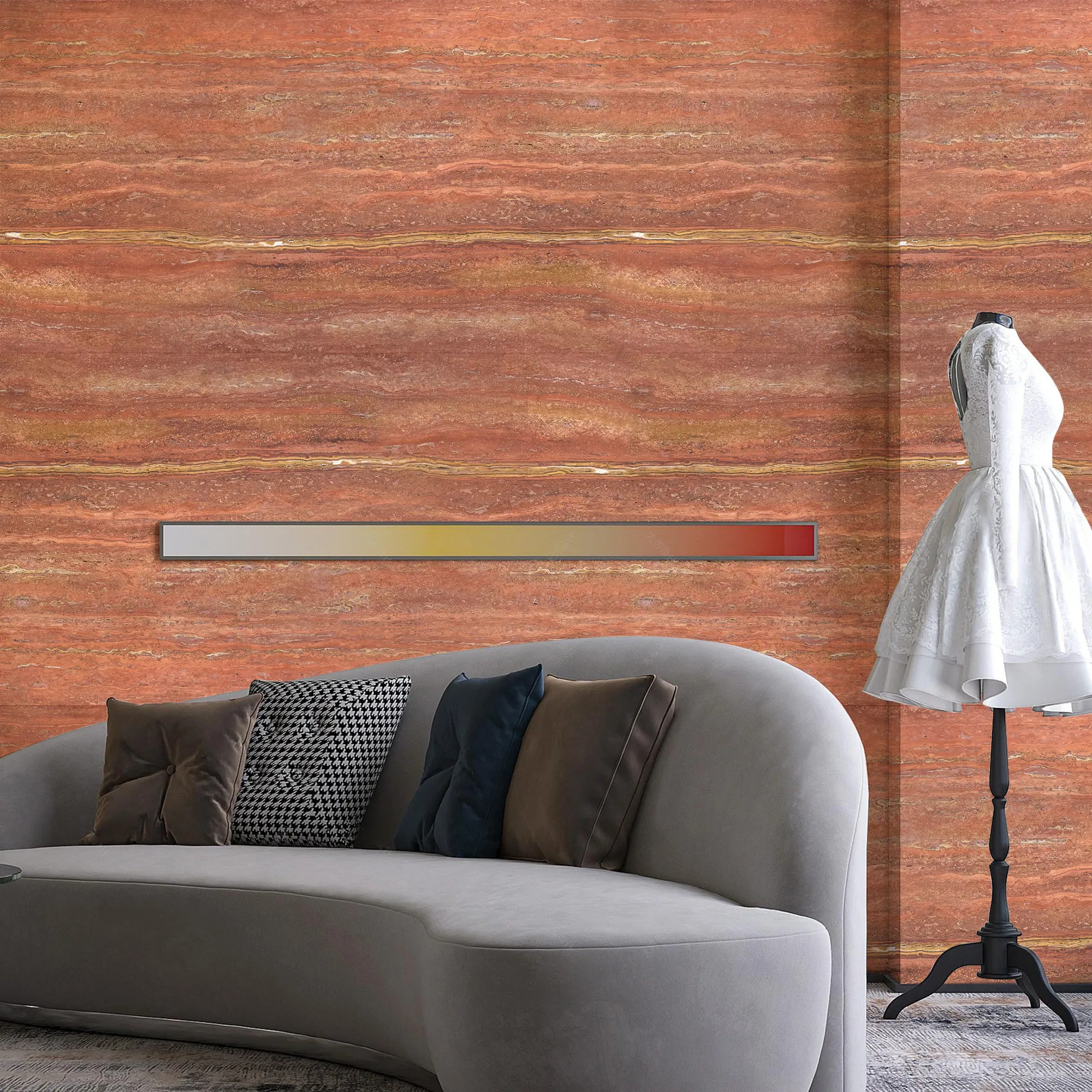
Let's be honest: even the most eco-friendly material won't gain traction if it looks like a recycled cereal box. People connect with spaces emotionally, and beauty matters. Here's where travertine (starry red) truly shines. The rich red hue adds warmth to any room, whether it's a cozy living area, a bustling café, or a sleek office lobby. The "starry" flecks—tiny mineral deposits that glint when hit by light—create depth and movement, turning a flat surface into something dynamic. It's versatile, too: use it as a feature wall, a backsplash, flooring, or even exterior cladding. Pair it with fair-faced concrete for an industrial-chic vibe, or with wood grain board for a rustic, earthy feel—the possibilities are endless.
What's more, MCM's printing technology allows for incredible precision. The starry pattern in travertine (starry red) is consistent across panels, so you get a cohesive look without the natural variation that can make traditional stone installation tricky. And because it's available in large slabs (thanks to the mcm big slab board series ), you can cover large areas with minimal seams, creating a seamless, high-end finish.
To put this in perspective, let's compare travertine (starry red) MCM with some common alternatives using key sustainability metrics. The table below is a simplified snapshot, but it highlights just how much of a difference MCM can make:
| Material | Carbon Footprint (kg CO₂/m²) | Estimated Lifespan (years) | Maintenance Frequency | Recyclability |
|---|---|---|---|---|
| Traditional Marble Slabs | 15-20 | 20-30 (with regular sealing) | Seal every 1-2 years; prone to staining | Low (difficult to recycle; often ends in landfills) |
| Painted Drywall | 5-8 | 5-10 (before repainting/repair) | Repaint every 3-5 years; touch-ups for dents/scratches | Low (gypsum recyclable, but paper backing complicates) |
| MCM Starry Red Travertine | 3-5 | 50+ | Wipe clean with water; no sealing needed | High (stone aggregates can be recycled; backing often recyclable plastic/resin) |
| Fair-Faced Concrete | 8-12 | 40-50 | Seal every 5-7 years; prone to cracking | Medium (crushable for aggregate, but energy-intensive) |
The numbers speak for themselves: travertine (starry red) MCM has a lower carbon footprint, longer lifespan, minimal maintenance, and higher recyclability than many traditional options. It's not just a sustainable choice—it's a smart one, both for the planet and for your long-term budget.
Starry Red Travertine is just one star in the MCM constellation. The mcm flexible stone lineup includes a range of materials that marry sustainability with style. For example, wood grain board offers the warmth of natural wood without the deforestation concerns—perfect for creating cozy, cabin-like interiors. The mcm big slab board series includes options like lunar peak silvery, with its cool, metallic sheen, or fair-faced concrete, which brings an industrial edge with a lower carbon cost than traditional concrete.
Even materials like foamed aluminium alloy board (vintage silver) fit the bill. Lightweight and corrosion-resistant, foamed aluminum MCM panels are 100% recyclable and ideal for exterior cladding, where durability and weather resistance are key. They reflect sunlight, too, helping to keep buildings cooler and reduce energy use for air conditioning—another sustainability bonus.
Let's move from theory to practice. Imagine a community center in a busy urban neighborhood. The design team wants it to be a hub for locals—a place that feels welcoming, durable enough to handle heavy foot traffic, and kind to the environment. They choose travertine (starry red) MCM for the main lobby walls. The red hue adds energy, making the space feel lively and inclusive. The lightweight panels are installed quickly, minimizing disruption to the neighborhood during construction. Over time, the material holds up to kids running past, rain hitting the exterior, and daily wear-and-tear—no need for costly repairs or replacements. The center becomes a point of pride, not just for its programming, but for its commitment to sustainability.
Or consider a homeowner building a passive house in the countryside. They want the interior to feel connected to nature but don't want to use rare woods or heavy stone. travertine (starry red) MCM on the fireplace surround adds a focal point, its starry flecks echoing the night sky outside. Because it's so durable, they won't have to worry about heat damage or fading from sunlight streaming through large windows. And because it's low-maintenance, they can spend weekends hiking instead of sealing stone or repainting walls.
At the end of the day, sustainable construction isn't just about materials—it's about mindset. It's about choosing products that honor both the planet and the people who will live, work, and play in the spaces we build. travertine (starry red) MCM embodies that mindset. It's a material that says, "We can do better." Better for the environment, better for our wallets, and better for the way we experience the world around us.
As we look to the future, MCM products like Starry Red Travertine will only grow in importance. They prove that sustainability doesn't require sacrifice—that we can have spaces that are beautiful, functional, and kind to the planet. And in a world that needs more hope and less compromise, that's a win worth building toward.
Recommend Products











