
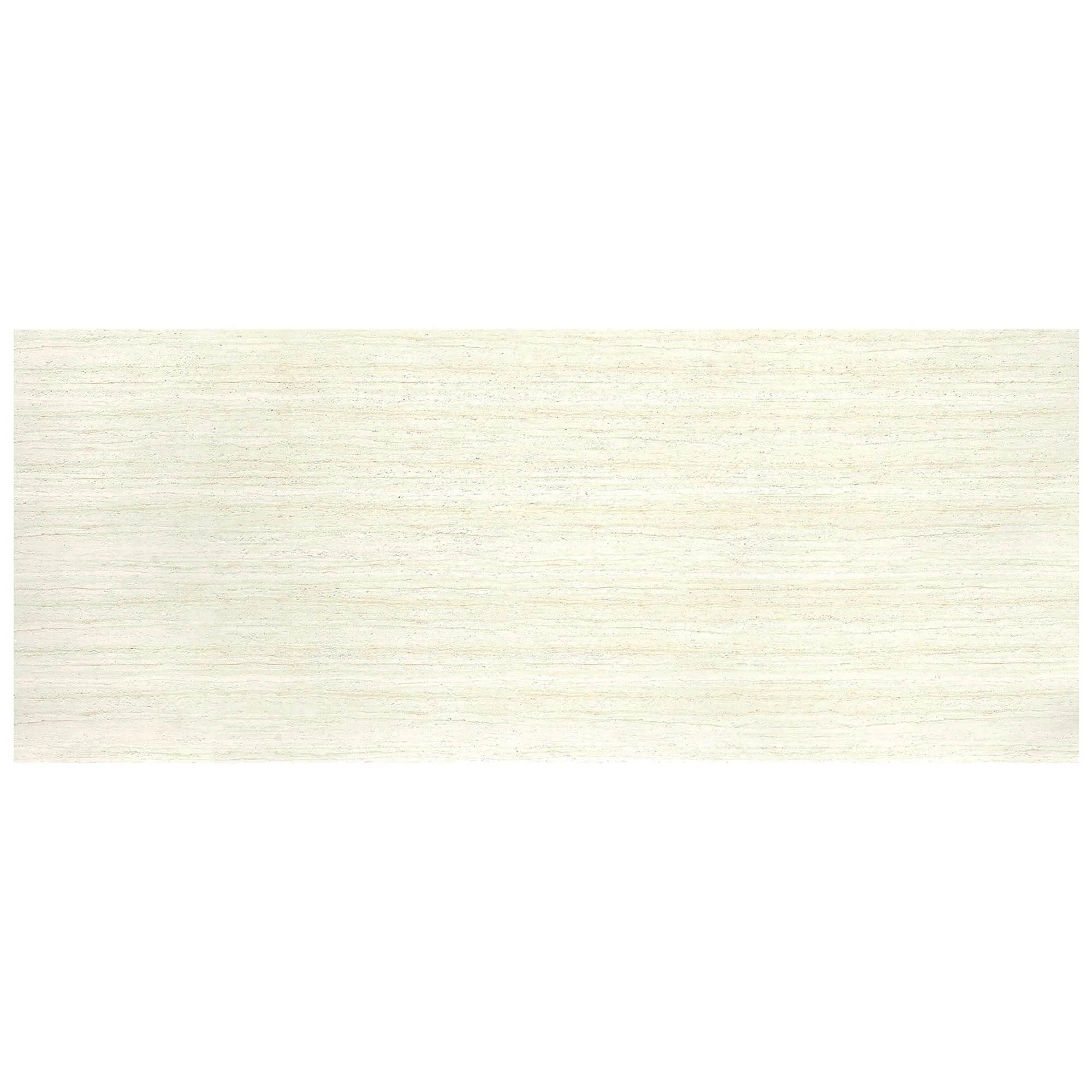
Walk down any city street, and you'll notice buildings that tell stories—of time, of design, of resilience. But behind those walls, facades, and floors lies a silent hero: the materials that hold them together. In construction, durability isn't just a buzzword; it's the backbone of safety, longevity, and sustainability. Today, as architects and builders push for materials that can withstand harsh weather, heavy foot traffic, and the test of time, one innovation is quietly revolutionizing the game: thread design in modified cementitious materials (MCM). Far from just a technical tweak, thread design is the unsung craft that turns good materials into great ones, blending strength with flexibility in a way that traditional methods never could. Let's dive into how this simple yet genius concept is changing the face of modern construction.
Before we talk about thread design, let's get to know the star of the show: modified cementitious materials. You might think of concrete as a basic mix of cement, water, and aggregates, but MCMs are the upgraded versions—engineered to be lighter, more flexible, and better suited for specific jobs. Think of them as the "custom-built" cars of the construction world: same core idea, but tweaked with additives, fibers, or composites to perform in unique ways.
Take MCM flexible stone , for example. Unlike rigid natural stone, this material bends without breaking, making it perfect for curved facades or areas prone to slight movements, like earthquake zones. Then there's fair-faced concrete , loved by modern architects for its raw, industrial beauty—it's poured to expose the natural texture of the concrete, no need for cladding, but it needs to be tough enough to look good for decades. And let's not forget wood grain board , which mimics the warmth of wood but with the durability of concrete, ideal for interiors where aesthetics meet heavy use. These materials are already impressive, but thread design takes them from "good" to "unbreakable" (well, almost).
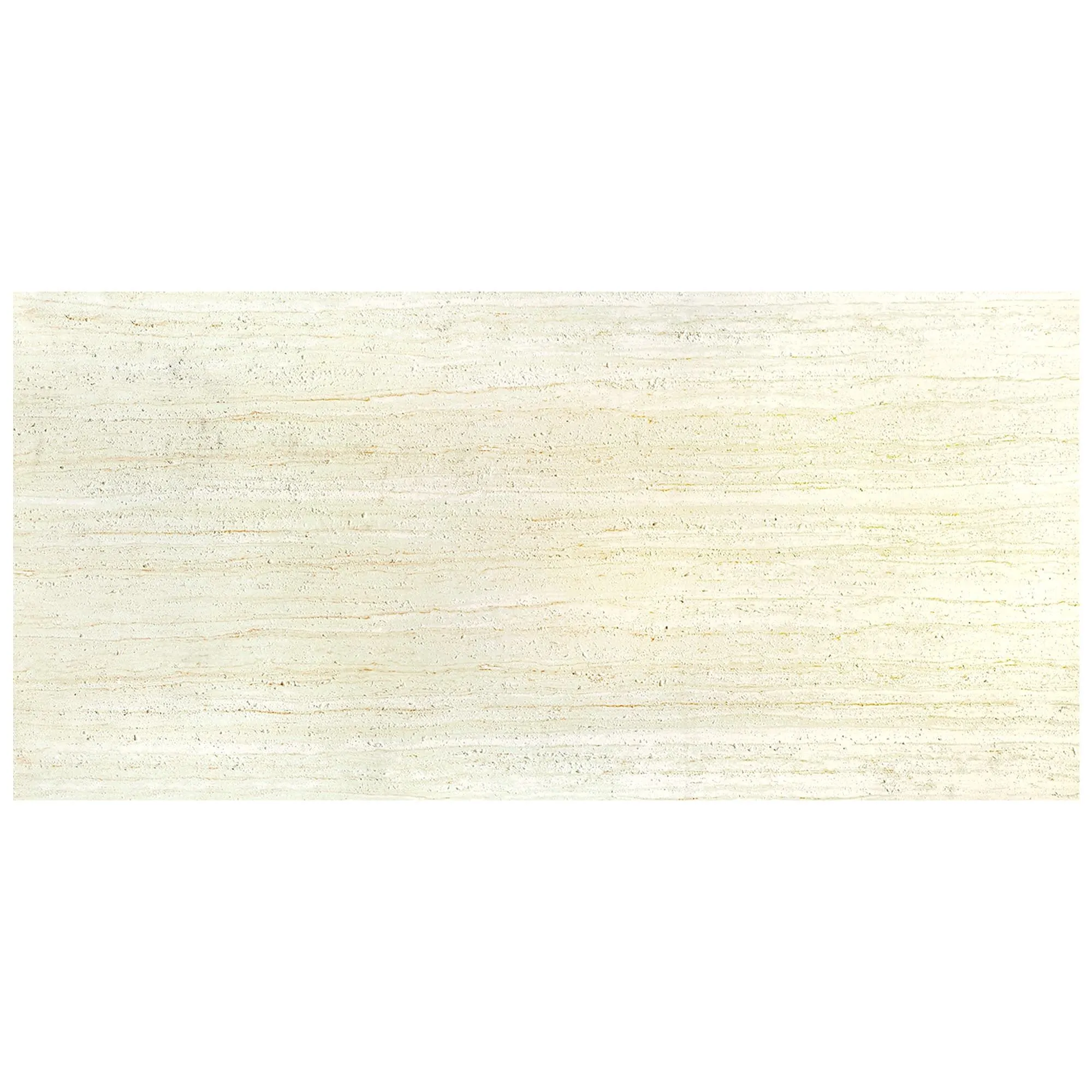
So, what exactly is thread design? Picture a spider's web: delicate, yet surprisingly strong because the threads crisscross, distributing tension evenly. Thread design in MCMs works similarly. It involves embedding ultra-thin, high-strength threads—often made of materials like fiberglass, carbon fiber, or even recycled polymers—into the material matrix during production. These threads act like tiny reinforcements, creating a network that holds the material together at a microscopic level.
But it's not just about adding threads randomly. The magic is in the pattern: how the threads are spaced, their direction (horizontal, vertical, or crisscrossed), and their thickness. For instance, in materials meant for high-stress areas, threads might be woven tightly in a grid pattern to resist pulling forces. In flexible materials like MCM flexible stone, threads are arranged with more give, allowing the material to bend without snapping. It's a bit like knitting: a loose stitch makes a stretchy scarf, while a tight stitch makes a sturdy sweater. Thread design tailors the "stitch" to the material's job.
Cracks are the enemy of durability. They start small—from temperature changes, moisture, or even just the weight of the building itself—and grow into big problems, letting water seep in, weakening the structure over time. Thread design fights this by acting as a "crack stopper." When a tiny crack starts to form, the threads in the material matrix catch it, like a net catching a falling object. Instead of spreading, the crack is contained, keeping the material intact.
Take fair-faced concrete, for example. Without thread design, its smooth, uncoated surface is prone to hairline cracks from drying shrinkage. But add a network of fine threads, and suddenly those cracks have nowhere to go. Builders in cities with extreme temperature swings (think Chicago winters or Dubai summers) swear by thread-enhanced fair-faced concrete—it stays looking crisp and clean for years, even when the mercury dips or spikes.
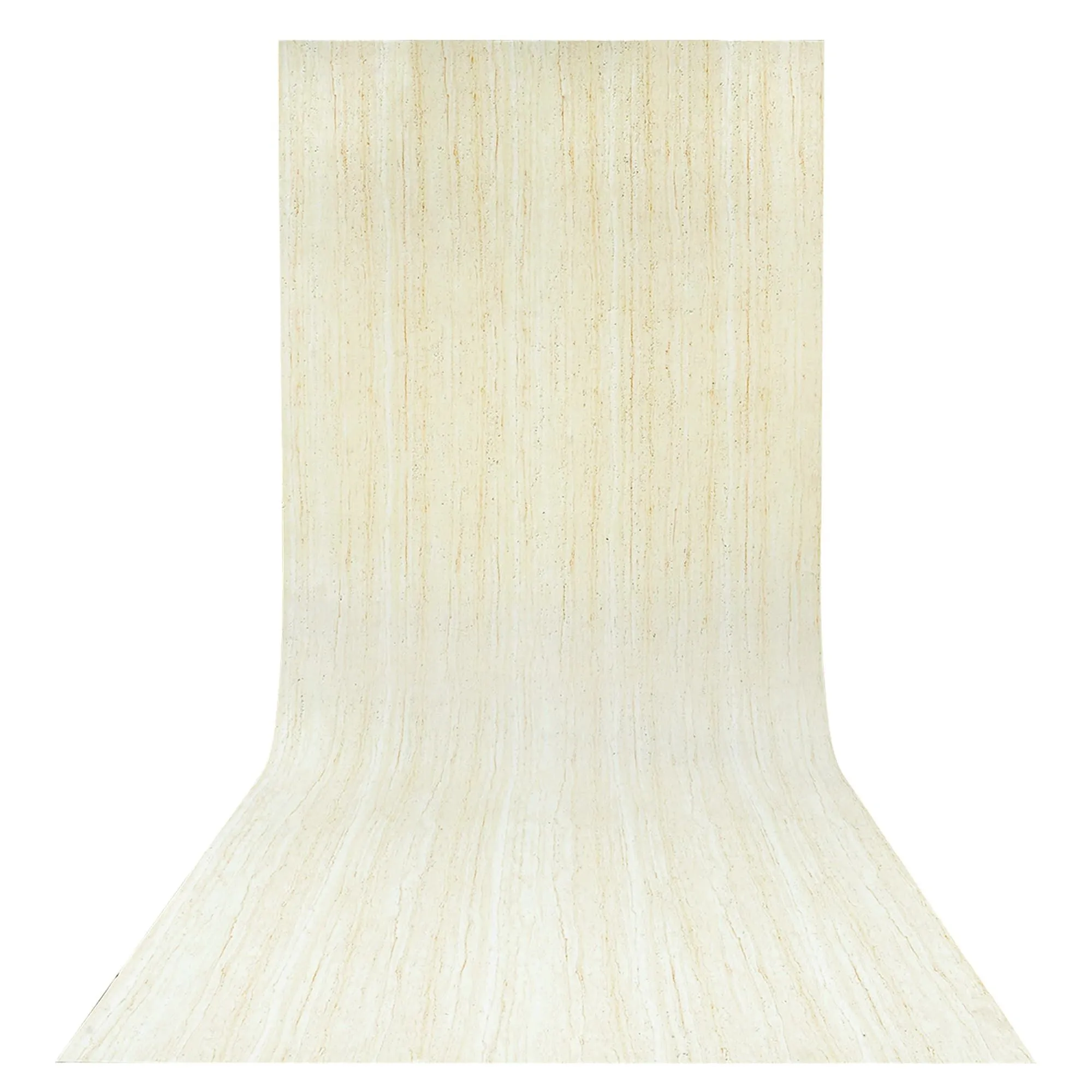
Traditional cementitious materials are strong, but they're also brittle. Bend them too much, and they snap. That's a problem in areas where the ground shifts (hello, coastal regions or earthquake zones) or where the material needs to curve, like a modern art museum's swooping facade. Thread design solves this by adding "give" to the material. The threads act like springs, stretching slightly when the material bends, then pulling it back into shape. It's the difference between a glass rod (brittle) and a carbon fiber rod (strong yet flexible).
MCM flexible stone is a perfect example. Used in outdoor patios or pool surrounds, it needs to handle foot traffic, rain, and even the occasional chair being dragged across it. With thread design, it bends under pressure instead of chipping, making it last twice as long as non-threaded versions. Homeowners love it because it looks like natural stone but doesn't require constant repairs.
Durability isn't just about the material itself—it's also about how well it sticks to other materials. Whether it's bonding to a wall, a metal frame, or another layer of MCM, weak adhesion leads to peeling, lifting, or delamination (where layers separate). Thread design improves adhesion by acting as tiny "anchors." When the MCM is applied, the threads grip onto the surface below, creating a stronger bond than just the material alone.
Consider foamed aluminium alloy board , a lightweight, modern material used for cladding high-rises. When paired with thread-enhanced MCM, the threads in the MCM lock into the alloy's porous surface, creating a bond that resists wind, rain, and even the vibrations of the building. In coastal cities, where saltwater can corrode metal, this extra adhesion is a lifesaver—it keeps the cladding from peeling off, even in stormy weather.
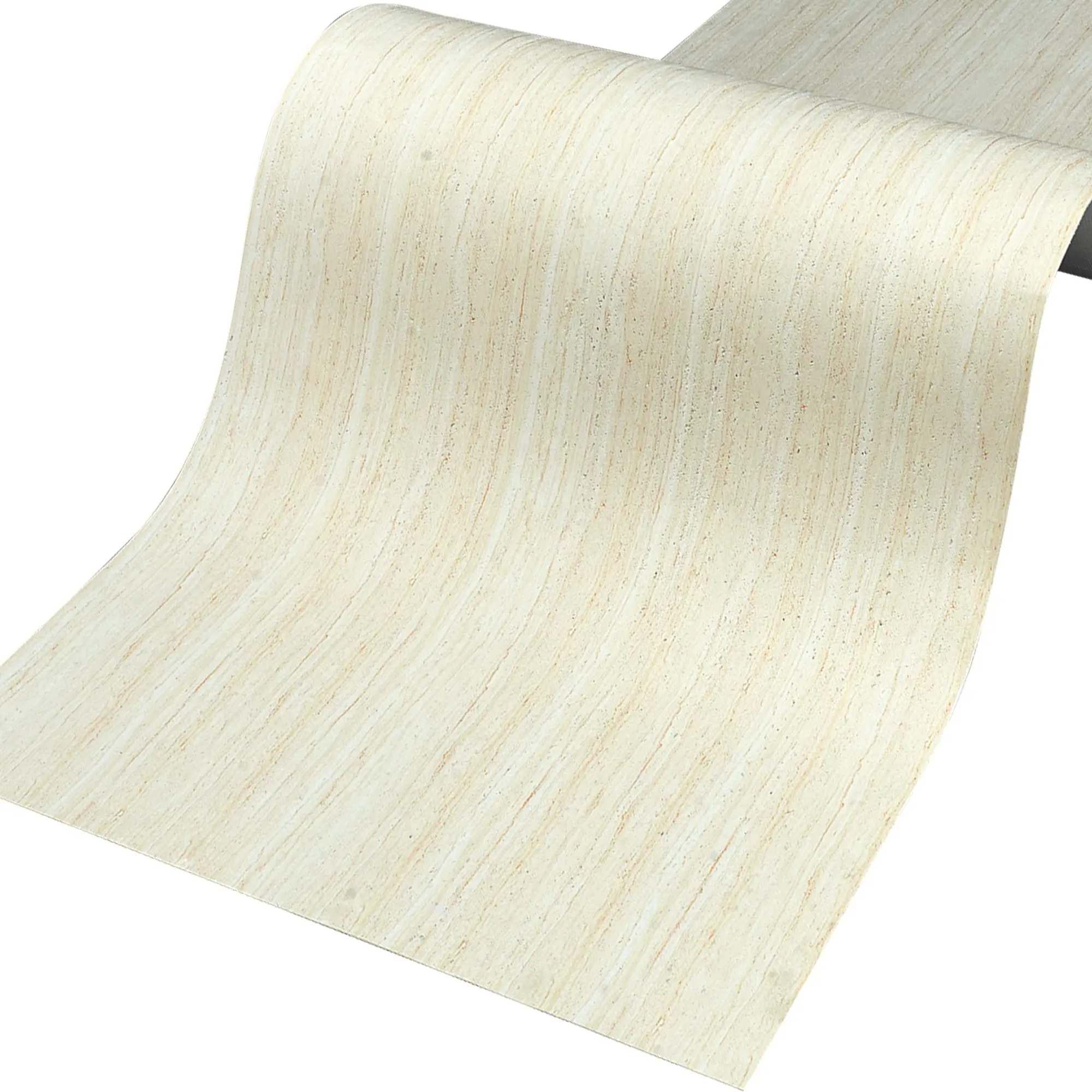
Thread design isn't just a lab experiment—it's already hard at work in buildings, parks, and homes around the world. Let's look at a few places where it's making a tangible difference:
High-Traffic Public Spaces: Think of a busy train station or a mall hallway. The floors here take a beating—thousands of feet daily, rolling suitcases, even the occasional spilled drink. Wood grain board with thread design is becoming a go-to here. It looks like warm, natural wood (so it feels inviting) but with threads woven into the matrix to resist scratches and dents. Unlike real wood, it doesn't warp from moisture or fade in sunlight, making it perfect for areas where both durability and aesthetics matter.
Historic Renovations: When restoring old buildings, you need materials that match the original look but meet modern safety standards. Thread-enhanced MCMs, like those mimicking ancient stone, are ideal. They're lightweight enough to avoid stressing old foundations, and the thread design ensures they can handle the wear of tourists without crumbling—all while looking like they've been there for centuries.
Green Buildings: Sustainability is a top priority today, and thread design helps here too. By making materials more durable, buildings need fewer repairs and replacements, reducing waste. For example, thread-enhanced fair-faced concrete in a net-zero home lasts longer, meaning less concrete (and fewer carbon emissions) over the building's lifetime. It's a small change that adds up to big environmental wins.
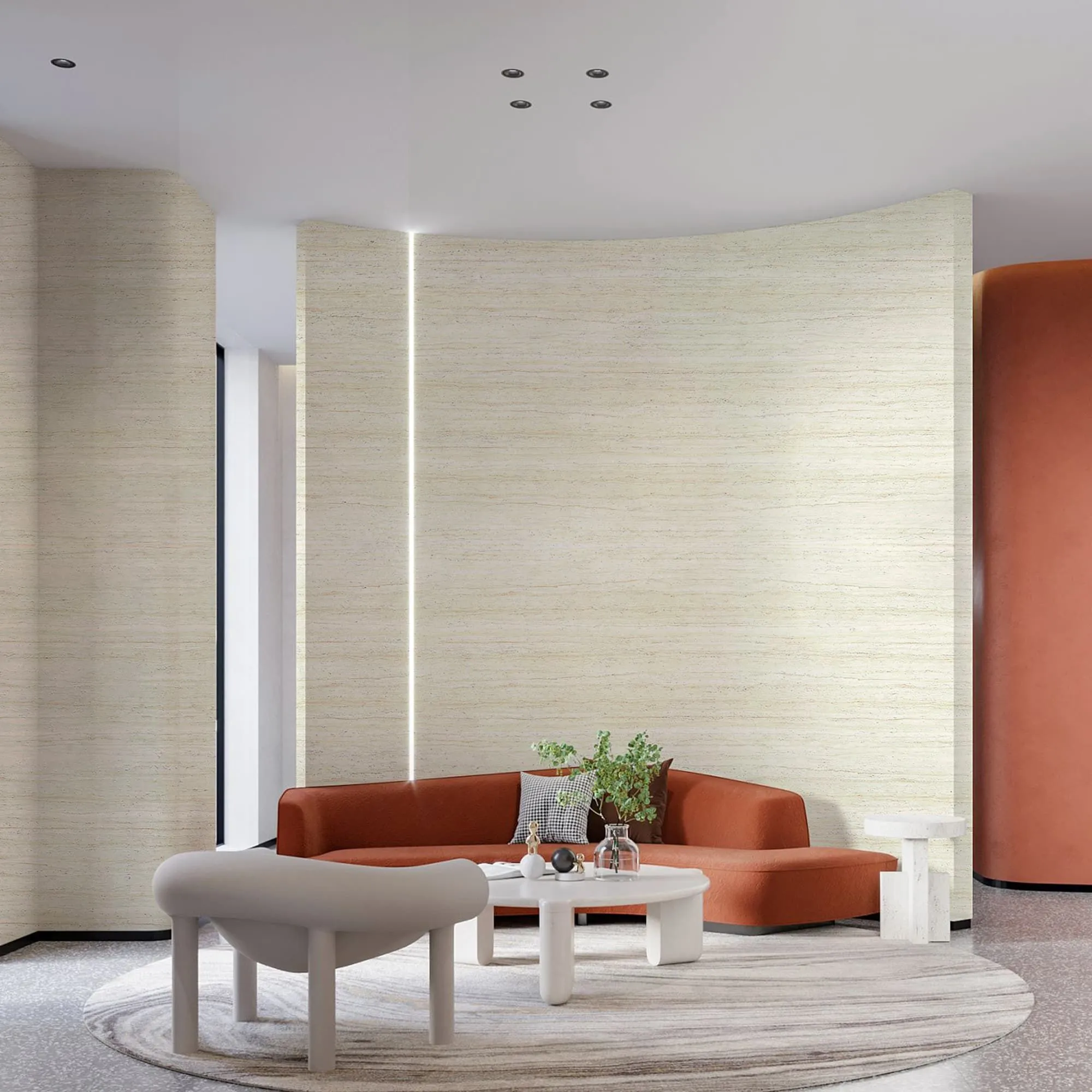
Still not convinced? Let's put traditional MCMs and their thread-enhanced counterparts head-to-head. The table below compares key metrics like tensile strength (how much pulling they can take), crack resistance, and flexibility—all critical for durability.
| Material Type | Tensile Strength (MPa) | Crack Resistance Rating (1-10) | Flexibility (mm deflection before cracking) | Best For |
|---|---|---|---|---|
| Traditional MCM Flexible Stone | 2.5-3.5 | 5 | 1-2 | Low-traffic walls, decorative accents |
| Thread-Enhanced MCM Flexible Stone | 5.0-6.5 | 9 | 4-5 | High-traffic facades, curved surfaces |
| Traditional Fair-Faced Concrete | 3.0-4.0 | 4 | 0.5-1 | Static, low-movement structures |
| Thread-Enhanced Fair-Faced Concrete | 6.0-7.5 | 8 | 3-4 | Modern architecture, exposed surfaces |
| Foamed Aluminium Alloy Board (without MCM) | 15-20 | 7 | 5-6 | Lightweight cladding, temporary structures |
| Foamed Aluminium Alloy Board + Thread-Enhanced MCM | 22-28 | 10 | 8-10 | High-rise facades, coastal buildings |
The numbers speak for themselves. Thread-enhanced materials consistently outperform traditional ones, especially in crack resistance and flexibility. For builders, that translates to fewer callbacks, lower maintenance costs, and happier clients. For homeowners, it means walls that don't crack, floors that don't chip, and a building that feels solid for generations.
As technology advances, thread design is only going to get smarter. Researchers are experimenting with self-healing threads—coated in materials that react to cracks by releasing a sealant, effectively "patching" tiny breaks before they grow. Imagine a wall that heals itself after a storm! There's also work on biodegradable threads, making MCMs even more eco-friendly, and threads embedded with sensors that can monitor the material's health, alerting builders to issues before they become problems.
And it's not just about MCMs. Thread design is starting to influence other materials too, like wood grain board (now with fire-resistant threads for safer interiors) and even roofing materials. The goal? To create a world where buildings don't just stand—they thrive, adapting to whatever the world throws at them.
At the end of the day, thread design is more than a technical detail—it's a reminder that the best innovations are often the ones that work with nature, not against it. Like a spider's web, it's about using simple elements (threads) in clever patterns to create something stronger than the sum of its parts. For builders, it's a tool to create safer, longer-lasting structures. For homeowners, it's peace of mind knowing their building can handle whatever comes next. And for all of us, it's a step toward a more sustainable, resilient built environment.
So the next time you walk past a sleek modern building, run your hand along a smooth concrete wall, or admire a curved stone facade, take a moment to appreciate the threads you can't see. They're not just holding the material together—they're holding our future, one durable, well-designed structure at a time.
Recommend Products












