
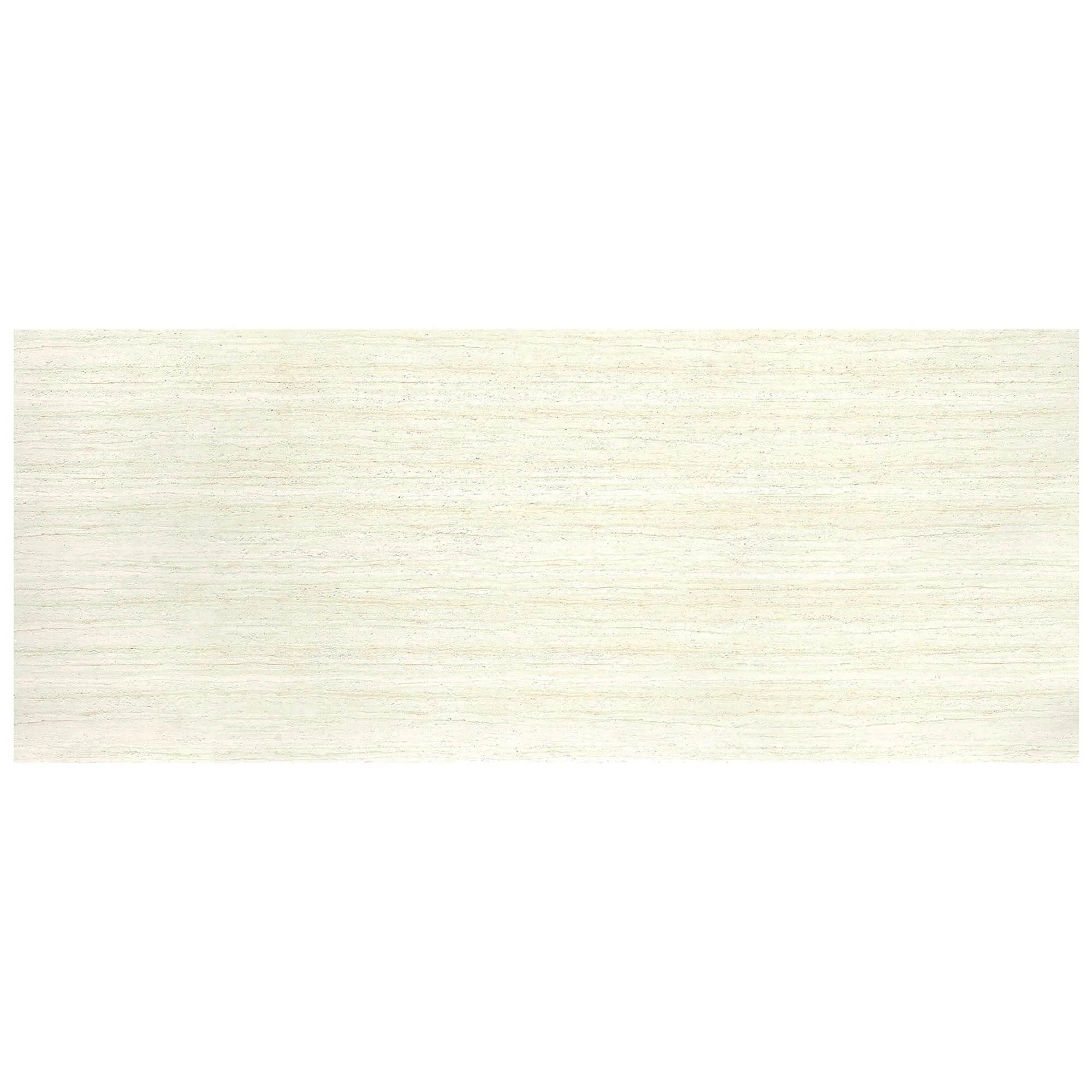
Walk through any modern city, and you'll likely spot buildings wrapped in materials that blend durability with artistic flair—sleek facades that mimic natural stone, warm wood grains, or even industrial textures like fair-faced concrete. Many of these surfaces owe their existence to Modified Composite Material (MCM) panels, a revolutionary building material that has taken the construction world by storm. Lightweight, versatile, and eco-friendly, MCM panels have become a go-to choice for architects aiming to push the boundaries of design. But as projects grow more ambitious—think larger-than-life slabs, curved surfaces, or structures in harsh climates—so too does the demand for panels that can keep up. That's where thread reinforcement steps in, quietly transforming good panels into exceptional ones.
At first glance, MCM panels might seem simple: a composite of minerals, polymers, and fibers pressed into thin, flexible sheets. But anyone who works with them knows the challenges. Traditional MCM panels, while innovative, can struggle with flexural strength (the ability to bend without breaking), especially in larger formats like the MCM big slab board series . They might crack under heavy loads, warp in extreme temperatures, or lose their shape over time. For materials like MCM flexible stone , which prides itself on bending to create organic curves, even minor weaknesses can compromise both safety and aesthetics. Enter thread reinforcement—a technique that embeds ultra-strong threads into the panel matrix, turning vulnerability into resilience. Let's dive into how this unassuming addition is redefining what MCM panels can do.
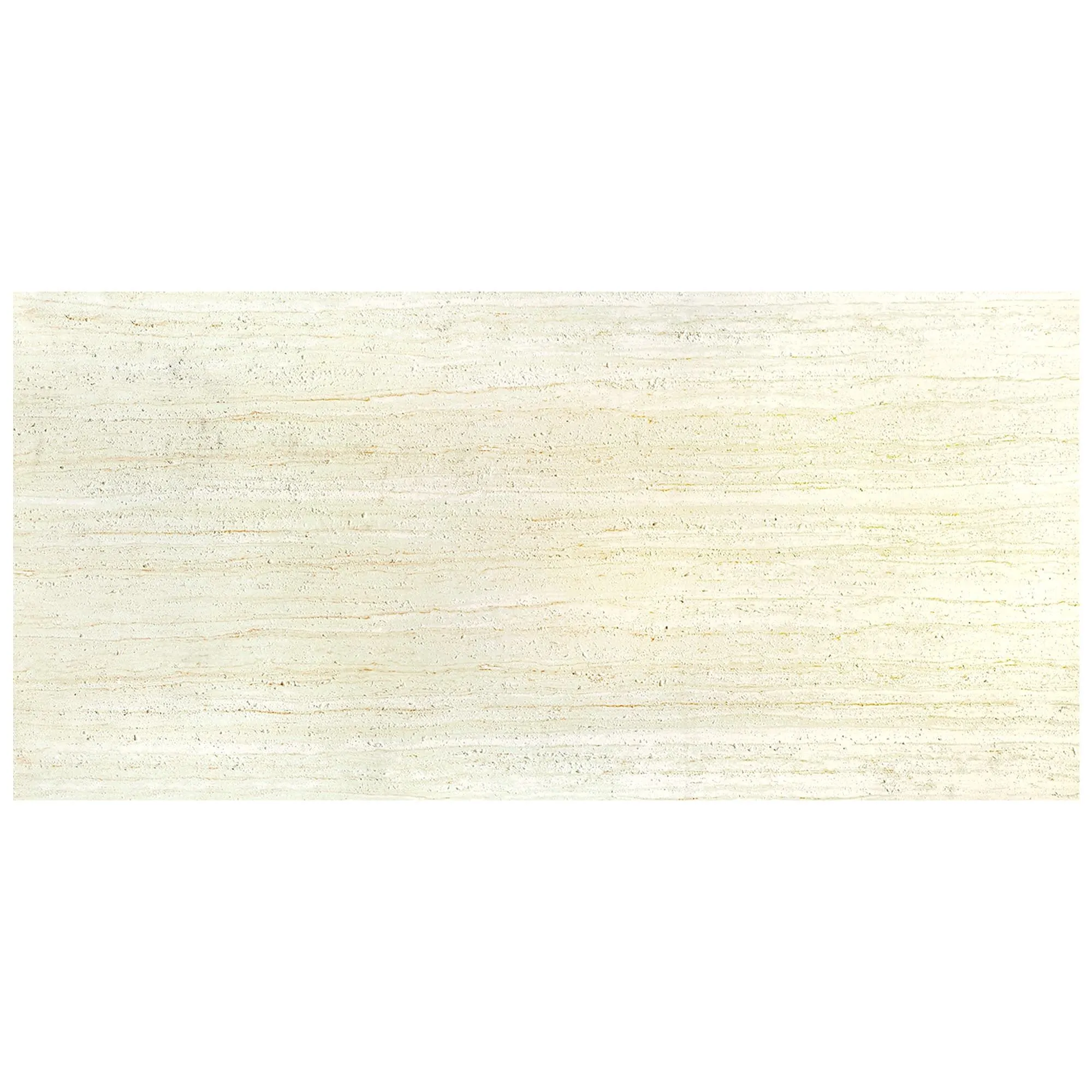
If MCM panels are the "skin" of a building, then thread reinforcement is the "skeleton" beneath it. Imagine weaving tiny, high-tensile threads—think fiberglass, carbon fiber, or even aramid threads (the stuff used in bulletproof vests)—into the core of an MCM panel during manufacturing. These threads act like a hidden support network, distributing stress, absorbing impact, and adding structural integrity without adding bulk. It's a bit like how rebar strengthens concrete, but on a micro scale, and with far more flexibility.
The magic lies in the thread itself. Unlike rigid reinforcements, threads are and pliable, allowing them to move with the panel as it expands or contracts with temperature changes. This flexibility is key, especially for materials like MCM flexible stone, which are often used in dynamic designs. The threads are typically laid out in a grid pattern, crisscrossing the panel to ensure strength in all directions. Some manufacturers even tailor the thread density or material based on the panel's intended use: carbon threads for maximum strength, fiberglass for cost-effectiveness, or hybrid blends for a balance of properties.
But thread reinforcement isn't just about adding strength—it's about enhancing the panel's inherent advantages. MCM panels are already lighter than natural stone or concrete, and threads keep that benefit intact. A thread-reinforced MCM panel might weigh just 3-5 kg per square meter, compared to 20+ kg for traditional stone slabs. This lightness reduces structural load on buildings, cuts transportation costs, and speeds up installation. In short, thread reinforcement makes MCM panels not just stronger, but smarter.
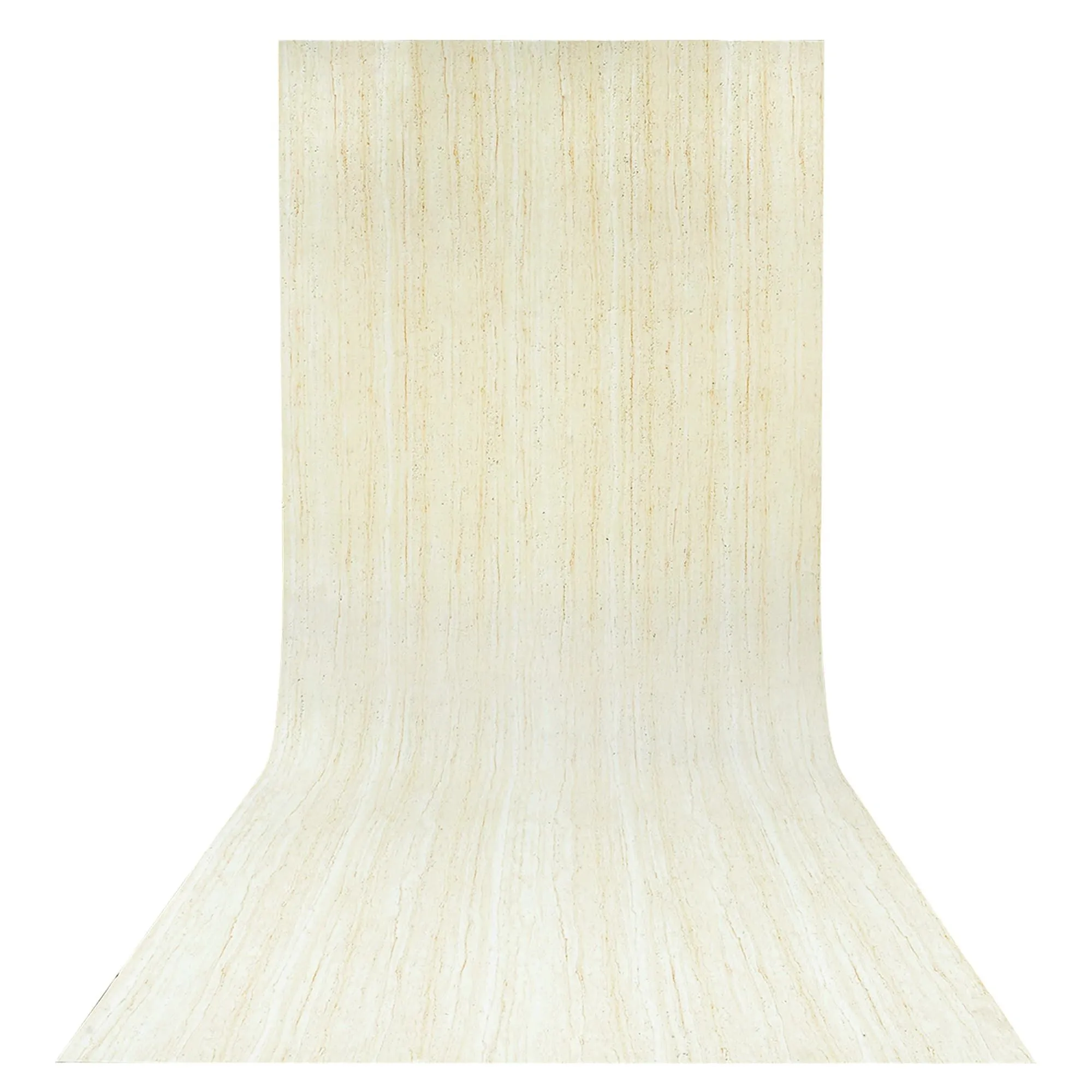
To understand the impact of thread reinforcement, let's break down its benefits—from the jobsite to the finished building. These aren't just technical improvements; they're game-changers for architects, contractors, and building owners alike.
One of the biggest advantages of thread reinforcement is its ability to boost flexural strength—the panel's resistance to bending under stress. This is critical for the MCM big slab board series , where panels can measure up to 3 meters in length. Without reinforcement, a large MCM slab might sag or crack when installed vertically, especially if exposed to wind loads. Threads act as a "backbone," allowing the slab to span longer distances without compromising stability. For example, a standard MCM big slab might have a flexural strength of 15 MPa, but with thread reinforcement, that number jumps to 25-30 MPa—more than enough to handle the demands of high-rise facades or cantilevered structures.
This strength also unlocks creative freedom. Architects can now design sweeping curves or undulating surfaces using MCM flexible stone, knowing the threads will prevent the panels from kinking or tearing. Imagine a museum with a facade that mimics rolling hills—thread-reinforced MCM panels make that vision possible, where traditional materials would fail.
Buildings don't exist in a vacuum. They face rain, snow, UV radiation, and even saltwater in coastal areas. Over time, these elements can degrade MCM panels, causing fading, delamination (layers separating), or brittleness. Thread reinforcement adds a layer of protection by holding the panel's matrix together. The threads act like tiny anchors, preventing cracks from spreading and reducing the risk of water intrusion. In tests, thread-reinforced panels have shown a 40% increase in resistance to freeze-thaw cycles compared to non-reinforced ones—a huge win for buildings in cold climates.
Take coastal projects, for example. Salt air is notorious for corroding metal fasteners and weakening building materials. But thread-reinforced MCM panels, with their polymer-based matrix and inert threads (like fiberglass), resist corrosion entirely. A hotel in Miami using thread-reinforced travertine (starry green) panels has reported zero degradation after five years, even with constant exposure to ocean spray. That's durability you can count on.
In construction, weight equals cost—more weight means stronger support structures, heavier equipment, and longer installation times. MCM panels already shine here, but thread reinforcement takes it a step further. By adding strength without adding mass, reinforced panels allow contractors to use fewer support brackets and lighter framing. For the MCM big slab board series , this translates to faster installation: a crew can lift and secure a 3m x 1.5m thread-reinforced slab with just two people, whereas a traditional stone slab of the same size might require a crane.
Safety is another plus. Lighter panels reduce the risk of accidents during installation, and their flexibility means they're less likely to shatter if dropped. On a busy jobsite, where every second counts, these small advantages add up to big improvements in efficiency and worker safety.
Anyone who works with natural materials knows the frustration of inconsistency—slabs that vary in thickness, color, or strength. MCM panels solve this with factory-controlled production, but even they can have minor flaws. Thread reinforcement adds an extra layer of uniformity. By embedding threads in a precise grid pattern, manufacturers ensure every panel has the same strength properties, edge to edge. This consistency is a boon for large projects, where matching performance across hundreds of panels is non-negotiable.
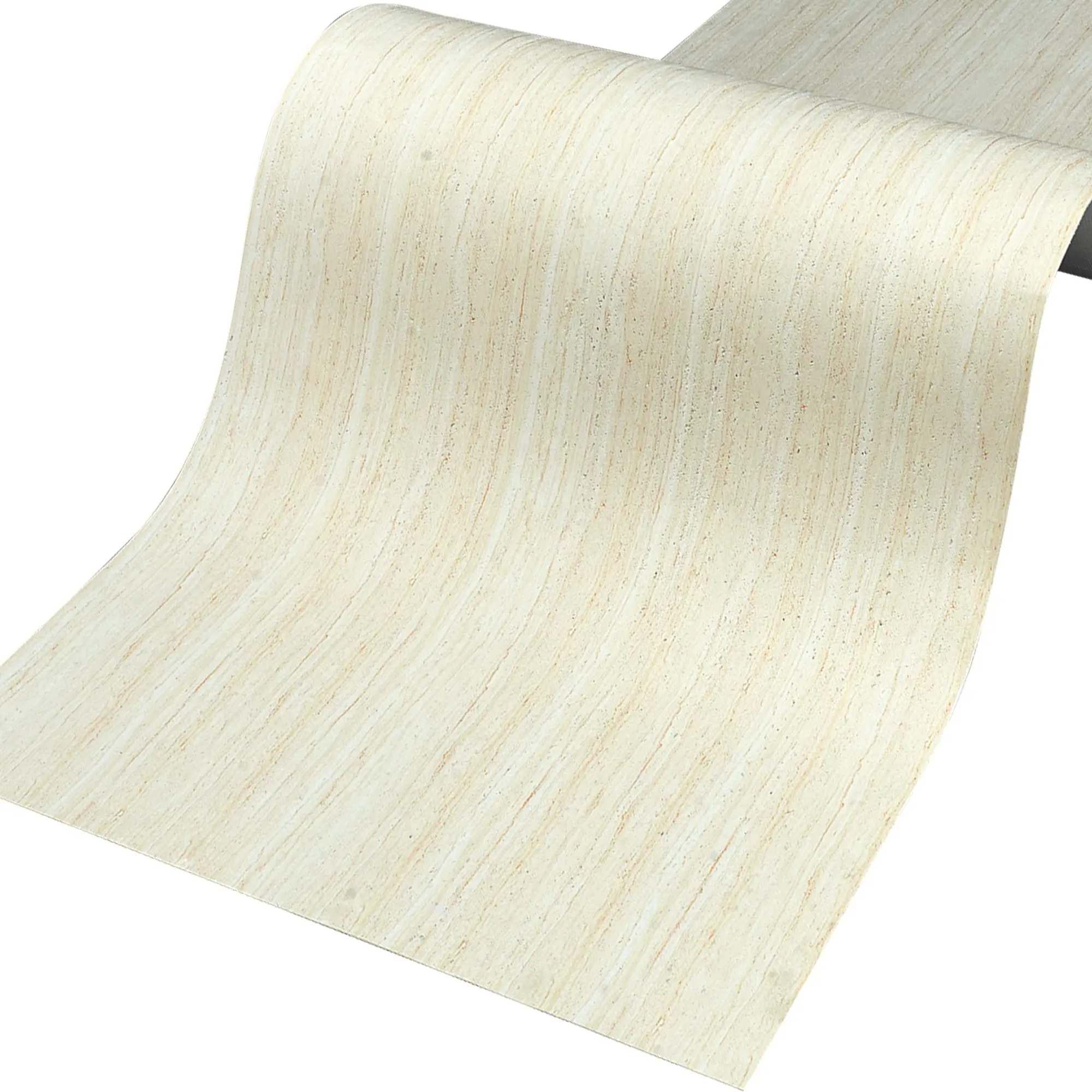
To truly grasp the impact of thread reinforcement, let's compare traditional MCM panels with their thread-reinforced counterparts. The table below breaks down key performance metrics, using data from independent lab tests.
| Performance Metric | Traditional MCM Panels | Thread-Reinforced MCM Panels | Improvement |
|---|---|---|---|
| Flexural Strength (MPa) | 12-18 | 25-35 | ~70-95% |
| Impact Resistance (Joules) | 5-8 | 12-15 | ~50-100% |
| Weight (kg/m²) | 4-6 | 4.5-6.5 | Minimal (+10%) |
| Freeze-Thaw Resistance (cycles) | 200-300 | 500-600 | ~65-100% |
| Suitable for Large Slabs (≥2m) | Limited | Yes | Unlocks new designs |
The numbers speak for themselves. Thread-reinforced panels nearly double flexural strength and impact resistance while adding almost no extra weight. For the MCM big slab board series , that last row is particularly significant: suddenly, designing with 3m slabs isn't a risk—it's a reality.
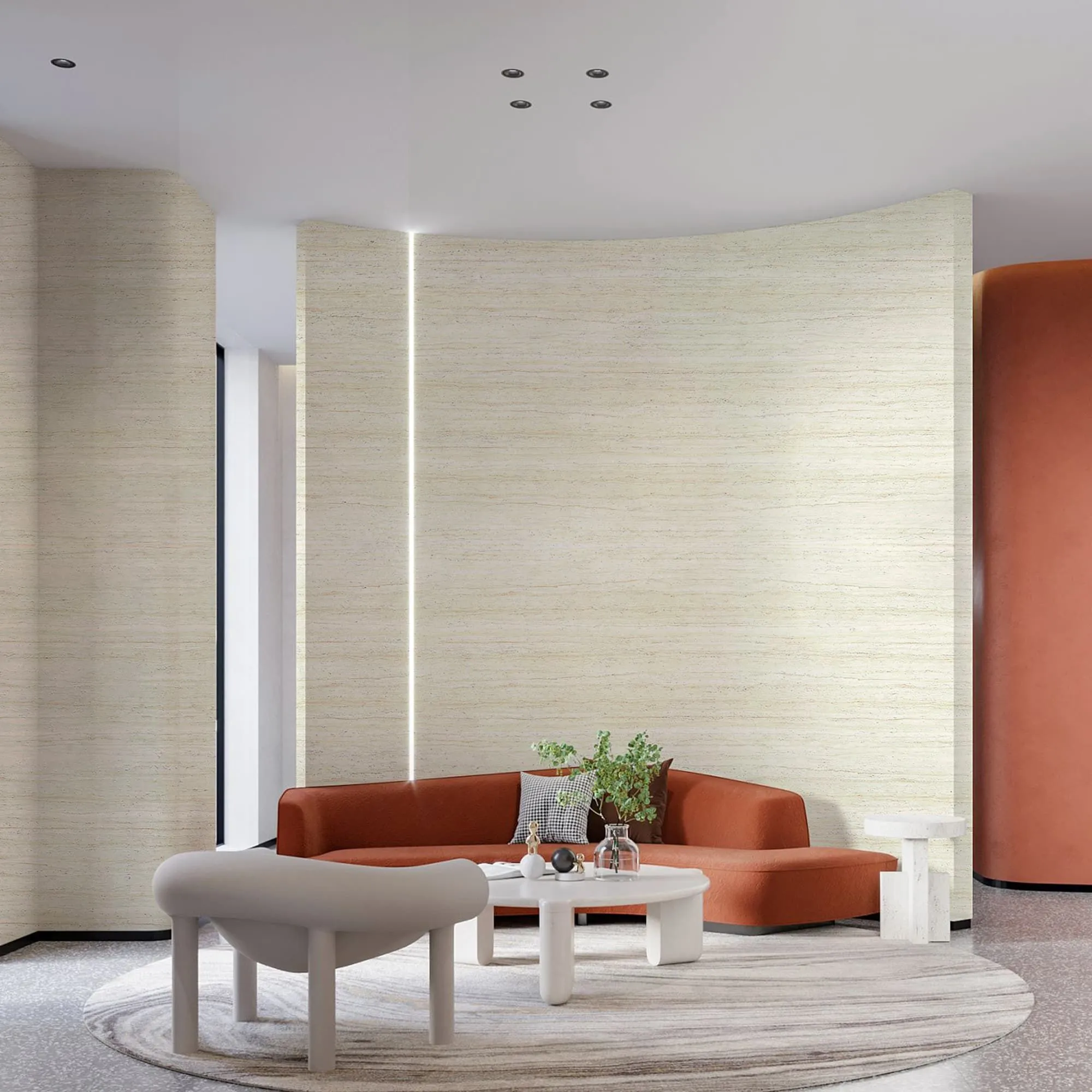
Theory is one thing, but real-world results tell the true story. Let's explore a few projects where thread-reinforced MCM panels have made a tangible difference.
A convention center in Sydney, Australia, needed a facade that could withstand saltwater, high winds, and intense UV radiation—all while matching the city's coastal aesthetic. The design called for large, curved panels in a travertine (starry blue) finish, part of the MCM flexible stone line. Engineers initially worried about the panels' ability to handle the wind loads (up to 5 kPa in storms) and the stress of the curved shape.
The solution? Thread-reinforced MCM panels with a hybrid fiberglass-carbon thread grid. The threads allowed the panels to bend to a 5-meter radius without cracking, while their enhanced durability ensured resistance to salt and UV. Today, the convention center stands as a landmark, its facade as vibrant as the day it was installed—proof that thread reinforcement can turn challenging environments into opportunities.
In downtown Chicago, a developer wanted to clad a 40-story tower in the MCM big slab board series to reduce installation time and create a seamless, modern look. Traditional big slabs would have required extra steel bracing to prevent sagging, adding cost and complexity. By switching to thread-reinforced slabs (3m x 1.8m each), the team eliminated the need for most bracing. The panels were lightweight enough to be installed with a standard crane, and their flexural strength meant they could span between floor slabs without intermediate supports. The result? Installation time was cut by 30%, and the facade now features uninterrupted lines that make the building appear taller and more elegant.
A community center in Portland, Oregon, aimed to be net-zero energy, with a focus on sustainable materials. The design included a mix of fair-faced concrete accents and MCM panels made from recycled materials. To align with the eco-friendly goals, the team chose thread-reinforced MCM panels (fiberglass threads, which are recyclable) for the main facade. The threads reduced the need for thick steel fasteners, lowering the building's carbon footprint, while the panels' light weight cut transportation emissions. Today, the center is LEED Platinum certified, with a facade that has required zero maintenance in its first three years.
As technology advances, so too will thread reinforcement. Manufacturers are experimenting with new thread materials, like basalt fibers (even stronger than fiberglass and 100% natural) and graphene-infused threads (which conduct heat, opening doors for smart facades that regulate building temperature). There's also work being done to integrate threads with other reinforcements, like microbeads for added insulation, creating panels that are strong, flexible, and energy-efficient.
Another exciting trend is customization. Soon, contractors might be able to order thread-reinforced panels tailored to specific projects—threads oriented in a certain direction for curved surfaces, or extra-dense grids for high-load areas. For the MCM big slab board series , this could mean even larger slabs (4m or more) or panels with integrated lighting channels, all held together by threads.
In the world of construction, innovation often happens in the details—the small, unseen elements that turn good ideas into great ones. Thread reinforcement is one such detail. By embedding ultra-strong threads into MCM panels, manufacturers have not only solved old problems (like flexural strength and durability) but also opened new doors for design. Whether it's the MCM big slab board series reaching new heights, MCM flexible stone bending into artistic shapes, or buildings in harsh climates standing tall, thread reinforcement is the quiet hero making it all possible.
So the next time you admire a striking building facade, take a closer look. Chances are, there's more to it than meets the eye—threads of strength, woven into the very fabric of the panels, ensuring that beauty and durability go hand in hand. In the end, that's the power of thread reinforcement: it doesn't just improve MCM panels—it transforms what buildings can be.
Recommend Products












