
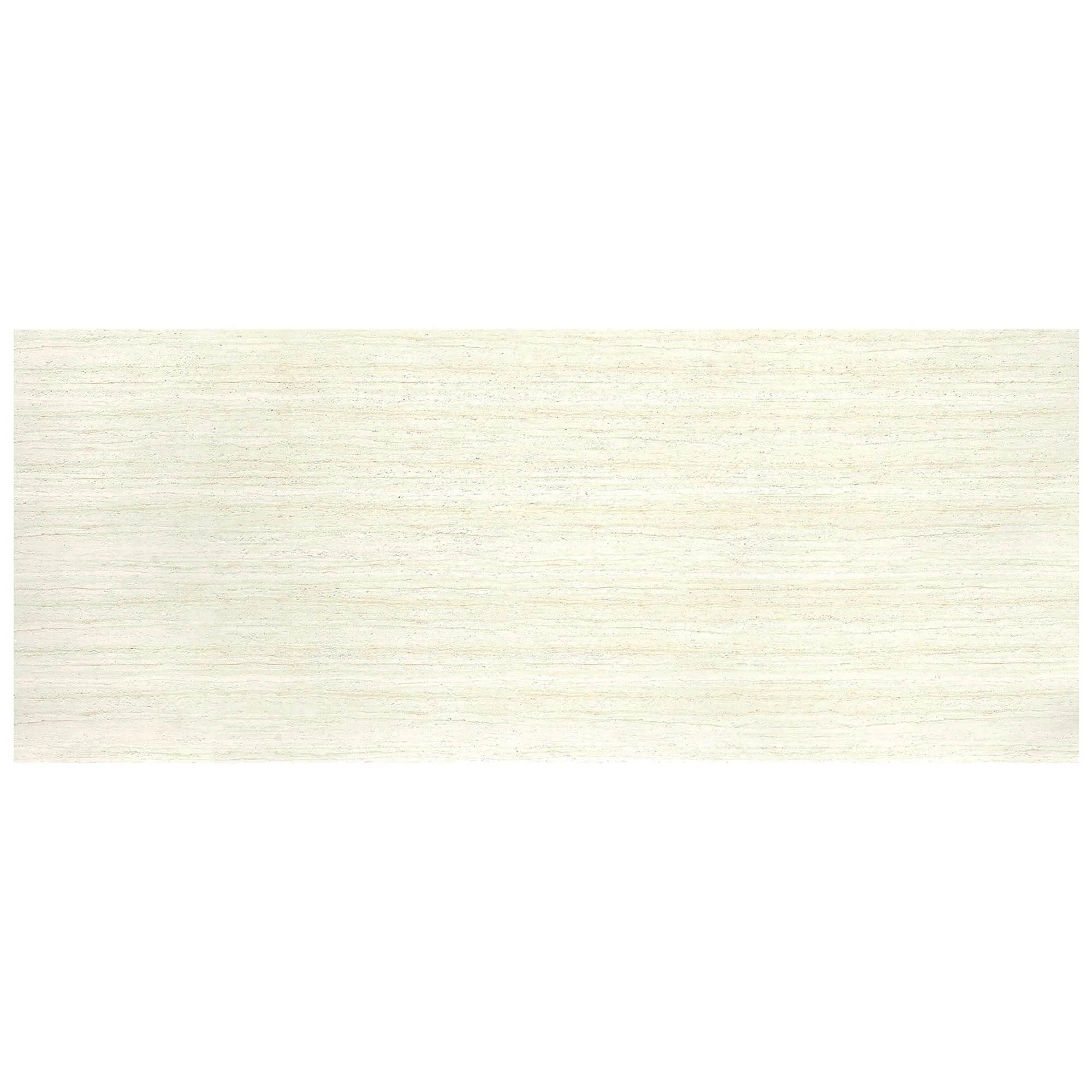
Walk down any modern city street, and you'll notice something: buildings aren't just boxes anymore. They're canvases. And the material wrapping those canvases—especially exterior cladding—plays a huge role in how we experience architecture. Enter MCM (Modified Composite Material) cladding: a game-changer for designers who want durability without sacrificing style. But here's the thing that often gets overlooked: texture. Not just any texture, but specific ones like thread texture, which has a quiet power to transform how light interacts with a building's surface. Today, we're diving into that relationship—how the subtle, almost imperceptible grooves of thread texture can turn a static facade into something that shifts, breathes, and tells a story with light.
First, let's get on the same page about MCM cladding. If you're not familiar, MCM products are engineered to be lightweight, flexible, and incredibly versatile. Think of MCM flexible stone , for example—a material that mimics the look of natural stone but bends like a sheet of thick paper. This flexibility means manufacturers can etch, press, or mold intricate textures into the surface, from bold patterns to the delicate, thread-like grooves we're focusing on here. And while color and material composition matter, texture is the secret sauce that determines how a building "talks" to light.
Thread texture, in particular, is a study in subtlety. It's not the deep, dramatic ridges of a wood grain board or the porous, interlaced weave of weaving (grey) panels. Instead, it's a series of fine, parallel grooves—sometimes barely visible to the naked eye—that run across the surface in a pattern that feels almost like the stitching on a well-tailored coat. These grooves are shallow, often varying slightly in depth, creating a surface that's neither perfectly smooth nor aggressively textured. And that sweet spot? It's where the magic of light reflection happens.
Before we talk about light, let's clarify what thread texture is . Imagine running your hand over a piece of MCM cladding with thread texture. You'd feel a slight resistance—like dragging your finger across a piece of fine sandpaper, but gentler. The grooves are typically 0.5 to 2 millimeters deep, spaced anywhere from 1 to 5 millimeters apart, and they often follow a consistent direction (horizontal, vertical, or diagonal) with occasional, intentional "imperfections" to mimic natural variation. This isn't just random; manufacturers design thread texture to balance two needs: visual interest and practicality. Too deep, and the texture might trap dirt or water; too shallow, and it loses its ability to play with light. Thread texture hits that middle ground.
How is it made? Most MCM cladding starts as a base of modified polymers mixed with mineral fillers, which are then compressed under heat. To add texture, manufacturers use engraved rollers during this compression process. For thread texture, the rollers have tiny, evenly spaced ridges that press into the material, leaving behind those signature grooves. The result is a surface that's uniform enough for large-scale installation but nuanced enough to avoid looking "fake."
But why does this matter for light? Let's think about a perfectly smooth surface—say, a glass window or a polished marble slab. Light hits it, bounces off in a straight line (that's called specular reflection), and can create harsh glares or mirror-like effects. Now, take a highly textured surface, like fair-faced concrete , which has a rough, pitted finish. Light hits those pits, scatters in a million directions (diffuse reflection), and the surface looks flat, even dull, under certain lighting. Thread texture? It does both. Those fine grooves scatter some light and reflect some back, creating a soft, luminous effect that's dynamic without being overwhelming.
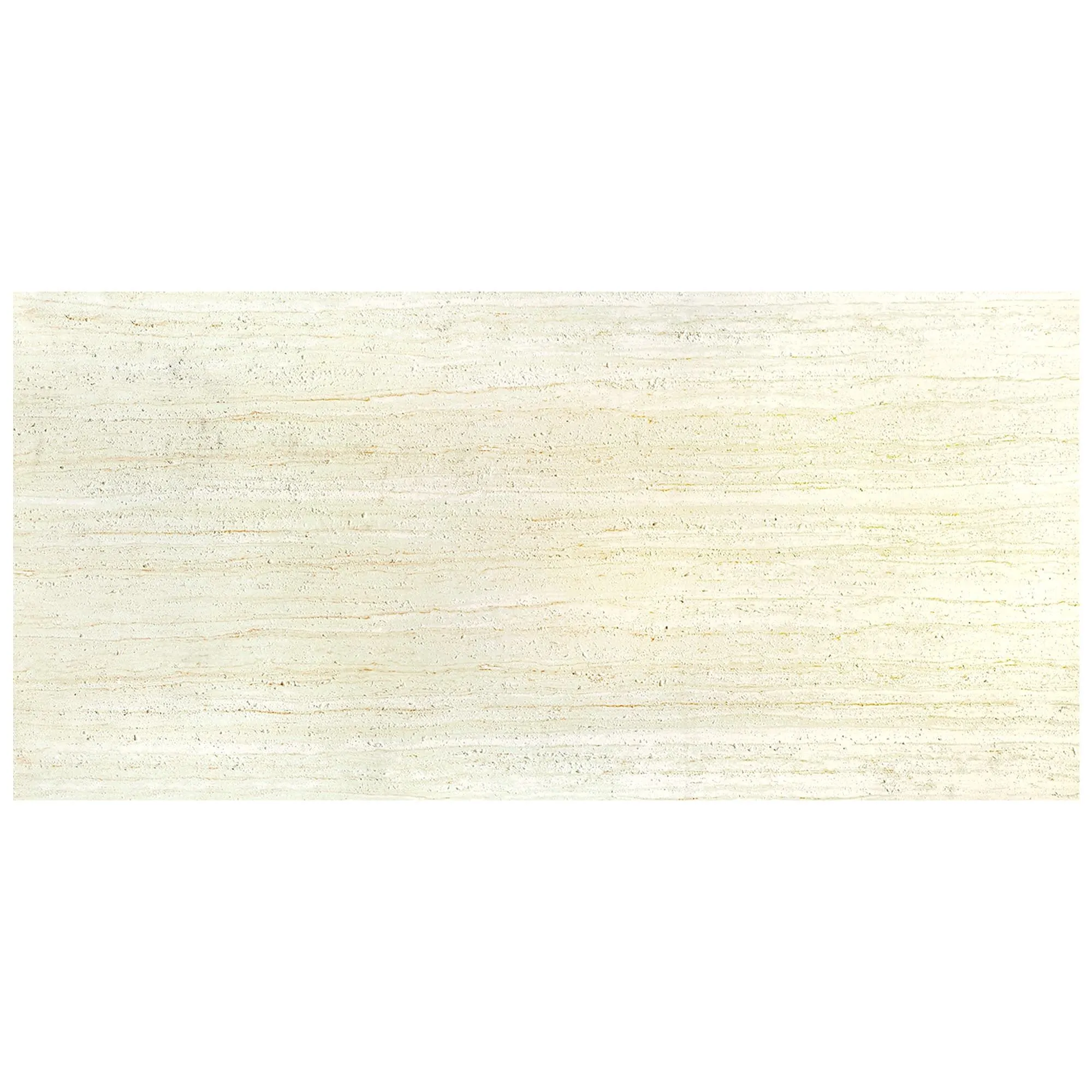
Light is a tricky partner. It changes by the hour, by the season, even by the weather. A facade that looks warm and golden at 9 a.m. might turn cool and silvery by 3 p.m. Thread texture doesn't just passively "receive" this light—it interacts with it. Let's break down how.
On a bright, sunny day, direct sunlight hits a building's facade head-on. On a smooth surface, this can be blinding—think of a glass skyscraper reflecting so much light it's hard to look at. On a deeply textured surface, like a rough-hewn stone, the light scatters so much that the building might look washed out. Thread texture? It walks the line. The shallow grooves catch some of that direct light and bounce it off at slight angles, while the flat areas between the grooves reflect just enough to keep the surface from looking flat. The result? A glow. Not a glare, not a matte finish, but a soft, diffused brightness that makes the building feel warm, even on the hottest days.
Then there's diffused light—those overcast days when the sun is hidden behind clouds. Here, light comes from everywhere at once, and texture becomes even more critical. A smooth surface might look dull and lifeless under diffused light, but thread texture's grooves create tiny shadows. These shadows are subtle—more like a whisper than a shout—but they add depth. Suddenly, the facade isn't just a flat color; it has dimension. It's why a building clad in thread texture MCM doesn't fade into the gray on a cloudy day—it stands out, quietly, with a texture that the diffused light brings to life.
Let's take a hypothetical example: a mid-rise office building wrapped in thread-textured MCM panels, painted a soft beige (not unlike lime stone(beige) , but with that thread texture twist). Let's track its appearance from sunrise to sunset.
Dawn: The sun is low, casting long, golden rays. Those thread texture grooves? They act like tiny mirrors, catching the low-angle light and reflecting it outward. The result? The building glows from within, with streaks of warm light running parallel to the grooves. It's not harsh—just enough to make the facade feel alive, like it's waking up with the city.
Midday: The sun is high, and light hits the facade more directly. Now, the grooves are less about reflection and more about diffusion. The shallow depth means the light scatters, softening the overall look. If the building were smooth, it might look washed out in the midday sun, but thread texture breaks up the light, keeping the beige tone from fading into a flat white. Instead, it looks rich, with subtle variations in brightness that mimic natural stone.
Sunset: The sun dips low again, but now the light is redder, warmer. The thread grooves catch this hue and amplify it. Suddenly, the beige panels take on a pinkish tint, with the grooves acting like little channels that guide the light across the surface. It's a fleeting effect—gone in an hour—but it transforms the building from "office" to "landmark" for that brief window.
Night: Now, it's artificial light's turn—streetlights, building lights, maybe even moonlight. Thread texture still works here. Unlike a smooth surface, which might reflect a harsh, pinpoint light from a streetlamp, the grooves scatter that light, turning a single bright spot into a soft glow. It's why buildings with textured cladding feel more inviting at night—they don't blind you; they welcome you.
Texture doesn't work alone, of course. It teams up with color to create the final effect. Let's say we have two thread-textured panels: one in a light color, like travertine (starry blue) (a pale blue with subtle flecks), and another in a deeper shade, like dolomitic travertine(dark grey) . How does thread texture affect their light reflection differently?
Light colors reflect more light, period. But with thread texture, that reflection becomes controlled. The travertine (starry blue) panel, for example, has a light base with tiny, star-like flecks (hence the name). The thread grooves scatter the reflected light, while the flecks catch and bounce back small bursts of brightness. The result? A surface that shimmers gently, like sunlight on water—calm, not chaotic.
Dark colors absorb more light, but thread texture can still make them dynamic. The dolomitic travertine(dark grey) panel, with its deep gray base and thread grooves, doesn't just soak up light. The grooves create shadows that vary with the light angle, so instead of looking like a flat, (dull) gray wall, it has depth. In direct sunlight, the raised areas between the grooves catch light, creating subtle highlights that break up the darkness. At dusk, those highlights fade, and the texture becomes more about shadow play, making the building feel intimate, almost mysterious.
The takeaway? Thread texture isn't just about texture—it's about enhancing color. It makes light colors feel less stark and dark colors feel less heavy, all by manipulating how light moves across the surface.
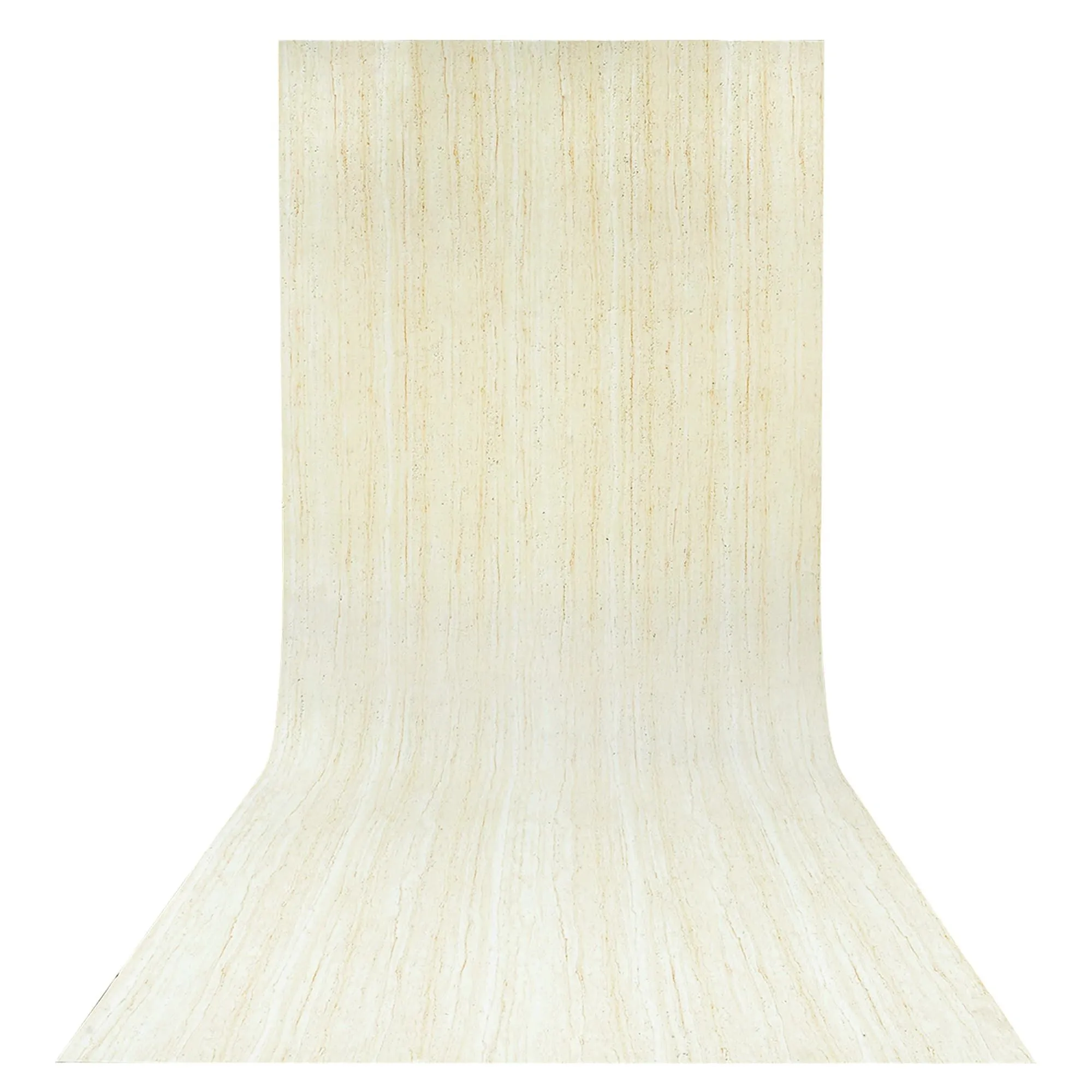
To really appreciate thread texture, let's compare it to other popular MCM textures. After all, not all textures interact with light the same way. Let's put them side by side in a quick breakdown:
| Texture Type | Surface Characteristics | Light Reflection Pattern | Best For… |
|---|---|---|---|
| Thread Texture | Fine, parallel grooves (0.5–2mm deep); slight depth variation | Soft diffusion with subtle highlights; balanced specular/diffuse reflection | Modern facades needing warmth without drama; buildings in variable light conditions |
| Wood Grain Board | Deep, irregular ridges mimicking tree rings; larger gaps between grooves | Strong directional highlights along ridges; deep shadows in valleys | Rustic or natural-themed designs; creating contrast between light and shadow |
| Weaving (Grey) | Porous, interlaced pattern; overlapping "strands" with small gaps | Highly diffused; light scatters in all directions; minimal highlights | Soft, organic facades; reducing glare in sunny climates |
| Travertine (Starry Blue) | Thread-like grooves with tiny, random "star" flecks; slightly pitted surface | Diffused reflection with pinpoint highlights from flecks; color amplification at sunrise/sunset | Statement facades; adding subtle sparkle without overcomplicating the design |
| Fair-Faced Concrete | Uniformly rough, pitted surface; no consistent groove pattern | Almost entirely diffused; minimal reflection; flat, matte appearance | Industrial or minimalist designs; prioritizing texture over light play |
See the pattern? Thread texture sits in the middle, offering the best of both worlds: enough diffusion to avoid glare, enough reflection to add warmth and dynamism. It's versatile, which is why architects love it for everything from residential buildings to commercial plazas.
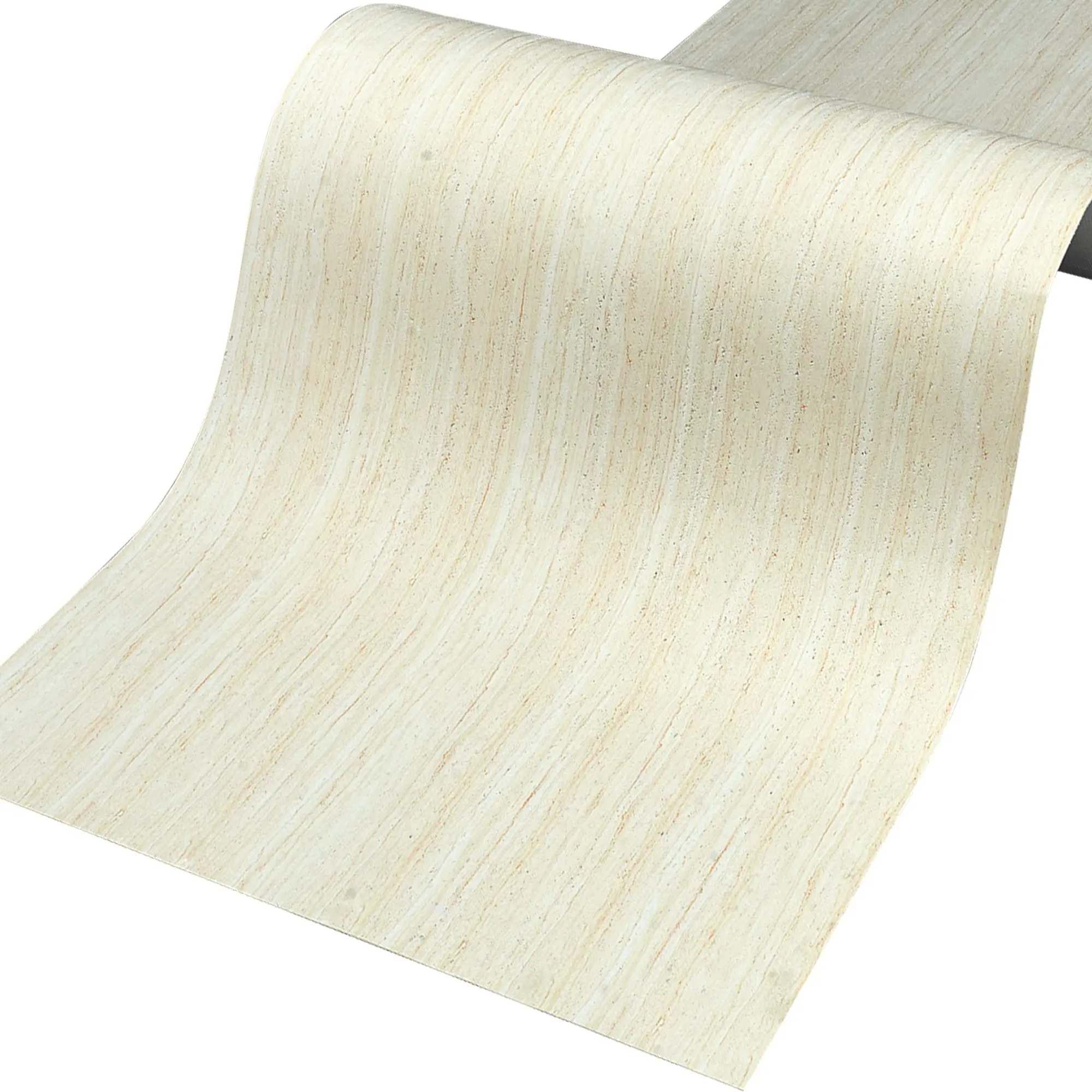
Enough theory—let's talk real buildings. One of my favorite examples is a boutique hotel in Barcelona, clad in thread-textured MCM panels in a soft, travertine (beige) tone. The architects wanted the building to blend into the historic neighborhood but still feel modern. Thread texture was the solution. During the day, the panels reflect the warm Mediterranean sun, softening the facade so it doesn't clash with the older stone buildings nearby. At night, the hotel's exterior lights hit the thread grooves, creating a soft glow that makes the entrance feel welcoming. Guests often comment on how the building "feels different" at different times of day—and that's the thread texture at work.
Another example: a tech campus in Seattle, where the designers chose thread-textured MCM in dolomitic travertine(claybank) (a warm, earthy brown). Seattle's known for overcast skies, so the goal was to avoid a facade that looked dull in diffused light. The thread grooves create tiny shadows that add depth, even on gray days. And when the sun does peek out? The texture scatters the light, making the brown tone look rich rather than muddy. Employees say the building feels "friendlier" than the smooth, glass-heavy offices nearby—and that's not just psychology; it's light reflection.
Even in residential settings, thread texture is making waves. Imagine a row of townhouses in Portland, each wrapped in MCM flexible stone with thread texture in a light gray. From the street, they look cohesive, but up close, each has subtle variations in how the light hits the grooves. It's enough to give each home personality without breaking the uniformity of the row. Neighbors joke that the buildings "change color" with the weather—and they're not wrong. On rainy days, the grooves catch water, darkening slightly and creating a matte, moody look. On dry days, the light bounces, and the gray turns almost silvery. It's like living in a building that responds to the environment.
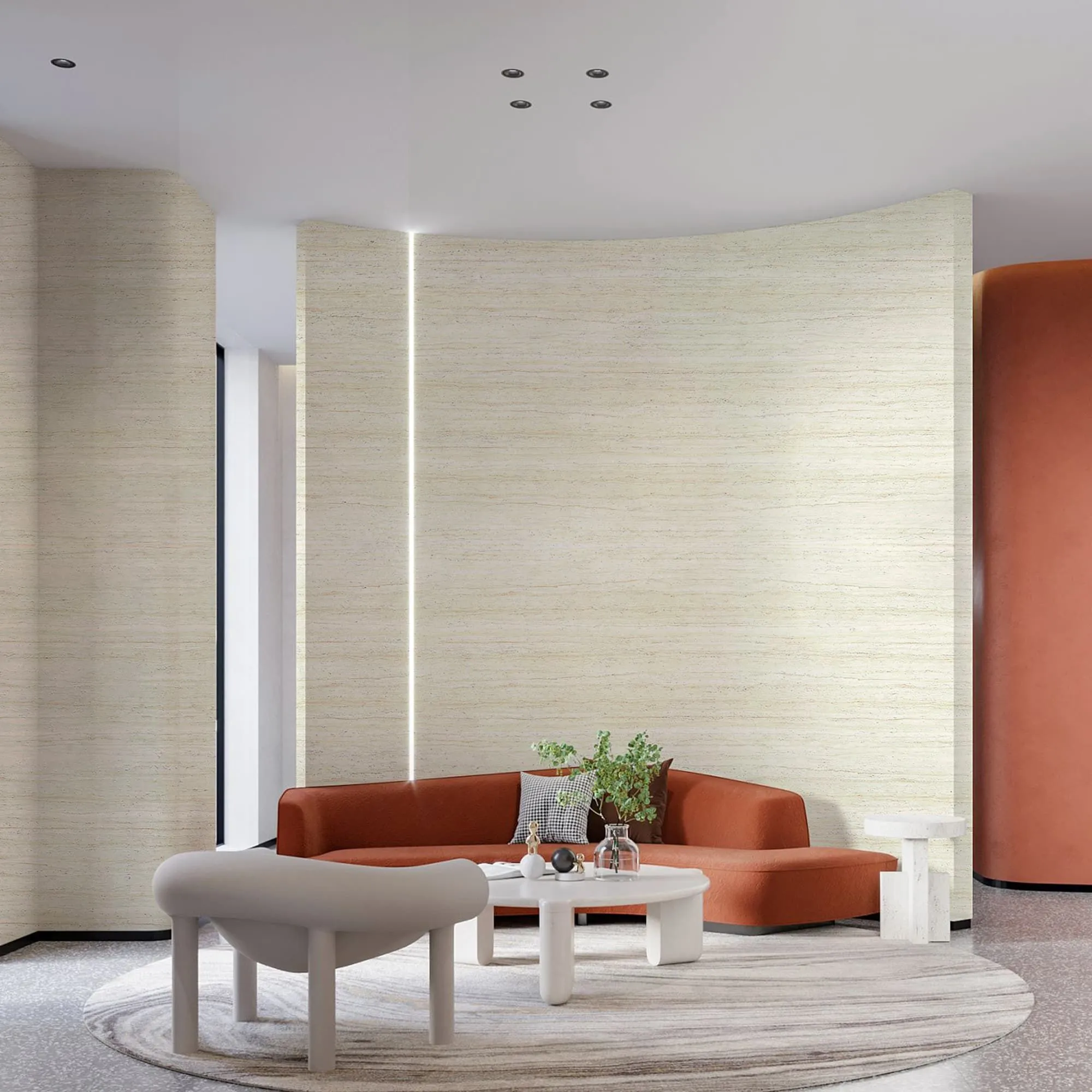
Let's be real: architects and builders care about more than just how a building looks. They care about function, too. And thread texture? It delivers there, too.
First, glare reduction . In sunny climates, smooth surfaces can reflect so much light that they become a nuisance—think of a glass skyscraper blinding drivers on the highway. Thread texture scatters light, reducing glare without making the building look flat. That's a win for both aesthetics and safety.
Second, heat management . Dark, smooth surfaces absorb heat, making buildings hotter and increasing cooling costs. Thread texture, by scattering light, can reduce heat absorption slightly. It's not a replacement for insulation, but every little bit helps—especially in cities with extreme temperatures.
Third, camouflaging wear and tear . Let's face it: exterior cladding gets dirty. Bird droppings, dust, rain streaks—they all show up. Smooth surfaces make these imperfections glaringly obvious. Thread texture? The grooves break up the visual field, making minor dirt and stains less noticeable. It's a low-maintenance bonus that designers love.
At the end of the day, architecture is about more than shelter. It's about how we experience space—and light is a big part of that experience. Thread texture in MCM exterior cladding isn't just a "nice-to-have" design choice; it's a tool for storytelling. It turns a static surface into one that shifts with the sun, responds to the weather, and makes us look twice. Whether it's the soft glow of a travertine (starry blue) facade at sunset or the warm depth of a wood grain board in the morning, texture shapes how we feel about a building.
So the next time you pass a building with MCM cladding, take a closer look. Run your hand over the surface (if you can). Notice how the light hits it. Chances are, there's a texture at work—maybe even thread texture—quietly transforming that facade into something more than just a wall. And that, in the end, is the beauty of MCM: it lets us build not just for function, but for feeling. And in a world that's always rushing, a building that makes us pause and appreciate the play of light? That's a masterpiece.
Recommend Products












