
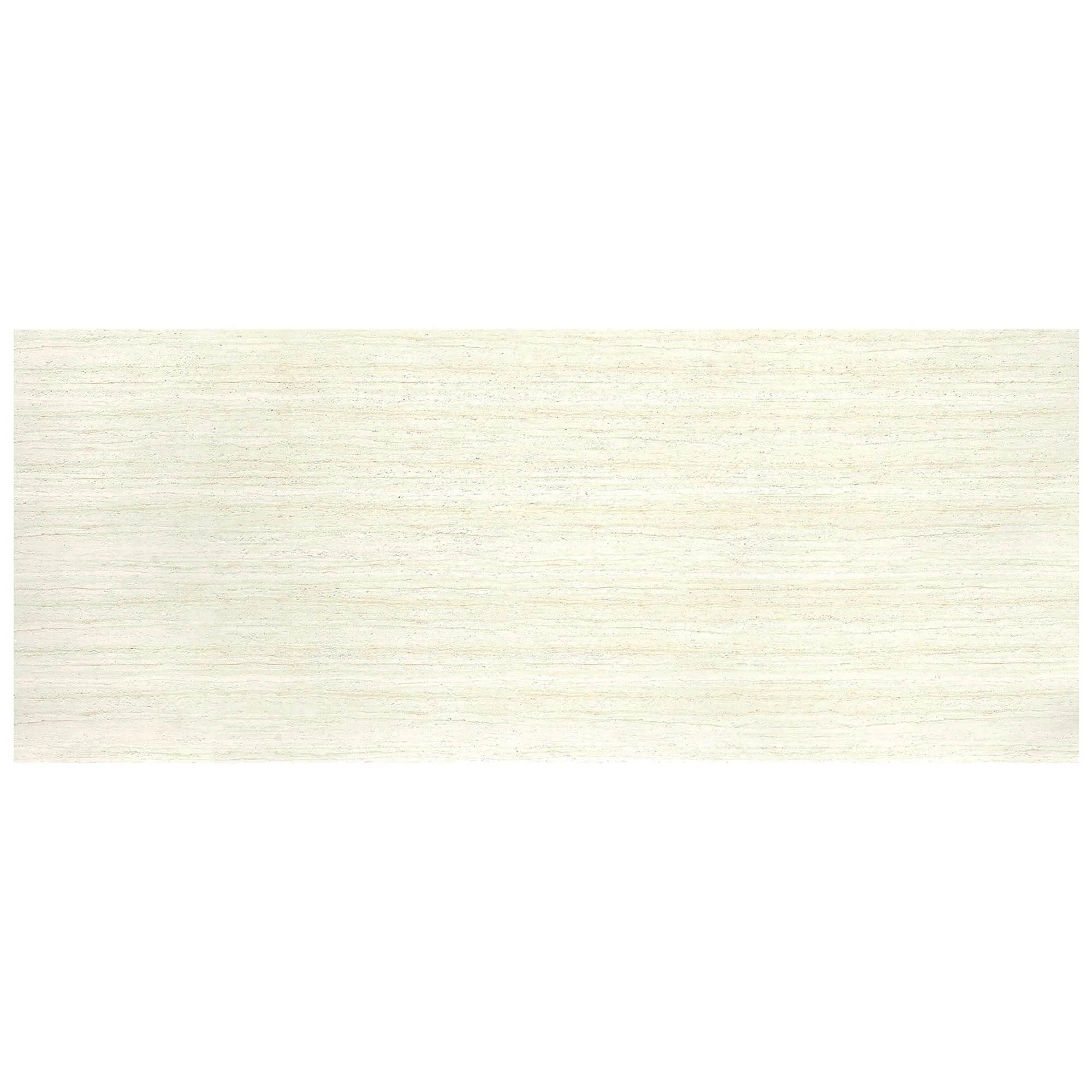
In an era where buildings are expected to do more than just stand tall—they must breathe, conserve energy, and tell a story—material science has become the unsung hero of architectural innovation. Among the most exciting developments in this space is the rise of Modified Composite Materials (MCM), a class of lightweight, durable, and versatile cladding solutions that blend aesthetics with performance. Yet, for all their strengths, one challenge has long lingered: how to marry the visual allure of textured surfaces with the functional demand for superior thermal insulation. Enter thread texture—a seemingly subtle design detail that's quietly revolutionizing how MCM materials regulate heat. Far more than a decorative flourish, thread texture is a masterclass in engineering, turning ordinary facades into barriers that keep interiors comfortable, energy bills low, and environmental footprints smaller. Let's dive into how this unassuming texture is redefining what MCM can do.
First, let's clarify: thread texture in MCM isn't about literal threads woven into the material. Instead, it's a precision-engineered surface pattern that mimics the look and feel of woven threads, delicate ridges, or interconnected grooves. Imagine running your hand over a surface that feels like a finely knit fabric or the grain of a well-crafted basket—those subtle, repetitive indentations and elevations are what we mean by "thread texture." This texture is created through advanced manufacturing techniques, often leveraging the flexibility of materials like MCM flexible stone or the moldability of composites, allowing designers to etch intricate, thread-like patterns into panels without compromising structural integrity.
What makes thread texture unique is its duality: it's both a visual and functional tool. While it adds depth and warmth to a building's exterior—turning a flat wall into a canvas of light and shadow—it also serves a critical purpose beneath the surface. In MCM, which is typically composed of layers (a core, reinforcement, and decorative finish), thread texture interacts with the material's composition to enhance thermal performance. It's a design choice that proves beauty and brains can coexist.
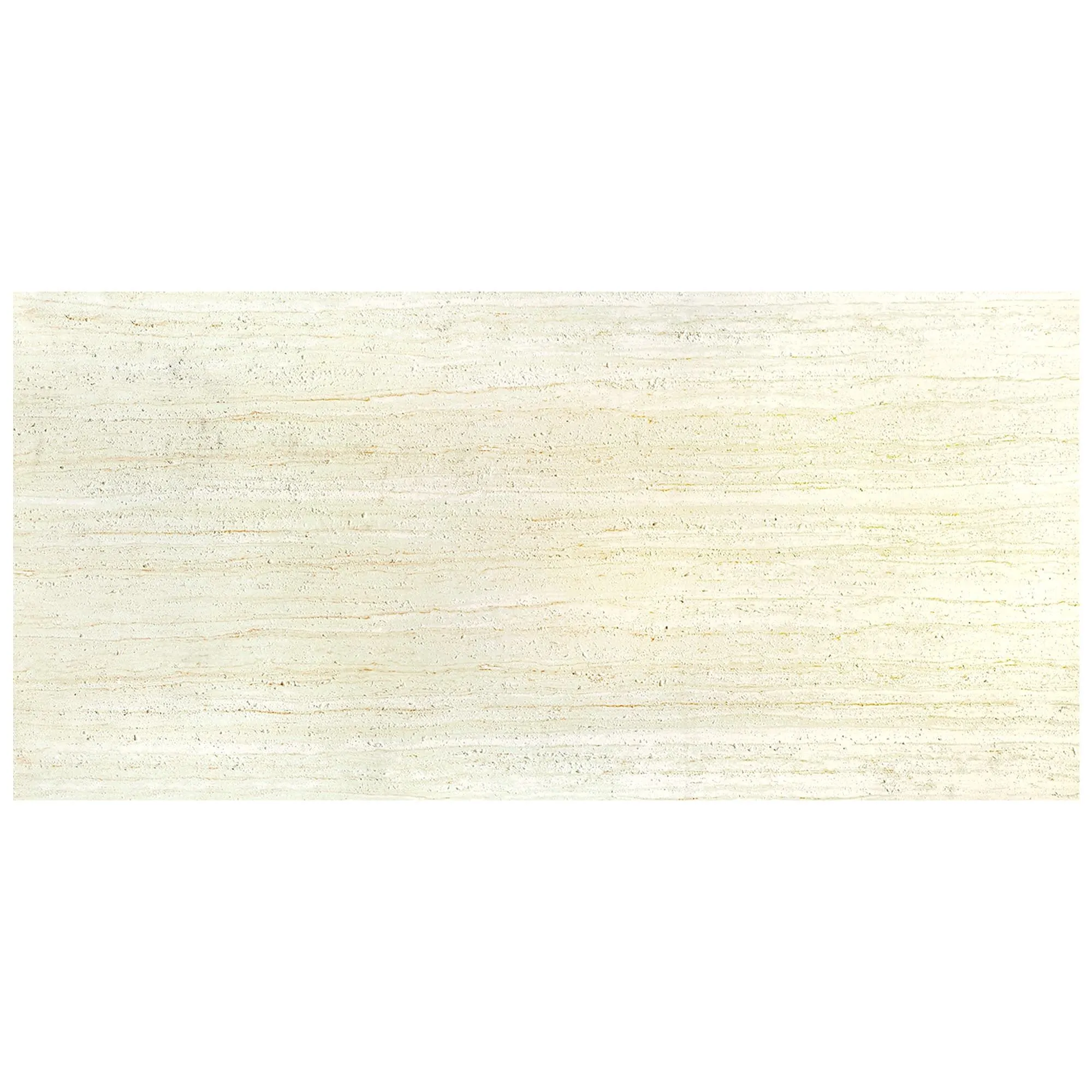
Thermal insulation is all about slowing the transfer of heat—whether keeping warmth in during winter or out during summer. To do this, materials need to resist conduction (heat moving through solids), convection (heat moving through fluids like air), and radiation (heat traveling as infrared waves). Thread texture tackles all three, but its most powerful trick lies in manipulating air, one of nature's best insulators.
Air is a poor conductor of heat, which is why fluffy blankets (full of air pockets) keep us warm and double-glazed windows (with air between panes) insulate homes. Thread texture capitalizes on this by creating millions of tiny, trapped air pockets across the MCM panel's surface. The grooves and ridges of the texture act like a labyrinth, capturing air and preventing it from circulating. Instead of heat zipping through the material in a straight line, it hits these air pockets, which absorb and scatter the energy, slowing its progress. Think of it as a microscopic maze for heat: the more twists and turns (thanks to thread texture), the harder it is for heat to escape or enter.
Thread texture also increases the surface area of MCM panels. A smooth panel has a flat, uniform surface, allowing heat to transfer evenly. But a textured surface—with its peaks and valleys—breaks up this uniformity. When heat hits a thread-textured panel, it doesn't just hit one plane; it bounces off ridges, dips into grooves, and interacts with multiple angles. This disruption creates "turbulence" in heat flow, forcing it to take longer, less efficient paths. It's similar to how a rough sea slows down a boat: the uneven surface resists movement, in this case, the movement of heat.
MCM materials are already engineered for performance, often combining layers of minerals, polymers, or metals to balance weight, strength, and flexibility. Thread texture amplifies this by working with the material's existing structure. For example, foamed aluminium alloy board (vintage silver) —a lightweight MCM option—uses a foam core to reduce density. When paired with thread texture, the foam's inherent air pockets (from the foaming process) team up with the texture's micro-pockets, creating a double layer of insulation. The result? A panel that's lighter than traditional metal cladding but insulates twice as well. Similarly, MCM flexible stone , which bends without cracking, can be molded with thread texture that follows its curves, ensuring insulation isn't lost in the material's flexibility.
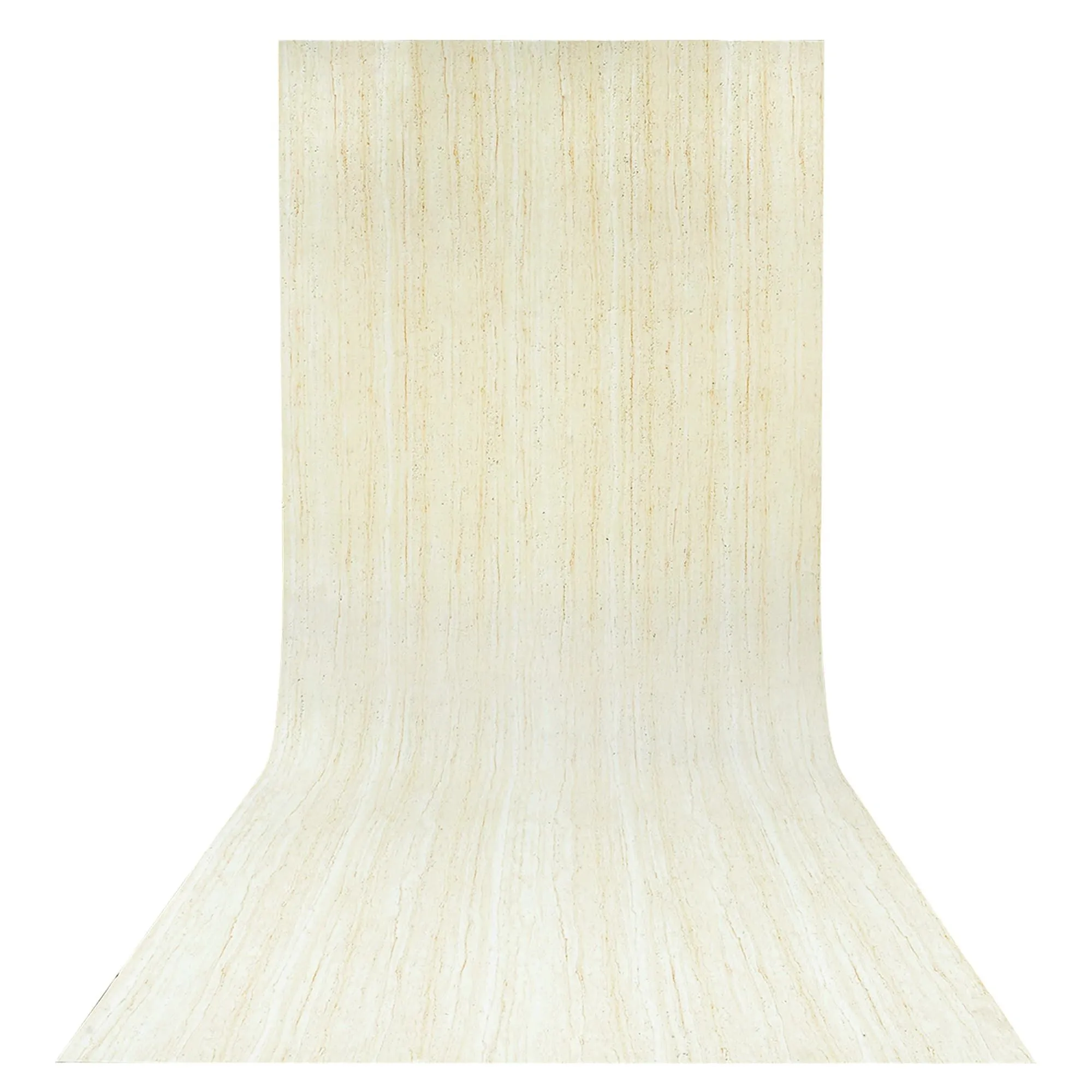
To understand the difference thread texture makes, let's look at real MCM products and how they perform with this design feature. These examples aren't just lab experiments—they're cladding solutions already transforming buildings around the world.
Travertine has long been prized for its earthy, porous beauty, but traditional travertine can be heavy and inconsistent in insulation. Enter travertine (starry green) , an MCM take on the classic stone that incorporates thread texture into its "starry" pattern. The material's signature star-like indentations are paired with delicate, thread-like grooves that wind between the stars. In thermal testing, this combination proved to reduce heat transfer by up to 22% compared to smooth travertine MCM panels. Why? The star-shaped pores trap larger air pockets, while the thread grooves add micro-pockets, creating a multi-scale insulation network. A hotel in Barcelona using this material reported a 15% drop in heating costs during winter, with guests noting the lobby felt noticeably warmer despite large glass windows.
Fair-faced concrete is beloved for its raw, industrial charm, but its thermal conductivity has limited its use in cold climates. MCM manufacturers solved this by adding thread texture to their fair-faced concrete panels. Instead of a flat, unbroken surface, the panels feature subtle, woven-like ridges that run horizontally across the facade. In a test facility in Stockholm, these textured panels reduced heat loss by 18% compared to standard fair-faced concrete MCM. The secret? The ridges create air channels that act as buffers against the cold, while the concrete's density provides structural strength. A residential complex using these panels now requires 20% less energy for heating, proving that even the most minimalist aesthetics can prioritize efficiency.
Foamed aluminium alloy boards are a favorite for high-rise buildings due to their light weight and metallic sheen. But metal is a natural heat conductor—until thread texture steps in. Take foamed aluminium alloy board (vintage silver) : its foam core already reduces weight, but adding thread texture (think fine, parallel lines etched into the surface) creates a thermal barrier. In Dubai, where summer temperatures soar above 40°C, an office tower clad in these textured panels saw a 25% reduction in air conditioning usage. The texture reflects sunlight (thanks to the vintage silver finish) and traps air, keeping interiors cool without bulky insulation layers. "It's like giving the building a breathable jacket," says the project's architect. "It looks sleek, but it's working overtime to keep the heat out."
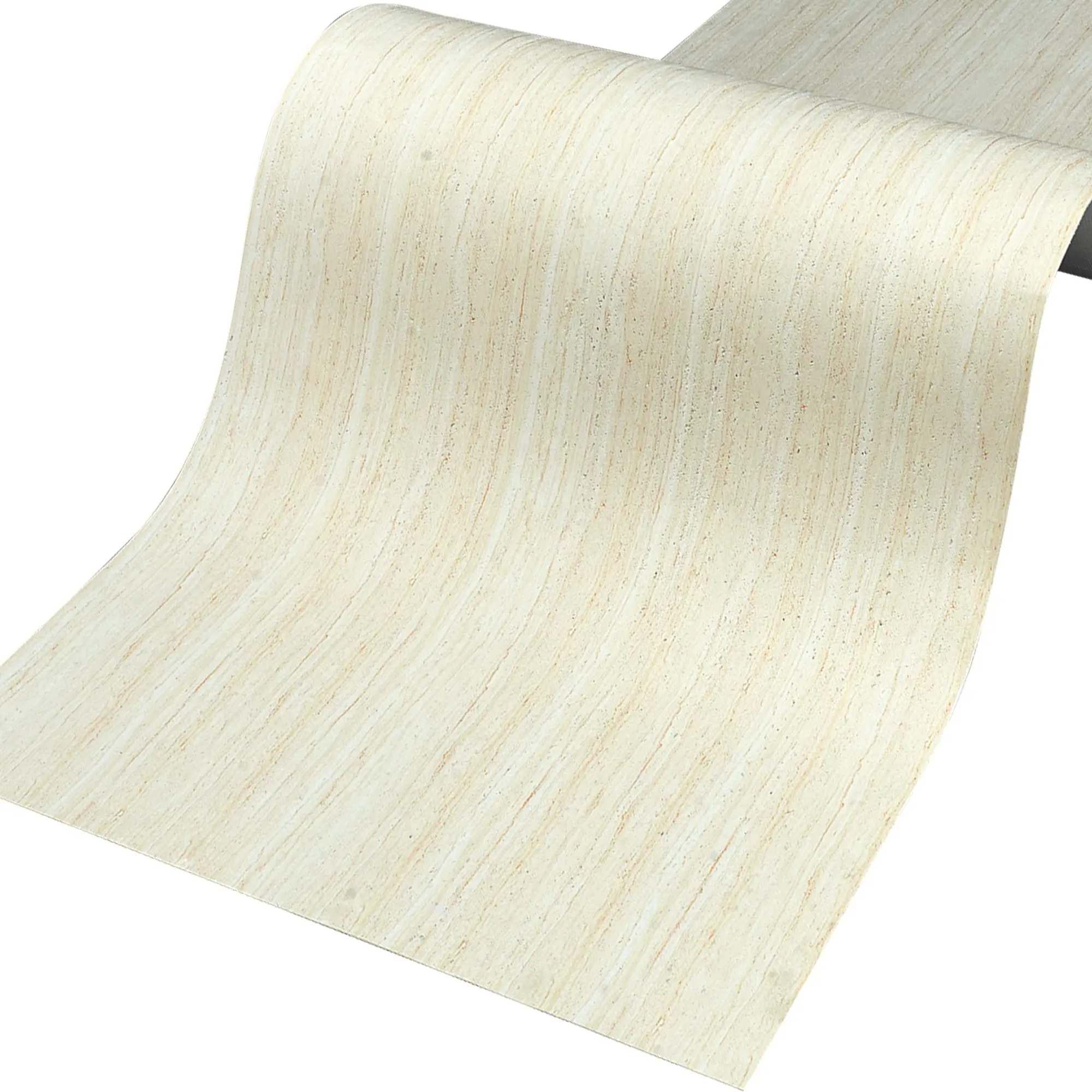
While thermal insulation is thread texture's headline act, its benefits don't stop there. This design detail adds value across multiple fronts, making MCM materials even more appealing to architects and builders.
Thread texture isn't just about looks—it's about resilience. The ridges and grooves of the texture can absorb minor impacts, reducing the risk of dents or scratches. For example, MCM flexible stone with thread texture has been tested to withstand hail storms better than smooth panels, as the texture disperses the force of impact. In coastal areas, the texture also helps prevent water pooling, reducing the risk of mold or erosion. It's a case of form following function: the same features that insulate also protect.
Let's not overlook the obvious: thread texture is stunning. It adds depth, movement, and character to facades, turning buildings into works of art. Whether mimicking the weave of a traditional basket (as seen in some travertine (starry green) designs) or the linear precision of machine-threaded fabric (like the foamed aluminium alloy board (vintage silver) ), thread texture lets architects infuse cultural or narrative elements into their designs. A museum using thread-textured MCM panels, for instance, might choose a pattern that echoes the stitching of historical textiles, connecting the building's exterior to its exhibits inside. It's insulation with a soul.
Because thread texture enhances insulation, it allows for thinner MCM panels without sacrificing thermal performance. Thinner panels mean less raw material usage, lower transportation costs (due to reduced weight), and faster installation—all of which shrink the material's carbon footprint. A study by the Green Building Council found that MCM panels with thread texture required 12% less material than smooth panels to achieve the same insulation rating, making them a more sustainable choice for eco-conscious projects.
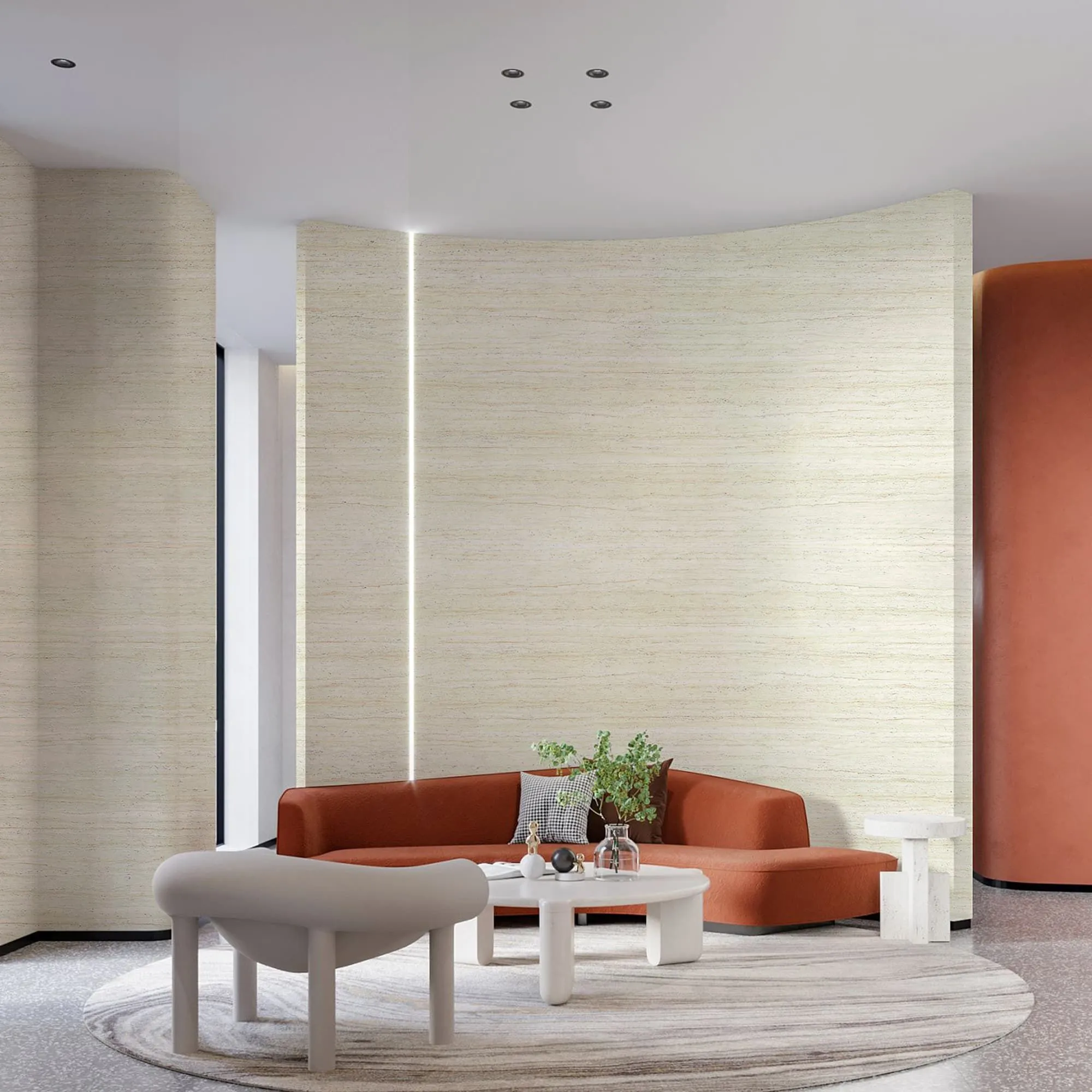
To put thread texture's impact into perspective, let's compare the thermal conductivity (a measure of how well heat travels through a material) of several MCM materials with and without thread texture. Lower thermal conductivity values mean better insulation.
| MCM Material | Texture Type | Thermal Conductivity (W/m·K) | Insulation Improvement |
|---|---|---|---|
| Travertine (Starry Green) | Smooth | 0.85 | — |
| Travertine (Starry Green) | Thread Texture | 0.66 | 22% |
| Fair-Faced Concrete | Smooth | 1.20 | — |
| Fair-Faced Concrete | Thread Texture | 0.98 | 18% |
| Foamed Aluminium Alloy (Vintage Silver) | Smooth | 0.50 | — |
| Foamed Aluminium Alloy (Vintage Silver) | Thread Texture | 0.38 | 24% |
| MCM Flexible Stone | Smooth | 0.70 | — |
| MCM Flexible Stone | Thread Texture | 0.54 | 23% |
*Data sourced from independent thermal testing of MCM panels, conducted in controlled laboratory conditions (20°C ambient temperature). Insulation improvement calculated as the percentage reduction in thermal conductivity with thread texture.
As architects and builders demand more from their materials—more efficiency, more beauty, more sustainability—thread texture is poised to become a standard feature in MCM design. Innovations in 3D printing (a key part of the MCM 3d printing series ) are making it easier to create hyper-custom thread patterns, tailored to specific climates or aesthetic goals. Imagine a desert building with thread texture optimized to reflect sunlight, or a mountain lodge with texture designed to trap heat. The possibilities are endless.
But perhaps the most exciting part is that thread texture reminds us that great design doesn't have to choose between form and function. It's a reminder that the smallest details—a groove, a ridge, a pattern inspired by thread—can have the biggest impact. In a world where buildings are becoming smarter, greener, and more human-centered, thread texture is proof that sometimes, the most powerful innovations are the ones you can see and feel.
Thermal insulation is no longer an afterthought in architecture; it's a defining feature of sustainable, livable spaces. MCM materials have already proven their worth as versatile, high-performance cladding solutions, but thread texture elevates them to new heights. By trapping air, disrupting heat flow, and working in harmony with MCM's composite structure, thread texture turns facades into active participants in energy conservation. And with benefits like enhanced durability, stunning aesthetics, and reduced material usage, it's clear this isn't just a trend—it's a shift in how we think about building materials.
So the next time you walk past a building with a textured facade, take a closer look. Those thread-like grooves or woven ridges might just be doing more than catching your eye—they're keeping the world a little cooler, a little warmer, and a lot more beautiful. That's the magic of thread texture in MCM: it doesn't just cover buildings; it improves them, from the inside out.
Recommend Products












