
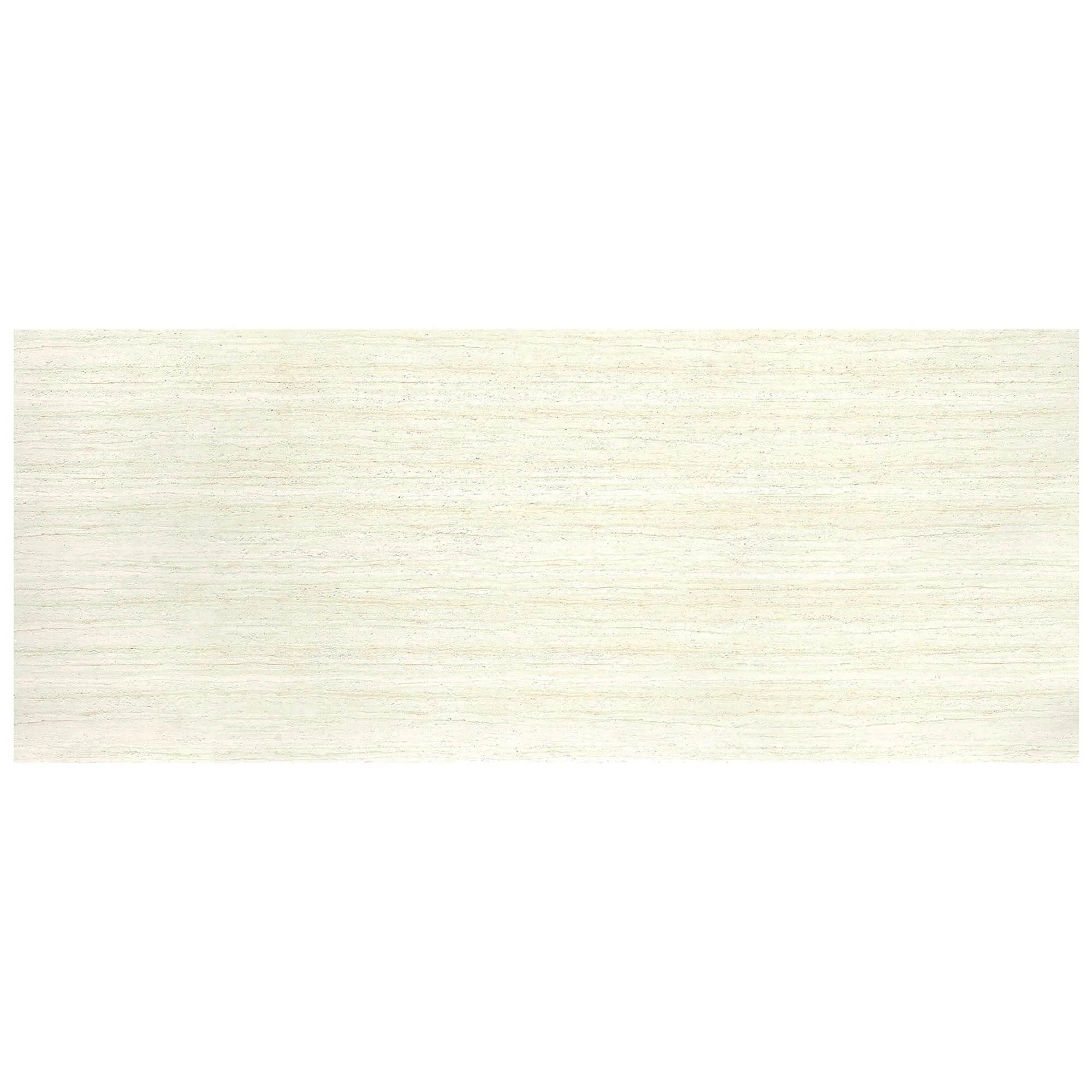
Let's start with a scenario we've all lived through (or feared): You're rushing to grab a phone that's about to slide off the kitchen counter, and suddenly your foot hits a puddle of spilled water. Your body lurches forward, arms flailing, and for a split second, time stands still. That heart-stopping moment isn't just a close call—it's a reminder of how quickly a simple flooring choice can turn dangerous. Slips and falls are among the most common accidents in homes and businesses worldwide, costing billions in medical bills and lost productivity each year. But here's the good news: The solution might be as simple as the texture under your feet. Today, we're diving into how thread texture —a subtle yet powerful design feature in MCM flexible stone and other MCM flooring products—is changing the game for slip-resistant surfaces.
If you're new to the term, MCM stands for Modified Composite Material, and it's basically flooring's Swiss Army knife. Imagine taking the best parts of natural stone, concrete, and even wood, then blending them into a material that's lightweight, flexible, and tough as nails. Unlike traditional stone (which is heavy and prone to cracking) or vinyl (which can feel cheap and wear quickly), MCM flooring is designed to mimic high-end materials while solving their biggest flaws. MCM flexible stone , for example, looks and feels like real travertine or granite but weighs a fraction of the cost, bends around corners, and resists stains like a pro. It's why architects and homeowners alike are ditching traditional options for MCM—but the real magic? It's in the texture.
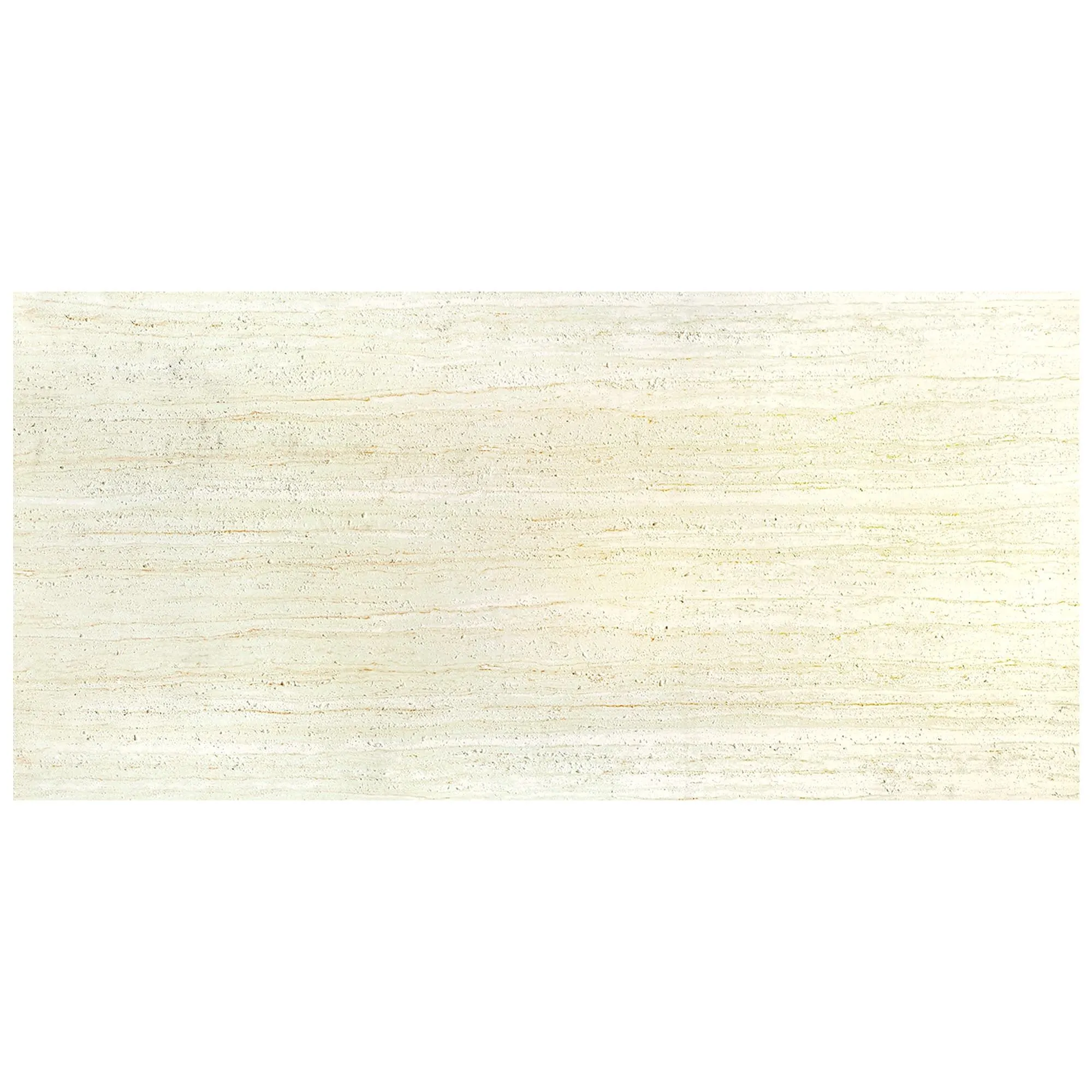
When we talk about "thread texture," we're not referring to a random design etched into the floor. This is intentional engineering at its finest. Think of it as a microscopic woven net—tiny, parallel grooves (or "threads") that crisscross the surface of the MCM panel, creating a pattern that's barely visible to the eye but impossible for your feet to ignore. These threads aren't deep or jagged; they're shallow, uniform, and spaced just right to balance grip and comfort. And while they add a subtle visual depth (think: the soft texture of a linen tablecloth translated into stone), their real job is far more critical: keeping you grounded, even when things get wet.
To understand why thread texture works, let's compare it to other common surfaces. Take fair-faced concrete , for example—a popular industrial-style choice. While it's durable, its smooth, dense surface can turn into an ice rink when wet. Or travertine (beige) , a natural stone loved for its warm, earthy look. Travertine has natural pores, which can help with traction, but those pores are uneven—some areas grip well, others don't. Thread texture, by contrast, is consistent. Every inch of the floor has the same pattern of micro-grooves, so there are no "surprise" slippery spots. It's like having a built-in safety net that covers the entire surface.
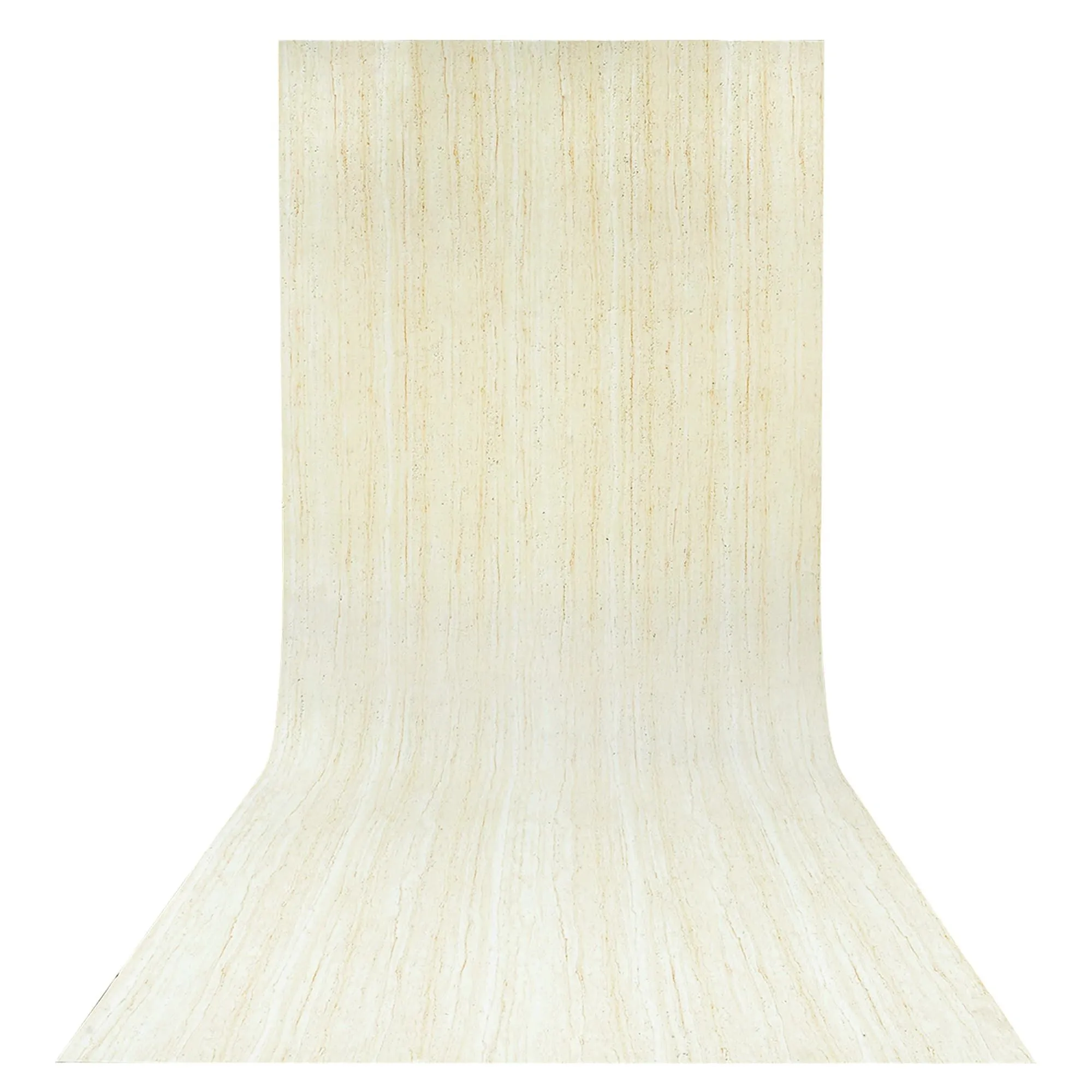
Let's get a little geeky (but in a good way). The key to slip resistance lies in how a surface interacts with water and pressure. When you step on a wet floor, your shoe (or bare foot) pushes water into a thin layer between your foot and the surface. If that water can't escape, it acts like a lubricant, and—whoosh—you're sliding. Thread texture solves this by giving water somewhere to go. Those tiny grooves act like a drainage system, pulling moisture away from the contact point and dispersing it across the floor. It's the same reason tires have treads: to channel water out from under the rubber, so the tire can grip the road. On a thread-textured floor, your foot never rests on a "pool" of water—just a surface that's actively working to keep you stable.
But don't just take my word for it. Testing standards like ASTM C1028 (which measures static coefficient of friction, or SCOF) show that thread-textured MCM flooring consistently scores high for slip resistance, even in wet conditions. In lab tests, smooth MCM panels might score a 0.4 (moderate risk of slipping), while thread-textured versions hit 0.6 or higher (excellent grip). To put that in perspective: A SCOF of 0.5 or above is considered "safe" for most commercial spaces, and thread texture often exceeds that by a wide margin. Installers and contractors I've spoken to often note that they rarely get callbacks about slips in spaces with thread-textured MCM—a testament to how well it works in real life.
| Texture Type | Slip Resistance (ASTM C1028 SCOF, Wet) | Key Traction Features | Best For |
|---|---|---|---|
| Thread Texture (MCM Flexible Stone) | 0.6–0.7 (Excellent) | Uniform micro-grooves disperse water; consistent grip across surface | Kitchens, bathrooms, pool decks, retail floors |
| Smooth Finish (MCM) | 0.3–0.4 (Moderate Risk) | Minimal texture; sleek appearance but poor water dispersion | Dry, low-traffic areas (e.g., bedrooms, home offices) |
| Rough Granite Stone (Medium Grey) | 0.5–0.6 (Good) | Natural grain and pits; high friction but uneven texture | Outdoor patios, entryways (low-moisture areas) |
| Travertine (Beige, Natural) | 0.4–0.5 (Fair) | Natural pores absorb some water; variable grip due to uneven pitting | Dining rooms, living areas (occasional spills) |
| Fair-Faced Concrete | 0.3–0.4 (Moderate Risk) | Dense, smooth surface; water pools easily | Industrial spaces (with anti-slip coatings) |
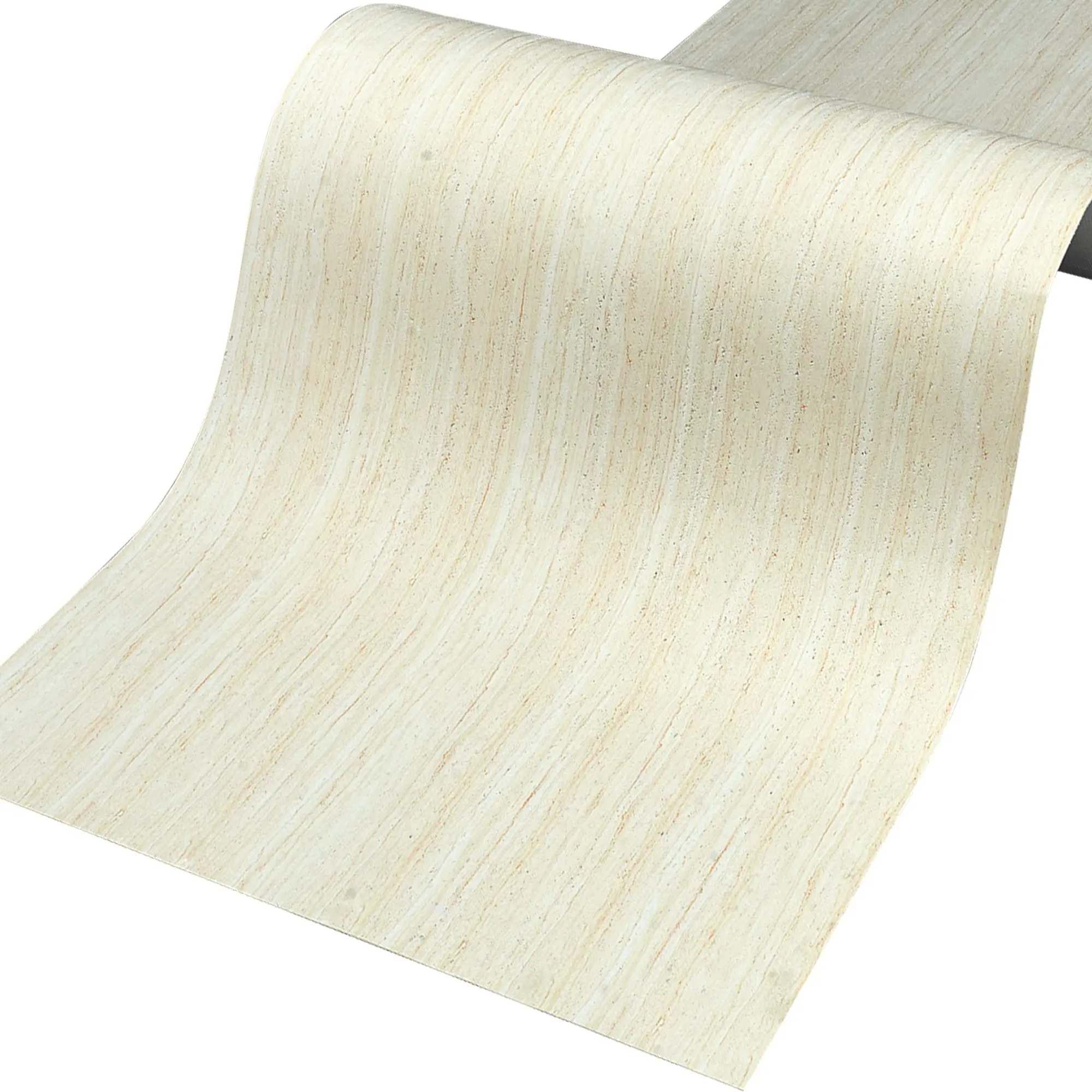
Enough lab talk—let's get into how this plays out in everyday life. Take commercial kitchens, for example. Any chef will tell you that spills are inevitable: oil splatters, broth drips, even the occasional overflowing sink. A busy restaurant in Chicago recently switched to thread-textured MCM flexible stone in their back-of-house area, and the difference was immediate. "We used to have at least one slip a month—usually a line cook stepping in a grease spot," says the restaurant's manager. "Now? Nothing. The texture just grips, even when the floor's covered in half a dozen spills. It's like night and day."
But it's not just commercial spaces. Think about residential bathrooms—a room where water is literally everywhere. A friend of mine recently renovated her kids' bathroom with travertine (beige) MCM panels featuring thread texture, and she swears by it. "Before, I was constantly yelling 'Wipe your feet!' after bath time," she laughs. "Now the floor stays grippy even when it's soaked, and the kids can splash without me hovering. It's the little things, you know?"
Wet areas like pool decks and saunas are another sweet spot. Traditional stone around pools can get dangerously slick when wet, but thread-textured MCM holds its own. A hotel in Miami replaced their poolside tiles with MCM flexible stone (thread texture) last year, and guest incident reports dropped by 70%. "Guests love that it feels luxurious—like real stone—but we love that we're keeping them safe," says the hotel's facilities director.
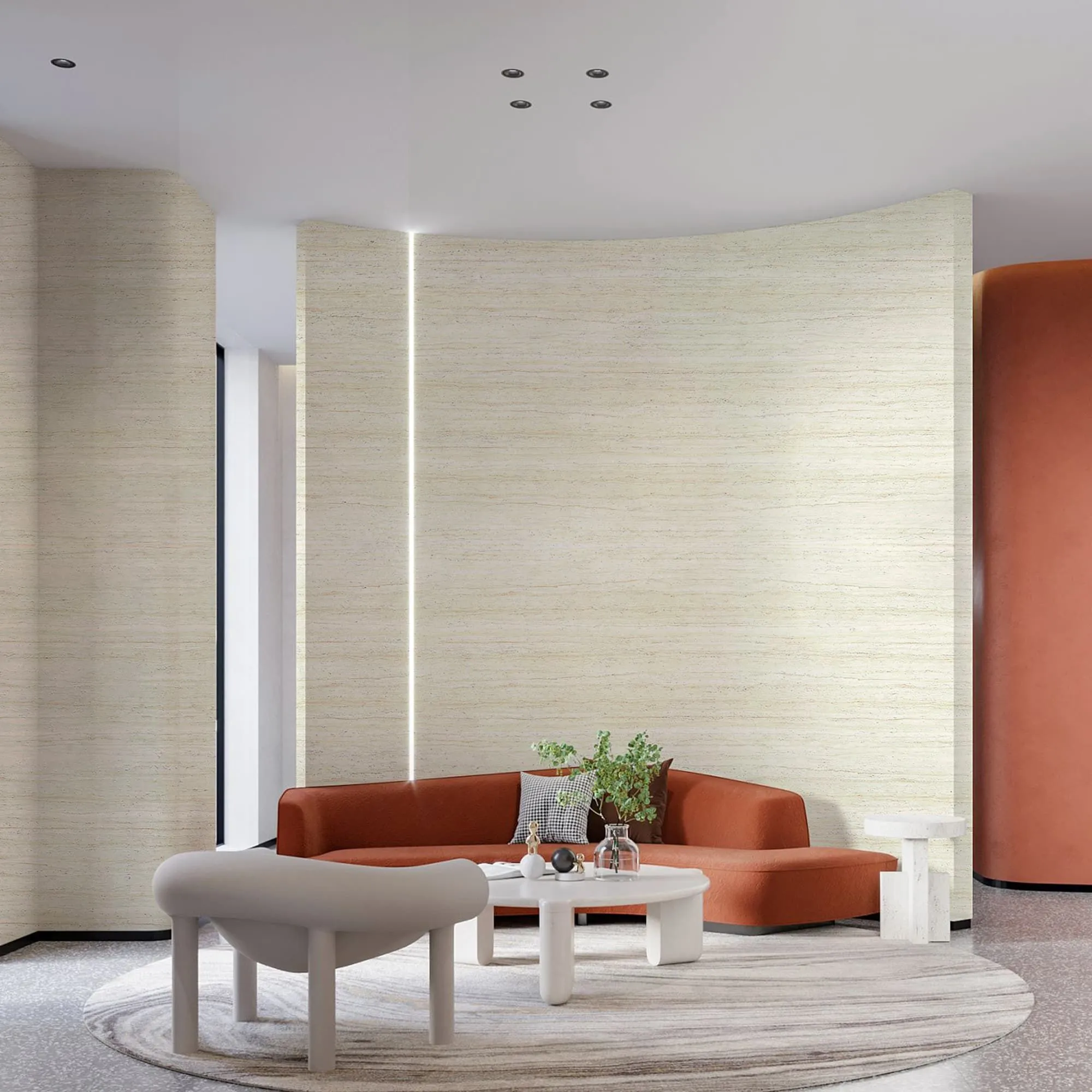
Let's be honest: No one wants to sacrifice style for safety. The great thing about thread texture is that it doesn't force you to choose. Unlike some slip-resistant surfaces (looking at you, industrial-grade rubber mats), thread texture adds visual interest without screaming "utilitarian." On travertine (beige) MCM, the threads create a soft, woven effect that mimics the natural veining of stone but with a modern twist. In modern homes, it pairs beautifully with sleek cabinetry and metal fixtures; in rustic spaces, it complements wood and warm lighting. It's versatile enough to blend in or stand out, depending on your design goals.
And let's talk maintenance—because what good is a safe floor if it's a nightmare to clean? I used to assume textured floors meant endless scrubbing to get dirt out of grooves, but MCM changes the game. MCM flexible stone is non-porous, so stains don't seep in, and those thread grooves are shallow enough that a quick sweep or vacuum picks up crumbs and dust. For wet messes, a damp mop with mild soap is all you need. No special tools, no harsh chemicals—just simple, everyday care. One homeowner I spoke to put it best: "I was worried the texture would trap dirt, but it's easier to clean than my old ceramic tiles. Go figure!"
Durability is another win. Thread texture isn't just etched into the surface; it's part of the MCM panel itself, so it won't wear off over time. Unlike paint-on anti-slip coatings (which chip and fade), the threads stay sharp for decades, even in high-traffic areas. That means your floor stays safe and good-looking for the long haul—a smart investment for any space.
Like any flooring choice, thread texture isn't a one-size-fits-all solution. For example, if you're designing a minimalist living room with zero foot traffic and no risk of water (think: a formal sitting room), a smooth MCM finish might be just fine. But for 90% of spaces—kitchens, bathrooms, entryways, retail stores, schools—thread texture is a no-brainer. It's especially critical in areas with mixed foot traffic (kids, pets, elderly family members) or where water is a regular guest (laundries, mudrooms, around hot tubs).
One common concern I hear is: "Will it feel weird underfoot?" Let me put it this way: I've walked on enough flooring samples to know that rough granite stone (medium grey) can feel like walking on gravel—abrasive and uncomfortable barefoot. Thread texture, though? It's smooth to the touch, with just enough grip to feel secure. You barely notice it under shoes, and barefoot, it's like walking on a slightly textured beach stone—pleasant, not scratchy. My 8-year-old niece even described it as "walking on a cloud that won't let you fall" (kids are the best product testers, let's be real).
At the end of the day, flooring is about more than aesthetics. It's about creating spaces where people can live, work, and play without fear. Thread texture in MCM flooring—whether it's MCM flexible stone , travertine (beige) , or another MCM variant—does exactly that. It's a small detail with a huge impact: reducing slip risks, enhancing style, and making maintenance a breeze. So the next time you're choosing flooring, don't just look at the color or pattern. Take a closer look at the texture. Your feet (and your peace of mind) will thank you.
And who knows? Maybe one day, that "close call" moment in the kitchen will be a thing of the past—replaced by the confidence that comes from knowing your floor has your back (or your feet, rather).
Recommend Products












