
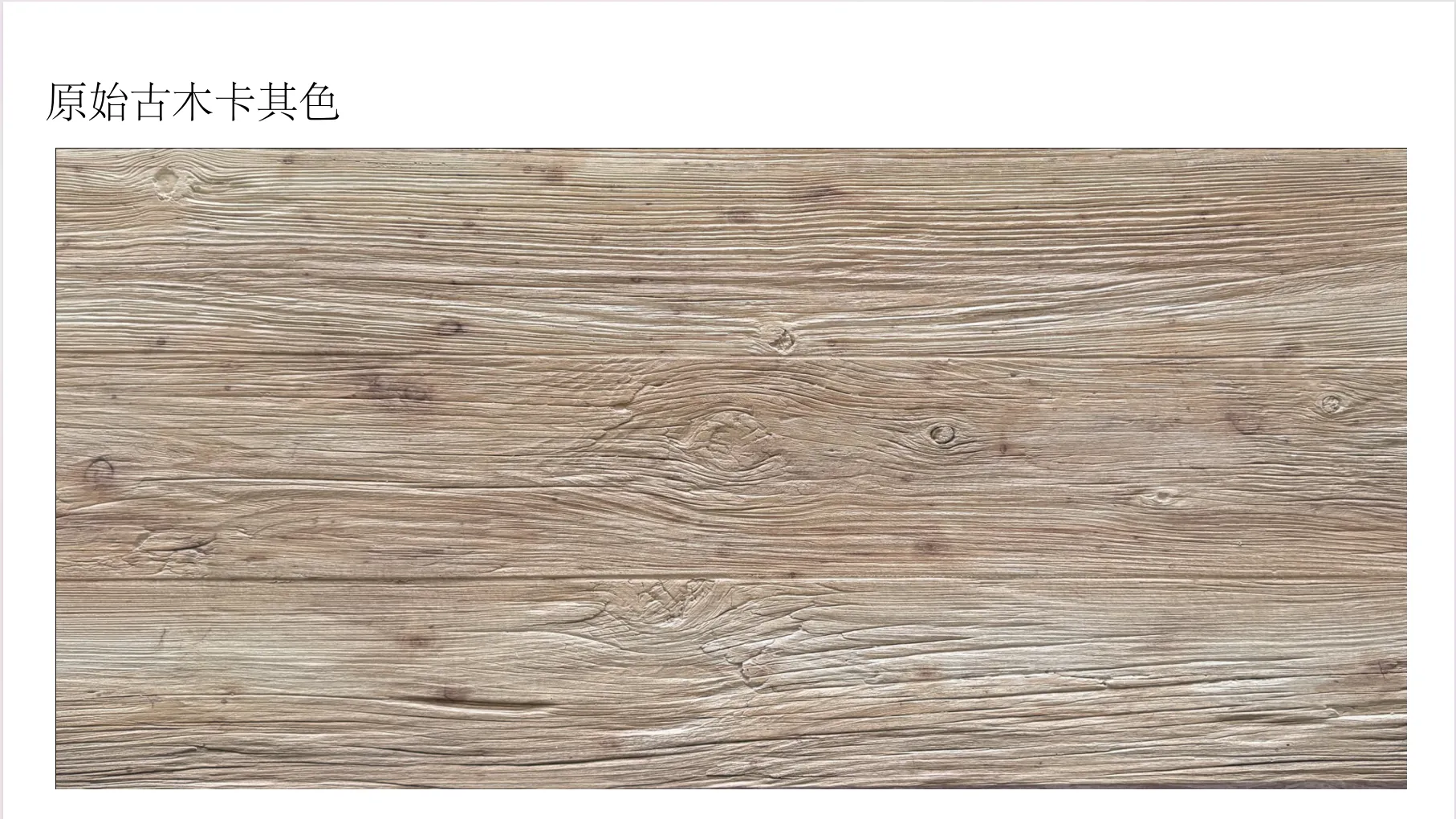
There's something undeniably captivating about the look of ancient wood, isn't it? It's more than just a material—it's a bridge to the past, a texture that feels alive with stories. Picture walking into a room where the walls are clad in what seems like reclaimed barn wood, its surface marked by years of sun, rain, and time. The grain swirled in unique patterns, the color shifting from warm amber to deep chestnut, with hints of weathered gray in the crevices. It's cozy, it's timeless, and it makes you want to linger. But here's the thing: bringing that authentic ancient wood vibe into your space hasn't always been easy. Real ancient wood is pricey, hard to source, and even harder to maintain. And let's not forget sustainability—harvesting old-growth or reclaimed wood can have environmental costs we're not always comfortable with. That's where MCM flexible stone comes in, and honestly? It's a game-changer for anyone who loves the look of ancient wood but wants something practical, affordable, and eco-friendly.
Let's start with the obvious: ancient wood has character. Unlike the perfectly uniform planks you find at big-box stores, ancient wood has personality—knots that look like little eyes, small cracks that tell of seasons past, and a texture that's been shaped by decades (or even centuries) of use. It's no wonder designers and homeowners alike gravitate toward it. In a world that often feels overly polished and "new," ancient wood adds warmth and a sense of history. It's the difference between a room that feels "decorated" and one that feels "lived-in."
But here's the downside: real ancient wood comes with a laundry list of challenges. First, cost. Sourcing genuine reclaimed wood—say, from an old barn or a decommissioned factory—can cost a small fortune. You're not just paying for the wood itself; you're paying for the labor to salvage it, transport it, and prep it for use. Then there's maintenance. Wood, even ancient wood, is organic. It warps in humidity, rots in moisture, and can be a magnet for pests like termites. If you use it outdoors, forget about it—rain, snow, and UV rays will fade and damage it over time, requiring constant sealing and upkeep. And sustainability? While reclaimed wood is better than cutting down new trees, the supply is limited. There are only so many old barns and factories to salvage from, and over time, that resource dwindles.
I once worked with a client who dreamed of an ancient wood accent wall in her kitchen. She found a supplier selling reclaimed oak planks from a 19th-century mill, and we installed them with care. They looked stunning—for about six months. Then, the kitchen's humidity (thanks to daily cooking) caused the planks to warp, creating gaps between them. The cost to repair and reseal them? Almost as much as the initial installation. She loved the look, but she hated the hassle. Sound familiar? If you've ever lusted after ancient wood but hesitated, you're not alone.
So, what if there was a material that could capture every nuance of ancient wood—the grain, the color, the texture—without any of the drawbacks? That's exactly what MCM flexible stone does. Let's break down what MCM is, first. MCM stands for Modified Composite Material, a blend of natural minerals (like stone powder), polymers, and reinforcing fibers. It's engineered to be lightweight, durable, and—you guessed it—flexible. Unlike rigid stone or heavy wood, MCM panels can bend slightly, making them perfect for curved surfaces or uneven walls. And when it comes to replicating textures? MCM manufacturers have gotten *really* good at it—especially when it comes to ancient wood.
MCM flexible stone isn't just a "fake" wood print slapped onto a panel. It's a carefully crafted material that mimics the *essence* of ancient wood. Think of it as a painter creating a hyper-realistic portrait—they don't just copy the colors; they capture the light, the shadows, and the tiny details that make the subject unique. That's what MCM does with ancient wood. The result? Panels that look and even feel like the real thing, but with none of the maintenance headaches.
You might be wondering: How do they make a stone-based material look like wood? It's all in the design process, and it's surprisingly meticulous. Let's walk through it step by step.
First, designers and artisans start by studying real ancient wood samples. They'll source pieces of reclaimed wood—maybe from an old barn, a vintage wooden crate, or even a centuries-old shipwreck—and analyze every detail. They take high-resolution photos, make 3D scans, and even create physical molds of the wood's surface. Why? Because to replicate ancient wood, you need to capture more than just the grain pattern. You need the tiny imperfections: the way the wood swells around a knot, the shallow grooves left by old tools, the slight indentations where a nail once held it in place. These are the details that make ancient wood feel "real," and MCM manufacturers don't skip them.
Next comes texture replication. Using advanced technology—often 3D printing or casting—they transfer those scanned details onto the MCM panels. The result is a surface that's not flat or smooth, but *tactile*. Run your hand over an MCM flexible stone panel designed to look like ancient wood, and you'll feel the rise and fall of the grain, the slight roughness of weathered areas, and even the subtle cracks that mimic real wood's aging process. It's not a printed image; it's a physical texture, which makes all the difference in how it looks and feels in a space.
Then there's color. Ancient wood doesn't come in one "wood tone"—it's a spectrum. Sunlight fades some areas, while others darken with age. Moisture can leave subtle watermarks, and exposure to the elements can create patches of gray or silver. MCM manufacturers use natural pigments to replicate these variations, mixing shades to match the way real wood ages. For example, a panel might have a base of honeyed oak, with streaks of amber where the wood was once exposed to more sun, and hints of gray in the deeper grooves where moisture lingered. It's these color variations that make the panels look less "manufactured" and more "lived-in."
One of the key products in this space is the wood grain board, a type of MCM panel specifically engineered to mimic the look of wood. These boards are designed with such precision that from a few feet away, you'd swear they're real wood. And when paired with the MCM big slab board series, you can create seamless, large-scale installations—perfect for feature walls or exterior cladding—without the need for unsightly seams that break the illusion of continuity.
The beauty of MCM flexible stone (and specifically, the ancient wood look variants) is its versatility. This isn't a material limited to one type of space—it works indoors, outdoors, in homes, and in commercial settings. Let's talk about some of the most popular applications.
Interior Accent Walls: This is probably the most common use, and for good reason. An ancient wood-look accent wall can transform a plain room into something special. Imagine a bedroom where the wall behind your bed is clad in MCM flexible stone panels that look like reclaimed pine—suddenly, the space feels cozy and retreat-like. Or a home office with a wood grain board accent wall that adds warmth to an otherwise sterile workspace. I recently helped a friend install these panels in her living room, and guests still ask where she "found such amazing old wood." When she tells them it's MCM, their jaws drop.
Exterior Cladding: Here's where MCM really shines. Unlike real wood, which struggles with moisture and pests outdoors, MCM flexible stone is weather-resistant. It won't warp in rain, fade in sunlight, or rot in humidity. That makes it perfect for exterior walls, porch ceilings, or even storefronts. A restaurant in my neighborhood used flexible stone cladding panels (ancient wood look) on their exterior, and it's become a local landmark. Passersby often stop to touch the walls, amazed that they're not real wood.
Furniture and Cabinetry: Think beyond walls. MCM panels can be cut to size and used for tabletops, cabinet doors, or shelving. A kitchen with wood grain board cabinet fronts would have the warmth of ancient wood without the worry of water damage from spills. Or a coffee table made from MCM big slab board that looks like a slab of aged oak but weighs a fraction of the real thing—no need for heavy-duty legs to support it.
Commercial Spaces: Hotels, boutiques, and offices are catching on too. A boutique hotel in Portland recently redid their lobby using MCM ancient wood panels, and the reviews mention the "charming, rustic vibe" as a highlight. Retail stores use them to create inviting, Instagram-worthy backdrops for their products. Even coworking spaces are using them to add warmth to industrial-style interiors. The best part? Since MCM is lightweight, it's easier and cheaper to install in commercial buildings than real wood, which often requires structural reinforcement.
You might be thinking, "Okay, but aren't there other options for getting the ancient wood look?" Sure—vinyl planks, laminate, even engineered wood. But none of them stack up to MCM flexible stone when you consider the full package: look, feel, durability, and sustainability. Let's break it down with a quick comparison:
| Feature | MCM Flexible Stone (Ancient Wood Look) | Real Ancient Wood | Vinyl Planks | Engineered Wood |
|---|---|---|---|---|
| Cost | Moderate; more affordable than real ancient wood, but slightly higher than vinyl. | High; expensive to source, transport, and prep. | Low; budget-friendly but lacks depth. | Moderate; more consistent pricing than real wood but still pricier than MCM. |
| Maintenance | Low; resistant to moisture, pests, and fading. Wipe clean with a damp cloth. | High; requires regular sealing, staining, and repairs for warping/rot. | Moderate; scratch-resistant but can peel or warp if water seeps in. | Moderate; needs sealing and can be damaged by excessive moisture. |
| Durability | High; withstands weather, humidity, and impact. Ideal for high-traffic areas. | Low; prone to warping, rotting, and pest damage (especially outdoors). | Medium; resists scratches but not as durable as MCM for heavy use. | Medium; better than solid wood but still vulnerable to moisture and dents. |
| Sustainability | High; made from recycled minerals and polymers. No deforestation required. | Variable; reclaimed wood is better, but supply is limited and may involve ethical concerns. | Low; made from PVC and plastics, which are not biodegradable. | Medium; uses less wood than solid wood but still relies on tree harvesting. |
| Installation | Easy; lightweight panels can be cut with standard tools and installed with adhesive or mechanical fasteners. No need for structural support. | Hard; heavy panels require structural reinforcement and specialized tools. | Easy; click-lock systems for DIY installation, but limited to flat surfaces. | Moderate; requires subfloor preparation and can be tricky to install on uneven surfaces. |
| Realism | Exceptional; 3D texture and color variation mimic real ancient wood closely. | Authentic, but inconsistent (which some love, others find frustrating). | Flat; printed image lacks depth or tactile texture. | Good; has real wood veneer but uniform grain patterns. |
As you can see, MCM flexible stone hits that sweet spot: it looks and feels authentic, but it's durable, low-maintenance, and sustainable. It's the kind of material that lets you have your cake and eat it too—you get the ancient wood vibe without the stress.
Ready to dive in? Here are a few tips to make sure you get the most out of your MCM flexible stone (ancient wood look) installation:
1. Start with samples. Lighting plays a huge role in how these panels look. What seems like a warm amber in the store might look more orange under your home's LED lights. Order a few samples and test them in the space where you plan to install them—check them in natural light, evening light, and with your overhead fixtures on. You'll be glad you did.
2. Pay attention to texture depth. Not all MCM panels are created equal. Some have a shallow, almost printed texture, while others have deep, tactile grain that you can feel with your fingers. For the most authentic ancient wood look, go for panels with pronounced texture—those small grooves and indentations make all the difference in how "real" it feels.
3. Consider the panel size. The MCM big slab board series is great for large, seamless walls (think a living room accent wall or a restaurant facade), as fewer seams mean a more cohesive look. For smaller spaces or furniture, smaller panels might be easier to work with. Just make sure to plan the layout before installing to avoid awkward cuts at the edges.
4. Prep the surface. MCM panels adhere best to clean, smooth, dry surfaces. If you're installing them over drywall, make sure to patch any holes and sand down rough spots. For exterior walls, ensure the surface is free of debris and moisture. A little prep work goes a long way in ensuring your panels stay put for years.
5. Don't skimp on installation. While MCM panels are lightweight and DIY-friendly, if you're installing them on a large scale (like an exterior), it's worth hiring a pro. They'll have the tools and experience to handle cuts, corners, and adhesive application properly. Trust me—you don't want to redo a whole wall because of a wonky cut.
At the end of the day, the goal is to create a space that feels like *you*—warm, inviting, and full of character. Ancient wood has that magic, but it shouldn't come with a side of stress, high costs, or environmental guilt. MCM flexible stone (and specifically, the ancient wood look variants like wood grain board and flexible stone cladding panels) gives you the best of both worlds: the timeless charm of ancient wood, with the practicality of a modern material.
Whether you're revamping your living room, designing a boutique hotel, or sprucing up your home's exterior, MCM flexible stone lets you bring that cozy, history-rich vibe into your space without the hassle. It's the kind of material that makes you wonder why we ever struggled with real ancient wood in the first place. So go ahead—embrace the ancient wood look. With MCM, you can have all the character, none of the headaches, and a space that feels like it's been telling stories for years.
Recommend Products












