
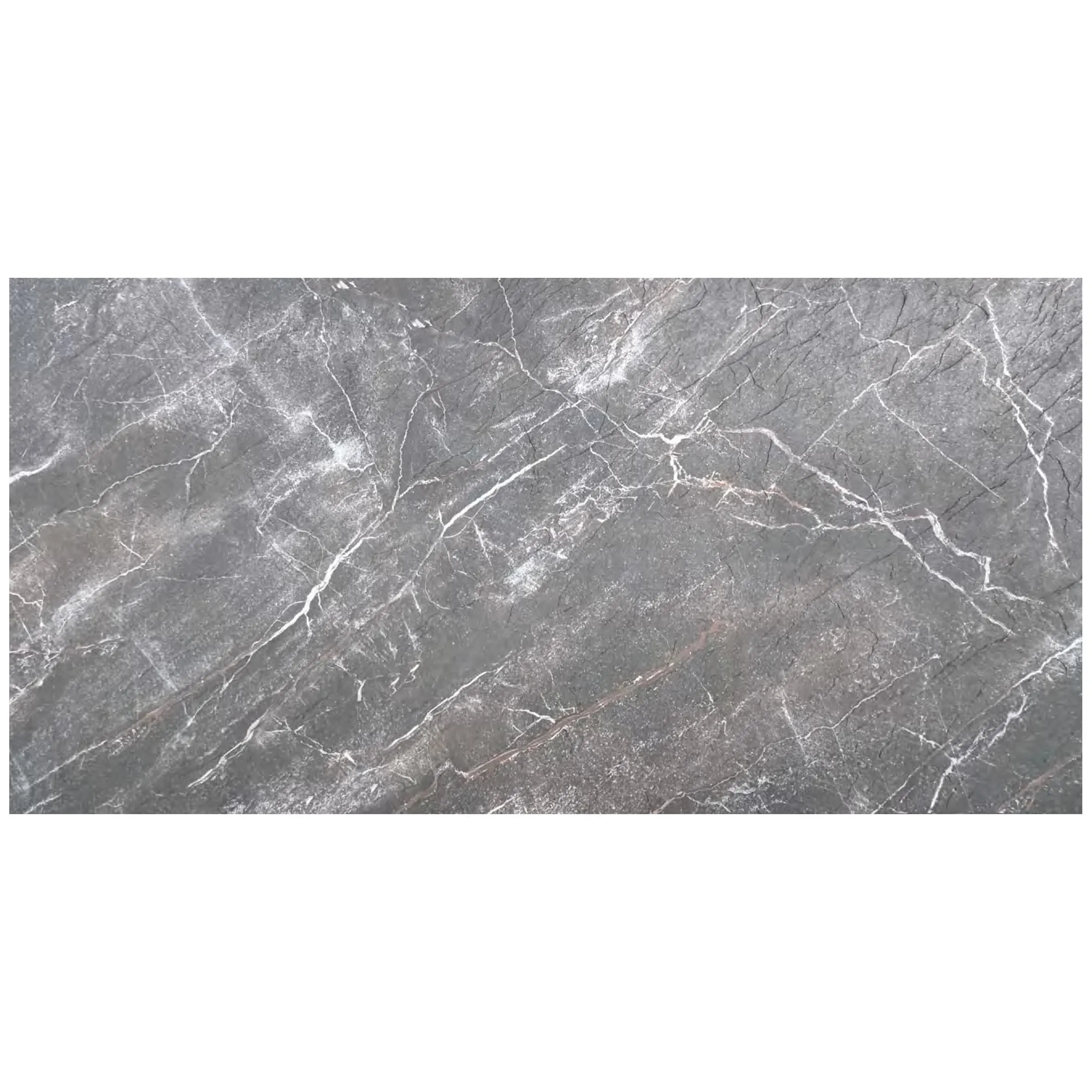
Blending Timeless Elegance with Modern Practicality
Picture this: You're standing in a sunlit stone yard, surrounded by slabs of rock pulled from the earth's crust. Your eyes drift to a corner, and there it is—a slab of Slate Portoro. It's not just stone; it's a masterpiece. The base is a deep, inky black, like the night sky before a storm, but what stops you in your tracks are the veins. Swirls of molten gold, thin as thread in some places, bold and branching in others, weave through the darkness. It's dramatic, luxurious, and full of life. For architects and designers, Slate Portoro has long been the stuff of dreams—synonymous with sophistication, a material that turns ordinary spaces into statements.
But here's the catch: Natural Slate Portoro, like many premium stones, comes with a list of "what-ifs." What if the slab you fall in love with is too heavy for your wall? What if the veins in the next batch don't match, throwing off your design? What if the cost of quarrying, shipping, and installing it blows your budget? And let's not forget sustainability—each natural slab means more rock extracted from the earth, more energy spent on transportation, more waste when cuts don't go as planned. For years, designers have whispered about these struggles, torn between their love for Slate Portoro's aesthetics and the practical realities of working with it.
Enter COLORIA MCM Flexible Stone. It's not just a product; it's a solution to that age-old dilemma. Imagine capturing every nuance of Slate Portoro—the depth of the black, the warmth of the gold veins, the subtle texture that makes it feel alive—but in a material that bends, weighs next to nothing, and doesn't require a team of engineers to install. That's the promise of MCM (Modified Composite Material) Flexible Stone, and it's changing how we think about bringing natural stone beauty into our spaces.
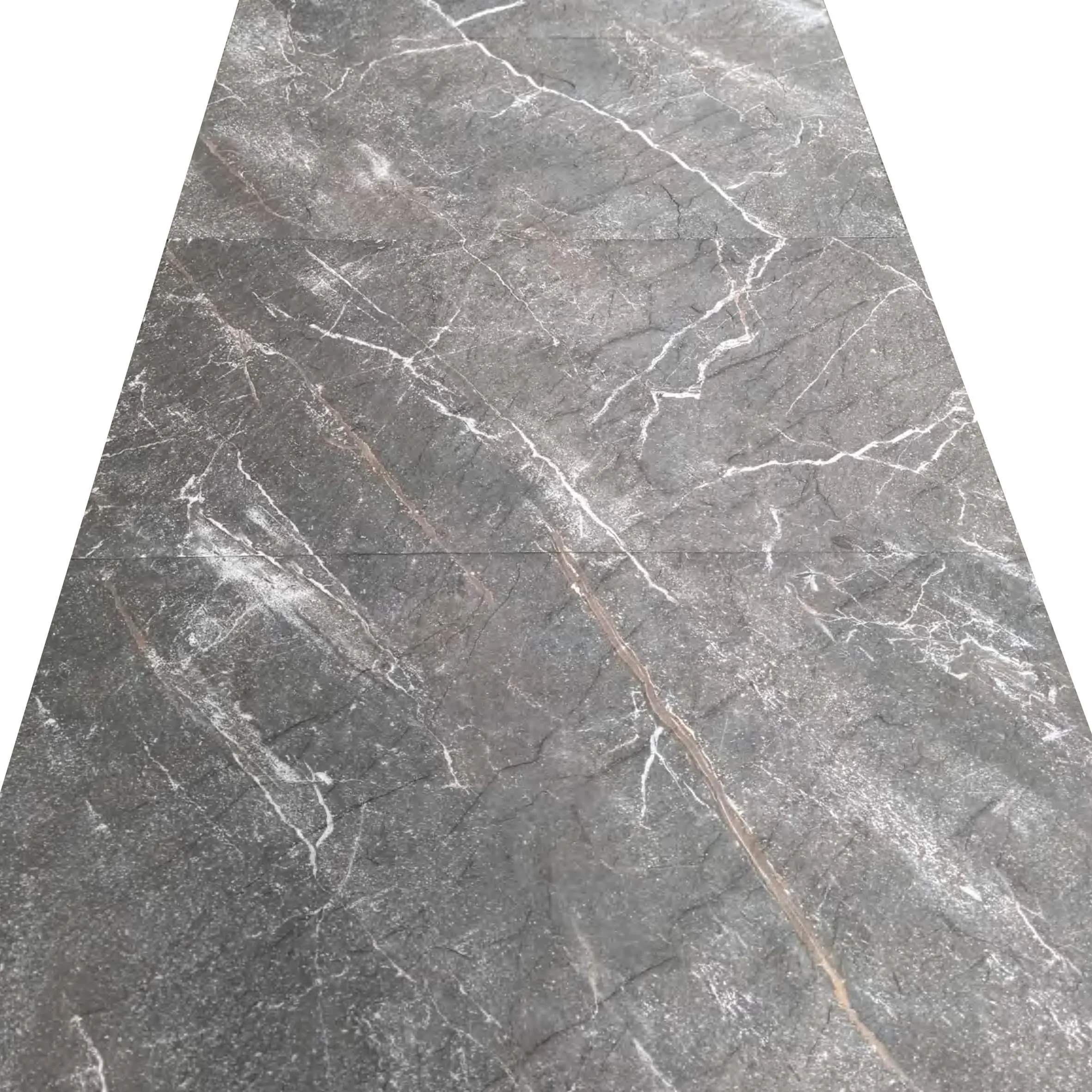
Before we dive into how to achieve Slate Portoro aesthetics with COLORIA, let's unpack what "aesthetics" really means here. It's not just about copying a color or a pattern—it's about capturing the feeling of Slate Portoro. Let's break it down into three key elements:
Slate Portoro's magic starts with contrast. The base is a true black—not a grayish black or a brown-tinged black, but a rich, velvety black that absorbs light, making the veins pop. Then there's the gold: not a brash, neon gold, but a warm, aged gold, like sunlight filtered through amber. It's a pairing that's inherently luxurious, but it's also versatile. The black grounds the space, while the gold adds warmth, preventing the design from feeling cold or stark.
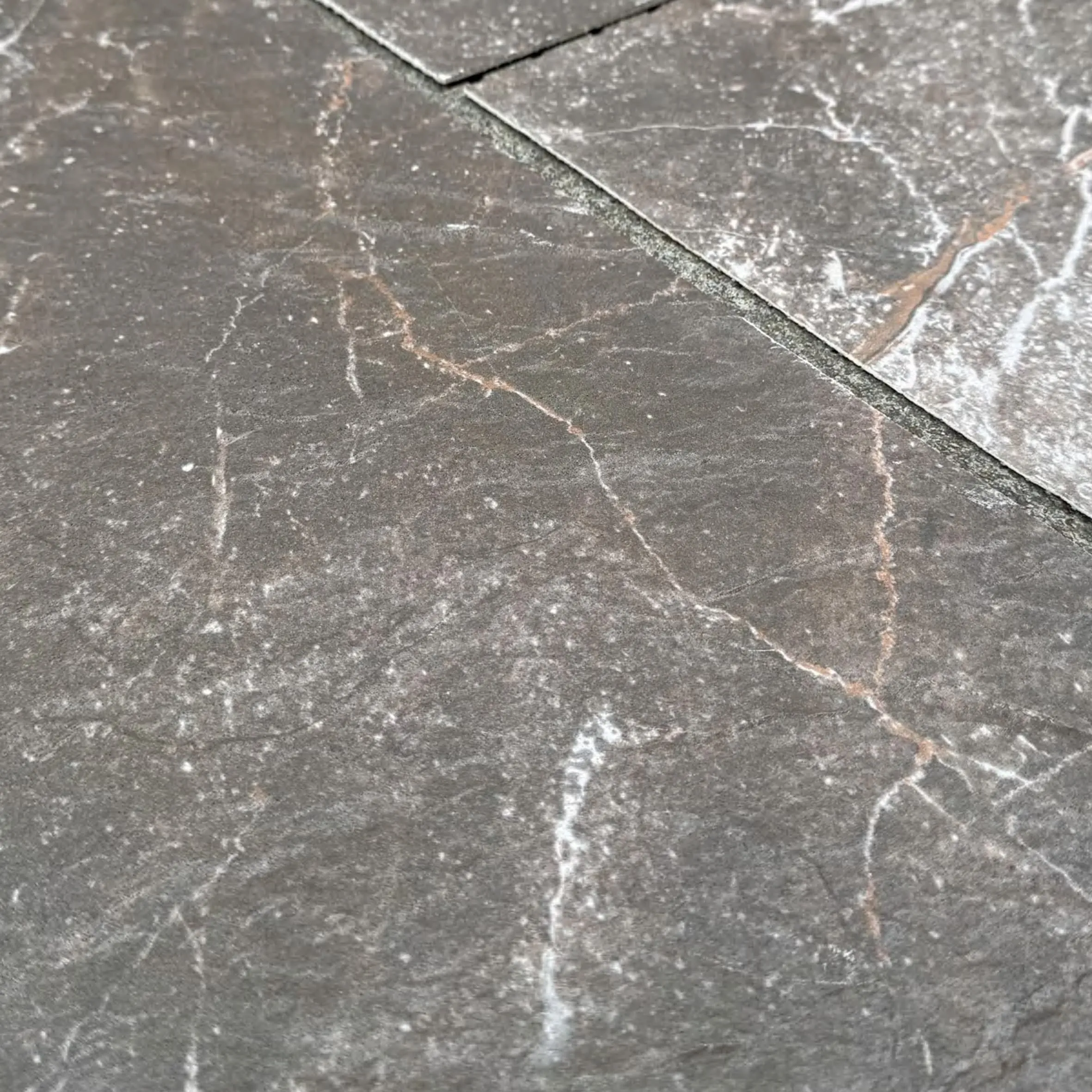
Run your hand over a natural Slate Portoro slab, and you'll notice it's not perfectly smooth. There's a subtle roughness, a matte finish that catches light rather than reflecting it. It's the kind of texture that invites touch, that makes the stone feel less like a manufactured product and more like a piece of the earth. This texture is crucial—it's what separates "looking like" Slate Portoro from feeling like it.
Natural stone veins aren't random—they're the result of millions of years of mineral deposits, pressure, and time. Slate Portoro's veins tell a story: some are thin and wispy, like smoke rising; others are thick and bold, like lightning strikes. They're organic, never perfectly symmetrical, and that imperfection is part of the charm. A slab with too-perfect veins feels fake, like a printed sticker. The best Slate Portoro has veins that look like they grew there.
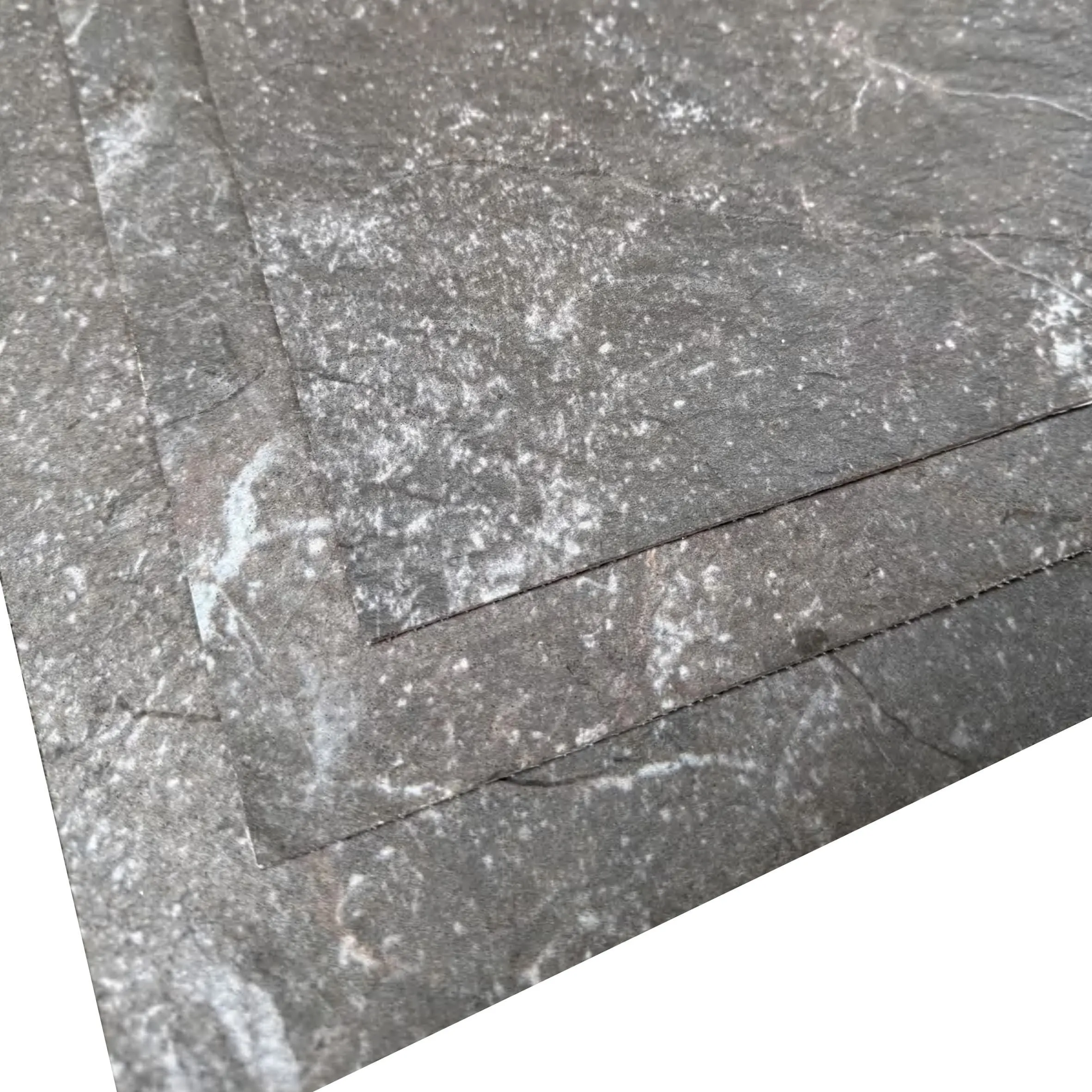
So, how does COLORIA's MCM Flexible Stone tackle these elements? Let's start with the basics: MCM, or Modified Composite Material, is a blend of natural minerals, polymers, and fibers, engineered to mimic the look and feel of stone—without the weight or fragility. Think of it as stone's more adaptable cousin: thin (as little as 3mm thick), lightweight (around 4-5 kg per square meter), and flexible enough to curve around corners or follow uneven surfaces.
But the real genius is in the details. COLORIA's Slate Portoro-inspired MCM panels aren't just "black with gold lines." The team spent years studying natural Slate Portoro, analyzing vein patterns, color gradients, and texture under different lighting. They use advanced printing and texturing techniques to replicate that inky black base, then add veins that vary in thickness and direction—no two panels are exactly alike, just like natural stone. The texture? A matte, slightly granular finish that feels just like the real thing when you run your hand over it.
Let's talk about the benefits, because this isn't just about looks. Natural Slate Portoro slabs can weigh 50 kg or more per square meter—meaning you might need reinforced walls or specialized structural support. COLORIA's MCM panels? They're so light, a single person can carry a 4x8 foot sheet. That cuts down on installation time, labor costs, and the risk of damaging floors or walls during transport. And because they're flexible, you can use them in places natural stone would never dream of: curved staircases, ceiling accents, even furniture pieces like headboards or cabinet doors.
Sustainability is another win. Quarrying natural stone disrupts ecosystems, uses massive amounts of water, and generates waste. MCM, on the other hand, uses recycled materials in its base and requires far less energy to produce. Plus, since the panels are durable (resistant to scratches, moisture, and UV rays), they last for decades, reducing the need for replacement.
| Attribute | Natural Slate Portoro | COLORIA MCM Slate Portoro |
|---|---|---|
| Weight | 50-60 kg/m² (requires structural support) | 4-5 kg/m² (installs on standard walls) |
| Flexibility | Brittle; cracks under pressure or bending | Can bend up to 30° without breaking |
| Color Consistency | Varies widely between slabs; hard to match batches | Consistent base color; veins vary for natural look |
| Sustainability | High environmental impact (quarrying, transport) | Recycled materials; low carbon footprint |
| Maintenance | Needs sealing; stains easily; sensitive to acids | Stain-resistant; wipe clean with water; no sealing needed |
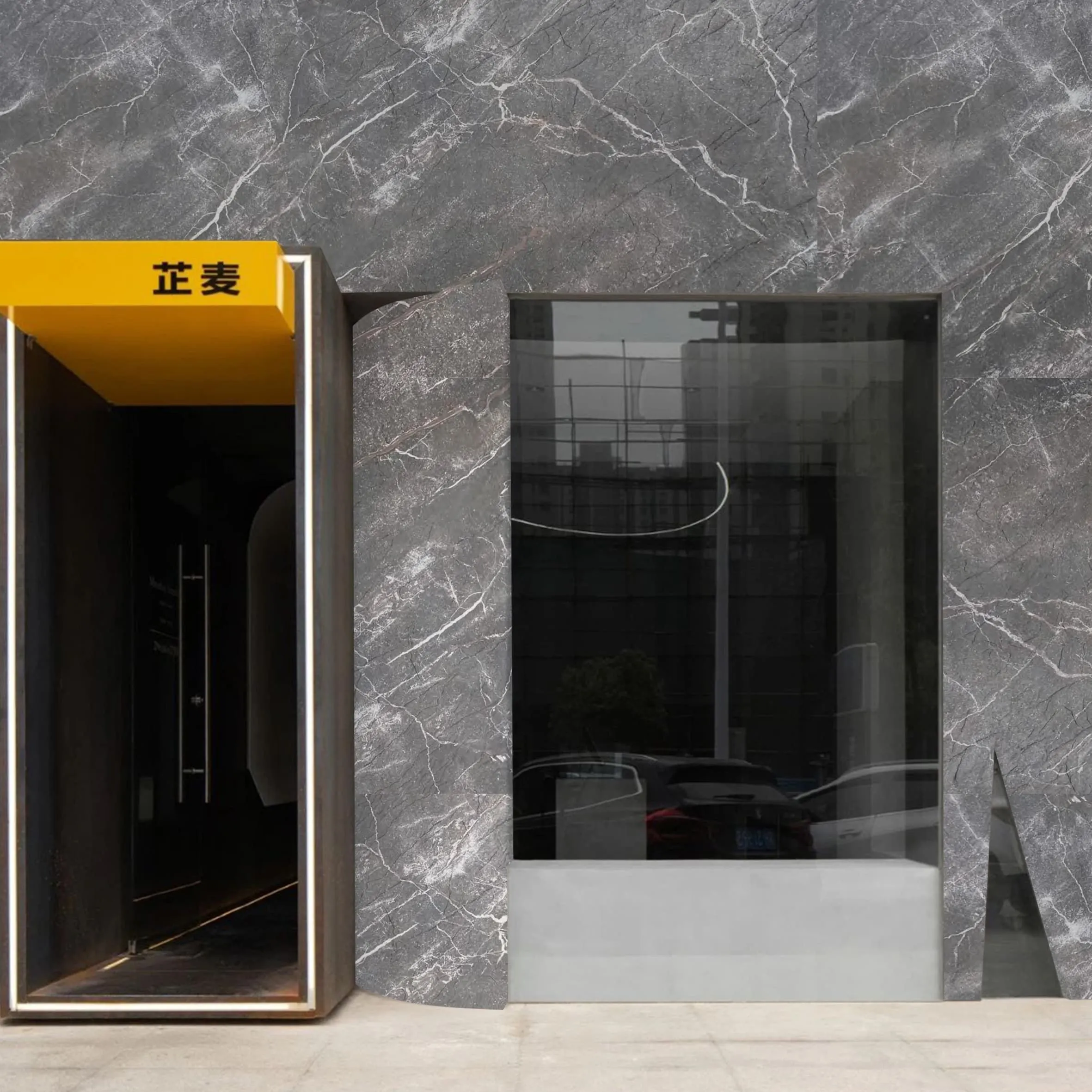
Slate Portoro's boldness means it's not a "wallpaper" material—it's a star. That said, it's surprisingly versatile. Here are a few ways designers are using COLORIA's MCM Slate Portoro panels to maximum effect:
In homes, Slate Portoro MCM panels shine as feature walls. Imagine a living room where one wall is clad in these panels—the deep black anchors the space, while the gold veins catch the light from floor lamps, adding warmth. Pair it with soft neutrals (ivory sofas, beige rugs) to keep the focus on the stone, or with wood accents (like a wood grain board coffee table) for a natural, earthy balance. For bedrooms, a Slate Portoro headboard wall adds a touch of luxury without feeling over-the-top—especially when paired with soft bedding and warm lighting.
Bathrooms? Yes, really. MCM is moisture-resistant, so it works beautifully as a shower wall or backsplash. Picture a bathroom with Slate Portoro panels, gold fixtures, and white marble countertops—the contrast is striking, and cleaning is a breeze (no more scrubbing grout lines in natural stone).
In commercial design, first impressions matter. A hotel lobby with a Slate Portoro-inspired reception desk (clad in MCM panels) immediately signals luxury. Restaurants use it for accent walls behind banquettes, creating intimate, upscale dining nooks. Even offices are getting in on the trend—imagine a CEO's office with a Slate Portoro feature wall and a fair-faced concrete desk; it's modern, powerful, and memorable.
One of my favorite examples? A boutique clothing store in downtown Chicago that used Slate Portoro MCM panels for their fitting room walls. The black backdrop makes the clothes pop, and the gold veins add a touch of glamour—customers feel like they're trying on outfits in a high-end atelier.
Achieving Slate Portoro aesthetics isn't just about slapping up panels—it's about curating the entire space to let that beauty shine. Here are a few pro tips:
Slate Portoro is bold, so it plays well with understated materials. Fair-faced concrete is a perfect match—the raw, industrial texture balances the stone's luxury, creating a modern, edgy vibe. Wood grain board adds warmth; think a Slate Portoro accent wall next to a reclaimed wood bookshelf. For a minimalist look, pair with white walls and black metal fixtures—the gold veins will pop like jewelry against the simplicity.
Slate Portoro's veins come alive under the right light. Avoid harsh overhead lighting, which can wash out the black. Instead, use warm, directional lights—sconces, floor lamps, or LED strips behind the panels—to highlight the texture and make the gold veins glow. In a bathroom, backlit Slate Portoro panels behind a vanity mirror create a stunning, ethereal effect.
Even the most beautiful stone can feel overwhelming if used everywhere. Stick to one feature wall, a single countertop, or a niche. Let the Slate Portoro be the star, and let the rest of the space support it.
MCM panels are easy to install, but attention to detail counts. Make sure the wall is smooth and clean before applying—any bumps will show through the thin panels. Use the recommended adhesive (COLORIA provides specific guidelines) and take time to align the veins between panels for a seamless look. If you're going for a curved surface, test the flexibility of the panels first—they bend, but it's best to go slow.
At the end of the day, materials like COLORIA's MCM Flexible Stone are more than just "alternatives" to natural stone—they're a bridge between tradition and innovation. Slate Portoro has been captivating designers for centuries because it's beautiful, but beauty shouldn't come with a list of limitations. MCM technology lets us honor that beauty while embracing practicality, sustainability, and creativity.
I think of a conversation I had with a designer friend recently. She'd spent months trying to source natural Slate Portoro for a client's penthouse, only to hit a wall with weight restrictions. Then she discovered COLORIA's panels. "It wasn't just about solving a problem," she told me. "It was about giving my client the space they dreamed of—one that feels luxurious, authentic, and uniquely theirs. And honestly? When they walked in and touched the wall, they couldn't tell the difference from natural stone. That's the magic."
So, whether you're designing a cozy home or a sprawling commercial space, Slate Portoro aesthetics are within reach. With COLORIA's MCM Flexible Stone, you don't have to choose between beauty and practicality. You can have both—and that's a design revolution worth celebrating.
Recommend Products












