
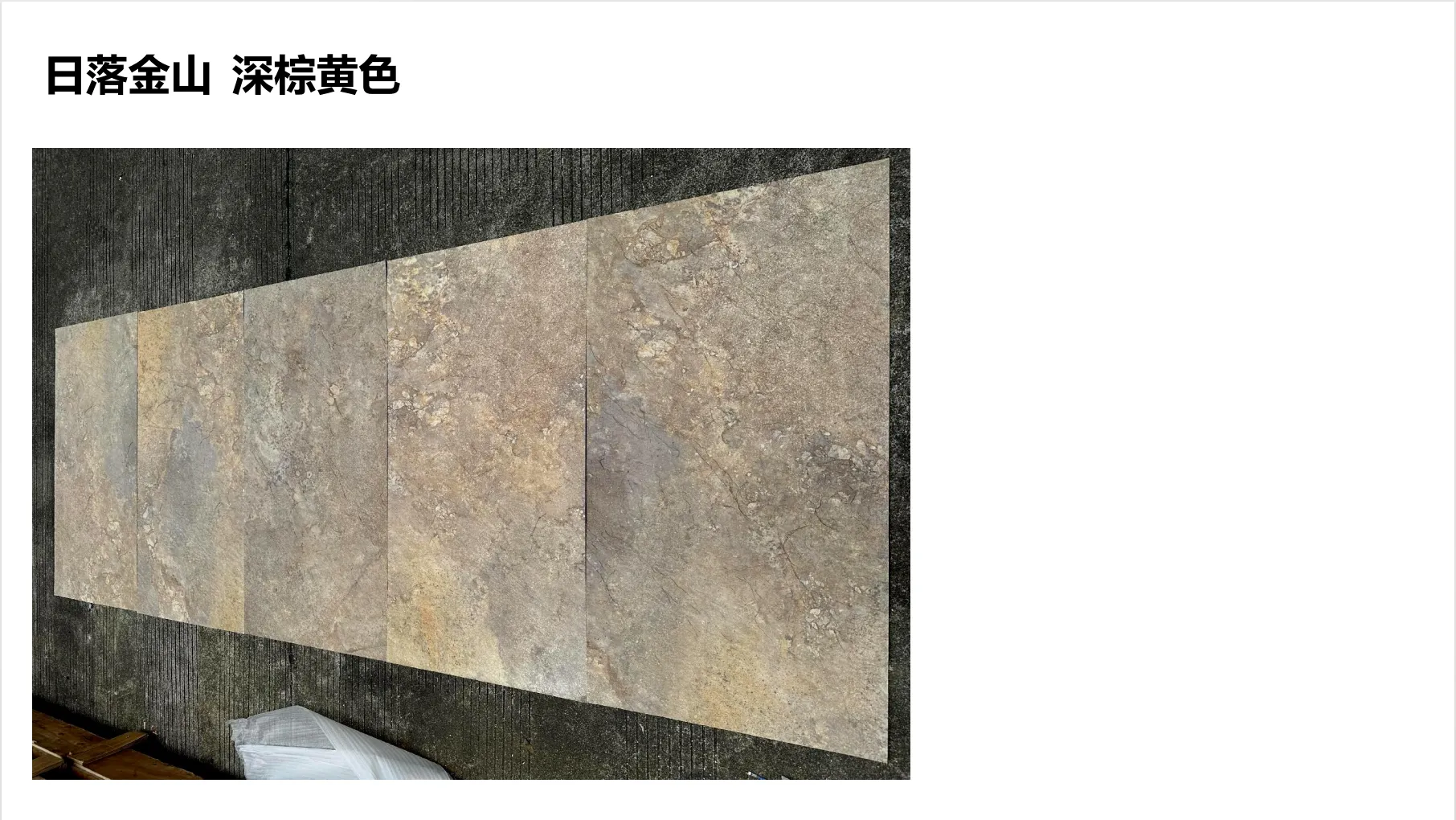
Unlocking the beauty of MCM materials when the sun dips low
There's something almost poetic about the way a building transforms when the sun starts to set. The golden hour—those fleeting 30 to 60 minutes before sunset—wraps the world in a warm, amber glow, turning ordinary structures into something extraordinary. But when that structure is clad in MCM (Modified Composite Material) panels? The result is pure magic. MCM facades, with their diverse textures, colors, and finishes, don't just reflect light—they dance with it. From the matte depth of fair-faced concrete to the metallic shimmer of foamed aluminium alloy board (vintage gold), each material has its own way of capturing the sunset's fleeting beauty.
I've spent years chasing golden hour light across cities, camera in hand, and I can tell you this: MCM-clad buildings are some of the most rewarding subjects. They're not just building materials; they're canvases. But capturing that perfect shot? It takes more than just showing up at sunset. It requires understanding how light interacts with texture, knowing which angles bring out a material's best features, and respecting the unique personality of each MCM panel. In this guide, I'm sharing the expert tips I've picked up along the way—so you can turn your next sunset shoot into a portfolio-worthy masterpiece.
Let's start with the basics: golden hour isn't a one-size-fits-all window. Depending on your location, the season, and even the weather, it can shift by 15 to 30 minutes. I always check a golden hour calculator app (my go-to is PhotoPills ) the night before a shoot. For example, in summer, golden hour might start at 6:30 PM and end at 7:15 PM; in winter, it could be as early as 4:15 PM. But here's the secret: the quality of light changes minute by minute. The first 15 minutes might have a soft, diffused glow (great for capturing the subtle texture of bamboo mat board), while the last 15 minutes get warmer and more intense (perfect for making foamed aluminium alloy board (vintage gold) panels pop).
And don't sleep on blue hour—the 20 to 30 minutes after sunset, when the sky fades from gold to deep blue. While it's not "golden," the contrast between the cool sky and warm MCM materials can create stunning drama. I once shot a facade with lunar peak golden panels during blue hour: the panels' warm undertones glowed against the indigo sky, making the building look like it was floating. Pro tip: Use a tripod for blue hour shots—light is low, so you'll need longer exposures to avoid blurriness.
Golden hour light is low and warm, but its direction—whether it's hitting the facade head-on, from the side, or from behind—will make or break your photo. Here's the rule of thumb: side lighting is your best friend . When the sun is low in the sky, angling your camera so the light hits the facade at a 45-degree angle will emphasize texture. Take travertine (starry red), for example. Its pitted, "starry" surface catches side light like a million tiny mirrors, turning each indentation into a spark of gold. If you shoot it with the sun directly behind you (front lighting), those details flatten out—you'll lose the depth that makes travertine (starry red) so unique.
On the flip side, if you're shooting a material with a smooth, reflective finish—like foamed aluminium alloy board (vintage gold)—watch out for direct sunlight. Too much front light can create harsh glare, washing out the color. Instead, wait for the sun to dip a little lower, so the light skims the surface. That's when the vintage gold hue really comes alive, with soft reflections that look like liquid metal.
I've seen too many photographers set up their tripod at eye level, snap a photo, and call it a day. Big mistake. The angle you choose doesn't just change the composition—it changes the narrative of the building. MCM facades, with their mix of horizontal lines, vertical panels, and organic textures, beg to be shot from interesting perspectives.
Get down on the ground—knees, elbows, whatever it takes. Shooting from a low angle (with your camera pointing slightly upward) does two things: it makes the building look taller, more imposing, and it ensures the golden hour light hits the facade head-on. This is especially effective for materials with vertical texture, like bamboo mat board. Last month, I shot a restaurant clad in bamboo mat board panels at sunset. By lying on the pavement and angling my camera up, the light ran along the vertical "mat" lines, creating leading lines that drew the eye up to the sky. The result? A photo that felt both grounded (thanks to the organic texture) and aspirational (thanks to the height).
But be careful with low angles and shiny materials. Foamed aluminium alloy board (vintage gold), for example, will reflect the sky if you shoot too low. To avoid that, tilt your camera up just enough to capture the facade, but keep the sun at your back. The golden light will bounce off the metal, but the sky won't wash it out.
Sometimes, the best sunset shots aren't of the entire building—they're of a single section. High angles (shooting from a neighboring rooftop, a hill, or even a step ladder) let you zoom in on patterns and textures that get lost from the ground. Take lunar peak golden panels: from below, they might look like a solid gold wall, but from above, you can see how the panels interlock, creating a repeating geometric pattern. When the golden hour light hits those edges, each panel casts a tiny shadow, turning the facade into a mosaic of light and dark.
I used this trick last year when shooting a museum with a facade of fair-faced concrete. From street level, the concrete looked flat and gray—even at sunset. But from the third-floor balcony of a nearby hotel? The light hit the concrete's subtle, rough texture, and suddenly, every pour line, every imperfection, was highlighted. It was like seeing the building's "skin" up close, and the golden light made those flaws feel intentional, almost poetic.
Here's the truth: MCM materials are divas. Some love direct sunlight; others prefer soft, diffused light. Some look best from afar; others demand close-ups. To capture them at their golden hour best, you need to speak their language. Let's break down a few fan favorites—and how to make them shine.
| MCM Material | Texture/Finish | Best Golden Hour Time | Optimal Angle | Pro Tip |
|---|---|---|---|---|
| Travertine (Starry Red) | Pitted, porous, with "starry" indentations | Last 15 minutes of golden hour (hottest light) | Side lighting (45-degree angle) | Zoom in! The "stars" catch light like tiny lanterns—close-ups show their sparkle. |
| Lunar Peak Golden | Textured, matte with a subtle golden hue | First 20 minutes (soft, diffused light) | Low angle (slightly upward) | Use a polarizing filter to deepen the golden tone without washing out texture. |
| Fair-Faced Concrete | Matte, rough, with visible pour lines | Mid-golden hour (balanced light) | High angle (to highlight texture) | Shoot in RAW! Concrete's neutral tones need post-processing to boost warmth. |
| Bamboo Mat Board | Organic, woven, with natural "grain" | Blue hour (cool sky + warm light = contrast) | Eye level (parallel to the weave) | Focus on the intersections of the "mat" lines—they create natural frames for the light. |
| Foamed Aluminium Alloy Board (Vintage Gold) | Metallic, slightly brushed, reflective | 10 minutes before sunset (low, warm light) | Side angle (avoid direct reflection) | Underexpose by 1 stop—metallic finishes blow out easily; this preserves detail. |
Travertine (starry red) is a drama queen—and I mean that in the best way. Its pitted surface is covered in tiny, irregular indentations (the "stars"), and when golden hour light hits them, each one becomes a pinpoint of light. But to make those stars pop, you need the right light. I've found the last 15 minutes of golden hour work best—when the sun is lowest, and the light is warmest, almost orange. That's when the red tones in the travertine come alive, and the "stars" glow like embers.
A few weeks ago, I shot a boutique hotel with travertine (starry red) panels. At first, I shot it from across the street, and it looked nice—but the stars were too small to see. Then I moved in, got within 10 feet, and zoomed to 50mm. Suddenly, the texture filled the frame. Each pit was a tiny cave, catching the light and throwing tiny shadows. It was like looking at a night sky—only this one was on a building, and it was on fire with sunset color.
Bamboo mat board is the cozy sweater of MCM materials—soft, organic, and full of warmth. Its woven texture (which mimics traditional bamboo mats) adds a natural, earthy feel to any facade. But here's the thing: that weave can get lost in harsh light. Golden hour's soft glow is perfect, but I've found blue hour (right after sunset) is even better. The cool, blue sky acts as a backdrop, making the warm, golden light on the bamboo mat board pop by contrast.
I tested this last fall when shooting a café with a bamboo mat board exterior. During golden hour, the light was so warm that the bamboo looked almost yellow—nice, but flat. 20 minutes after sunset, with the sky turning deep blue, I shot it again. The bamboo now looked rich, amber, and the weave was crisp. The vertical and horizontal lines of the mat created a grid that led the eye up to the café's sign, which was also lit by warm bulbs. It felt like a little slice of home, bathed in sunset's last light.
Fair-faced concrete gets a bad rap—it's often dismissed as "boring" or "industrial." But in golden hour light, it's anything but. Its matte, unpolished surface absorbs light rather than reflecting it, creating a deep, moody tone that's full of character. The key? Shoot it when the light is low enough to highlight its texture—those tiny air bubbles, the rough patches, the way the concrete was poured. Those "flaws" are what make it beautiful.
I once shot a library with fair-faced concrete walls on a cloudy day, and it looked like a gray box. Then I went back during golden hour, and it was like the building had woken up. The light hit the walls at a low angle, and suddenly, every imperfection was a story. A drip mark from when the concrete was poured became a tear of gold; a small crack looked like a smile. It was raw, honest, and deeply moving—proof that even the most "basic" MCM materials can be extraordinary with the right light.
You've got the light, you've got the angle, you've got the perfect material—now, how do you turn that into a photo that makes people stop scrolling? Composition. Golden hour light can make any building look good, but great composition turns it into art. Here are the tricks I use most:
MCM facades are full of lines—horizontal panels, vertical seams, diagonal textures. Use them! Leading lines draw the viewer's eye into the photo, creating a sense of movement. For example, if a building has vertical foamed aluminium alloy board (vintage gold) panels, shoot from the bottom corner, so the lines lead up to the sunset. The eye follows the gold upward, right to the sky—and suddenly, the building feels connected to the sunset, like it's reaching for the light.
I did this with a skyscraper clad in lunar peak golden panels last year. The panels ran vertically, from ground to roof. By shooting from the sidewalk, at a slight diagonal, the lines converged at the top, where the sunset was glowing. It made the building look like a ladder to the sky—tall, powerful, and full of hope.
You don't have to shoot the entire building. Sometimes, framing a small section with elements from the environment (trees, archways, even other buildings) makes the photo feel more intimate. Last spring, I was shooting a facade with travertine (starry red) panels, but there was a big, ugly air conditioning unit in the way. Instead of moving, I stepped behind a tree, used the branches to frame the travertine, and shot through the leaves. The result? The red travertine looked like a secret treasure, hidden among the green. The leaves, backlit by the sunset, added a soft, natural frame that made the building feel like it was part of the landscape.
Golden hour skies are often just as beautiful as the buildings they light up. Don't be afraid to leave plenty of sky in your shot—especially if the clouds are painted pink or orange. I did this with a building clad in fair-faced concrete: I shot it from a distance, with the camera tilted up so the sky took up two-thirds of the frame. The concrete was a dark, silent presence at the bottom, and the sky was a riot of color above. It felt like the building was watching the sunset, too—quiet, patient, and full of awe.
Even the best golden hour shots need a little love in post-processing. But here's the golden rule: enhance the light, don't replace it. MCM materials are beautiful because they're authentic—over-editing can make them look plastic or fake. Here's how to strike the balance:
Golden hour light can throw off your camera's auto white balance, making photos look too yellow or too blue. I always shoot in RAW (never JPEG!) so I can adjust white balance later. In Lightroom, I start by moving the temperature slider toward "warm" (yellow/orange) until the facade looks like it did in person. For example, travertine (starry red) should have rich, red undertones—not neon orange. Lunar peak golden should look like honey, not mustard. Trust your memory of how the light felt, not just the histogram.
MCM materials live and die by their texture. A little contrast can make those textures pop. For travertine (starry red), I'll increase the contrast by 10–15 points to make the pits darker and the highlights brighter. For bamboo mat board, I'll lower the blacks slightly to deepen the shadows in the weave. But be careful: too much contrast will turn fair-faced concrete into a black blob, or foamed aluminium alloy board (vintage gold) into a shiny mess. Start small, and zoom in to check the texture—if it starts to look crunchy or artificial, dial it back.
Saturation boosts all colors equally, which can make MCM materials look garish. Vibrance, on the other hand, only boosts muted colors, leaving already bright colors alone. For example, if I'm editing a shot of foamed aluminium alloy board (vintage gold), increasing vibrance by 10 points will make the gold richer without turning the sky neon pink. For travertine (starry red), vibrance brings out the red in the "stars" without oversaturating the entire panel.
Texture needs sharpness, but too much can make a photo look grainy. Use Lightroom's "Adjustment Brush" to sharpen only the facade, not the sky or background. For bamboo mat board, I'll set the brush to "Sharpen" with a radius of 1.0 and amount of 30—just enough to make the weave crisp. For fair-faced concrete, I'll lower the amount to 15, since its texture is subtler. The goal is to make the material look tactile—like you could reach out and touch it.
At the end of the day, capturing golden sunset photos of MCM-clad facades isn't just about technical skill. It's about seeing the building as more than a structure. It's about noticing how the light turns travertine (starry red) into a constellation, how bamboo mat board feels like a hug from the past, how fair-faced concrete whispers stories of hard work and craftsmanship. Golden hour is fleeting, but the photos you take? They'll last forever.
So grab your camera, check that golden hour app, and head out. And when you do, remember: the best shots aren't the ones where everything is perfect. They're the ones where you can feel the warmth of the light, the texture of the material, and the magic of that moment—frozen in time, just for you.
Recommend Products












