
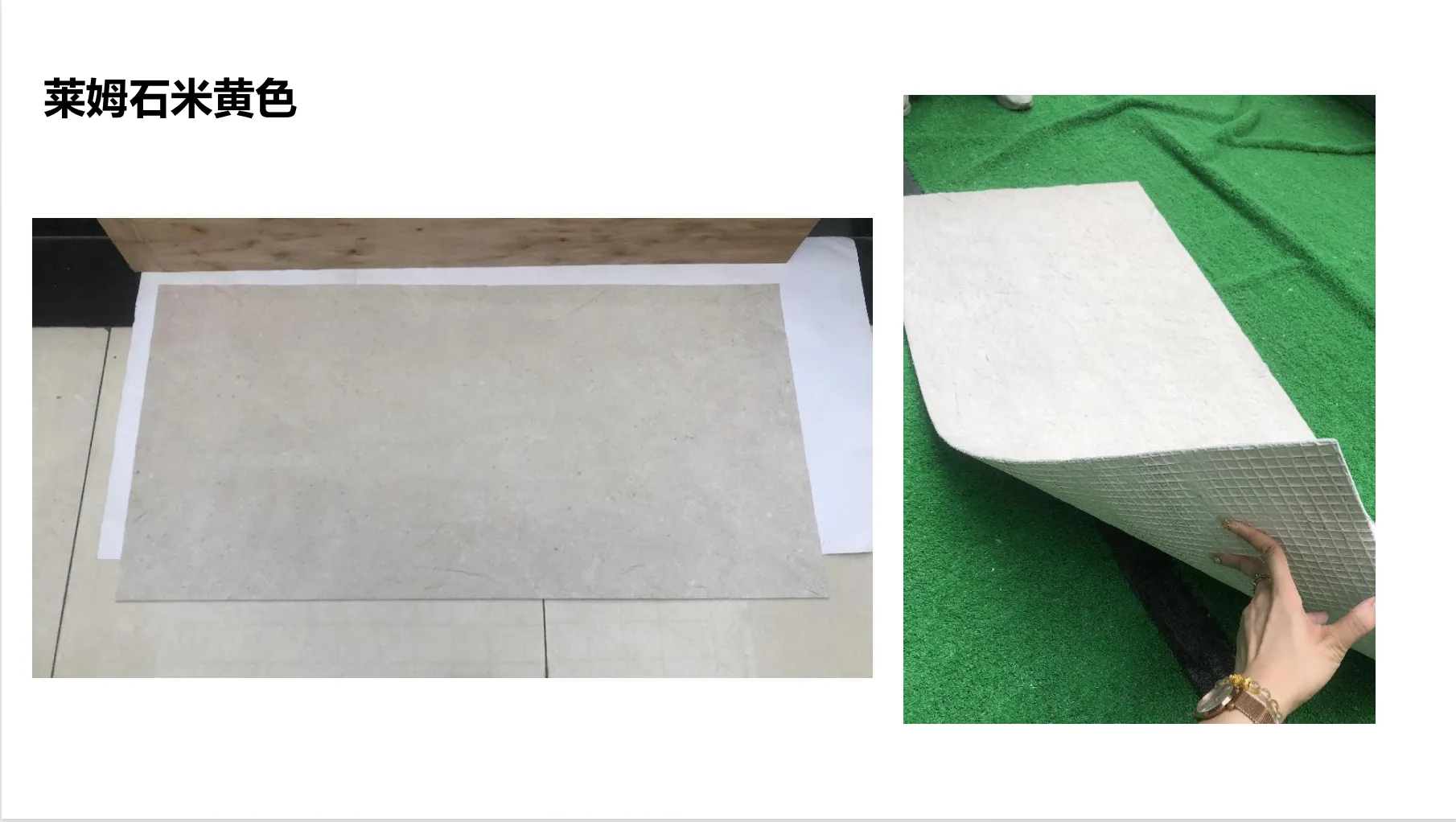
Pro Tip: Take a few minutes to handle the lime stone slab before shooting. Run your hand over it, note where the light catches the texture, and identify the "hero" features you want to highlight. This tactile connection will help you compose shots that feel more authentic.
| Equipment Type | Budget Option ($100-$300) | Professional Option ($500+) | Best For |
|---|---|---|---|
| Camera | Smartphone (iPhone 13+/Android equivalent) with manual mode app | Sony A7 IV / Canon EOS R5 | Budget: Small catalogs, social media teasers; Pro: Large catalogs, high-res print |
| Lens | 50mm f/1.8 "nifty fifty" (affordable, sharp) | 100mm macro f/2.8 (for extreme detail) | Budget: General shots; Pro: Close-ups of texture (lime stone pits, mcm flexible stone patterns) |
| Lighting | Two desk lamps + white bed sheets (diffusers) | Godox softboxes with LED panels (adjustable color temp) | Budget: Small samples; Pro: Full slabs, consistent color across catalog |
| Backdrop | Foam boards from craft store ($5 each) | Seamless paper rolls (white/gray, $30+) | Budget: Smaller samples; Pro: Full slabs, no creases/edges in frame |
Pro Tip: Try the "shadow test" to check lighting. Hold your hand above the lime stone slab—if the shadow is soft and fuzzy, the light is good. If it's sharp and dark, you need more diffusion.
Pro Tip: Save your original, unedited photos before making changes. That way, if you over-edit, you can start fresh without re-shooting.
Recommend Products












