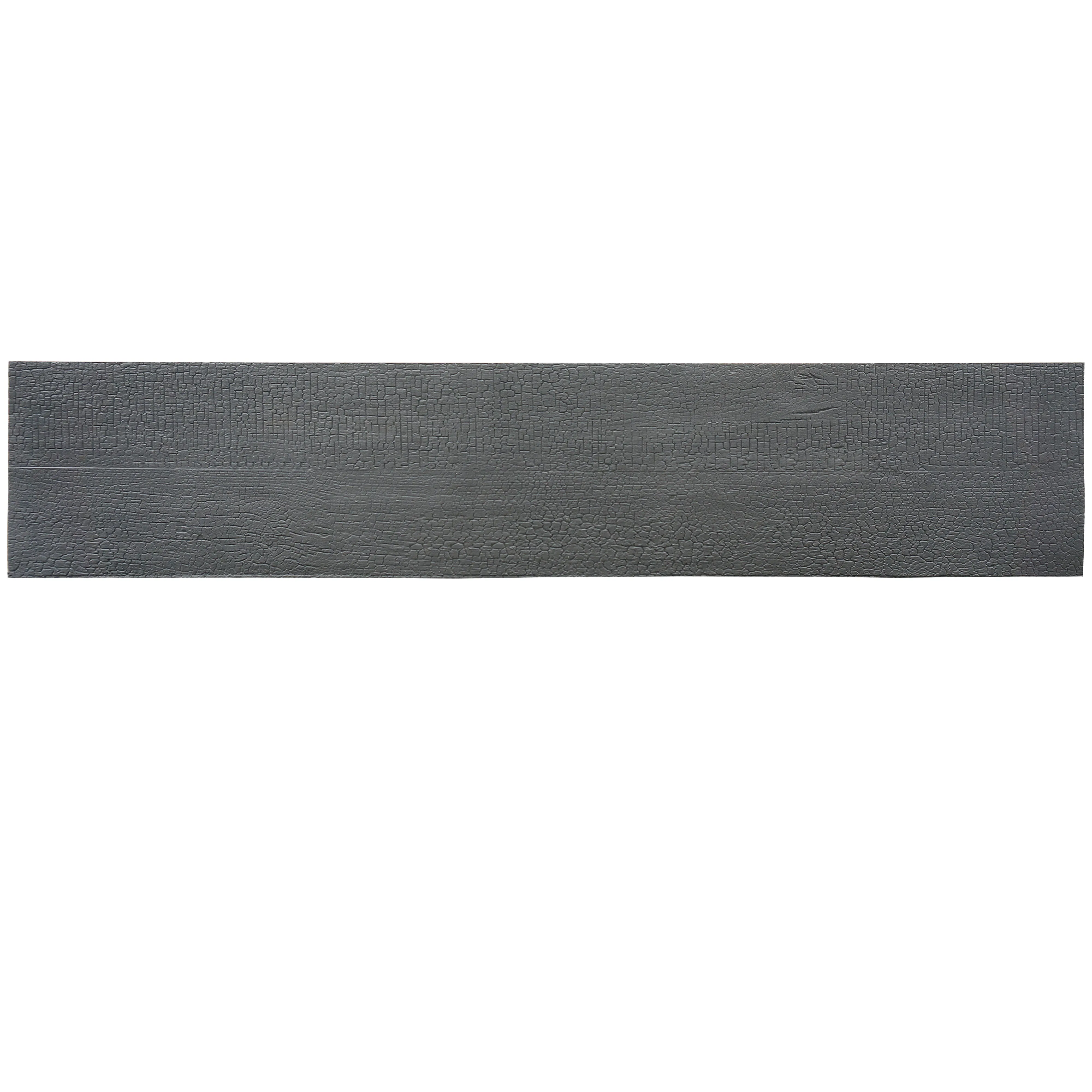
Choosing the right supplier for
charcoal burnt wood board isn't just about ticking a box on a procurement list—it's about ensuring your project sings with the warmth of authentic wood character, stands the test of time, and stays true to your design vision. Whether you're revamping a restaurant's accent wall, cladding a boutique hotel's facade, or adding texture to a residential space, the quality of this material hinges on one critical decision: who you trust to supply it. In this guide, we'll walk through the nuances of selecting a supplier that doesn't just deliver a product, but becomes a partner in bringing your vision to life. We'll cover everything from assessing your project's unique needs to conducting hands-on quality checks, and even how to spot red flags before they derail your timeline or budget. Along the way, we'll touch on complementary materials like
wood grain board and
fair-faced concrete, showing how a great supplier often brings expertise across a range of textures and finishes to elevate your project.
1. Start with Clarity: Defining Your Project's Needs
Before you even start scrolling through supplier directories, take a step back and map out exactly what you need from your
charcoal burnt wood board. This might sound obvious, but too many projects stall because the initial brief was vague—think "I need wood panels" versus "I need 500 sq. ft. of 12mm-thick
charcoal burnt wood board with a matte finish, suitable for interior wall cladding in a high-humidity bathroom." The more specific you are, the easier it is to find a supplier who can meet (and exceed) your expectations.
Start by asking: What's the application? Interior walls, exterior facades, or furniture? Exterior use demands higher resistance to moisture and UV rays, so your supplier should specialize in weather-treated variants. Then, consider size and thickness—standard panels might work for some projects, but custom dimensions could be necessary for unique designs. Don't forget aesthetics: Do you want a deep, almost blackened char (think traditional shou sugi ban) or a lighter, more textured burn that reveals hints of the wood's natural grain? This is where
wood grain board enters the conversation—some suppliers offer hybrid options that blend charcoal burnt effects with visible wood grain, adding depth to your design.
Pro Tip:
If
charcoal burnt wood board is just one element of your design, consider suppliers who also carry complementary materials. For example, pairing charcoal burnt wood with
fair-faced concrete creates a striking contrast of warm and industrial—look for suppliers who can source both, ensuring color consistency and coordinated delivery.
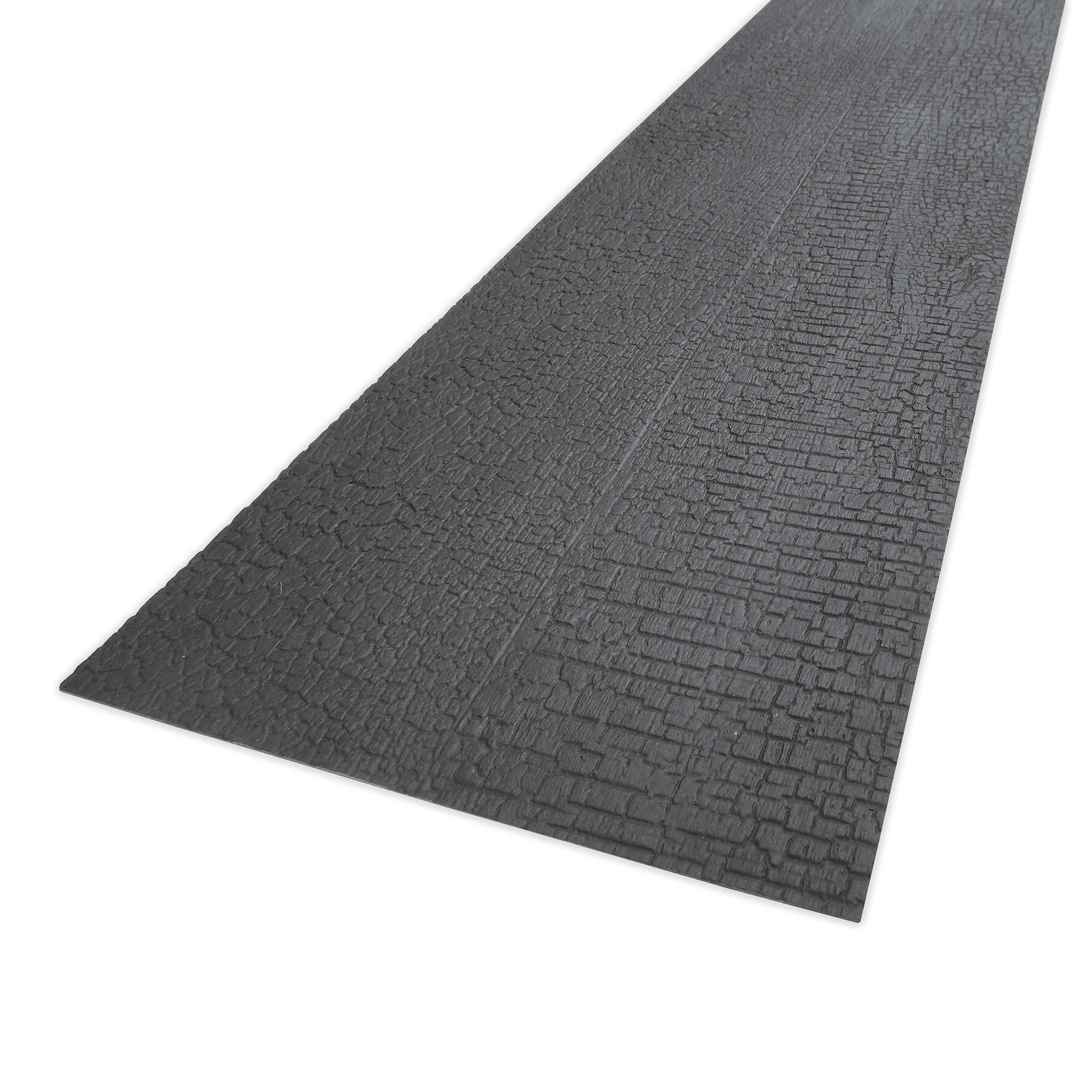
2. Vetting Supplier Expertise: Beyond the Sales Pitch
A supplier's website might boast "premium quality" and "industry-leading expertise," but talk is cheap. To separate the pros from the pretenders, dig into their track record. Start by asking for case studies or references from projects similar to yours. Did they supply
charcoal burnt wood board for a hospitality project with tight deadlines? How did they handle unexpected delays, like a shipment of raw materials being held up? A supplier with nothing to hide will happily share client testimonials or even arrange site visits to completed projects.
Another telltale sign of expertise is versatility. The best suppliers don't just sell one material—they understand how
charcoal burnt wood board interacts with other textures, like the earthy tones of
travertine (beige) or the raw simplicity of
fair-faced concrete. Ask if they've worked on projects that combined multiple materials; this shows they can advise on how to integrate your wood panels with adjacent surfaces for a cohesive look. For example, a supplier who's paired charcoal burnt wood with
travertine (beige) in a restaurant lobby might suggest specific grout colors or installation techniques to prevent color bleeding or uneven wear.
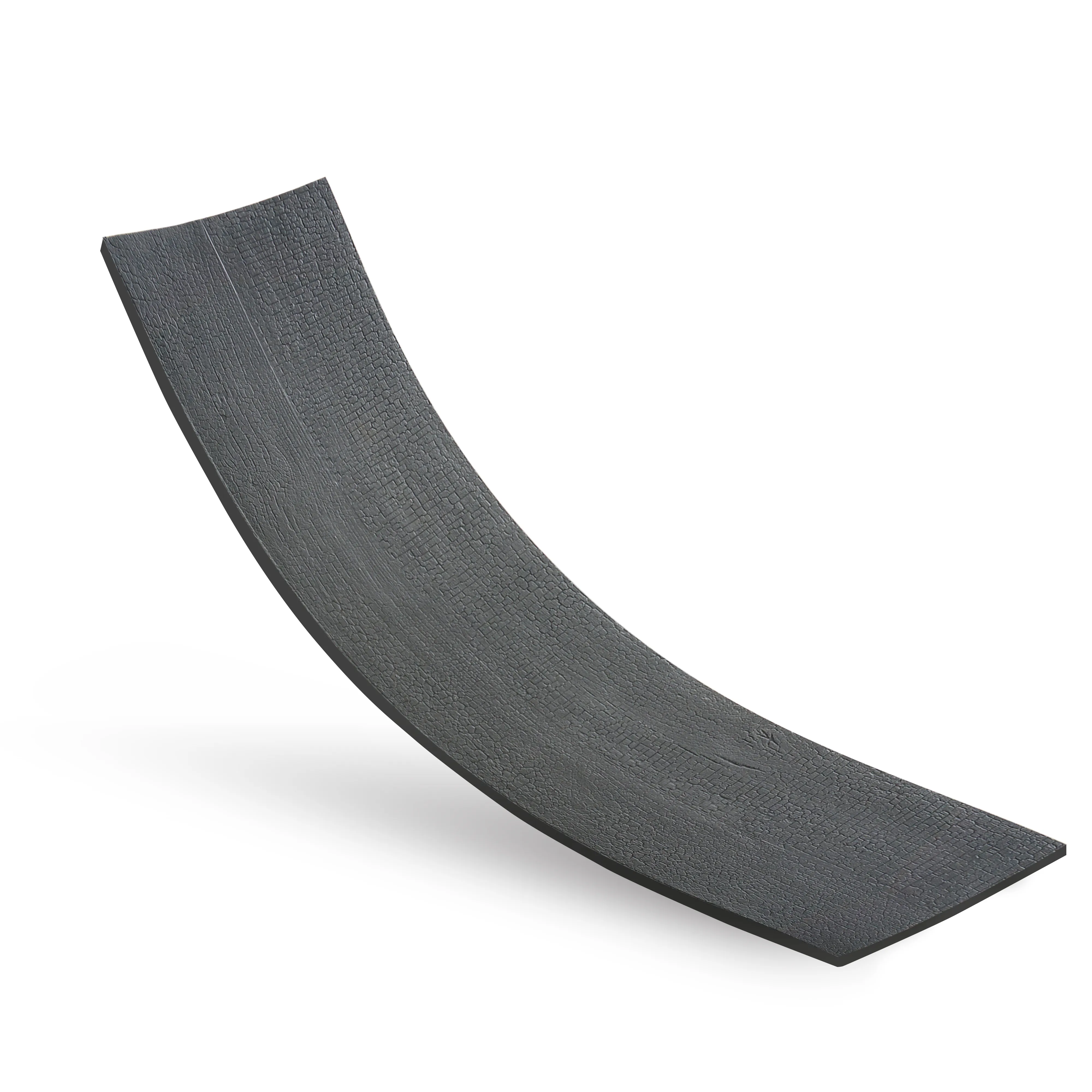
Even the most reputable supplier can have off batches—so never skip hands-on quality checks. Here's what to look for when evaluating
charcoal burnt wood board samples:
Moisture Content: The Silent Saboteur
Wood is hygroscopic, meaning it absorbs and releases moisture with changes in humidity. If your
charcoal burnt wood board has too high moisture content (above 12-15% for interior use), it will warp, crack, or even mold once installed. Ask your supplier for a moisture test report, and if possible, test samples yourself using a pin-type moisture meter. Compare results across multiple samples—consistency is key. A supplier who can't provide this data is a red flag.
Burnt Layer Adhesion: No Peeling Allowed
The beauty of charcoal burnt wood lies in its charred surface—but that layer needs to stay put. Gently scrape the surface with a fingernail or a coin (yes, really). If the char flakes off easily, the supplier likely rushed the burning process, using high heat without proper cooling or sealing. High-quality boards should have a charred layer that's fused to the wood, not just sitting on top. For exterior projects, ask about additional sealants—some suppliers use natural oils or water-based sealers to lock in the char and repel moisture.
Dimensional Stability: Will It Stay Straight?
Imagine installing a wall of
charcoal burnt wood board, only to notice gaps between panels six months later because the boards shrank. To avoid this, check for dimensional stability by placing samples in different environments: a humid bathroom, a dry air-conditioned room, and even outdoors (if applicable) for a week. Measure them before and after—any change greater than 2% in length or width is a warning sign. Compare this to materials like
travertine (beige), which is dimensionally stable but porous; while
travertine requires sealing to prevent staining, charcoal burnt wood's stability relies on proper drying and treatment.
|
Material
|
Key Quality Check
|
What to Look For
|
Common Pitfalls to Avoid
|
|
Charcoal Burnt Wood Board
|
Burnt Layer Adhesion
|
No flaking when scraped; charred layer is uniform across the board
|
Thin char layer that wears off with minimal friction
|
|
Travertine (Beige)
|
Porosity
|
Minimal visible pores; surface feels smooth and consistent
|
Overly porous stone that absorbs liquids, leading to stains
|
|
Rammed Earth Board (Matcha Green)
|
Compressive Strength
|
No cracks when pressed firmly with a thumb; edges are sharp, not crumbly
|
Weak density that chips easily during installation
|
|
Wood Grain Board
|
Print Quality
|
Wood grain pattern aligns at seams; no pixelation or repeating motifs
|
Blurry or mismatched grain that looks artificial
|
Color and Texture Consistency: No Surprises
Charcoal burnt wood board isn't meant to be perfectly uniform—that's part of its charm. But there's a difference between natural variation and sloppy craftsmanship. Request at least 5-10 samples from the same batch and lay them out side by side. Look for extreme color shifts (one board jet black, the next dark gray) or uneven charring (patchy spots where the wood wasn't burned evenly). These inconsistencies will stick out like a sore thumb in large installations. A good supplier will sort boards by shade before shipping, labeling them so you can install them in a way that blends variations naturally.
4. Sustainability: More Than a Buzzword
In today's design world, sustainability isn't optional—it's expected. When evaluating suppliers, ask about their sourcing practices for the raw wood used in
charcoal burnt wood board. Is it FSC-certified, ensuring it comes from responsibly managed forests? Do they use reclaimed wood for some products? A supplier who prioritizes sustainability will be transparent about their supply chain, even sharing photos of the forests or mills where their wood is sourced.
Don't stop at the wood itself—ask about the burning process. Traditional shou sugi ban uses controlled fire, but some suppliers cut corners with chemical treatments that mimic the charred look. These chemicals can off-gas harmful VOCs, especially in enclosed spaces. Opt for suppliers who use traditional, heat-based burning methods, and who can provide safety data sheets (SDS) for any sealants or finishes used. For bonus points, inquire about their waste reduction practices—do they repurpose wood scraps into smaller panels or donate them to local artisans? This attention to detail signals a supplier who cares about more than just profits.
Pro Tip:
Sustainability often extends beyond wood. If your project aims for an eco-friendly vibe, ask if the supplier carries other green materials like rammed earth board (matcha green), which is made from natural clay and sand, or
wood grain board that uses recycled wood fibers. Pairing charcoal burnt wood with these materials can your project's eco credentials while adding visual interest.
5. Customization: Can They Bring Your Unique Vision to Life?
Standard
charcoal burnt wood board is great for some projects, but what if you need something truly one-of-a-kind? Maybe you want a gradient char effect, where the panels transition from light to dark across a wall, or custom edge profiles that complement the curves of your space. A top-tier supplier won't just say "no" to custom requests—they'll collaborate with you to find solutions.
Ask about their production capabilities: Do they have in-house CNC machines for precision cutting? Can they adjust the burning intensity to achieve a specific shade? For example, if you're designing a space that pairs charcoal burnt wood with
travertine (starry blue)—a bold, cosmic-inspired stone—your supplier should be able to tweak the wood's char depth to balance the vibrant blue without clashing. Similarly, if you need panels with integrated grooves for hidden fasteners, a supplier with experience in
wood grain board or other engineered wood products will have the tools to make it happen.
6. Testing Samples: Trust, But Verify
Never, ever commit to a large order without testing samples first. A reputable supplier will send you 2-3 samples free of charge (or for a small fee, which is refundable upon ordering). Once you have them, treat them like a puzzle—inspect every inch. Hold them up to natural light to check for color consistency. Run your hand across the surface to feel for rough spots or uneven charring. Tap the edges to listen for hollow sounds, which could indicate poor density.
For extra peace of mind, simulate real-world conditions. If the panels are for a kitchen backsplash, splash a little water on them and let it sit overnight—does the charred layer discolor or lift? For exterior use, leave a sample outside for a week (rain or shine) and see how it holds up. Compare the results to the supplier's claims—if they said the board is "waterproof," but it warps after 24 hours of moisture, cross them off your list.
7. Logistics: Beyond the Sale
A supplier might have the best
charcoal burnt wood board in the world, but if they can't deliver it on time, your project will suffer. When evaluating suppliers, ask detailed logistics questions: What's their typical lead time for a project of your size? Do they have backup suppliers for raw materials in case of delays? How do they package the panels to prevent damage during shipping? (Hint: Look for suppliers who use reinforced pallets and moisture barriers, not just bubble wrap.)
Also, consider after-sales support. What happens if a panel arrives damaged? Will they replace it quickly, or make you jump through hoops? A great supplier will have a clear return policy and a dedicated customer service team that responds to inquiries within 24 hours. For larger projects, ask if they offer on-site support during installation—maybe a technician who can advise on best practices for cutting or sealing the boards. This level of service is especially valuable if you're working with other materials like
fair-faced concrete, which has its own installation quirks; a supplier who understands the big picture can help coordinate deliveries and troubleshooting across your entire material palette.
8. Red Flags: When to Walk Away
Even with thorough vetting, some suppliers will try to cut corners. Here are the red flags to watch for:
-
Unrealistically low prices:
Charcoal burnt wood board is labor-intensive to produce—if a quote is 30% lower than competitors, they're likely using subpar wood or skipping critical steps like proper drying.
-
Vague quality guarantees:
Phrases like "high quality" or "durable" mean nothing without specifics. Look for guarantees like "20-year warranty against warping for interior use" or "5-year UV resistance for exterior panels."
-
Reluctance to share references:
If a supplier says, "We can't share client details due to privacy," push back. Most clients are happy to vouch for a good supplier—if they can't name one, it's a sign they have few satisfied customers.
-
Inconsistent communication:
If emails take a week to answer or calls go to voicemail, imagine how they'll respond when a shipment is delayed. Responsiveness is non-negotiable.
Final Thoughts: Your Supplier, Your Partner
Choosing a supplier for
charcoal burnt wood board is about more than transactions—it's about building a relationship with someone who understands your vision and has the expertise to make it a reality. By starting with clarity on your needs, vetting suppliers for expertise and sustainability, conducting rigorous quality checks, and prioritizing communication, you'll find a partner who doesn't just deliver panels, but elevates your project with the warmth and character only well-crafted wood can bring. And who knows? Along the way, you might discover new materials—like the soft texture of rammed earth board (matcha green) or the industrial chic of
fair-faced concrete—that pair beautifully with your charcoal burnt wood, turning a good design into something unforgettable.