
Navigating the world of building materials can feel like walking through a maze—especially when two heavyweights like classic granite and modern MCM (Modified Composite Material) are on the table. Let's break down the pros, cons, and real-world realities to help you make a choice that aligns with your vision, budget, and long-term goals.
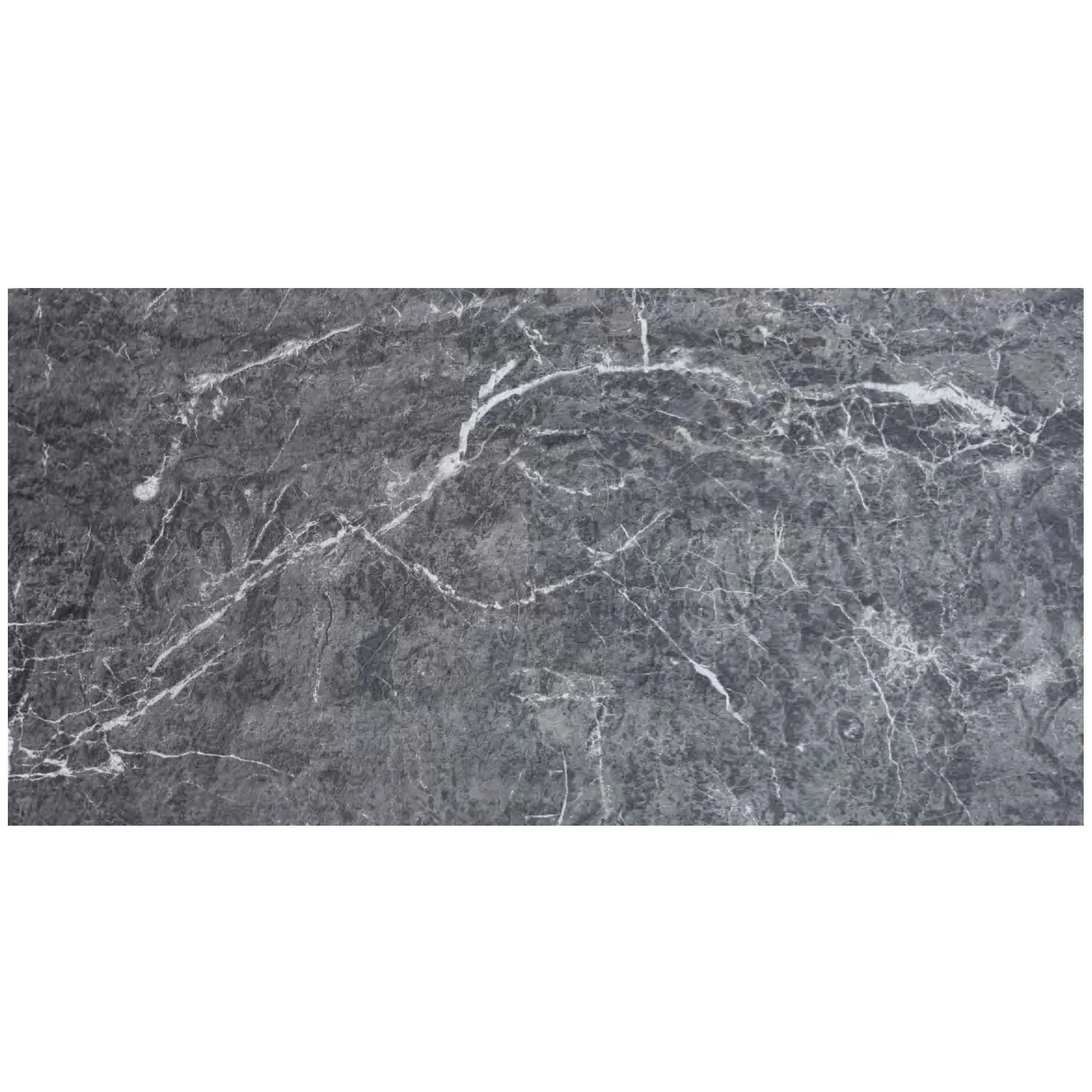
Before diving into the nitty-gritty, let's get clear on what each material is. Granite Nero Margiua isn't just any granite—it's a specific type known for its striking deep black base peppered with tiny silver and white speckles, like a starry night sky frozen in stone. Quarried primarily in regions like Brazil and India, it's been a go-to for architects and homeowners craving a timeless, luxurious look for decades. Think grand kitchen countertops, hotel lobbies, or exterior facades that demand attention.
On the other side of the ring is MCM, short for Modified Composite Material. If granite is the seasoned veteran, MCM is the innovative newcomer—lightweight, flexible, and designed for the modern world. MCM products, like the popular MCM flexible stone and MCM big slab board series , are made by bonding layers of natural stone aggregates (think crushed marble or quartz) with high-performance polymers. The result? A material that's thin (often less than 5mm thick), bendable, and surprisingly tough—perfect for cladding walls, ceilings, or even furniture without the weight of traditional stone.
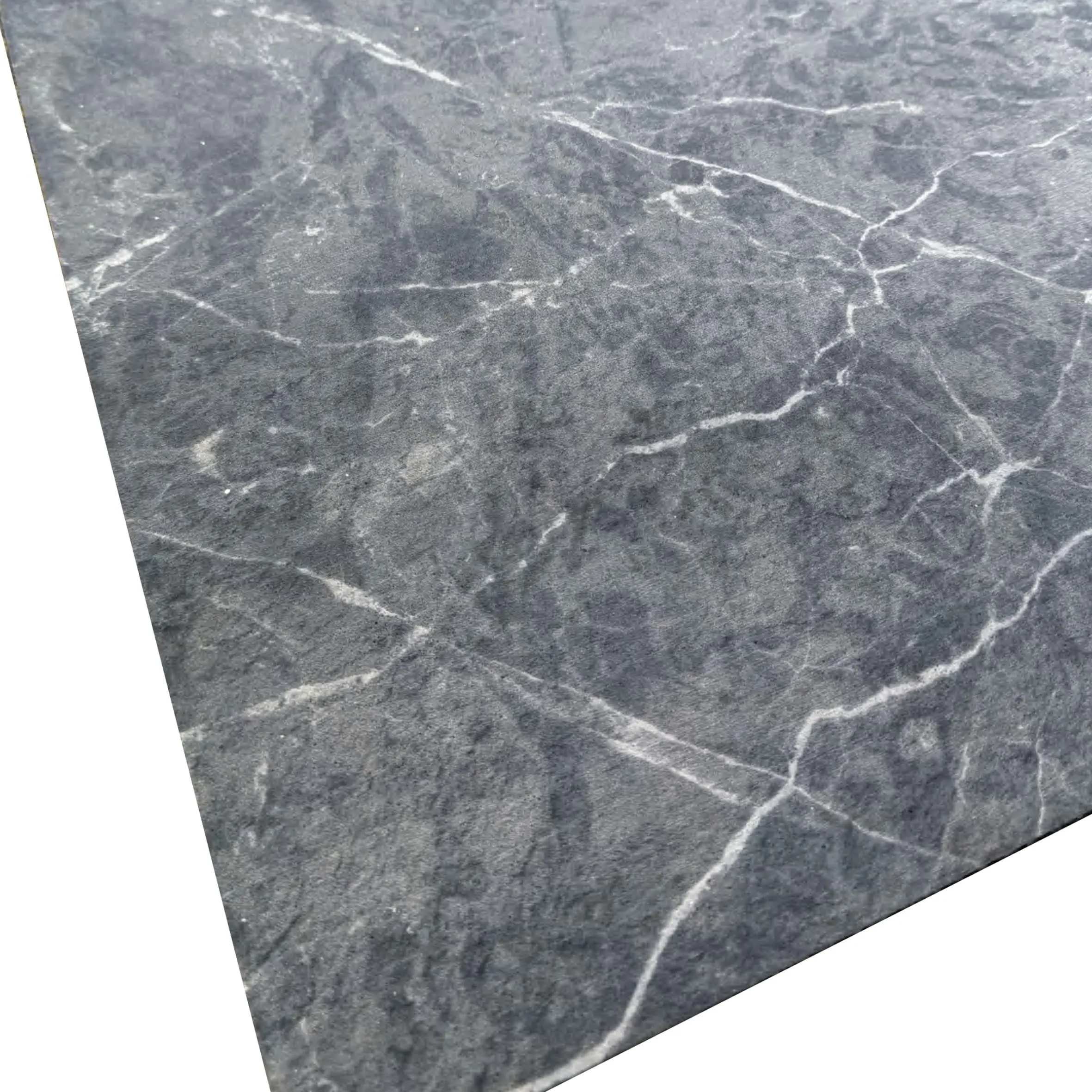
Sometimes, seeing is believing. Here's a snapshot of how Granite Nero Margiua and MCM flexible stone stack up in key areas:
| Feature | Granite Nero Margiua | MCM Flexible Stone |
|---|---|---|
| Weight | Heavy (20-25 kg/sq.m) | Lightweight (3-5 kg/sq.m) |
| Installation Time | 2-3 days (requires 2+ installers) | 1 day (1-2 installers) |
| Maintenance | Sealing every 1-2 years; prone to staining | Wipe clean with water; no sealing needed |
| Design Options | Limited (natural variation; mostly black/speckled) | Vast (custom colors, textures, even mimics other stones like travertine (starry blue) ) |
| Cost (per sq.m) | $150-$300 (material + installation) | $80-$150 (material + installation) |
| Lifespan | 50+ years (with proper care) | 25-30 years (exterior); 30+ years (interior) |
*Costs vary by region, supplier, and project complexity.
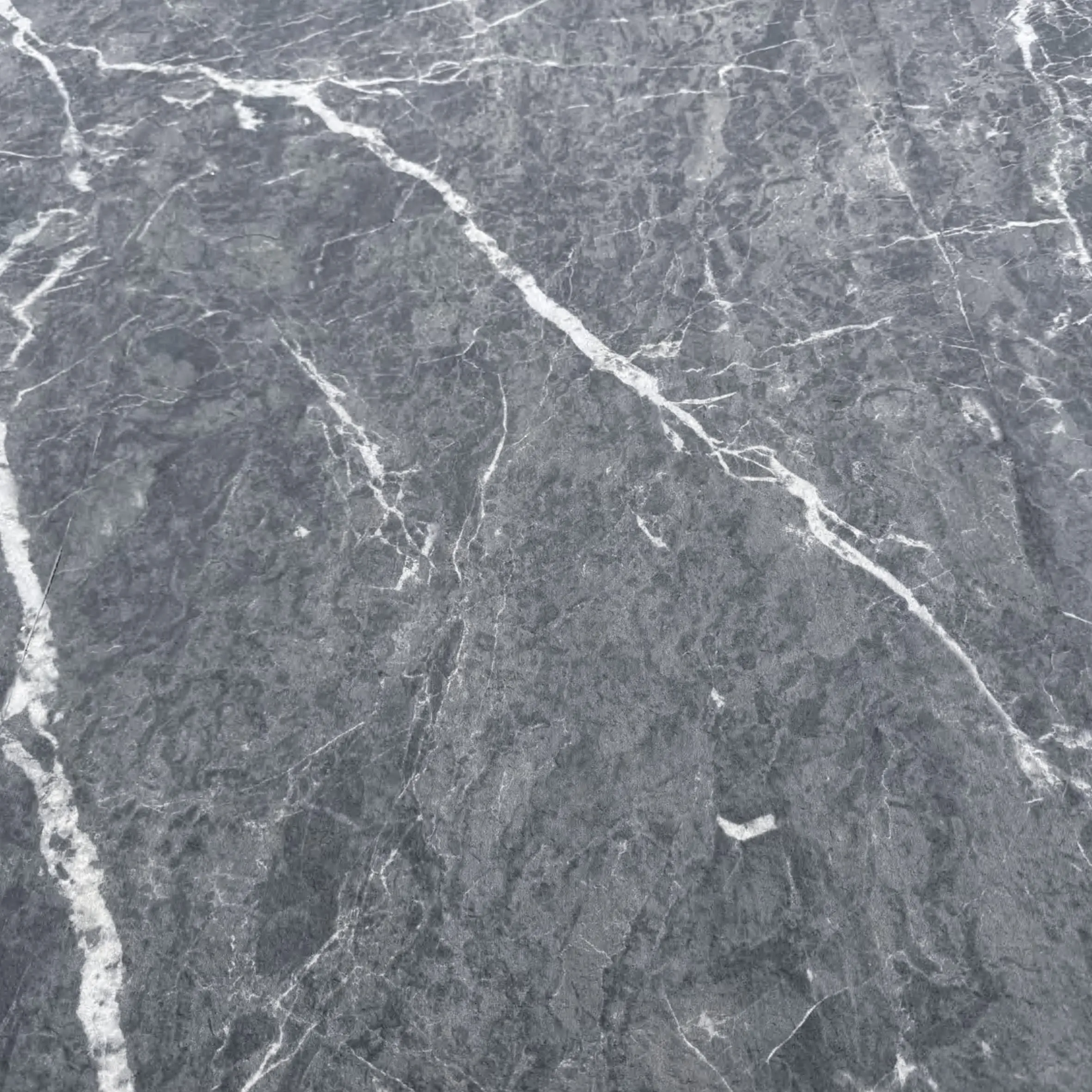
Let's talk about the elephant in the room: durability. If you're investing in a building material, you want it to stand the test of time—whether that's kids spilling juice on a kitchen backsplash or a coastal home facing salt spray and high winds.
Granite Nero Margiua is legendary for its toughness. It's a igneous rock formed from cooled magma, making it incredibly dense and scratch-resistant. drop a heavy pot on a Granite Nero Margiua countertop? Chances are, the pot will chip before the stone does. Exterior walls clad in this granite can withstand decades of rain, snow, and UV rays without fading or eroding. But here's the catch: its strength comes with brittleness. If the stone isn't properly supported during installation, it can crack under stress—say, from a seismic tremor or a poorly mounted shelf.
MCM flexible stone, on the other hand, trades brute strength for resilience. It's not as scratch-proof as granite (a sharp knife could leave a mark), but its flexibility is a superpower. Imagine a material that can bend around corners or curve over an archway without cracking—that's MCM. This makes it ideal for exterior cladding in areas prone to earthquakes or thermal expansion, where rigid materials like granite might fail. Plus, MCM's polymer binding agents are designed to resist moisture, mold, and mildew—great news for bathrooms or humid climates.
I spoke with Maria, a contractor in Miami who specializes in coastal homes, about this. "We used to swear by granite for beachfront properties," she told me. "But after a few clients had issues with cracking from saltwater corrosion and shifting foundations, we switched to MCM big slab board series. It's lighter, so the walls don't bear as much weight, and it flexes with the house during storms. We haven't had a single call-back for damage in three years."
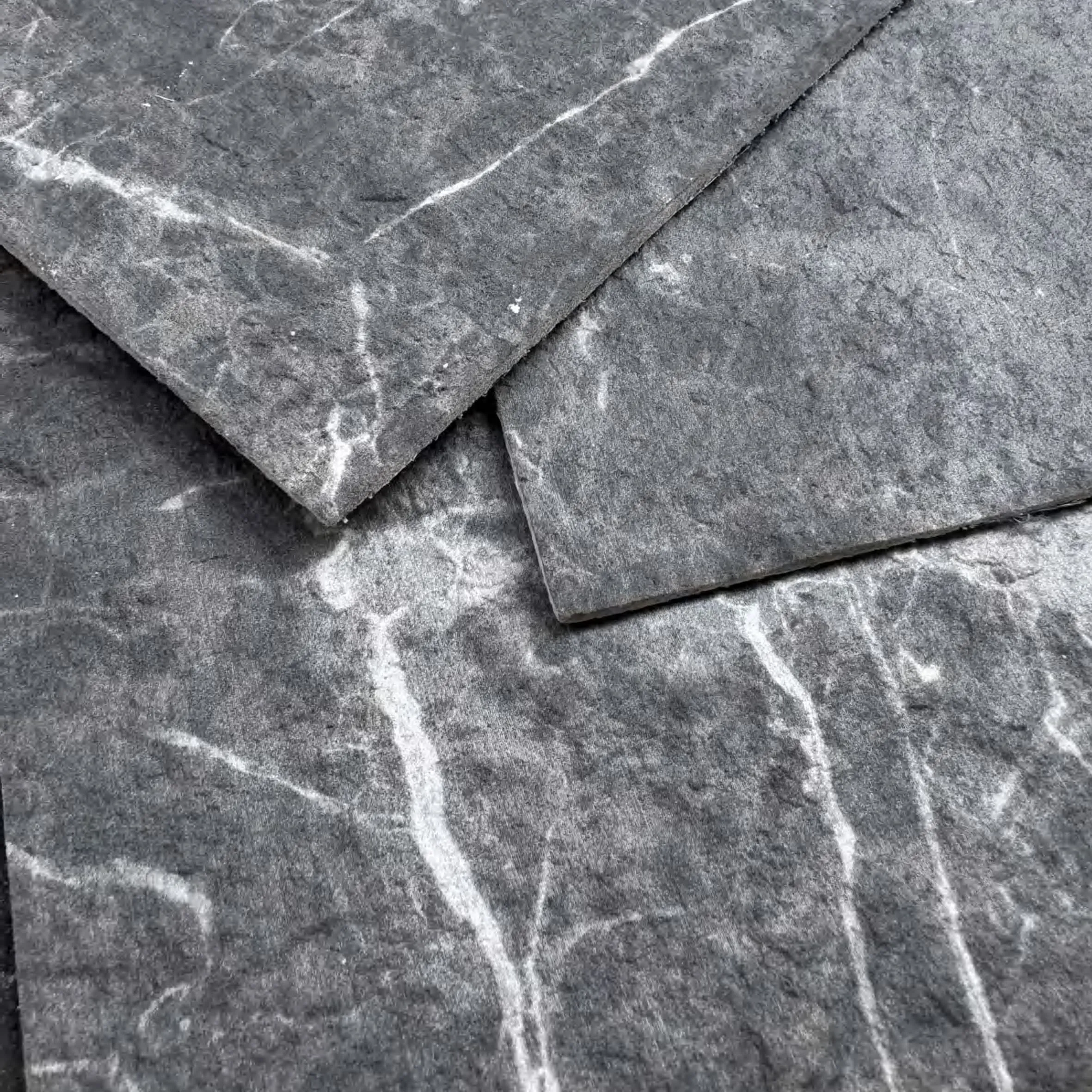
Let's be honest—looks matter. The material you choose shapes the entire vibe of a space, whether you're going for a rustic cabin feel or a sleek, futuristic office.
Granite Nero Margiua is all about timeless elegance. Its deep black background with silver flecks exudes luxury and sophistication. It's the kind of material that makes a statement without screaming for attention—perfect for traditional homes, high-end restaurants, or corporate lobbies where "permanence" is part of the brand. But because it's a natural stone, each slab is unique. That can be a plus (your kitchen will truly one-of-a-kind), but if you're aiming for a uniform look across a large surface—say, a hotel facade—matching slabs can be tricky and expensive.
MCM, by contrast, is a designer's dream. The MCM flexible stone line comes in dozens of colors and textures, from muted neutrals that blend with fair-faced concrete to bold, eye-catching options like travertine (starry blue) —a recent trend that mimics the look of travertine stone embedded with tiny, glittering blue particles, like a night sky reflected in water. The MCM big slab board series takes this further, offering slabs up to 3 meters long with minimal seams, creating a seamless, modern look that's hard to achieve with natural stone.
Take the example of a trendy café in downtown Portland I visited last month. The owner wanted a "biophilic" design—bringing nature indoors—without the cost of real stone. They opted for MCM panels printed to look like reclaimed wood, paired with travertine (starry blue) accents on the bar front. The result? A space that feels warm and organic, but with the durability to handle daily coffee spills and bustling foot traffic. "We get compliments on the 'stone' bar all the time," the owner laughed. "No one believes it's not real travertine."
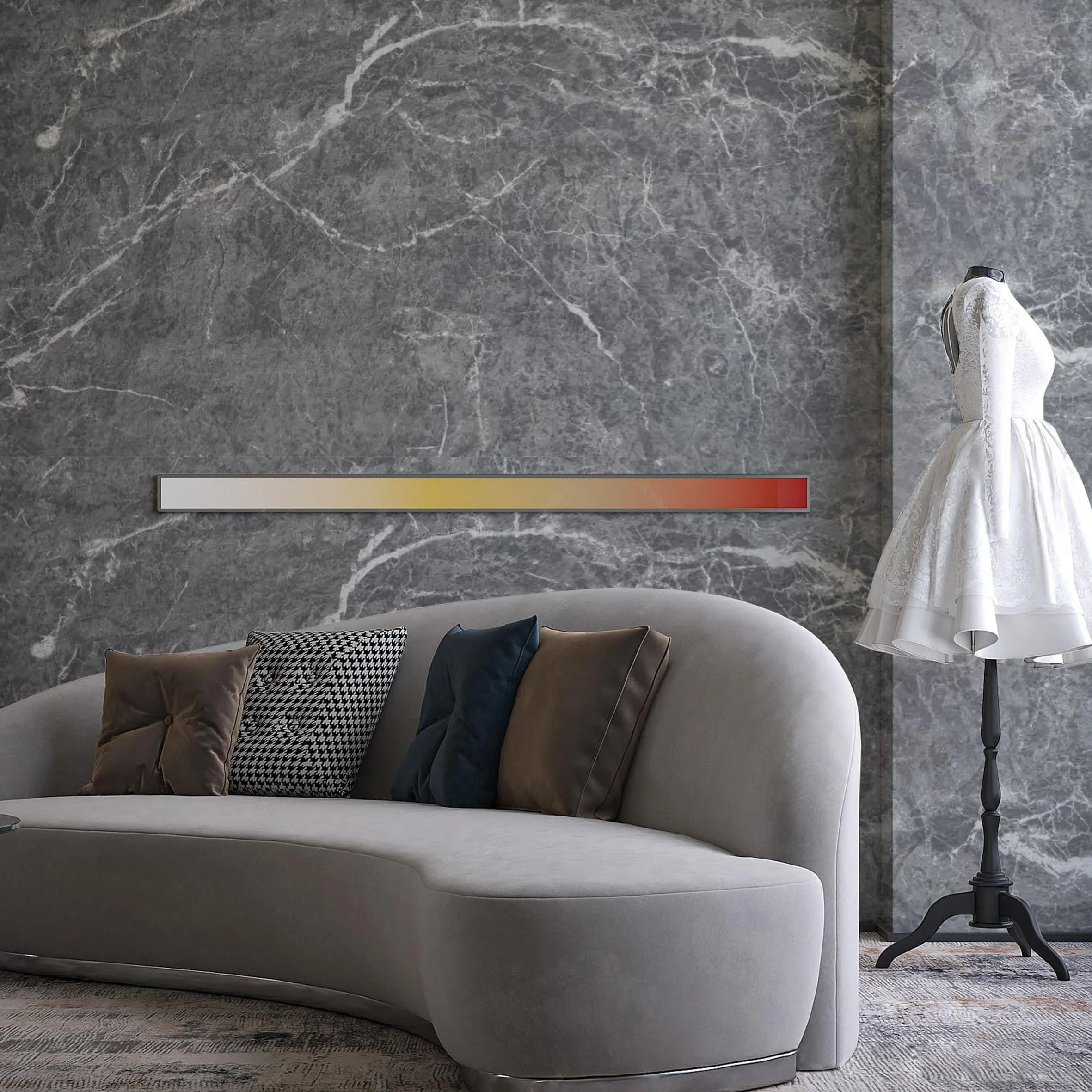
Here's where many people get blindsided: installation isn't just about slapping a material on the wall. It's about weight, labor, and even structural modifications.
Granite Nero Margiua is heavy—really heavy. A single 1m x 1m slab can weigh over 25 kg. That means installing it often requires a team of 2-3 people, specialized lifting equipment, and sometimes even reinforcing the structure it's being attached to. For example, if you want to use Granite Nero Margiua for an upper-floor bathroom wall, your contractor might need to check if the floor joists can support the extra weight. If not, you're looking at additional costs for structural upgrades—easily adding $1,000 or more to your project.
MCM, by comparison, is a breeze to install. Because it's lightweight (3-5 kg/sq.m), a single installer can carry and position large panels with ease. It also adheres directly to most surfaces—concrete, drywall, metal—using a special adhesive, eliminating the need for heavy-duty mounting brackets. This not only cuts down on labor time (installing MCM is often 50% faster than granite) but also reduces the risk of installation errors, like cracked slabs or uneven seams.
John, a residential builder in Austin, TX, summed it up: "We did a kitchen renovation last year where the homeowner insisted on Granite Nero Margiua countertops. The slabs were so heavy, we had to rent a crane to get them up to the second floor. Then, one slab cracked during installation—costing us an extra $500 and a week of delays. Last month, we used MCM flexible stone for a similar kitchen. Two guys, a ladder, and done in a day. No crane, no cracks, no stress."
Let's talk numbers. At first glance, MCM seems like the budget-friendly option—$80-$150 per sq.m vs. granite's $150-$300. But is it really that simple? Not quite. To make a smart decision, you need to look at both upfront costs and long-term value.
Granite Nero Margiua has a higher initial price tag, thanks to extraction, transportation, and installation costs. But it's also a material that holds its value. A home with granite countertops or a commercial building with a granite facade often commands a higher resale price, as buyers perceive it as a premium, low-maintenance feature. Plus, with proper care—sealing every 1-2 years and avoiding harsh chemicals—granite can last 50+ years. That means over the lifetime of a building, the "cost per year" might actually be lower than MCM.
MCM, on the other hand, is cheaper to buy and install, making it ideal for projects with tight budgets or short timelines—like a pop-up shop or a rental property renovation. It also requires less maintenance: no sealing, no special cleaners, just the occasional wipe-down. However, its lifespan is shorter—around 25-30 years for exterior use, 30+ for interior. If you're planning to own the building for decades, you might need to replace MCM cladding once or twice, adding to the long-term cost.
Sustainability also plays into cost these days. Many clients are willing to pay a premium for eco-friendly materials, and here MCM has an edge. Most MCM products are made with recycled stone aggregates and low-VOC polymers, reducing their carbon footprint. Granite mining, by contrast, is energy-intensive and can disrupt local ecosystems—something that might turn off environmentally conscious buyers or tenants, affecting your property's marketability.
At the end of the day, the "right" choice depends on your specific project. Let's walk through a few scenarios to help you visualize:
You're building a high-end home and want the kitchen to feel opulent and timeless. For countertops, Granite Nero Margiua is a no-brainer—it's heat-resistant, scratch-proof, and will age beautifully. For the outdoor patio walls, though, consider MCM big slab board series. It's lighter than granite, so it won't strain the patio's foundation, and you can choose a color that complements the granite without competing with it—maybe a warm beige that echoes the home's exterior siding.
You're designing a 10-story office building in a busy city. Weight is a major concern—traditional stone cladding could add tons to the building's load, requiring thicker, more expensive structural supports. MCM flexible stone is the way to go here. Its lightweight nature reduces construction costs, and the big slab boards will give the facade a sleek, modern look that appeals to tech companies and startups. Plus, with MCM's quick installation, you can finish the exterior faster and get tenants moved in sooner.
Saltwater, humidity, and heavy foot traffic—this restaurant needs materials that can handle it all. For the indoor bar top, Granite Nero Margiua is durable enough to withstand spills and scratches. For the outdoor bar front and walls, though, MCM is better. Its moisture resistance will prevent mold and mildew, and you can opt for a fun, coastal color like travertine (starry blue) to tie into the restaurant's ocean theme without worrying about fading from UV rays.
Choosing between Granite Nero Margiua and MCM isn't about picking a "winner"—it's about finding the material that aligns with your project's goals, budget, and environment. Granite offers unmatched durability and timeless luxury, making it perfect for high-traffic, high-visibility areas where "permanence" is key. MCM, with its flexibility, design versatility, and lower cost, is ideal for modern builds, tight budgets, or spaces where weight and installation speed matter most.
And remember—you don't have to choose one or the other. Many successful projects blend the two, using granite for focal points and MCM for larger, more functional areas. The key is to start with your priorities: Do you value tradition over innovation? Function over form? Short-term savings over long-term investment? Answering those questions will guide you to the right choice.
At the end of the day, both materials have their place in the world of construction. Granite Nero Margiua is the reliable workhorse that's stood the test of time, while MCM is the innovative upstart pushing the boundaries of what's possible. Whichever you choose, you're one step closer to building something that's not just functional, but truly reflects your vision.
Recommend Products












