
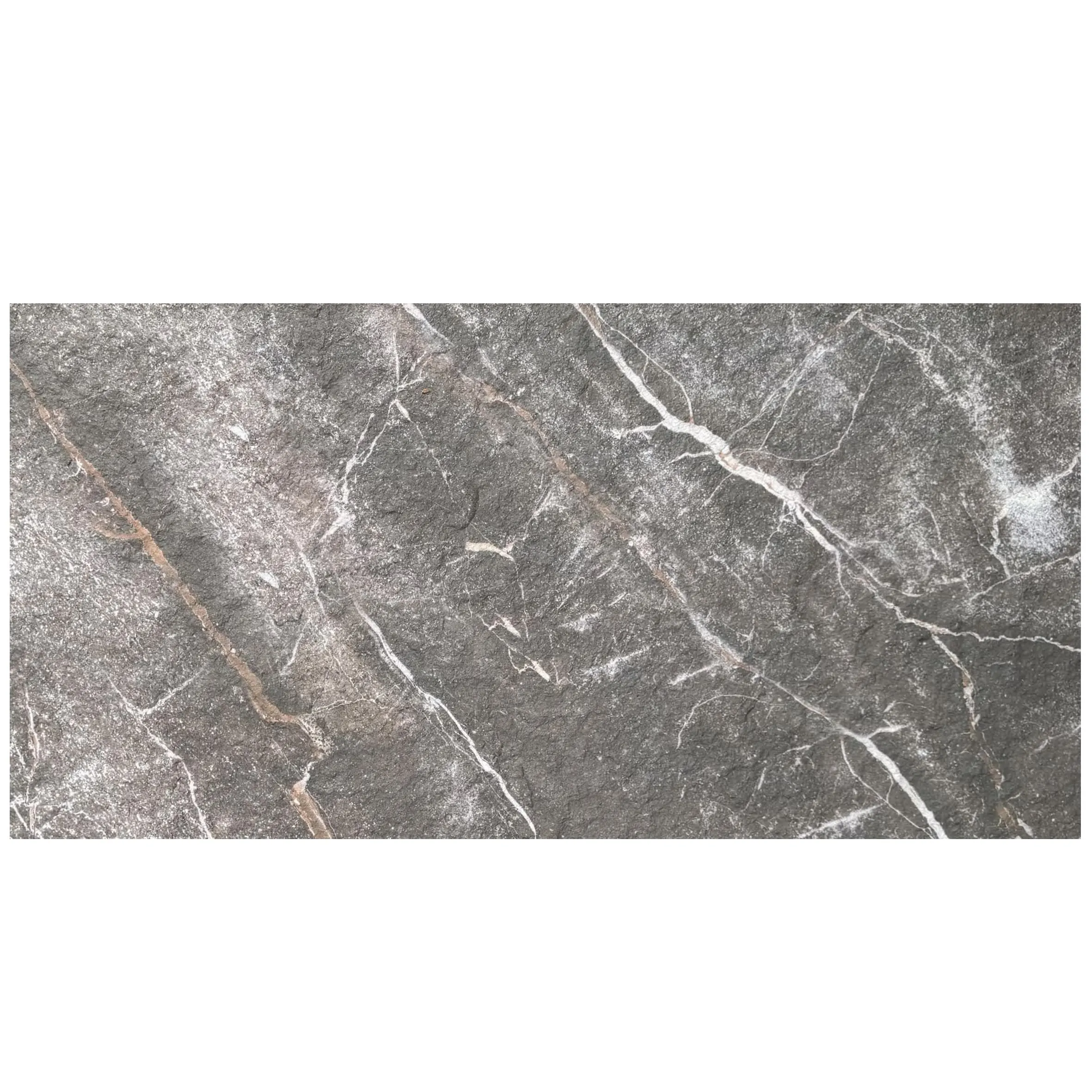
Choosing the right material for your project is like picking the perfect ingredient for a signature dish—it can elevate the entire outcome from ordinary to unforgettable. Whether you're designing a luxury home, a bustling commercial space, or a public landmark, the materials you select shape not just the look, but also the feel, durability, and even the story of the space. Today, we're diving into two heavyweights in the world of architectural materials: the timeless elegance of Granite Portoro and the innovative flexibility of MCM flexible stone. By the end of this guide, you'll have a clear roadmap to decide which one deserves a spot in your next project.
Let's start with a material that has graced some of the world's most iconic spaces: Granite Portoro. If you've ever stepped into a five-star hotel lobby, a high-end restaurant, or a luxury residential kitchen and been struck by a surface that exudes opulence—dark, moody, and punctuated by swirls of gold that catch the light—chances are you were looking at Granite Portoro. This natural stone isn't just a material; it's a statement of prestige, a nod to craftsmanship that has stood the test of time.
Granite Portoro is a type of igneous rock, formed deep within the Earth's crust over millions of years as magma cools and solidifies. What sets it apart from other granites is its distinctive appearance: a rich, almost black background (sometimes with subtle gray undertones) interlaced with bold, irregular veins of gold, brass, or even copper. These veins aren't just random—they're the result of mineral deposits that seeped into the stone during its formation, creating patterns that are entirely unique to each slab. No two pieces of Granite Portoro are identical, which is part of its allure; it brings a level of exclusivity that's hard to replicate with man-made materials.
The beauty of Granite Portoro lies in its contrast. The deep, dark base acts as a canvas, making the gold veins pop like strokes of a painter's brush. This interplay of light and dark adds depth to any space, whether it's used as a countertop, a flooring material, a wall cladding, or even a fireplace surround. In well-lit areas, the gold veins shimmer, adding warmth to the stone's otherwise cool demeanor; in dimmer settings, it takes on a more dramatic, almost mysterious quality. It's versatile in terms of design styles, too—equally at home in a classic, traditional interior as it is in a sleek, modern space. Pair it with white marble for a timeless luxury look, or with matte black fixtures for an edgier, contemporary vibe.
Natural granite is renowned for its toughness, and Granite Portoro is no exception. It has a Mohs hardness rating of 6-7, which means it's highly resistant to scratches, dents, and general wear and tear. Unlike softer stones like marble, it won't etch easily when exposed to acidic substances (think lemon juice, vinegar, or wine), making it a practical choice for high-traffic areas or surfaces that see daily use, like kitchen countertops. It's also heat-resistant, so you can place hot pots and pans directly on it without worrying about damage. With proper care—occasional sealing to prevent staining, gentle cleaning with pH-neutral soap—Granite Portoro can last for decades, even centuries. In fact, some historic buildings feature granite surfaces that are hundreds of years old and still look as striking as the day they were installed.
For all its benefits, Granite Portoro isn't without challenges. First and foremost, it's heavy—really heavy. A standard 3cm-thick slab can weigh upwards of 150-200 pounds, which means installation requires a team of professionals and, often, specialized equipment like cranes or forklifts. This isn't a DIY project; improper installation can lead to cracks, uneven surfaces, or even structural issues if the underlying support isn't strong enough. Additionally, because it's a natural stone, each slab is limited in size—typically around 9-10 feet in length and 5-6 feet in width. This means that for larger surfaces, you'll need to seam multiple slabs together, which can disrupt the continuity of the vein pattern and require skilled craftsmanship to make the seams nearly invisible.
Cost is another factor. Granite Portoro is considered a premium material, and its price tag reflects that. Depending on the quality, origin, and thickness, you can expect to pay anywhere from $150 to $300 per square foot, and that's before installation costs (which can add another $50-$100 per square foot). For large projects, this can quickly escalate into a significant investment. Finally, while it's durable, it's not indestructible. Extreme impacts—like dropping a heavy pot on a corner—can cause chips or cracks, and repairing natural stone is often more complex (and costly) than fixing man-made materials.
Granite Portoro shines brightest in projects where luxury and permanence are top priorities. Think high-end residential kitchens and bathrooms, boutique hotel lobbies, upscale retail stores, or corporate headquarters that want to convey strength and sophistication. It's also a favorite for custom furniture pieces—coffee tables, dining tables, or desk tops—where its unique pattern can be the focal point of a room. If your project has a generous budget, a focus on natural materials, and a desire to create a space that feels "forever," Granite Portoro is a compelling choice.
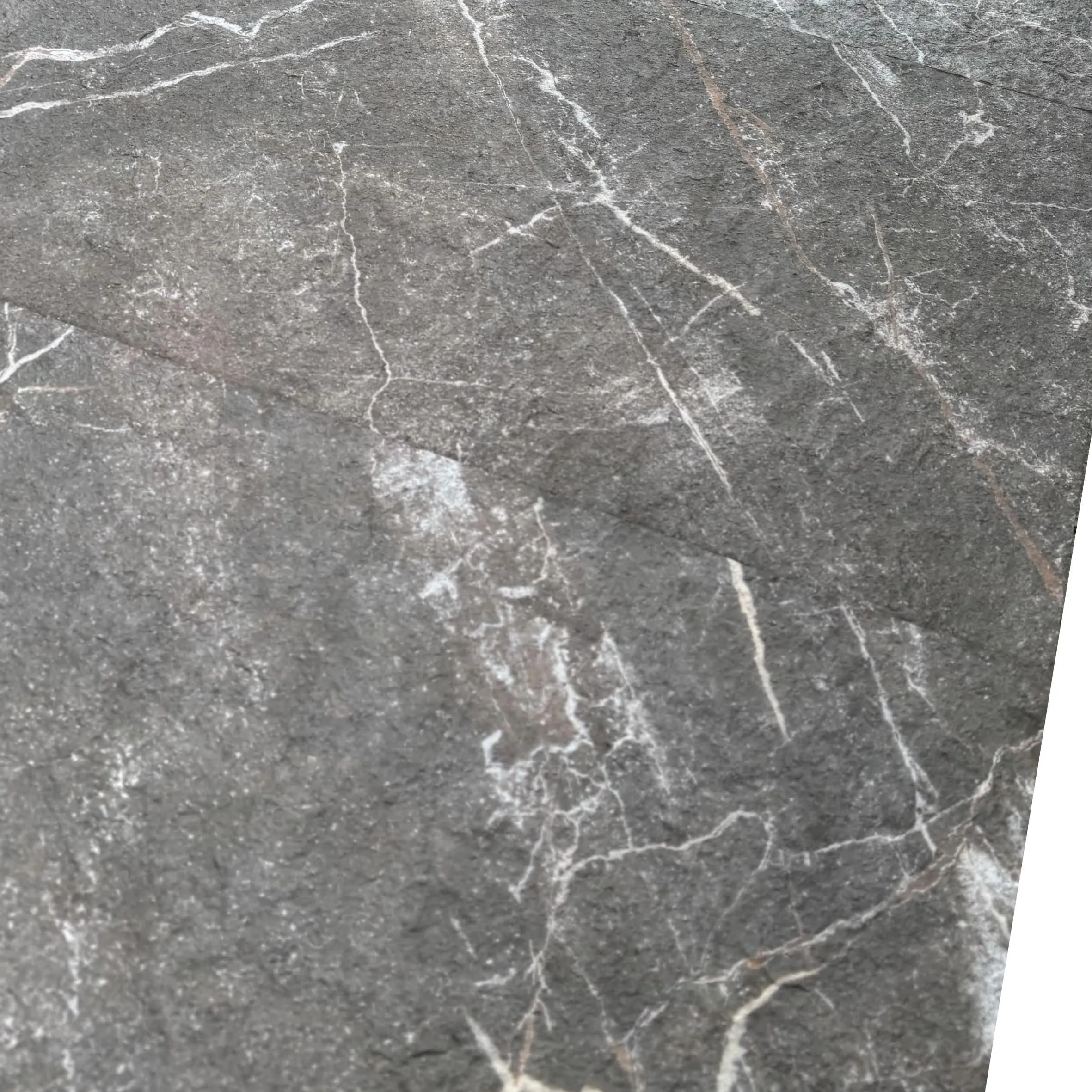
Now, let's shift gears to a material that's redefining what's possible in architecture and design: MCM flexible stone. If Granite Portoro is the grandparent of building materials—wise, established, and steeped in tradition—MCM is the innovative younger sibling, blending the best of natural beauty with cutting-edge technology. Short for "Modified Composite Material," MCM has been gaining traction in the industry for its game-changing combination of flexibility, lightweight design, and versatility. It's not just a stone alternative; it's a new way to think about how we clothe our buildings and spaces.
At its core, MCM flexible stone is a composite material made from a blend of natural stone particles (like marble, granite, or travertine dust) and high-performance polymers. This unique composition gives it two key advantages: the authentic look and feel of natural stone, and the flexibility to bend, curve, and conform to almost any surface. Unlike solid stone slabs, MCM is typically manufactured in thin sheets—often just 3-5mm thick—attached to a reinforcing mesh or backing that adds strength without adding bulk. This thin profile is what makes it so lightweight; a square foot of MCM weighs in at just 2-4 pounds, compared to 15-20 pounds for the same area of solid granite. That's a game-changer for architects and designers who want the beauty of stone without the structural limitations.
One of the most exciting aspects of MCM is the mcm big slab board series —large-format panels that can span up to 4 feet by 10 feet or more. These big slabs mean fewer seams, creating a seamless, uninterrupted surface that's perfect for modern, minimalist designs. Imagine a commercial facade wrapped in a single, continuous panel of stone-look material, or a curved wall in a hotel lobby that flows like a wave—all thanks to MCM's ability to be fabricated in large sizes and bent to shape. And because it's a man-made composite, MCM offers a level of consistency that natural stone can't match. You can select a color or pattern and be confident that every panel will look nearly identical, which is a huge plus for projects where uniformity is key.
If you've ever watched a crew install solid stone slabs, you know it's a labor-intensive process. MCM, on the other hand, is a breeze by comparison. Its lightweight nature means it can be handled by just 2-3 people, no cranes required. It can be installed using simple adhesives or mechanical fasteners, depending on the substrate, and it adheres well to a variety of surfaces—concrete, metal, wood, even existing tile. This not only cuts down on installation time (often by 50% or more compared to natural stone) but also reduces labor costs. For renovation projects, MCM is especially appealing because its light weight puts less stress on existing structures, eliminating the need for costly reinforcements. It's also easy to cut and shape on-site, allowing for custom details and precise fits around windows, doors, or other architectural features.
Don't let its lightweight nature fool you—MCM flexible stone is surprisingly durable. It's resistant to impact, fading from UV rays, and moisture, making it suitable for both interior and exterior use. It won't crack or chip easily, and it requires minimal maintenance: just occasional cleaning with soap and water. From a sustainability standpoint, MCM is a standout. Because it uses recycled stone particles and requires less energy to extract and transport than solid stone, it has a lower carbon footprint. Many manufacturers also use eco-friendly polymers and water-based inks in the production process, further reducing its environmental impact. For projects aiming for green building certifications like LEED, MCM can be a valuable asset.
While MCM offers many advantages, it's not for everyone. Some design purists prefer the authenticity of natural stone, arguing that MCM, despite its realistic appearance, lacks the depth and character of the real thing. The gold veins in Granite Portoro, for example, are formed by millions of years of geological activity—there's a story there that MCM, as a man-made material, can't replicate. Additionally, while MCM is durable, its long-term performance isn't as proven as natural stone. Granite Portoro has been around for centuries; MCM is a relatively new material, so we don't have data on how it will hold up over 50 or 100 years. Finally, while it's more affordable than premium natural stones like Granite Portoro, it's still pricier than basic materials like vinyl or laminate, so it may not fit the budget for every project.
MCM flexible stone is a star in projects that demand innovation and flexibility. Think modern commercial buildings with curved facades, statement walls in airports or convention centers, or residential exteriors where weight is a concern (like high-rise apartments). It's also ideal for retrofits, where adding heavy stone could compromise the building's structure. Because of its lightweight flexible stone sheets , it's even used in unexpected places—furniture, retail displays, and art installations—where traditional stone would be too cumbersome. If your project prioritizes design flexibility, quick installation, and sustainability, MCM is hard to beat.
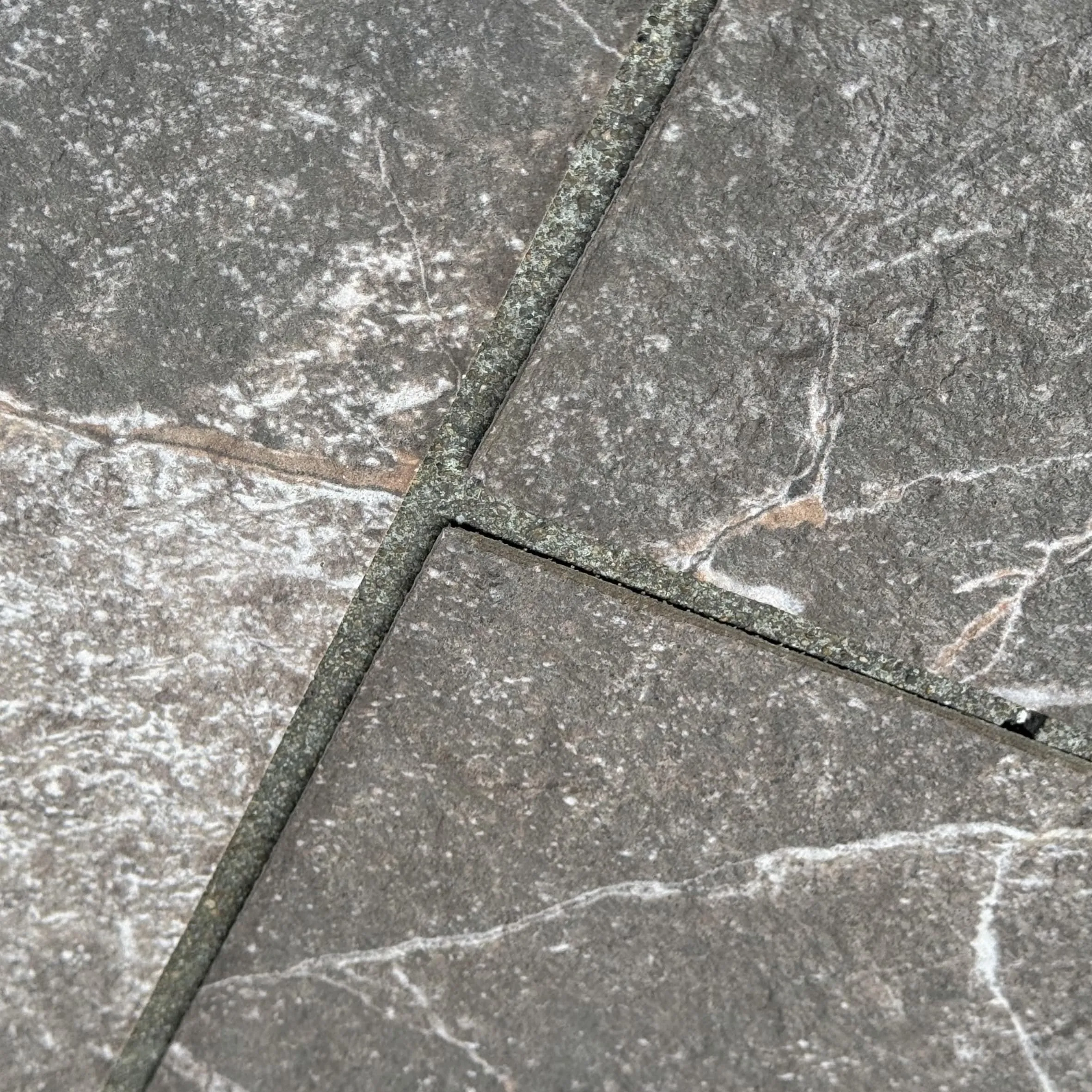
| Aspect | Granite Portoro | MCM Flexible Stone |
|---|---|---|
| Composition | Natural igneous rock (quartz, feldspar, mica) | Composite of natural stone particles + polymers |
| Weight | Heavy (15-20 lbs/sq ft for 3cm slab) | Lightweight (2-4 lbs/sq ft) |
| Durability | Excellent (scratch, heat, and stain-resistant; lasts centuries) | Very good (impact, UV, and moisture-resistant; long-term data limited) |
| Design Options | Unique, natural vein patterns; limited by slab size | Consistent patterns; big slabs; flexible for curves/seams |
| Installation | Labor-intensive; requires heavy equipment and strong support | Easy; lightweight; can be installed with adhesives/fasteners |
| Cost | High ($150-$300/sq ft + installation) | Moderate ($50-$100/sq ft + installation) |
| Sustainability | High environmental impact (mining, transportation) | Lower impact (recycled materials, lightweight transport) |
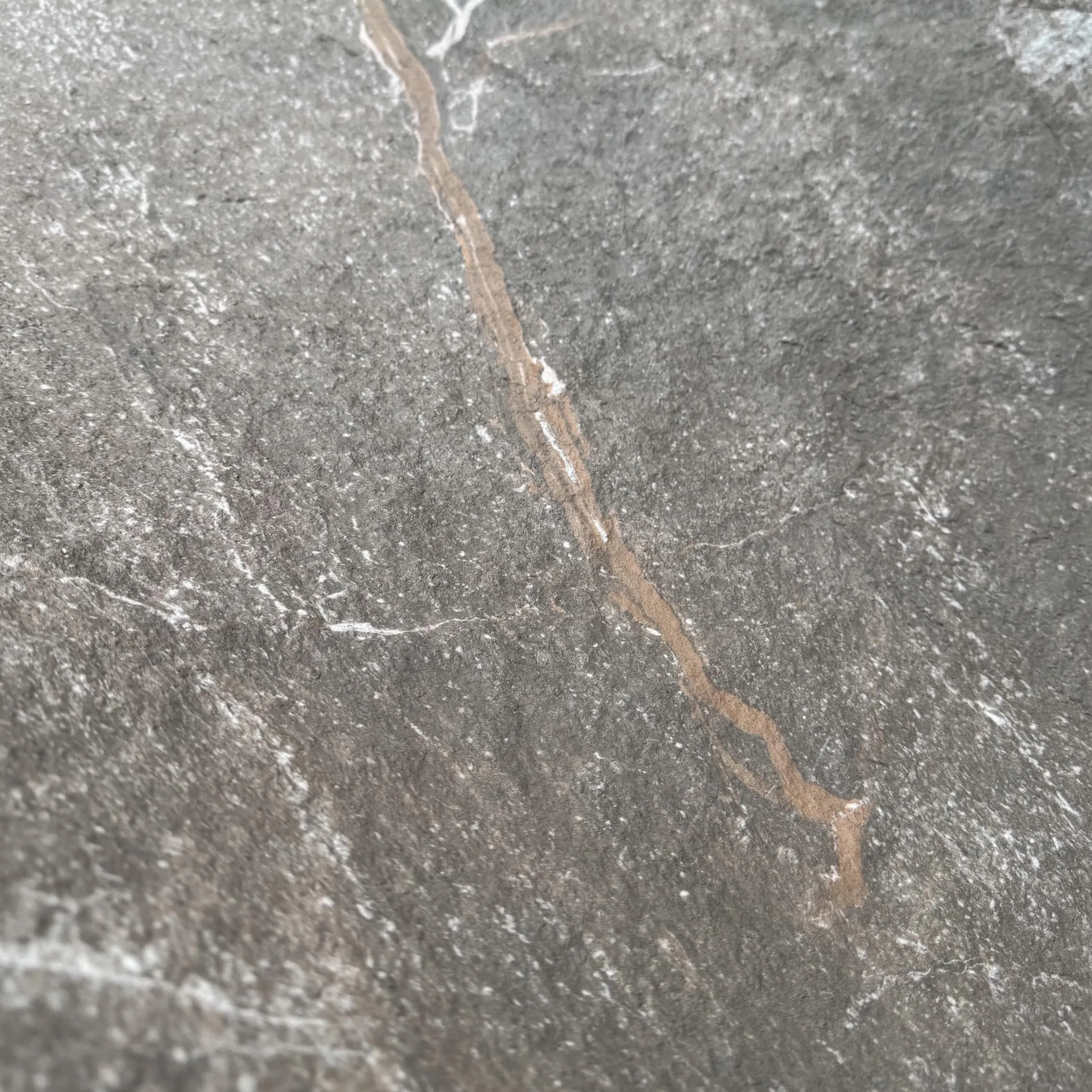
Choosing between Granite Portoro and MCM flexible stone isn't about which is "better"—it's about which is better for your project. To make the right call, ask yourself these questions:
Is it a luxury residential build, a commercial high-rise, or a budget-friendly renovation? Granite Portoro makes sense for high-end, low-traffic interiors where exclusivity matters—think a penthouse kitchen or a boutique hotel's reception desk. MCM, with its lightweight and flexible design, is better suited for large exteriors, curved walls, or projects where speed of installation is critical, like a shopping mall renovation with tight deadlines.
If cost is no object and you're chasing timeless luxury, Granite Portoro is worth the splurge. But if you need to balance aesthetics with affordability—especially for large surfaces—MCM offers a more budget-friendly alternative that still looks high-end. Remember to factor in installation costs, too: Granite Portoro's heavy weight and complex installation can add thousands to your budget, while MCM's easier installation often offsets its material cost.
Indoors or outdoors? On a flat wall or a curved facade? Granite Portoro works well indoors but can also be used outdoors in covered areas (though prolonged exposure to harsh weather may fade its color over time). MCM, with its moisture and UV resistance, is an excellent choice for exterior cladding, even in rainy or sunny climates. Its flexibility also makes it perfect for unconventional surfaces—arches, columns, or wavy walls that would be impossible with solid stone.
Do you crave the one-of-a-kind beauty of natural stone, with all its imperfections and stories? Or are you drawn to clean, seamless lines and modern minimalism? Granite Portoro's unique veins and depth appeal to those who love natural materials' organic charm. MCM, with its big slabs and consistent patterns, is ideal for designers aiming for a sleek, contemporary look with minimal seams.
If reducing your project's carbon footprint is a priority, MCM has the edge. Its use of recycled stone particles and lower transportation costs (thanks to its lightweight) make it a greener choice than natural stone, which requires extensive mining and heavy hauling. Many MCM manufacturers also prioritize eco-friendly production processes, further aligning with sustainability goals.
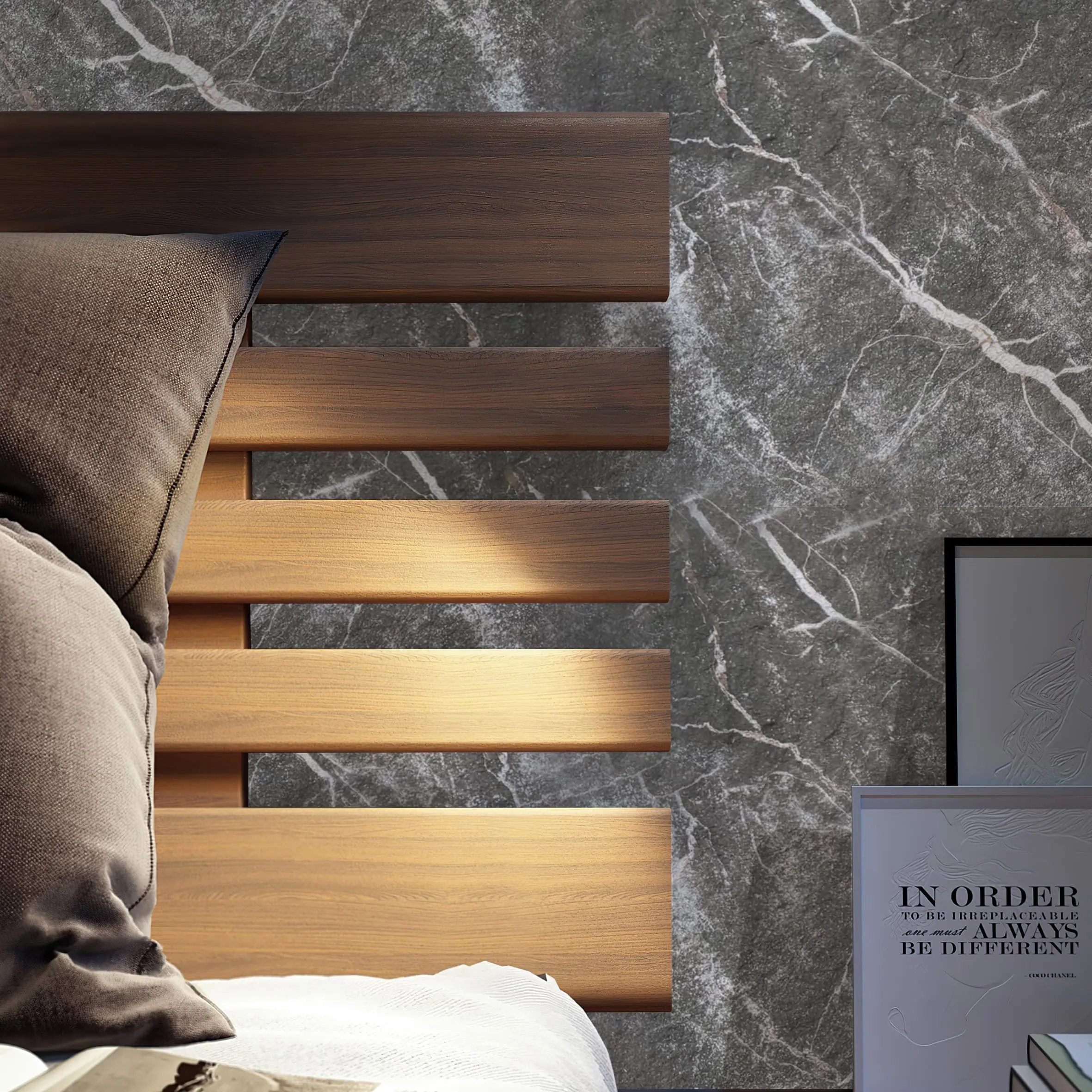
To bring this all to life, let's look at two hypothetical projects and see which material would shine.
The client wants a kitchen that feels like a work of art—something that will impress guests and stand the test of time. They have a generous budget and prioritize natural materials. In this case, Granite Portoro is the clear choice. Its dark, moody background with gold veins will complement high-end appliances and custom cabinetry, creating a space that feels both luxurious and timeless. The countertop will be a focal point, and the stone's durability ensures it will handle daily use without showing wear. Installation will require professionals, but the result will be a kitchen that adds value to the home for decades.
The architect has designed a building with sweeping curved walls and a seamless exterior. The project needs to be completed quickly, and the budget is tight for materials. Here, MCM flexible stone in the mcm big slab board series is the way to go. Its lightweight design means no need for expensive structural reinforcements, and its flexibility allows it to wrap around the building's curves without seams. The large slabs will create a smooth, modern look, and the fast installation will help keep the project on schedule. Plus, MCM's lower cost compared to natural stone will free up budget for other design elements, like landscaping or interior finishes.
At the end of the day, both Granite Portoro and MCM flexible stone have their place in the world of design. Granite Portoro is a timeless classic, offering unmatched beauty and durability for those who can invest in it. MCM, on the other hand, is an innovative disruptor, opening up new possibilities for design and construction that were once impossible with natural stone. The key is to align your choice with your project's unique needs—budget, location, design vision, and sustainability goals.
Whether you opt for the natural grandeur of Granite Portoro or the flexible innovation of MCM, remember that the best materials are the ones that tell your project's story. So take your time, weigh the pros and cons, and choose the one that feels like the perfect fit. After all, great design isn't just about how something looks—it's about how it makes people feel, and how well it serves the space for years to come.
Recommend Products












