
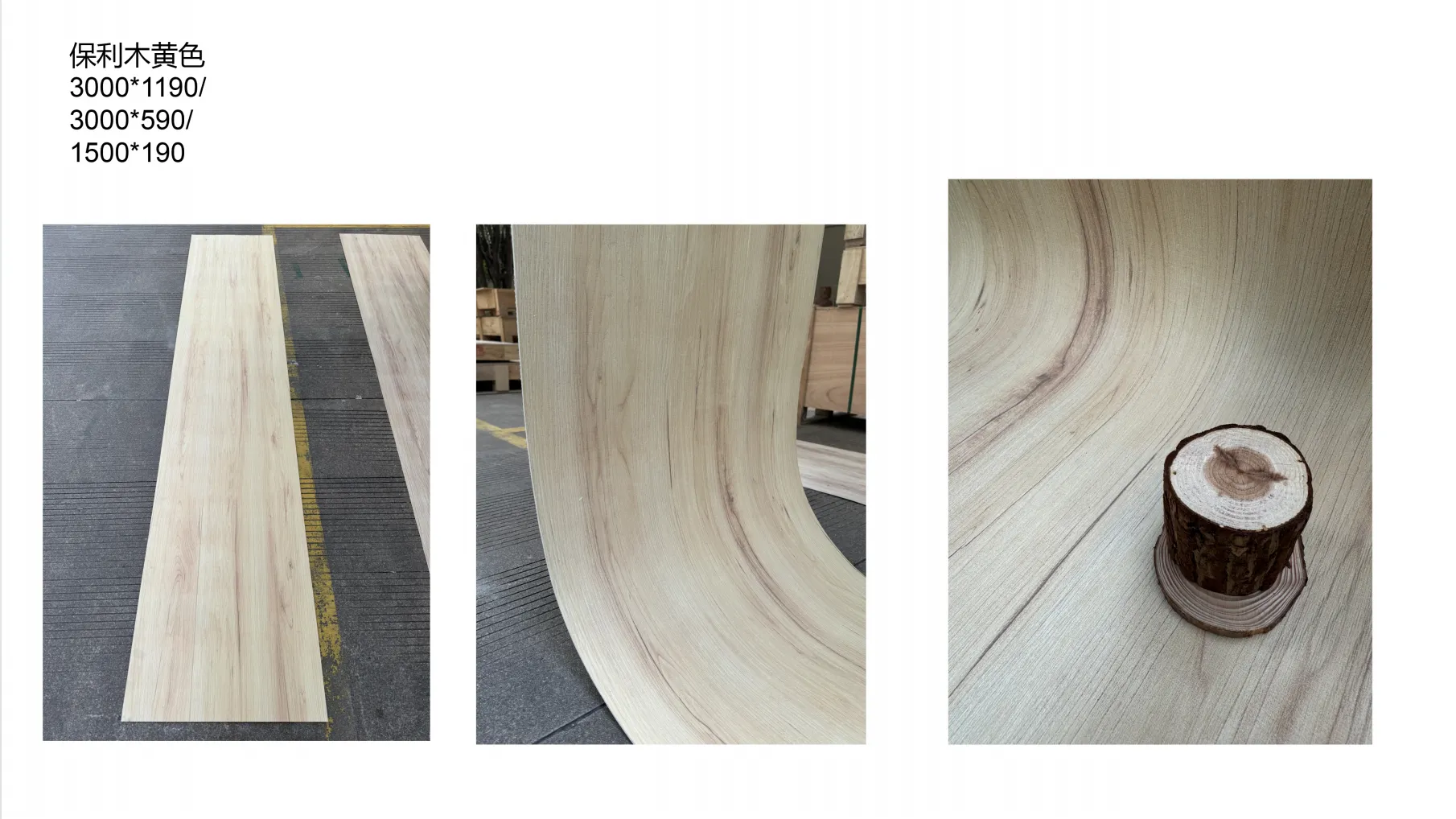
Picture this: You're standing in the middle of a half-finished renovation, paint swatches scattered on the floor, and a growing list of material decisions staring back at you. Whether you're designing a cozy home office, a bustling restaurant patio, or a sleek retail space, the materials you pick don't just fill a space—they set the mood, tell a story, and impact how that space feels to everyone who steps into it. Two materials that often top the list for designers and homeowners alike are poly wood board and MCM (Modified Composite Material) , especially with options like MCM flexible stone gaining traction for their versatility. But how do you choose between them? Let's break it down, with real-world examples and honest insights to help you make the call.
Before diving into pros and cons, let's get clear on what each material is. Think of it like choosing between two friends—each has their own personality, strengths, and quirks, and knowing them well makes it easier to pick who to bring on your next adventure (or, in this case, your next project).
If you've ever wished for the warmth of wood without the hassle of constant upkeep, poly wood board might be your new go-to. Made from a blend of recycled wood fibers and plastic (usually HDPE), it's designed to mimic the look and feel of real wood—think grain patterns, rich tones, and that classic, inviting texture—without the warping, rotting, or termite damage that comes with the real deal. It's like wood, but with a superhero upgrade: resistant to moisture, UV rays, and even the occasional spill from a clumsy dinner guest.
Common uses? Outdoor decks, patio furniture, garden fences, and even indoor accent walls where you want that "rustic chic" vibe without worrying about humidity. It's durable, low-maintenance, and comes in a range of colors—from deep walnut to weathered gray—that can fit any design style, whether you're going for modern minimalism or cozy cabin vibes.
Now, MCM —short for Modified Composite Material—is a bit of a shape-shifter. At its core, it's a lightweight, flexible material that can mimic the appearance of almost anything: stone, metal, wood, even concrete. But the star of the MCM show? MCM flexible stone , which takes the natural beauty of stone (think travertine (starry blue) with its subtle, galaxy-like flecks or the earthy warmth of lunar peak silvery ) and wraps it into a thin, bendable sheet. Unlike traditional stone slabs that are heavy and rigid, MCM flexible stone can curve around corners, adhere to uneven surfaces, and cut down on installation time and labor costs.
It's not just about stone, though. MCM also includes options like foamed aluminium alloy board (vintage gold) for a sleek, metallic finish or fair-faced concrete for an industrial edge. This versatility makes it a favorite for commercial projects—think hotel lobbies, restaurant facades, or retail storefronts—where making a bold aesthetic statement matters just as much as durability.
To make it easier, let's put them head-to-head. This table breaks down the key factors you'll care about—from how they look to how they hold up over time.
| Feature | Poly Wood Board | MCM (Including MCM Flexible Stone) |
|---|---|---|
| Material Makeup | Recycled wood fibers + plastic (HDPE) | Composite resin + natural minerals/metal (e.g., stone particles, aluminum foam) |
| Aesthetic Vibe | Warm, organic, wood-like (grain patterns, matte finishes) | Versatile—can mimic stone, metal, concrete, or wood; options like travertine (starry blue) add unique, eye-catching details |
| Durability | Excellent for moisture/UV resistance; lasts 20-30 years outdoors | Highly durable (scratch, impact, and weather-resistant); MCM flexible stone can last 15+ years with proper care |
| Installation | Similar to wood—can be cut with standard tools; may require joists for support | Lightweight and flexible—adheres directly to surfaces (walls, ceilings) with adhesive; easier for curved/irregular spaces |
| Maintenance | Low—just occasional cleaning with soap and water; no staining or sealing needed | Minimal—wipe clean with a damp cloth; avoid harsh chemicals on stone-like finishes |
| Cost | Mid-range ($3-$7 per sq. ft. for boards) | Mid-to-high range ($5-$15 per sq. ft., depending on finish; travertine (starry blue) or specialty metals may cost more) |
| Best For | Outdoor spaces (decks, patios), furniture, indoor accent walls (low humidity) | Wall cladding, facades, feature walls, high-traffic indoor areas (lobbies, restaurants) |
Numbers and specs are helpful, but nothing beats seeing these materials in action. Let's walk through two real projects where the choice between poly wood board and MCM made all the difference.
A small café in coastal Maine wanted to expand its outdoor seating area, but there was a catch: the ocean breeze brings salt, humidity, and harsh winters—all enemies of traditional wood. The owner, Sarah, was torn between real cedar (which she loved for its look) and something more durable. After consulting with her contractor, she went with poly wood board in a weathered gray finish.
"Three years later, those boards still look brand new," Sarah says. "We've had nor'easters, summer rainstorms, and kids spilling lemonade all over them, and I've never had to sand, stain, or replace a single plank. It looks just like the driftwood I love from the beach, but it's tough as nails." The poly wood board also stayed cool to the touch in the summer sun, making it comfortable for customers even on hot days—something traditional wood (which can scorch) wouldn't have done.
A boutique hotel in downtown Chicago wanted to create a lobby that felt "timeless yet modern"—think old-world elegance with a contemporary twist. The design team originally considered natural travertine for the feature wall, but the weight of the slabs would have required reinforcing the building's structure, blowing their budget. Enter MCM flexible stone in travertine (starry blue) .
"The starry blue finish has these tiny, iridescent flecks that catch the light—like bringing a piece of the night sky indoors," says Mia, the lead designer. "And because it's flexible, we could curve the wall around the reception desk, creating this flow that makes guests feel like they're stepping into a different world. Installation took half the time of natural stone, and we saved thousands on structural work. Now, every guest asks about that wall—it's become our 'Instagram moment.'"
At the end of the day, the "right" choice depends on your project's unique needs. Here's a quick checklist to guide you:
Choosing between poly wood board and MCM isn't just about specs—it's about the story you want your space to tell. Do you want to evoke the comfort of a cabin in the woods? Go with poly wood. Dream of a space that feels like a work of art, with textures that surprise and delight? MCM flexible stone (and its many faces, from travertine (starry blue) to foamed aluminium alloy board (vintage gold) ) is ready to deliver.
And remember: There's no "wrong" choice here. Both materials are designed to make your vision easier, more durable, and more beautiful. So grab your swatches, picture your finished space, and let your project's personality lead the way. After all, the best materials are the ones that make you think, "Yes—this feels like home."
Recommend Products












