
Walk into any commercial space—a bustling café, a sleek tech office, or a high-end retail store—and you'll quickly realize: the materials on the walls, floors, and ceilings aren't just there to fill space. They set the mood. They tell a story. They shape how customers feel, how employees work, and even how long the space stays functional. When it comes to choosing materials for commercial projects, the stakes are high. Two options that often top the list are the warm, organic charm of sawing wood board and the modern, durable versatility of MCM flexible stone . But how do you decide which one is right for your project? Let's break it down, step by step.
Before we dive into pros and cons, let's make sure we're on the same page about the stars of the show.
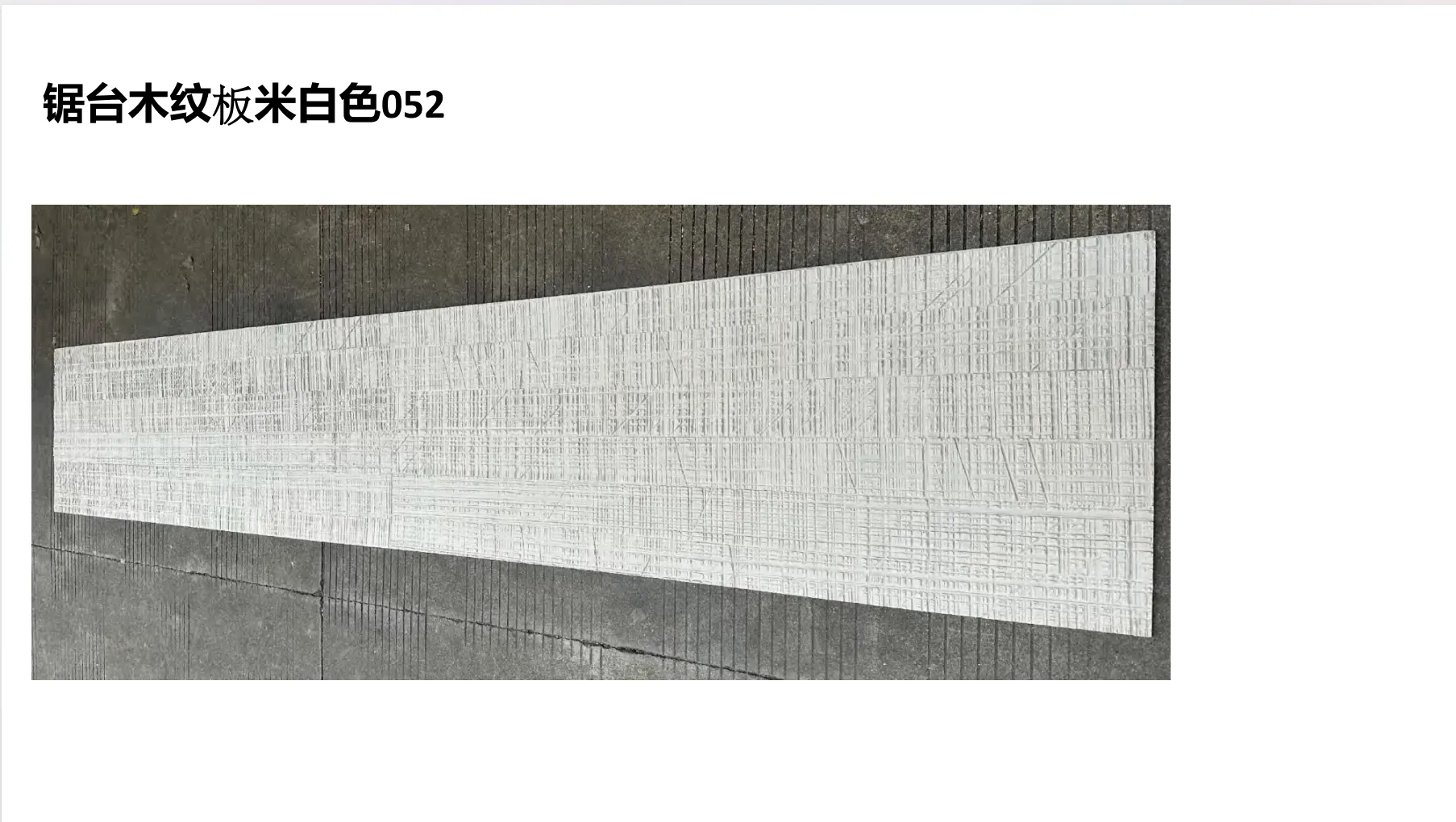
Sawing wood board is exactly what it sounds like: wood panels crafted by sawing logs into flat, usable boards, often leaving behind the natural texture of the saw marks. Think of that rough-hewn, tactile surface you might find in a mountain lodge or a trendy farm-to-table restaurant. It's all about celebrating the wood's natural grain—no two boards are identical, which is part of its appeal. You might also hear it referred to by specific styles, like bamboo mat board (a sustainable cousin made from woven bamboo strips) or reclaimed barn wood, but at its core, it's about that unapologetically organic, earthy vibe.
What makes it popular? It's warm. Inviting. It feels "real" in a way few materials do. Whether you stain it dark for a cozy library feel or leave it light for a Scandinavian minimalist look, it has a versatility that plays well with almost any design theme. But as we'll explore, that natural beauty comes with trade-offs.
On the other side of the ring is MCM flexible stone . MCM stands for Modified Composite Material—a fancy term for a high-tech blend of natural minerals, polymers, and fibers. The "flexible stone" part is key: unlike traditional stone slabs that are heavy and rigid, MCM flexible stone is thin (often just 3-5mm thick), lightweight, and can bend without cracking. It's designed to mimic the look of natural stone, wood, or even concrete (think fair-faced concrete 's raw, industrial charm) but with a durability and adaptability that natural materials can't match.
Imagine a material that can be wrapped around curved columns, applied to exterior walls without weighing down the structure, or printed with hyper-realistic wood grain—all while resisting scratches, moisture, and fading. That's MCM in a nutshell. It's the new kid on the block, but it's quickly gaining ground in commercial design for good reason.
Choosing between sawing wood board and MCM flexible stone isn't about picking "the best" material—it's about picking the best material for your project . Let's break down the critical factors that will guide your decision.
Commercial design is all about storytelling. Do you want your space to feel like a cozy cabin in the woods, or a cutting-edge urban hub? Your material choice will be the opening line of that story.
Sawing wood board brings warmth and authenticity. No two boards have the same grain pattern, knot, or saw mark, which adds character. A restaurant going for a "rustic farm-to-table" vibe might use it on accent walls to evoke countryside charm; a boutique hotel might pair it with leather and brass for a timeless, luxurious feel. Even modern spaces can benefit—think light-toned, straight-grained sawing wood board paired with black metal for a "Scandinavian industrial" look.
MCM flexible stone , on the other hand, offers precision and consistency. Want every panel to look identical? MCM can do that. Prefer the look of weathered stone but need it in a custom shade? MCM can mimic it. It's a chameleon—you can get it in finishes that look like marble, slate, or even sawing wood board itself (though purists might argue it lacks the "soul" of real wood). This makes it ideal for brands that want a polished, cohesive aesthetic, like a tech company aiming for a sleek, futuristic office or a retail chain that needs consistent branding across locations.
Commercial spaces are tough on materials. Think about it: spilled coffee, scuffing shoes, constant temperature changes, and (in some cases) outdoor exposure. Your material needs to keep looking good, even after years of wear and tear.
Sawing wood board is sturdy, but it's not invincible. Wood is a natural material, which means it reacts to its environment. In high-moisture areas (like restaurants near kitchens or outdoor patios), it can warp, swell, or even rot if not properly sealed. Direct sunlight can fade its color, and heavy foot traffic or sharp objects (like chair legs) can scratch or dent it. To keep it looking fresh, you'll need to seal it annually, sand out scratches, and watch for signs of pests (yes, even treated wood can attract termites in humid climates).
MCM flexible stone is built for battle. Its composite structure makes it water-resistant (no warping!), scratch-resistant, and UV-stable (so it won't fade in sunlight). It's also lightweight, which means less stress on walls and structures, but don't let that fool you—it's surprisingly tough. A retail store in a busy mall, for example, could use MCM on its exterior facade, and it would stand up to rain, snow, and even the occasional stray shopping cart without a scratch. Plus, it's mold and mildew resistant, making it a no-brainer for bathrooms, pools, or coastal areas.
In commercial projects, time is money. The longer installation takes, the more delays, and the higher the labor costs. Let's see how these materials stack up.
Sawing wood board installation can be straightforward, but it's labor-intensive. Each board is unique, so cutting and fitting them to avoid gaps or uneven edges takes skill. Heavy wood panels may require extra support (like reinforced studs for wall applications), adding to the complexity. If you're using reclaimed or specialty wood (like bamboo mat board), sourcing consistent sizes can be a headache—you might end up with boards of slightly different thicknesses, which slows down the process.
MCM flexible stone is a installer's dream. It's lightweight (about 3-5 lbs per square foot, compared to 15-20 lbs for natural stone or solid wood), so it's easy to carry and maneuver. It cuts with standard tools (no special saws needed), and its flexibility means it can wrap around curves or corners without breaking. Most MCM panels come with a peel-and-stick backing or simple adhesive, so installation is faster—often half the time of wood. For large projects, like a hotel lobby with a 50-foot accent wall, that speed can save weeks of labor costs.
Once the project is done, the work isn't over. You'll need to maintain your materials to keep them looking their best. Let's talk about what that looks like day-to-day.
Sawing wood board demands attention. Regular dusting is a must, but spills need immediate wiping to prevent staining. Every 1-2 years, you'll need to sand and reseal it with polyurethane or oil to protect against moisture and wear. If a board gets deeply scratched or water-damaged, you might need to replace the entire panel—no quick fixes here. For busy commercial spaces, that means scheduling maintenance during off-hours (hello, midnight sanding sessions!) and budgeting for ongoing care.
MCM flexible stone is low-maintenance to the point of being almost "set it and forget it." A quick wipe with a damp cloth is usually enough to clean it—no special cleaners required. If it gets a scratch, you can often buff it out with a soft cloth. And since it's water-resistant, you don't have to panic over spills. A gym with MCM walls, for example, can hose down the space after a busy class without worrying about water damage. No sealing, no sanding, no midnight maintenance runs.
Let's get real: budget is almost always a factor. But "cost" isn't just about the upfront price tag—it's about the total cost over the material's lifespan.
Sawing wood board can be cheaper upfront, depending on the type of wood. Basic pine or fir might run $10-15 per square foot, while premium woods (like oak or teak) can hit $30-40 per square foot. But remember the maintenance costs? Sealing, repairs, and replacements add up. Over 10 years, that $15/sq ft wood could end up costing $25-30/sq ft when you factor in upkeep.
MCM flexible stone has a higher upfront cost—usually $20-35 per square foot. But with minimal maintenance and a longer lifespan (MCM can last 20+ years with proper care), it often ends up being cheaper in the long run. A restaurant that spends $30/sq ft on MCM might save $10-15/sq ft over a decade compared to wood, thanks to no sealing, repairs, or replacements. Plus, faster installation means lower labor costs upfront.
Today's clients and customers care about sustainability. They want to know their project isn't harming the environment. Both materials have green credentials—but it depends on how they're sourced and made.
Sawing wood board can be sustainable if you choose FSC-certified wood (meaning it's harvested from responsibly managed forests). Bamboo mat board, for example, is a great eco-friendly option—bamboo grows quickly and doesn't require pesticides. However, if the wood is sourced from clear-cut forests or treated with toxic chemicals, its sustainability score drops. Also, wood production involves more waste (sawdust, off-cuts) than MCM manufacturing.
MCM flexible stone is often made with recycled materials (like post-consumer plastics and natural stone dust), which reduces its environmental footprint. It also requires less energy to produce than mining and cutting natural stone or processing hardwood. Plus, its long lifespan means less frequent replacement, which cuts down on waste. Just make sure to ask suppliers about their recycling practices—some MCM can even be recycled at the end of its life.
| Factor | Sawing Wood Board | MCM Flexible Stone |
|---|---|---|
| Aesthetics | Warm, unique grain patterns; organic charm | Consistent, customizable finishes; modern look |
| Durability | Prone to moisture, warping, and scratches; needs sealing | Water, scratch, and UV-resistant; no warping |
| Installation | Labor-intensive; requires skilled fitting | Fast, lightweight, and easy to install |
| Maintenance | Annual sealing, regular cleaning, potential repairs | Minimal—just wipe clean; no sealing needed |
| Cost (10-year lifespan) | $25-30/sq ft (including maintenance) | $20-35/sq ft (minimal maintenance) |
| Sustainability | Good if FSC-certified; risk with unethical sourcing | Recycled materials; low energy production |
Still on the fence? Here's a quick guide to which material shines in different scenarios:
Choose sawing wood board if…
Choose MCM flexible stone if…
At the end of the day, choosing between sawing wood board and MCM flexible stone is about balancing your project's needs: aesthetics, budget, durability, and sustainability. Sawing wood board brings irreplaceable warmth and character, but it demands care. MCM flexible stone offers modern resilience and convenience, but it might not have that "handmade" soul.
And here's a secret: you don't have to choose just one . Many commercial projects mix materials—say, sawing wood board on accent walls for warmth and MCM flexible stone on high-moisture surfaces like backsplashes. The key is to prioritize what matters most for each part of your space.
So, take a step back, think about the story you want your space to tell, and let that guide you. Whether you go with the natural charm of wood or the modern might of MCM, the right choice will make your commercial project not just functional, but unforgettable.
Recommend Products












