
Choosing the right material for a project is more than just checking boxes on a list. It's about finding something that aligns with your vision, fits your lifestyle, and stands the test of time. Whether you're designing a cozy home, a bustling commercial space, or a statement wall that wows, the materials you pick shape the feel of the entire environment. Two options that often top the list for their unique appeal are Slate Portoro and MCM products—each with its own set of strengths, aesthetics, and practical considerations. Let's dive into what makes each special, how they stack up, and how to decide which one is right for you.
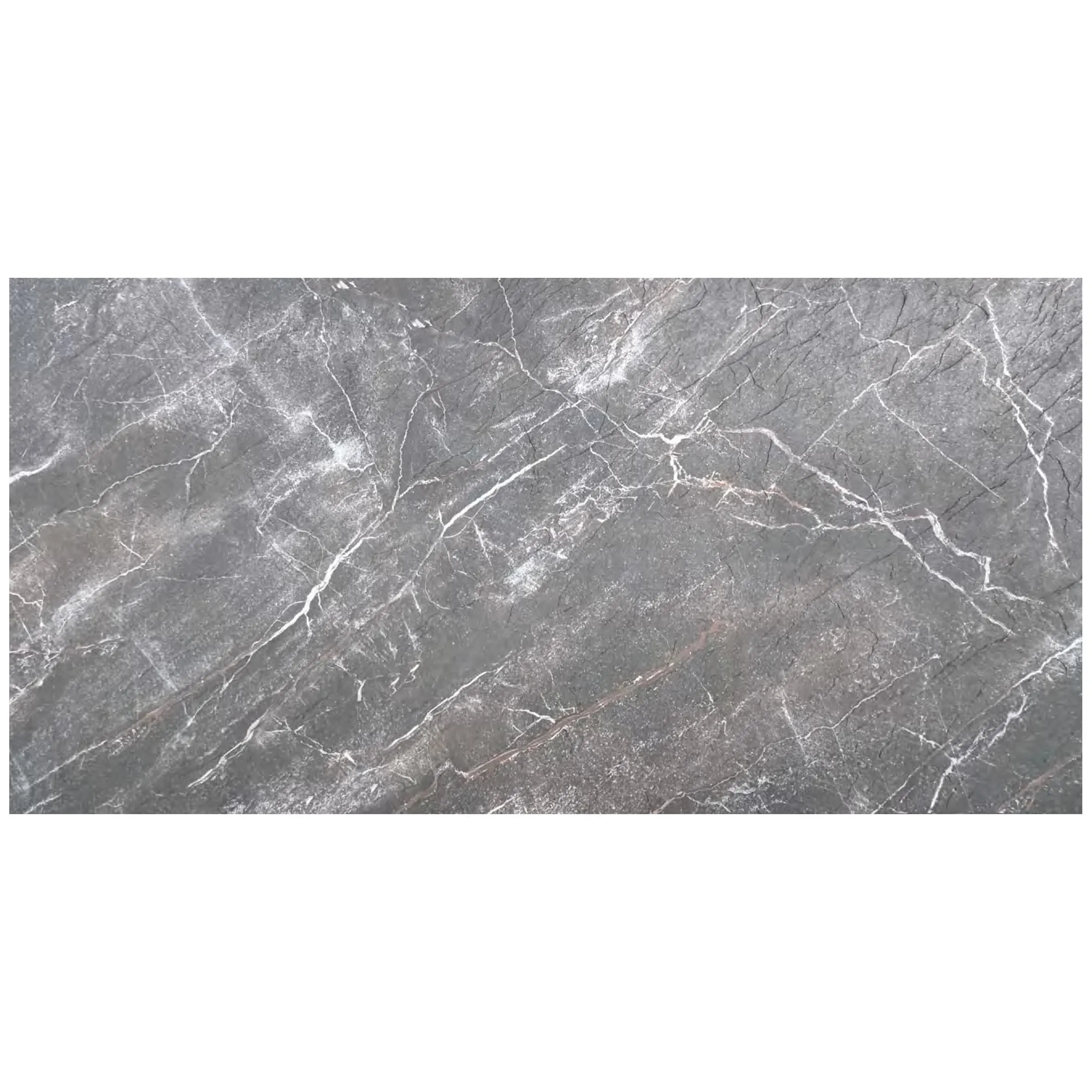
Slate Portoro isn't just a material—it's a legacy. Hailing from quarries in Italy, this natural stone is celebrated for its dramatic contrast of deep black backgrounds swirled with golden veins. It's the kind of stone that catches the eye the moment you walk into a room, exuding luxury and sophistication. Think of historic mansions, high-end hotels, or upscale boutiques where the goal is to make a statement that feels both timeless and opulent.
What sets Slate Portoro apart is its organic beauty. No two slabs are exactly alike; each has its own pattern of veins, subtle color variations, and unique texture that tells the story of millions of years of geological formation. When polished, its surface glows with a rich luster, while a honed finish softens the look, adding warmth. It's a material that works equally well in traditional settings—paired with wood and classic decor—and in modern spaces, where its boldness balances minimalist furniture.
But natural stone comes with its own set of realities. Slate Portoro is dense and heavy, which means it requires careful handling during installation. It also needs regular maintenance to keep its beauty intact. Spills, especially acidic substances like wine or citrus, can stain or etch the surface if not cleaned quickly. Sealing the stone every few years is a must to protect it from moisture and wear, adding to the long-term care routine. For those who value authenticity and are willing to invest in upkeep, though, the payoff is a surface that ages gracefully, developing a unique patina over time.
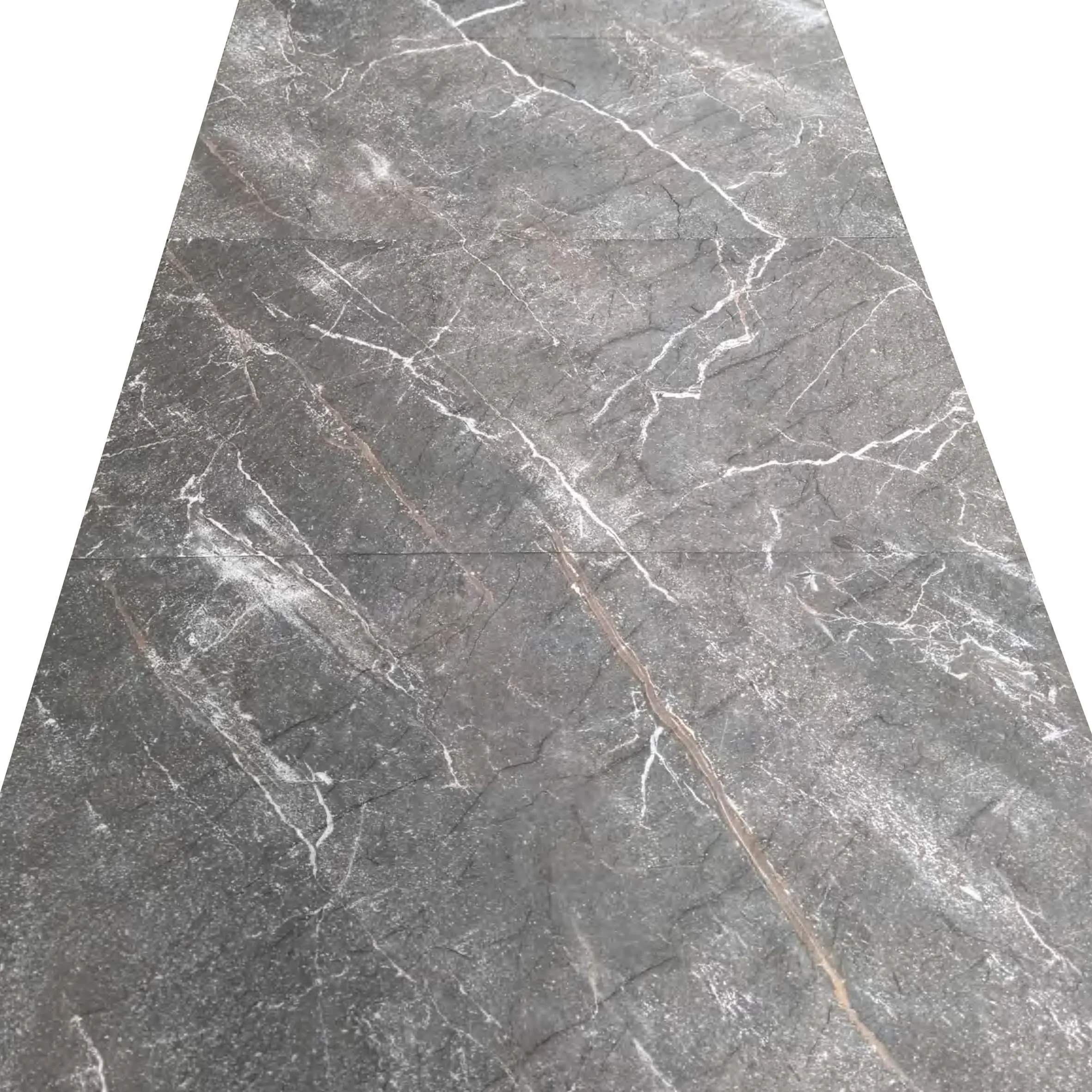
If Slate Portoro is the grand dame of natural stone, MCM (modified composite material) is the innovative newcomer that's redefining what's possible in design. MCM products, like MCM flexible stone and the MCM big slab board series, are engineered to mimic the look and texture of natural materials—stone, wood, metal—while offering enhanced performance and flexibility. They're made by combining natural minerals with polymer resins, creating a material that's lightweight, durable, and surprisingly versatile.
Take MCM flexible stone, for example. As the name suggests, this material bends. Unlike rigid natural stone, it can be applied to curved surfaces, columns, or uneven walls without cracking. Picture a restaurant with a rounded bar front wrapped in the look of weathered stone, or a home with a feature wall that follows the arch of a ceiling—MCM flexible stone makes those designs achievable. And the MCM big slab board series takes it a step further, offering large-format panels (often 1200x2400mm or more) that create seamless, uninterrupted surfaces. No more unsightly grout lines breaking up the pattern—just a smooth, expansive look that's perfect for modern, minimalist spaces.
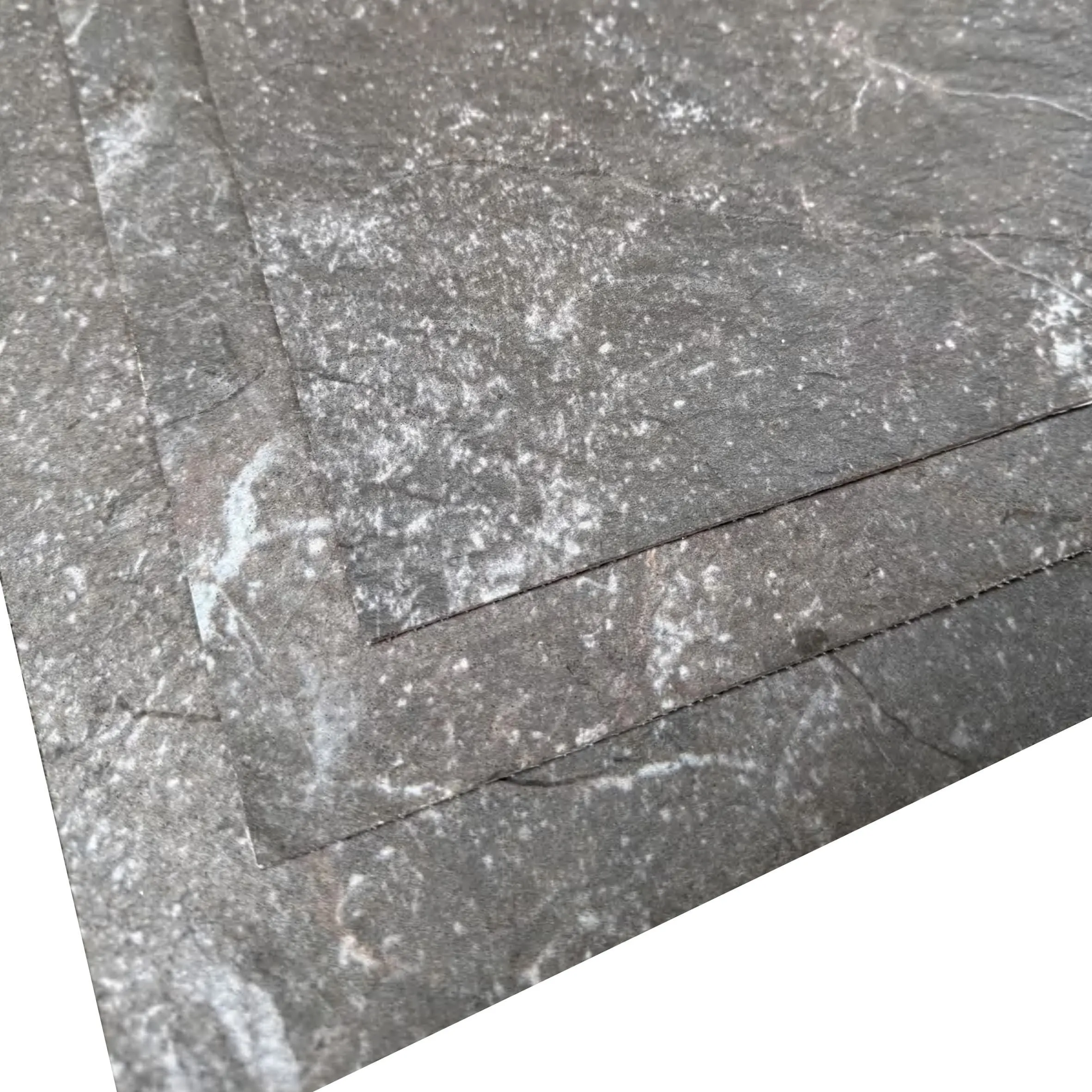
MCM also comes in a stunning array of styles, from the metallic sheen of Lunar Peak (think silvery, golden, or black finishes that evoke moonlight on stone) to the rustic charm of weathered wood grains. This variety means it can adapt to almost any design vision, whether you're going for industrial chic, coastal casual, or futuristic elegance. And because it's a composite material, MCM is designed to resist the issues that plague natural stone: stains, scratches, moisture damage, and fading. Spills wipe up with a damp cloth, and there's no need for sealing or special cleaners. For busy families, high-traffic commercial spaces, or anyone who wants beauty without the hassle, that's a game-changer.
To really understand which material is right for your project, let's break down the key factors that matter most—from aesthetics to practicality. Here's a side-by-side look at how Slate Portoro and MCM (specifically MCM flexible stone and big slab series) compare:
| Factor | Slate Portoro | MCM (Flexible Stone & Big Slab Series) |
|---|---|---|
| Aesthetic | Deep black with golden veins; natural, organic patterns; polished or honed finish. Evokes luxury and timelessness. | Wide range of styles (e.g., Lunar Peak, wood grains, stone textures); consistent or varied patterns. Modern, versatile, and customizable. |
| Durability | Highly durable but prone to chipping if struck; susceptible to staining/etching without sealing. | Lightweight yet tough; resistant to scratches, stains, moisture, and fading. Flexible, so less likely to crack under stress. |
| Maintenance | Requires regular sealing (every 1-3 years); needs prompt cleaning of spills; avoid harsh chemicals. | Low maintenance: wipe clean with soap and water; no sealing or special treatments needed. |
| Installation | Heavy (requires structural support); professional installation recommended; limited to flat surfaces. | Lightweight (easy to handle); can be installed on flat, curved, or uneven surfaces; DIY-friendly for some projects, but pros still advised for best results. |
| Cost | Higher upfront cost (natural stone, quarrying, transportation); installation adds to expenses. | More budget-friendly upfront; lower installation costs (lighter, easier to handle); long-term savings on maintenance. |
| Sustainability | Natural but energy-intensive to quarry and transport; limited supply. | Often made with recycled materials; low VOC emissions; lightweight design reduces transportation carbon footprint. |
| Best For | Luxury spaces, statement walls, fireplaces, or areas with low traffic where maintenance is manageable. | High-traffic areas, curved surfaces, large-scale projects, commercial spaces, or anyone prioritizing flexibility and low upkeep. |
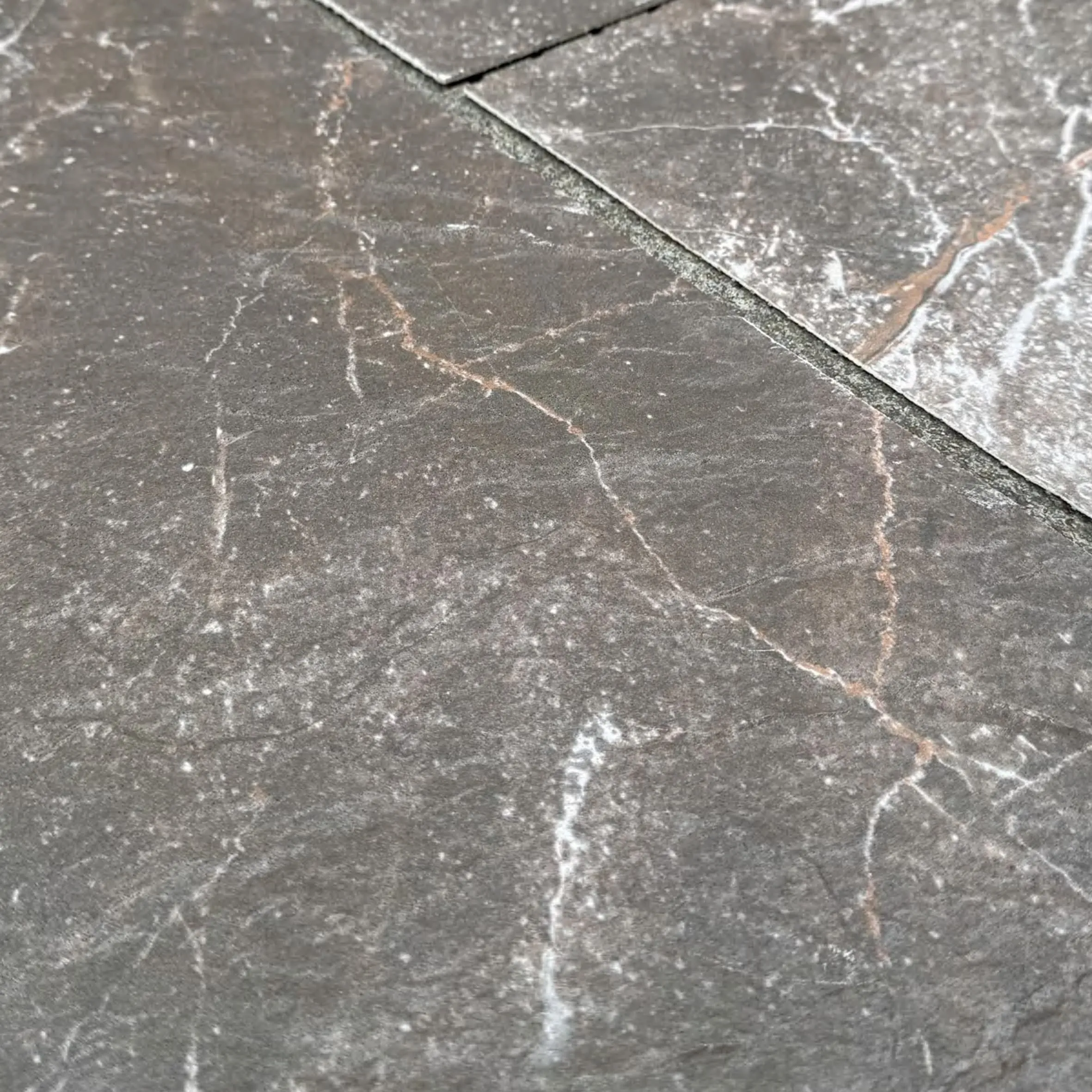
The designers of a luxury boutique hotel in New York wanted a lobby that felt both grand and intimate. They initially leaned toward Slate Portoro for the reception desk, drawn to its opulent black-and-gold veins. But after considering the high foot traffic and the need for a seamless look across a large wall behind the desk, they pivoted to MCM big slab board series in a Lunar Peak Silvery finish. The result? A sleek, expansive wall that shimmers subtly, paired with a smaller Slate Portoro accent piece for warmth. "We wanted the drama of natural stone without the worry of guests scuffing or staining it," said the lead designer. "MCM gave us the best of both worlds—beauty and peace of mind."
For a family in Colorado, the fireplace was the heart of their home—but the outdated brick needed a refresh. They dreamed of a natural, earthy look that would stand up to kids, pets, and the occasional wayward toy truck. Slate Portoro was on the list for its timeless appeal, but concerns about cost and maintenance (sealing with young kids around) gave them pause. They discovered MCM flexible stone in a Travertine (Starry Blue) texture, which mimicked the look of weathered stone with a playful hint of color. "Installation was a breeze—even the curved edge of the fireplace mantle was no problem," the homeowner shared. "Two years later, it still looks brand new, and we've never had to seal it. Best decision we made!"
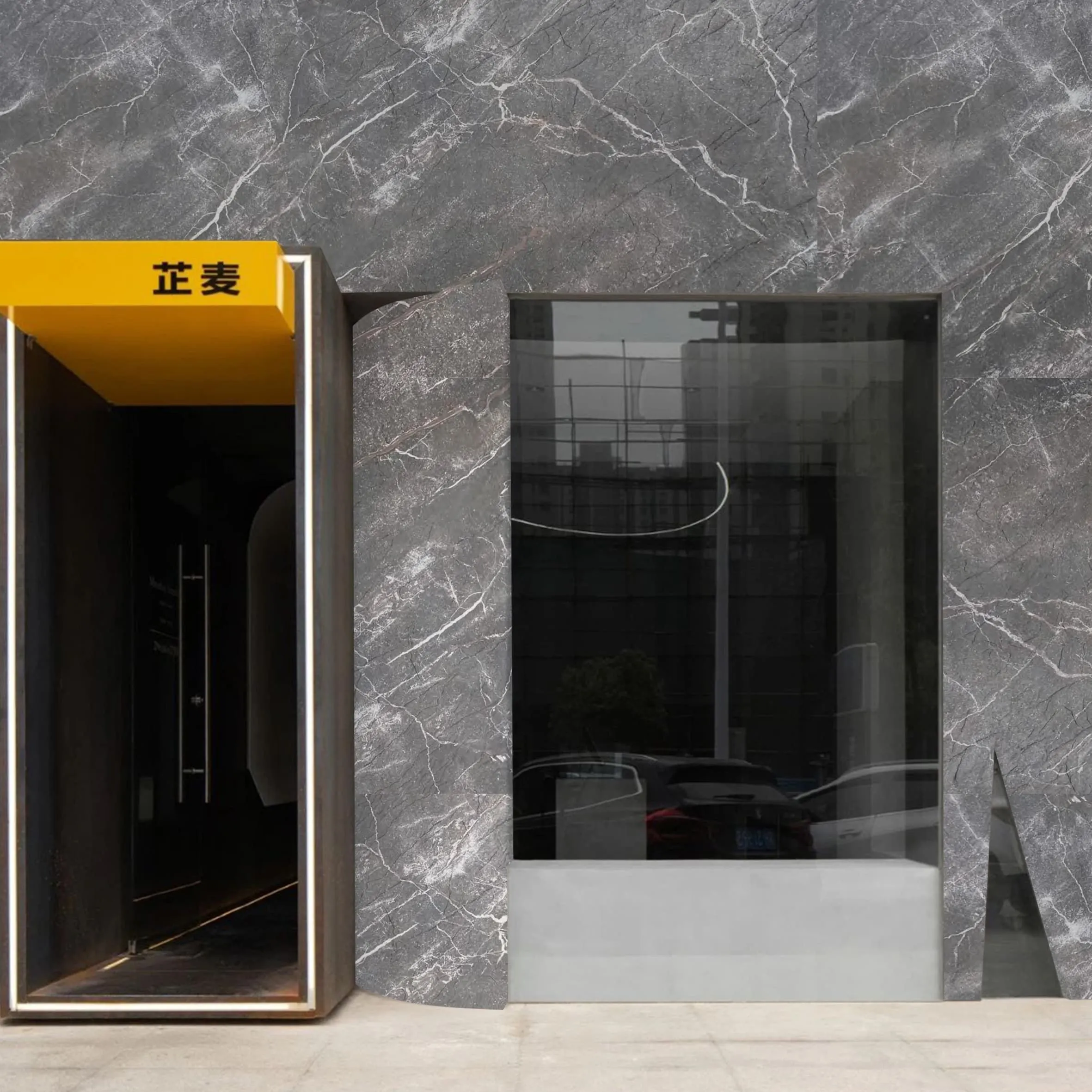
At the end of the day, the choice between Slate Portoro and MCM comes down to your priorities. If you crave the authenticity of natural stone, love the idea of a material with a unique, uncopyable pattern, and are willing to invest in maintenance, Slate Portoro is a stunning choice. It's perfect for spaces where luxury and tradition take center stage—think formal dining rooms, master bathrooms, or high-end retail displays.
On the other hand, if you value flexibility, durability, and ease of care, MCM (especially flexible stone and big slab series) might be the better fit. It shines in spaces where design innovation matters—curved walls, large commercial projects, or busy family homes. And with styles like Lunar Peak and Travertine (Starry) series, you won't have to sacrifice aesthetics for practicality.
Of course, there's no rule that says you can't mix them. Many designers use Slate Portoro as a focal point (like a backsplash or accent wall) and MCM for larger, high-traffic areas, creating a balanced look that feels intentional and cohesive.
Your project isn't just about building or renovating—it's about creating a space that tells your story. Whether you lean into the timeless elegance of Slate Portoro or the innovative versatility of MCM, the best material is the one that aligns with how you live, what you love, and the vision you're bringing to life. Take your time, weigh the pros and cons, and don't be afraid to get inspired by both. After all, great design is about making choices that feel right—for you and for the space you're creating.
Recommend Products












