
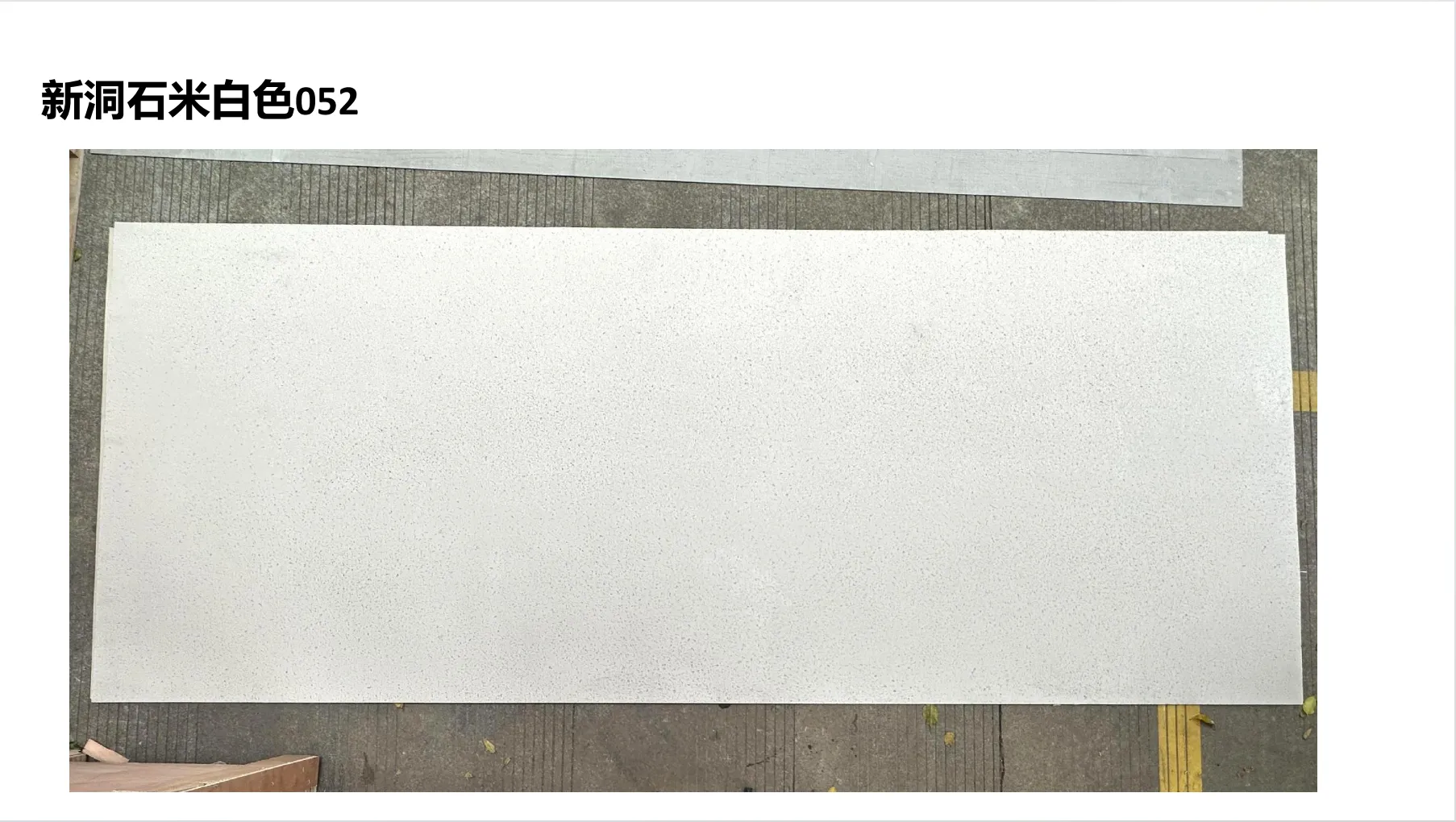
Navigating the world of design materials can feel like walking through a maze—each option whispers promises of beauty, durability, and character. Today, we're zeroing in on two heavyweights: the timeless White Travertino and the innovative MCM Flexible Stone. Let's break down what makes each unique, so you can pick the one that turns your vision into reality.
Before we dive into comparisons, let's get clear on what we're actually talking about. Imagine you're standing in a stone yard, running your hand over a slab that feels cool and porous, with soft, earthy tones swirled through it—that's travertino. White Travertino, specifically, is a type of limestone formed from mineral-rich spring water, known for its creamy white base and subtle veining in shades of beige or gray. It's been used for centuries, from ancient Roman baths to modern minimalist homes, and carries that unspoken "heritage" vibe.
Then there's MCM Flexible Stone. Picture a material that looks like stone but bends. No, really—hold it, and it might curve slightly in your hands. MCM stands for "Modified Composite Material," a blend of natural stone powder, polymers, and reinforcing fibers. It's engineered to be lightweight, flexible, and incredibly versatile. Think of it as stone's more adaptable cousin—still has that organic texture, but with the durability and ease of modern manufacturing. And yes, it comes in a range of styles, including options like the MCM Big Slab Board Series for seamless, large-scale installations.
Let's start with the old soul in the room: White Travertino. What makes it so beloved? For starters, it's natural . No two slabs are exactly alike—each has its own unique pattern of pores, veining, and color variations. That means your kitchen backsplash or bathroom wall won't feel like a cookie-cutter design; it'll have personality, like a fingerprint from the earth itself.
White Travertino leans into softness. Its creamy base can range from bright ivory to a warmer off-white, with veins that meander like rivers or pool into gentle clouds. The surface is slightly porous, giving it a matte, tactile finish that feels inviting—perfect if you want a space that feels "lived-in" rather than sterile. It pairs beautifully with wood tones, brass fixtures, or even bold accents like navy or emerald, making it a chameleon in design styles from rustic to Mediterranean to modern farmhouses.
Natural stone is tough, but White Travertino has a few quirks. Its porosity means it can absorb liquids, so spills (think red wine or tomato sauce) need to be wiped up quickly. To protect it, most installers recommend sealing it annually with a stone sealer—sort of like a sunscreen for your countertops or floors. Done right, though, it can last decades; I've seen 50-year-old travertino floors in Italian villas that still look stunning, just with a few character-building scratches that tell a story.
White Travertino shines in spaces where warmth and history matter. A kitchen with open shelving and a travertino backsplash? It feels like a cozy Italian trattoria. A bathroom with a travertino shower floor? The porous surface adds grip, and the neutral tones keep the space calm. It's also a favorite for outdoor patios, where its natural texture stands up to foot traffic and weather (though you'll still want to seal it annually).
Now, let's talk about the new kid on the block—but don't let "new" fool you. MCM Flexible Stone has been quietly revolutionizing design for years, and for good reason. It's what happens when engineers ask, "What if stone could do more?" The result? A material that's lightweight (about 1/5 the weight of natural stone), flexible (it can bend up to 30 degrees), and available in a mind-boggling array of styles—including mimics of travertino, marble, and even more exotic looks like Lunar Peak Silvery , with its metallic sheen that catches light like moonlight on water.
MCM Flexible Stone isn't trying to replace natural stone—it's expanding what stone can be . Want the look of White Travertino but with a smoother finish? There's an MCM version for that. Prefer a bold, geometric pattern or a metallic hue? No problem. The MCM Big Slab Board Series is a game-changer here: imagine covering an entire accent wall with 4x8-foot slabs that lock together seamlessly, no grout lines breaking up the pattern. It's clean, modern, and perfect for spaces where you want to make a statement without the weight (literal or metaphorical) of natural stone.
Here's where MCM really shines: it's built for busy lives. Unlike White Travertino, it's non-porous, so spills wipe right off—no sealing required. It's resistant to scratches, UV rays (so it won't fade in sunlight), and moisture, making it ideal for bathrooms, kitchens, and even outdoor spaces like pool decks. I once worked with a café owner who installed MCM Flexible Stone behind their espresso machine; three years later, it still looks brand-new, despite daily splashes of coffee and milk.
MCM Flexible Stone is a designer's dream for unconventional projects. Got a curved wall or a rounded column? MCM bends to fit, no custom cutting required. Want to cover a large commercial space quickly? The lightweight panels are easy to install, cutting down on labor time (and cost). It's also a favorite for rental properties or flip homes, where durability and low maintenance are key—no worrying about tenants damaging expensive natural stone.
To make this easier, let's put them head-to-head. Here's a breakdown of the key factors that'll influence your decision:
| Factor | White Travertino | MCM Flexible Stone |
|---|---|---|
| Aesthetics | Natural, warm, unique veining; matte, porous texture. | Versatile; mimics natural stone + bold, modern styles; smooth or textured finishes. |
| Durability | Sturdy but porous; needs annual sealing; prone to staining if not maintained. | Non-porous, scratch/UV/moisture resistant; no sealing needed. |
| Installation | Heavy; requires professional installers; cutting may produce dust. | Lightweight, flexible; easier to install; can be cut with standard tools. |
| Cost | Higher upfront cost (natural stone); ongoing sealing expenses. | Lower to mid-range upfront cost; no ongoing maintenance fees. |
| Sustainability | Natural, but mining can impact ecosystems; heavy weight increases transportation emissions. | Engineered with recycled materials; lightweight reduces transportation carbon footprint. |
Let's get practical. I once had a client, Sarah, who was renovating her 1920s bungalow. She wanted her kitchen to feel "old-world charming" but didn't want to deal with high maintenance. We walked through her options: White Travertino would give her that timeless, Mediterranean vibe, but with two young kids, spills were inevitable. MCM Flexible Stone, on the other hand, offered a similar warm tone but with zero sealing and easy cleanup. She went with MCM—and two years later, she still texts me photos of her "kid-proof" kitchen, grinning.
Then there's Mark, a restaurant owner who wanted his new trattoria to feel authentically Italian. He insisted on White Travertino floors, even after I mentioned the sealing. "It's about the feel," he said. "When customers walk in, I want them to think, 'This place has history.'" Three years later, those floors have a few stains (a badge of honor, he calls them) and get sealed every six months—but the restaurant regularly gets reviews raving about its "cozy, old-world atmosphere."
Here's a secret: you don't have to choose. Some designers mix the two for the best of both worlds. For example, use White Travertino on a kitchen countertop (where its natural beauty takes center stage) and MCM Flexible Stone on the backsplash (where durability matters most). Or pair a White Travertino fireplace surround with MCM Big Slab Board Series walls in a neutral tone to create contrast without overwhelming the space. It's all about balance—and letting each material play to its strengths.
At the end of the day, choosing between White Travertino and MCM Flexible Stone isn't about which is "better"—it's about which fits your project. Do you crave the warmth of natural stone, even with the upkeep? Or do you need a material that can keep up with your busy life, all while looking stunning? Both have their place, and both can turn a good design into a great one.
Pro tip: Order samples! Hold them, touch them, see how they look in your space's lighting. There's no substitute for experiencing a material in person. And if you're still stuck? Talk to a designer who's worked with both—they'll help you align your choice with your goals, budget, and the story you want your space to tell.
Whatever you choose, remember: the best materials are the ones that make you smile every time you walk into the room. Happy designing!
Recommend Products












