
Navigating aesthetics, durability, and practicality for your next project
Walk through any contemporary architectural district, and you'll notice a quiet revolution in building materials. Contractors and designers alike are moving beyond generic cladding options, seeking materials that tell a story—ones that blend sustainability with striking visual appeal. Enter gradient color rammed earth boards: a material that marries the raw, organic charm of traditional rammed earth with the dynamic, flowing hues of modern design. For contractors, choosing the right gradient rammed earth boards isn't just about picking a pretty color; it's about balancing performance, cost, and project goals. This guide breaks down everything you need to know to make an informed decision.
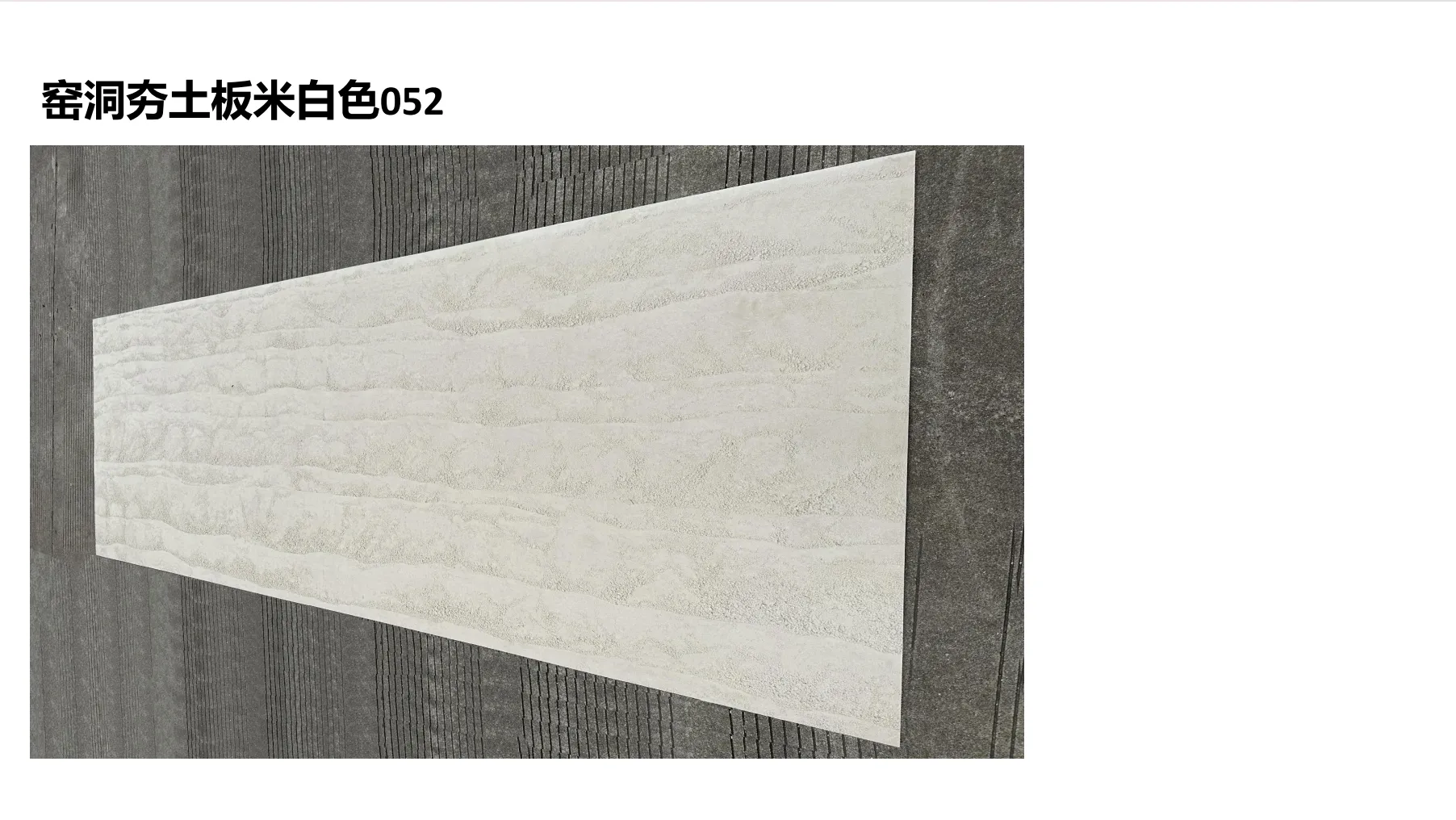
First, let's ground ourselves in the basics. Rammed earth itself is an ancient building technique, where layers of moistened earth (typically a mix of clay, sand, gravel, and sometimes lime) are compacted into forms to create solid, load-bearing walls. But gradient color rammed earth boards take this tradition a step further. Instead of using a single earth tone, manufacturers layer different colored earth mixtures—think soft beiges fading into warm terracottas, or cool grays melting into subtle greens—to create a natural, seamless color transition across the board's surface. The result? A material that feels alive, with depth and movement rarely found in synthetic cladding.
These boards are precast in factories, ensuring consistency in size and density while preserving the organic texture that makes rammed earth so appealing. They're also inherently eco-friendly: made from locally sourced earth (reducing transportation emissions) and requiring minimal processing compared to materials like concrete or synthetic stone. For contractors working on sustainable projects or aiming for LEED certification, this is a major selling point.
Not all gradient rammed earth boards are created equal. To ensure your project's success, focus on these critical factors:
The "gradient" is the star here, so you'll want to examine how smoothly colors transition from one to the next. Ask suppliers for large samples—ideally, full-size boards—to check for harsh lines or uneven blending. Some manufacturers use hand-layering techniques for a more organic flow, while others use mechanized processes for tighter consistency. Consider your project's aesthetic: a boutique hotel might thrive on the uniqueness of hand-laid gradients, while a corporate office park may require uniform transitions across hundreds of panels. Also, inquire about batch variations: natural earth tones can shift slightly between production runs, so request samples from the same batch you'll receive.
Gradient rammed earth boards are stunning, but they need to stand up to the elements—especially if used outdoors. Start by clarifying the board's intended use: exterior facades, interior accent walls, or landscape features? Exterior boards should have a compressive strength of at least 15 MPa (megapascals) to resist wind, rain, and freeze-thaw cycles. Ask about sealing: most quality boards come pre-sealed with a breathable, water-repellent coating to prevent moisture absorption, but you'll need to confirm re-sealing intervals (typically every 3–5 years for outdoor use). For projects in humid climates, check for mold resistance; some manufacturers add lime or natural biocides to the earth mix to inhibit growth.
These boards aren't lightweight. Standard thickness ranges from 50mm to 100mm, with weights averaging 15–20 kg per square meter. This impacts two key areas: structural support and installation logistics. If using the boards for exterior cladding, consult a structural engineer to ensure the building's framing can handle the load. For high-rise projects, lighter options (like 50mm boards) may be necessary to reduce stress on the facade. Installation teams will also need proper lifting equipment—masonry suction cups or small cranes—so factor in labor and equipment costs when budgeting.
Reputable manufacturers are transparent about their processes. Ask where they source their earth: locally sourced materials reduce carbon footprints and ensure the earth's mineral composition is suited to the region's climate. Visit the factory if possible, or request videos of the production line to check for quality control measures—consistent compaction pressure, curing times (at least 28 days for optimal strength), and testing protocols (e.g., water absorption tests, freeze-thaw cycling). Avoid suppliers who can't provide third-party certification for strength or environmental standards.
Gradient rammed earth boards are generally pricier than standard concrete panels or vinyl cladding, but they offer long-term value through durability and low maintenance. Expect to pay $40–$80 per square meter, depending on thickness, gradient complexity, and customization. While this is higher than, say, fiber cement ($20–$30/sqm), rammed earth's longevity (50+ years with proper care) and timeless appeal can justify the cost, especially for projects where aesthetics drive client decisions. Compare total lifecycle costs: synthetic cladding may need replacement every 15–20 years, while rammed earth boards can last generations with minimal upkeep.
How does gradient rammed earth stack up against other popular cladding options? Use this table to weigh your choices:
| Material | Aesthetic Appeal | Durability (Outdoor Use) | Installation Complexity | Cost (per sqm) | Sustainability |
|---|---|---|---|---|---|
| Gradient Rammed Earth Board | High: Organic color transitions, natural texture | Excellent (50+ years with sealing) | Medium: Requires skilled labor for alignment; heavy panels | $40–$80 | High: Locally sourced earth, low carbon footprint |
| Fair-Faced Concrete | Medium: Sleek, industrial look; limited color options | Excellent (60+ years) | Medium: Requires formwork; prone to cracking if not reinforced | $30–$60 | Medium: High embodied carbon; recyclable but energy-intensive to produce |
| Wood Grain Board (Engineered) | High: Warm, natural look; consistent grain patterns | Moderate (15–25 years outdoors, even with treatment) | Low: Lightweight; easy to cut and install | $25–$50 | Medium: FSC-certified options available; risk of deforestation |
| Rammed Earth Board (Matcha Green)* | High: Vibrant, nature-inspired solid color | Excellent (same as gradient boards) | Medium: Same as gradient boards | $35–$70 | High: Same eco-benefits as gradient |
*Solid-color rammed earth boards (like matcha green) are often cheaper than gradient options but lack the color transition effect.
Gradient rammed earth boards are versatile, but they excel in specific contexts. Here are real-world scenarios where they've made a difference:
A hillside home in Colorado used gradient rammed earth boards (gradient c: soft beiges fading to terracottas) to mimic the surrounding desert landscape. The boards' natural thermal mass helped regulate indoor temperatures, reducing HVAC costs by 20%. The client prioritized sustainability, and the local earth sourcing cut transportation emissions by 40% compared to importing stone cladding.
A tech startup's headquarters in Portland opted for gradient rammed earth (gradient b: cool grays transitioning to pale blues) to reflect their "innovation meets nature" brand. The boards' textured surface reduced glare from sunlight, improving employee comfort, while the precast panels allowed for fast installation—critical for meeting a tight 10-month construction timeline.
A high-end restaurant in Chicago used gradient rammed earth boards (soft whites blending into warm taupes) for its main dining room wall. The material's sound-absorbing properties reduced noise levels by 15 decibels, creating a cozier atmosphere, while the natural colors complemented the restaurant's farm-to-table aesthetic. Since the wall was indoors, no sealing was needed, cutting long-term maintenance costs.
Even seasoned contractors can stumble when working with gradient rammed earth. Steer clear of these pitfalls:
Avoid assuming one board works for all climates. In coastal areas with high salt spray, opt for boards with higher lime content (improves resistance to corrosion). In arid regions, prioritize UV-resistant sealants to prevent color fading. For cold climates, confirm the board's freeze-thaw rating—look for ASTM C666 compliance, which tests resistance to 50+ freeze-thaw cycles.
Rammed earth boards are heavy and brittle if mishandled. Don't assign installation to a general crew; hire masons experienced with natural stone or precast concrete. They'll know to use non-corrosive fasteners (stainless steel or galvanized) and leave expansion gaps (typically 5mm between panels) to accommodate thermal movement. A poorly installed board can crack within months, ruining the gradient effect and requiring costly replacements.
"Set it and forget it" doesn't apply here. Even indoor boards collect dust, which can dull their color over time. For interiors, use a soft brush or damp cloth (no harsh detergents) for cleaning. Outdoors, schedule annual inspections: check for cracks, peeling sealant, or efflorescence (white salt deposits, a sign of moisture intrusion). Addressing these early prevents bigger issues down the line.
It's easy to fall in love with a gradient sample, but don't ignore performance. A stunning but low-strength board will fail outdoors, no matter how pretty it is. Always balance aesthetics with practicality: ask for technical data sheets alongside color samples, and cross-reference with your project's requirements.
Gradient color rammed earth boards offer contractors a rare combination: beauty, sustainability, and durability. By focusing on color flow, weather resistance, sourcing, and installation expertise, you can ensure these boards elevate your project for decades to come. Whether you're cladding a boutique hotel with gradient c's soft pastels or a community center with gradient b's bold transitions, remember: the best choices blend art and science. With the right preparation, gradient rammed earth won't just be a cladding material—it'll be the story your project tells.
Recommend Products












