
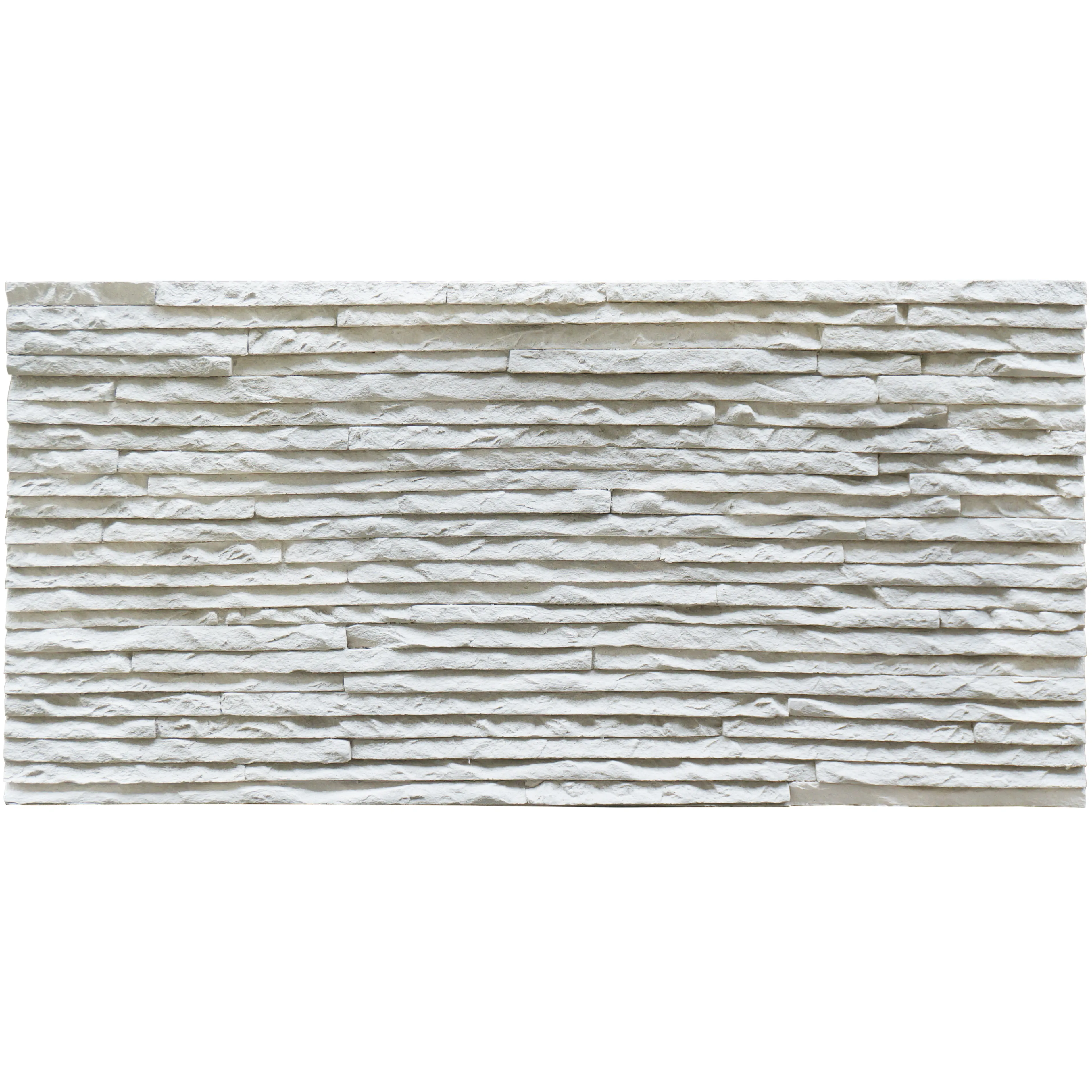
Coastal living is a dream for many—waking up to the sound of waves, breathing in the salty breeze, and enjoying unobstructed ocean views. But behind that idyllic facade lies a harsh reality: the ocean is a relentless force, and its saltwater can wreak havoc on buildings, especially their exterior surfaces. Choosing the right materials for coastal homes isn't just about aesthetics; it's about durability, longevity, and protecting your investment. Among the many options available, one material stands out for its unique blend of beauty and resilience: muretto stone (beige) . In this guide, we'll explore why this stone is a top choice for coastal areas, how to evaluate its saltwater resistance, and what to consider when selecting it for your project.
Before diving into its coastal credentials, let's get to know muretto stone (beige) better. Originating from regions with rich geological histories, muretto stone is a type of sedimentary rock known for its warm, earthy tones and subtle texture. The beige variant, in particular, has become a favorite among architects and homeowners alike for its versatility—it complements everything from modern beach houses to traditional coastal cottages, adding a touch of understated elegance without overwhelming the natural landscape.
What sets muretto stone apart from other natural stones is its composition. It's formed over millions of years from compressed sediments, including clay, silt, and calcite, which give it a unique density and porosity balance. Unlike highly porous stones that absorb water easily, or overly dense ones that lack breathability, muretto stone (beige) strikes a sweet spot—dense enough to resist water penetration but porous enough to allow trapped moisture to escape, a critical feature in humid coastal climates.
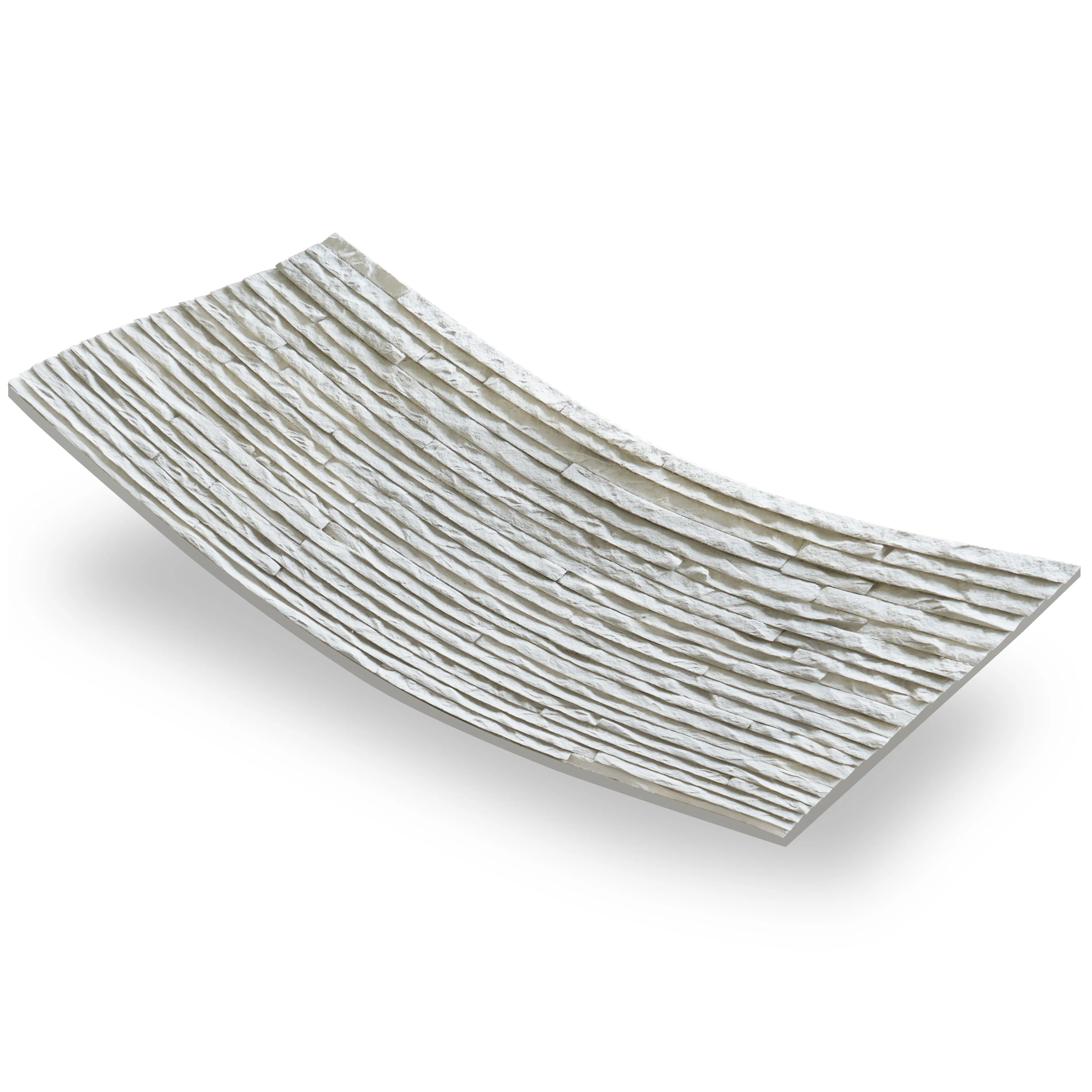
Coastal environments are tough on building materials, and saltwater is the main culprit. When saltwater spray hits exterior surfaces, it evaporates, leaving behind salt crystals. Over time, these crystals expand and contract with temperature changes, causing cracks, spalling (flaking), and discoloration. Metals corrode, wood rots, and even some stones deteriorate under this constant assault. For homeowners, this means frequent repairs, repainting, or replacement—costly and time-consuming headaches that take away from the joy of coastal living.
Saltwater resistance isn't just about preventing physical damage, though. It's also about maintaining the stone's appearance. Nothing ruins the charm of a beige coastal home faster than streaky, discolored walls or pitted surfaces. A saltwater-resistant material should retain its color, texture, and structural integrity even after years of exposure to salt, wind, and rain.
Pro Tip: When evaluating materials for coastal use, look beyond just "waterproof." Saltwater is more corrosive than freshwater, so you need a material specifically tested for salt resistance—look for certifications like ASTM D6473 (Standard Test Method for Evaluating the Resistance of Stone to Salt Attack) or similar industry standards.
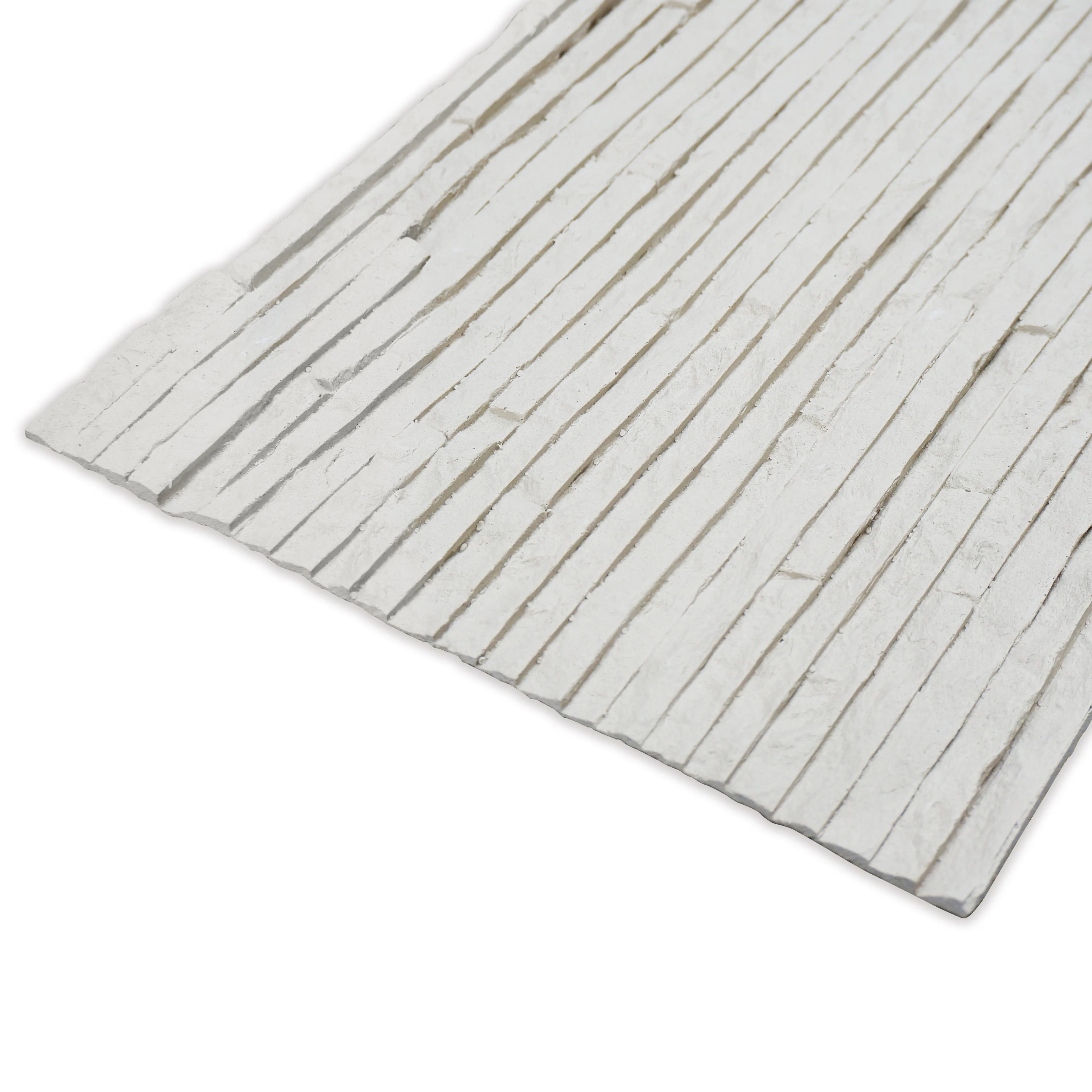
So, what makes muretto stone (beige) so effective at withstanding saltwater? Let's break it down:
Porosity is a measure of how much empty space (pores) a stone has. Highly porous stones, like some types of sandstone, absorb saltwater easily, allowing salt crystals to form inside and weaken the structure. Muretto stone (beige), however, has a relatively low porosity (typically between 2-5%), meaning it doesn't soak up water or salt as readily. Its high density (around 2.3-2.5 g/cm³) further acts as a barrier, slowing down the penetration of saltwater spray.
Muretto stone (beige) is rich in calcite, a mineral that's relatively resistant to saltwater's chemical effects. Unlike stones high in feldspar or mica (which break down when exposed to salt), calcite reacts minimally with sodium chloride (table salt), the main component of seawater. This chemical stability prevents the stone from deteriorating at the molecular level, ensuring it stays strong over time.
Over centuries, muretto stone has naturally weathered in harsh environments, which has essentially "pre-conditioned" it to resist erosion. This natural resilience translates well to coastal settings, where it can stand up to strong winds, driving rain, and salt spray without losing its structural integrity or appearance.
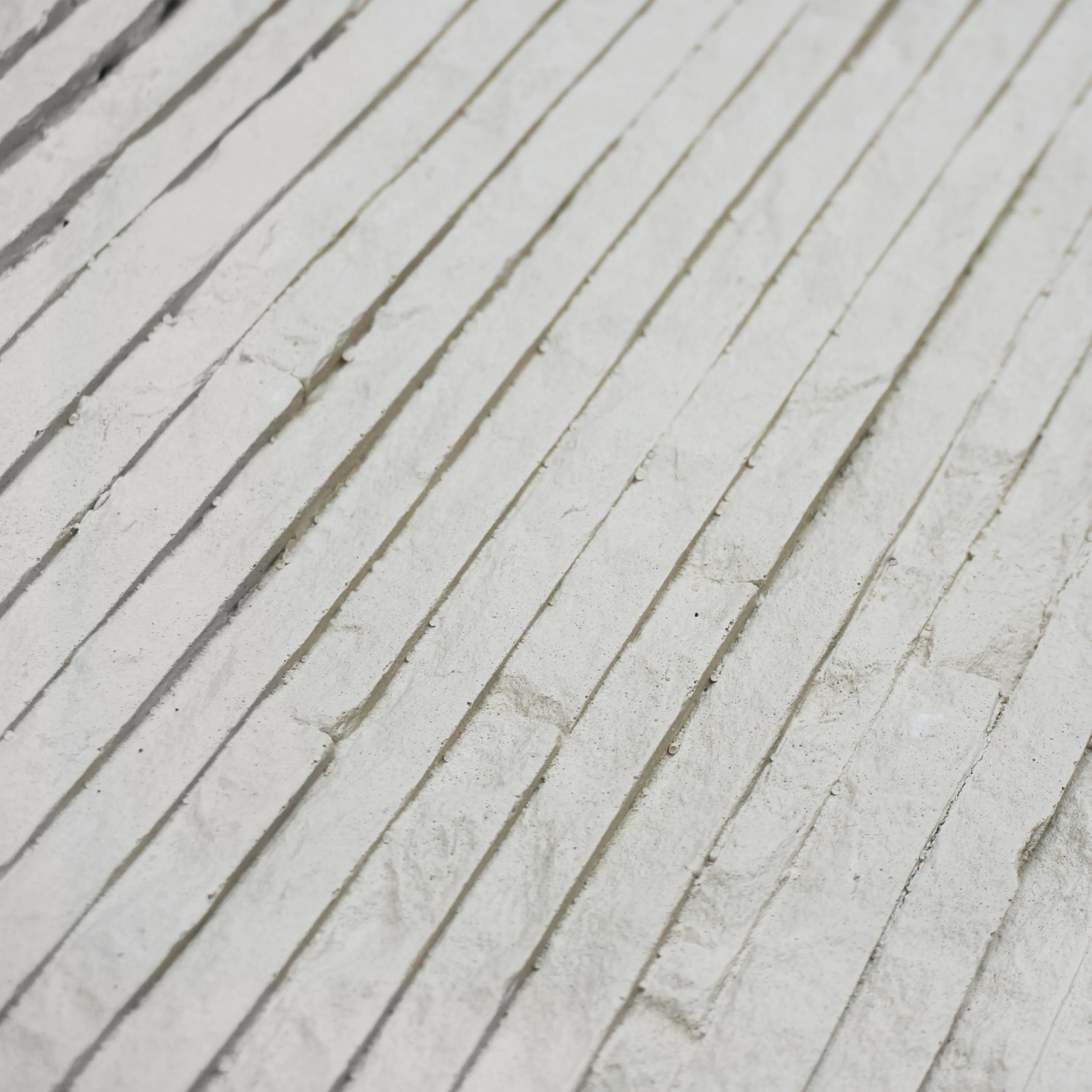
To truly appreciate muretto stone (beige) 's coastal benefits, it helps to compare it to other common materials. Let's take a look at how it stacks up against fair-faced concrete (a popular modern option) and mcm flexible stone (another innovative cladding material):
| Property | Muretto Stone (Beige) | Fair-Faced Concrete | MCM Flexible Stone |
|---|---|---|---|
| Saltwater Resistance | Excellent (low porosity, calcite content resists salt crystallization) | Good (dense but can develop hairline cracks over time, allowing salt penetration) | Very Good (flexible, but may fade in intense UV/salt exposure) |
| Aesthetics | Warm, natural beige tones with subtle texture; timeless appeal | Industrial, minimalist look; limited color options | Versatile designs, but lacks the depth of natural stone |
| Durability | 50+ years with minimal maintenance | 30-40 years, prone to staining and cracking | 20-30 years, may peel at edges in high humidity |
| Maintenance | Low (occasional cleaning with mild detergent) | Moderate (sealing every 2-3 years to prevent staining) | Moderate (avoid harsh cleaners; may need touch-ups) |
| Cost | Mid-range (higher upfront than concrete, lower long-term than frequent replacements) | Low upfront, but higher over time due to maintenance | Mid-range, similar to muretto stone |
As the table shows, while fair-faced concrete and mcm flexible stone have their merits, muretto stone (beige) offers the best balance of saltwater resistance, aesthetics, and long-term value for coastal homes. Its natural composition and weathering resistance make it a smarter investment for those looking to avoid constant repairs.
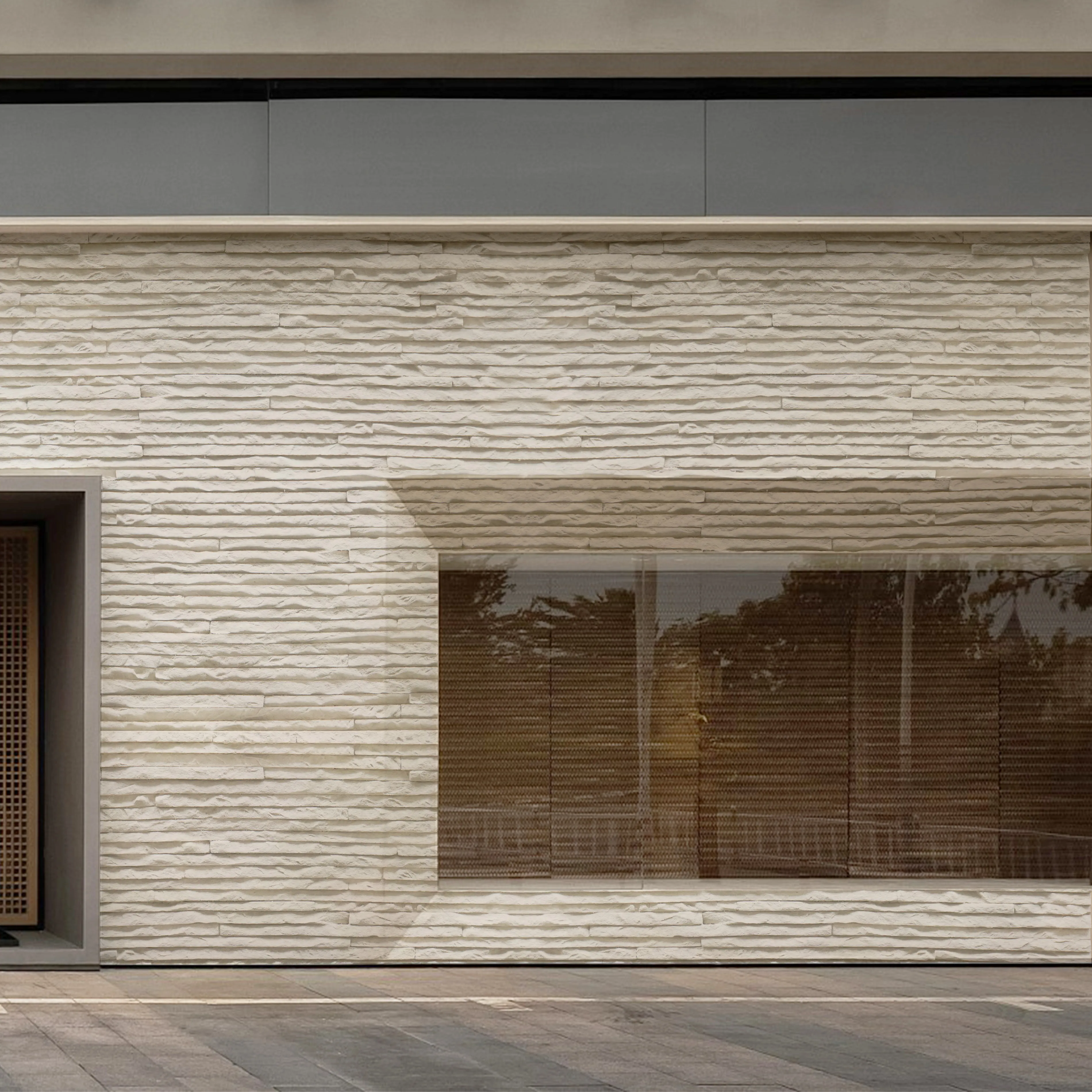
Not all muretto stone (beige) is created equal. To ensure you're getting a saltwater-resistant variant, follow these steps:
The quality of muretto stone depends heavily on its origin. Stones from quarries in regions with a history of producing coastal-resistant materials (e.g., areas near the Mediterranean, which has similar saltwater conditions) are often more reliable. Ask your supplier for details about the stone's geological source and request a certificate of analysis that includes porosity and density measurements.
Reputable suppliers should be able to provide results from salt spray tests (e.g., ASTM B117), which simulate years of salt exposure in a controlled environment. Look for stones that show minimal weight loss, no cracking, and little to no discoloration after 1,000+ hours of testing—this is a strong indicator of long-term saltwater resistance.
For coastal use, opt for a honed or lightly textured finish rather than a highly polished one. Polished surfaces can be more prone to water spotting and salt buildup, whereas a slightly rough texture allows water to run off more easily. Avoid stones with visible pits or cracks, as these are weak points where saltwater can seep in.
Not all coastal areas are the same. If you live in a region with frequent storms or high humidity (e.g., Florida, the Caribbean), you'll need a more dense muretto stone (beige) with lower porosity. For drier coastal areas (e.g., parts of California), a slightly more porous variant may still perform well, as long as it's properly sealed.
Insider Tip: Ask your supplier for samples and test them yourself! Place a small stone sample in a saltwater solution (1 tablespoon of salt per cup of water) and let it sit for a week. If the stone develops a white, powdery residue (efflorescence) or starts to crumble, it's not saltwater-resistant enough.
Even the most saltwater-resistant stone needs a little care to stay looking its best. Here's how to maintain your muretto stone (beige) exterior:
Coastal living shouldn't mean sacrificing beauty for durability. With muretto stone (beige) , you get the best of both worlds: a warm, natural material that enhances your home's aesthetic while standing up to the relentless power of saltwater. By choosing a high-quality, saltwater-resistant variant, checking its source and test results, and following proper maintenance, you can enjoy a stunning, long-lasting exterior that ages gracefully—just like the coastal landscape itself.
So, whether you're building a new beach house or renovating an existing one, consider muretto stone (beige) as your first choice. It's not just a material; it's an investment in years of coastal enjoyment, free from the stress of constant repairs. After all, your home should be a sanctuary, not a battle against the elements—and with muretto stone, it can be both.
Recommend Products












