
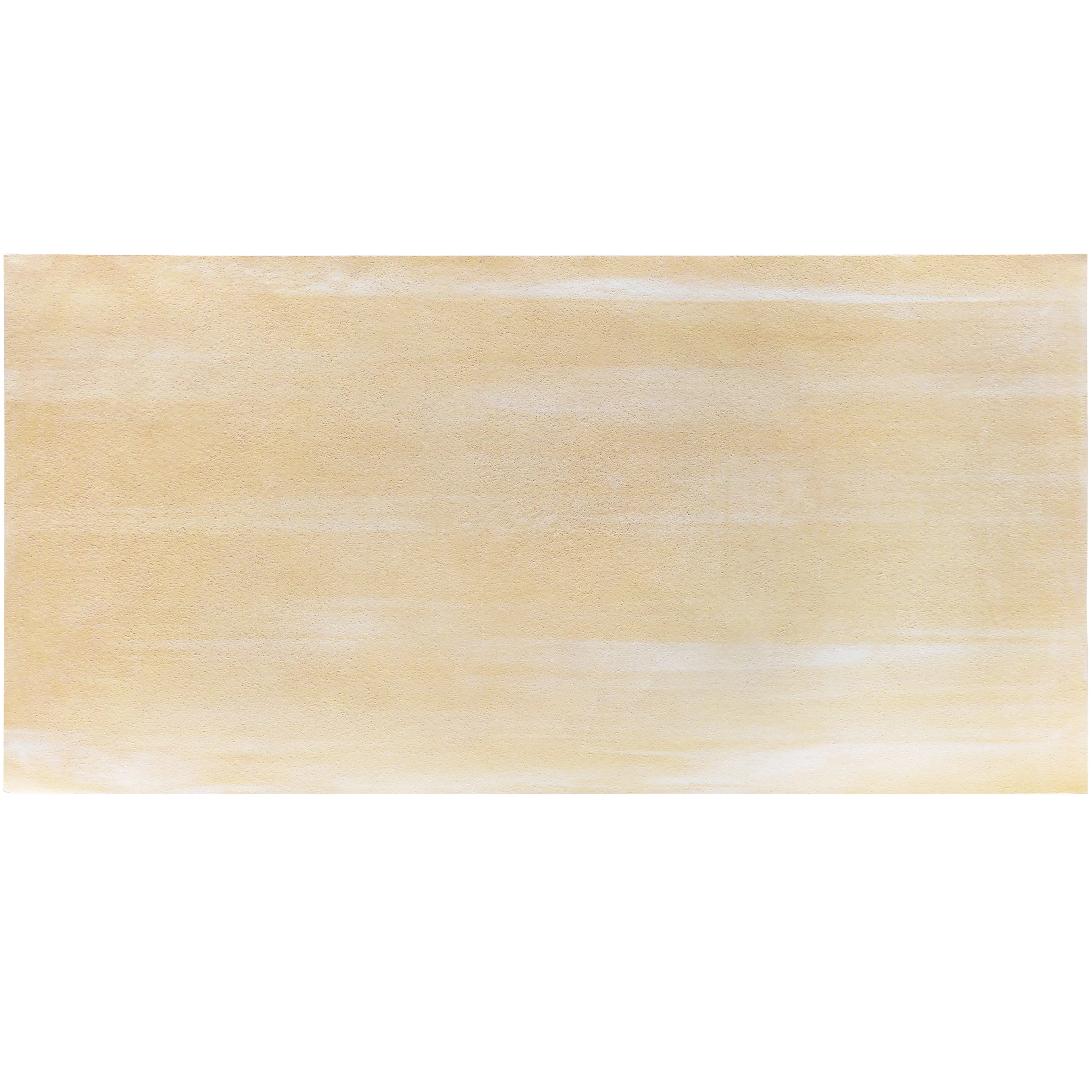
Navigating the world of building materials can feel like wandering through a maze—until you stumble upon a gem that checks every box. Let's explore why Sandstone Cloude might just be that gem for your next project.
If you've ever sat down with a stack of material samples, flipping through swatches of stone, concrete, and tile, you know the feeling: excitement mixed with overwhelm. Every option seems to promise something—durability, beauty, uniqueness—but how do you pick one that doesn't just meet your needs, but elevates your project from "nice" to "unforgettable"? That's where Sandstone Cloude enters the conversation.
Named for its soft, billowy texture that mimics the look of clouds caught mid-drift, Sandstone Cloude isn't just a building material—it's a design statement. Whether you're dreaming up a cozy backyard patio, a sleek commercial lobby, or a rustic-chic home exterior, this stone has a way of blending versatility with personality. But choosing it isn't as simple as falling for its looks. To make sure it's the right fit, let's break down the key factors you need to consider.
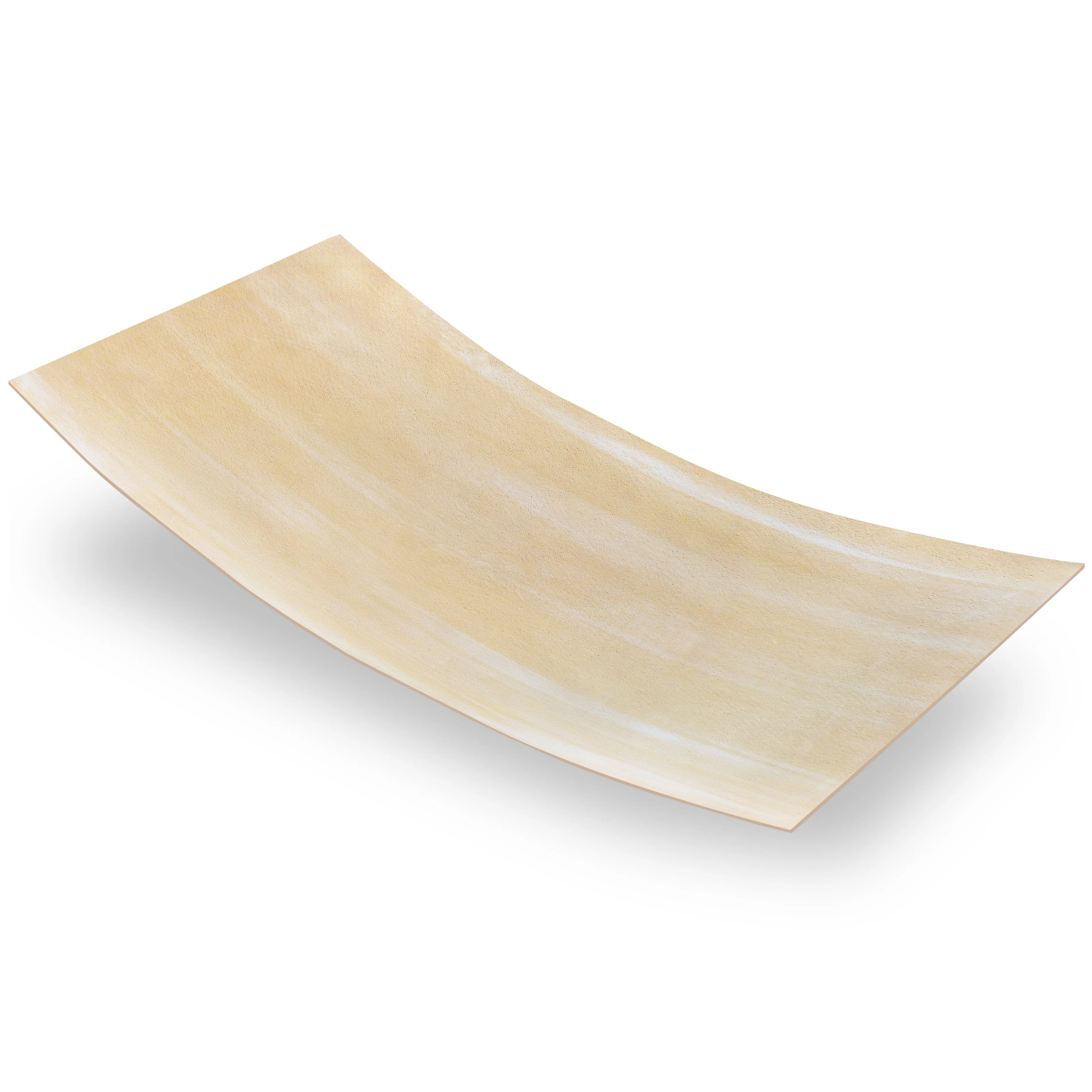
Let's start with the fun part: how it looks. At the end of the day, the materials we choose shape the mood of a space. A sharp, modern kitchen might call for something sleek, while a countryside cottage leans into warmth and texture. Sandstone Cloude, with its soft, layered appearance, is surprisingly adaptable—but that doesn't mean it works everywhere. Here's how to tell if it aligns with your project's aesthetic.
Sandstone Cloude typically comes in a range of muted tones—think pale grays, warm beiges, and soft whites—with gentle veining that adds movement without overwhelming. It's the kind of color that plays well with others: pair it with rich wood accents for warmth, or with bold pops of color (like navy or terracotta) for contrast. But if your project leans into high drama—say, a luxury hotel lobby with black marble floors and gold fixtures—you might find Sandstone Cloude's understated nature gets lost. On the flip side, if you're aiming for a calm, timeless space (a yoga studio, a family home, a boutique café), its cloud-like softness will feel like a hug.
One of Sandstone Cloude's most distinctive features is its texture. Run your hand over a slab, and you'll feel a gentle, almost velvety surface with subtle ridges—like the texture of a well-loved book cover. This isn't just about looks; it's about how the material makes people feel. In spaces where touch matters—a kid's playroom, a restaurant where guests might lean against a wall—it adds a sense of approachability. Compare that to, say, travertine (beige) , which often has more pronounced holes and a rougher finish, or the smooth, cold surface of polished marble. Sandstone Cloude strikes a balance: it's interesting to look at and pleasant to touch, without being overly textured.
Whether you're using it for a full wall, a backsplash, or outdoor pavers, Sandstone Cloude's pattern holds up at different scales. In large applications (like an exterior facade), its soft veining creates a cohesive, calming look that doesn't read as busy. In smaller doses (a bathroom vanity top), it adds subtle interest without competing with other elements. This versatility is a big plus, especially if you're using the same material in multiple areas of your project. Just be mindful of lighting: natural light brings out its warm undertones, while harsh artificial light can make it look flat. Test a sample in your space at different times of day to be sure.
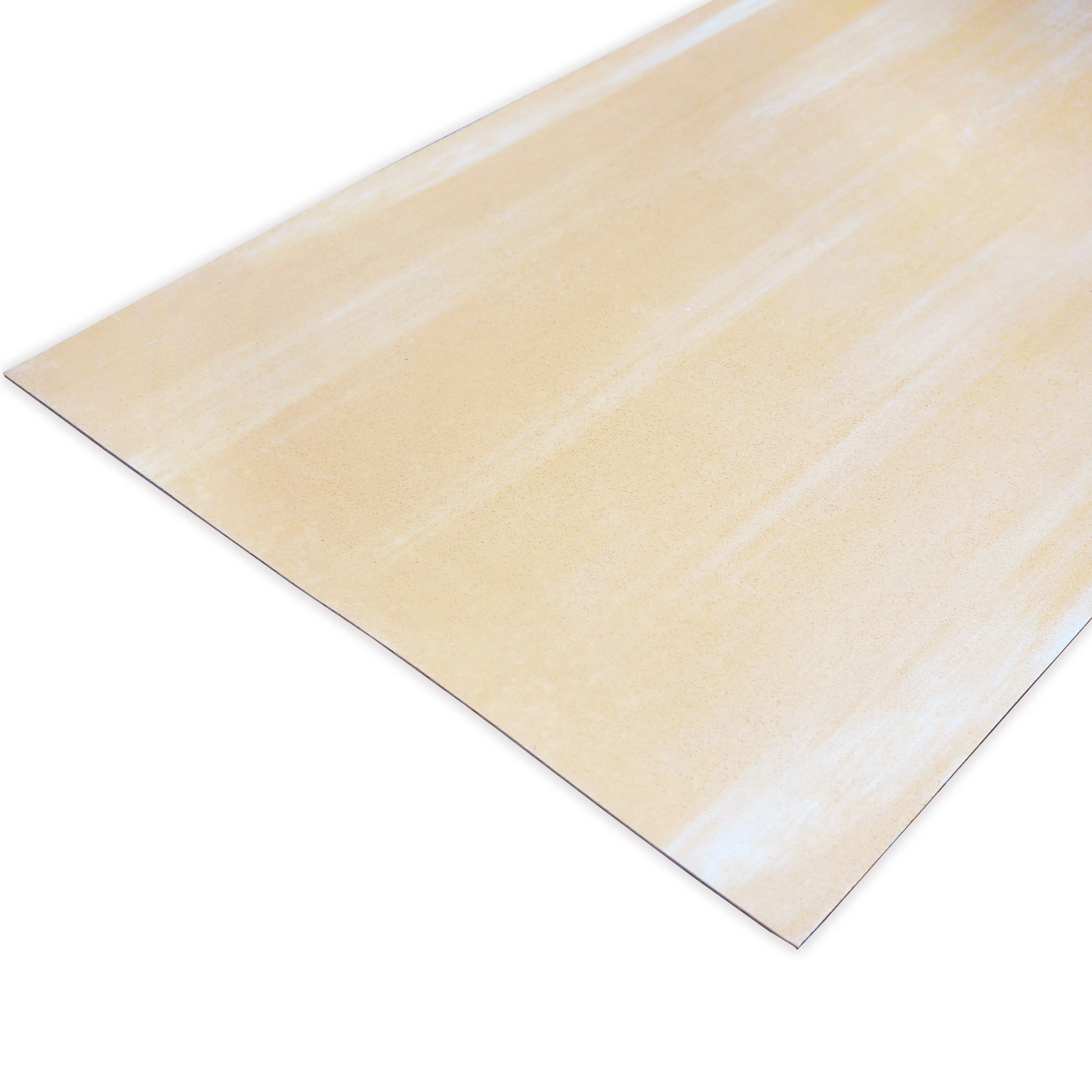
Beauty is important, but a material that looks stunning today but cracks, stains, or fades in a year is a disappointment waiting to happen. Sandstone Cloude is durable, but like any natural material, it has its limits. Let's break down the functional questions you need to ask.
If you're using Sandstone Cloude outdoors, weather resistance is non-negotiable. Luckily, it holds up well in most climates. It's resistant to rain, snow, and UV rays, so it won't fade or warp in direct sunlight. That said, it's not impervious to extreme conditions. In areas with heavy freeze-thaw cycles, for example, you'll want to seal it annually to prevent water from seeping in and causing cracks. Indoors, it's a champ: resistant to scratches from furniture (though you should still use coasters!) and stains from coffee or wine, as long as you wipe spills quickly. Compare that to fair-faced concrete , which is incredibly durable but can be prone to staining if not sealed properly. Sandstone Cloude strikes a good balance—tough enough for daily life, but not so indestructible that it feels cold or industrial.
If you're using Sandstone Cloude in a bathroom, pool deck, or outdoor patio, slip resistance is a must. Its natural texture gives it good traction, even when wet—better than polished marble or smooth travertine (beige) , which can be slippery. That makes it a smart choice for families with kids or spaces where safety is a top priority. Just keep in mind that over time, dirt and grime can build up in the texture, reducing traction. Regular cleaning (a soft brush and mild soap) will keep it safe and looking fresh.
Let's be real: no one wants to spend weekends scrubbing their building materials. Sandstone Cloude is relatively low-maintenance, but it's not "set it and forget it." Here's what you'll need to do: seal it once a year (outdoors) or every 2-3 years (indoors) to protect against stains and moisture. Sweep or vacuum regularly to prevent dirt buildup, and wipe spills with a damp cloth. Avoid harsh cleaners (like bleach or acidic solutions), which can eat away at the surface. If you're someone who prefers a material that requires minimal upkeep, this might feel like a chore—but for many, the trade-off for its beauty is worth it. Compare it to flexible stone cladding panels , which are often easier to clean but may not offer the same natural durability over time.
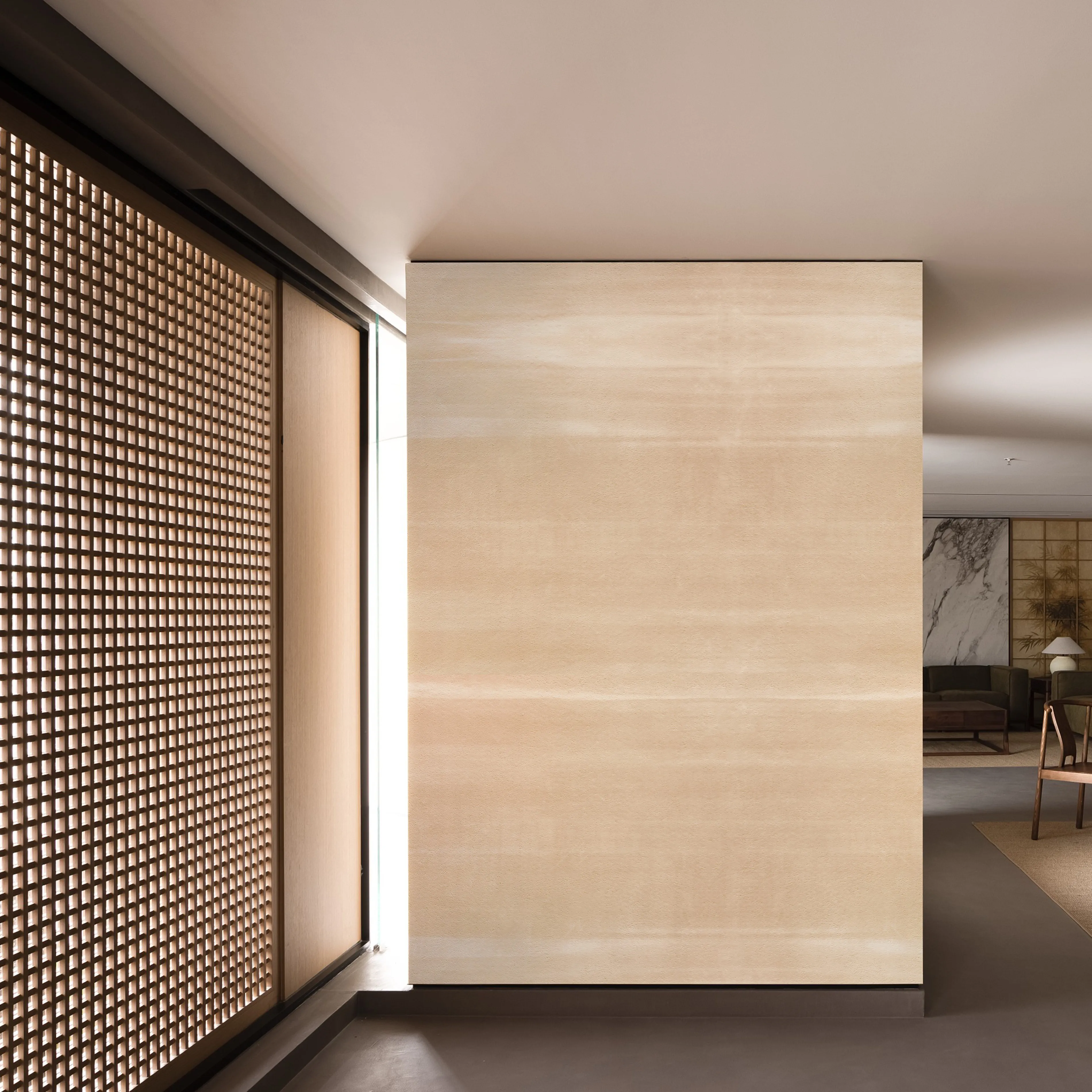
Even the most beautiful, durable material can become a headache if it's a nightmare to install. Sandstone Cloude's weight, flexibility, and compatibility with different installation methods are key here—especially if you're working with a tight timeline or a small budget for labor.
Sandstone Cloude is a natural stone, so it's heavier than synthetic alternatives like flexible stone cladding panels or vinyl. A standard slab can weigh 50-70 pounds, which means you'll need help moving and installing it. This isn't a DIY project for beginners—hiring a professional installer is a must, especially for vertical applications (like walls) where safety and precision matter. The good news? Experienced installers are familiar with working with natural stone, so you won't have trouble finding someone who knows the ropes. Just factor labor costs into your budget—they can add 20-30% to the total material cost.
If your project has curved edges, intricate patterns, or custom sizes, Sandstone Cloude can be cut to fit—but it requires special tools (like diamond-tipped saws) to avoid chipping. This adds to the installation time and cost, but the result is a tailored look that synthetic materials often can't match. For example, if you're designing a fireplace with a curved mantel, Sandstone Cloude can be shaped to flow seamlessly, whereas fair-faced concrete might require bulky forms. Just be sure to order extra material to account for cuts and potential breakage—most installers recommend 10-15% overage.
Sandstone Cloude needs a stable, level surface to adhere to. For floors, that means a reinforced subfloor (especially in second-story rooms) to support its weight. For walls, the substrate should be clean, dry, and free of cracks. If you're installing it over existing material (like tile), your installer may need to add a layer of mortar or backer board to ensure a secure bond. Skipping these steps can lead to shifting, cracking, or even delamination down the line. It's an extra step, but it's worth it for a long-lasting result.
These days, more and more of us are asking: "What's the environmental impact of the materials I'm using?" If sustainability is a priority for you, Sandstone Cloude has some strong points—but it's not without trade-offs.
Sandstone Cloude is a natural stone, which means it's quarried from the earth. Reputable suppliers will follow ethical mining practices—minimizing water usage, restoring quarry sites after extraction, and ensuring fair labor conditions. Look for certifications like the Global Reporting Initiative (GRI) or LEED (Leadership in Energy and Environmental Design) to verify a supplier's commitment to sustainability. Compare that to green building materials like recycled concrete, which have a lower carbon footprint but may not offer the same natural beauty. If you're choosing Sandstone Cloude, opt for local or regional suppliers to reduce transportation emissions—shipping stone across the country (or globe) adds significantly to its environmental impact.
One of the most sustainable things about Sandstone Cloude is its lifespan. With proper care, it can last 50+ years—far longer than synthetic materials that need to be replaced every 10-15 years. This longevity reduces waste over time. When it does eventually reach the end of its useful life, it can be crushed and repurposed as aggregate for roads or landscaping, making it a circular material. Compare that to flexible stone cladding panels , which are often made with plastics that aren't easily recyclable. If you're in it for the long haul, Sandstone Cloude's durability is a win for both your project and the planet.
Natural stone has thermal mass, meaning it absorbs and retains heat. This can help regulate temperatures in your space: cool in summer, warm in winter. For example, an exterior wall clad in Sandstone Cloude will absorb heat during the day and release it slowly at night, reducing the need for heating and cooling. While this effect is more noticeable in larger applications, it's a small but meaningful way the material contributes to energy efficiency. If you're aiming for a LEED-certified project, this thermal performance can even earn you points toward certification.
Let's talk numbers. Sandstone Cloude isn't the cheapest option out there, but it's also not the most expensive. The key is to look beyond the upfront cost and consider its long-term value—how it holds up over time, how it impacts your property's resale value, and whether it aligns with your budget.
On average, Sandstone Cloude costs $15-30 per square foot, depending on the thickness, finish, and supplier. Compare that to travertine (beige) ($20-40/sq ft), fair-faced concrete ($10-20/sq ft), and flexible stone cladding panels ($8-15/sq ft). So it's mid-range—more affordable than high-end stone but pricier than synthetic alternatives. Add in installation ($10-20/sq ft) and sealing ($2-5/sq ft initially), and you're looking at a total cost of $27-55 per square foot. This can add up quickly for large projects, so it's important to set a clear budget upfront. If cost is a major concern, consider using Sandstone Cloude as an accent (e.g., a feature wall) rather than throughout the entire space.
Natural stone is a selling point for many homebuyers and commercial tenants. It signals quality, durability, and timelessness—all of which can boost your property's resale value. In fact, homes with natural stone features often sell faster and for higher prices than those with synthetic materials. Even if you're not planning to sell anytime soon, investing in a material that ages well (developing a beautiful patina over time) means you won't have to redo it in a decade. Compare that to flexible stone cladding panels , which may look dated or show wear after just a few years, requiring replacement. Sandstone Cloude's longevity makes it a smart investment for the future.
| Material | Aesthetic Features | Durability (Lifespan) | Installation Cost (per sq ft) | Sustainability |
|---|---|---|---|---|
| Sandstone Cloude | Soft, cloud-like texture; neutral tones with subtle veining | 50+ years with proper care | $10-20 | High (natural, recyclable, long lifespan) |
| Travertine (Beige) | Porous with visible holes; warm beige tones | 40-50 years | $12-25 | High (natural, but requires regular sealing) |
| Fair-Faced Concrete | Sleek, industrial look; gray tones | 30-40 years | $8-15 | Medium (recyclable, but high carbon footprint in production) |
| Flexible Stone Cladding Panels | Synthetic; mimics stone texture | 10-15 years | $5-10 | Low (often contains plastics, not easily recyclable) |
At the end of the day, the "right" budget is personal. If you value natural beauty, durability, and sustainability, Sandstone Cloude is worth the investment. If you're working with a tight budget, consider mixing it with more affordable materials—using it for high-visibility areas and a cheaper option (like fair-faced concrete ) for less prominent spaces. The key is to prioritize where the material will have the biggest impact, ensuring you get the most bang for your buck.
Choosing a building material is about more than checking boxes—it's about finding something that aligns with your vision, your lifestyle, and your values. Sandstone Cloude, with its timeless beauty, durability, and versatility, has a lot to offer. But it's not for everyone. If you're drawn to natural textures, willing to invest in professional installation, and care about sustainability, it could be the perfect fit.
Remember, the best way to know for sure is to get your hands on a sample. Hold it, see how it looks in your space, and imagine living with it day in and day out. When you find a material that makes you excited to walk into your project every morning—one that tells a story of quality, care, and intentional design—you'll know you've made the right choice. And with Sandstone Cloude, that story is one you'll be proud to tell for years to come.
Recommend Products












